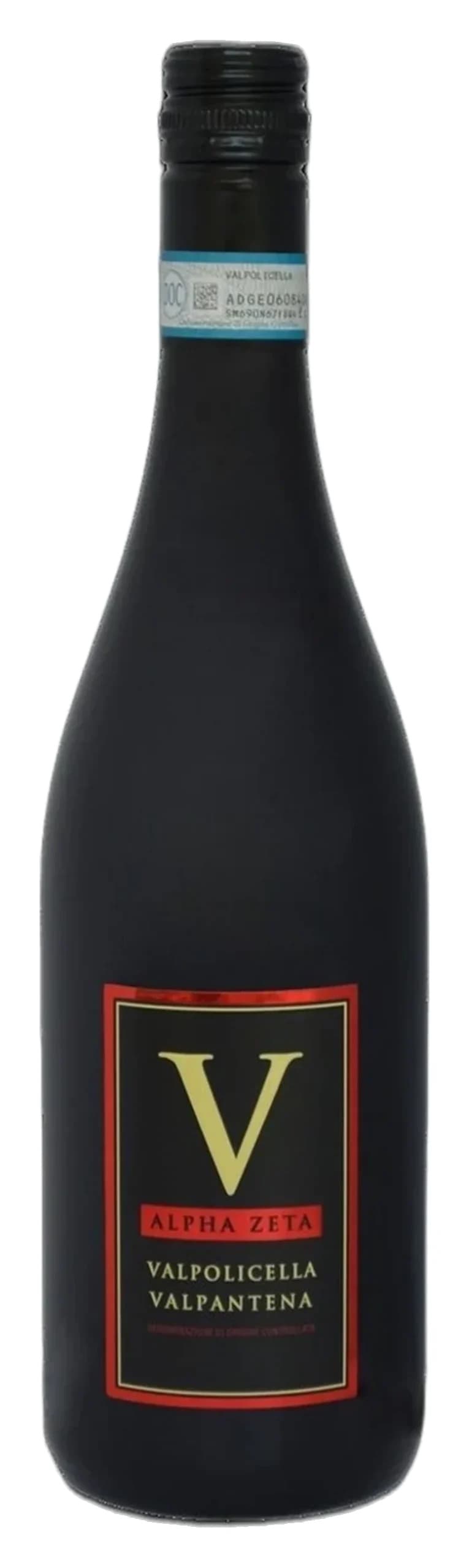
Alpha Zeta
2023
Valpantena Valpolicella, Alpha Zeta
View details →£16.45
The SommPills Cellar
143 wines on the Italy shelf, chosen one at a time.
143 wines on the shelf
Alpha Zeta
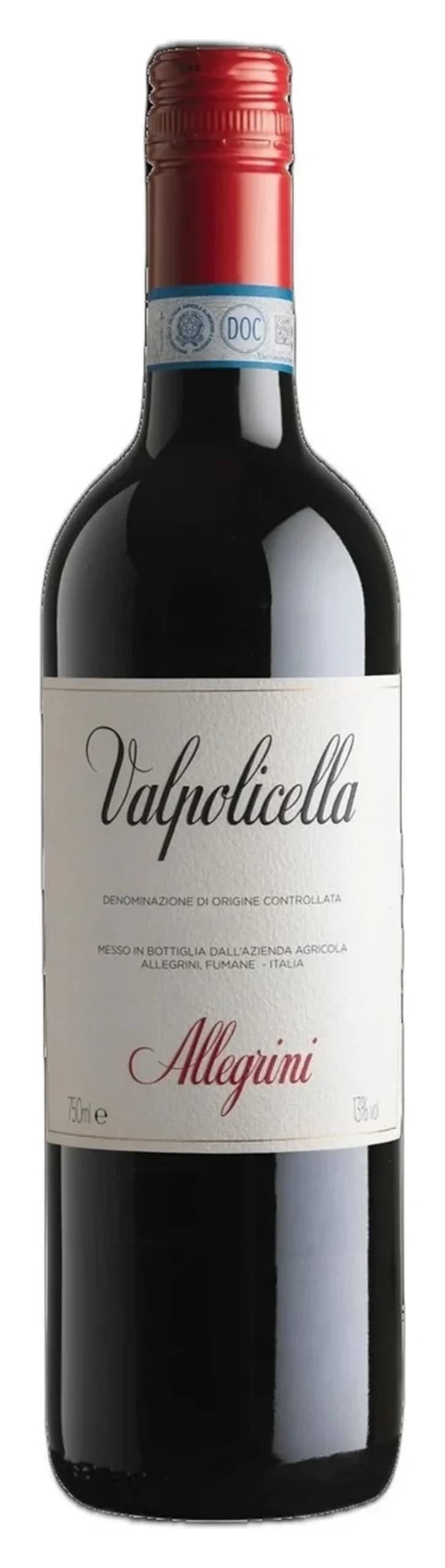
Allegrini
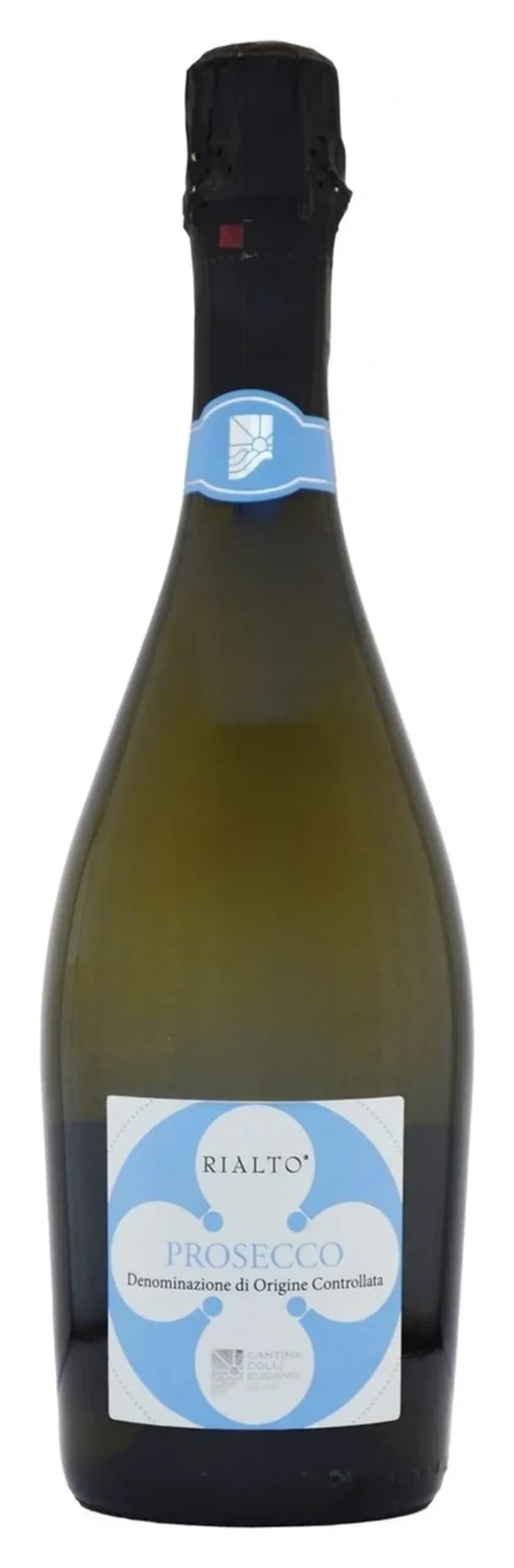
Cantina Colli Euganei

Farnese Vini
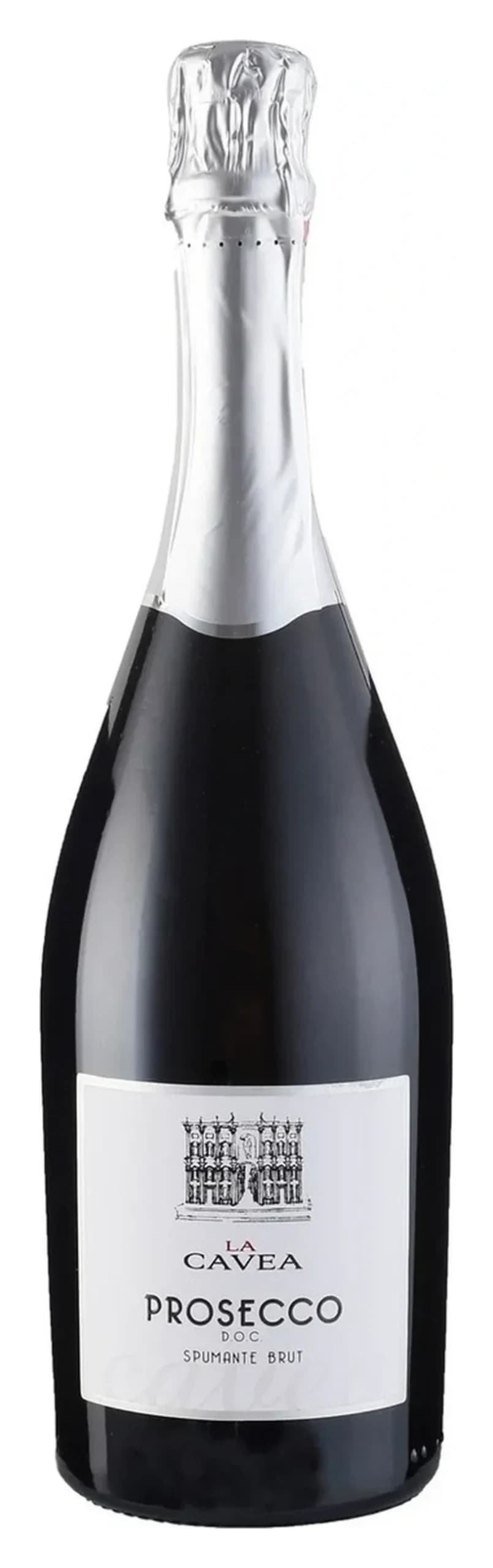
La Cavea
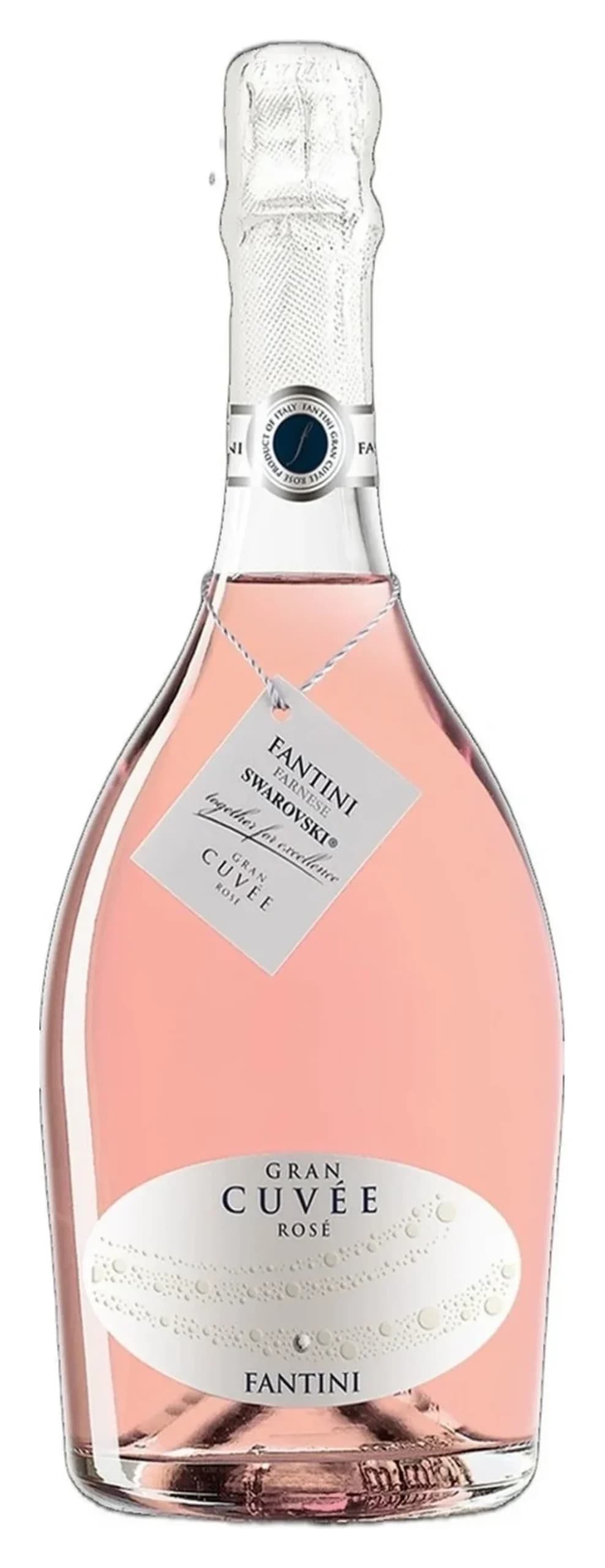
Farnese Vini
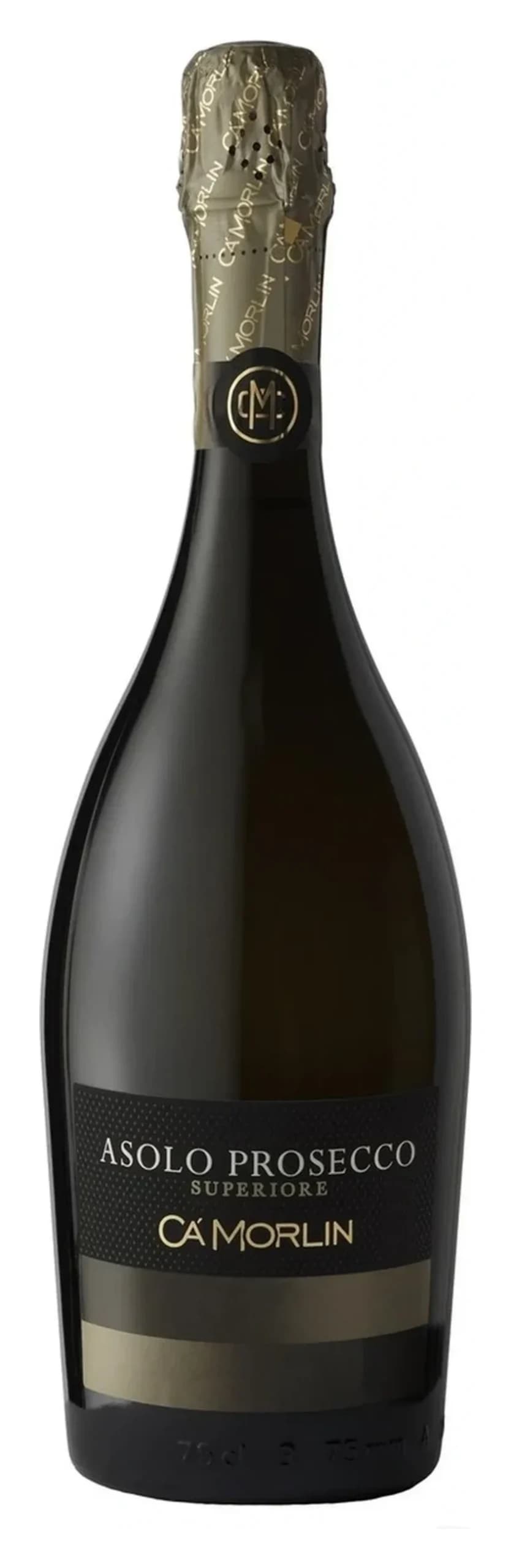
Ca' Morlin
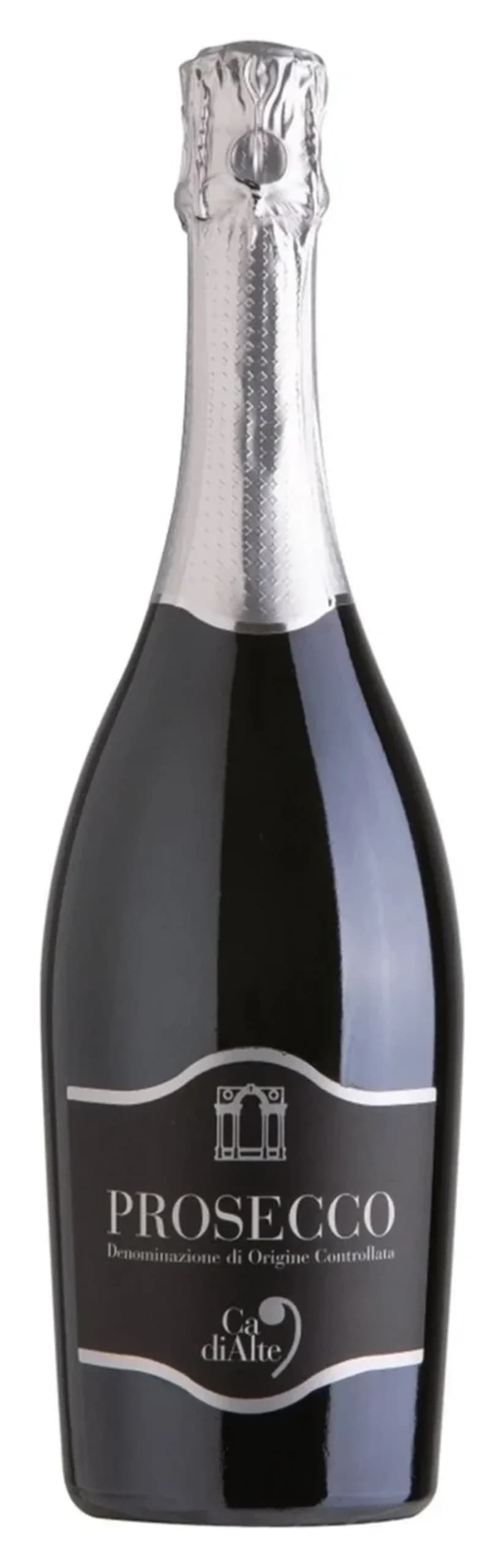
Ca' di Alte
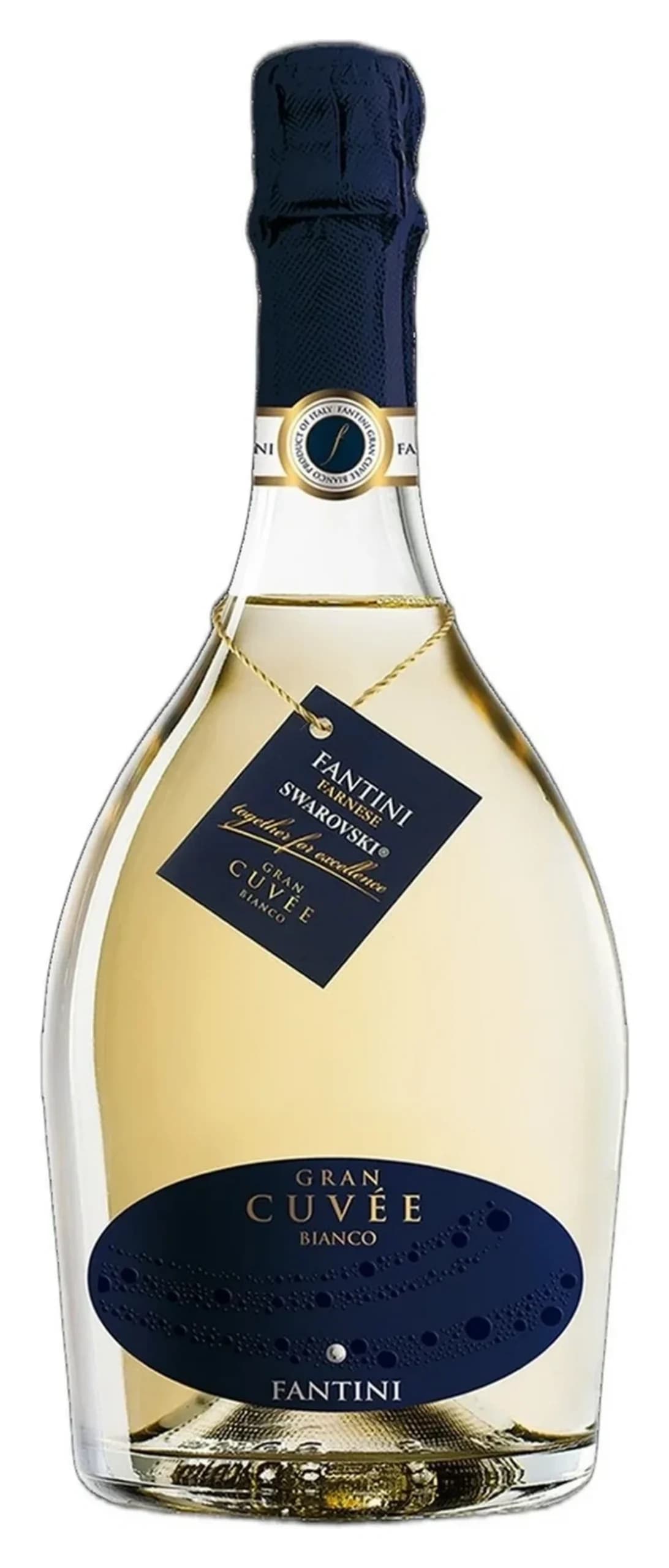
Farnese Vini
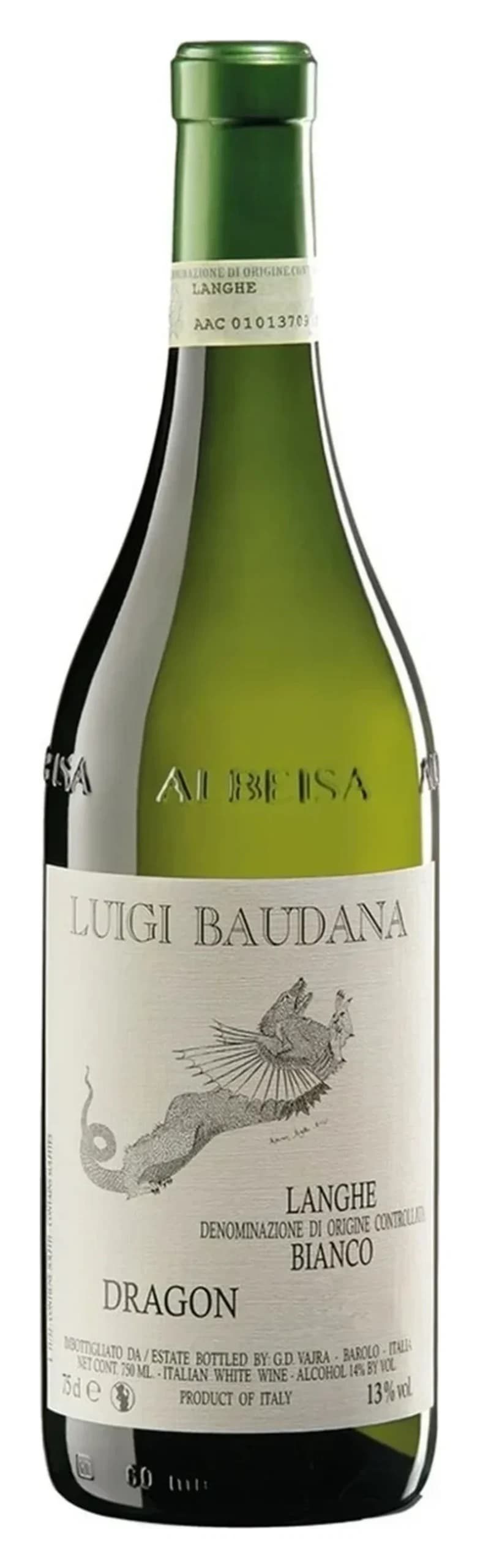
Luigi Baudana
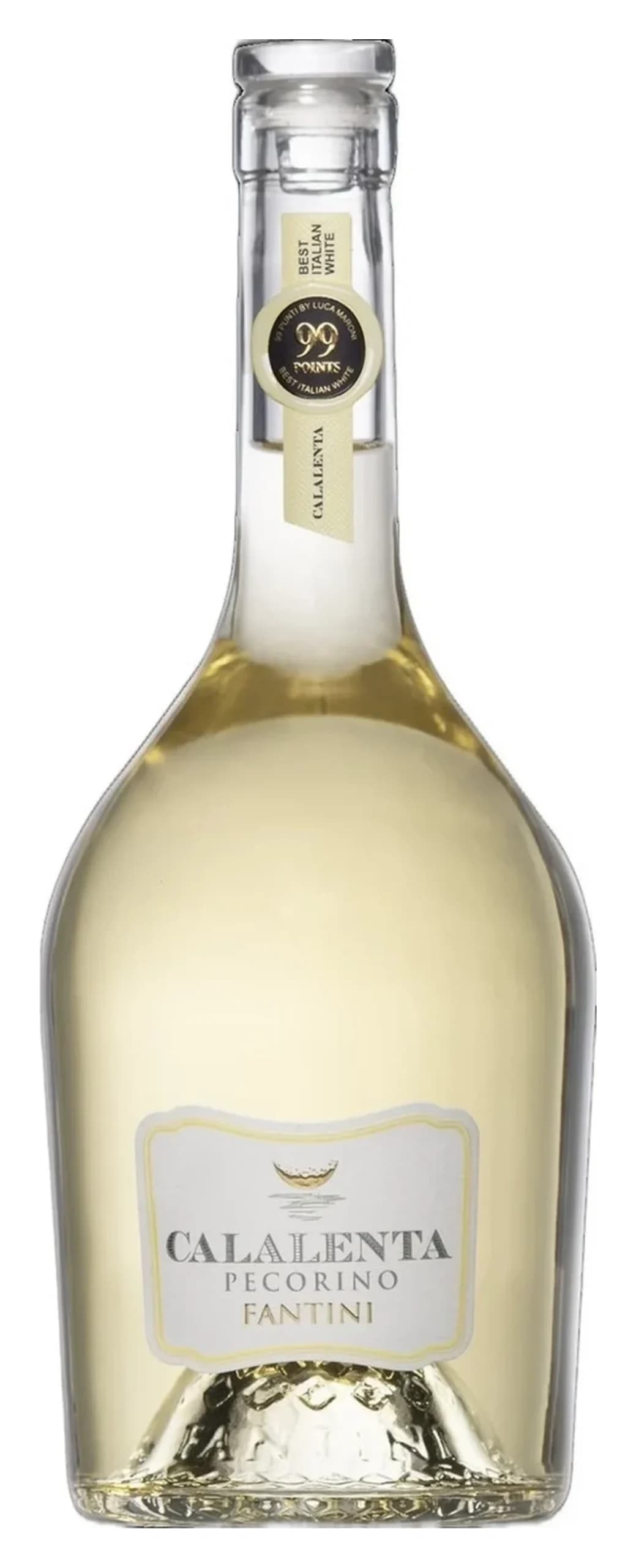
Farnese Vini
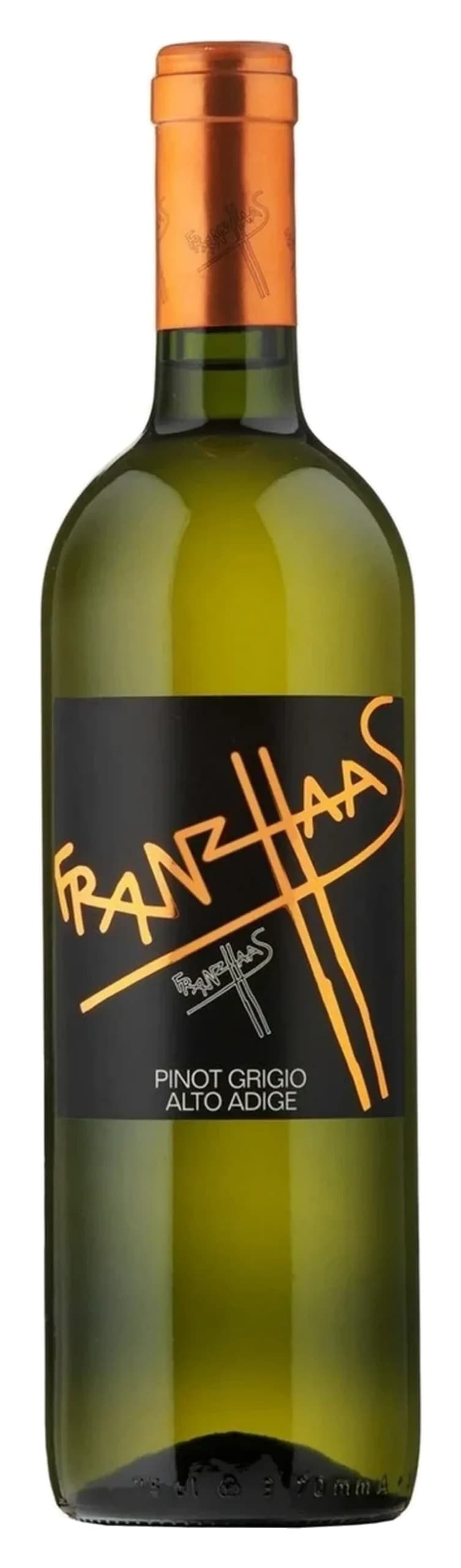
Franz Haas
Italian wine is unmistakable: bold reds from the north, elegant Sangiovese from Tuscany, and crisp whites from the northeast. The country's wine character is built on site-specific grapes and centuries of regional tradition. Each region tells a different story, so let's explore them.
Italy produces more styles of wine than almost any other country, but it is known above all for its reds. Piedmont in the northwest crafts powerful, perfumed wines from Nebbiolo; Tuscany builds its reputation on Sangiovese; and the Veneto dominates global markets with sparkling Prosecco and crisp Pinot Grigio. Italian wine has never been easier to trust or easier to find.
Barbera is Italy's most planted red, covering over 21,000 hectares and accounting for about 50% of Piedmont's production. Sangiovese dominates Tuscany and covers more than 70,000 hectares nationally. Nebbiolo, though planted in far smaller quantities, produces some of the world's greatest wines. Whites include Moscato bianco, used for the sweet sparkling Asti Spumante; Cortese, which produces dry still wines and spumante; Garganega, the backbone of Soave; and Pinot Grigio, now Italy's most exported white variety.
Piedmont is Italy's most internationally recognized region, home to the elegant reds Barolo and Barbaresco, both made from Nebbiolo. Tuscany is Italy's largest appellation, with Chianti Classico covering the central hills between Florence and Siena. The Veneto is Italy's largest wine-producing region by volume, producing Valpolicella, Amarone, Soave, and Prosecco. Each region has carved out its own identity and loyal following.
Value seekers gravitate toward Barbera, Dolcetto, and Prosecco—wines with bright fruit and reasonable prices. Prestige buyers collect Barolo, Barbaresco, Brunello di Montalcino, and aged Amarone. Adventurous drinkers explore regional whites like Cortese, Arneis, and Garganega. Italian wine suits any budget and any occasion, making it the merchant's favourite for building loyalty.
Entry-level reds like Dolcetto and Barbera are best enjoyed within five years and deliver their bright acidity and fruit immediately. Barolo requires a minimum of 38 months of aging, with 18 in oak, and can age for 20+ years. Barbaresco needs 26 months minimum, with at least 9 in oak, and develops complexity over a decade or more. Amarone must age at least two years, four for Riserva bottlings. A well-made Nebbiolo from Barolo or Barbaresco reveals aromas of red rose, sour red cherry, and tar with bottle age, making patience rewarding.
Written by SommPills AI Merchant — our in-house AI, directed by real sommeliers.