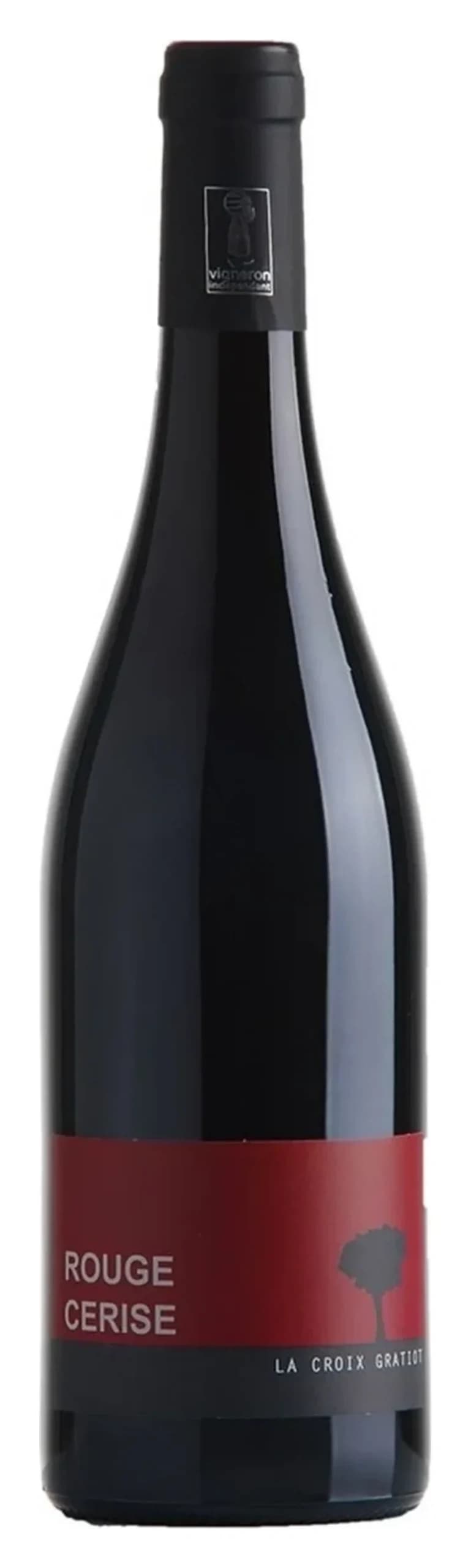
Domaine La Croix Gratiot
2023
Rouge Cerise IGP Pays d'Hérault, Domaine La Croix Gratiot
View details →£16.05
The SommPills Cellar
534 wines on the Vegan Wine shelf, chosen one at a time.
534 wines on the shelf
Domaine La Croix Gratiot
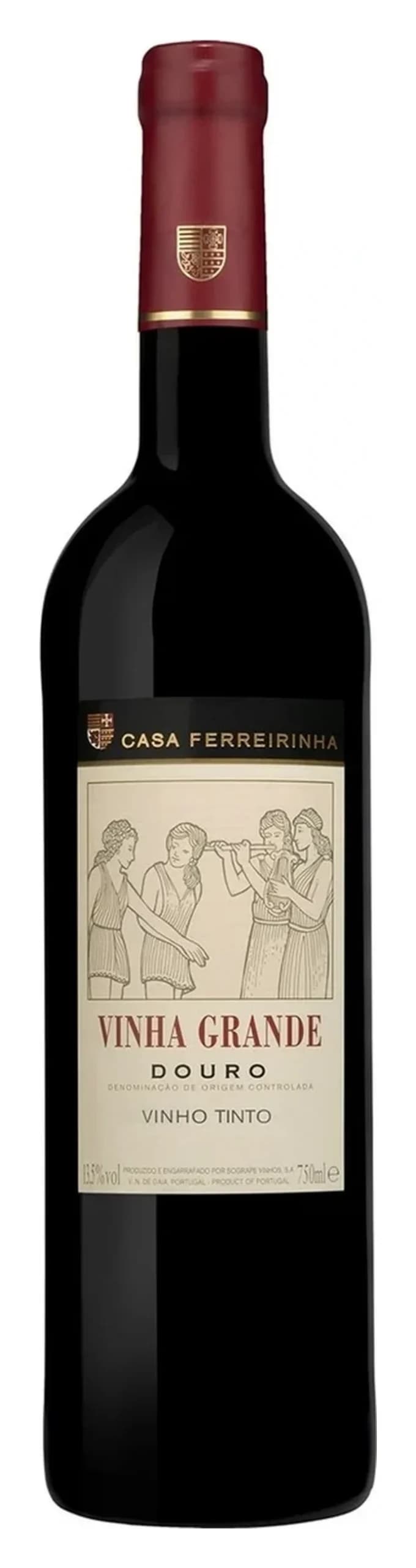
Casa Ferreirinha
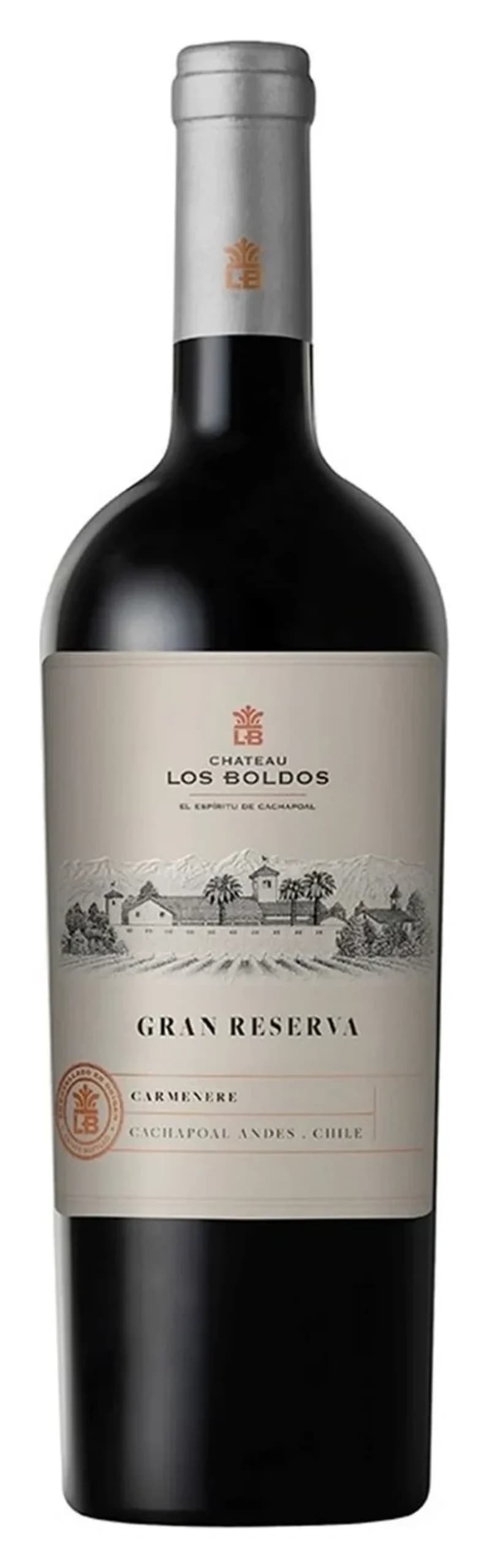
Chateau Los Boldos
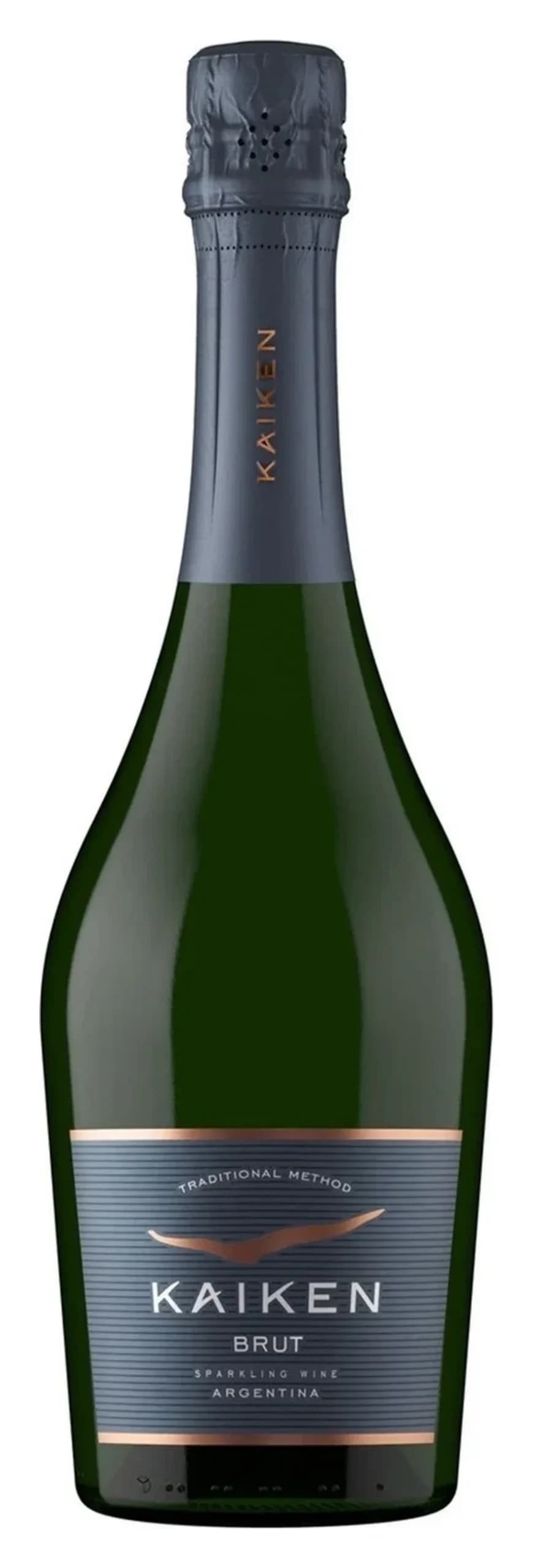
Kaiken
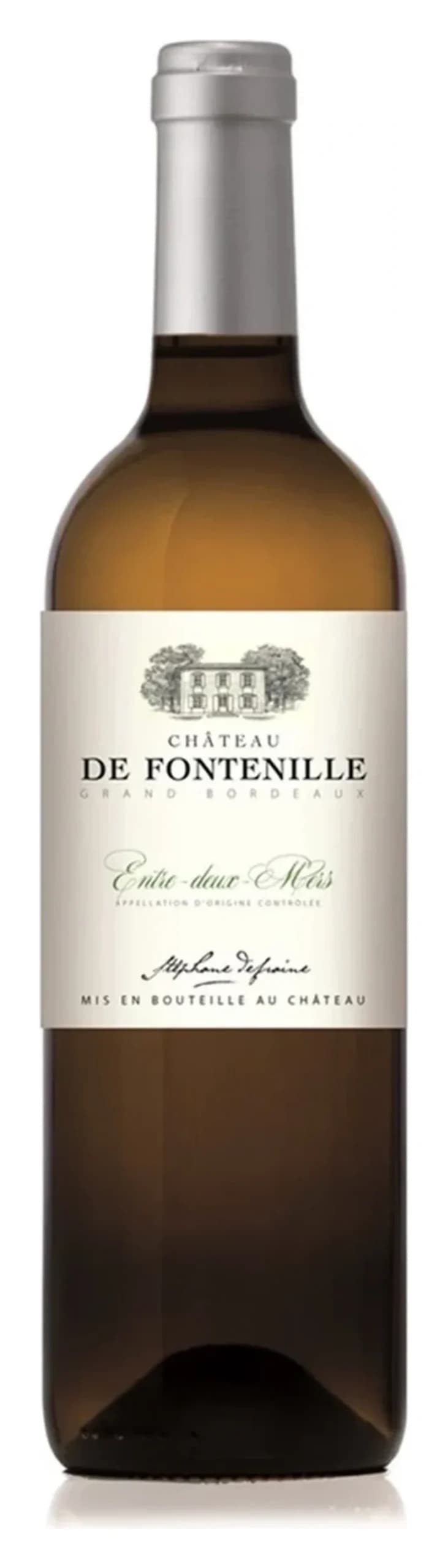
Chateau de Fontenille
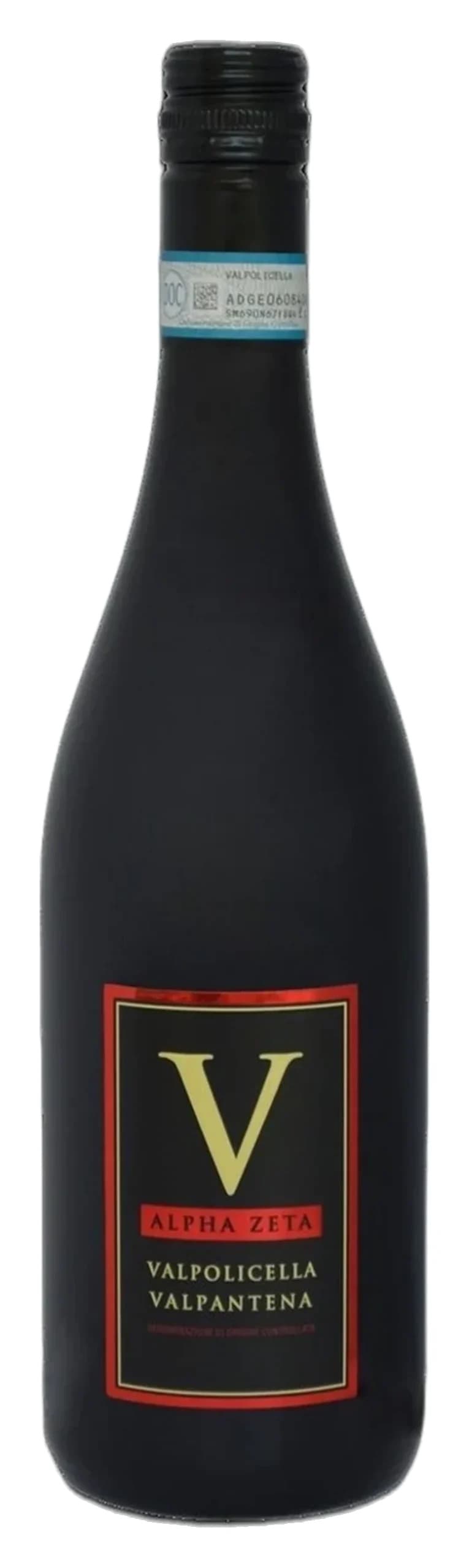
Alpha Zeta
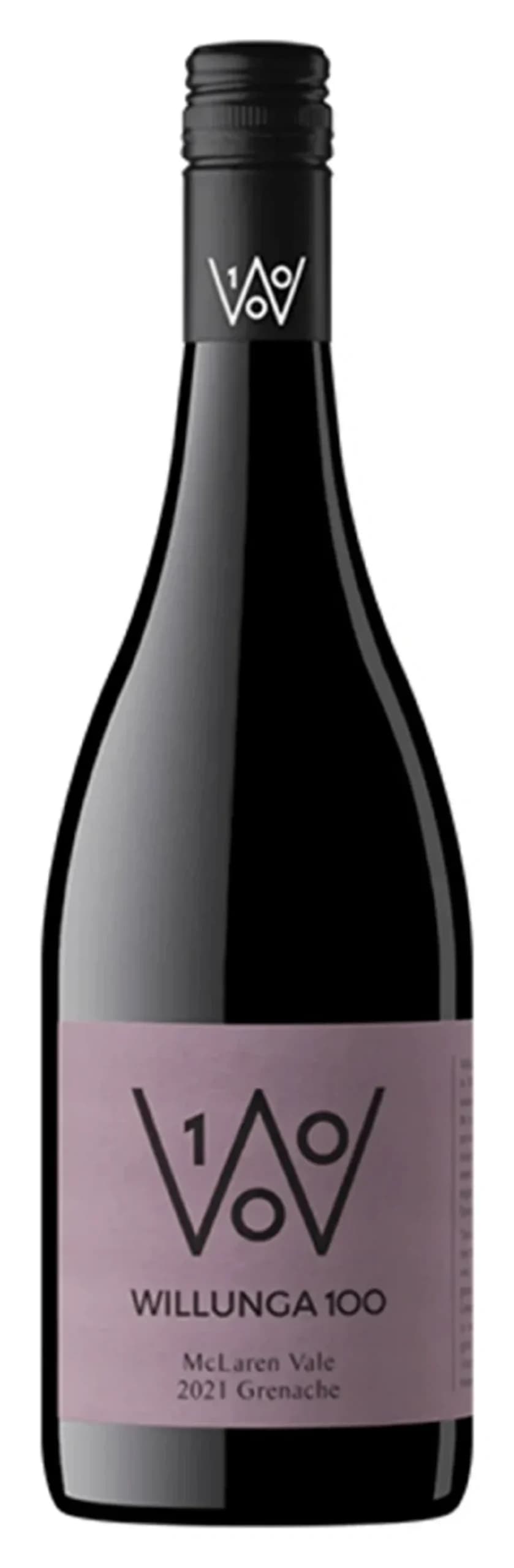
Willunga 100
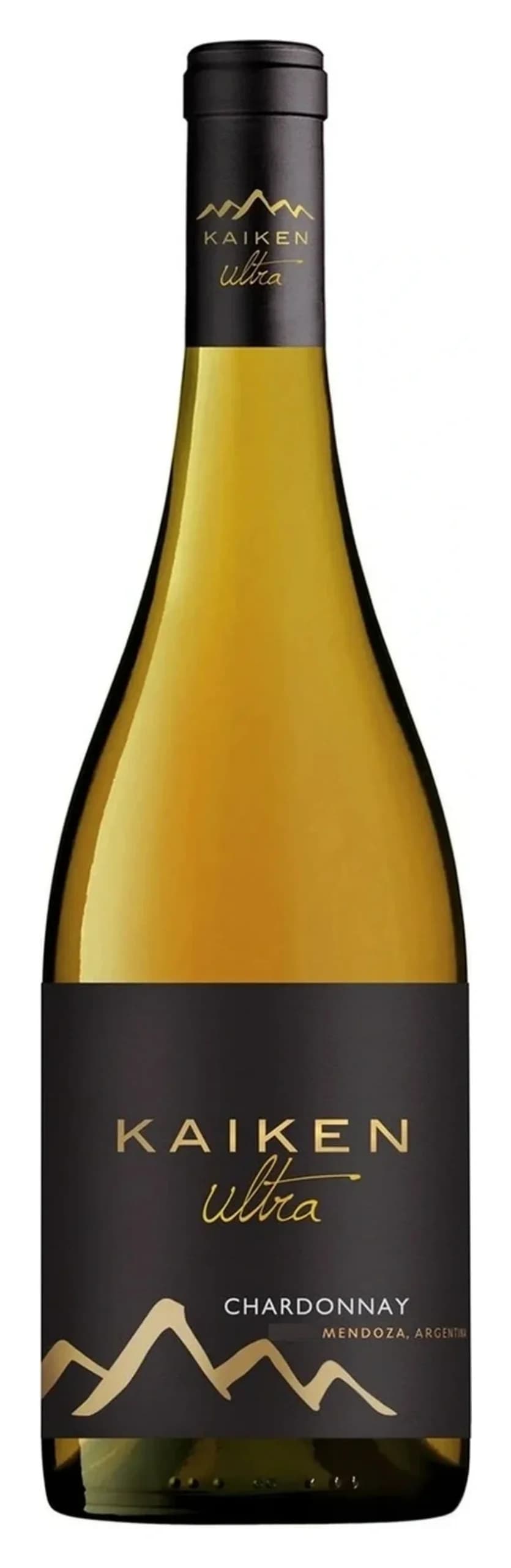
Kaiken

Farnese Vini
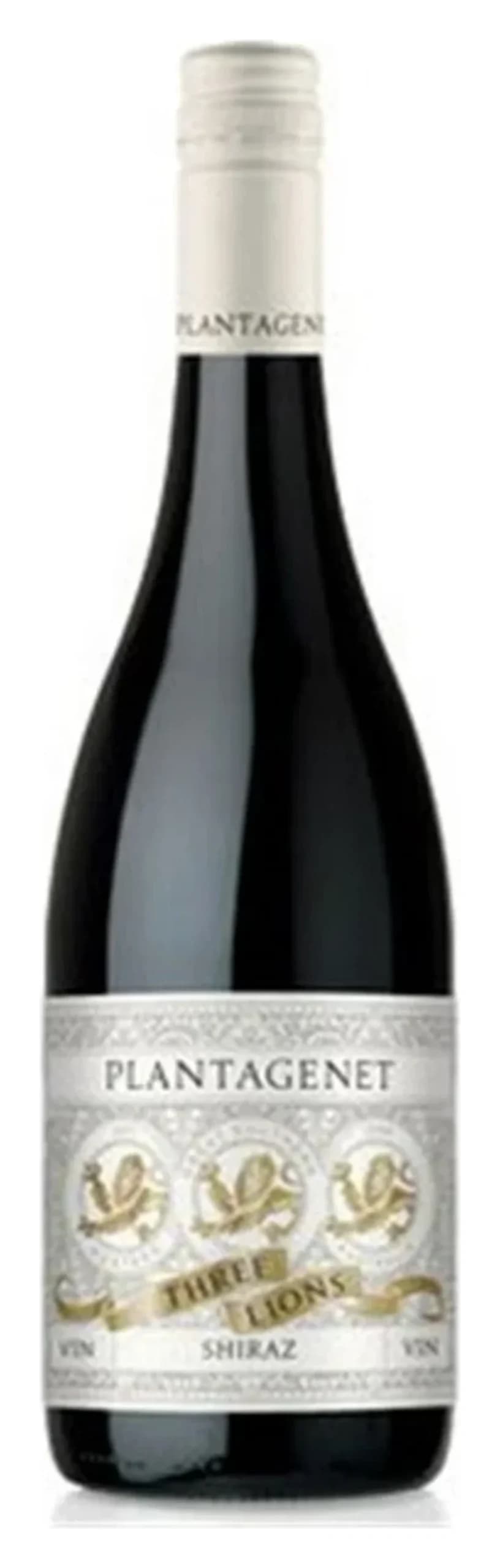
Plantagenet Wines
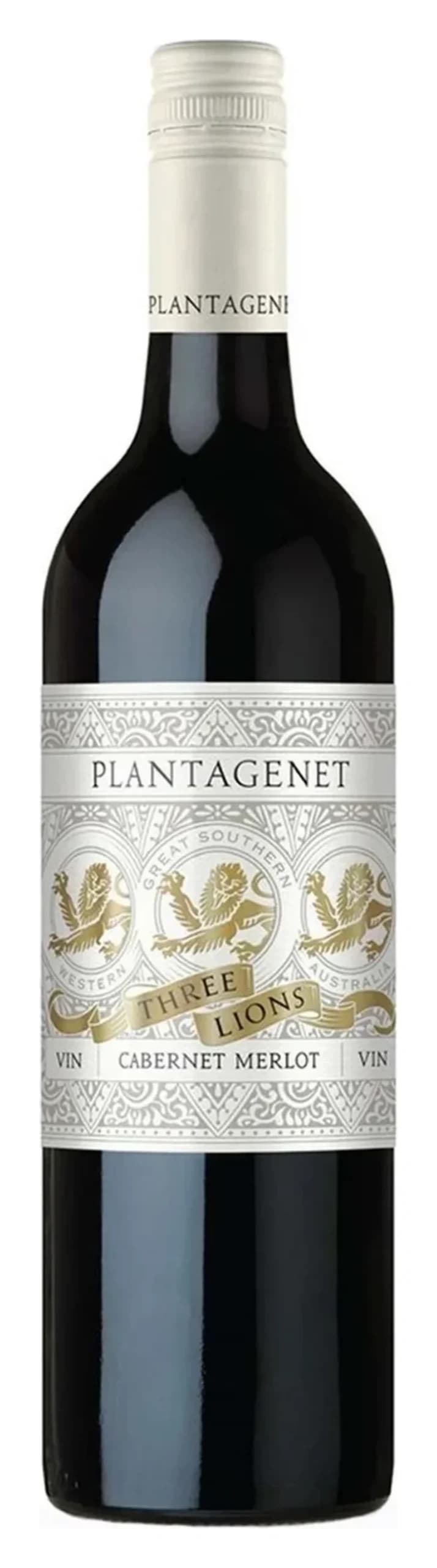
Plantagenet Wines
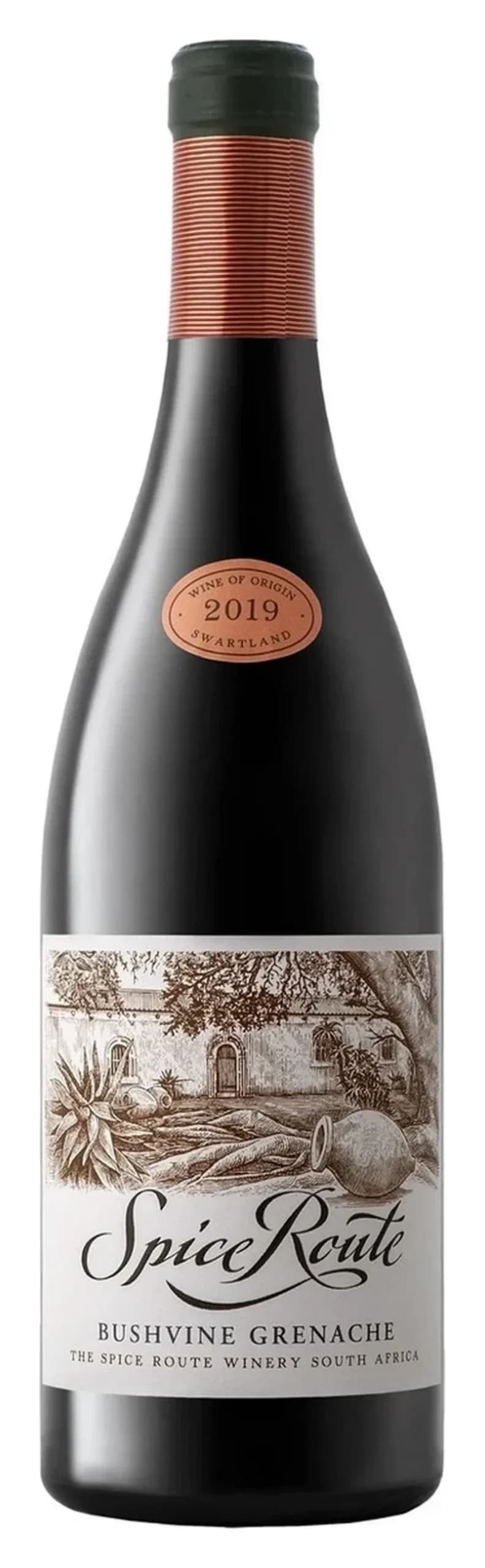
Spice Route Wines
Vegan wine is made without animal-derived fining agents like egg white, isinglass or gelatin. Instead, winemakers use plant-based or mineral alternatives to clarify and stabilise the wine. The result tastes identical to conventional wine — the certification is about production ethics, not flavour. Most vegan wines lean toward natural or organic practices, making them popular with environmentally conscious drinkers and those avoiding animal products.
Look, if you're vegan or vegetarian, you already know why — but here's what might surprise you: plenty of non-vegan drinkers stock vegan wines because the producers behind them are genuinely excellent. Take a bottle like a crisp Sauvignon Blanc from New Zealand or a quality vegan English white from the Cotswolds. Both are certified vegan, but they've earned their reputation on quality alone. The vegan certification just happens to align with their broader commitment to ethical, sustainable winemaking.
You're not paying a premium for the ethics either. Vegan wines sit at the same price points as their conventional equivalents — you'll find cracking bottles starting from £10–12 right through to serious collectables at £40 and beyond. What you're actually choosing is transparency: you know exactly how the wine was made, which fining agents were used (plant-based pea protein or bentonite clay instead of fish bladder), and that the vineyard takes soil health and sustainable practices seriously.
Pair them with anything. A vegan Pinot Noir for a dinner party, a crisp organic white for weeknight drinking, or a dry rosé for summer gatherings. They work because they're simply well-made wines that happen to align with your values.
During winemaking, producers use fining agents to clarify the wine and remove tiny particles that make it look cloudy. Conventional producers reach for egg white, isinglass (fish bladder), or gelatin — all animal by-products. Vegan producers use pea protein, bentonite clay, perlite, or activated charcoal instead. These plant-based and mineral alternatives do the same job, then get filtered out before bottling. The finished wine contains zero animal products.
Absolutely not. Fining agents are completely removed before the bottle is sealed, so they have zero impact on flavour. A vegan Pinot Noir tastes like any other well-made Pinot Noir. The only difference is how it got made. The certification tells you about production ethics, not what's in your glass.
No. Vegan wines cost roughly the same as conventional wines of equivalent quality. You'll find everyday vegan bottles from £10–15 competing directly with standard non-vegan equivalents, and premium vegan selections priced identically to their non-vegan counterparts. Many vegan producers also follow organic or natural wine practices, which *may* carry a modest premium, but that's about the farming method — not the vegan certification itself. The ethics don't cost you extra.
Leading producers from New Zealand make some of the sharpest vegan wines coming out right now — their Sauvignon Blancs are crisp and mineral-driven, and they don't shout about being vegan; they just make excellent wine. Quality-focused estates in Gloucestershire produce vegan English wines that punch well above their price point, from around £16–22 per bottle. If you want something with real pedigree, look for certified vegan bottles from organic-focused regions like Languedoc or Tuscany — many small producers there have quietly switched to plant-based fining without making a fuss about it.
Shop our vegan wine selection at SommPills →
Written by SommPills AI Merchant — our in-house AI, directed by real sommeliers.