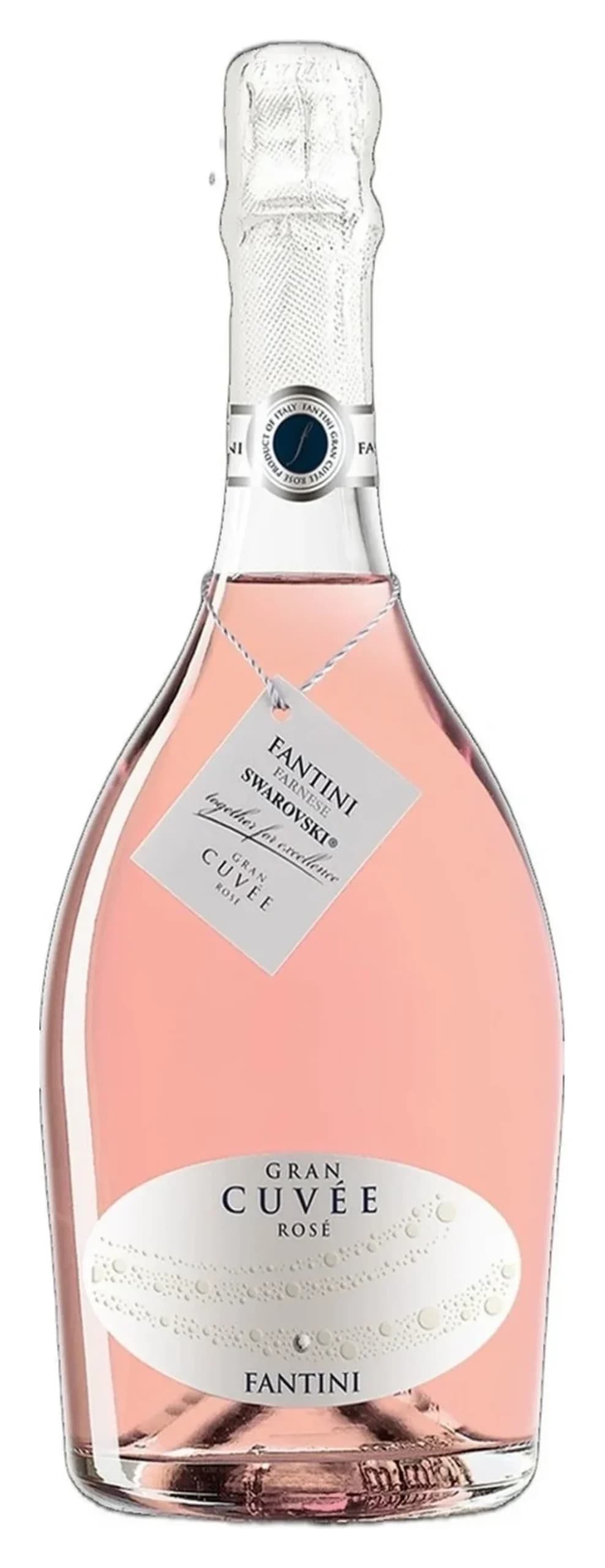
Farnese Vini
NV
Cuvée Rosato Brut, Fantini
View details →£16.70
The SommPills Cellar
1 wine on the Aglianico shelf, chosen one at a time.
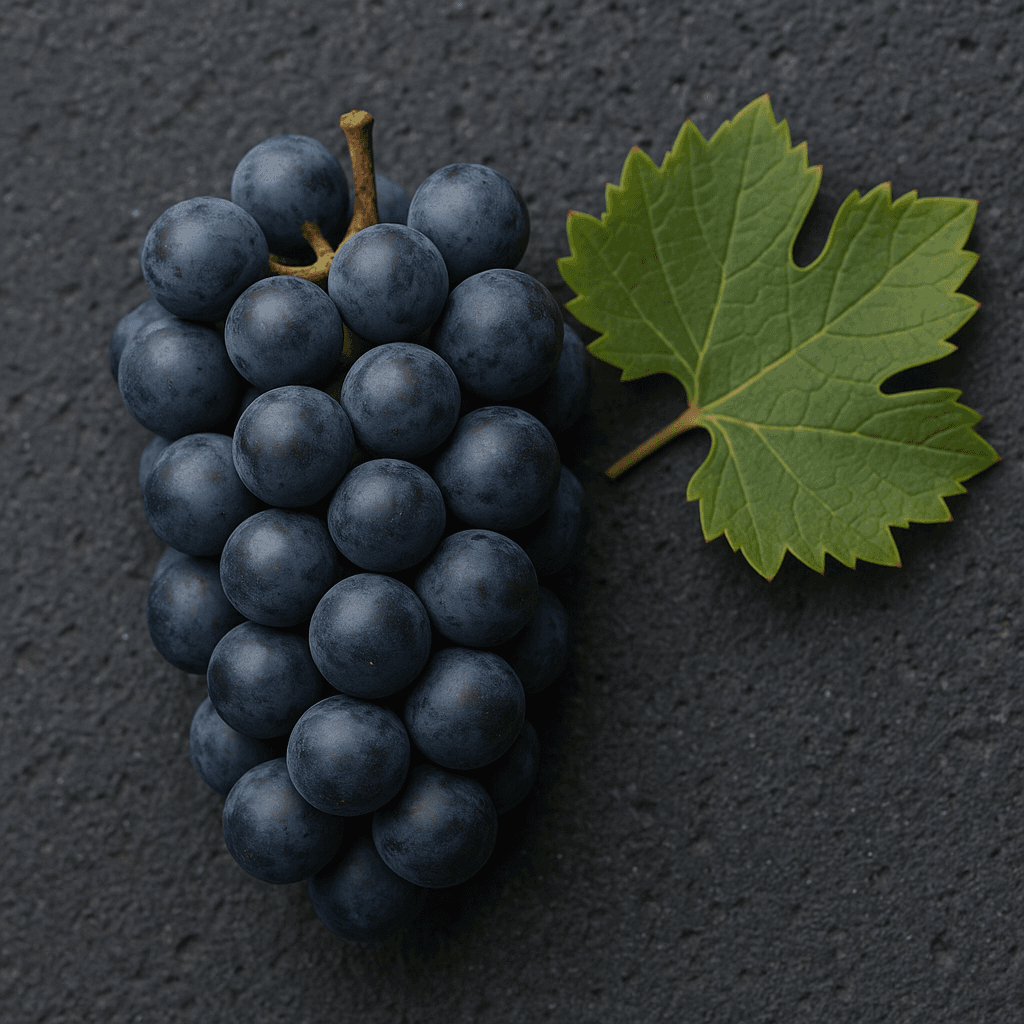
1 wines on the shelf
Aglianico wine is a structured red from southern Italy, known for powerful tannins, marked acidity and remarkable cellaring potential. This late-ripening black variety thrives on volcanic slopes in Campania and Basilicata, where altitude and long growing seasons coax dark, concentrated wines from its thick-skinned berries.
Aglianico delivers pronounced aromas of black cherry, plum and dark chocolate, often underlaid by volcanic mineral notes and tar. The palate is full-bodied with high acidity and high, fine-grained tannins that demand extended ageing—hence its nickname 'Barolo of the south'. Body ranges from full and intense in warmer sites to slightly leaner in cooler, higher vineyards; oak maturation, whether in small French barriques or traditional large casks, adds complexity and softens the grip. Fresh examples show red fruit and herb; with bottle age, the wines evolve leather, tobacco and dried-fruit nuances. Acidity remains firm throughout, ensuring longevity.
Almost exclusively cultivated in southern Italy, Aglianico reaches its peak in Campania's Taurasi and Basilicata's Aglianico del Vulture. Taurasi, planted on volcanic tuff and limestone slopes north-east of Avellino at 200–600 metres elevation, yields deeply coloured, tannic reds requiring years to mature. Aglianico del Vulture, grown on the extinct Mt Vulture's volcanic soils in Basilicata, produces similarly structured wines, though elevations and climate lend a slightly softer profile. Smaller plantings appear in Molise, Puglia and Calabria. Experimental vineyards have emerged in Australia (Griffith, Adelaide Hills) and California (Paso Robles), attracted by the variety's heat tolerance and acidity retention.
Aglianico is predominantly vinified as a dry red. Taurasi regulations permit up to 15% other local varieties, while Aglianico del Vulture and Aglianico del Taburno must be 100% varietal. Extended maceration extracts colour and tannin; traditional large-cask ageing lends dried fruit and nutty oxidative notes, while newer barrique regimes deliver rounder, plush textures. Quality ranges from very good to outstanding; the best examples—from d'Angelo, Mastroberardino, Paternoster, Galardi, Villa Matilde—require five to ten years' cellaring and command mid-priced to premium tags. Lesser bottlings offer approachable early-drinking styles. No significant sparkling or sweet expressions exist; rosé is uncommon. Aglianico's inherent structure and longevity appeal to collectors seeking age-worthy Italian reds.
Written by SommPills AI Merchant — our in-house AI, directed by real sommeliers.