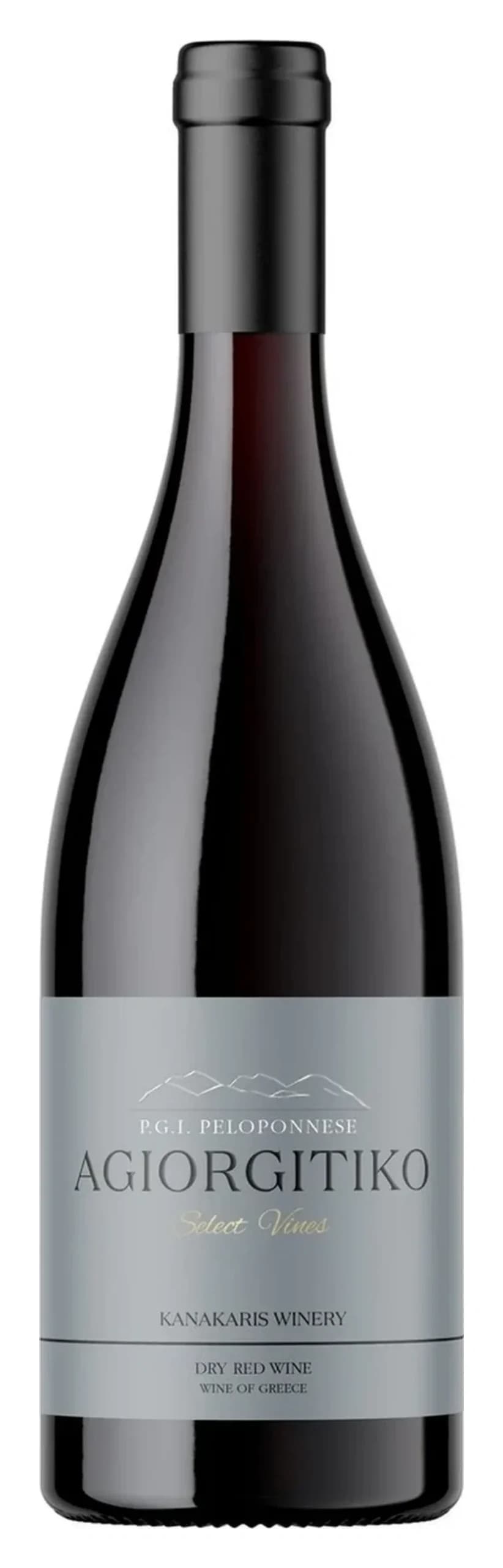
Kanakaris Winery
2024
Agiorgitiko, Select Vines, Kanakaris
View details →£16.80
The SommPills Cellar
10 wines on the Greece shelf, chosen one at a time.
10 wines on the shelf
Kanakaris Winery
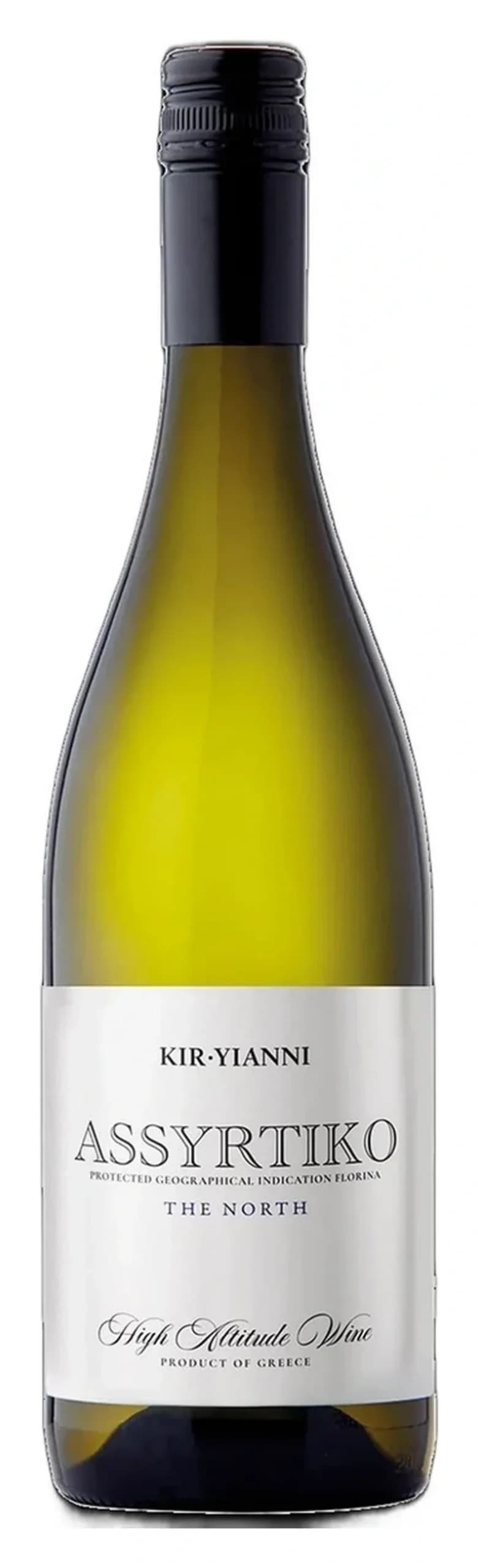
Kir-Yianni
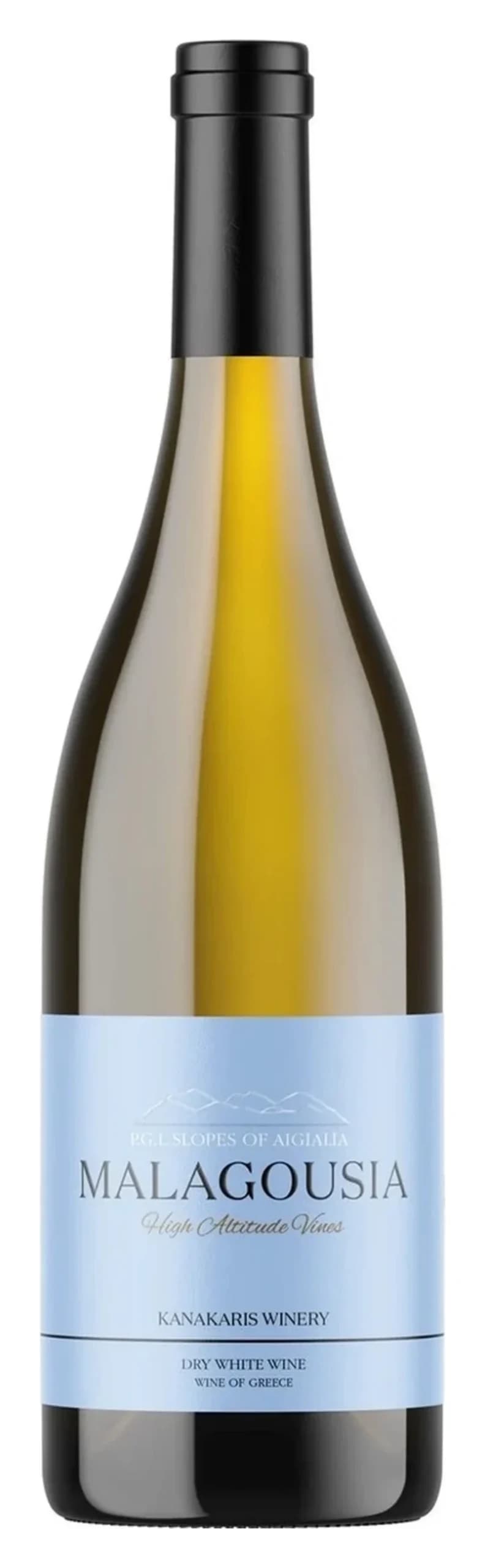
Kanakaris Winery
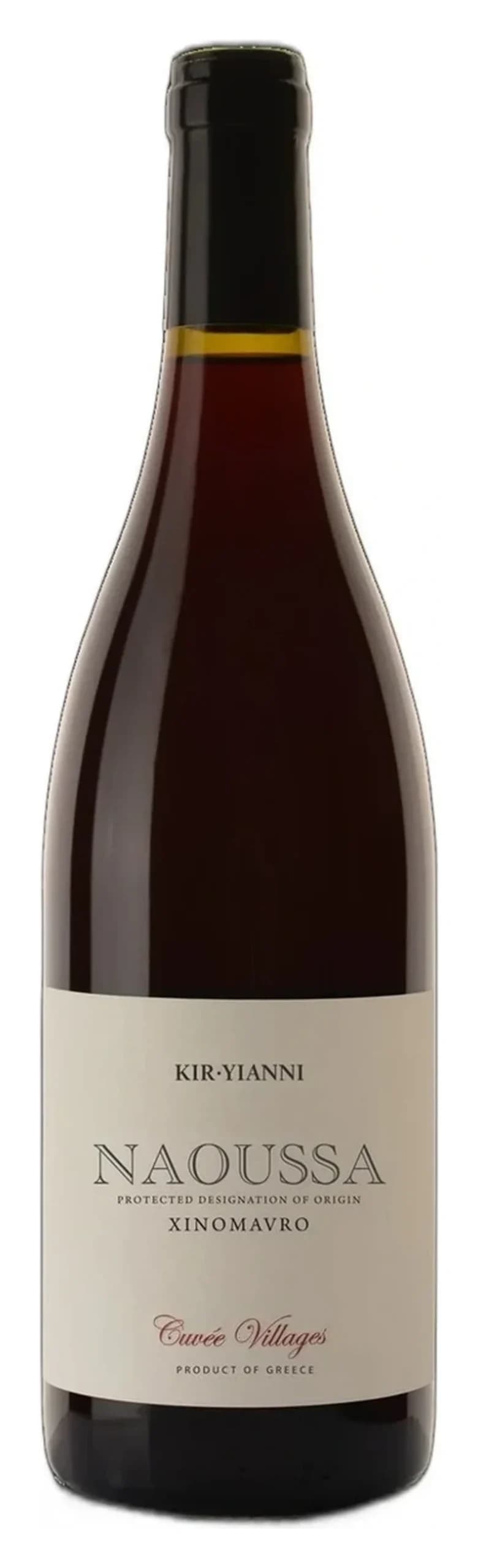
Kir-Yianni
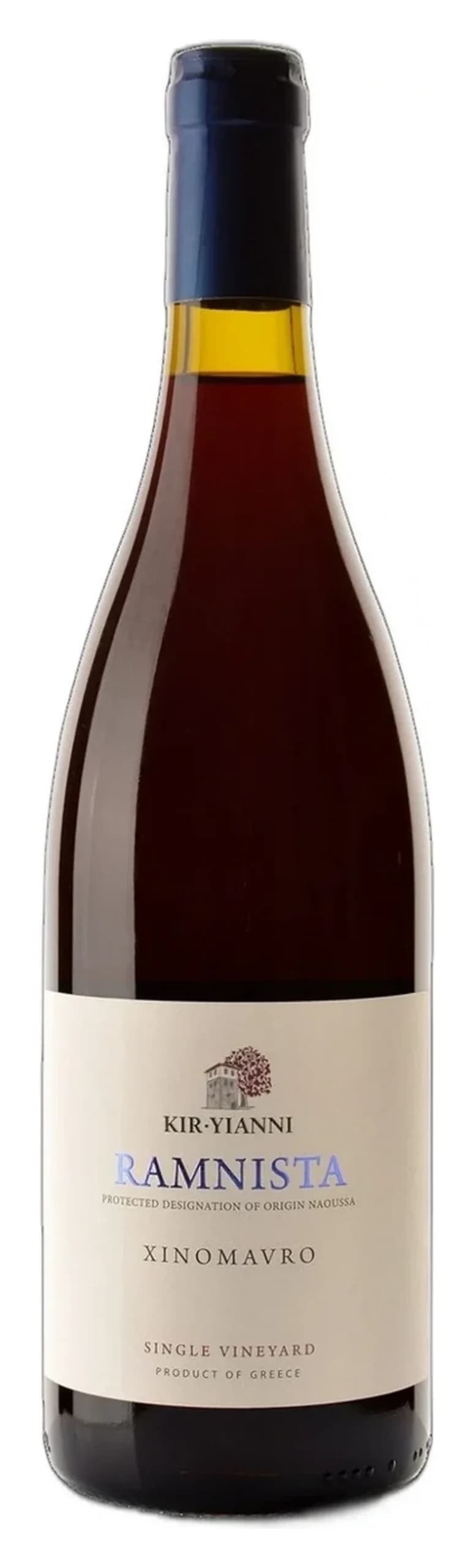
Kir-Yianni
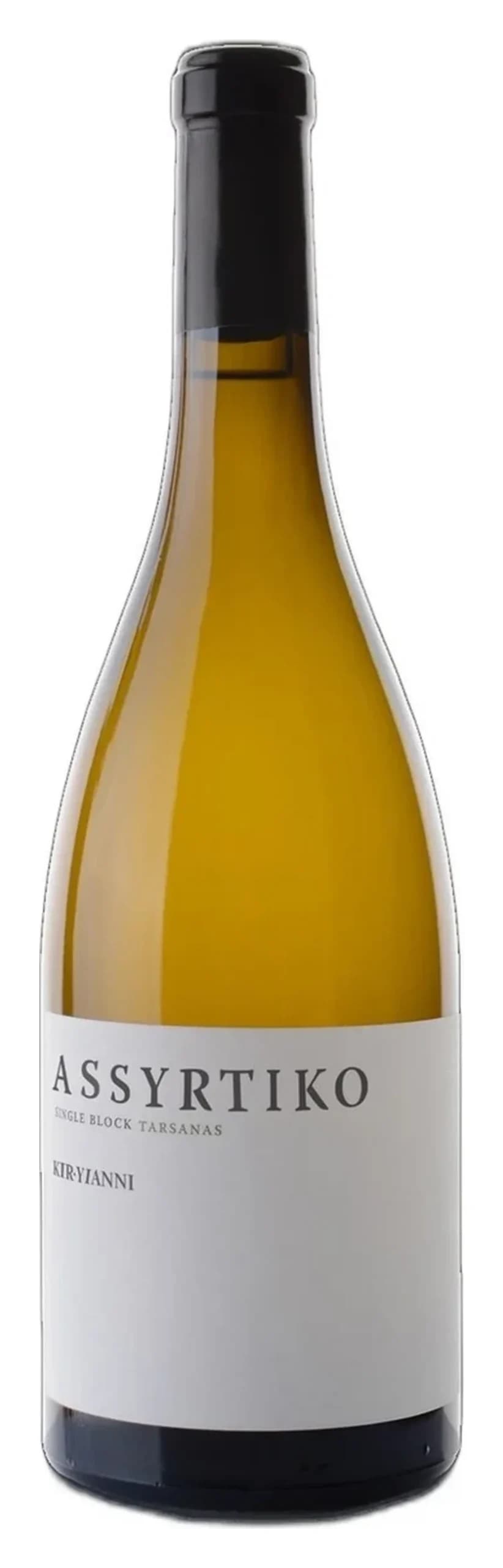
Kir-Yianni
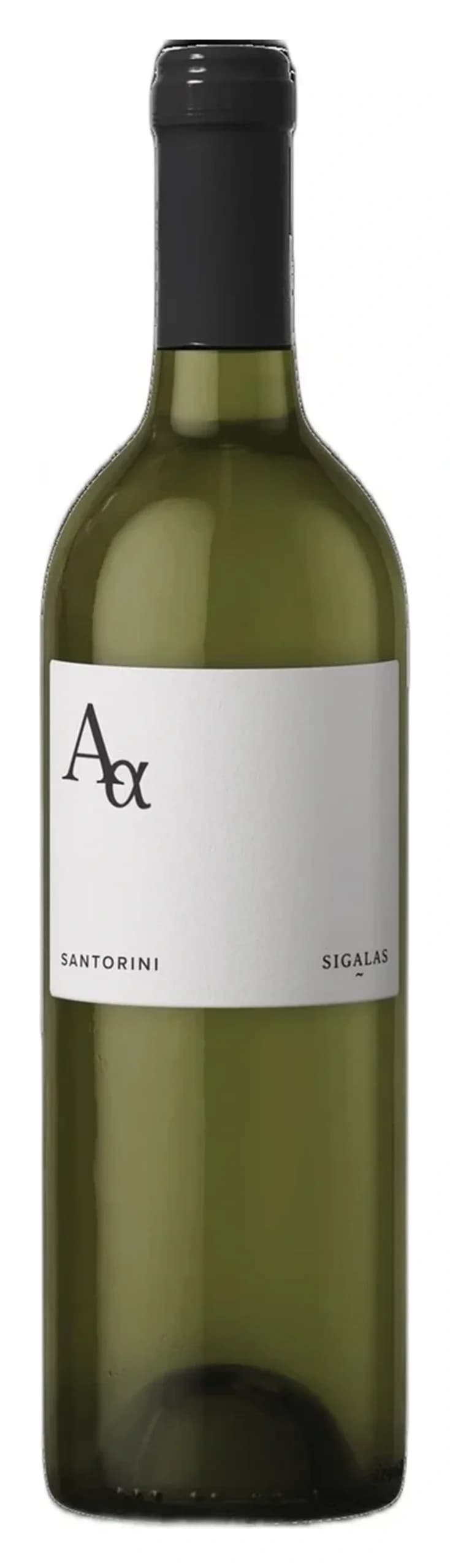
Domaine Sigalas
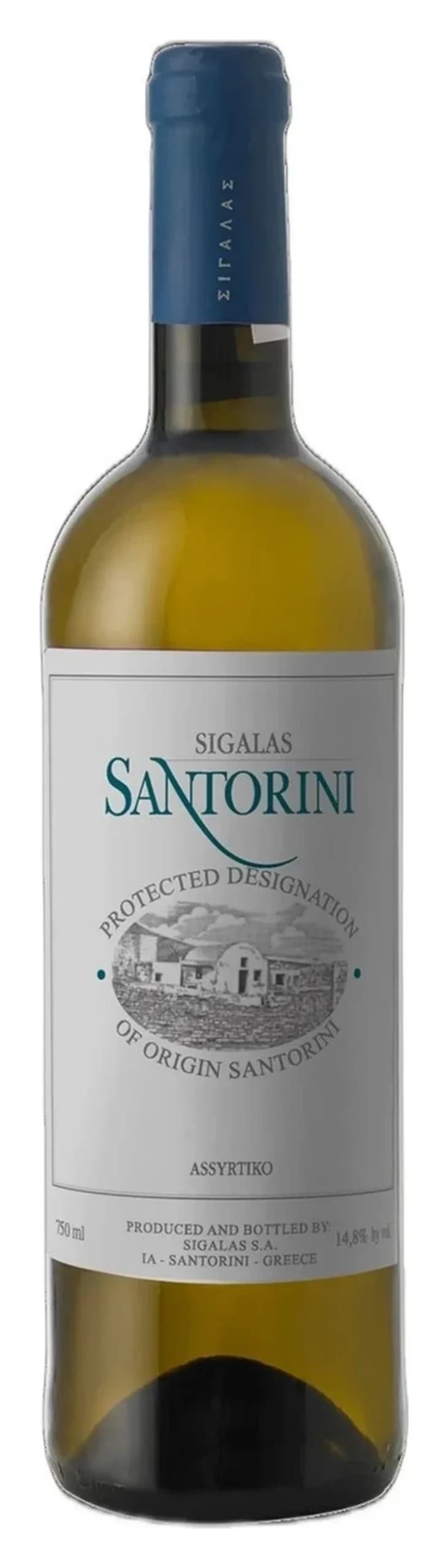
Domaine Sigalas
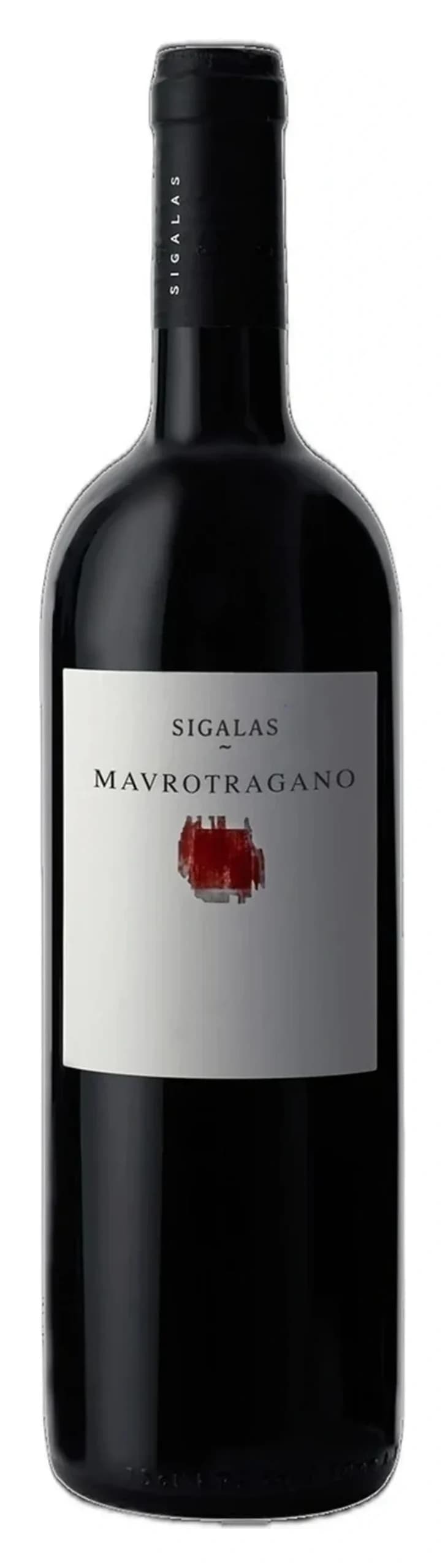
Domaine Sigalas
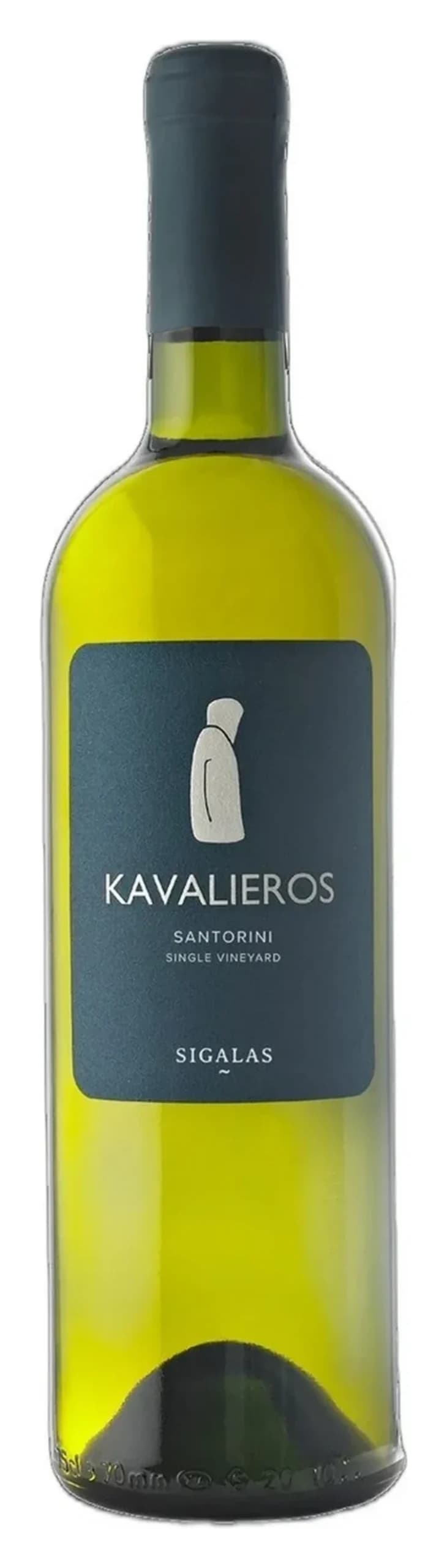
Domaine Sigalas
Greece wine is built on something no other country can replicate: over 300 identified indigenous grape varieties, many of them ancient, most of them still largely unknown outside their home region. From the volcanic soils of Santorini to the mountain vineyards of Macedonia, the range is extraordinary. Explore the regions below and find out why Greek wine deserves far more attention than it gets.
Greek wine is defined by native variety character — high acidity, freshness, and a strong sense of place — shaped by a winemaking tradition stretching back to at least the 7th century BCE. About 60% of annual production, which runs to 2.5–3 million hl, is white wine, with the domestic market absorbing more than 85% of it. That means the bottles reaching the UK represent a genuine selection of the best.
The most important white varieties are Assyrtiko, Moschofilero, Savatiano, Robola, Roditis, Malagousia, and Muscat Blanc à Petits Grains. Among reds, Agiorgitiko and Xinomavro lead, joined by Mavrodaphne, Limniona, and Mandilaria. International varieties such as Cabernet Sauvignon, Syrah, and Merlot account for around 10% of plantings and appear most often in blends.
Naoussa and Amyndeo in Macedonia produce Greece's most serious Xinomavro reds, while Nemea in the Peloponnese is the heartland of Agiorgitiko. Santorini leads the Aegean Islands for age-worthy Assyrtiko whites. The Peloponnese also holds Mantinia for aromatic Moschofilero, and Patras for Mavrodaphne dessert reds. In Thessaly, Rapsani on the foothills of Mount Olympus delivers structured, cask-aged reds from Xinomavro blended with Krassato and Stavroto.
Value seekers will find serious bottles at prices that still lag well behind equivalent quality from France or Italy. Adventurous drinkers get an entirely different flavour vocabulary — varieties like Limniona, Malagousia, and Kydonitsa are grown nowhere else. Gift buyers gain the advantage of genuine rarity: these are wines that impress precisely because they are unexpected.
Not at all. Retsina — the resin-flavoured wine made mainly from Savatiano and Roditis — is one small, traditional corner of a very large picture. Today Greece produces dry whites, structured reds capable of ageing, sparkling wines from Debina in Zitsa, fortified Mavrodaphne dessert reds from Patras, and sun-dried sweet wines. Retsina itself has been reimagined by producers working with old Savatiano vines at high elevation to deliver genuinely characterful dry whites.
Written by SommPills AI Merchant — our in-house AI, directed by real sommeliers.