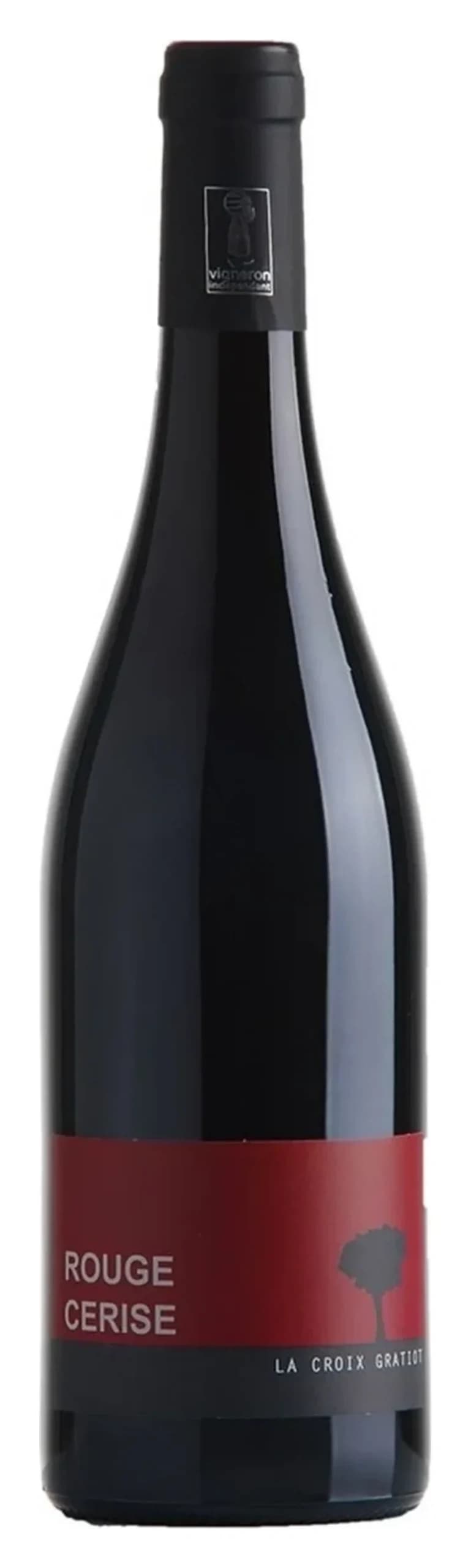
Domaine La Croix Gratiot
2023
Rouge Cerise IGP Pays d'Hérault, Domaine La Croix Gratiot
View details →£16.05
The SommPills Cellar
253 wines on the France shelf, chosen one at a time.
253 wines on the shelf
Domaine La Croix Gratiot
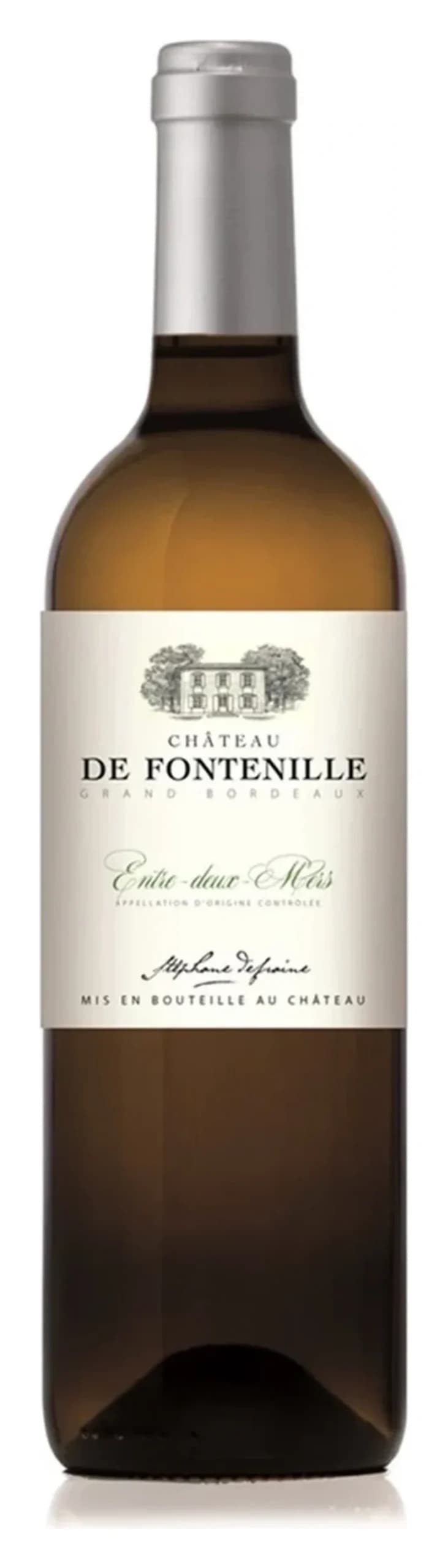
Chateau de Fontenille
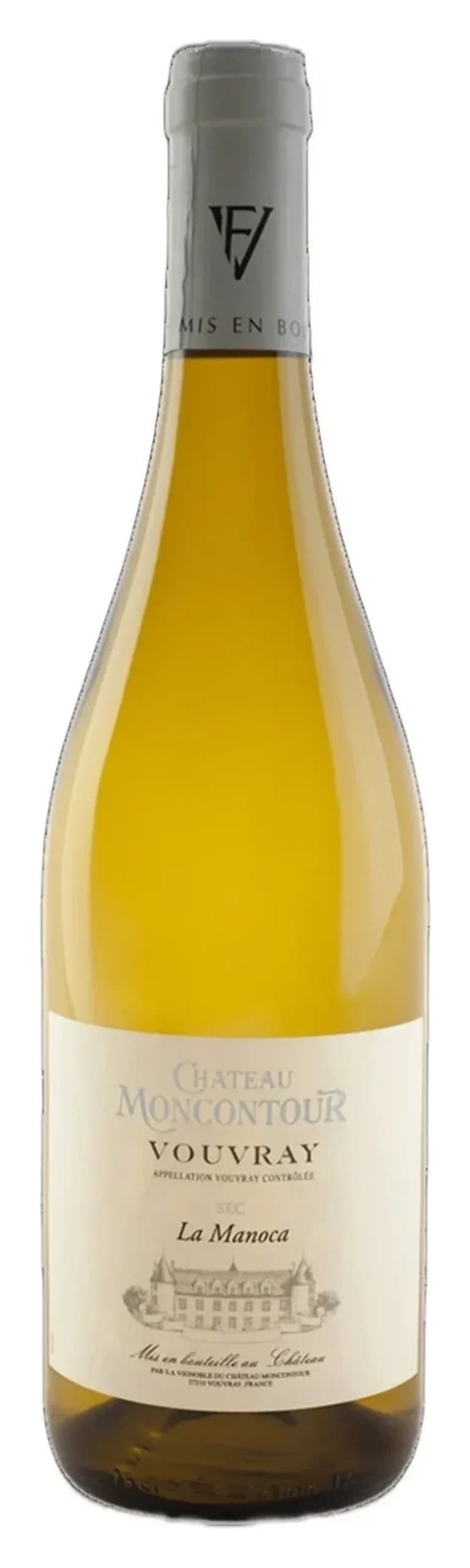
Chateau Moncontour
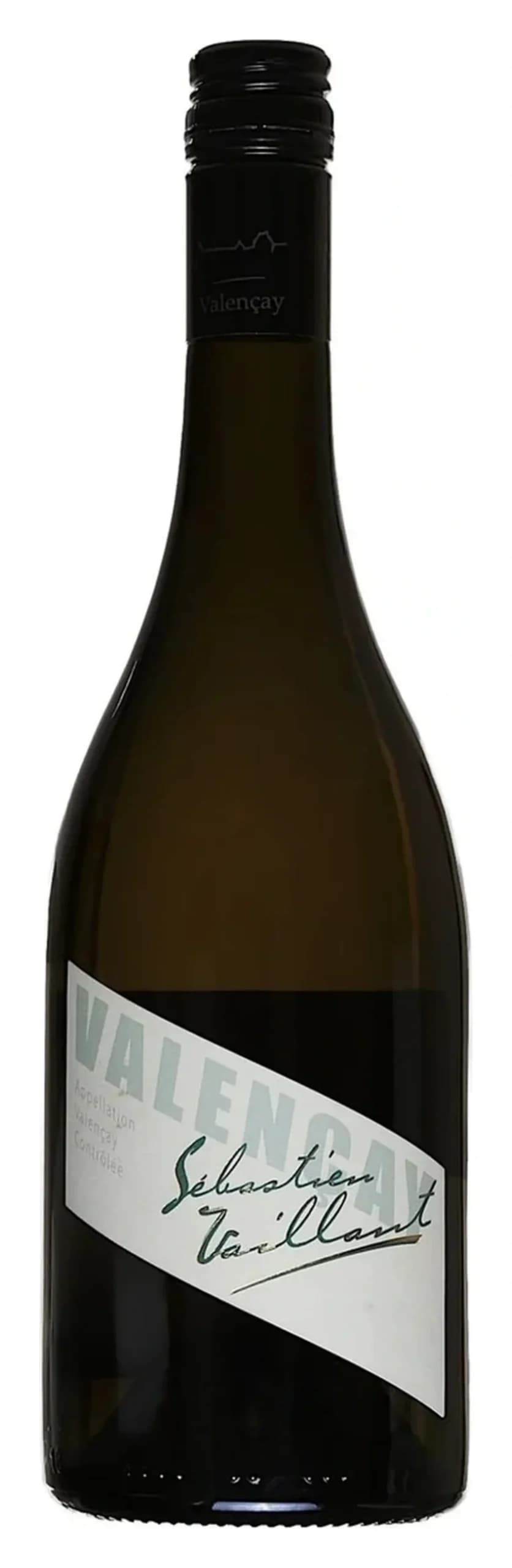
Sebastien Vaillant
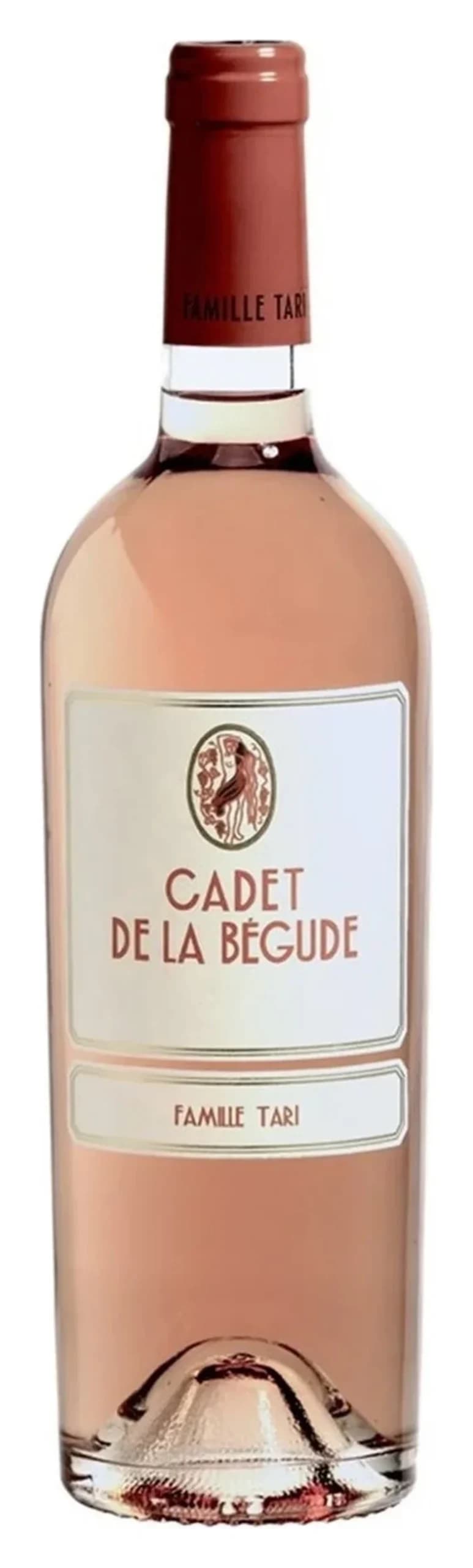
Domaine de la Bégude
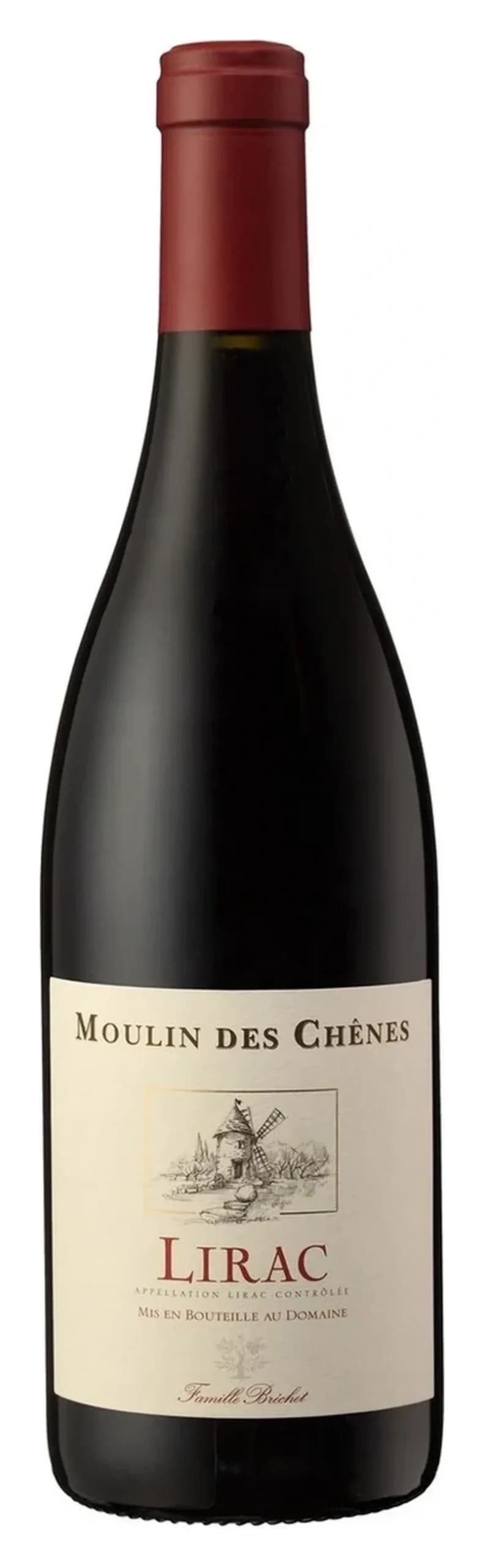
Famille Brechet
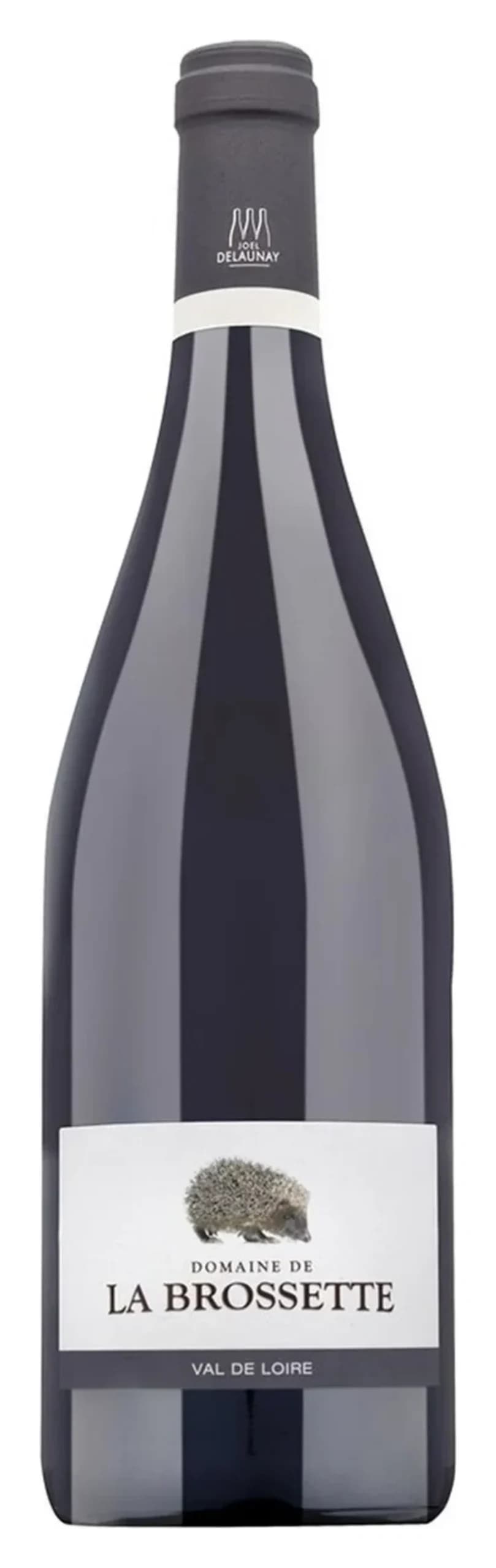
Domaine de La Brossette
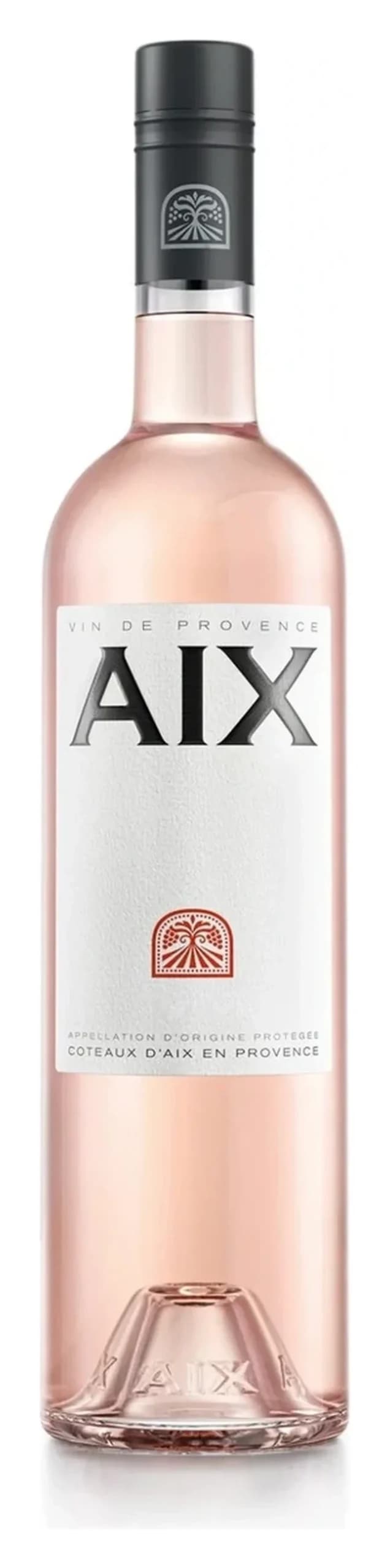
Maison Saint Aix
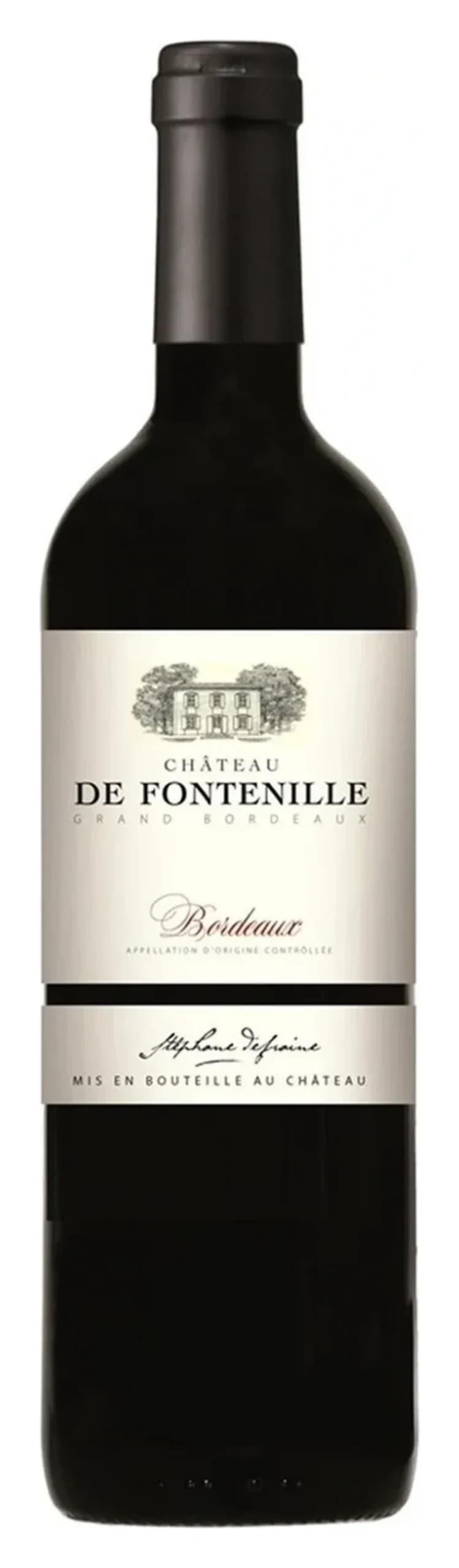
Chateau de Fontenille
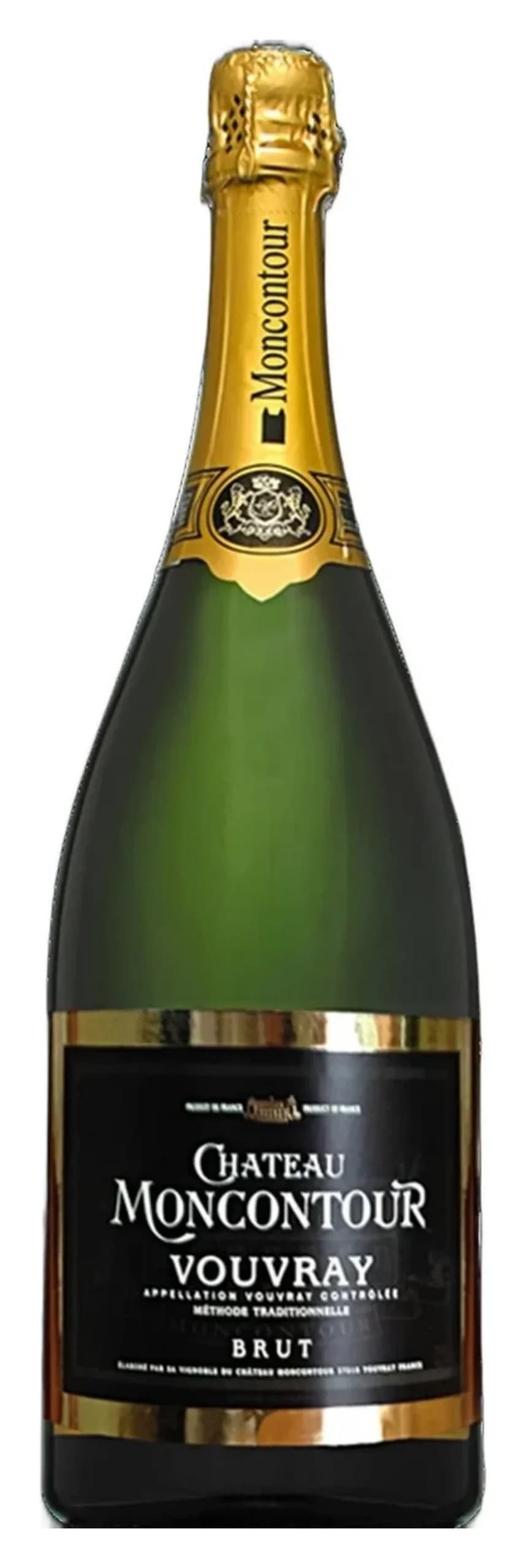
Chateau Moncontour
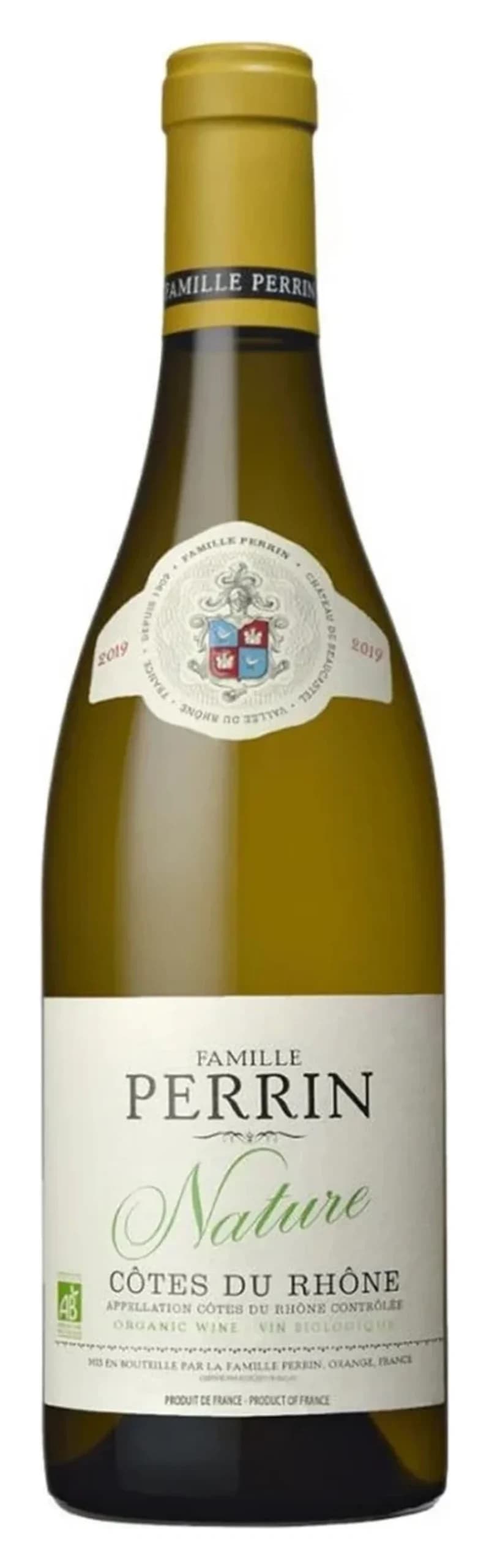
Famille Perrin
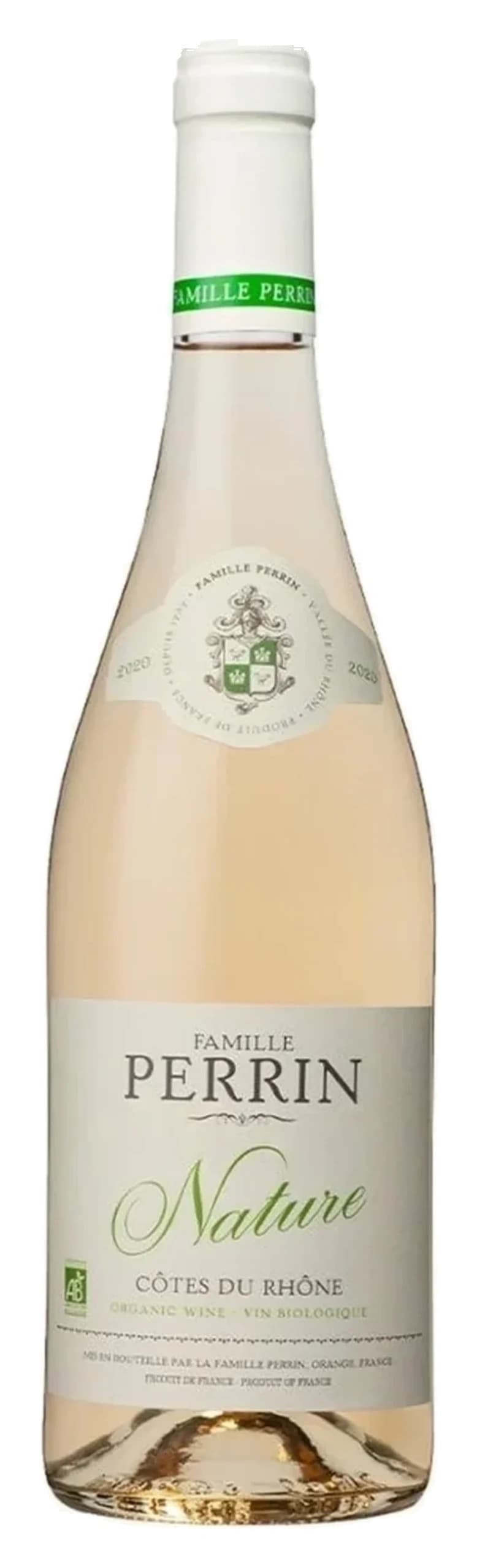
Famille Perrin
French wine sits at the centre of the wine world for good reason. With vineyards stretching from latitude 42° to 49.5° N, France can ripen grapes in Mediterranean heat, temper them with Atlantic breezes, or push them to the cool continental limit — often within the same country. That range of climate and terroir is the story. Start with a region and let it lead you.
French wine is defined by the marriage of grape variety to place — a concept the French have had centuries to refine. The quality wine category AOC represents the most significant proportion of the average French harvest, with IGP wines and the basic Vin de France making up the rest. Above all, France set the template that the rest of the wine world still measures itself against.
Merlot is France's most widely planted red variety, driven by its dominance in Bordeaux and its popularity for IGP wines in Languedoc. Syrah has seen the most dramatic rise of any variety, expanding roughly sixteen-fold in cultivation. Among whites, Ugni Blanc leads in volume — most of it destined for Cognac and Armagnac — while Chardonnay, Sauvignon Blanc, Chenin Blanc, and Gewürztraminer each anchor a distinct region.
The regions most represented in world trade are Bordeaux, Burgundy, Champagne, Alsace, the Loire, and the Rhône. Bordeaux alone covers around 112,000 hectares divided into some 30 AOC areas, its most celebrated zones being Haut Médoc, Pomerol, Saint-Émilion, Graves, and Sauternes. Further south, Languedoc is France's largest wine-producing region by volume, while Provence, Roussillon, and the wines of South West France — including Cahors, Madiran, and Jurançon — reward those who look beyond the famous names.
The prestige buyer will find no shortage of serious appellations, from the Côte d'Or in Burgundy to the classified estates of Bordeaux. The value seeker has equally strong options — Languedoc-Roussillon, the Mâconnais, and Beaujolais all deliver honest, characterful wine without the premium price tag. And for the adventurous drinker, the Jura, Roussillon, and the Loire's upper reaches offer styles that no other country quite replicates.
Both traditions run deep. Champagne blends Pinot Noir, Chardonnay, and Pinot Meunier; Châteauneuf-du-Pape permits an even more complex mix of varieties. But Beaujolais is pure Gamay, Sancerre is Sauvignon Blanc, and Alsace is one of the few French regions where the grape variety is prominently named on the label — making single-variety wines easy to identify and a reliable entry point for anyone exploring French wine for the first time.
Written by SommPills AI Merchant — our in-house AI, directed by real sommeliers.