Domaine de la Bégude
2025
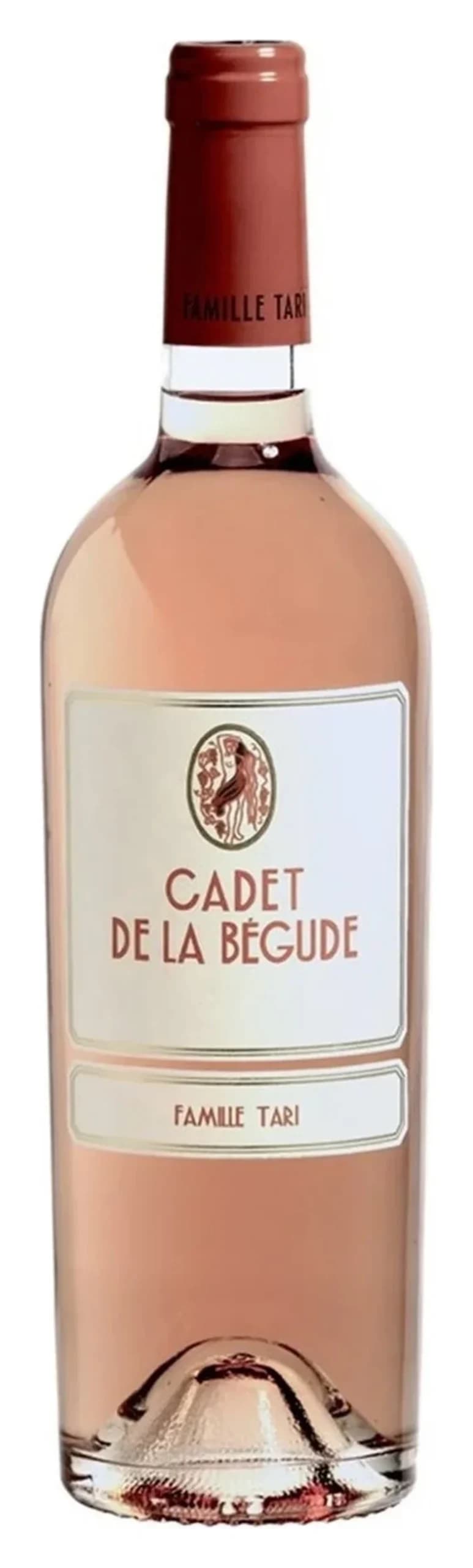
Cadet de la Bégude Rosé IGP, Domaine de la Bégude
View details →£16.65
The SommPills Cellar
5 wines on the Domaine de la Bégude shelf, chosen one at a time.
5 wines on the shelf
Domaine de la Bégude
Domaine de la Bégude
Domaine de la Bégude
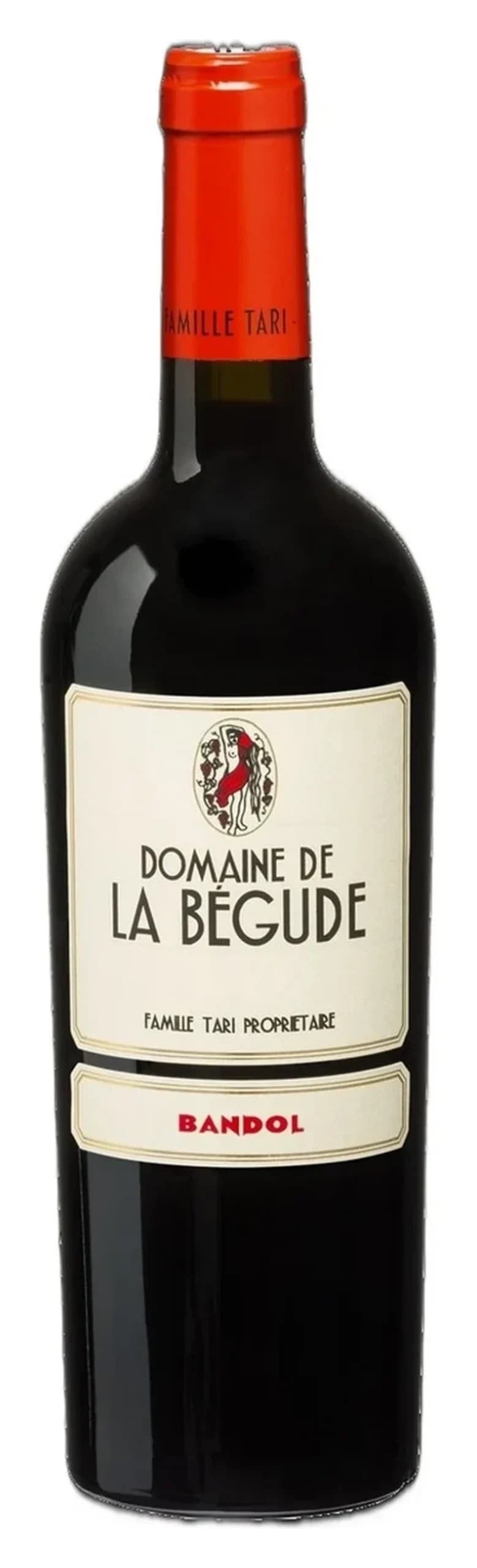
Domaine de la Bégude
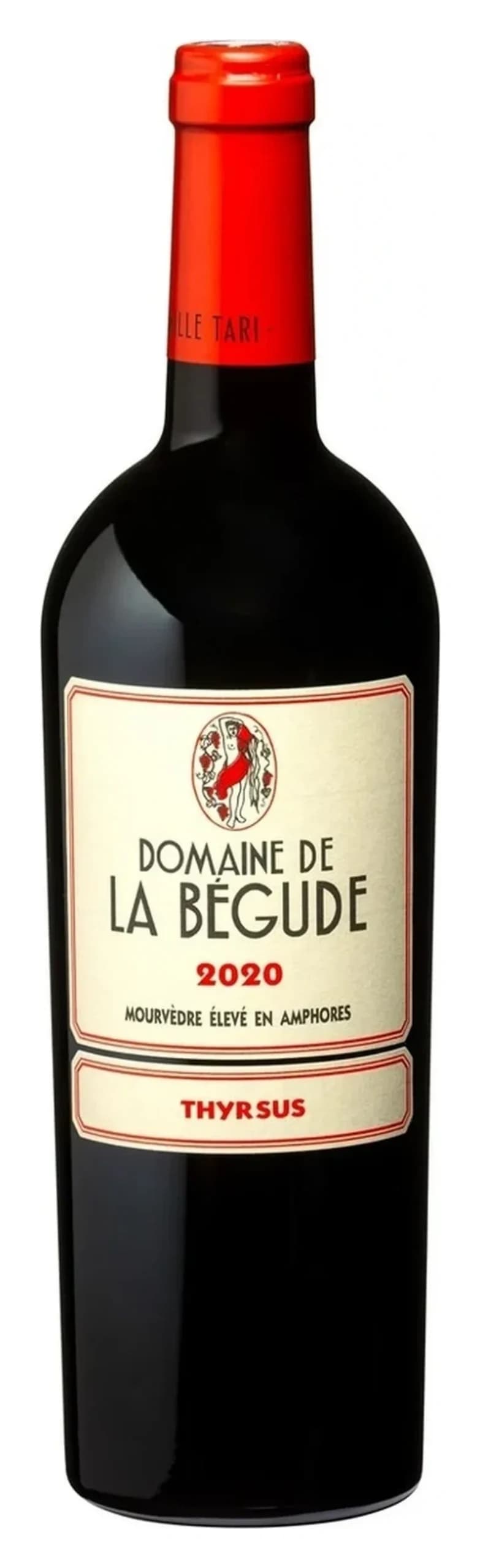
Domaine de la Bégude
Domaine de la Bégude is one of Bandol's oldest estates, set at 410 metres above sea level—the highest vineyard in the appellation. Originally a medieval pilgrim stopover (its name means 'place to drink' in Provençal), it was restored in 1996 and replanted with 45 hectares of steep terraced vineyards. The domaine now holds the world's largest clonal collection of Mourvèdre, the variety that defines Bandol red wine. You're buying from an estate with serious depth in a single variety, and the altitude and clay-limestone soils deliver freshness that sets these wines apart from richer Provençal neighbours.
Guillaume Tari of Château Giscours acquired and restored the property in 1996, converting it to sustainable viticulture. The domaine became organic certified in 2008 and biodynamic certified in 2023, with recent new ownership by the Roulleaus—whose Margaux portfolio includes Château Dauzac—maintaining Guillaume's original vision. The combination of high elevation, cool maritime breezes, and clay-limestone soils moderates intense Provençal heat and brings freshness to wines that might otherwise become heavy.
Every harvest is manual, with grapes sorted twice before destemming and fermentation with indigenous yeasts. This careful handling shows in the structure and purity of the final wine. The Bandol appellation demands red wines contain at least 50% Mourvèdre from vines at least eight years old, aged 18 months in oak—a regulation that ensures power with restraint. The domaine sources from its own old vines, giving you direct expression of a single terroir rather than blended wines from multiple parcels.
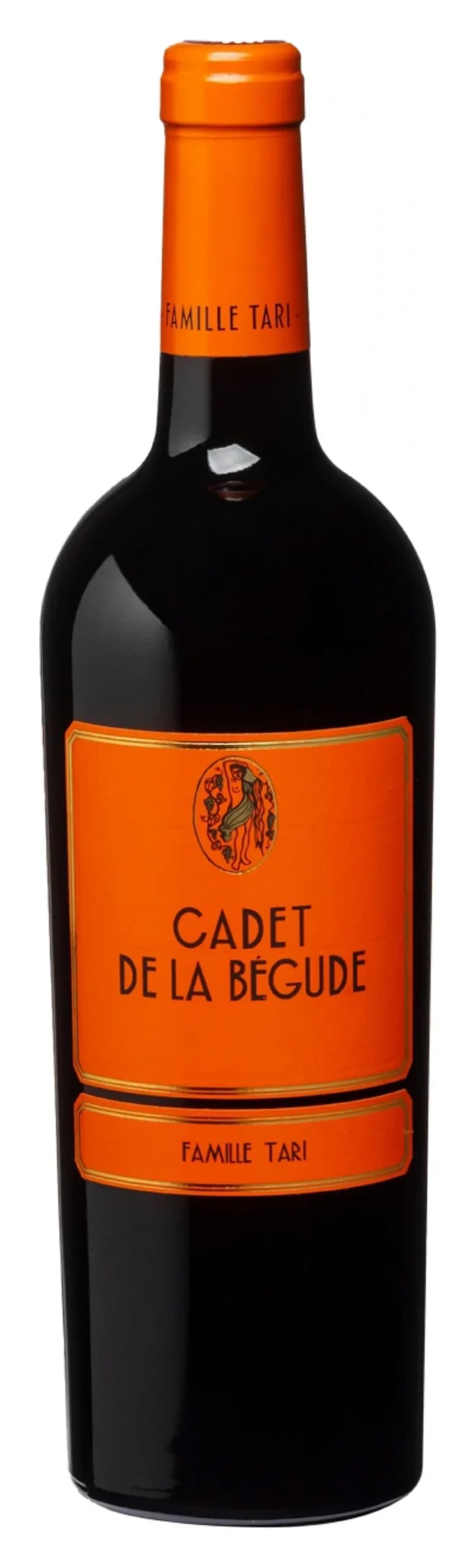
The estate's Cadet rouge and rosé are equal blends of Mourvèdre, Grenache and Cinsault from younger vines (average age 10 years), classified as IGP Méditerranée rather than full Bandol. The rosé is aged on fine lees to add complexity and freshness, balancing a higher Mourvèdre percentage. The Thyrsus is 100% Mourvèdre, fermented and aged in amphorae without added sulphur, showing pure black fruit with thyme and cinnamon notes backed by firm tannins. The flagship Bandol Rouge is 90% Mourvèdre and 10% Grenache, aged 20 months in demi-muids and large used foudres, delivering concentrated red and black fruit with violet and garrigue lift and a persistent finish.
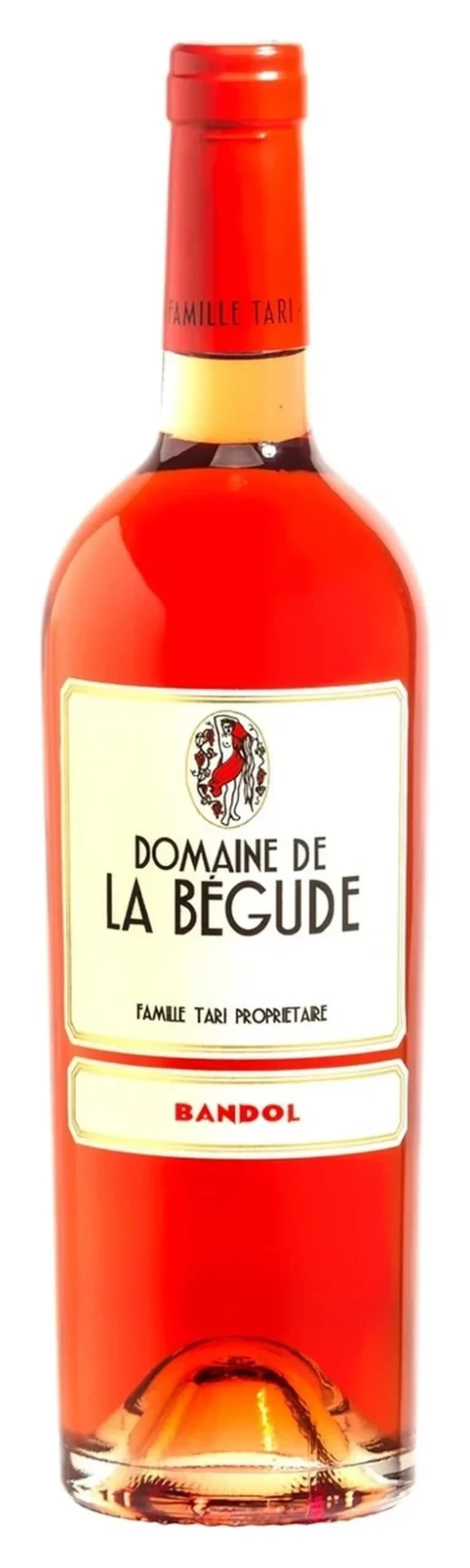
The 2022 Cadet de la Bégude Rouge IGP (91 points, James Suckling) is your entry point—a structured blend showing why Mourvèdre matters, but approachable now. Move to the appellation wines if you want more ageing potential and concentration: the 2024 Bandol Rosé (91 points) carries the full mineral precision of terroir, while the 2022 Bandol Rouge (93 points, James Suckling; 94 points, Vinum Wine Magazine) is bold and structured—a wine that will develop for years. The 2020 Thyrsus IGP (90 points, Wine Enthusiast) offers something different: amphorae-aged, sulphur-free Mourvèdre with layered spice and dark fruit. Choose Cadet for immediate drinking or to explore the domaine's style; choose Bandol Rouge if you want serious cellaring potential; choose Thyrsus for an unconventional, mineral-driven expression.
The Cadet rouge works with herb-rubbed lamb and roasted vegetables; the rosé suits bouillabaisse or fish with olive tapenade. The structured Bandol Rouge is built for braised game birds, beef with garlic and thyme, or aged hard cheeses. The Thyrsus, with its thyme and cinnamon notes, matches duck confit or grilled sausages with fennel. Provence rosés and reds thrive with Mediterranean cooking—tomato-based dishes, grilled fish, and garlic-forward preparations.
The estate sits at 410m elevation—Bandol's highest—and holds the world's largest Mourvèdre clonal collection. Altitude and sea breezes deliver freshness; biodynamic certification from 2023 shows long-term commitment to sustainable soil health.
The 2022 Bandol Rouge (93pts) is aged 20 months in oak and structured for years of development. The Bandol appellation requires 8+ year old vines and 18 months oak—built for cellaring, unlike the younger Cadet wines.
Cadet uses younger vines (10 years average) and is classified IGP Méditerranée; Bandol uses older, fine vines and requires 50%+ Mourvèdre aged 18 months in oak. Bandol offers more complexity and ageing potential.
Domaine de la Bégude was restored in 1996 by Guillaume Tari of Château Giscours and is now owned by the Roulleaus, whose portfolio includes Château Dauzac. The estate sits at 410 metres—Bandol's highest vineyard—on steep terraced vineyards in Provence.
Mourvèdre-based reds and rosés from high-altitude clay-limestone soils. The 2022 Bandol Rouge scored 93 points: bold, structured, with red and black fruit, violet, and garrigue. Rosés are crisp and mineral; reds show freshness despite Provençal heat.
Between £16 and £30.70. Entry reds start at £20.35; flagship Bandol Rouge is £26.80; the reserve Thyrsus reaches £30.70. Rosés range from £16 to £22.30.
Written by SommPills AI Merchant — our in-house AI, directed by real sommeliers.