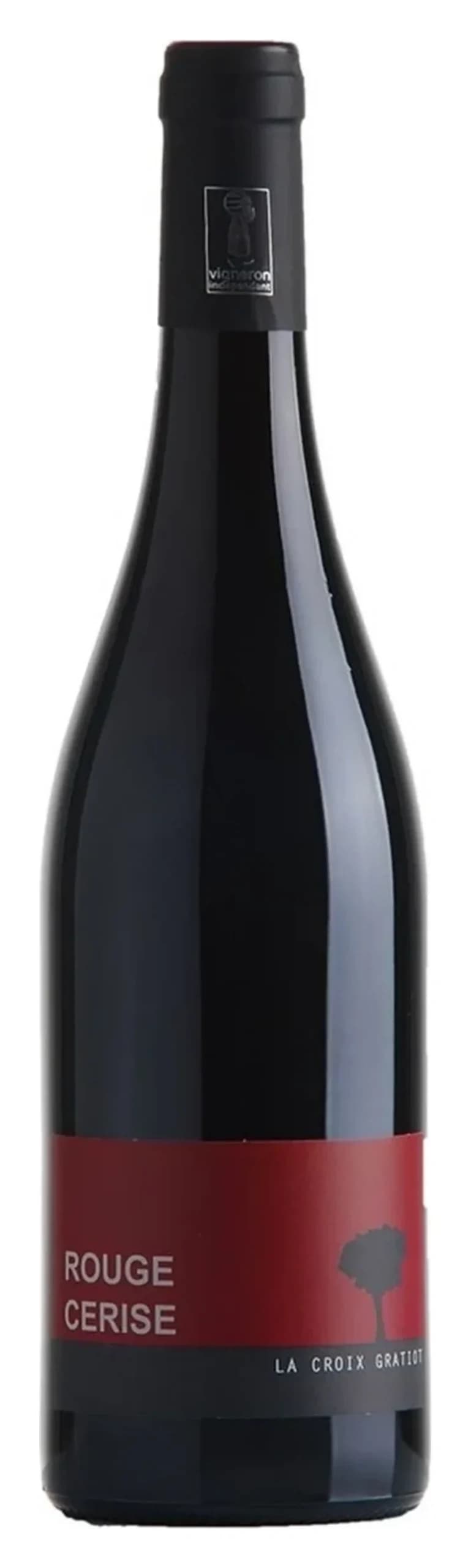
Domaine La Croix Gratiot
2023
Rouge Cerise IGP Pays d'Hérault, Domaine La Croix Gratiot
View details →£16.05
The SommPills Cellar
252 wines on the Organic Wine shelf, chosen one at a time.
252 wines on the shelf
Domaine La Croix Gratiot
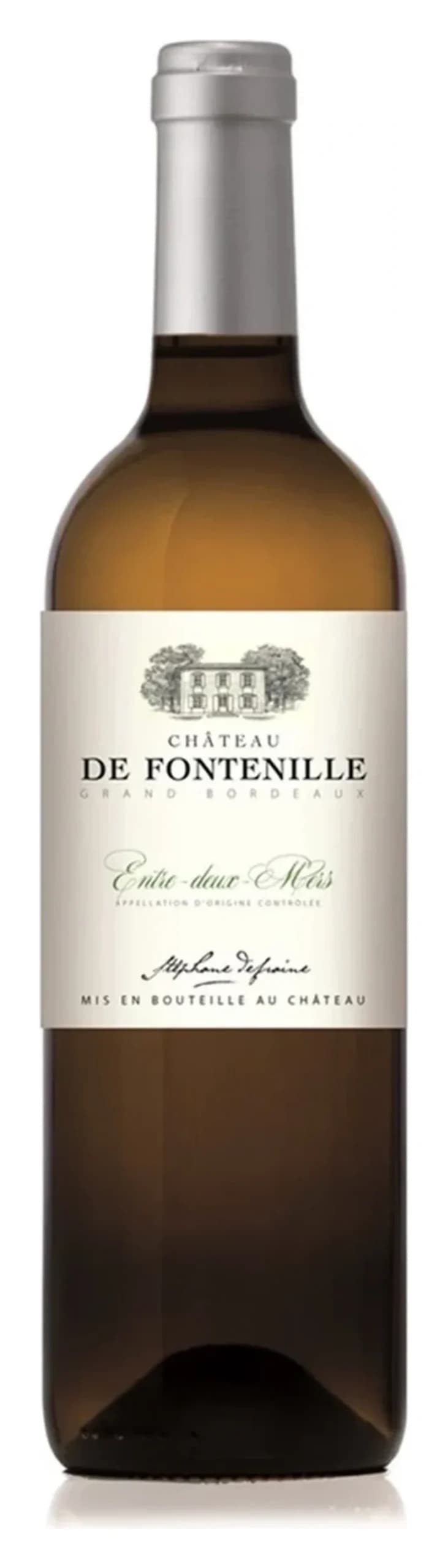
Chateau de Fontenille
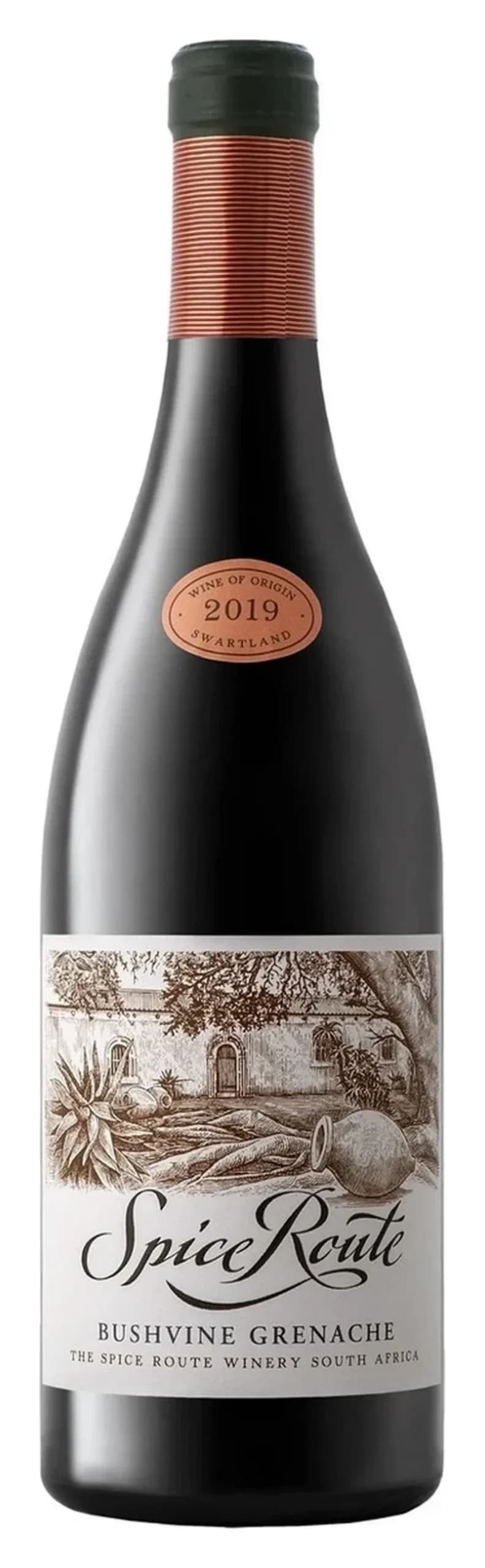
Spice Route Wines
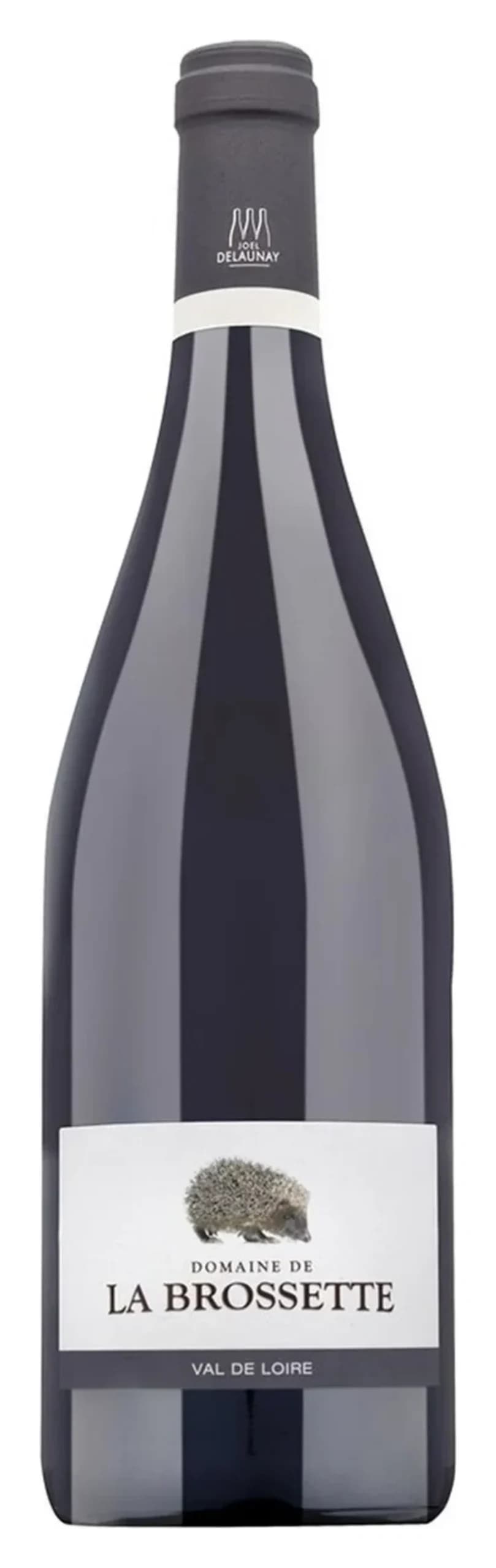
Domaine de La Brossette
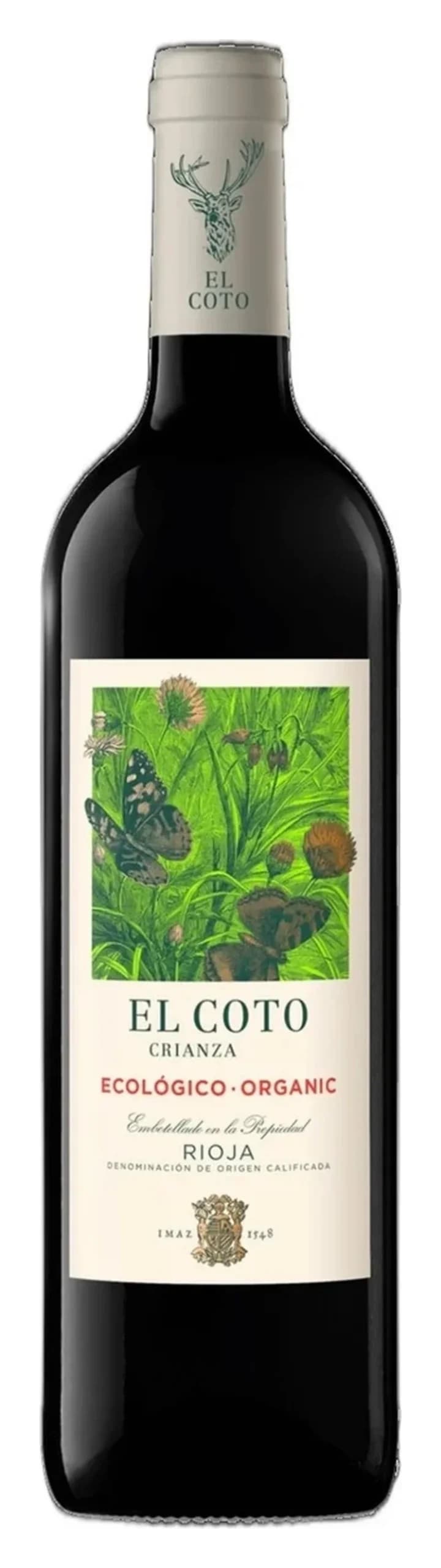
El Coto de Rioja
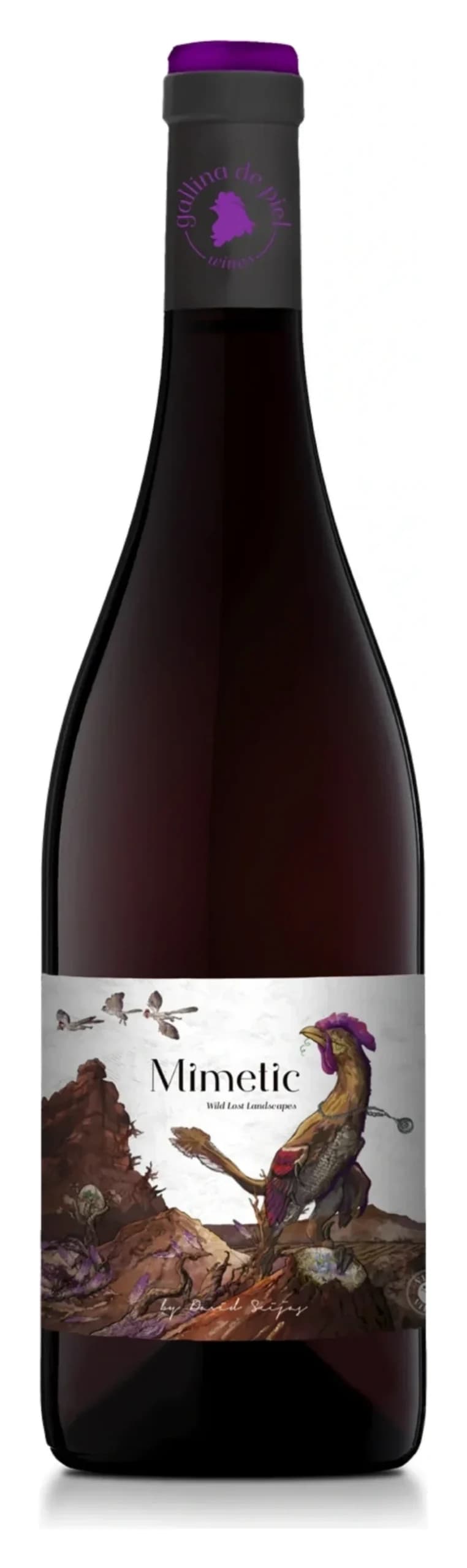
Gallina De Piel Wines
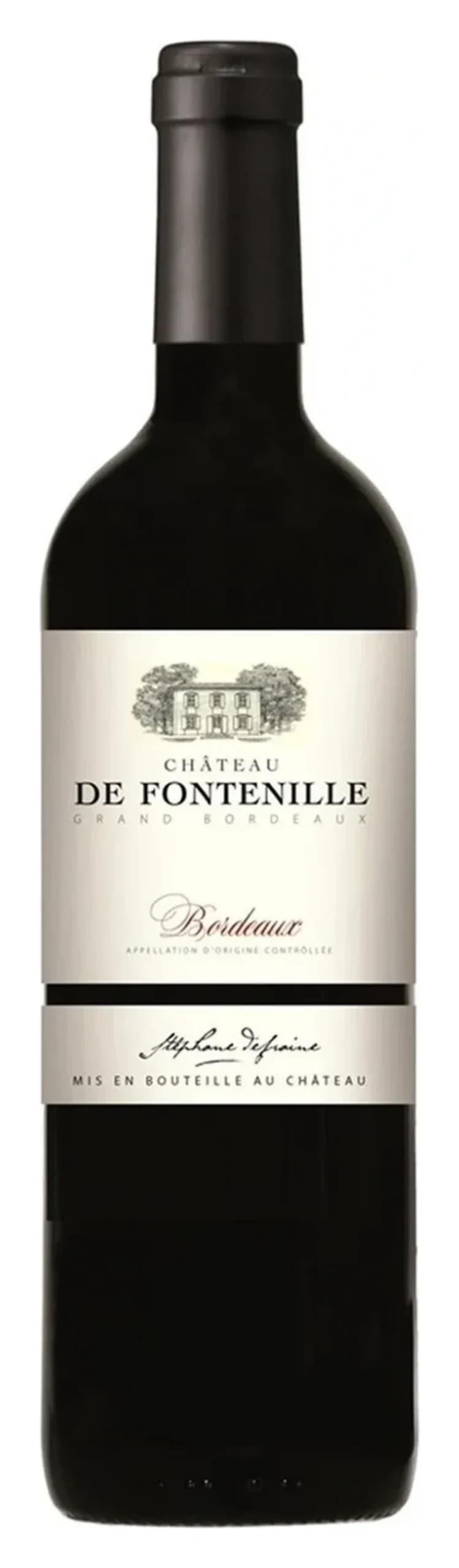
Chateau de Fontenille
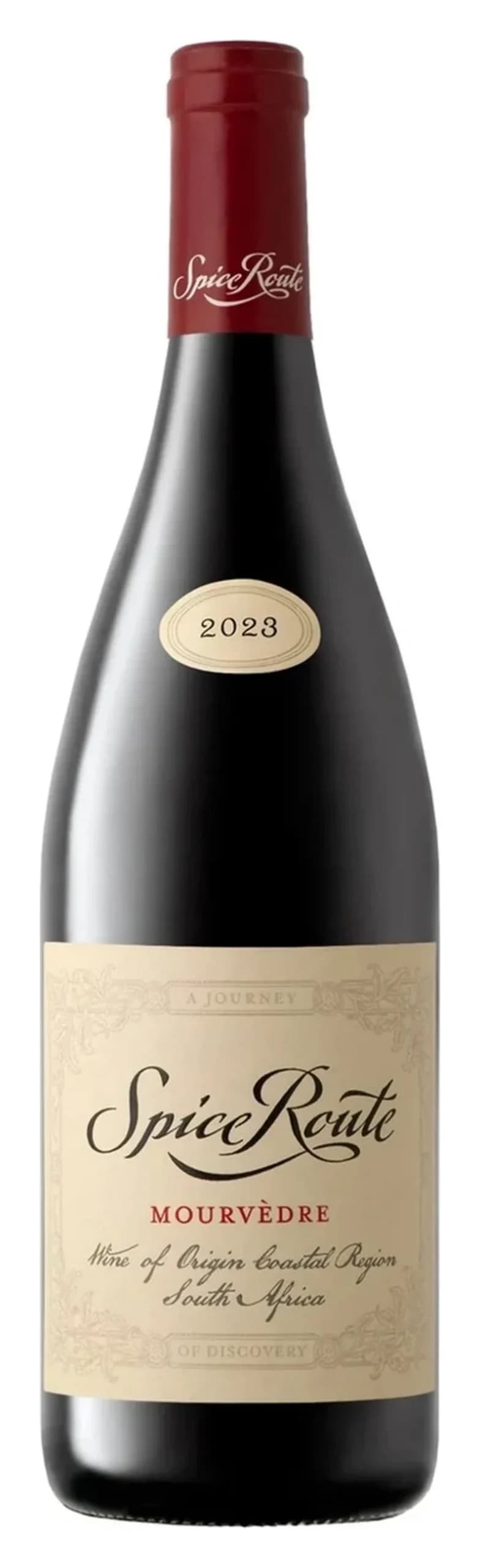
Spice Route Wines
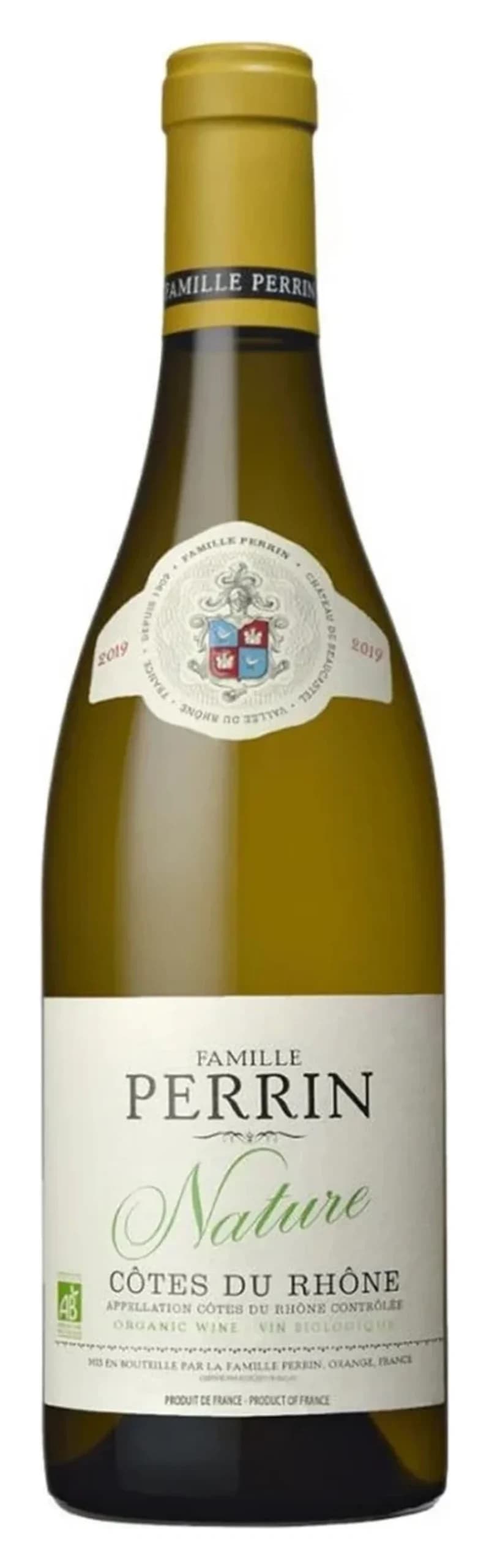
Famille Perrin
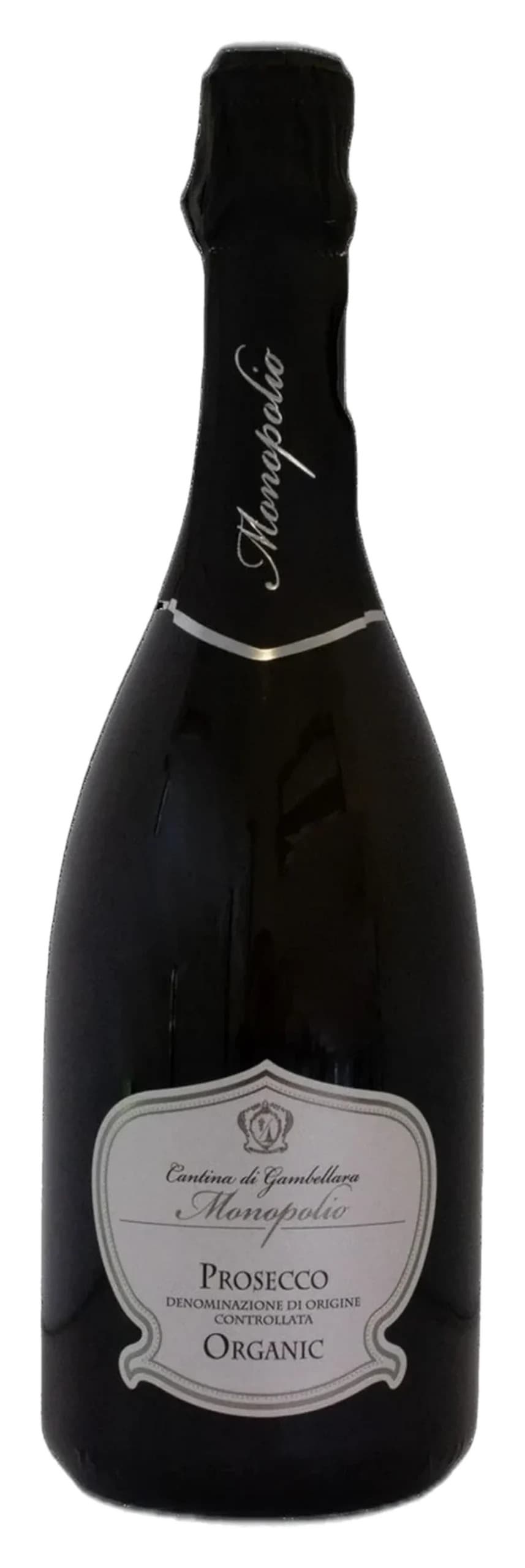
Cantina di Gambellara s.a.c.
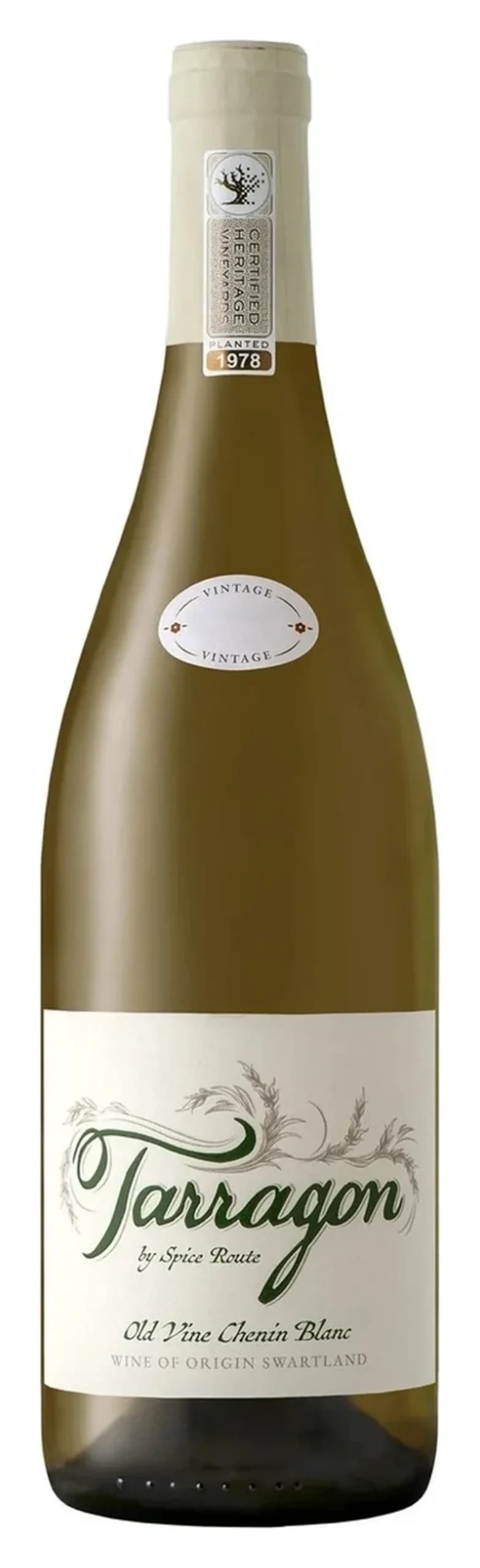
Spice Route Wines
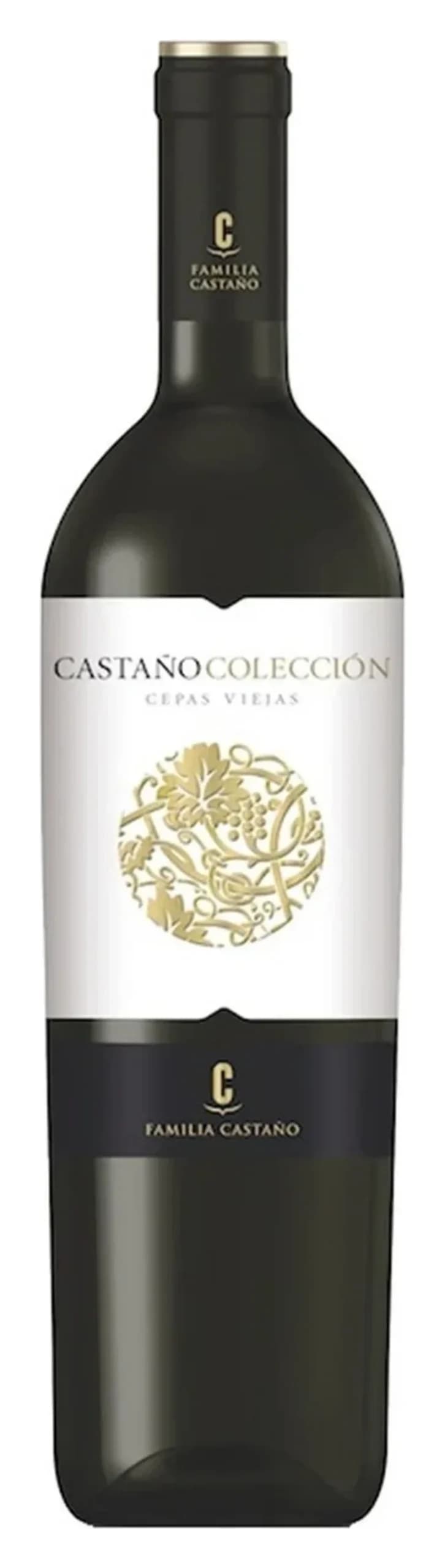
Bodegas Castano
Organic wine comes from vineyards certified free of synthetic pesticides, herbicides, and fungicides. Growers rely on natural pest control, composting, and soil management instead. The result? Grapes that reflect their terroir more clearly, and wines that often taste fresher with brighter acidity. You'll find organic options across every style: crisp whites from France, juicy reds from Spain and Italy, even natural wines with minimal intervention. If you're serious about what goes into your glass and where it comes from, organic is the logical choice.
We recommend organic wines to customers who care about flavour, sustainability, and knowing their vineyard story. Many organic producers also farm biodynamically or make natural wines, so you're often getting lower sulphites and genuine personality in the bottle. Leading producers of Provence rosés and Spanish Tempranillo reds prove that organic farming doesn't mean compromise—it means precision and respect.
Organic appeals to vegans and vegetarians (no animal products in production), environmentalists, and anyone sensitive to residual pesticides. Entry-level organic bottles start around £9–14, while premium examples from Burgundy or Alsace sit in the £20–40 range. These wines pair beautifully with organic and whole foods, but they're equally at home with any meal. Drink them fresh and young, or age the best reds (especially Burgundy, Bordeaux, and Barossa examples) for real complexity and development.
Organic certification means the vineyard is audited annually and meets strict standards: no synthetic pesticides, herbicides, fungicides, or GMOs. Pest control uses predatory insects, traps, and approved natural substances like sulphur. Soil health relies on composting and cover crops. Standards vary by region (EU, USDA, UK Soil Association), but all require third-party verification. Some organic wines also carry additional certifications like Demeter (biodynamic) or Natural Wine certifications—these are worth seeking out if you want the highest level of transparency and minimal intervention.
Often, yes—but the difference is subtle and depends on the producer. Organic vineyards typically produce grapes with slightly more acidity and mineral character because natural pest management and composting build complex soil biology. You might notice brighter, fresher aromatics or a leaner finish. However, winemaking style matters far more than organic status. A well-made organic Rioja tastes like Rioja; a well-made organic Chablis tastes like Chablis. The best approach is to taste blind if you can, and let your palate decide.
Yes, usually 10–25% more than conventional equivalents because organic farming requires more labour, lower yields, and annual certification fees. However, excellent value exists at every price point. Spanish and Portuguese organic producers like Torres offer clean, food-friendly bottles from £9–15. Mid-range organic Riojas and Alsatian whites sit comfortably at £16–24. Premium organic producers from Burgundy and natural wine makers command £28–60+, but quality and provenance justify the investment for serious collectors and everyday organic seekers alike.
No—organic wines age exactly like conventional wines. Store them horizontally in a cool, dark place. Some natural or low-sulphite organic wines are more prone to oxidation, so drink those within 2–3 years. Aged organic reds (especially from Burgundy and Barossa) develop beautifully over 5–15 years in the right conditions.
If you're new to organic, begin with crisp whites from southern France or organic Chablis—clean, bright, and immediately rewarding. Then explore Spanish Tempranillo reds or Italian organics from the Piedmont region. Once you're comfortable, move into premium Burgundy, Alsace, and biodynamic natural wines. We stock all these styles, and our team can help you find the right bottle for your budget and taste. Shop our organic wine selection →
Written by SommPills AI Merchant — our in-house AI, directed by real sommeliers.