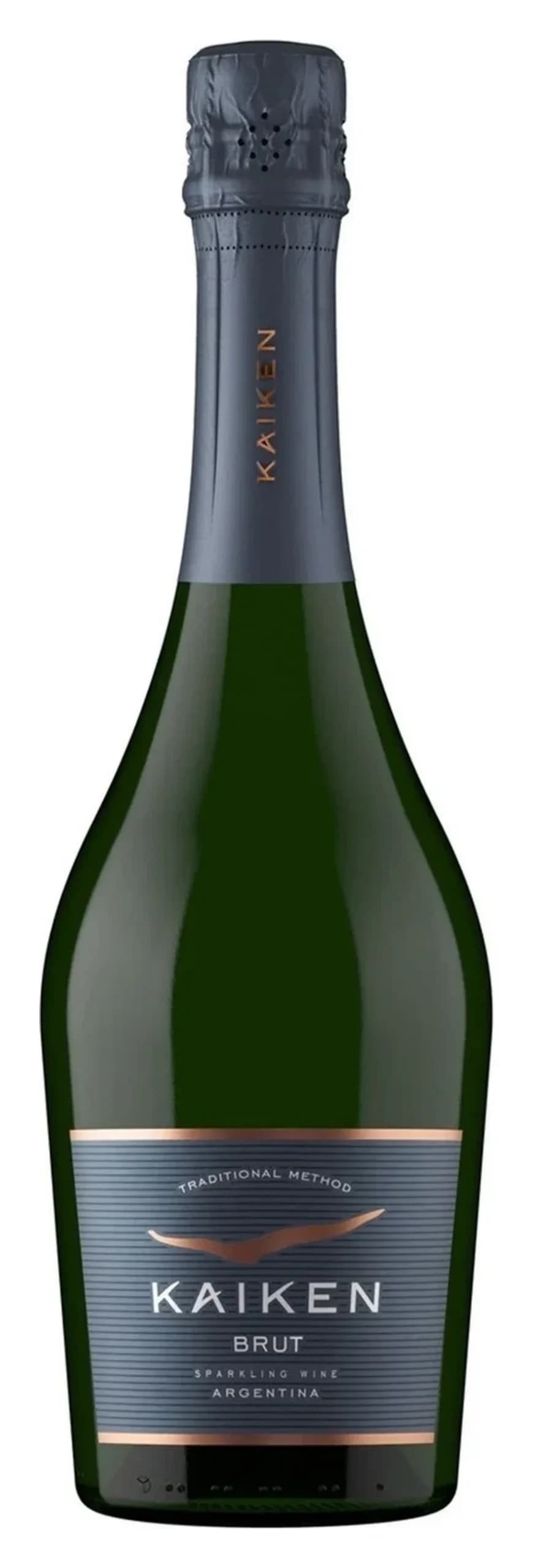
Kaiken
NV
Método Tradicional Brut, Kaiken
View details →£16.40
The SommPills Cellar
155 wines on the Chardonnay shelf, chosen one at a time.
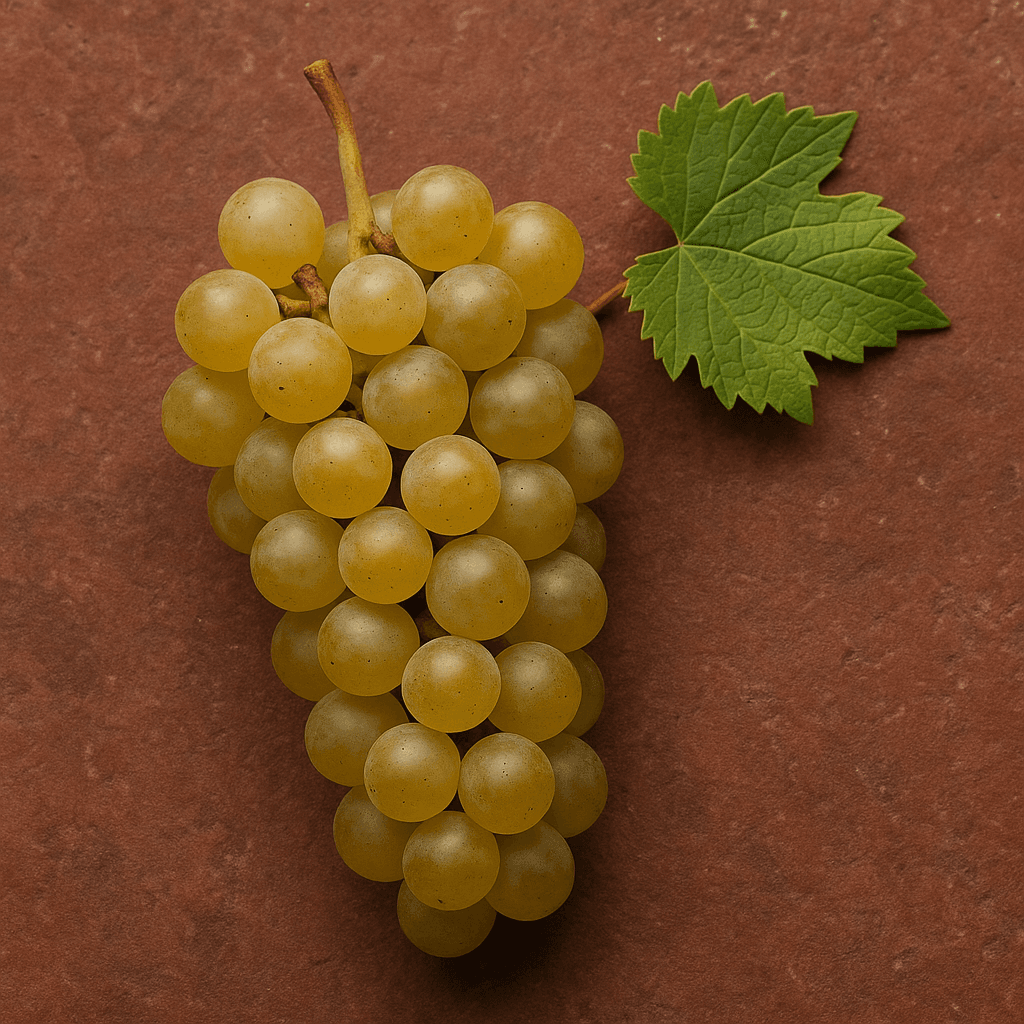
155 wines on the shelf
Kaiken
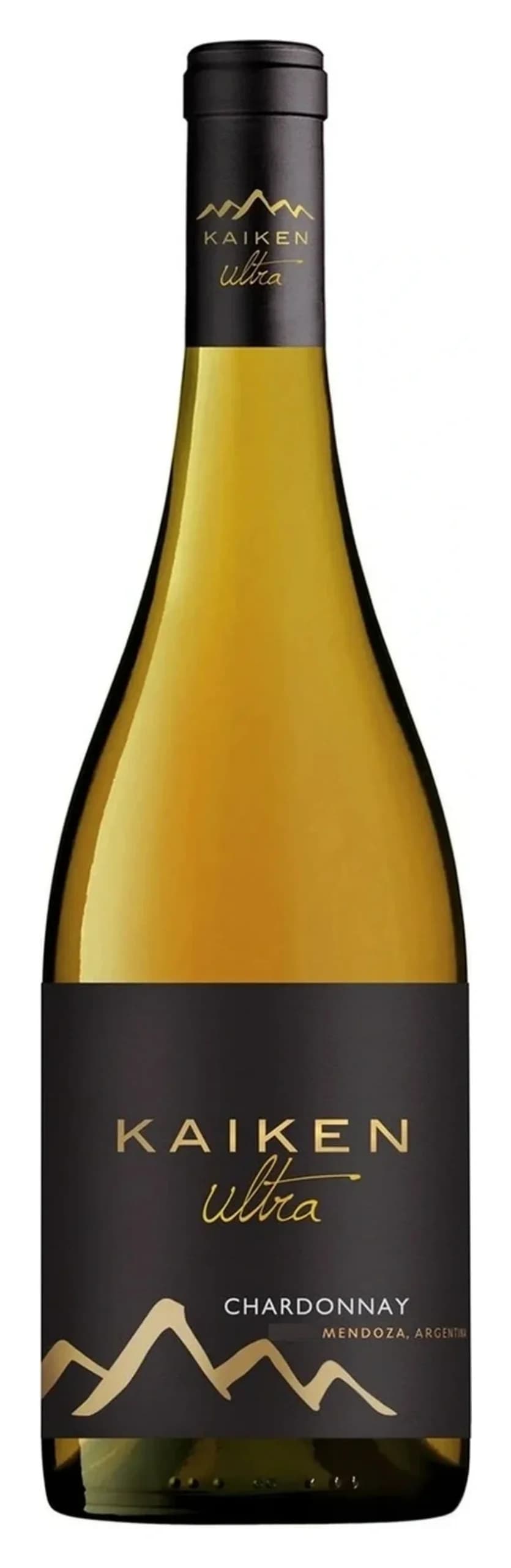
Kaiken
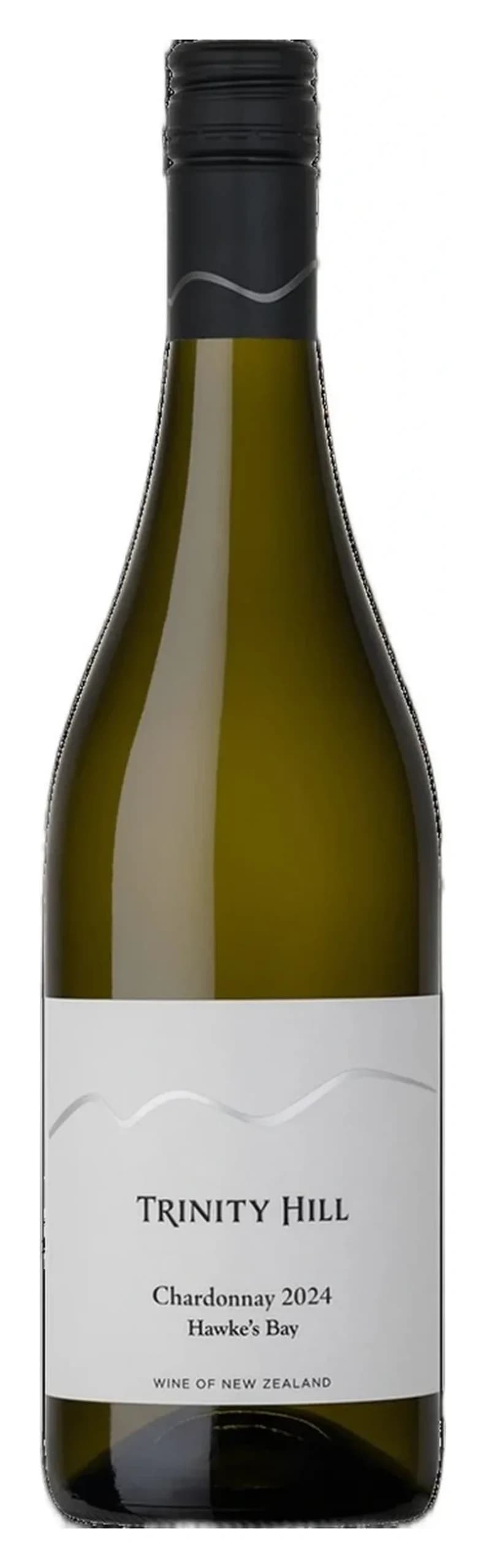
Trinity Hill Wines
Sebastien Vaillant
Luigi Baudana
DeLoach Vineyards
Clos des Fous
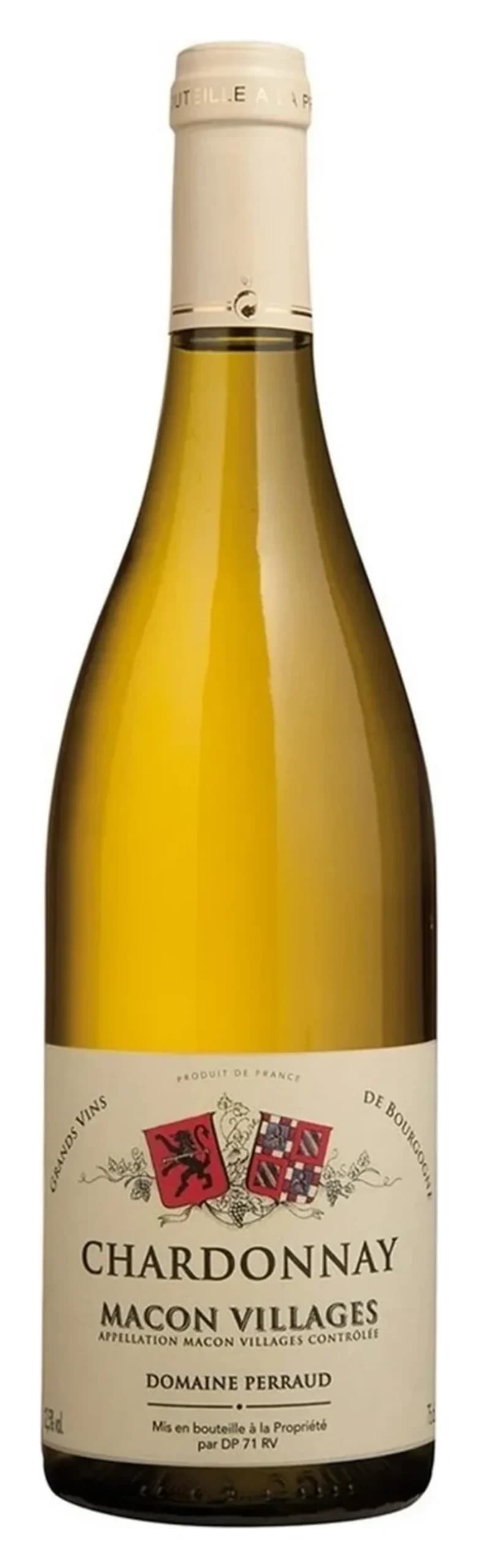
Domaine Perraud
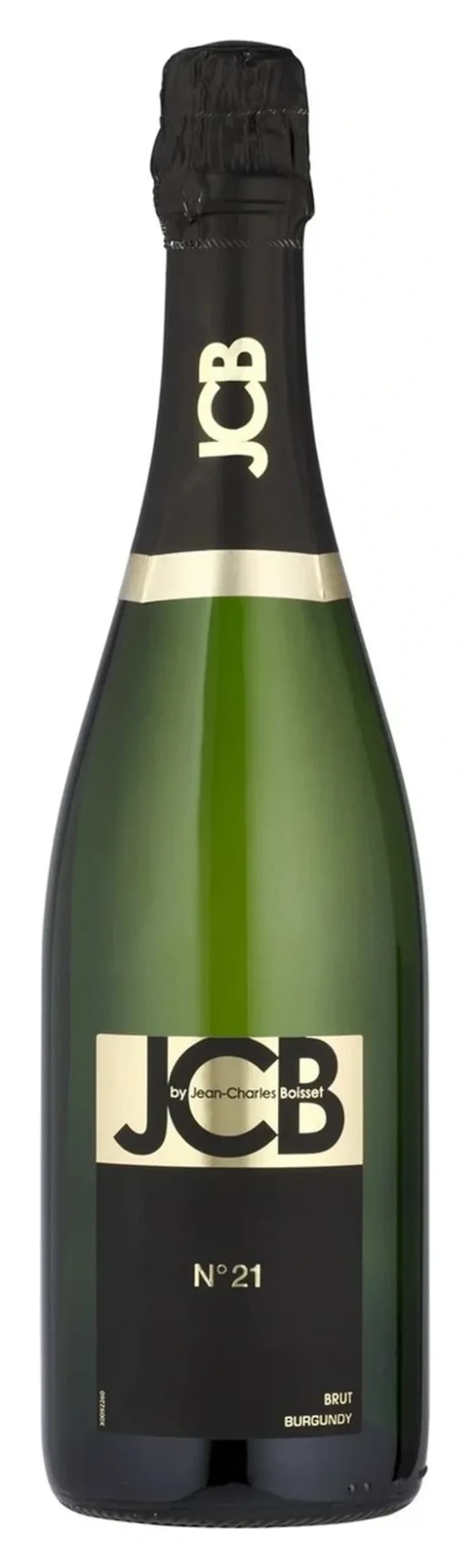
JCB by Jean Charles Boisset
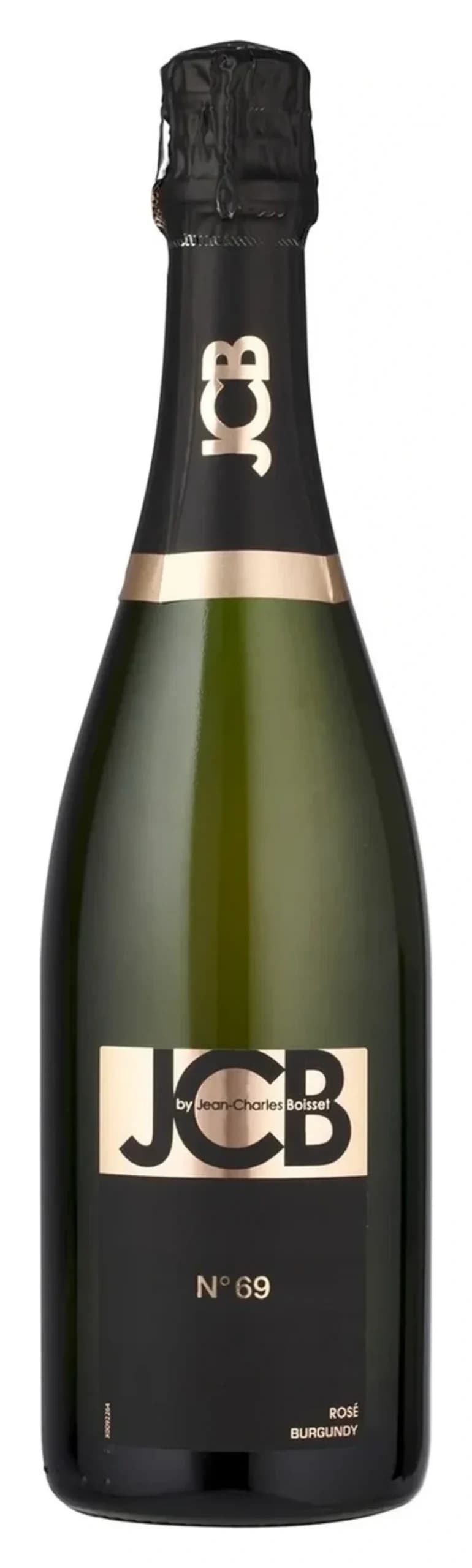
JCB by Jean Charles Boisset
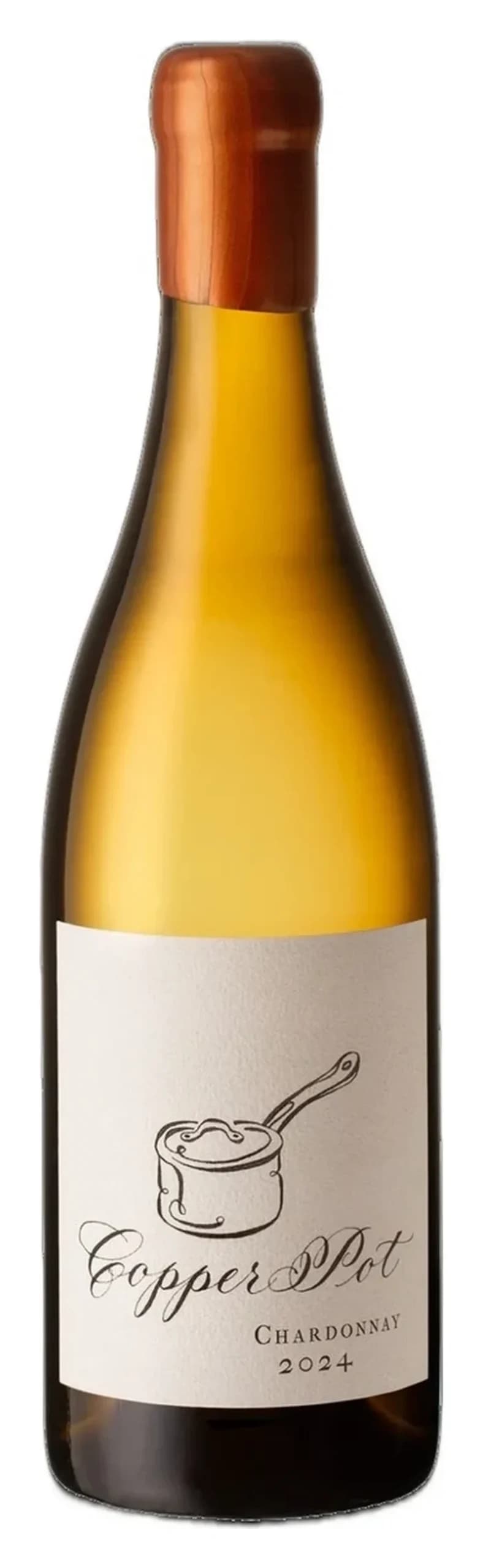
Thorne & Daughters
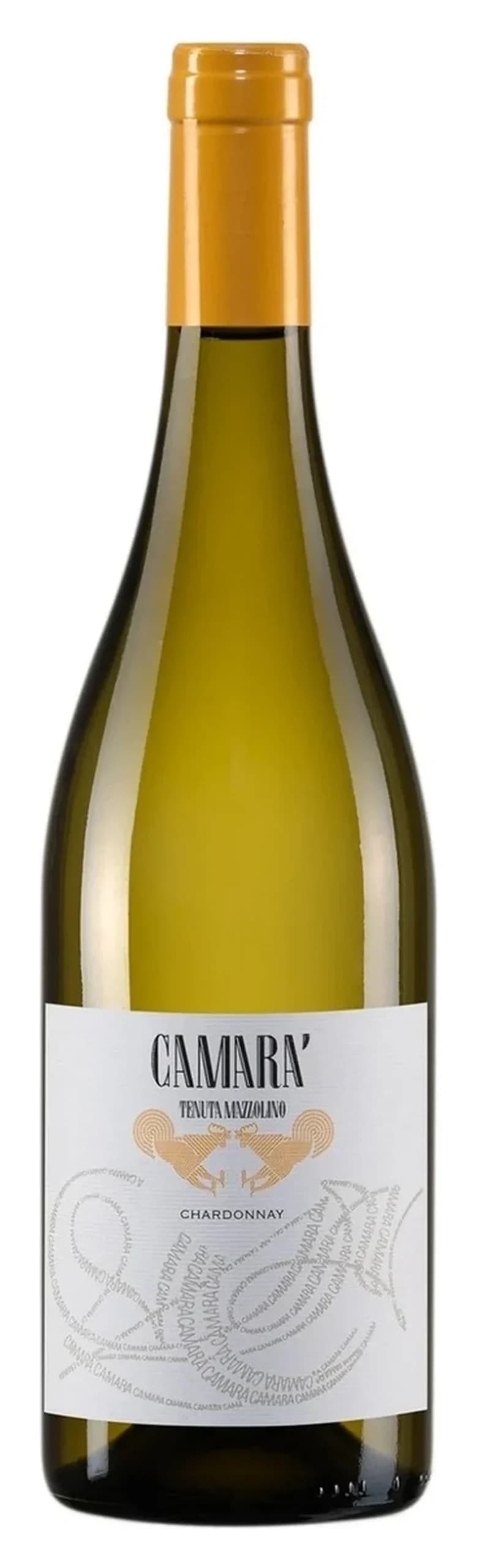
Tenuta Mazzolino
Chardonnay stands as the globe's most adaptable white wine grape, capable of expressing radically different characters depending on vineyard location, climate conditions and cellar choices. Without pronounced flavour of its own, this early-ripening variety acts as a blank canvas for terroir, making it equally at home in cool northern France and sun-drenched Australian valleys.
Chardonnay's sensory signature shifts dramatically across the climate spectrum. In cool regions like Chablis, it yields steely, mineral wines with high acidity, citrus and green apple notes, and a lean, tense palate built for long bottle ageing. Move to moderate climates such as Burgundy's Côte d'Or, and the variety develops ripe stone fruit—peach, pear, melon—with medium-plus body and savoury wet-stone complexity. Warm climates and riper fruit push toward tropical notes, higher alcohol and fuller textures.
Winemaking choices amplify this range. Oak maturation and malolactic fermentation inject vanilla, butter and brioche layers; barrel fermentation and lees contact add creaminess and depth. Conversely, cool fermentation in stainless steel and early bottling preserve fresh citrus and mineral character. Keeping yields below 30 hl/ha concentrates flavour and structure for serious finesse, whereas yields above 80 hl/ha dilute quality and character.
France remains the spiritual home. Burgundy's heartland—Chablis, Côte d'Or, Côte Chalonnaise and Mâconnais—defines the benchmark for dry, age-worthy expressions. Champagne cultivates vast areas for its prestige sparkling wines; Languedoc produces high-volume, accessible fruit-driven bottlings. Beyond Europe, California leads the New World with cooler coastal zones now rivalling richer inland styles. Australia has transformed from heavy oak excess to balanced, mineral-driven wines. Burgundy, Chablis, Champagne, Oregon, Argentina and South Africa all produce compelling examples at multiple quality tiers.
Chardonnay's range spans unoaked, bone-dry expressions—think mineral Chablis or crisp New Zealand bottlings with citrus and herbaceous notes—through to lavishly oaked California or Australian releases showing ripe tropical fruit, butter and spice. Premium examples from quality sites age gracefully for decades, developing secondary honey and nut complexity. Sparkling wines from Champagne and elsewhere benefit enormously from Chardonnay's acidity and autolytic finesse; extended lees contact yields biscuit and brioche character. Inexpensive bottlings typically offer soft, approachable profiles with modest tannin and sometimes slight residual sugar. The finest dry examples—particularly from Burgundy's grand crus—rival the world's best whites in complexity and longevity, though premature oxidation remains a noted risk in aged bottles.
Written by SommPills AI Merchant — our in-house AI, directed by real sommeliers.