Domaine Jean-Noel Gagnard
2022
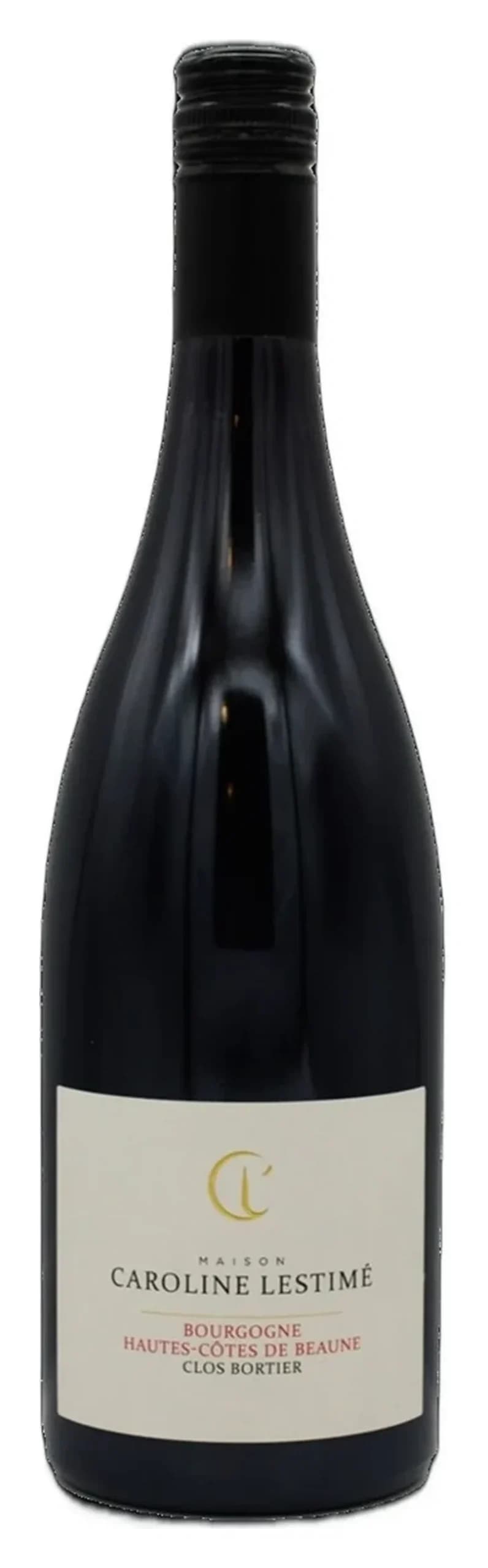
Bourgogne Hautes Côtes de Beaune Rouge Clos Bortier, Maison Caroline Lestimé
View details →£36.45
The SommPills Cellar
4 wines on the Domaine Jean-Noel Gagnard shelf, chosen one at a time.
4 wines on the shelf
Domaine Jean-Noel Gagnard
Domaine Jean-Noel Gagnard
Domaine Jean-Noel Gagnard
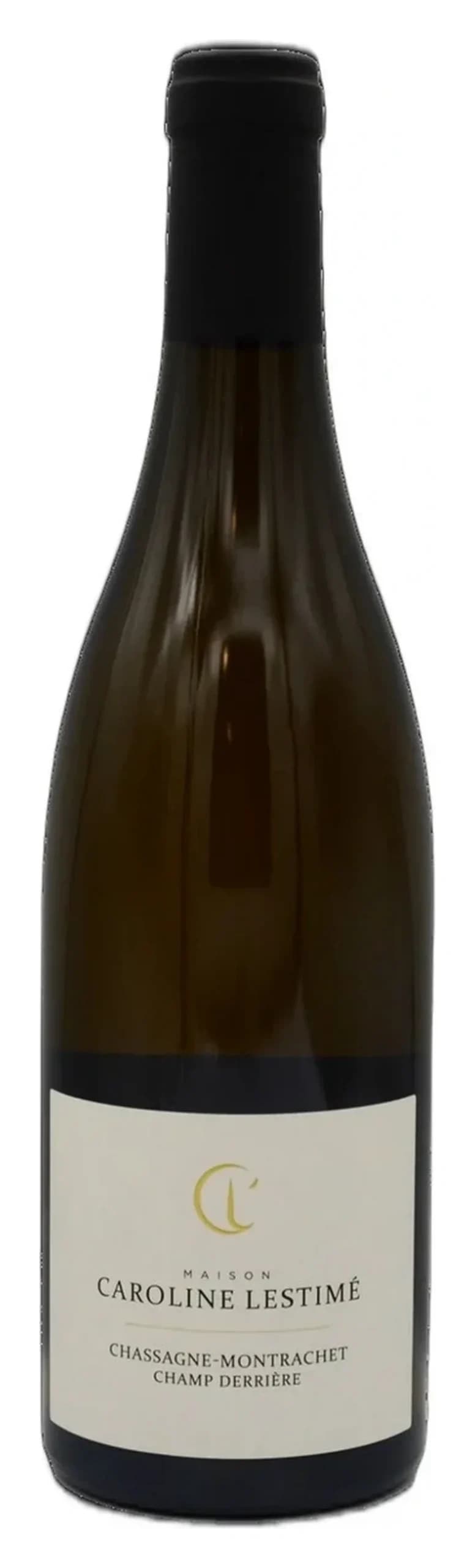
Domaine Jean-Noel Gagnard
Domaine Jean-Noël Gagnard is a 12.5-hectare estate in Chassagne-Montrachet, Burgundy, run by Caroline Lestimé since 1989. What sets this producer apart is their commitment to organic and biodynamic farming since 2014, combined with low-intervention winemaking that lets each vineyard express its true character. Their whites show a distinctive 'struck match' reduction alongside crystalline fruit; their reds balance pretty aromatics with real structure. If you want Burgundy that tastes of place rather than oak or technique, this is where to look.
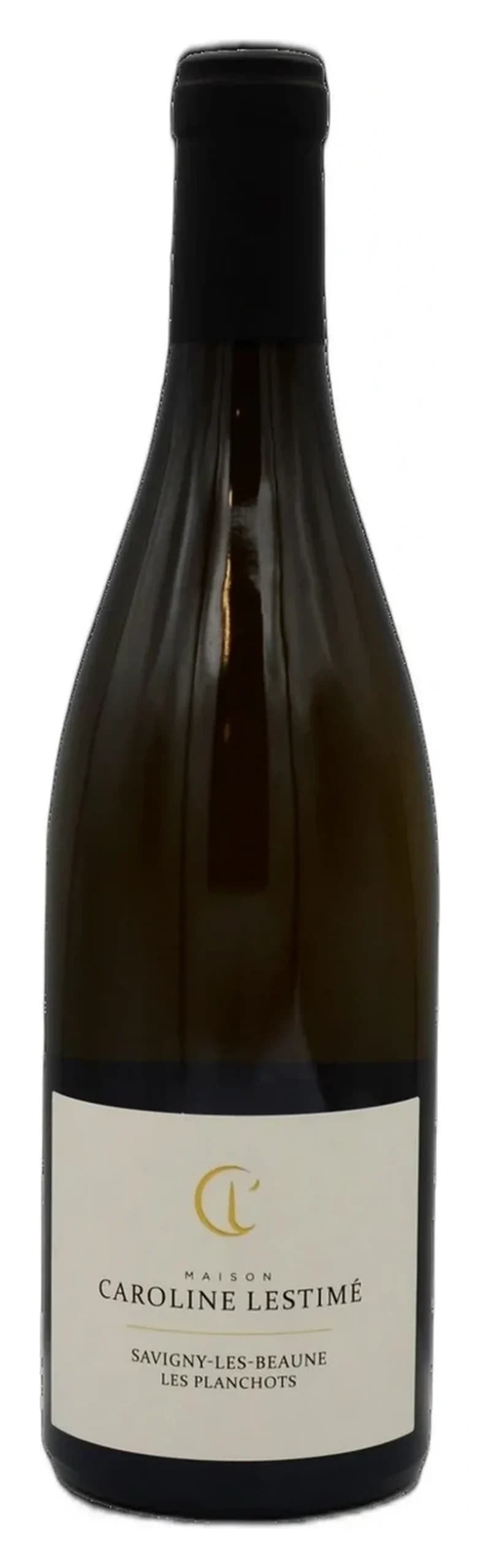
Caroline Lestimé inherited a small but well-positioned estate and has since built it into a reference point for honest, site-driven Burgundy. The domaine's 12.5 hectares are now certified organic and farmed using biodynamic principles—a genuine commitment, not a marketing label. Most vineyards lie in Chassagne itself, but in 2015 they planted Clos Bortier in the Hautes Côtes de Beaune, just above Saint-Aubin, which has quickly become sought-after for its quality.
The winemaking philosophy is deliberate restraint. Whole-bunch pressing preserves delicate flavours; fermentation happens in oak, with a maximum of 30% new wood kept at very light toast. This matters: many Burgundy producers use heavy toast to add complexity, but Gagnard's light touch means the wines display pure fruit and mineral definition rather than vanilla or spice. Wines age roughly 18 months in barrel before bottling, then reward patience in the cellar—these are not ready-to-drink bottles.
The touch of reduction—that 'struck match' character—is intentional and distinctive. It unfolds into intense, crystalline fruit on the palate and signals low-intervention handling. These wines are meant to develop complexity over years, not be consumed immediately. In Burgundy, where many producers chase extraction and power, Gagnard's restraint feels almost countercultural. You are buying wines that will improve significantly over 5–10 years.
Historically, Chassagne was known for reds thanks to higher red clay topsoil suited to Pinot Noir. That heritage is honoured here, but the whites have become the star turn. Gagnard's position—owning prime vineyard sites across Chassagne's best parcels—means even their 'villages' wines punch above typical standard because the land itself is exceptional.
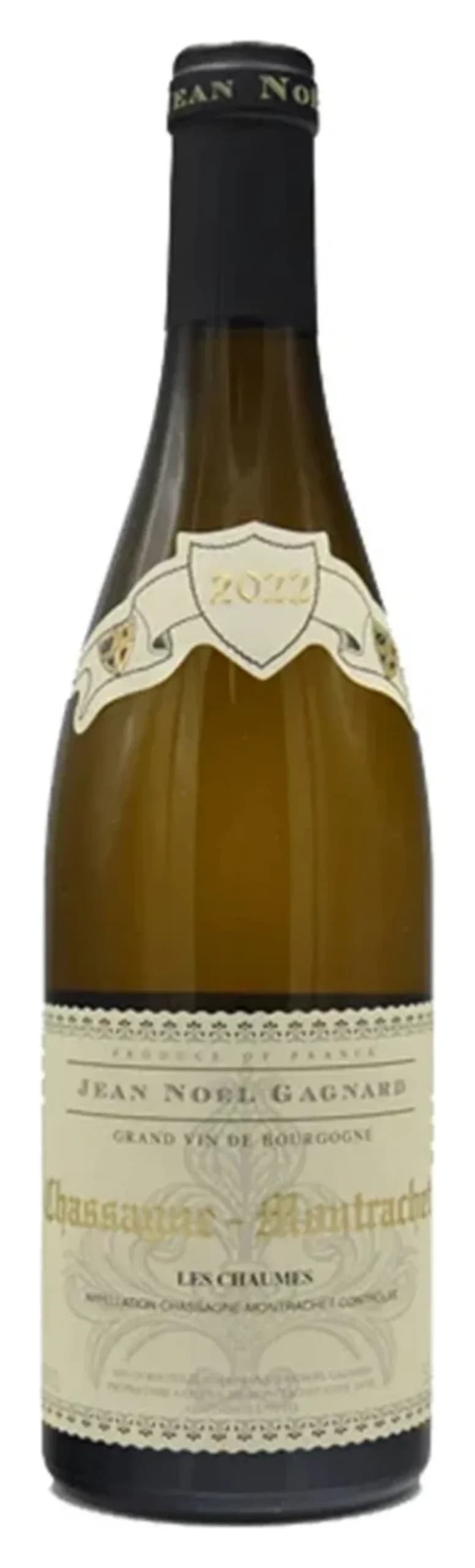
Though technically a 'villages' wine, it borders the prime 1er Cru La Boudriotte, so it shows Puligny-like acidity and intense fruit—a fair introduction to the house style at a more approachable price point.
The 1er Cru La Boudriotte (2019, 94pts) is the silky, rounded expression: sourced from 28-year-old vines on clay, it offers white flower perfume and a supple palate. The 2020 1er Cru Les Caillerets (93pts, with Jasper Morris rating it 96) is the inverse—more closed, steely, with flint and superb class. It demands patience and will repay 8–10 years in bottle with serious complexity.
For reds, the 2018 vintage Cuvée L'Estimée from Chassagne-Montrachet (88pts) honours the region's Pinot Noir heritage with pretty aromatics and balanced structure. If you want a fresh, lighter red from the same producer, the 2022 Bourgogne Hautes Côtes de Beaune Clos Bortier (94pts) offers perfumed Pinot from the newer vineyard. The 2016 Crémant de Bourgogne Lys Rosé (94pts) is a sparkling alternative—complex and traditional, not fruit-forward candy.
The whites pair brilliantly with shellfish, white fish, and creamy chicken dishes where the acidity cuts through richness. Try Les Caillerets with Dover sole or lobster. The reds work with coq au vin, duck, and aged cheeses. The Cuvée L'Estimée Rouge handles mushroom risotto and game birds well. Avoid heavy sauces; these wines prefer restraint at the table, just as they do in the glass.
Yes. Their 12.5 hectares have been certified organic since 2014 and are also farmed using biodynamic principles.
A touch of reduction creates a 'struck match' character alongside crystalline fruit. They use whole-bunch pressing, ferment in light-toast oak (max 30% new), and avoid heavy oak extraction.
These are low-intervention wines that reward patience. Age for at least 5–10 years, especially the 1er Crus and Grand Cru, to see their complexity fully unfold.
Caroline Lestimé has run this 12.5-hectare estate in Chassagne-Montrachet, Burgundy, since 1989. She inherited a small domaine and built it into a reference for honest, site-driven Burgundy using organic and biodynamic farming.
Whites from Chardonnay show struck-match reduction and crystalline fruit; reds from Pinot Noir balance pretty aromatics with structure. The 2019 La Boudriotte scored 94 points. All wines use restrained winemaking and reward patience in the cellar.
Prices range between £33.75 and £162.15. Entry reds and sparkling start around £34–46; village and 1er Cru whites sit between £91 and £162.
Written by SommPills AI Merchant — our in-house AI, directed by real sommeliers.