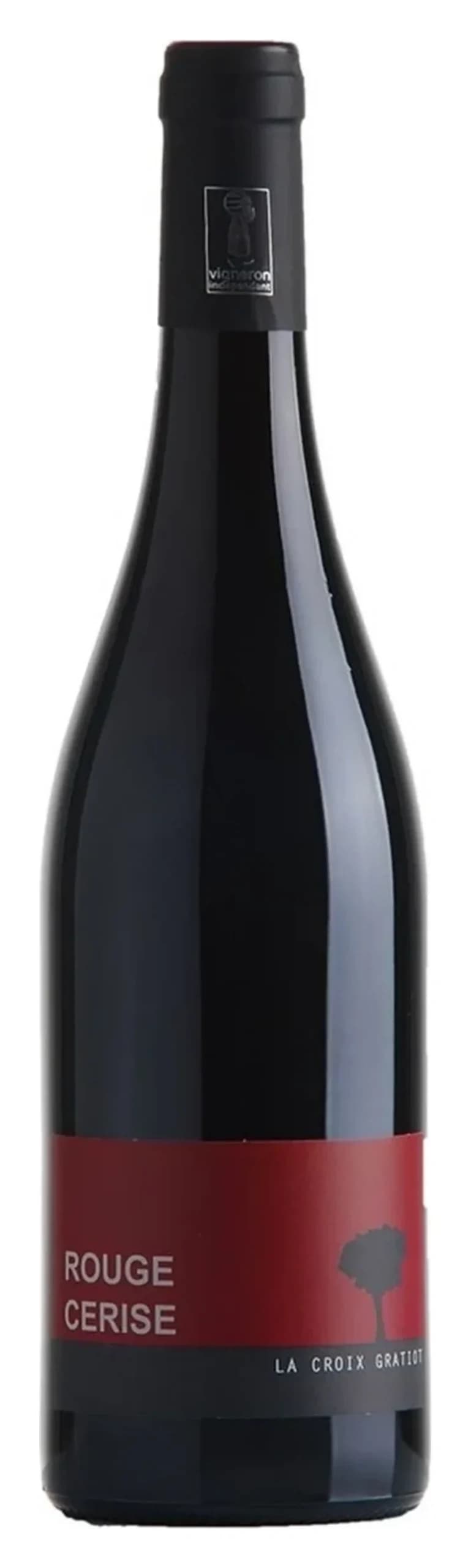
Domaine La Croix Gratiot
2023
Rouge Cerise IGP Pays d'Hérault, Domaine La Croix Gratiot
View details →£16.05
The SommPills Cellar
59 wines on the Syrah & Shiraz shelf, chosen one at a time.
59 wines on the shelf
Domaine La Croix Gratiot
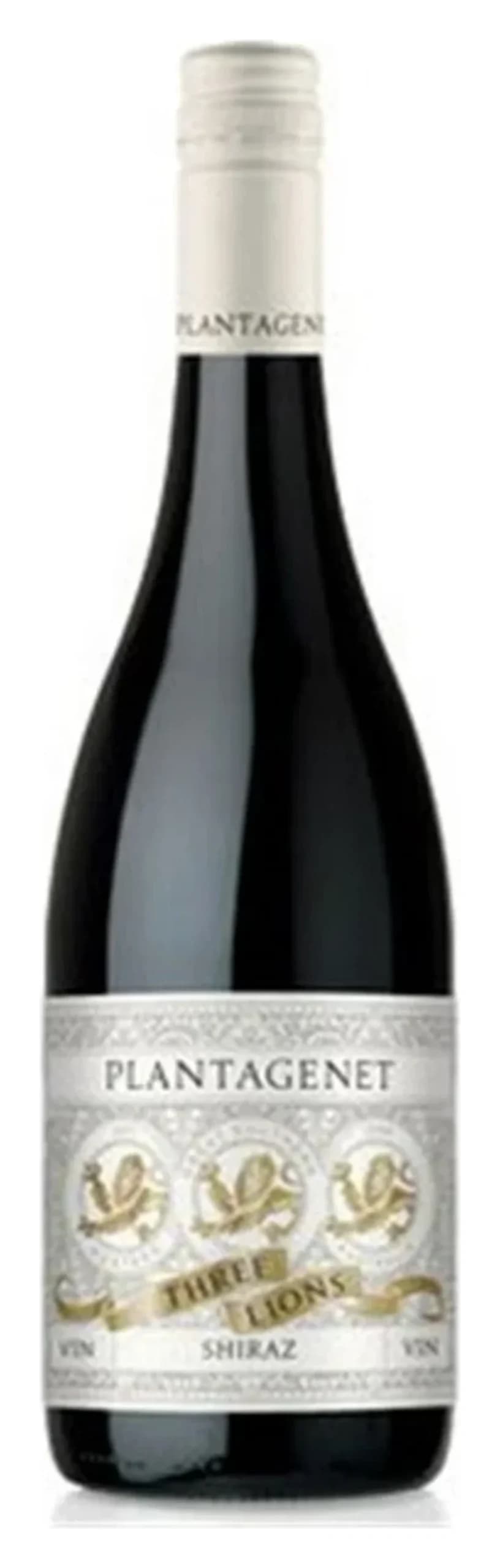
Plantagenet Wines
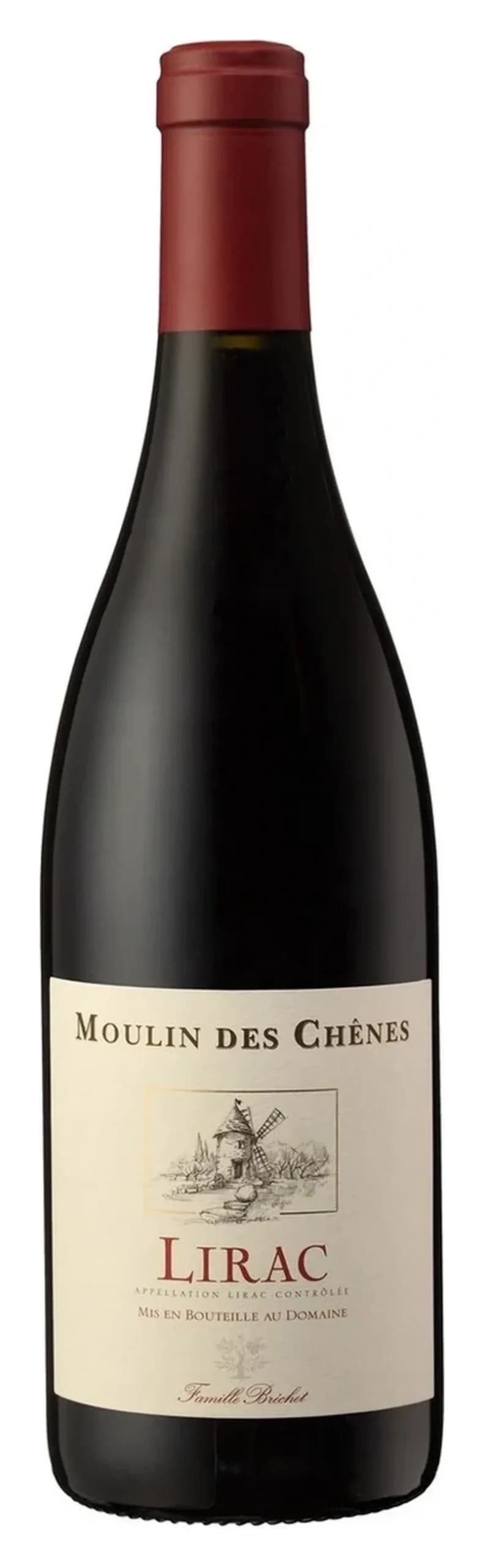
Famille Brechet
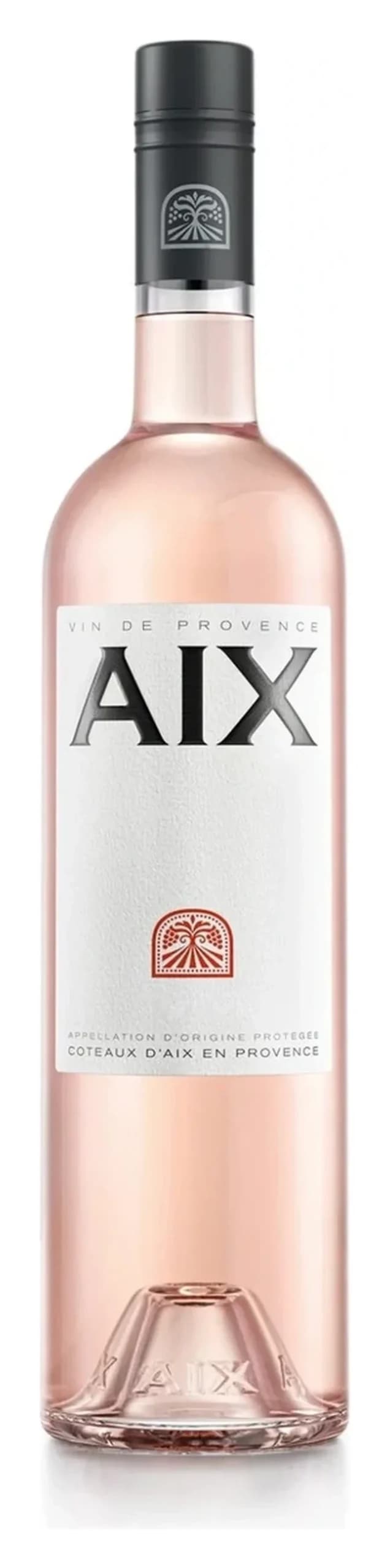
Maison Saint Aix
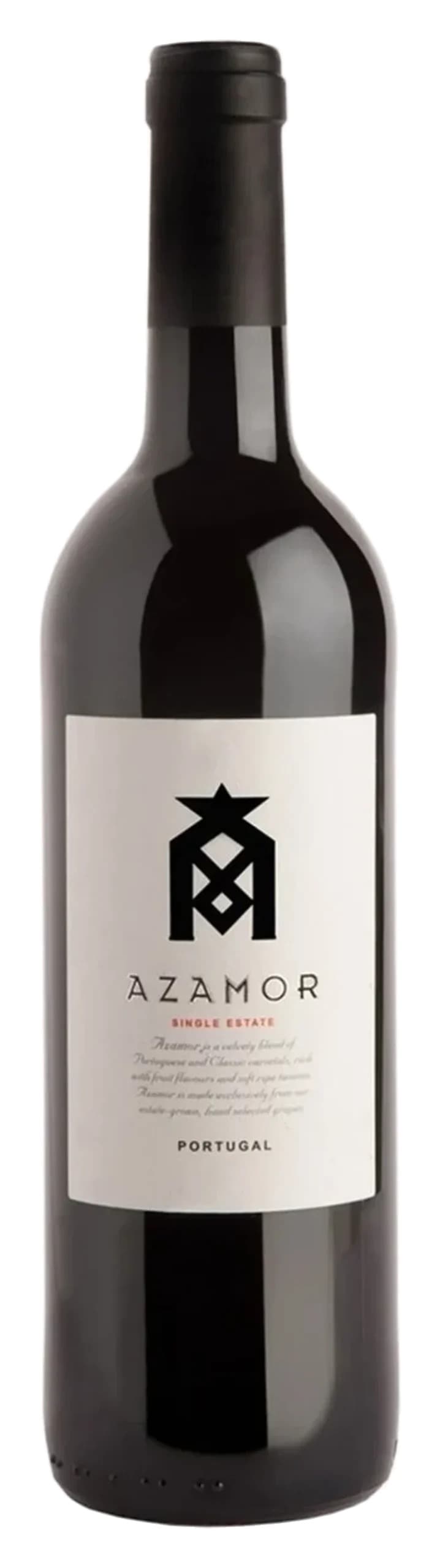
Azamor
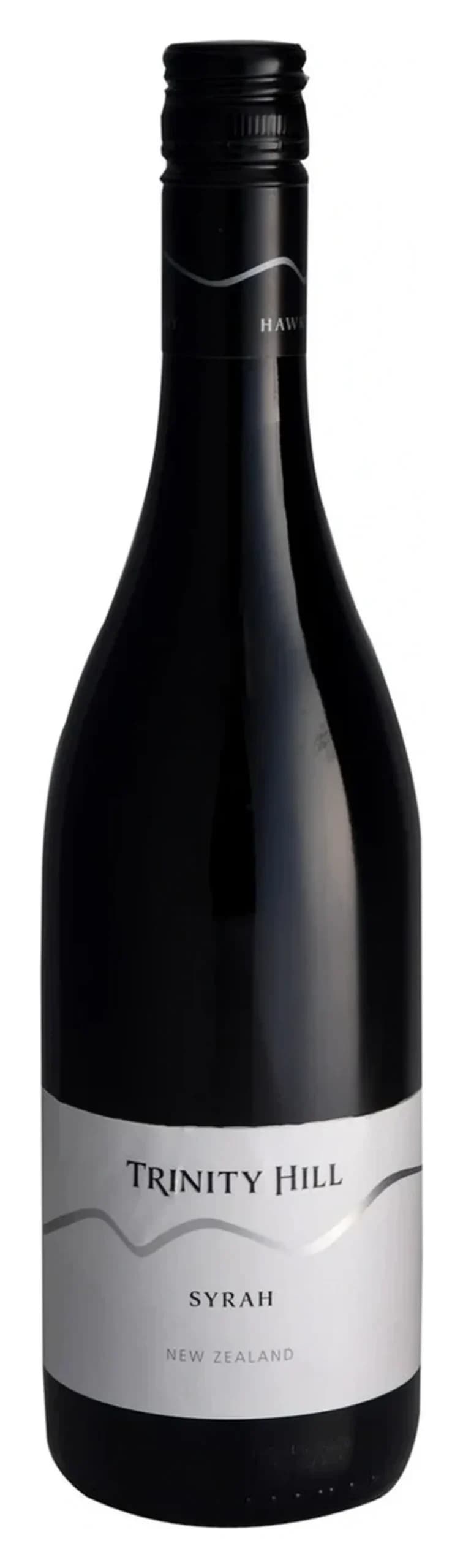
Trinity Hill Wines
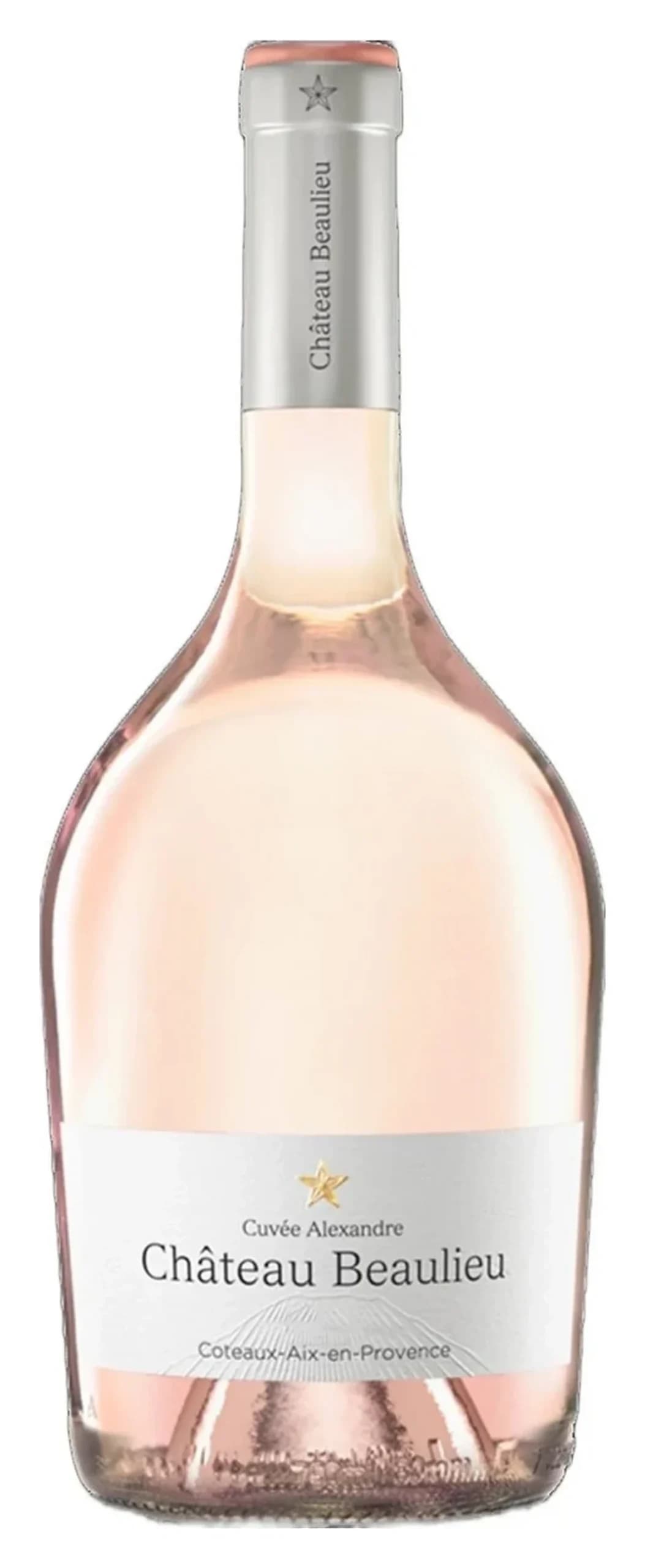
Chateau Beaulieu
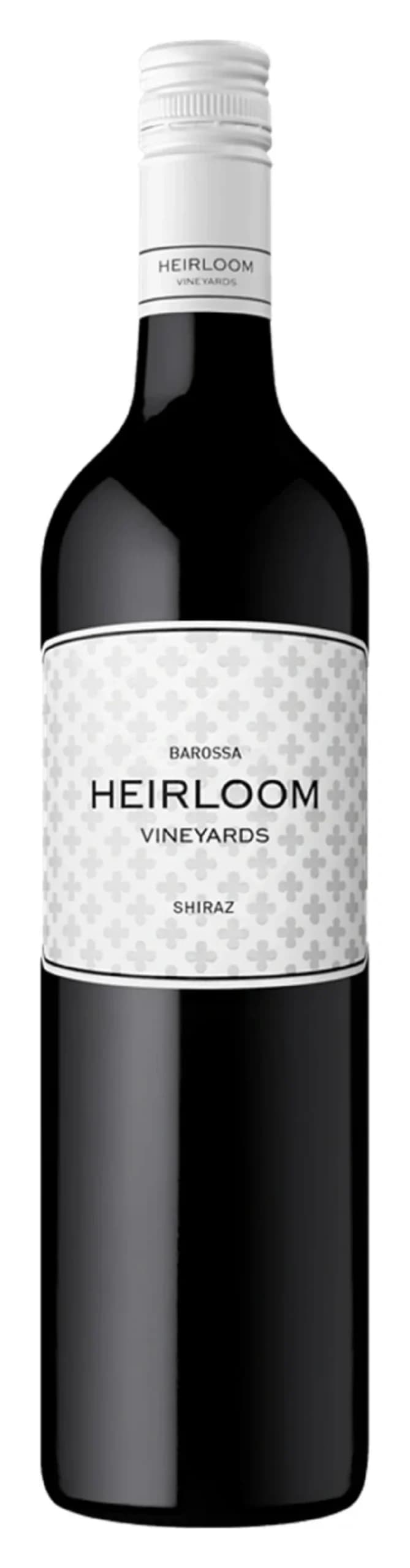
Heirloom Vineyards
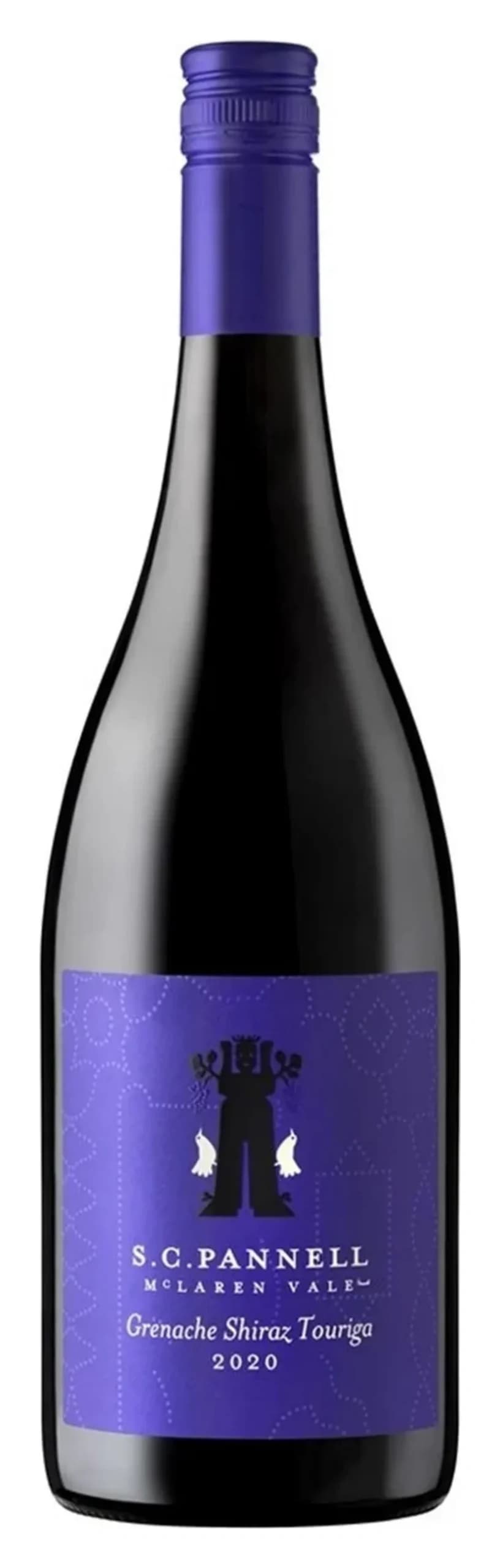
S.C. Pannell Winemaker
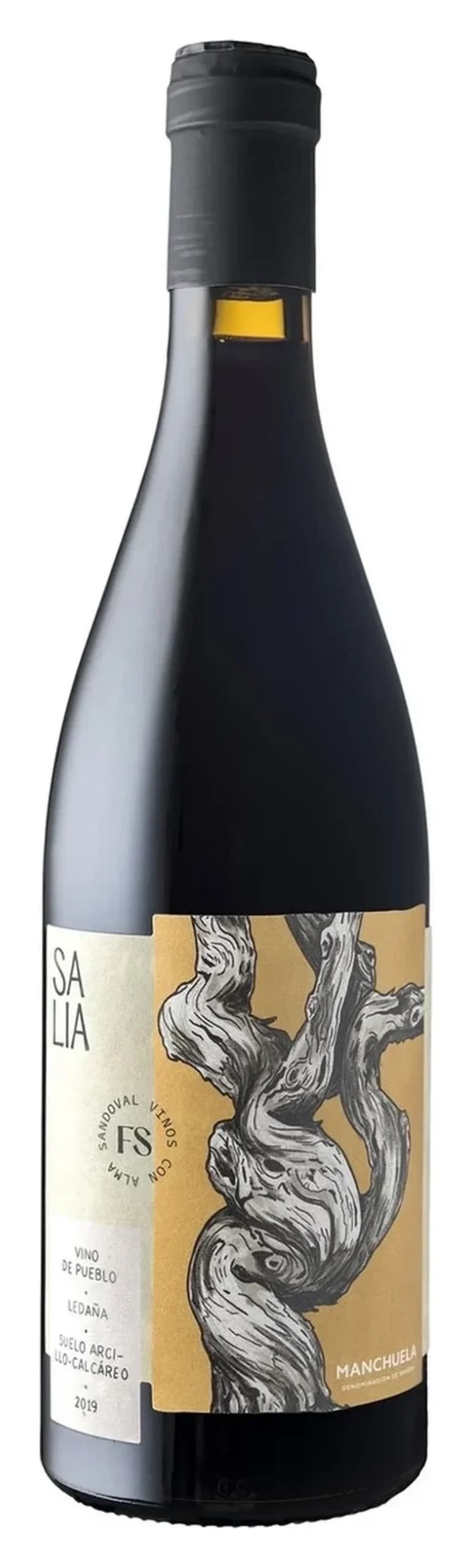
Finca Sandoval
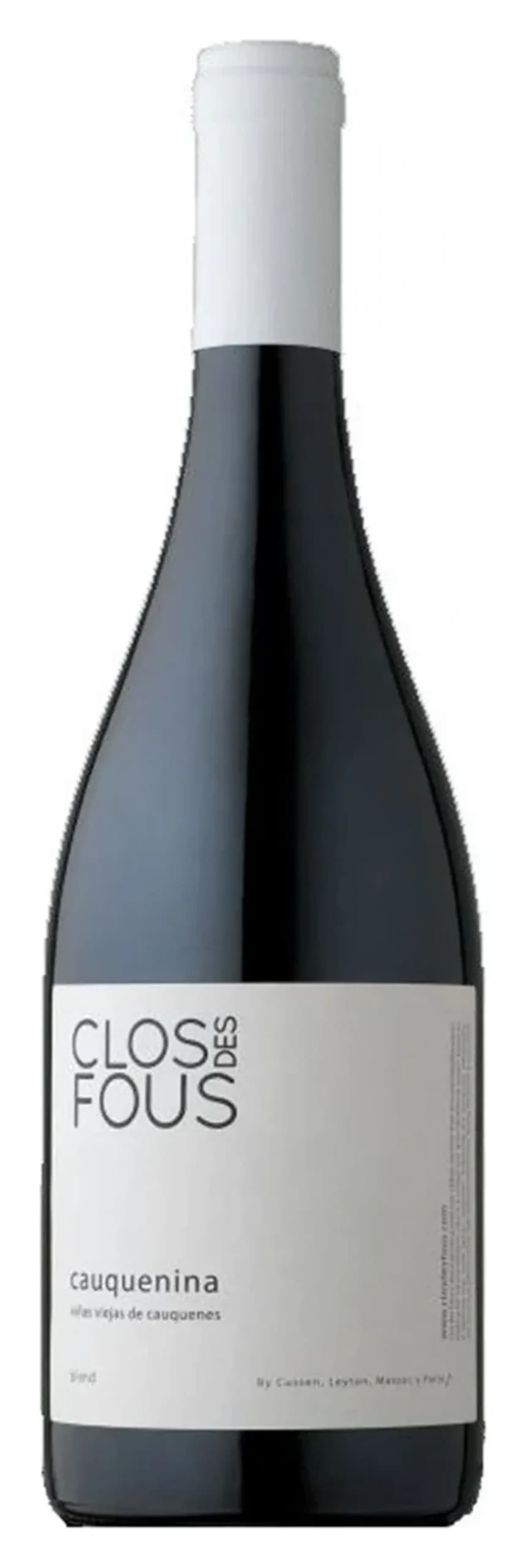
Clos des Fous
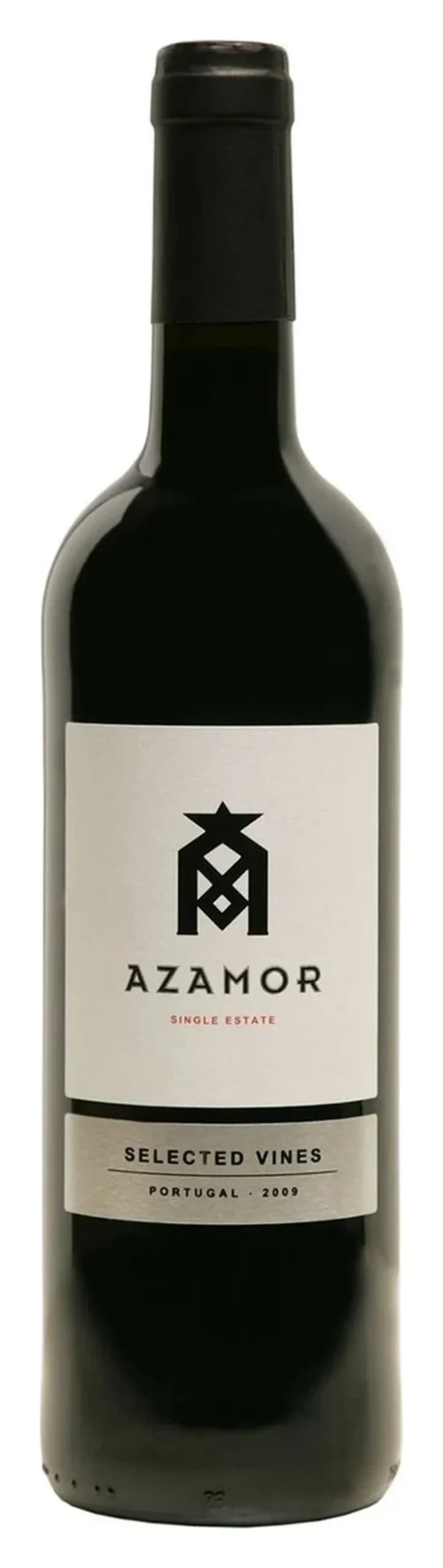
Azamor
Syrah and Shiraz—the same grape, known by different names—rank among the world's most versatile and respected red varieties. Originally from France's northern Rhône Valley, this black-berried grape now flourishes globally, from cool-climate regions to warm continental areas, producing wines that span a compelling spectrum of styles and intensity.
Syrah's character shifts dramatically with climate and winemaking. In cool sites, it yields medium-bodied wines with lifted acidity, displaying fresh plum, blackberry and distinctive black pepper notes, sometimes with herbal and violet undertones. Tannins remain structured but refined. As temperatures rise, the grape ripens fuller, producing richer, medium to full-bodied expressions with softer tannins, pronounced dark fruit aromas—black plum, cherry, liquorice—and spicy oak influences. In the warmest regions, overripe berries develop darker chocolate and prune flavours.
Oak maturation significantly shapes the final profile. New oak amplifies richness and spice in warm-climate fruit, whilst cool-climate examples often use old or minimal oak to preserve fresh aromatics. The grape's naturally high anthocyanins support long ageing, especially in structured northern Rhône styles.
The northern Rhône—Hermitage, Côte Rôtie, Saint-Joseph and Crozes-Hermitage—remains Syrah's spiritual home. These steep granite slopes yield low volumes per hectare, forcing the vine to concentrate flavour into fewer, more complex berries that age for decades. Southern France (Languedoc-Roussillon, Châteauneuf-du-Pape) grows larger volumes, often blended with Grenache and Mourvèdre, yielding suppler, more obviously fruity styles.
Australia dominates global production as Shiraz. The Barossa Valley crafts full-bodied, high-alcohol wines with ripe dark fruit and soft tannins; McLaren Vale offers more open, breezy expressions; cooler Eden Valley and Adelaide Hills produce fresher, peppery wines closer to northern Rhône models. Other significant regions include California, Washington State, South Africa, Chile and Spain, each imparting regional character while the grape's fundamental nature—responsive to warmth and terroir—remains constant.
Syrah expresses itself across a wide spectrum. Northern Rhône bottlings—especially Hermitage—demand at least 5–10 years in bottle to soften their structure; younger examples can be mean and astringent, their tannins not yet knit together. Côte Rôtie, often co-fermented with a touch of white Viognier, balances power with refinement. Southern French and Australian warm-climate versions drink younger and offer immediate appeal.
Cool-climate Australian Syrahs and South African examples labelled as such intentionally mirror the French model: medium body, higher acidity, peppery character. Warm-climate Shiraz from Barossa or McLaren Vale stands fuller and richer in alcohol at 14–15%, amplifying both the wine's weight and its ability to develop pronounced ripe fruit and leathery notes with age. Blends—Shiraz-Viognier, Shiraz-Cabernet, Grenache-Shiraz-Mourvèdre—are common, especially in Australia and southern France. Quality ranges from everyday-drinking to outstanding collector wines; pricing spans inexpensive to super-premium.
Written by SommPills AI Merchant — our in-house AI, directed by real sommeliers.