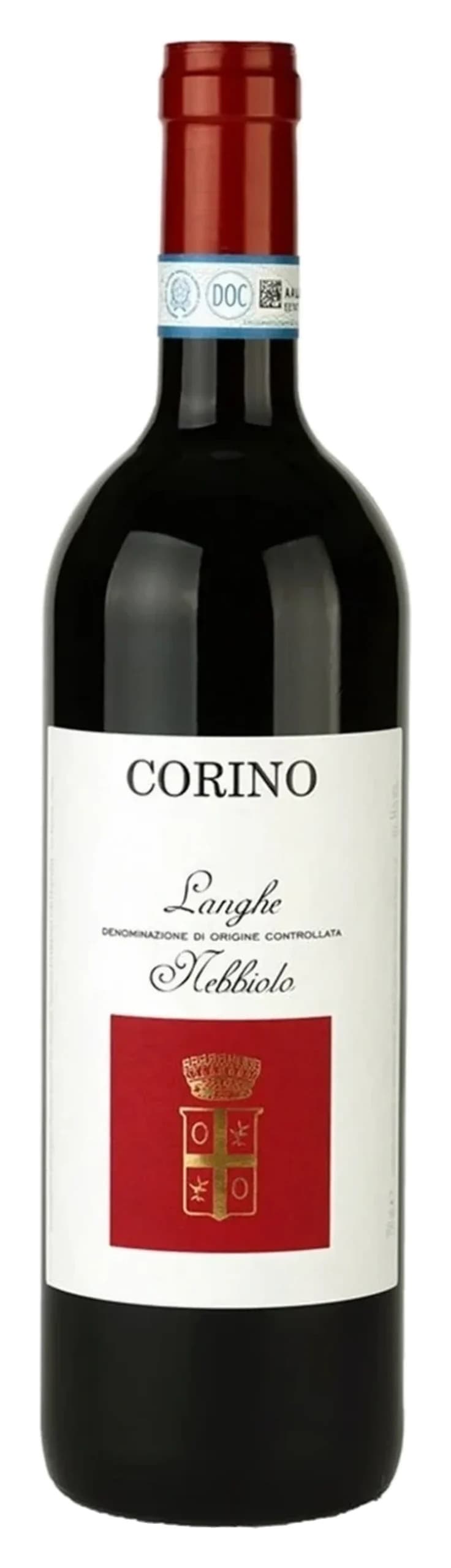
Corino Giovanni di Corino Giuliano
2024
Langhe Nebbiolo, Corino Giovanni di Corino Giuliano
View details →£26.70
The SommPills Cellar
27 wines on the Nebbiolo shelf, chosen one at a time.
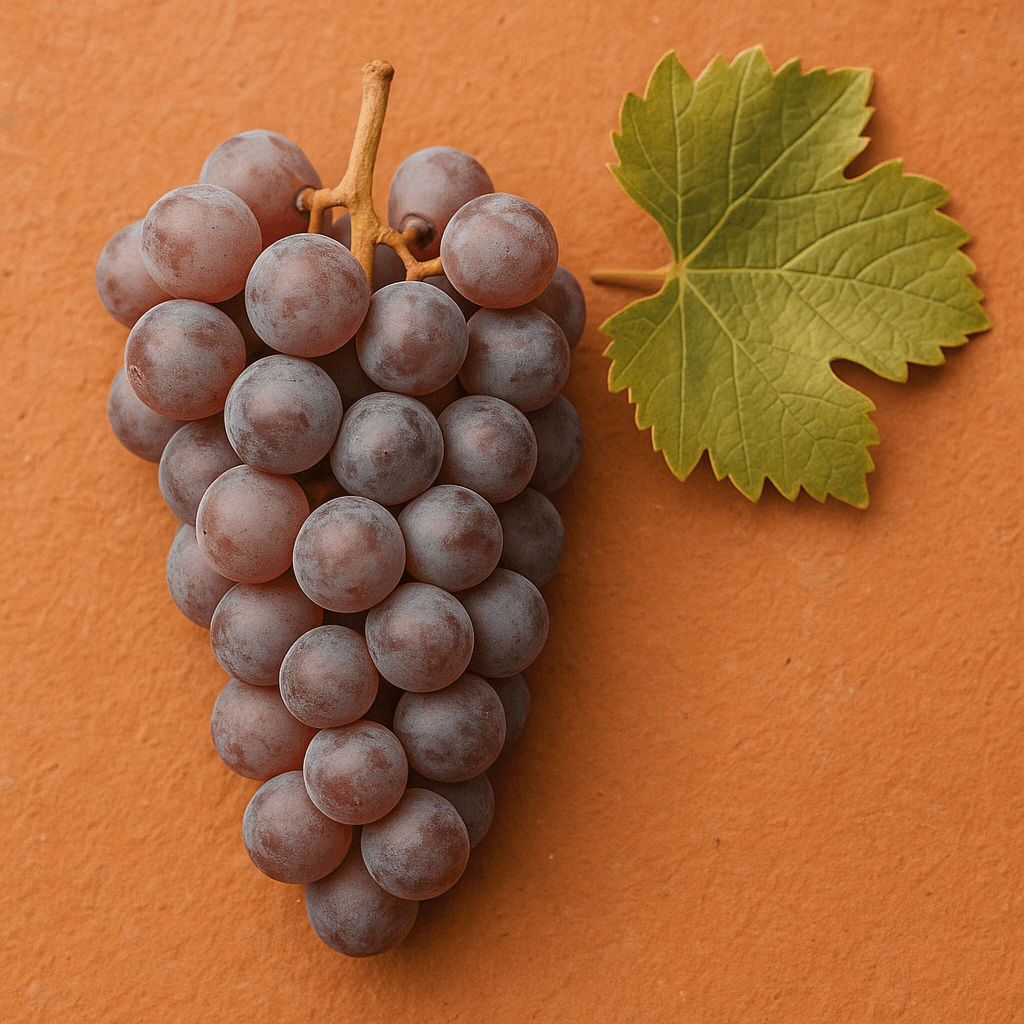
27 wines on the shelf
Corino Giovanni di Corino Giuliano
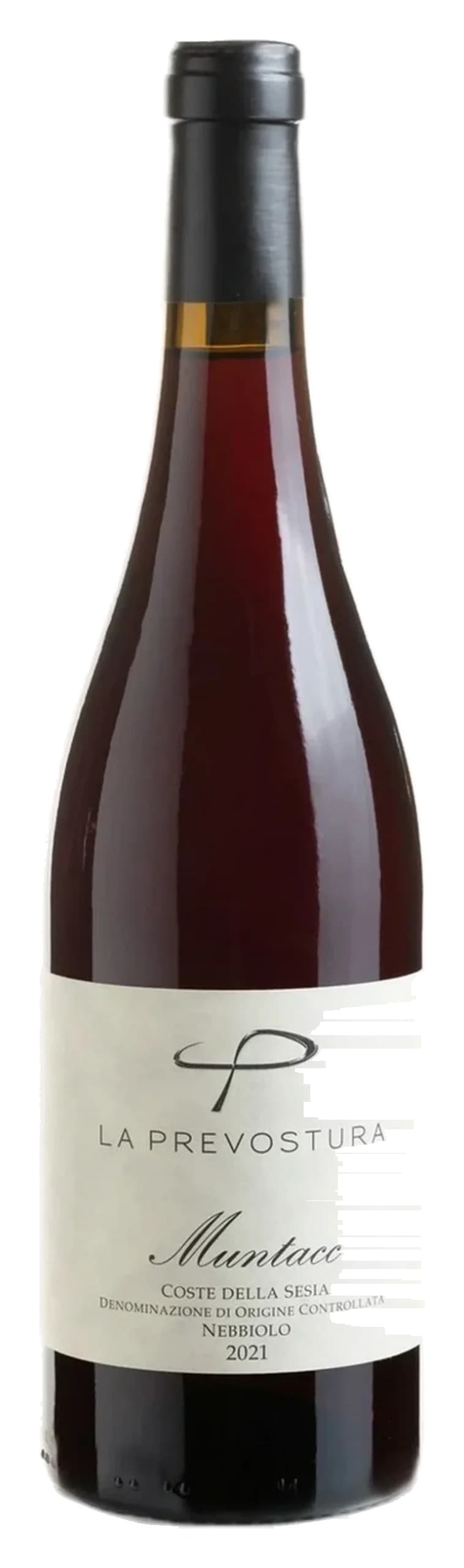
Società Agricola La Prevostura s.s.
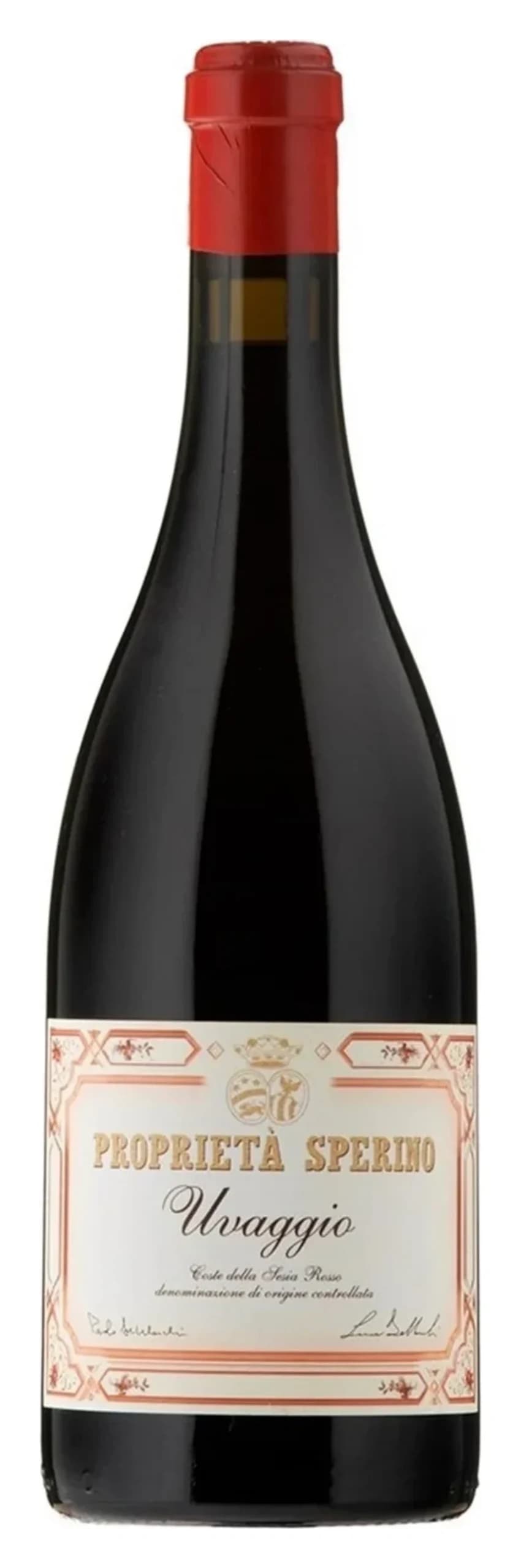
Proprieta Sperino
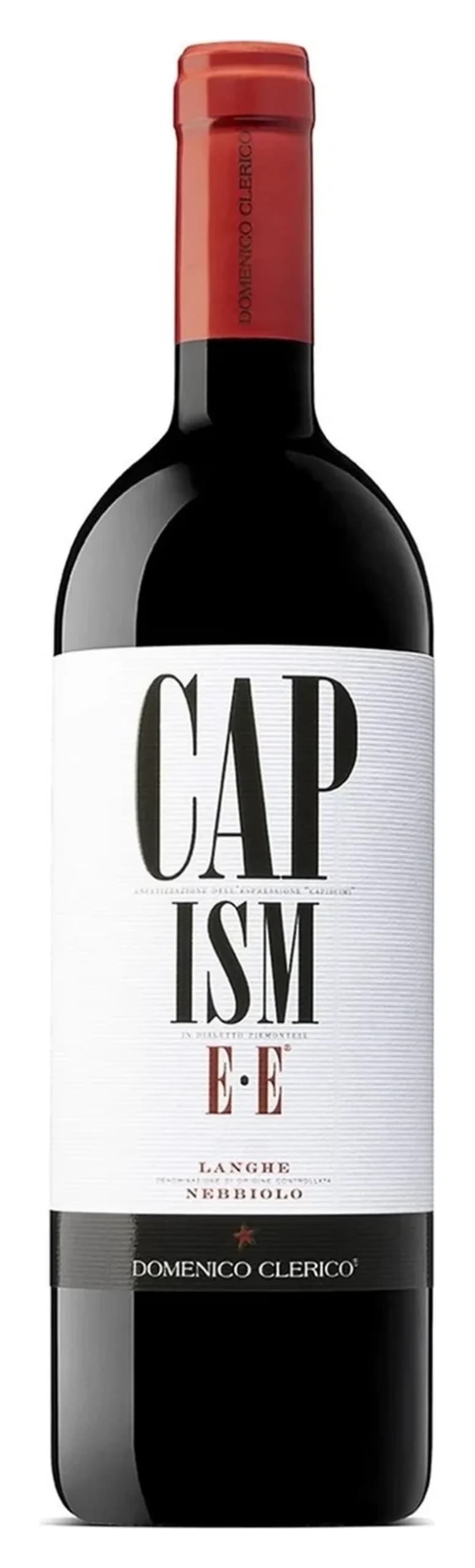
Domenico Clerico
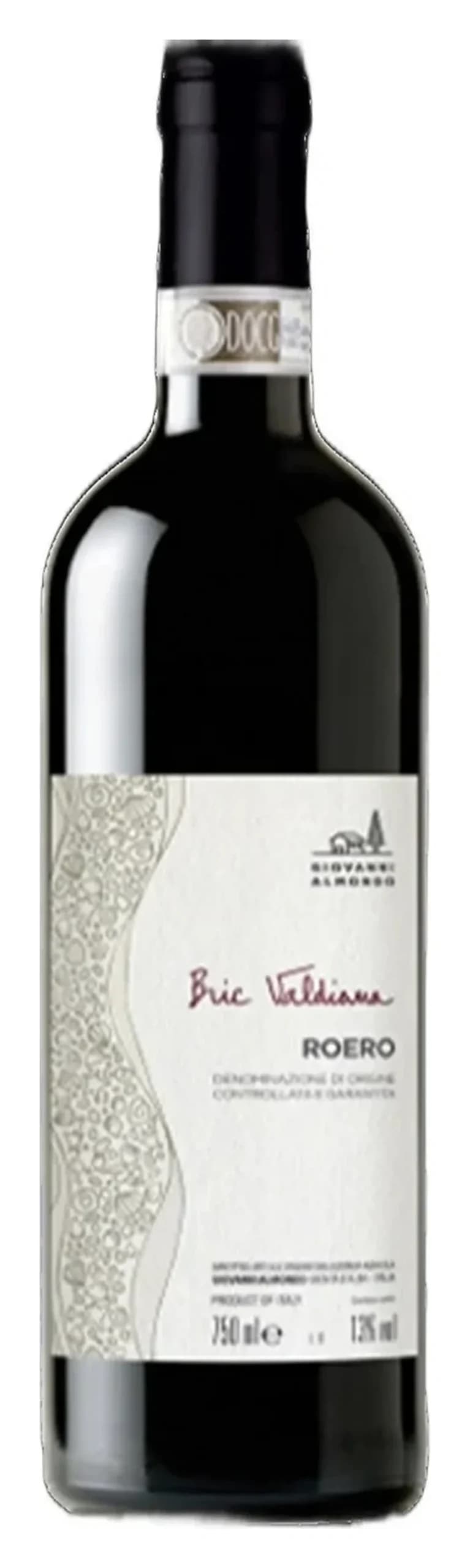
Giovanni Almondo
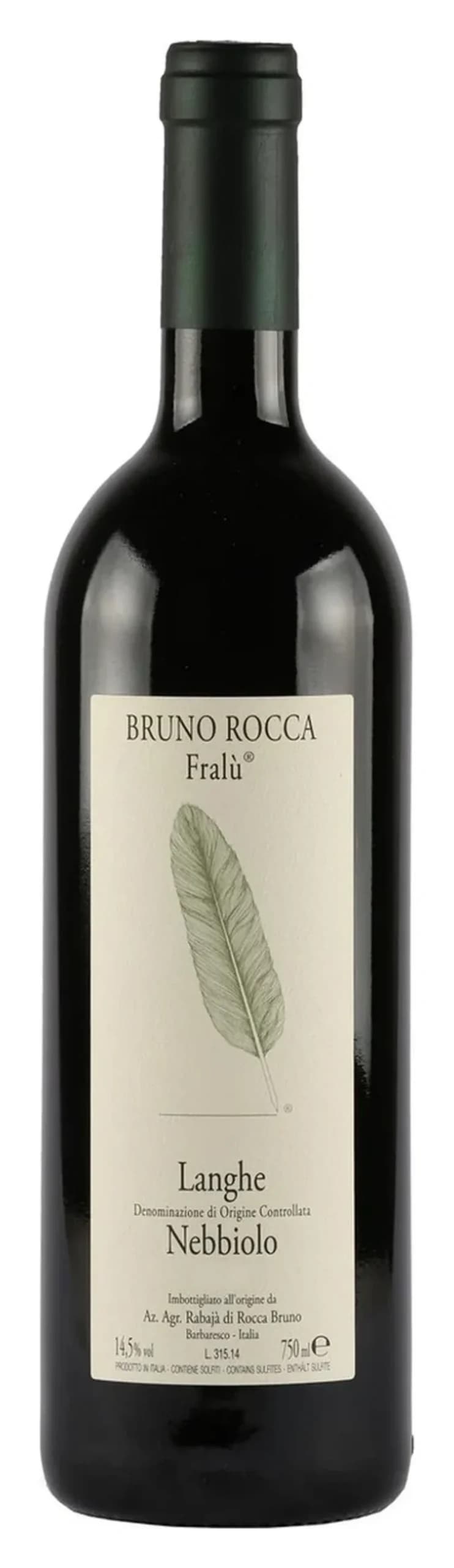
Bruno Rocca
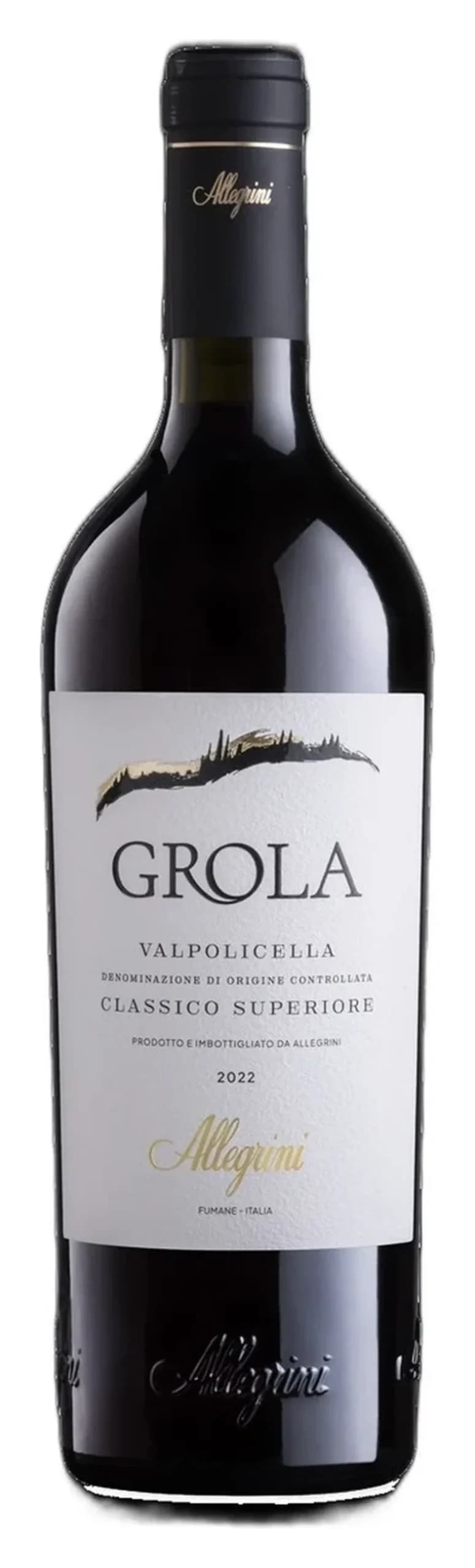
Allegrini
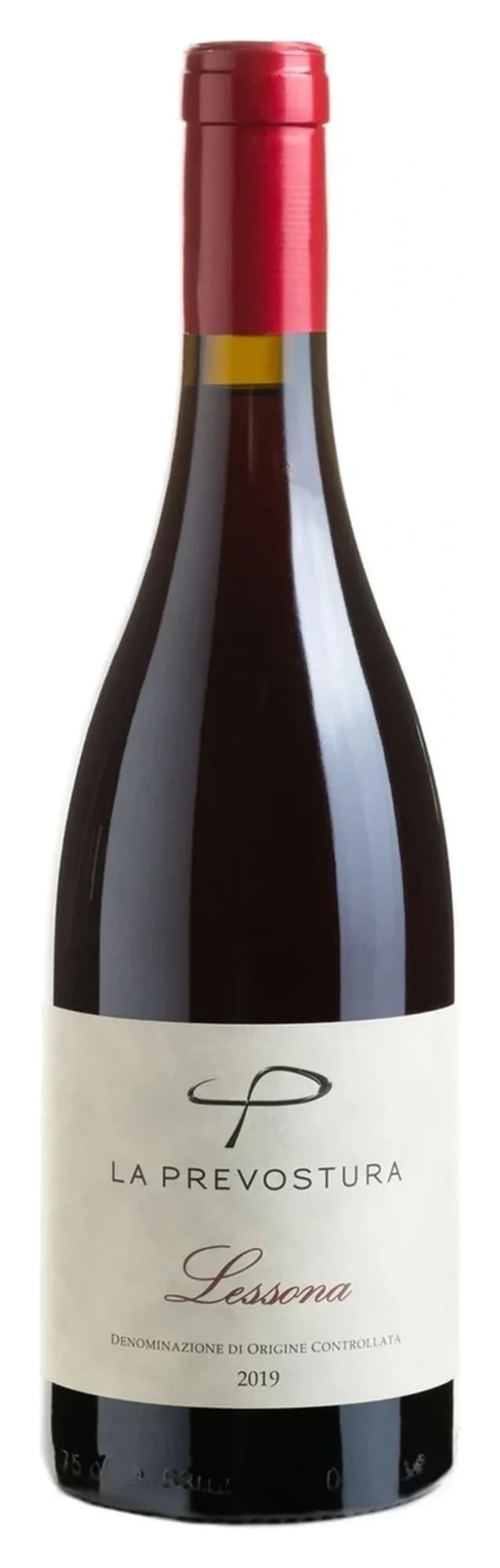
Società Agricola La Prevostura s.s.
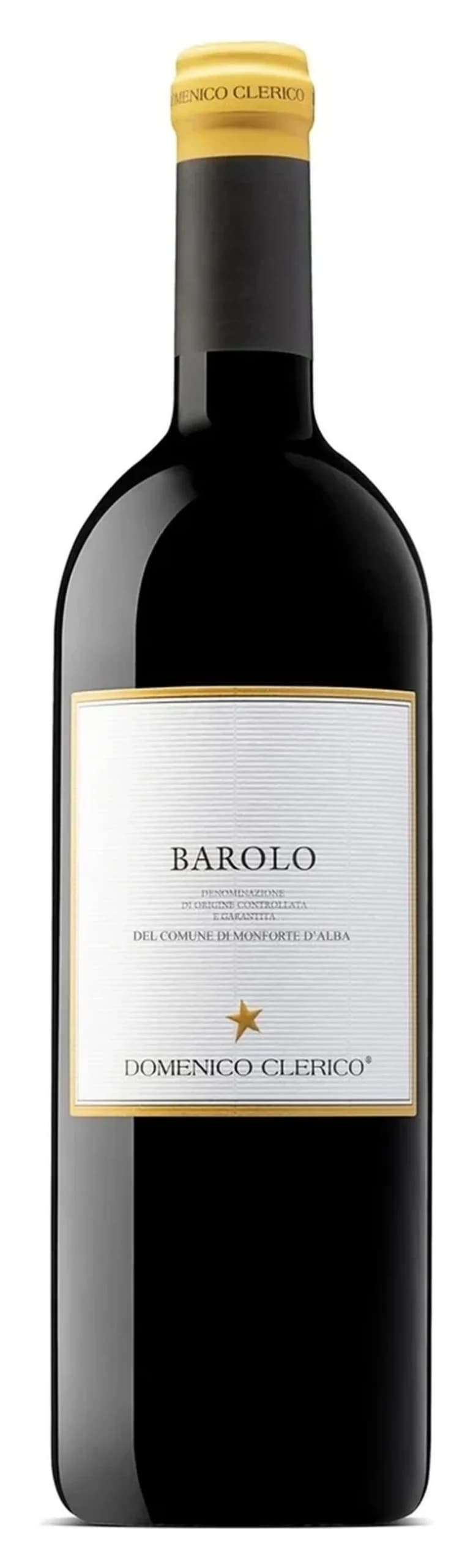
Domenico Clerico
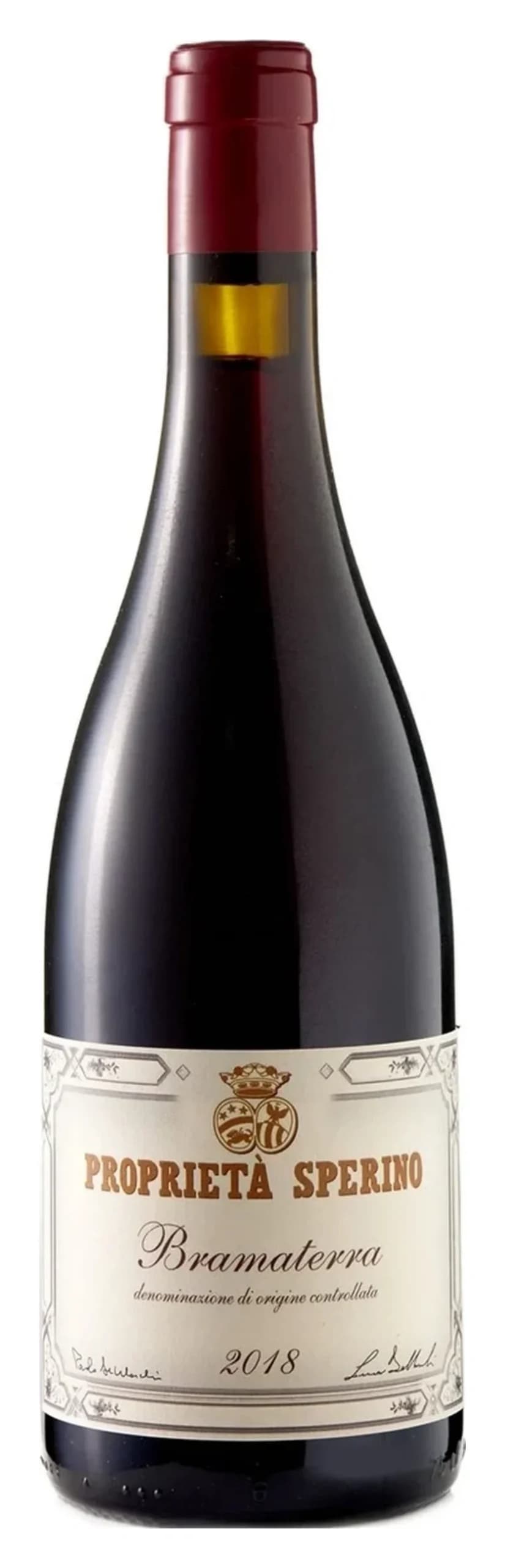
Proprieta Sperino
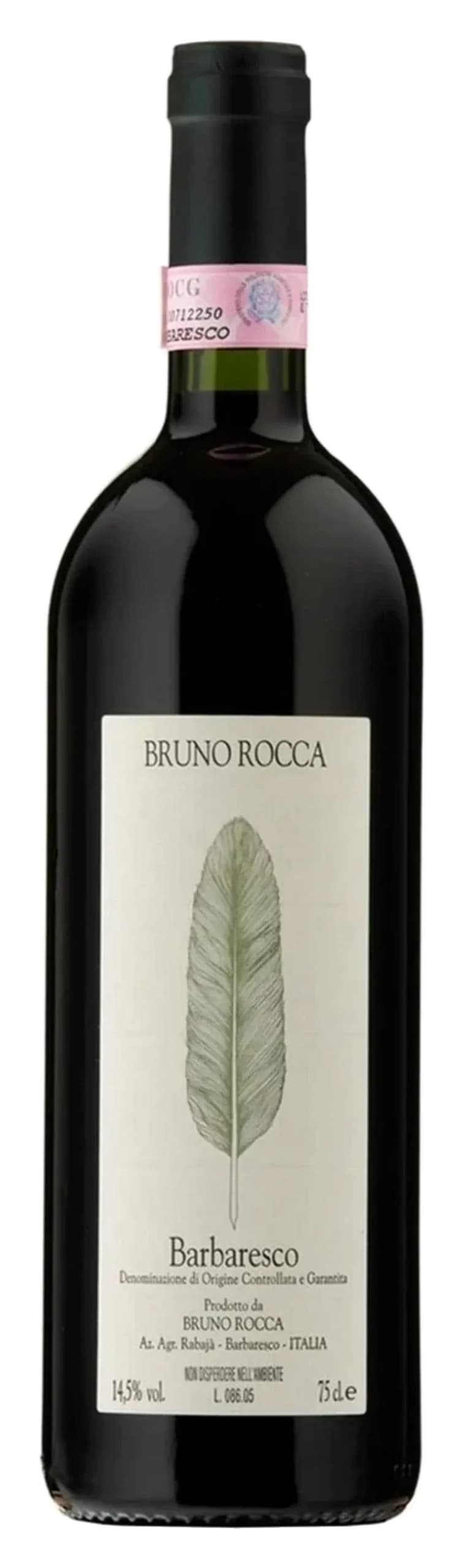
Bruno Rocca
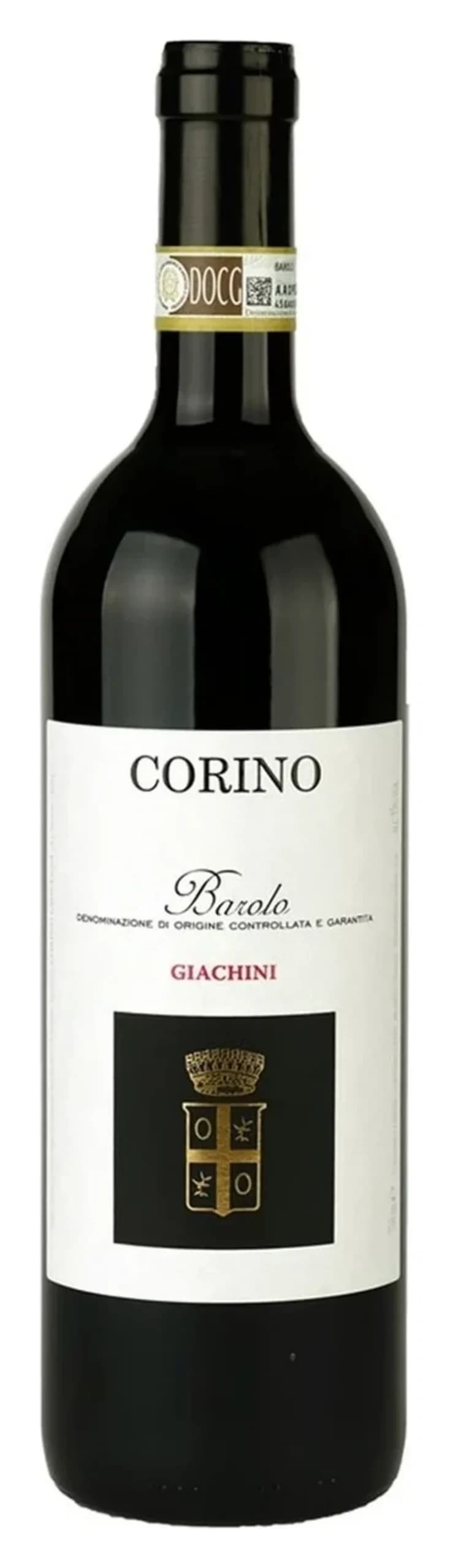
Corino Giovanni di Corino Giuliano
Nebbiolo wine emerges from one of Italy's oldest and most distinguished grape varieties, documented in Piedmont since 1266. This demanding varietal crafts some of the world's finest age-worthy reds, celebrated for their aromatic depth and structural complexity.
Nebbiolo produces wines of striking sensory range, shaped decisively by site and harvest timing. In cooler microclimates and earlier-picked fruit, wines display pale ruby hues shifting to pale garnet, with lifted acidity, pronounced tannins, and refined aromas of violets, rose petals, tar, liquorice, and dried cherries. Warmer regions and riper harvests yield fuller-bodied expressions with deeper colour, riper fruit notes, softer tannin profiles, and lower acidity. The variety is famously fussy about soil—it excels on calcareous marls—and demands hillside sites facing south or southwest to ripen its late-maturing berries fully.
Winemaking choices reshape the wine's presentation further. Extended maceration (30–60 days) extracts structure; large-format oak vessels preserve delicate aromatics, while new French barriques introduce spice and oak tannins that can mask Nebbiolo's haunting perfume. Most contemporary producers favour longer skin contact and larger casks over the small new-oak approach that dominated the 1980s.
Nebbiolo thrives almost exclusively in northern Italy's Piedmont region, where it concentrates in the Langhe hills south of Alba, including the prestigious Barolo and Barbaresco zones. It also appears in Roero, known for sandier soils yielding softer, earlier-maturing styles, and across Alto Piemonte under the local synonym Spanna, producing elegant, mineral wines in Gattinara and Ghemme. In Lombardy, Valtellina cultivates the variety as Chiavennasca on terraced Alpine slopes, creating perfumed medium-bodied wines. Limited plantings exist in Carema and the Valle d'Aosta. Outside Italy, experimental plantings in California, Oregon, Australia, and Argentina remain marginal; the variety's fragile aromatics resist relocation.
Nebbiolo expresses itself across a distinct spectrum. Barolo DOCG delivers the most powerful, concentrated expression—deep-hued, densely tannic, mineral-driven wines demanding 10–15 years cellaring. Barbaresco DOCG, ripening slightly earlier, offers elegance with comparable structure but greater approachability within 5–10 years. Langhe DOC Nebbiolo provides entry-level access—lighter, fruit-forward, drinking well within 3–5 years. Valtellina Superiore presents sleek, perfumed alpine-style wines, while Roero emphasises softer tannins and fresher character. Premium examples from top producers command high prices; everyday versions remain inexpensive to mid-range. Quality is consistently very good to outstanding across serious producers.
Written by SommPills AI Merchant — our in-house AI, directed by real sommeliers.