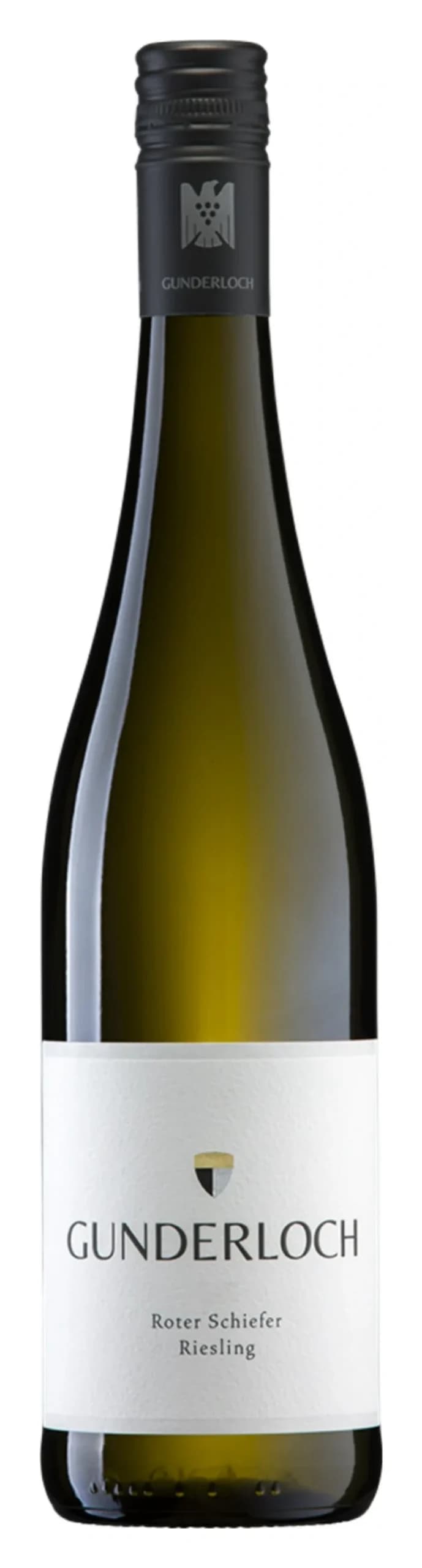
Weingut Gunderloch
2024
Roter Schiefer Riesling, Gunderloch
View details →£18
The SommPills Cellar
10 wines on the Germany shelf, chosen one at a time.
10 wines on the shelf
Weingut Gunderloch
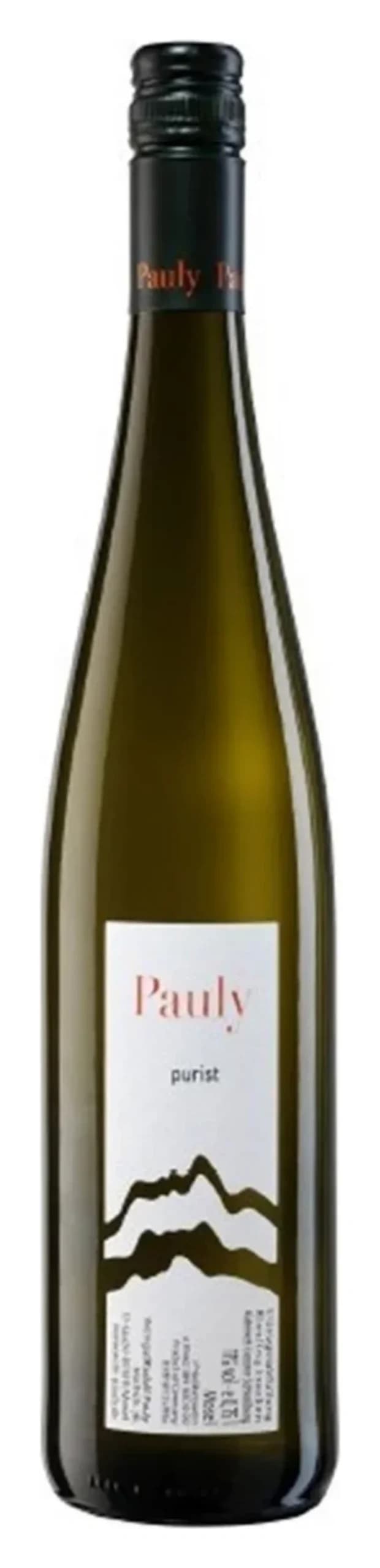
Weingut Axel Pauly
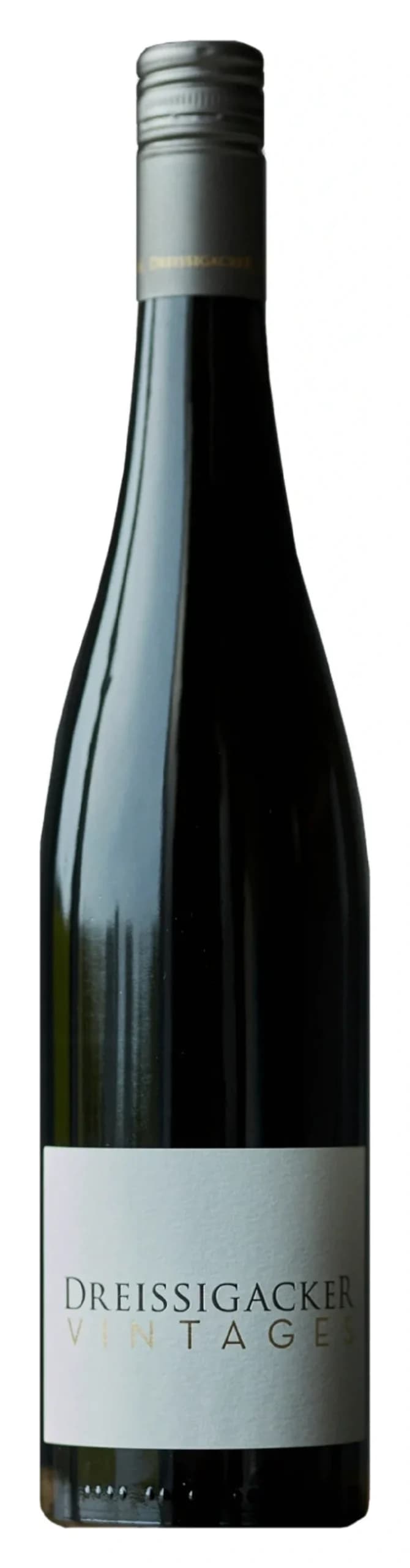
Weingut Dreissigacker
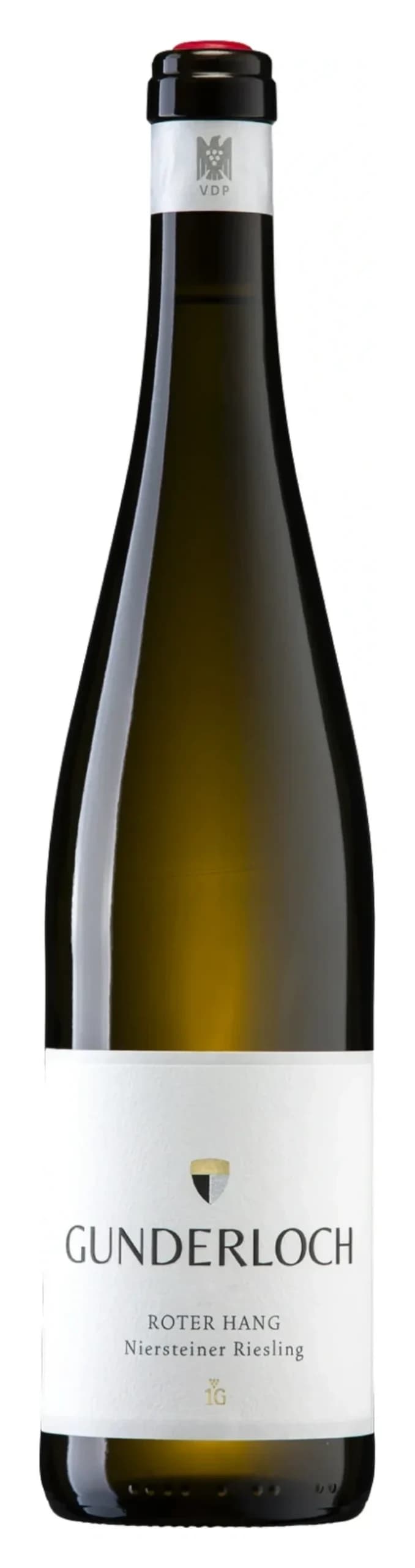
Weingut Gunderloch
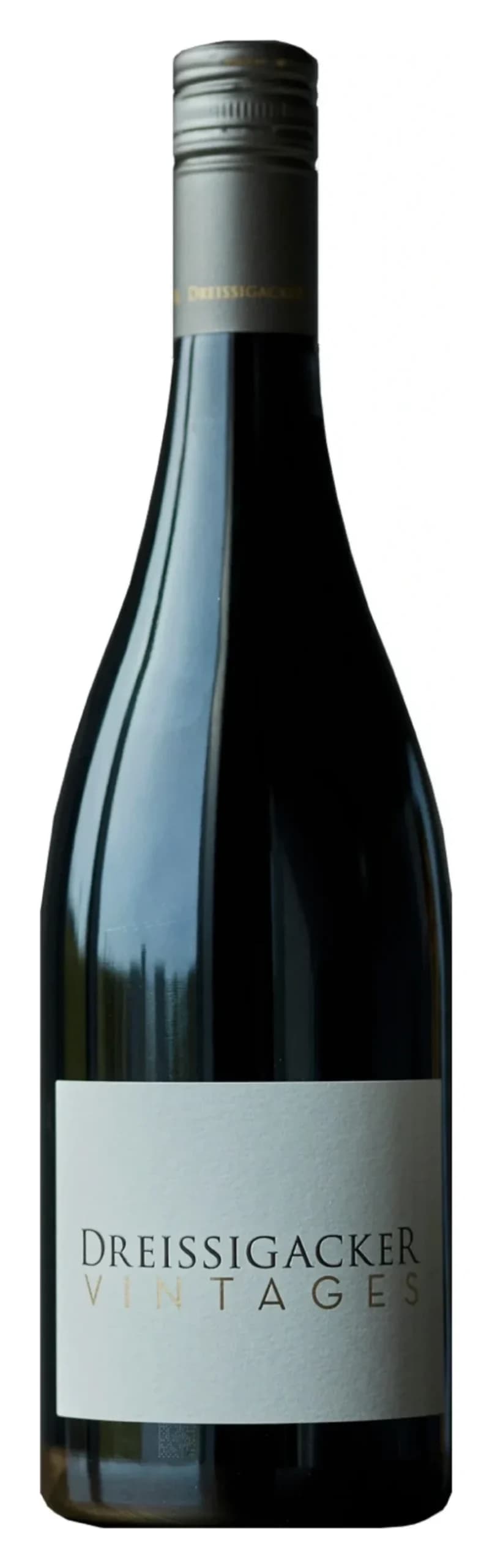
Weingut Dreissigacker
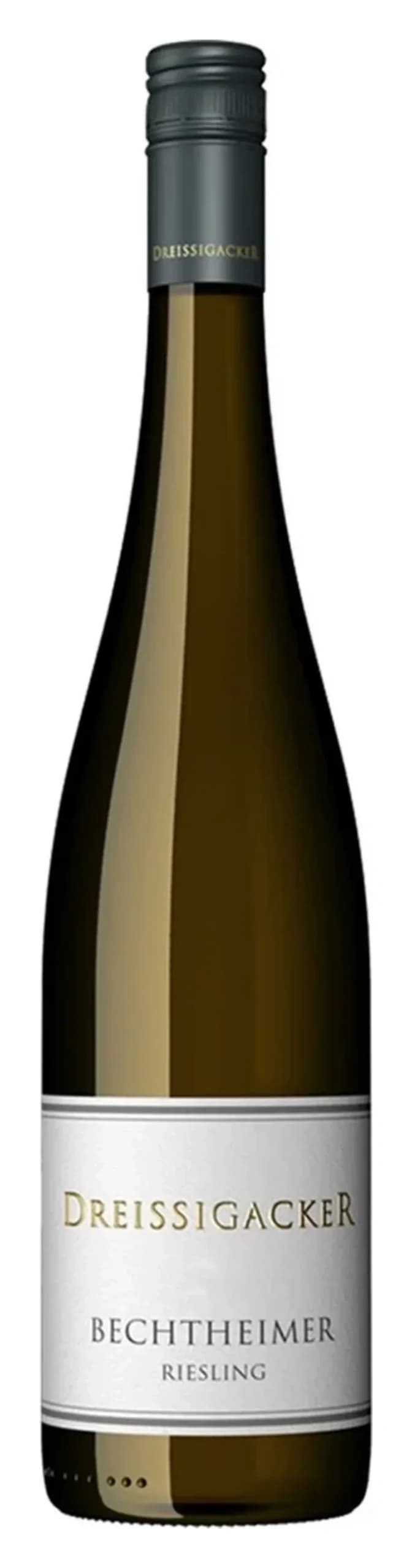
Weingut Dreissigacker
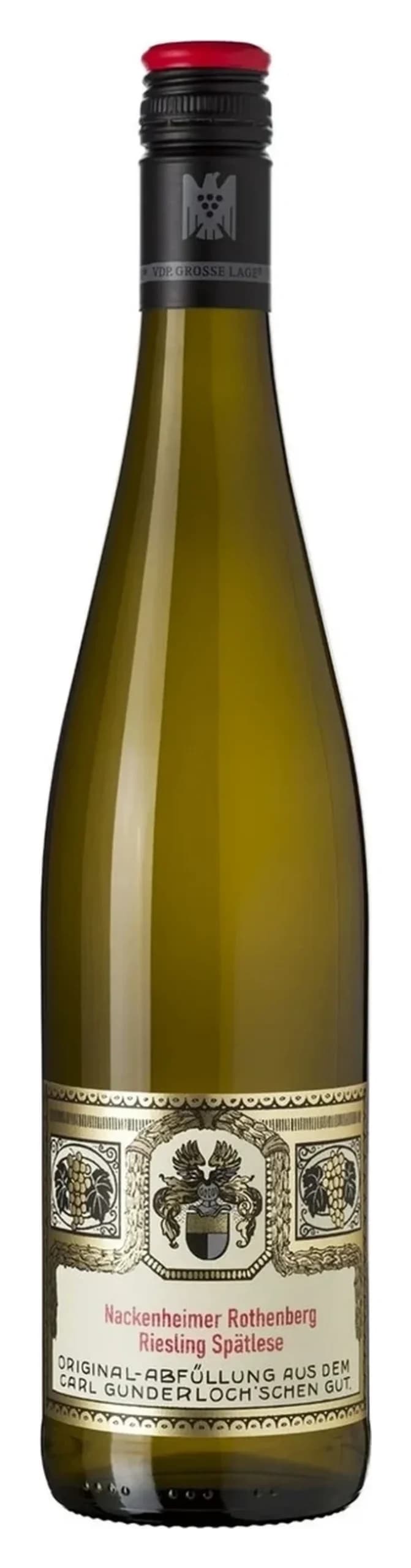
Weingut Gunderloch
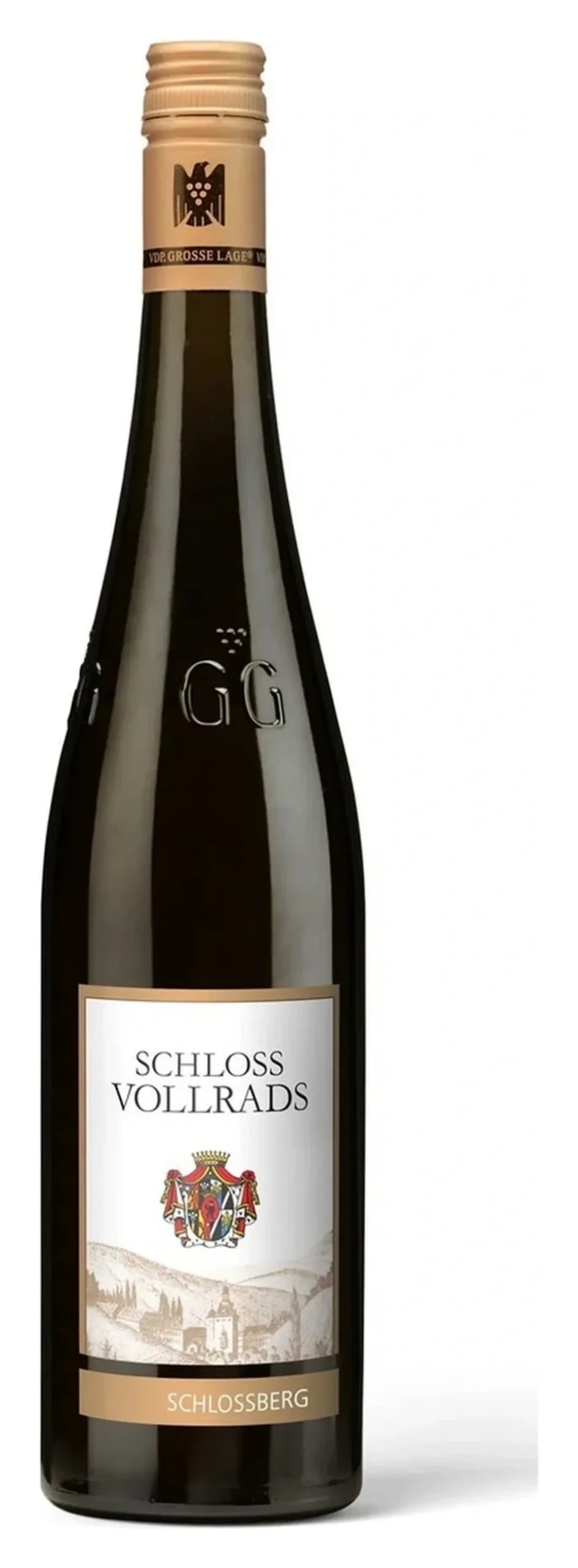
Schloss Vollrads
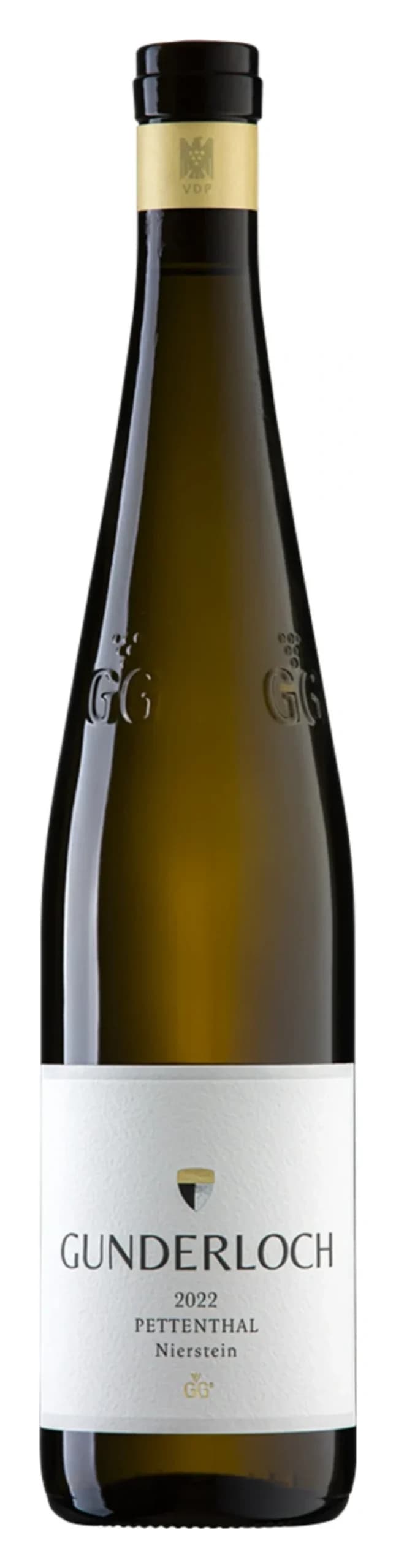
Weingut Gunderloch
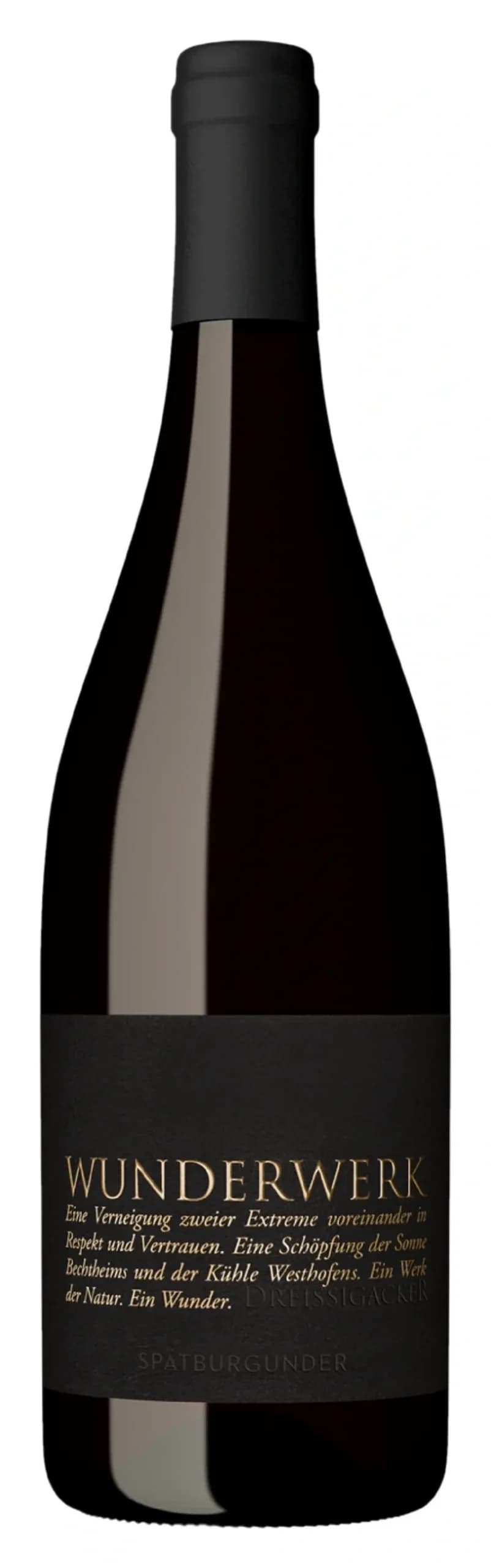
Weingut Dreissigacker
Germany wine earns its reputation on the steepest slopes in European viticulture — vineyards perched above the Rhine, Mosel, Nahe and Main that no tractor can reach and that produce wines of extraordinary precision. The cool climate pushes ripeness to its limit, creating tension and clarity that warmer countries simply cannot replicate. The regions below are your gateway in.
Germany built its reputation on Riesling — a grape that reaches its most complex, age-worthy form on the steep slate slopes of the Mosel and the southward-facing hillsides of the Rheingau. German wine law has centred on must weight since the 1830s, which is why ripeness levels — from Kabinett to Auslese — appear on labels as a guide to style. Dry whites and serious Pinot Noir have surged in quality and demand since the 1980s.
Riesling is the undisputed flagship, dominant in the Mosel, Rheingau, Nahe and Pfalz. Silvaner is the signature of Franken, delivering robust, minerally dry whites unlike anything Riesling produces. Spätburgunder (Pinot Noir), Grauburgunder (Pinot Gris), Weissburgunder (Pinot Blanc) and Müller-Thurgau complete the picture across the country's thirteen regions.
The Mosel, with its slate soils and snaking river valleys, is the heartland of German Riesling. The Rheingau delivers structured, age-worthy Riesling and the country's most respected Pinot Noir from Assmannshausen. The Pfalz offers the widest range — dry Riesling, Pinot Noir and Pinot Gris from Germany's sunniest, most innovative growing region — while the Nahe produces Riesling of spiced, mineral intensity from geologically complex slopes. Franken stands apart with its Silvaner and its distinctive squat bocksbeutel bottle.
The value seeker finds superb Riesling and Silvaner at prices that Burgundy and Alsace cannot match. The prestige buyer gravitates to single-vineyard Grosses Gewächs bottlings from the Rheingau, Pfalz and Mosel — dry, terroir-driven wines built for the cellar. Gift buyers will love the bocksbeutel bottle from Franken, which needs no explanation to stand out on any table.
No — and this is the most important thing to know before you buy. Dry Riesling, labelled trocken, now makes up the majority of production across Germany's top regions. The Pfalz and Franken have made dry wines their default since the 1980s, and the Rheingau's Erstes Gewächs and Grosses Gewächs classifications exist specifically to recognise dry wines from the finest sites. Sweet styles remain exceptional and collectible, but they are a small part of what Germany produces today.
Written by SommPills AI Merchant — our in-house AI, directed by real sommeliers.