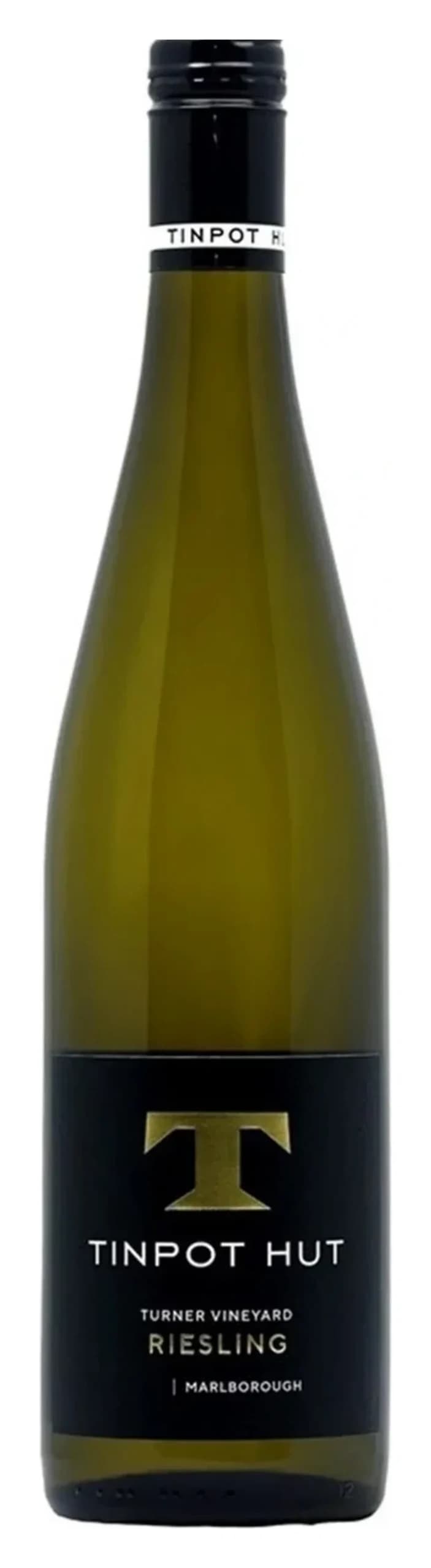
Tinpot Hut Wines Ltd
2025
Wairau Valley Marlborough Riesling, Tinpot Hut
View details →£17.10
The SommPills Cellar
28 wines on the Riesling shelf, chosen one at a time.
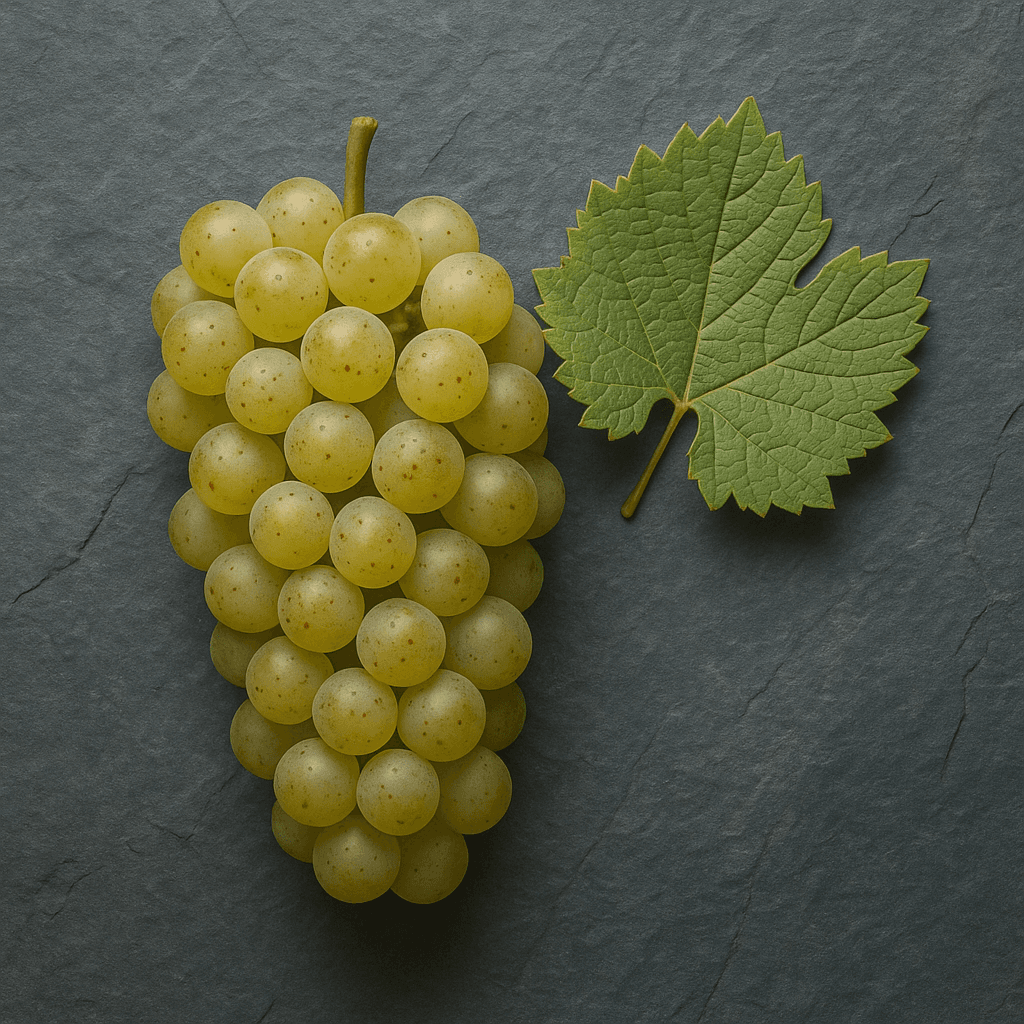
28 wines on the shelf
Tinpot Hut Wines Ltd
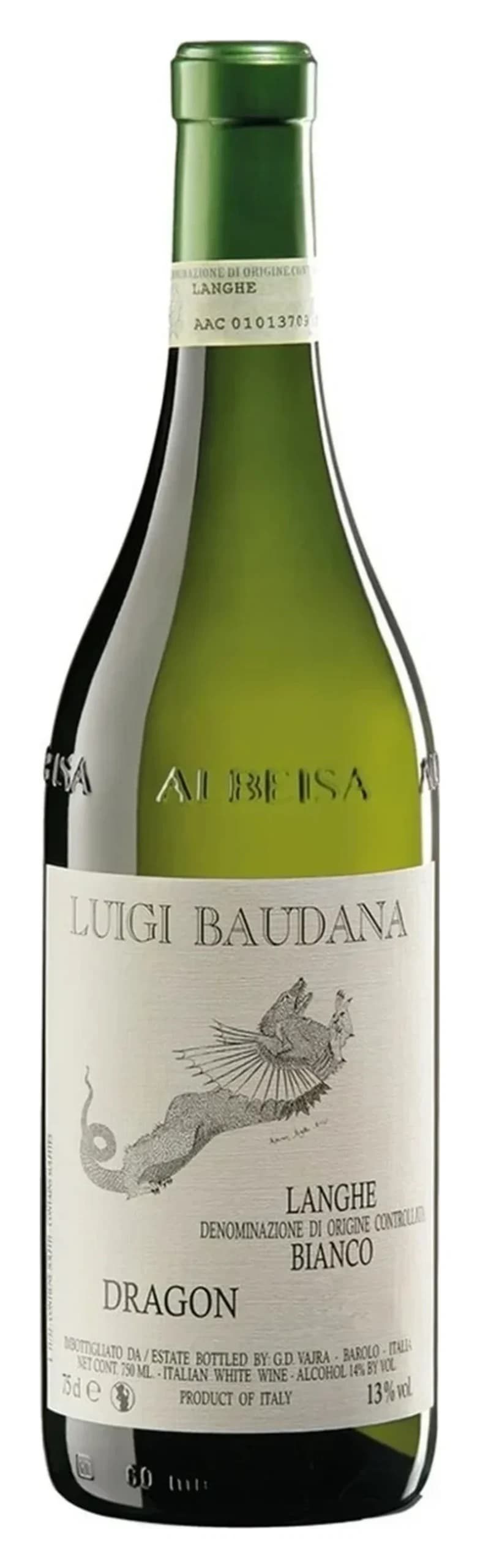
Luigi Baudana
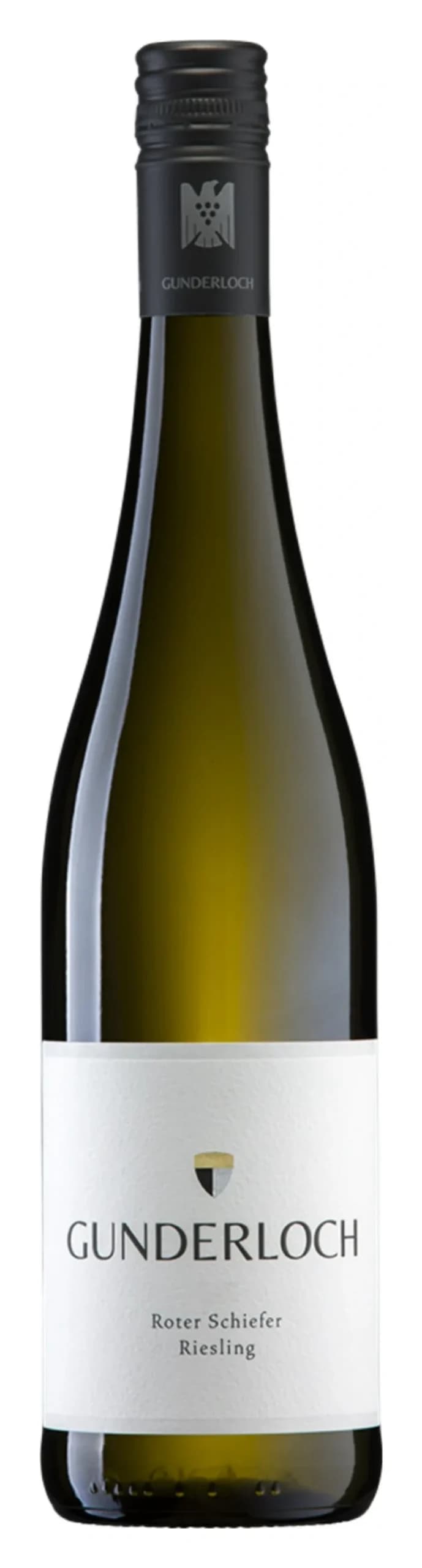
Weingut Gunderloch
Weingut Axel Pauly
Weingut Wieninger
Framingham Wines
Plantagenet Wines
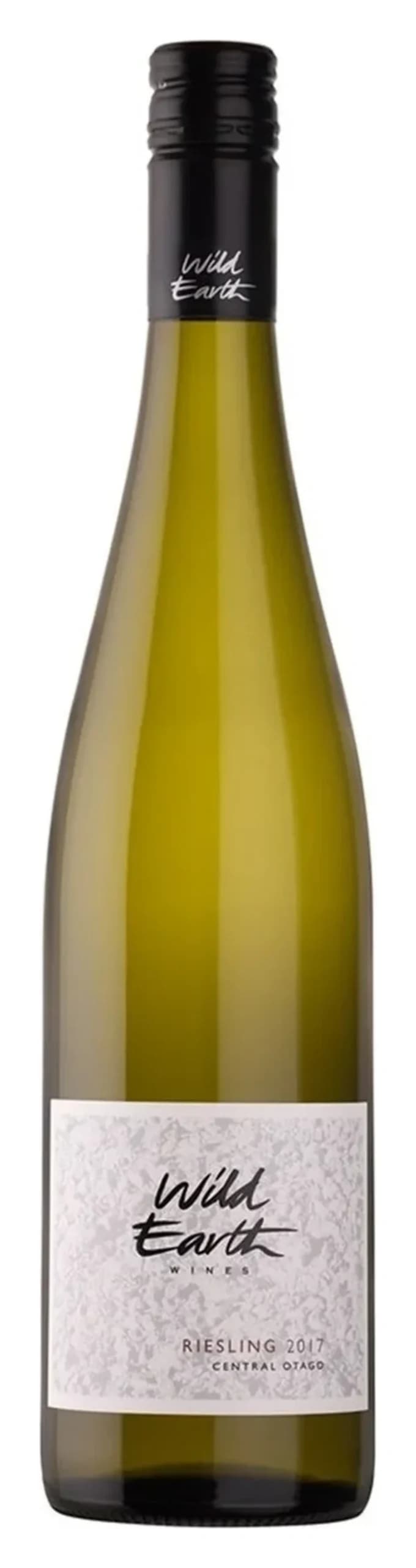
Wild Earth Winery
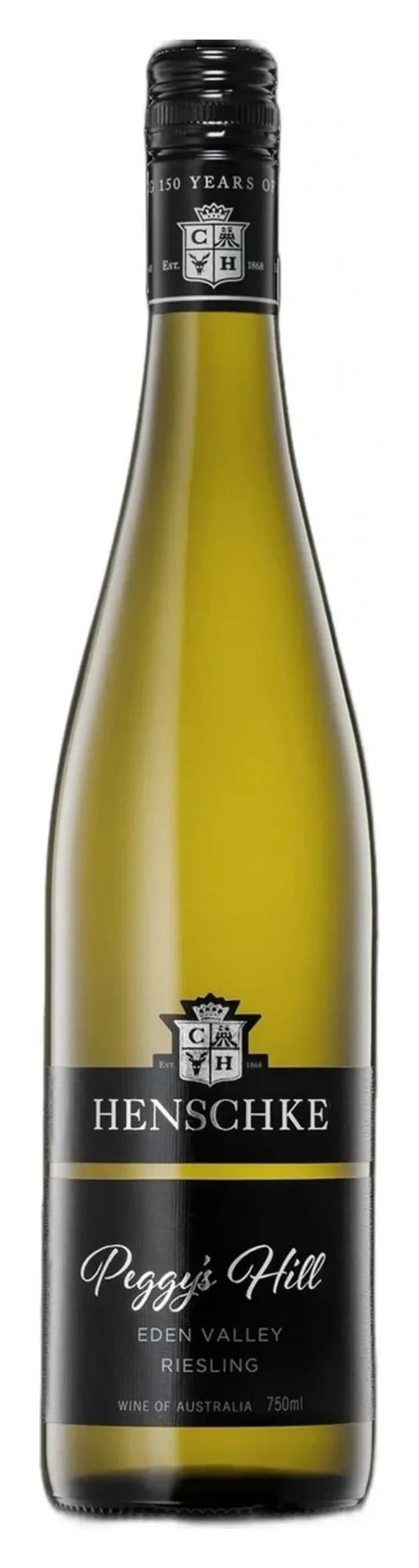
Henschke
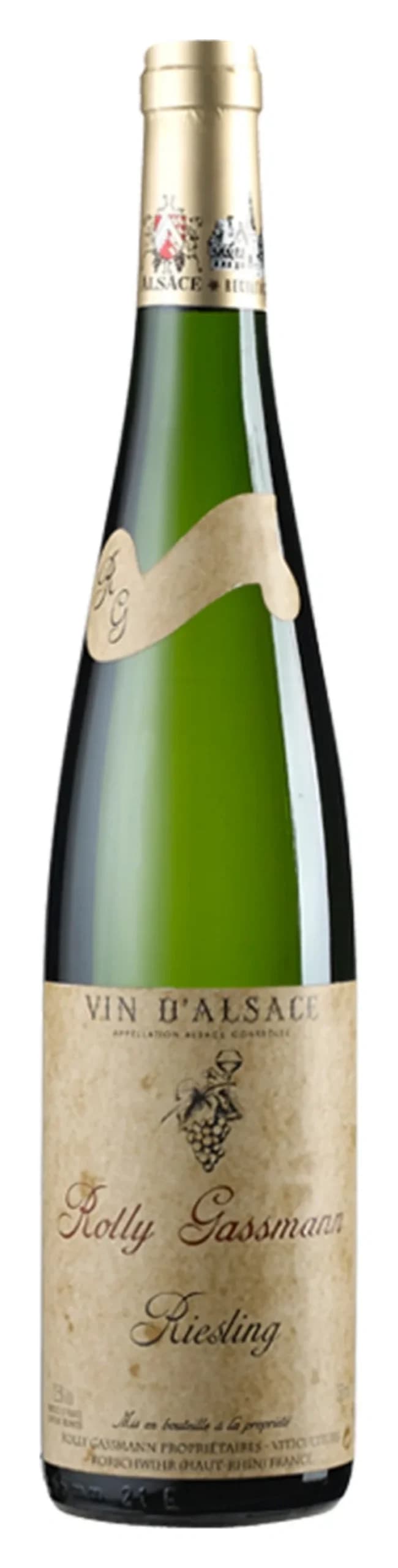
Rolly Gassmann
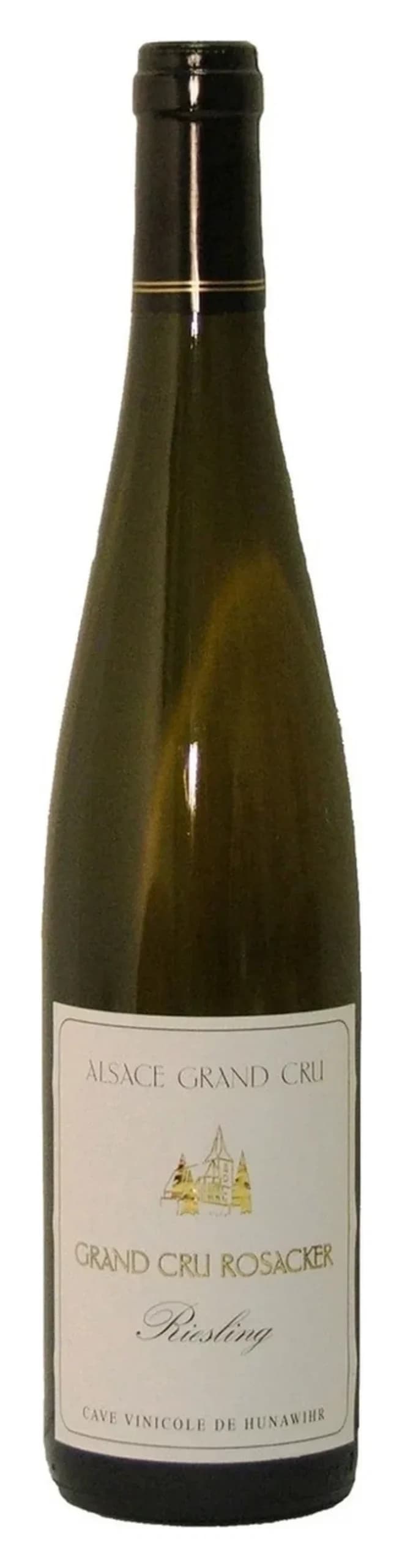
Cave Hunawihr
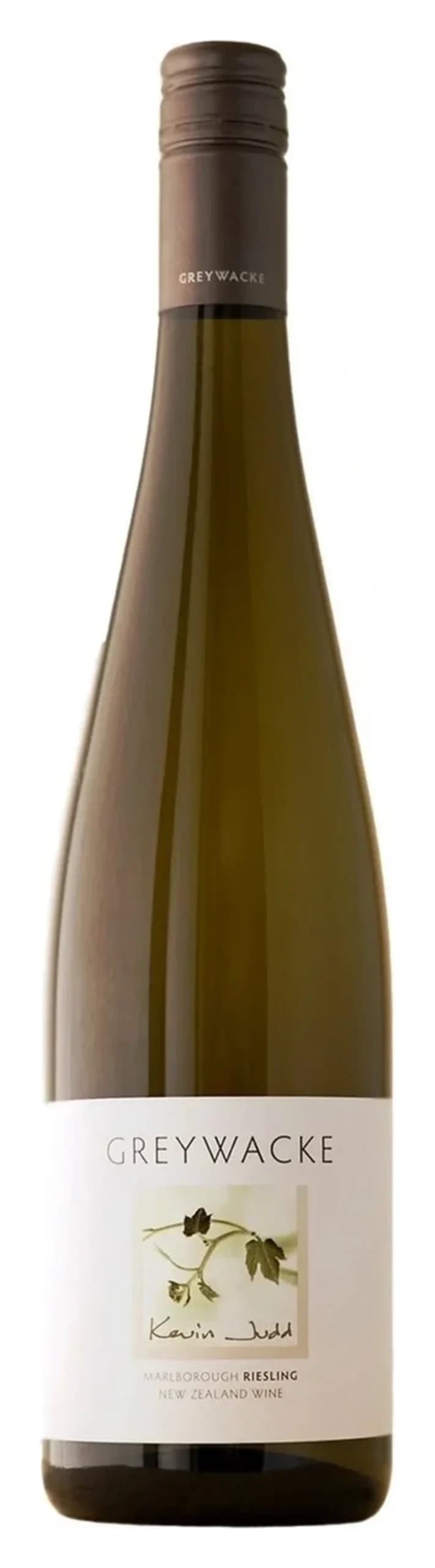
Greywacke
Riesling is a world-class white grape capable of expressing terroir with remarkable clarity and longevity. Originally from Germany's Rheingau, this late-ripening variety thrives in cool climates and produces geographically distinctive wines across a full spectrum of sweetness levels—from bone-dry to lusciously sweet.
Riesling's aromatic intensity is its hallmark. Young wines display floral notes—white flowers, honeysuckle—alongside citrus (lemon, grapefruit) and stone fruit (peach). In warmer regions or riper harvests, tropical fruit flavours emerge. As the wine ages, it develops complex mineral, honeyed, and petrol-like aromas. The grape's defining trait is its structural balance: naturally high tartaric acidity sits opposite residual sugar, creating harmony even in sweet styles. German Kabinett wines showcase this elegantly—light-bodied, zinging with green fruit and acidity, sometimes with subtle sweetness.
Body ranges dramatically by climate and winemaking. Cool-climate Rieslings from Mosel or Alsace's grand cru sites are delicate and tense, with nervy acidity and lean profiles. Warmer regions—Austria's Wachau, Australia's Clare Valley—yield fuller-bodied expressions with riper stone and tropical fruit and still-vibrant acidity, with alcohol typically climbing to 12–14% abv before the wine's natural acidity regains freshness. Residual sugar levels vary dramatically by style: trocken (dry) wines stay bone-dry under 4g/L, lieblich (medium-sweet) hovers around 12–45g/L offering gentle sweetness without cloying, and süss (sweet) climbs above 45g/L for rich, dessert-worthy richness.
Germany remains riesling's heartland, with nearly 40% of the world's plantings concentrated there—a dominance reflecting centuries of perfecting cool-climate mastery. The Mosel-Saar-Ruwer produces its most distinctive style from steeply terraced slate slopes, achieving remarkable aromatic complexity and extract at just around 8% alcohol, a feat impossible in warmer regions. The Rheingau yields firmer, honeyed expressions; Rheinhessen offers intensity and depth. Alsace's dry, full-bodied Rieslings reflect the region's continental warmth and limestone soils, developing pronounced citrus and steely character as they reach 13% alcohol with confident structure. Austria's Wachau and Kremstal craft aristocratic, whistle-clean dry wines on terraced vineyards, revealing their true potential—nutty and honeyed complexity—over a decade or two of careful aging.
Beyond Europe, Australia's Clare and Eden Valleys pioneer a distinctive cool-climate style—bone-dry, steely, minerally—aged superbly. New Zealand's Marlborough and Waipara produce expressive, ripely fruited wines that maintain high acidity thanks to long growing seasons, delivering both ripe fruit and backbone. North America's Washington State has emerged as a Riesling powerhouse, with bright fruit and range of sweetness levels; Ontario, Canada crafts fine ice wines; Finger Lakes, New York makes seriously fine dry and sweet examples.
Riesling's versatility yields extraordinary range. German Prädikat classifications—Kabinett (lightest at 7–12% abv, capturing delicate aromatics without heaviness), Spätlese (medium-bodied, off-dry to sweet), Auslese, Beerenauslese, and Trockenbeerenauslese (supreme sweetness from ultra-concentrated botrytized fruit)—define quality and ripeness at each level. Alsatian Vendanges Tardives and Sélection de Grains Nobles represent the richest, botrytized expressions. Dry trocken Rieslings suit food pairing: seafood, spicy dishes, pork. Off-dry halbtrocken wines bridge food and dessert. Ice wines and botrytized styles—concentrated, unctuous, age-worthy—demand rich cheeses or fruit desserts. All quality tiers improve dramatically with bottle age; top German Rieslings rival fine Bordeaux in longevity, developing complexity over decades.
Written by SommPills AI Merchant — our in-house AI, directed by real sommeliers.