Greywacke
2025
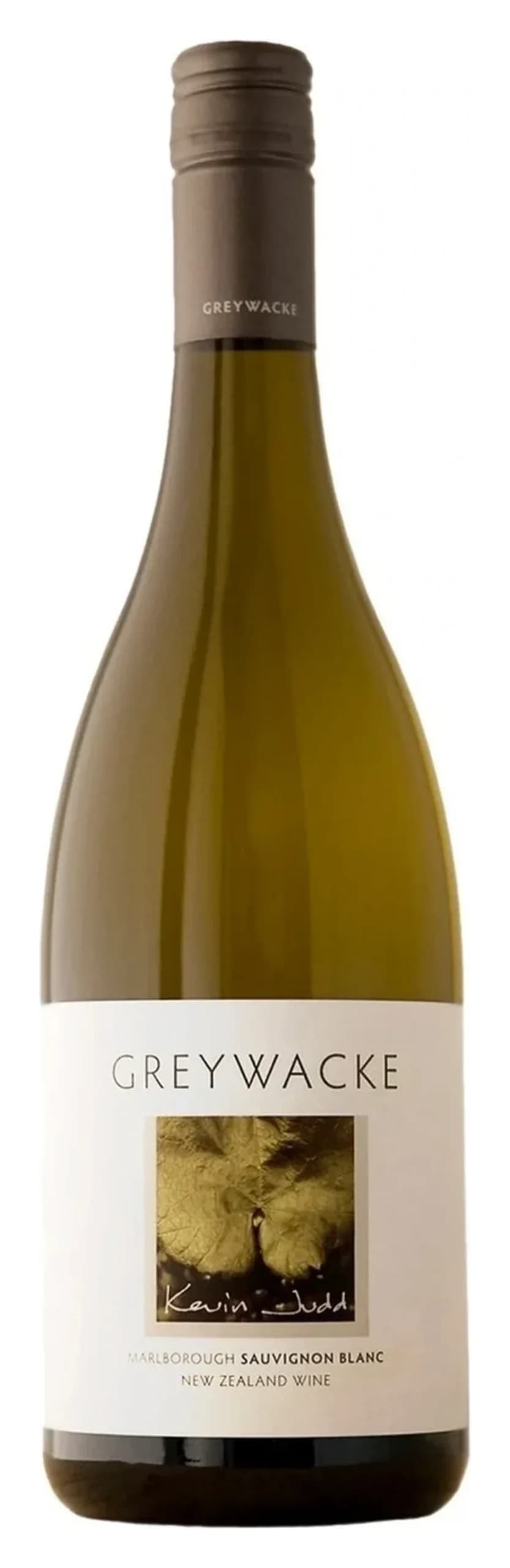
Marlborough Sauvignon Blanc, Greywacke
View details →£19.90
The SommPills Cellar
7 wines on the Greywacke shelf, chosen one at a time.
7 wines on the shelf
Greywacke
Greywacke
Greywacke
Greywacke
Greywacke
Greywacke
Greywacke
Greywacke was founded in 2009 by Kevin Judd, the former chief winemaker at Cloudy Bay who spent 25 years building Marlborough's international reputation for Sauvignon Blanc. Based in Rapaura, Greywacke takes its name from the rounded grey sandstone stones found throughout the vineyard's soils—a geological marker of the region's character. What sets Greywacke apart is Kevin's commitment to wild fermentation and extended ageing using indigenous yeast, a philosophy that produces wines of unusual texture and depth rather than the bright, fruit-forward style many expect from New Zealand whites.
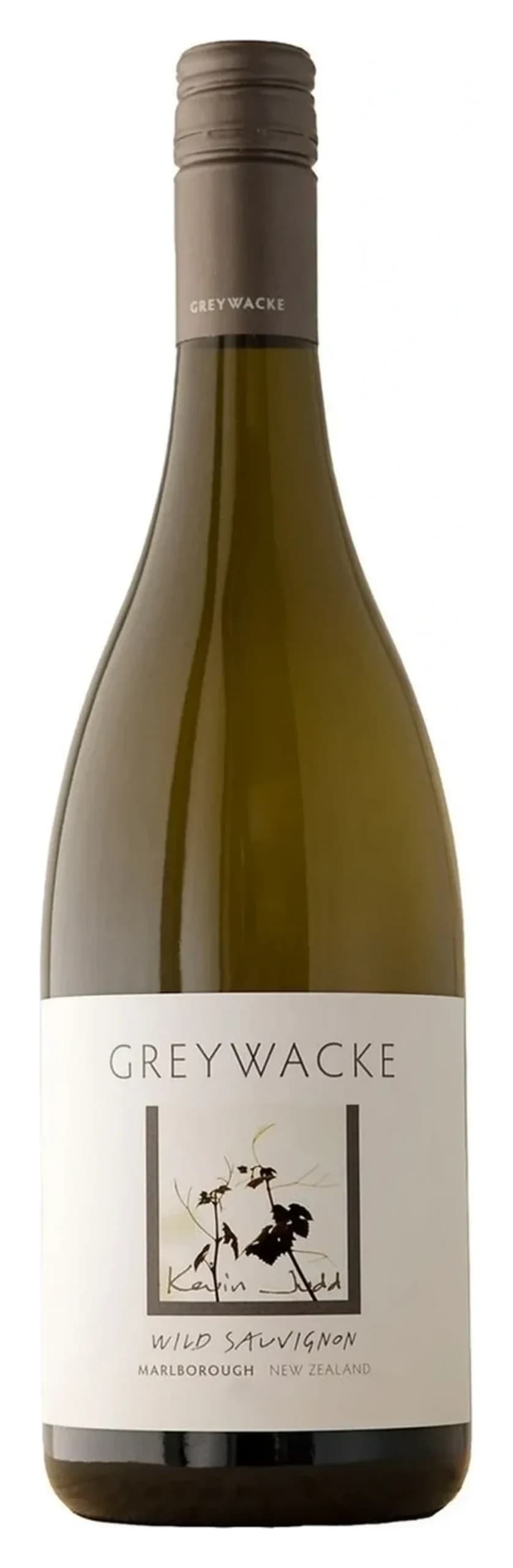
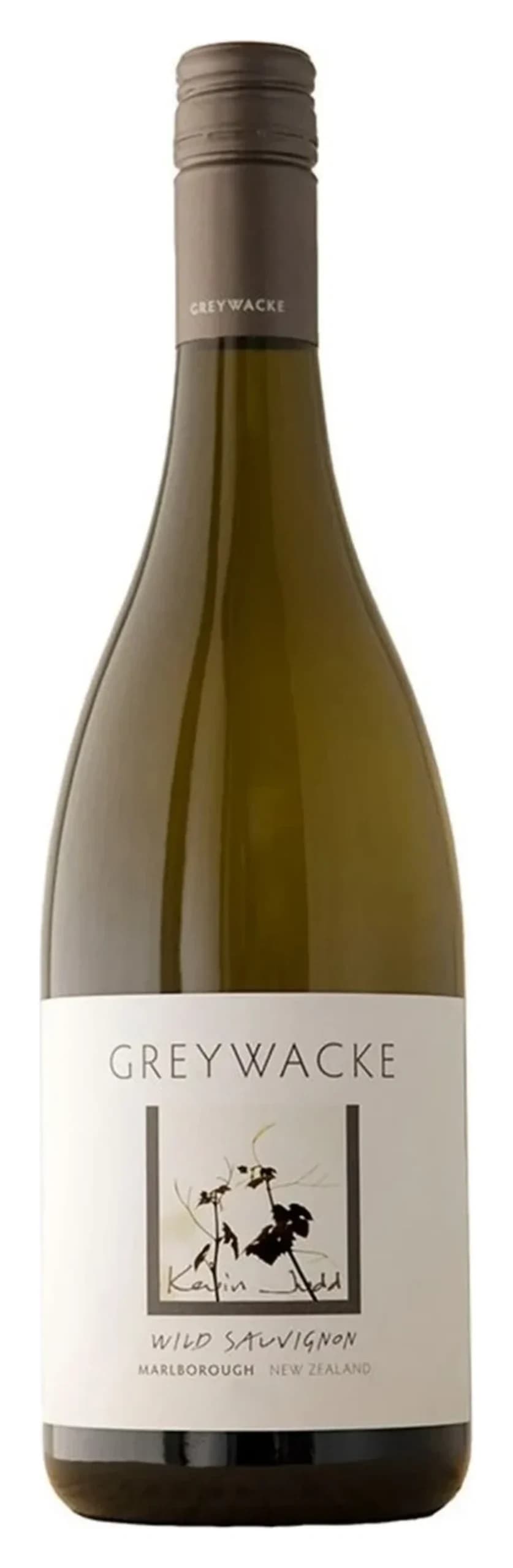
Kevin Judd's approach to winemaking prioritises control over the entire production process, from vineyard to bottle. This estate-producer model allows him to make deliberate stylistic choices at every stage. The signature Wild Sauvignon exemplifies this philosophy: fermented in old oak barrels with indigenous yeast, the wine takes almost a year to complete its fermentation after harvest. The result is a savoury white with considerable depth, tarragon notes, and a lightly smoked tea finish—a marked departure from Marlborough's conventional herbaceous profile.
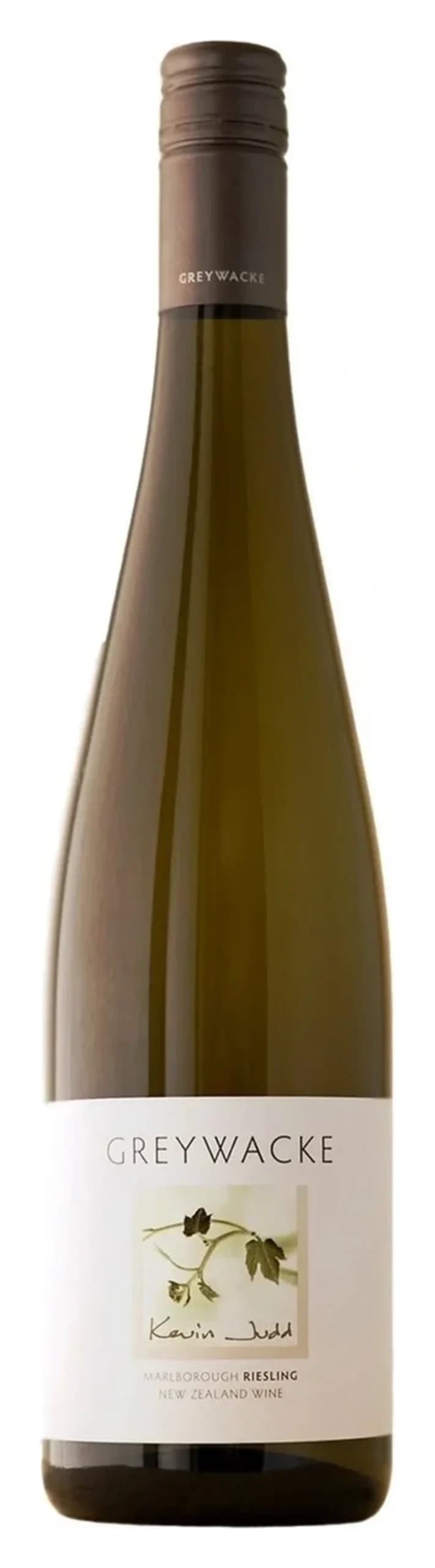
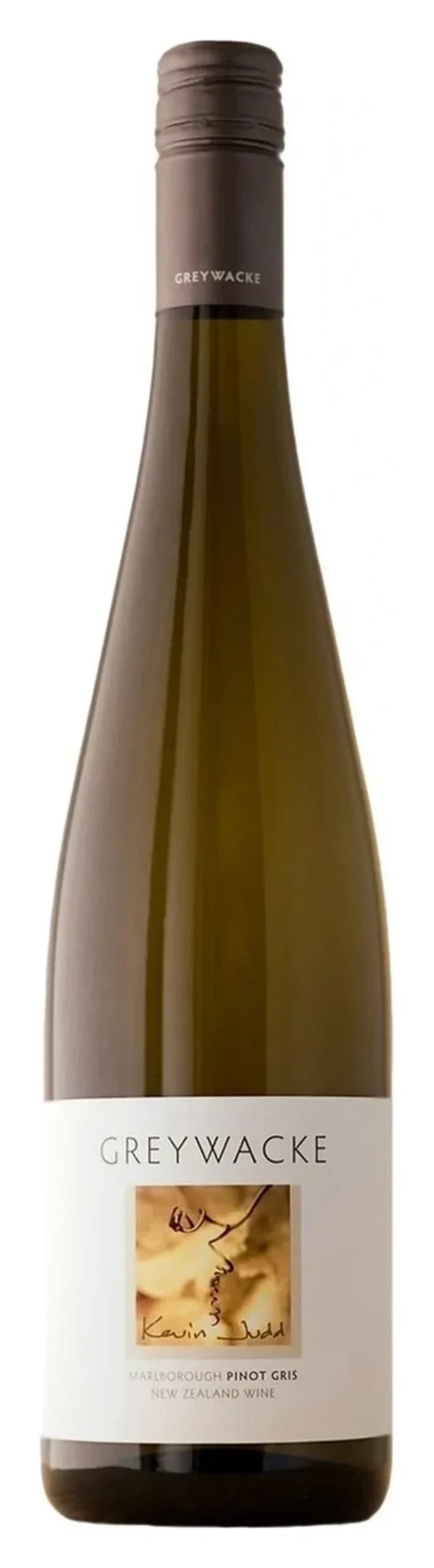
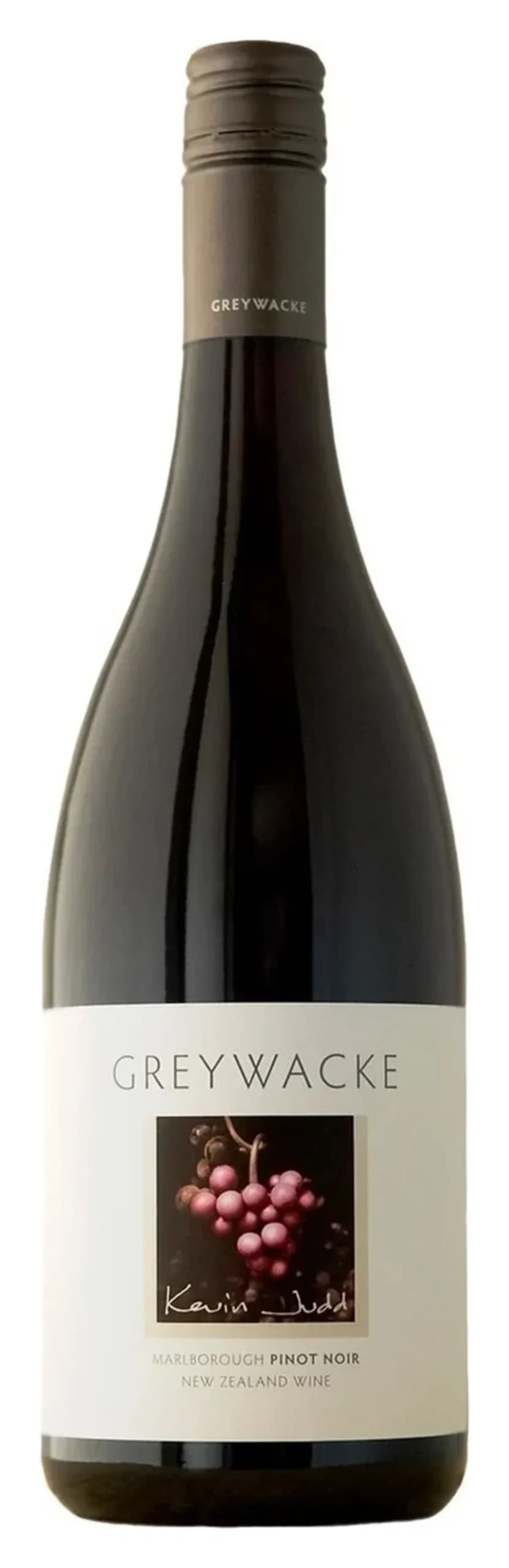
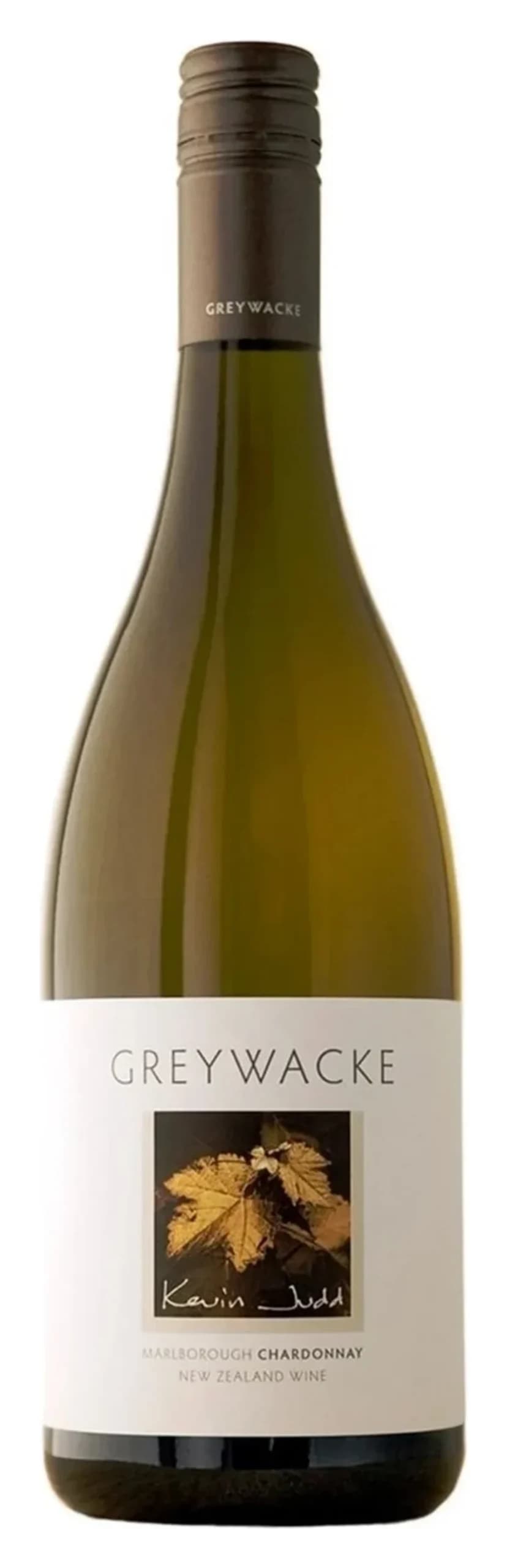
The Marlborough Sauvignon Blanc showcases the region's classic style: vibrant tropical fruit and lively acidity that appeals to those seeking a fresher expression. The Chardonnay undergoes fermentation in French oak (20% new) using wild yeasts and completes malolactic fermentation, producing a savoury, rich wine with powerful texture and concentration. The Pinot Noir incorporates whole-bunch fermentation in open-top vessels before 11 months in French oak (30% new), resulting in a wine that is highly fragrant with a fresh yet generous structure. Fermented with indigenous yeasts, the Pinot Gris achieves remarkable textural intricacy alongside a gentle sweetness, while the Riesling balances ripe lime citrus and mineral character with vibrant acidity. For those seeking something distinctive, the Botrytis Pinot Gris offers exotic scents, silky texture, and an elegant, lean finish.
This commitment to extended fermentation and careful oak handling reflects a winemaking philosophy grounded in patience rather than speed. Each wine spends significant time in contact with natural yeasts and wood, developing layers of flavour that reward cellaring. The Rapaura vineyard's greywacke soils feature a distinct geological composition: darker mudstone layers interspersed with hard grey sandstone, contributing mineral backbone to the wines—a terroir signature that runs through the entire collection.
The 2025 Marlborough Sauvignon Blanc (92pts) delivers vibrant tropical notes and acidity—ideal for aperitifs or lighter seafood dishes. The 2023 Wild Sauvignon (91pts) is the more sophisticated choice: textured, savoury, and food-friendly, with depth to match richer meals.
For red wine drinkers, the 2023 Marlborough Pinot Noir (92pts) combines fragrance with structure, earning scores of 95 from both Cameron Douglas MS and Decanter. The 2023 Chardonnay (93pts) offers richness and concentration, rated 95 by multiple critics including Decanter and Jasper Morris. If you prefer white wines with complexity, the 2024 Pinot Gris (92pts) and 2023 Riesling (93pts) showcase wild ferment character and mineral precision. Archive releases—including 2016 Wild Sauvignon and 2016 Pinot Noir—demonstrate that these wines develop beautifully over time, with the older Pinot Noir earning 95 from James Suckling.
The Wild Sauvignon's savoury tarragon and smoked tea notes pair beautifully with herb-crusted fish, mushroom risotto, or roasted chicken with thyme. The Chardonnay suits creamy sauces, lobster, or aged cheeses. Pinot Noir works with duck, lamb, or earthy vegetable dishes. The Riesling and Pinot Gris complement Asian cuisines, seafood pasta, or lighter poultry preparations. The Botrytis Pinot Gris is a natural match for desserts featuring stone fruit or honey.
It's fermented in old oak using indigenous yeast, taking almost a year to complete fermentation. This produces a textured, savoury white with tarragon and smoked tea notes, rather than bright tropical fruit.
Kevin was chief winemaker at Cloudy Bay for 25 years and instrumental in establishing Marlborough's international wine reputation. He founded Greywacke in 2009 to pursue his winemaking philosophy.
Yes. Archive releases from 2015–2017 demonstrate excellent ageing potential. Extended oak contact and complexity from wild fermentation mean these wines develop favourably over time.
Kevin Judd founded Greywacke in 2009. Judd spent 25 years as chief winemaker at Cloudy Bay before establishing this estate in Rapaura, Marlborough, New Zealand, where he applies wild fermentation and indigenous yeast techniques.
Greywacke produces Sauvignon Blanc, Chardonnay, Pinot Noir, Pinot Gris, and Riesling using wild fermentation and extended ageing. The 2019 Chardonnay scores 94 points—wines emphasise texture and depth over bright fruit-forward styles.
Greywacke wines range between £19.15 and £41.20. Current releases start at £19.15; archive vintages reach £41.20. Most range from £23–£33, offering good value for wild-fermented, aged expressions.
Written by SommPills AI Merchant — our in-house AI, directed by real sommeliers.