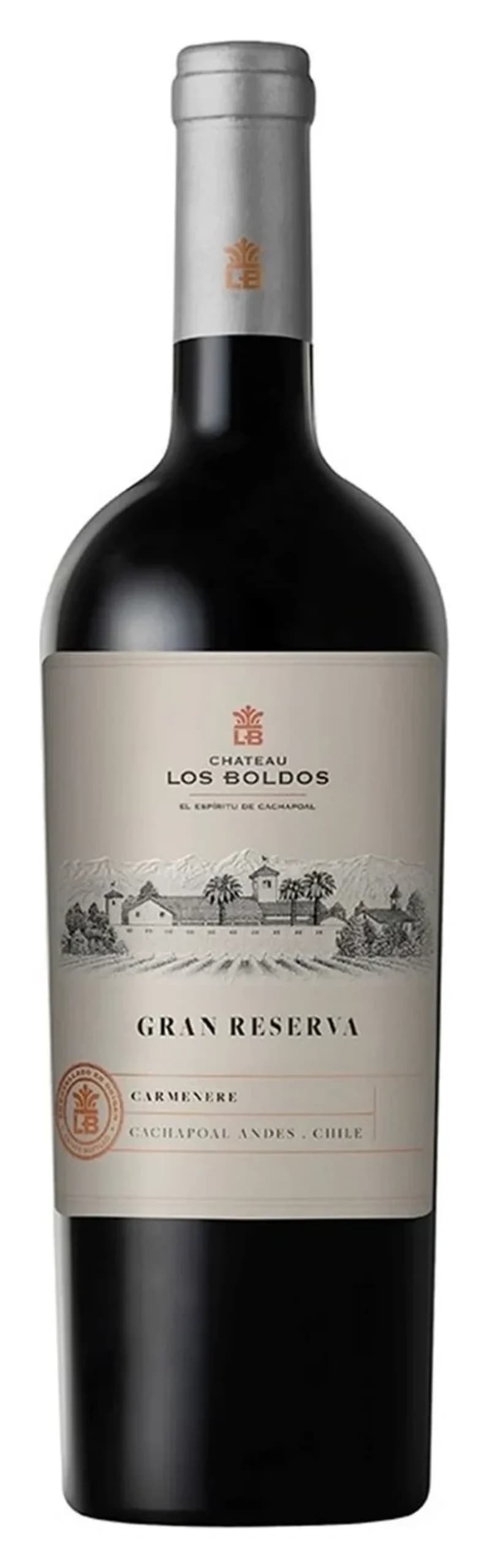
Chateau Los Boldos
2023
Gran Reserva Cachapoal Carménère, Château Los Boldos Gran Reserva
View details →£16.40
The SommPills Cellar
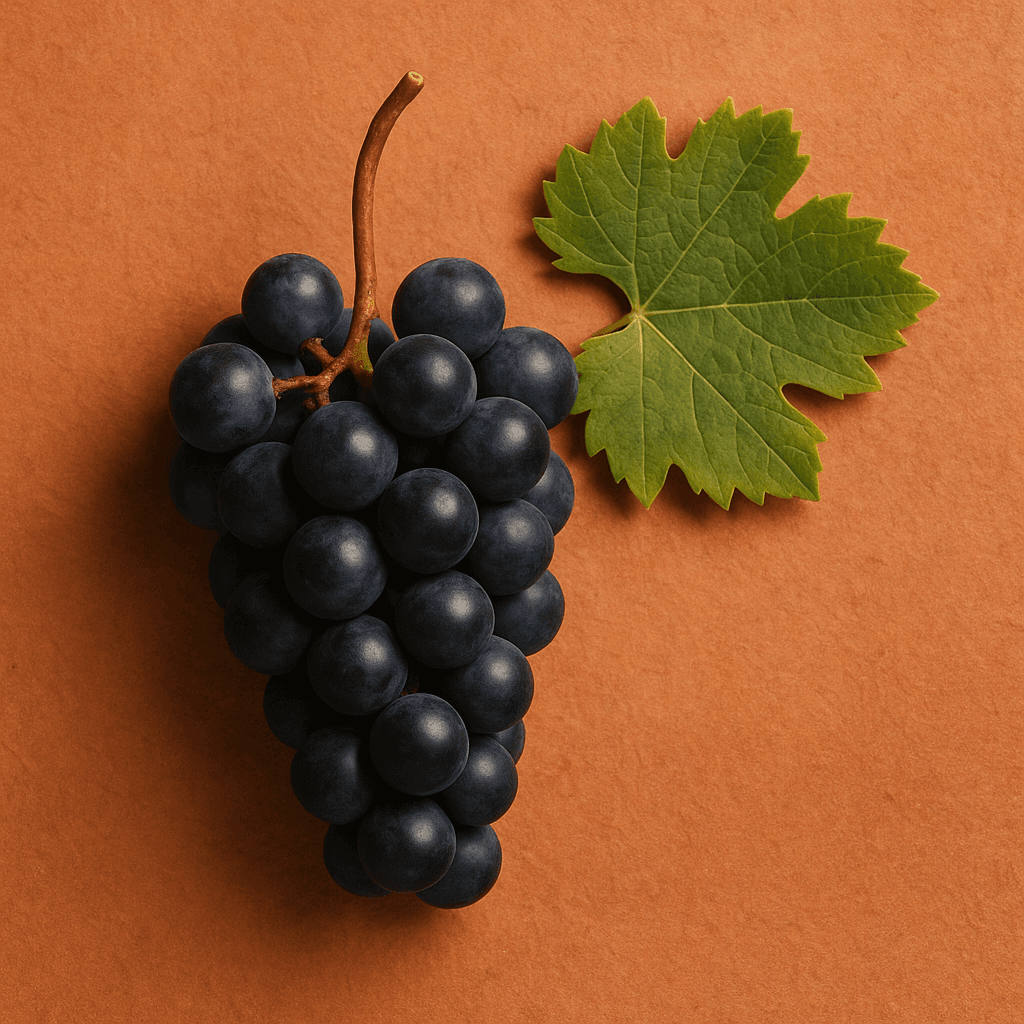
52 wines on the Cabernet Sauvignon shelf, chosen one at a time.
52 wines on the shelf
Chateau Los Boldos
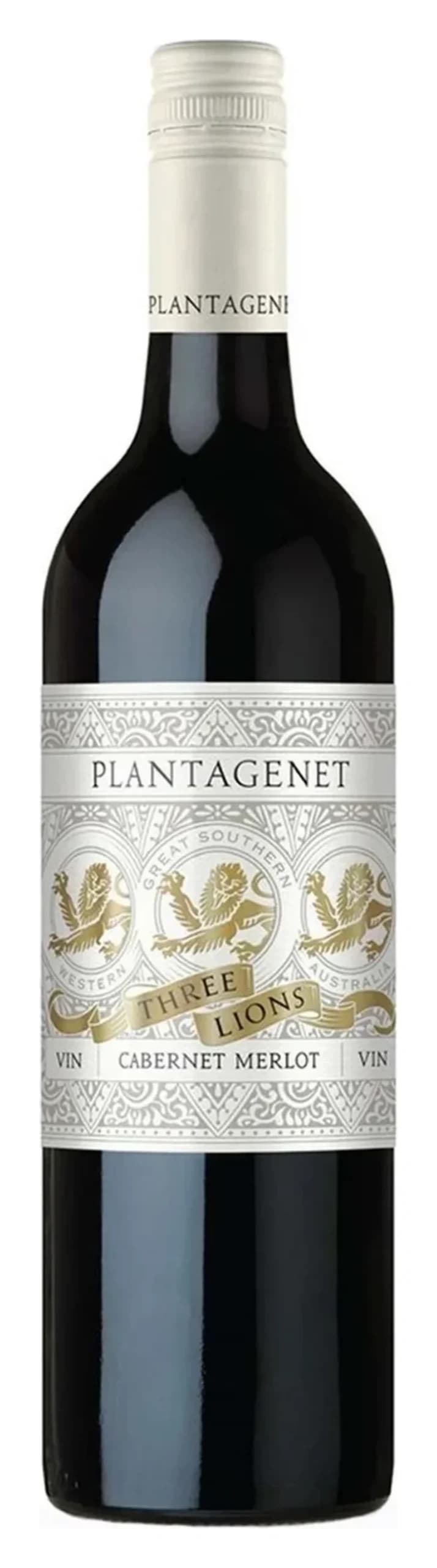
Plantagenet Wines
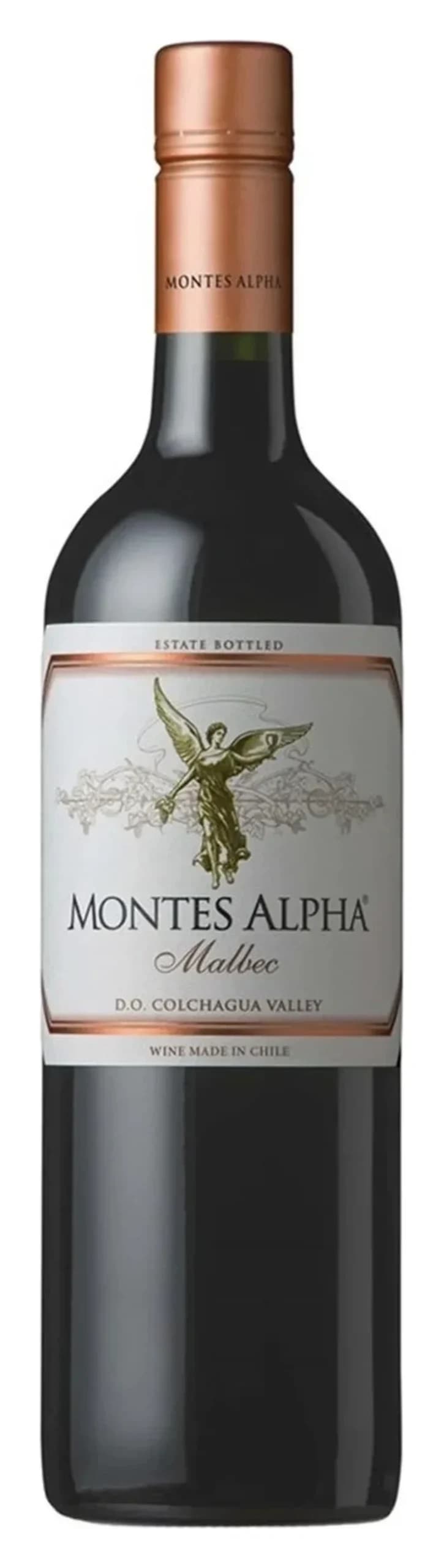
Montes
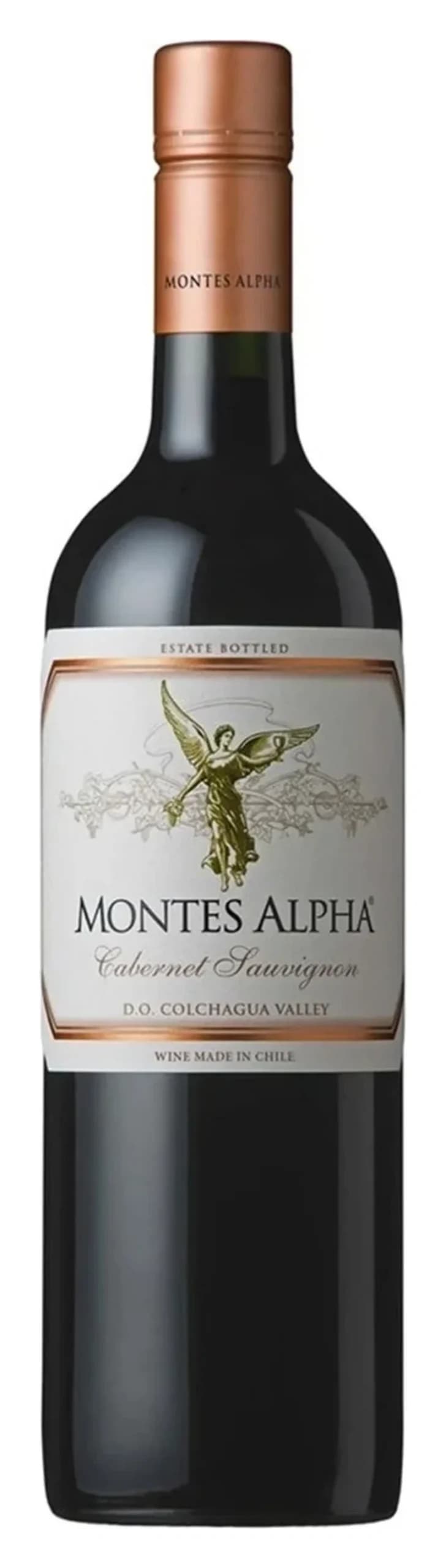
Montes
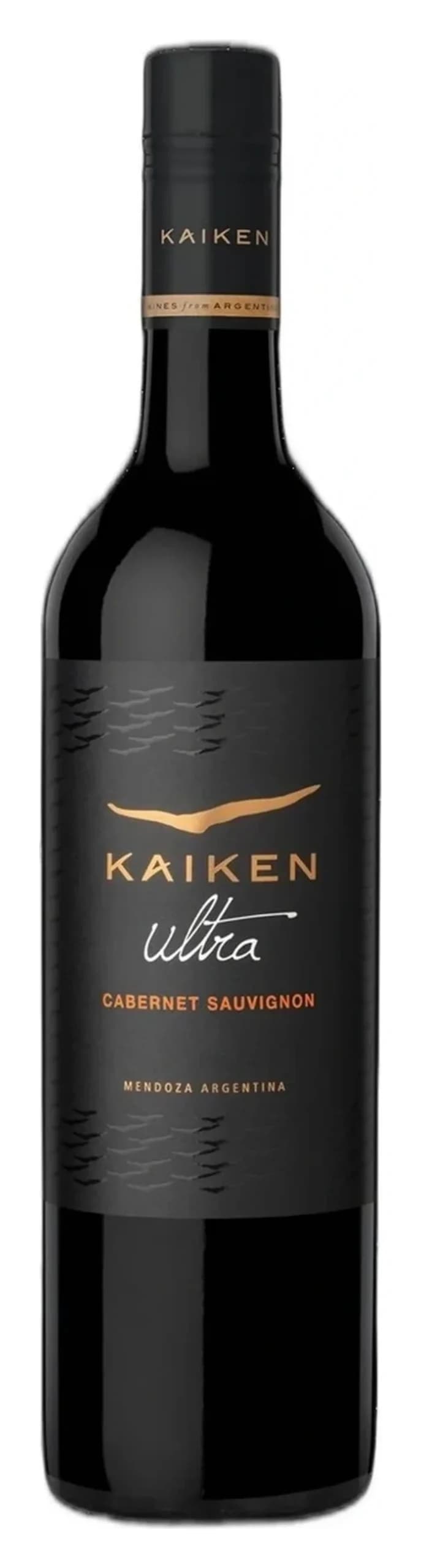
Kaiken
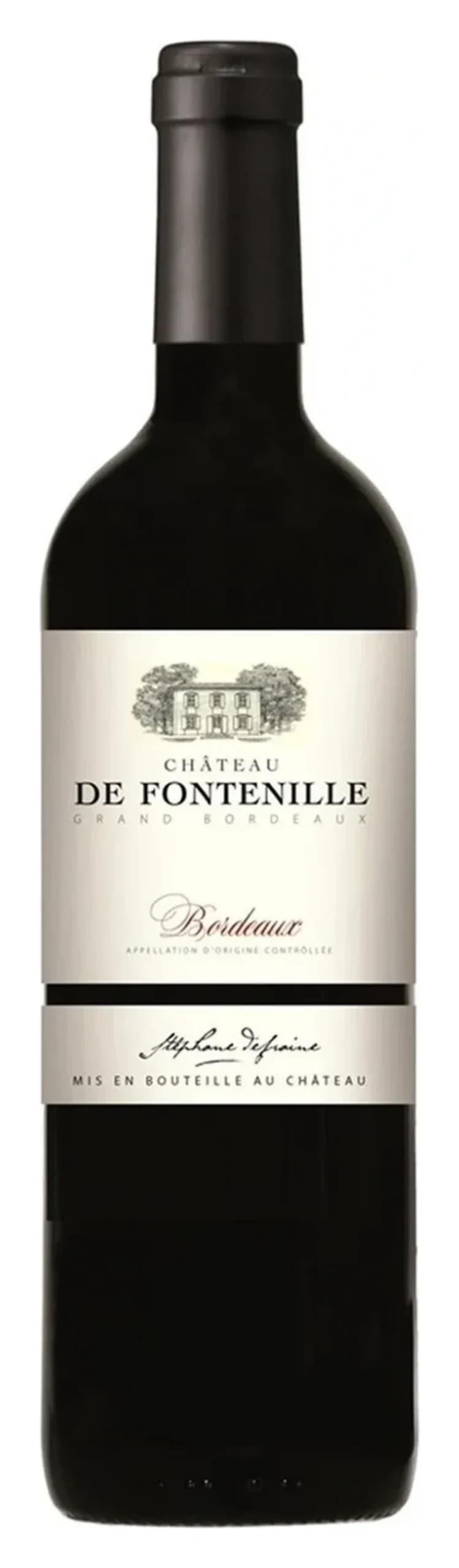
Chateau de Fontenille
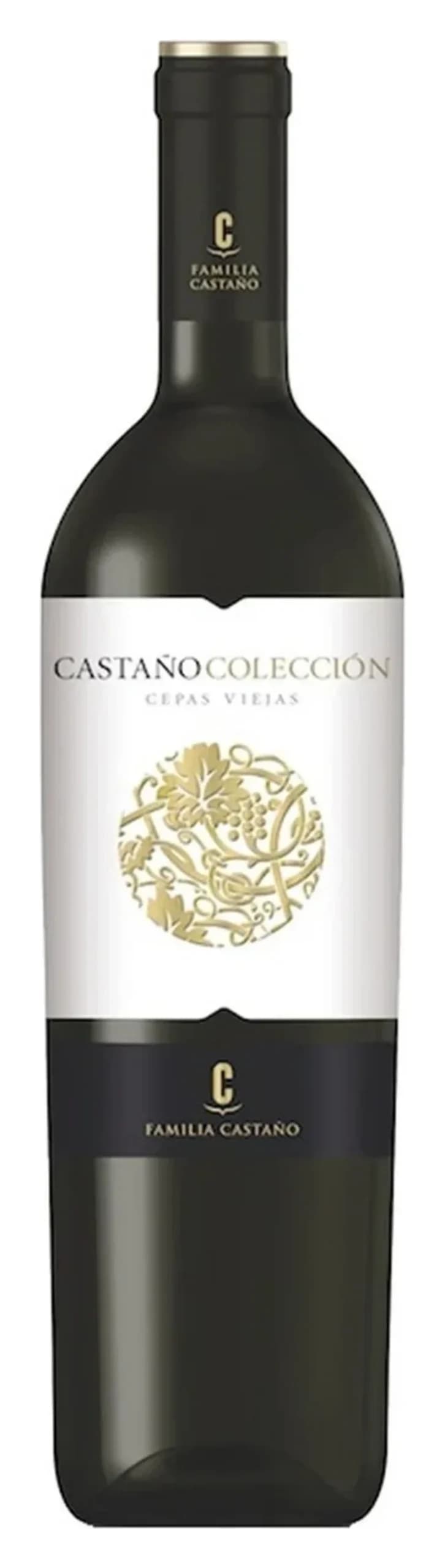
Bodegas Castano
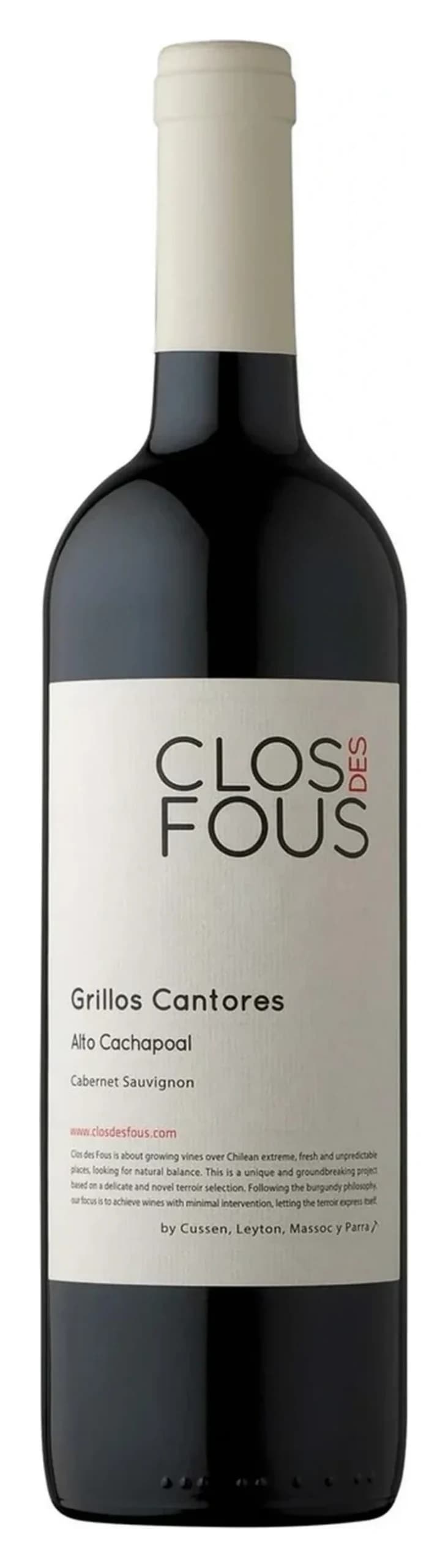
Clos des Fous
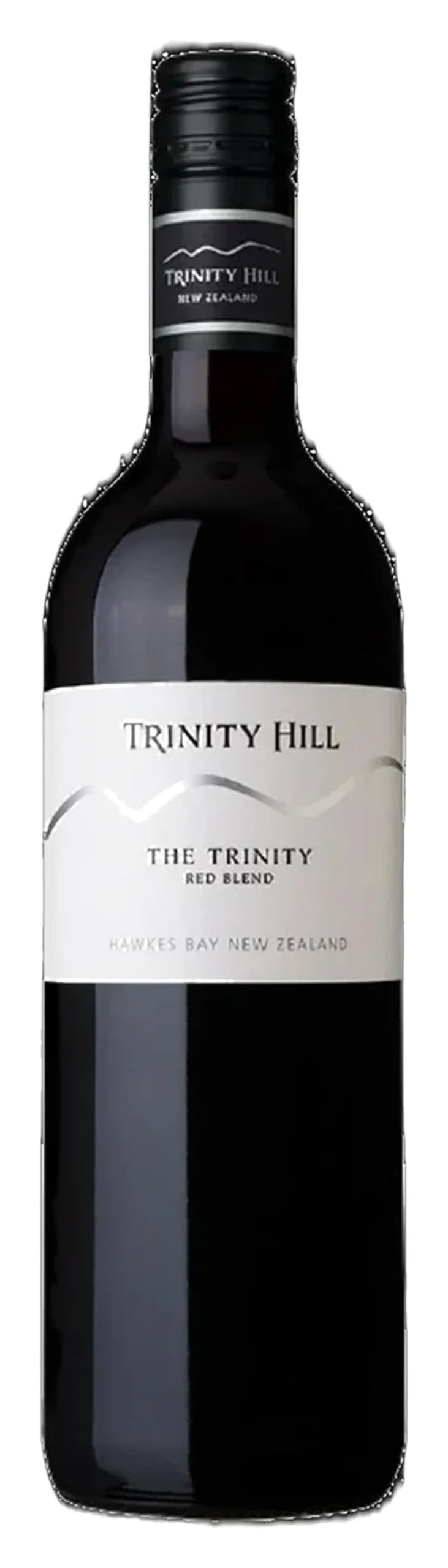
Trinity Hill Wines
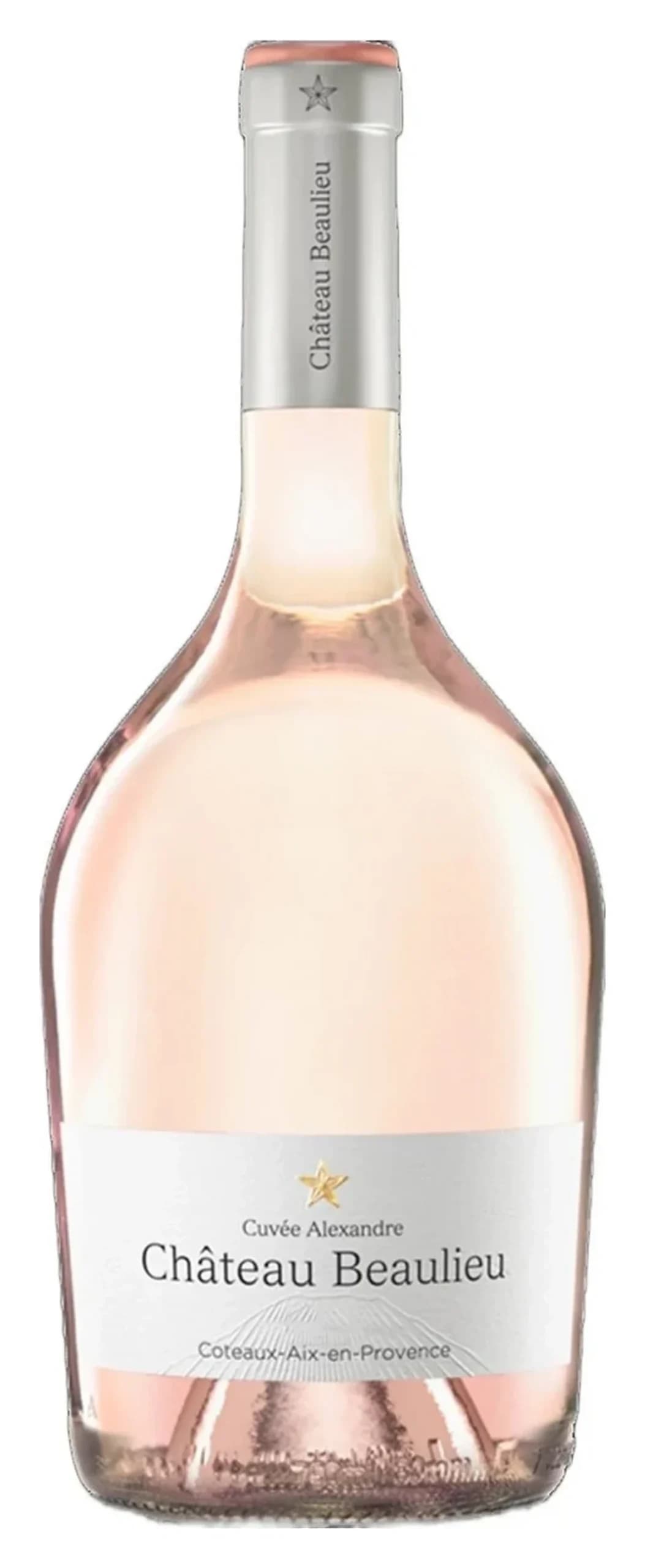
Chateau Beaulieu
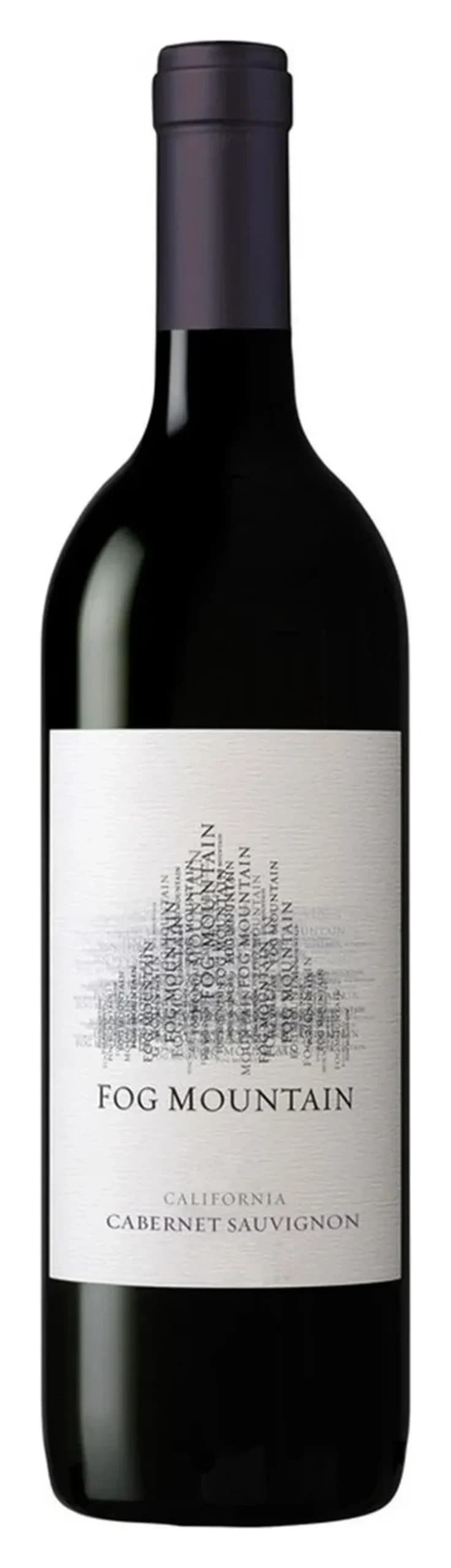
Fog Mountain
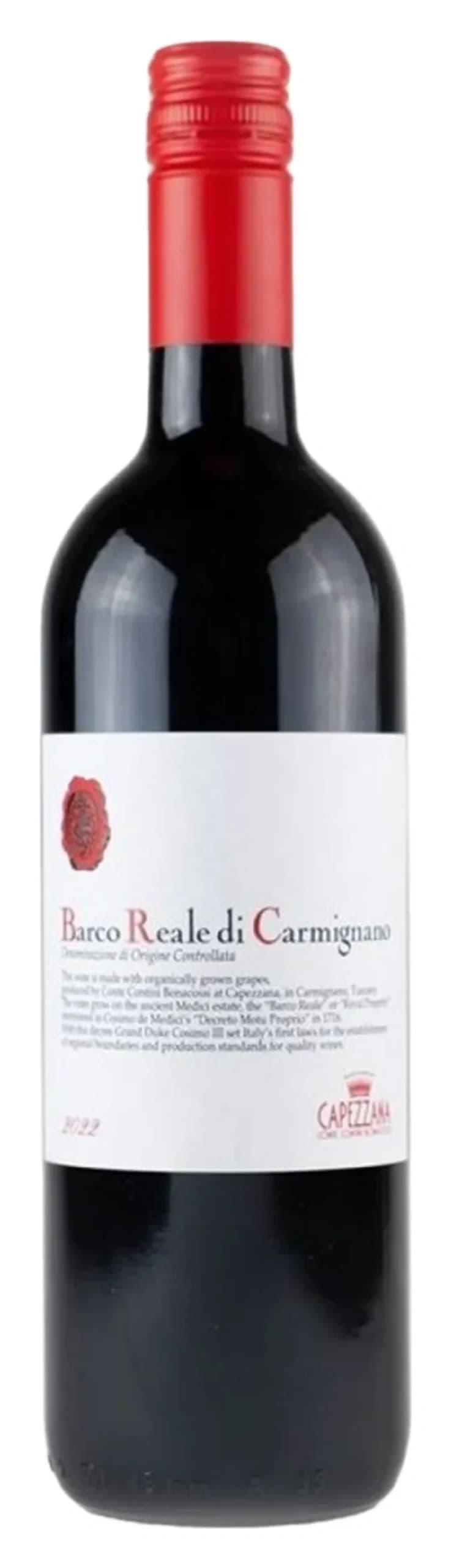
Tenuta di Capezzana
Cabernet Sauvignon is the world's most planted red wine grape, originating from Bordeaux and now grown globally. Its small, thick-skinned berries yield deeply coloured wines defined by pronounced tannins, acidity, and remarkable capacity for long-term development. The grape's flavour profile and body span a spectrum: cool-climate examples from regions like Bordeaux's Médoc show restrained blackcurrant, violet and herbaceous notes with firm structure; warm-climate versions from Napa, Coonawarra and Margaret River display riper black fruit, chocolate and spice with softer tannins and higher alcohol. Oak maturation, harvest timing and site all shape the final style.
Cabernet Sauvignon's aroma rarely leads with primary fruit; instead, it reveals complex secondary and tertiary aromas developed through bottle age and oak interaction. Blackcurrant, cedar, cigar box and menthol are hallmarks, alongside black cherry and violet in cooler sites. The palate is structured and rigid in youth, with pronounced tannins derived from the grape's thick skins and high pip-to-pulp ratio. Acidity ranges from medium to high depending on ripeness and climate.
The body spectrum is governed by terroir and winemaking. Cool-climate Cabernet—typified by Bordeaux's Left Bank—yields medium-bodied wines with fresh, mineral-edged fruit and austere tannin architecture. Extended hang times and riper harvests in warm regions (California, Australia, Chile) produce fuller bodies and riper, jammy fruit; the higher alcohol content (13.5–15%+) softens tannins and rounds the texture, making these wines more inviting in youth. Oak aging, especially in new French barrels, adds vanilla, spice and toast; longer maturation times were traditional, though modern winemakers often balance fruit and oak more deftly.
Cabernet Sauvignon's stronghold remains Bordeaux's Left Bank—the Médoc, Graves and Pessac-Léognan—where gravelly, well-drained soils and a temperate maritime climate enable full ripeness and longevity. Plantings spread through south-west France (Bergerac, Buzet) and southern regions (Languedoc, Provence, Rhône).
Beyond France, it thrives in warm, dry climates. Napa Valley and Sonoma produce ripe, concentrated wines; Washington State delivers elegant, mineral-edged expressions. In Australia, Coonawarra and Margaret River are flagship regions, the former yielding structured wines with mint and eucalyptus, the latter more voluptuous blends with Merlot. Chile and Argentina grow substantial plantings; Chilean Cabernet is notably fruity and approachable, Argentine examples show ripeness with minerality. South Africa (Stellenbosch, Paarl) and Italy (Tuscany, Piedmont) produce serious, age-worthy renderings. Spain, Eastern Europe (Bulgaria, Moldova, Russia) and emerging markets (China, New Zealand) now contribute significant volumes.
Cabernet Sauvignon spans a wide stylistic range. Classic Bordeaux blends—typically built around 70% Cabernet with Merlot, Cabernet Franc and Petit Verdot—are austere and complex, demanding bottle age to unfold. Pure varietal Cabernet from warm regions, especially California and Australia, is often fruit-forward and approachable young, yet capable of decades of aging. Warm-climate styles emphasize ripeness, new oak vanilla and higher alcohol; cooler-climate styles prioritize structure, acidity and mineral restraint.
Pricing reflects origin and quality: Bordeaux first growths and Napa cult wines command super-premium prices; quality mid-tier Cabernet from established regions (Margaret River, Coonawarra, Penedès) offers excellent value. Even inexpensive examples retain Cabernet's recognizable identity: colour, tannin and structure. Blends with Syrah (Australia, Provence) or local varieties (Spain's Tempranillo, Italy's Sangiovese) create complementary complexity.
Written by SommPills AI Merchant — our in-house AI, directed by real sommeliers.