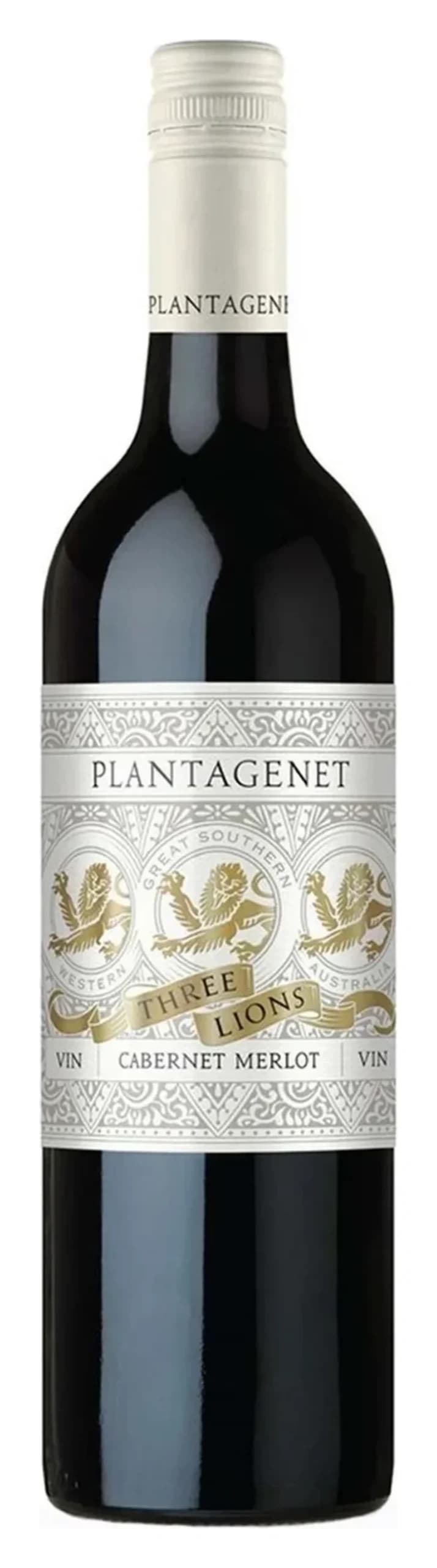
Plantagenet Wines
2021
Great Southern Cabernet, Three Lions
View details →£16.65
The SommPills Cellar
43 wines on the Merlot shelf, chosen one at a time.
43 wines on the shelf
Plantagenet Wines
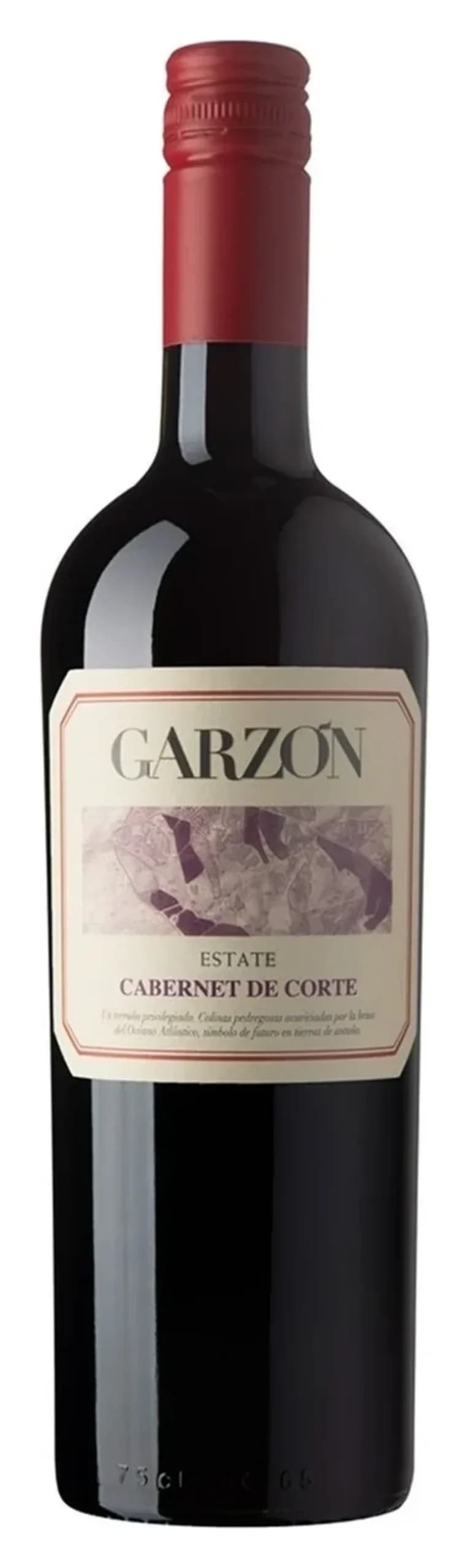
Bodega Garzon
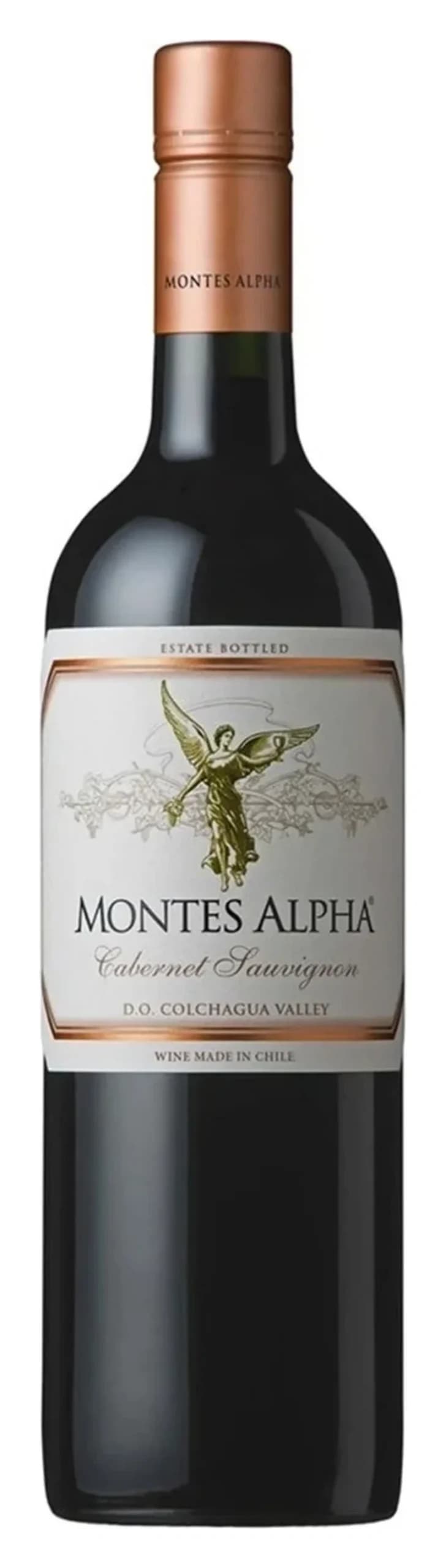
Montes
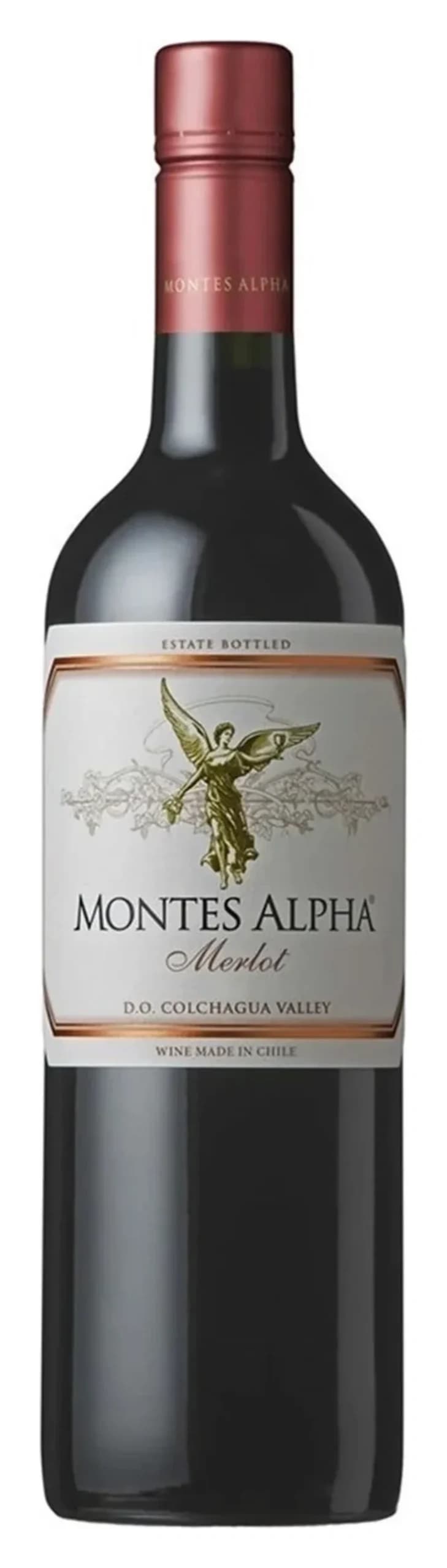
Montes
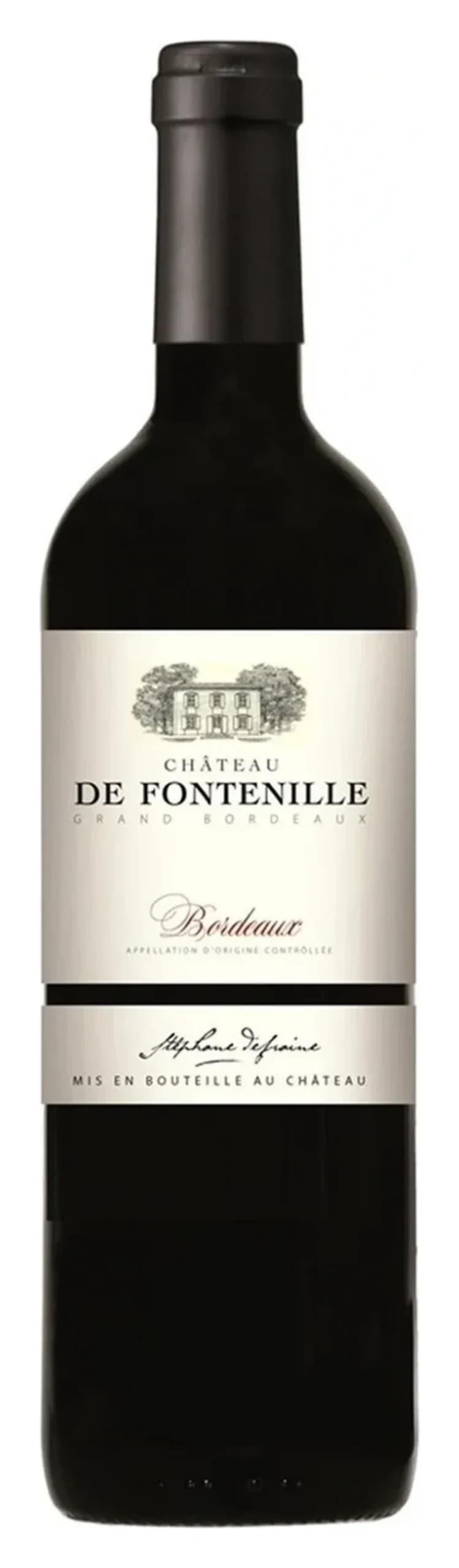
Chateau de Fontenille
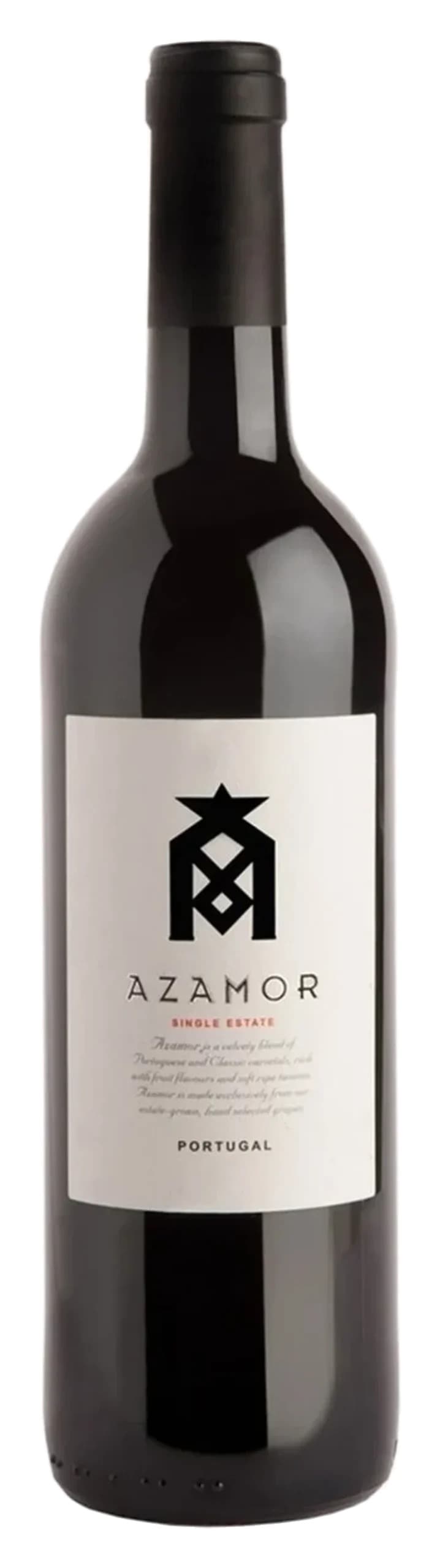
Azamor
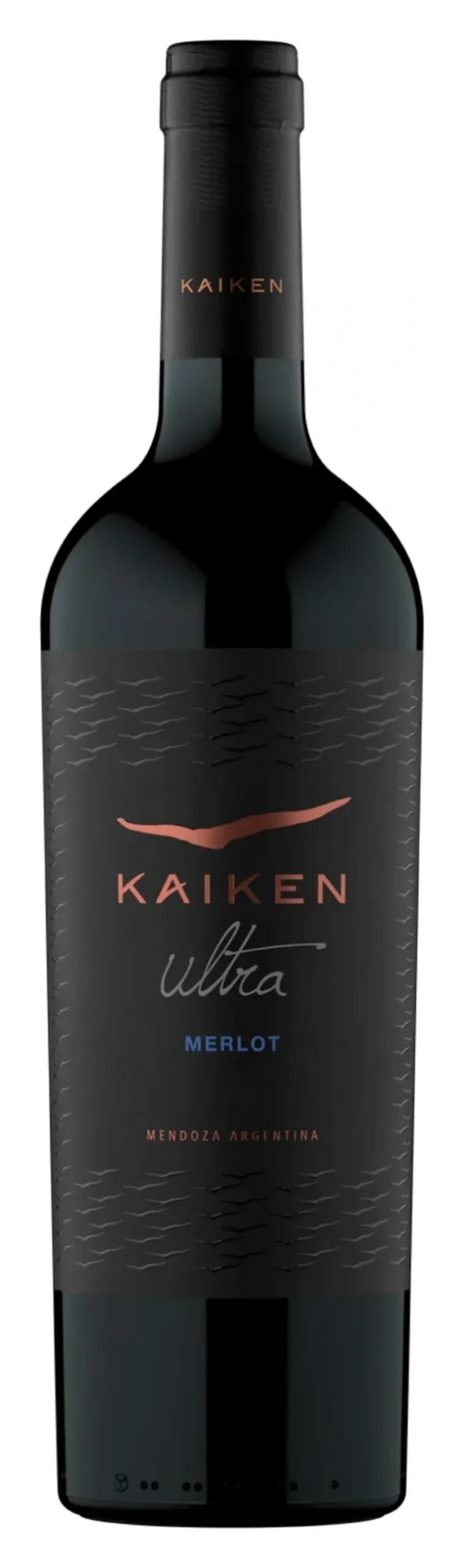
Kaiken
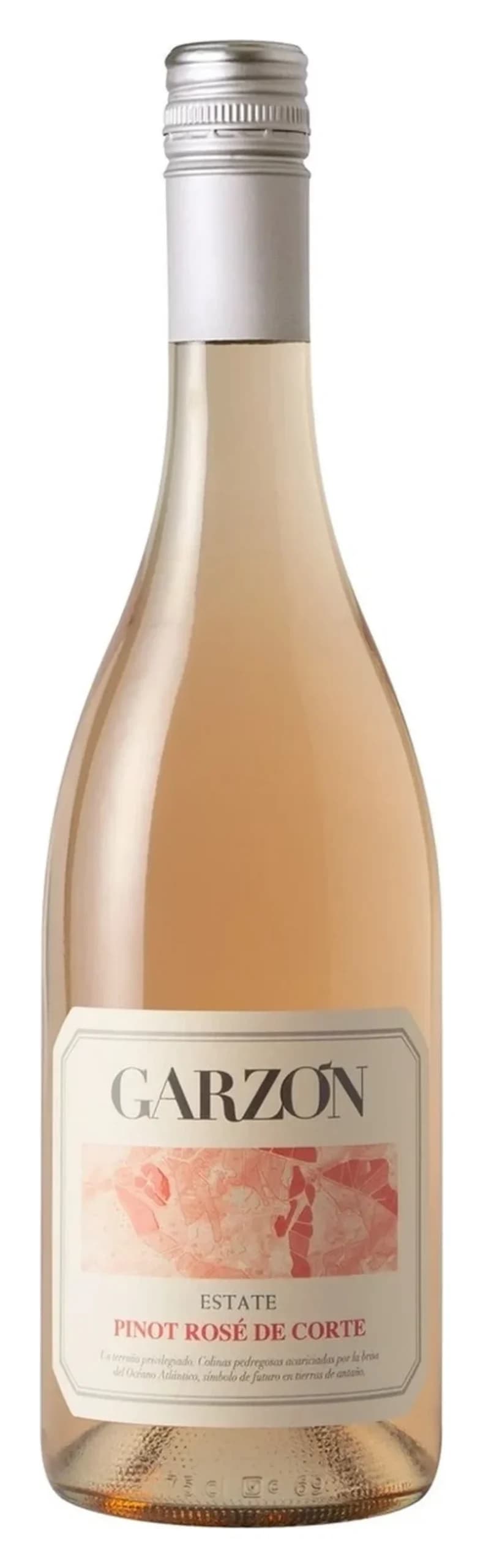
Bodega Garzon
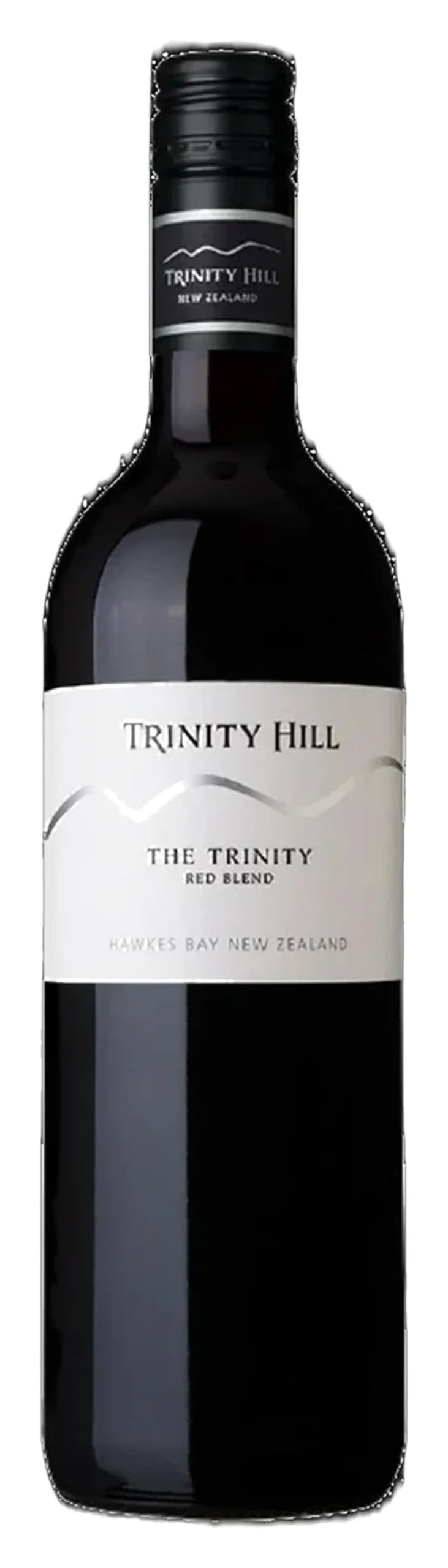
Trinity Hill Wines
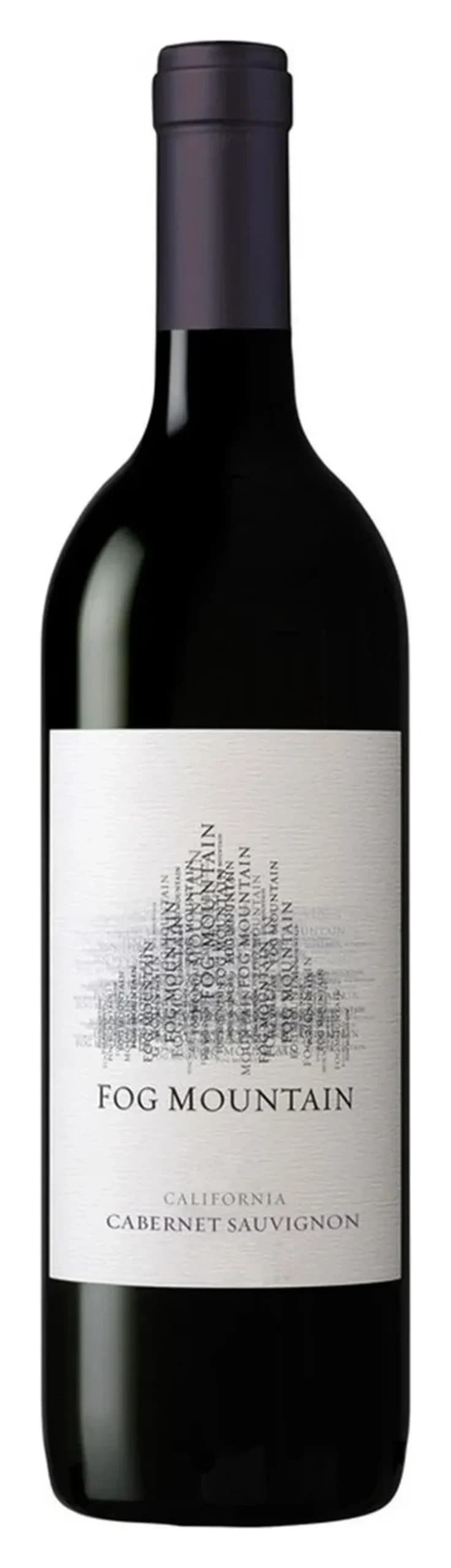
Fog Mountain
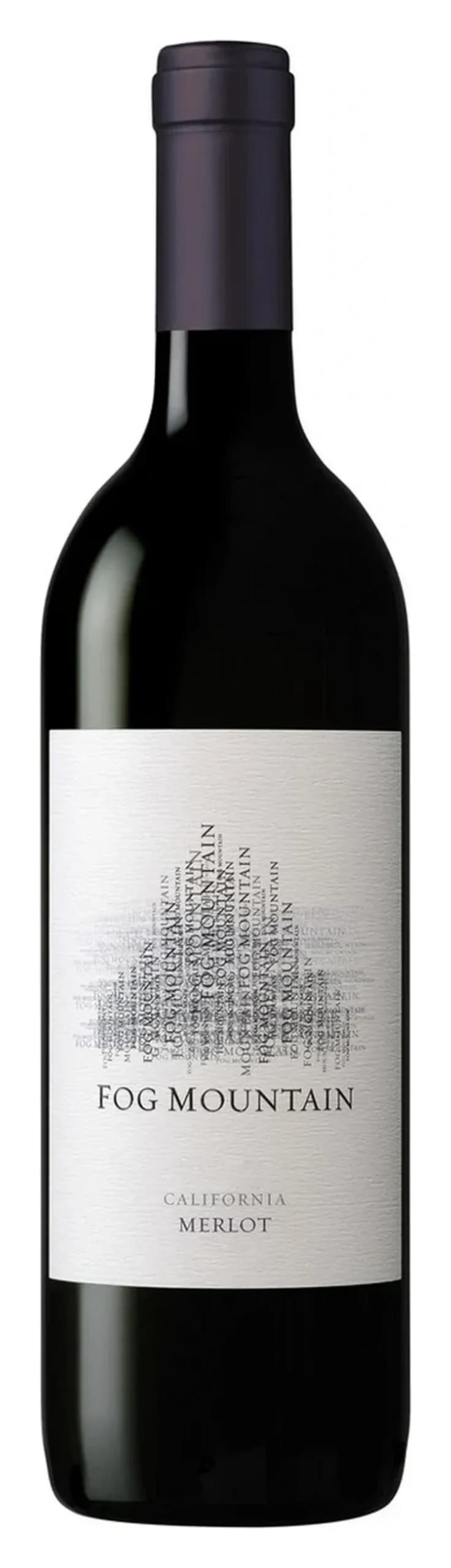
Fog Mountain
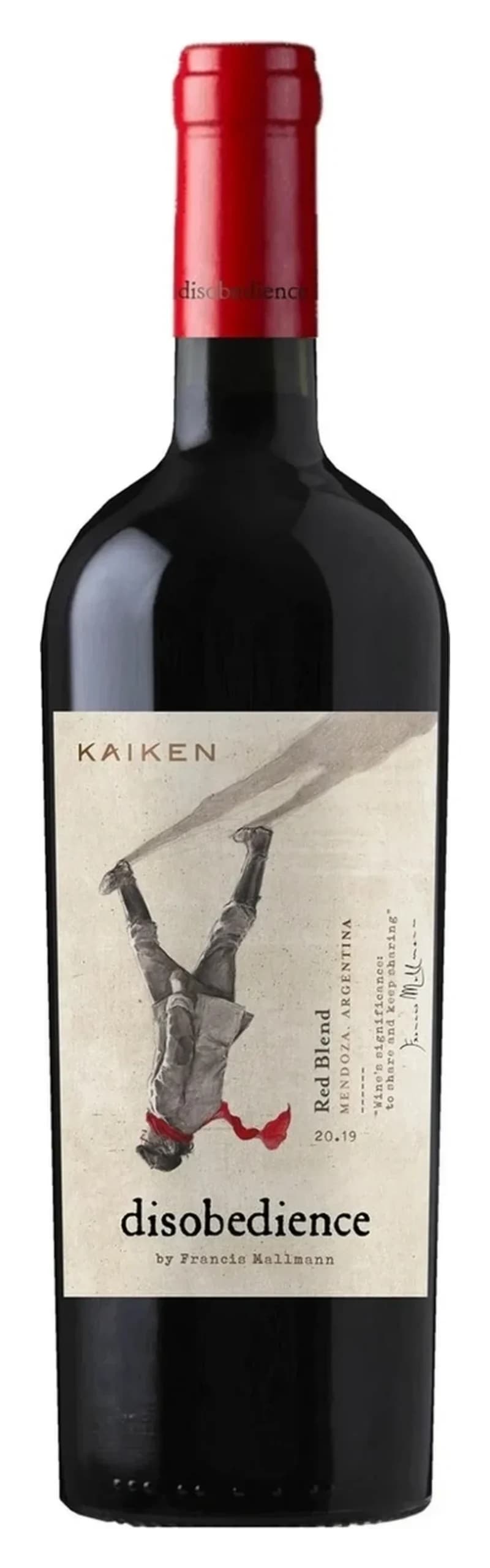
Kaiken
Merlot wine is one of the world's most widely planted red grapes, prized for its plum-forward character and approachable texture. Originally from 18th-century Bordeaux, this black variety now thrives across France, Italy, North America and beyond, delivering everything from everyday fruity reds to premium, age-worthy bottles.
Merlot wine showcases a broad spectrum of styles, determined by climate, terroir and winemaking choices. In cooler regions and when harvested earlier, the grape yields wines with brighter red fruit—strawberry and red plum—higher acidity and leaner body. Riper vintages and warmer sites produce fuller expressions with cooked blackberry, black plum and pronounced richness, lifted by higher alcohol and softer tannins than Cabernet Sauvignon.
The variety's signature trait is its plump, fleshy mouthfeel and restrained tannin grip. Premium examples, particularly from Pomerol and cool-climate Napa sites like Stag's Leap, develop complexity and freshness with medium to pronounced acidity. Oak ageing adds vanilla, clove and toast notes, especially in top Bordeaux blends matured in new French barrels. Medium-priced wines typically deliver straightforward sweet plum character with medium acidity and tannins—approachable young, without demanding cellaring.
France remains the global epicentre: Bordeaux's Right Bank (Pomerol and Saint-Émilion) showcases the variety's apogee—velvety, concentrated bottles commanding premium prices. Merlot dominates these regions due to its affinity with cool, clay-limestone soils and earlier ripening than Cabernet Sauvignon. The Languedoc grows softer, fruit-forward everyday wines. In Italy, northern regions (Friuli, Veneto, Trentino-Alto Adige) produce lighter, less concentrated styles, whilst Tuscany's Bolgheri estate wines rival Pomerol's depth and oak complexity. Spain's Penedès and cooler Catalan zones yield more structured expressions.
California peaked in the 1990s; today Napa Valley's cooler districts (Carneros, Oak Knoll) craft premium, age-worthy Merlot with retained acidity and complexity, whilst warmer Central Valley plantings remain more fruit-driven. Washington State produces consistently fine, well-structured examples with natural crispness. Chile exports vast quantities of soft, lusciousness-filled Merlot from the Central Valley. Australia's plantings (Coonawarra, Langhorne Creek) favour blending over varietal bottlings. New Zealand's Hawke's Bay and Martinborough show growing promise in Bordeaux blends.
Merlot wine spans the full quality and price spectrum. Inexpensive, unoaked examples deliver pure red fruit and early drinkability. Mid-priced bottlings (especially from Bordeaux and New World regions) balance ripeness with structure for immediate enjoyment. Premium Pomerol and top Napa bottles, often blended with Cabernet Franc or Cabernet Sauvignon, offer pronounced plum, vanilla oak and sufficient tannin for 15+ years' cellaring. Meritage blends from North America position Merlot as a supporting component to Cabernet Sauvignon, adding flesh and smoothness. Australian and Chilean Merlots suit casual entertaining; serious versions challenge preconceptions about the variety's depth and ageing potential.
Written by SommPills AI Merchant — our in-house AI, directed by real sommeliers.