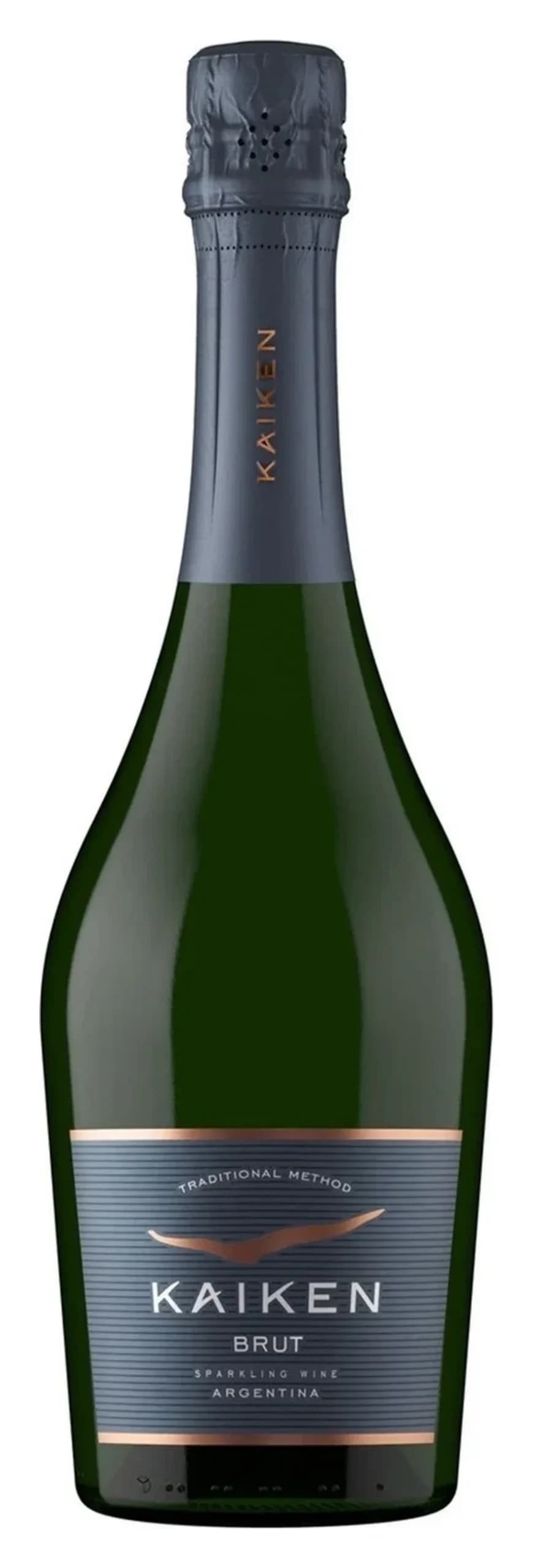
Kaiken
NV
Método Tradicional Brut, Kaiken
View details →£16.40
The SommPills Cellar
129 wines on the Pinot Noir shelf, chosen one at a time.
129 wines on the shelf
Kaiken
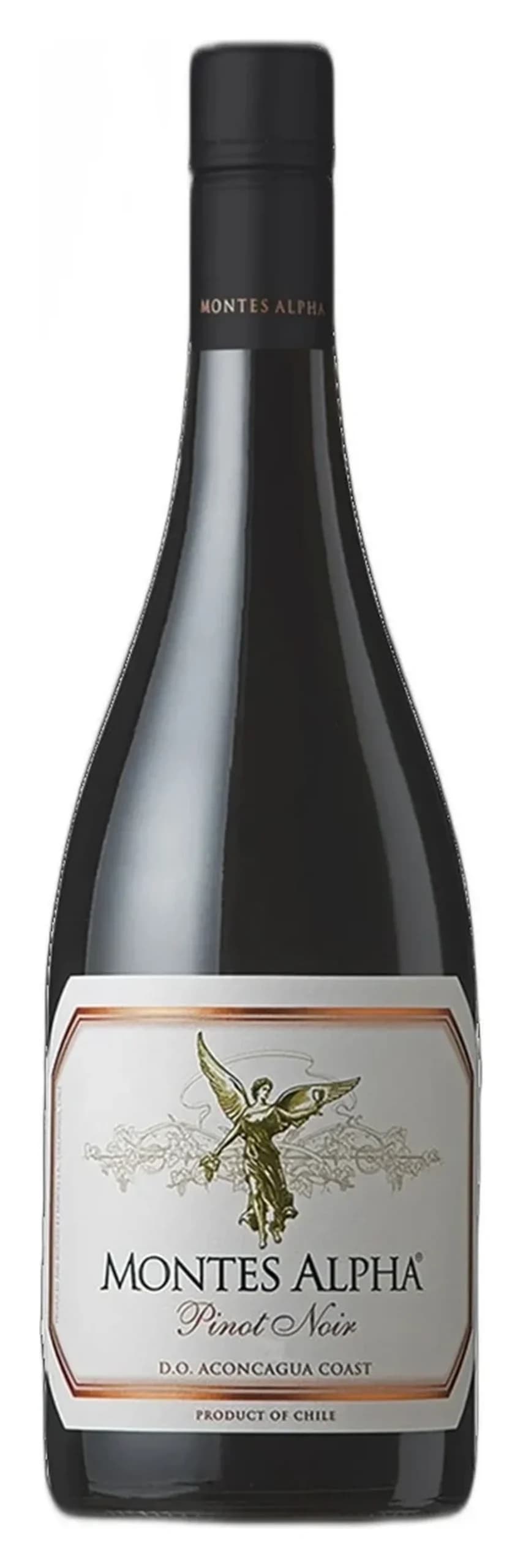
Montes
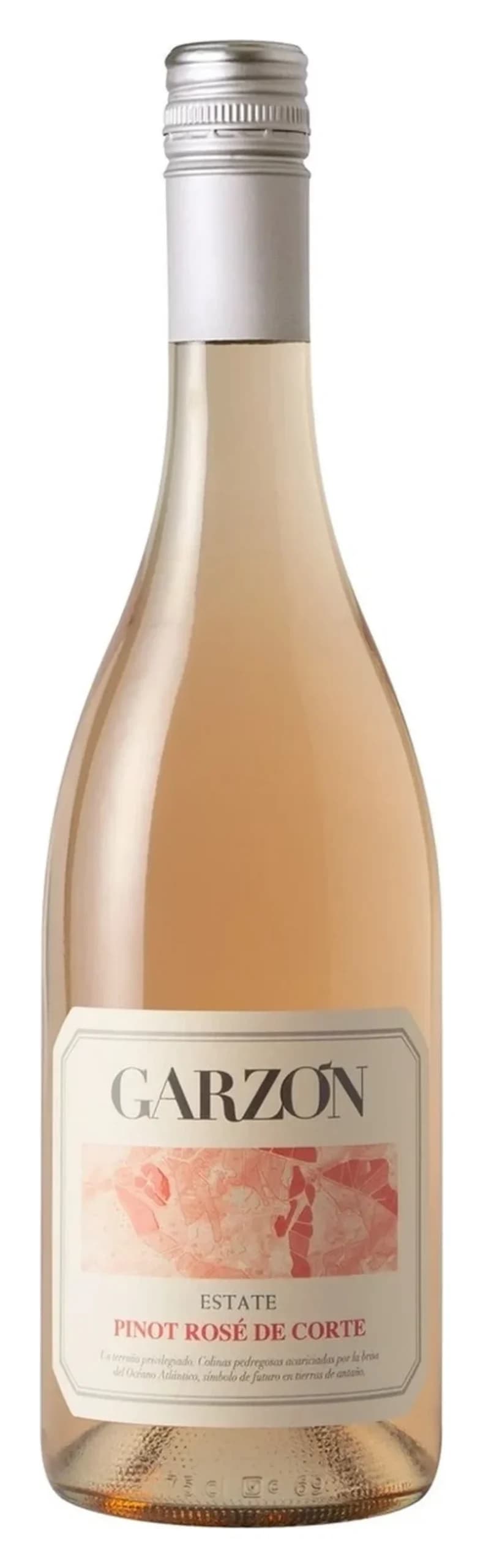
Bodega Garzon
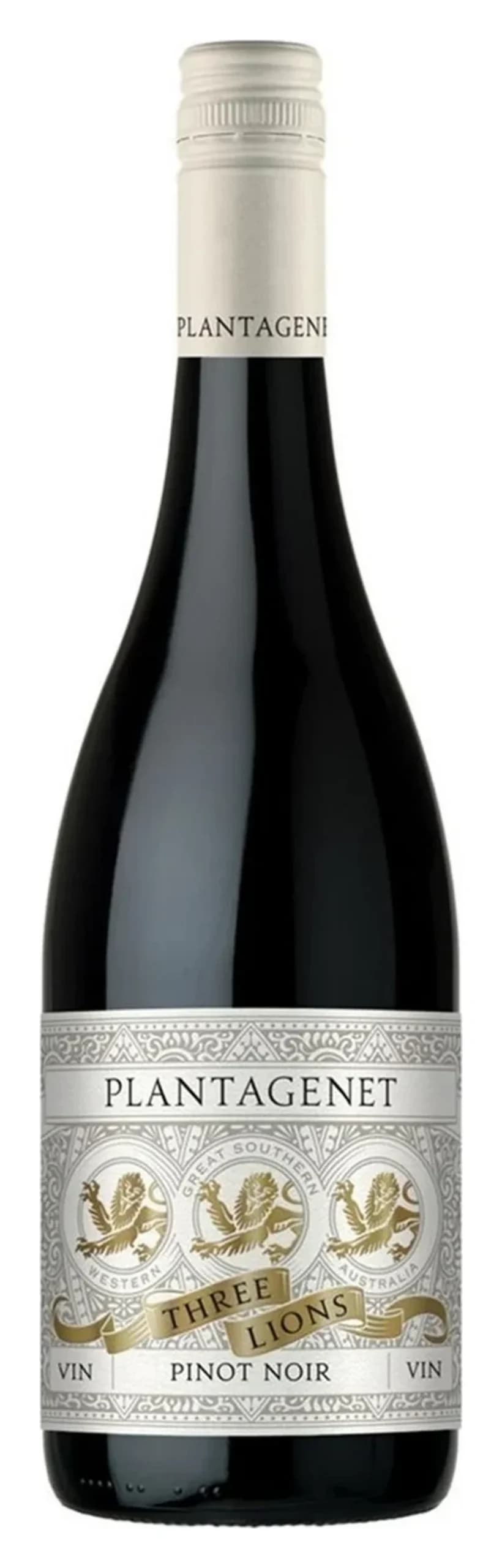
Plantagenet Wines
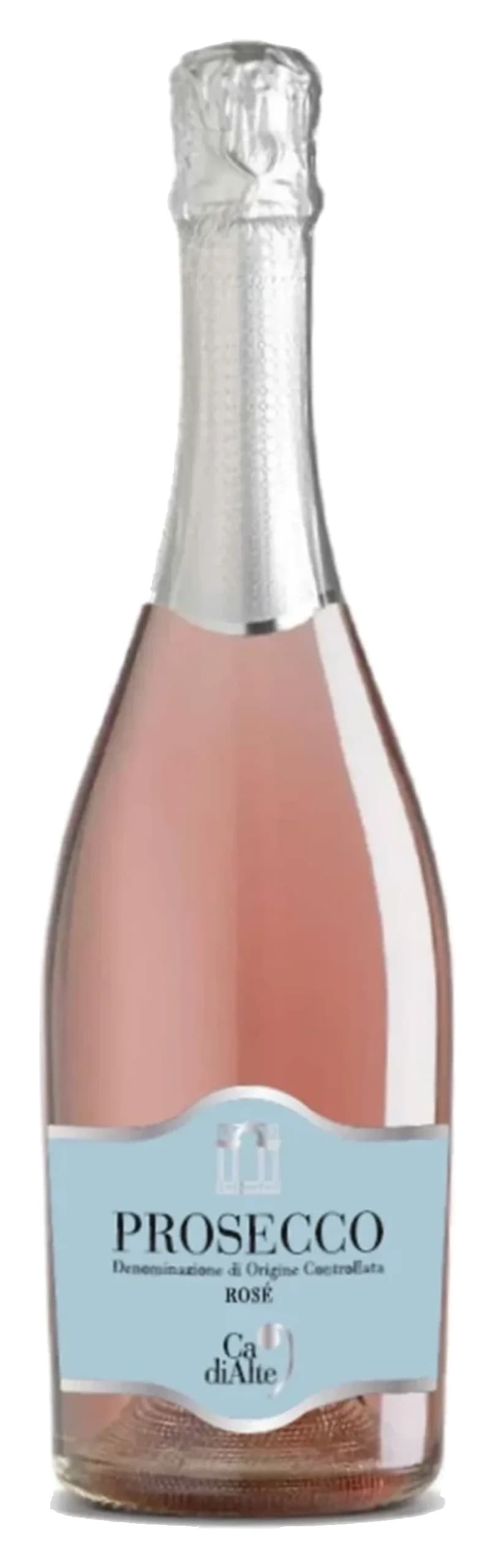
Ca' di Alte
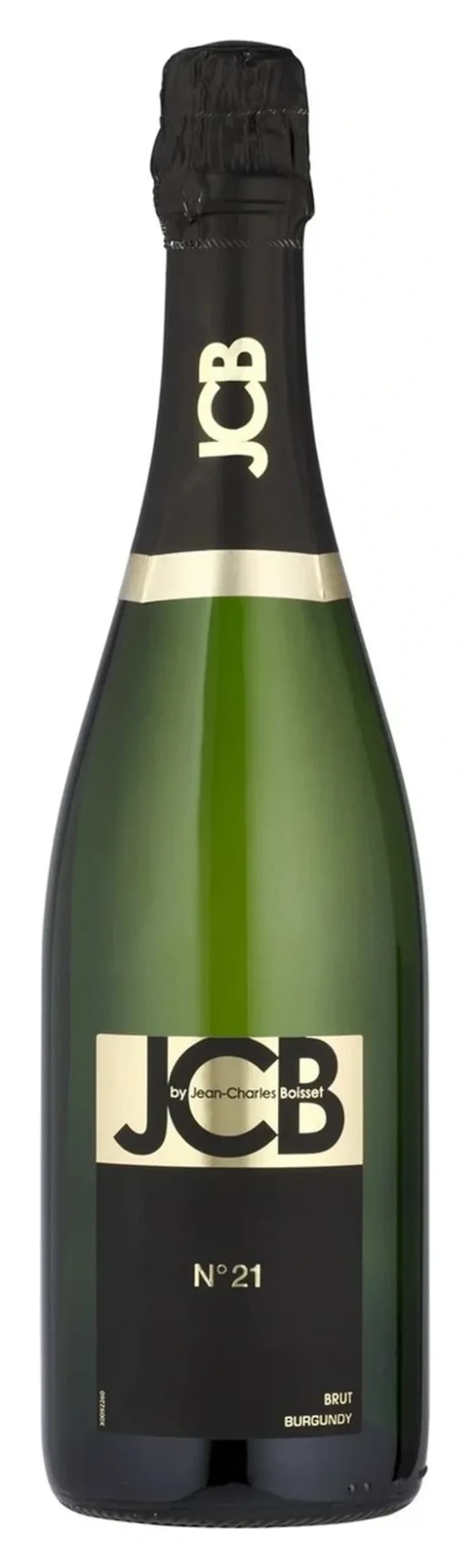
JCB by Jean Charles Boisset
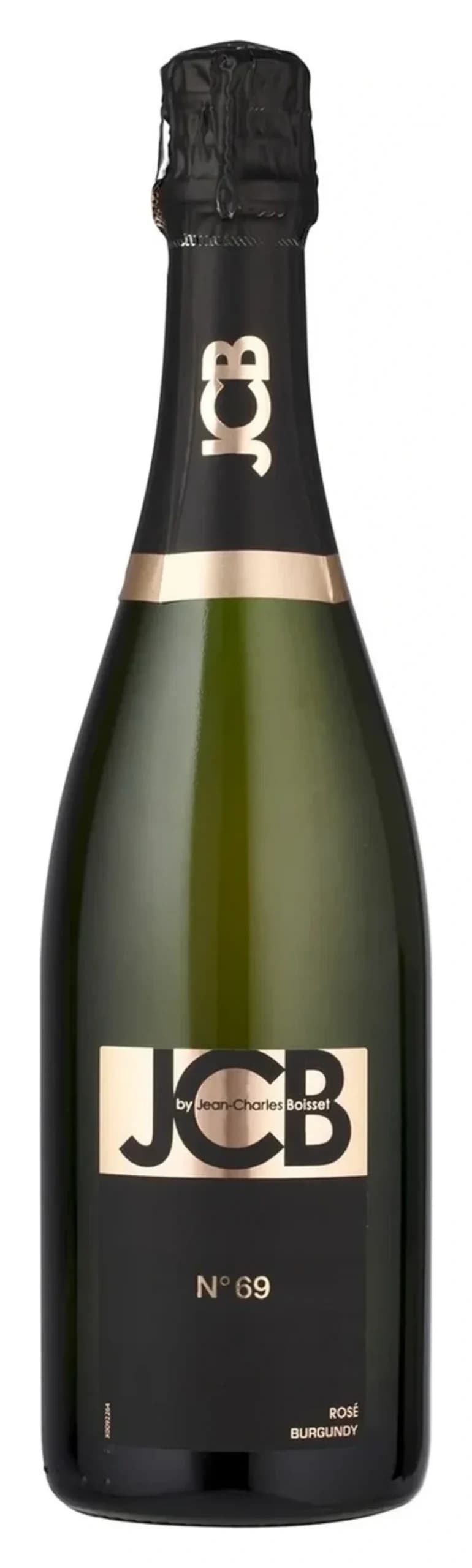
JCB by Jean Charles Boisset
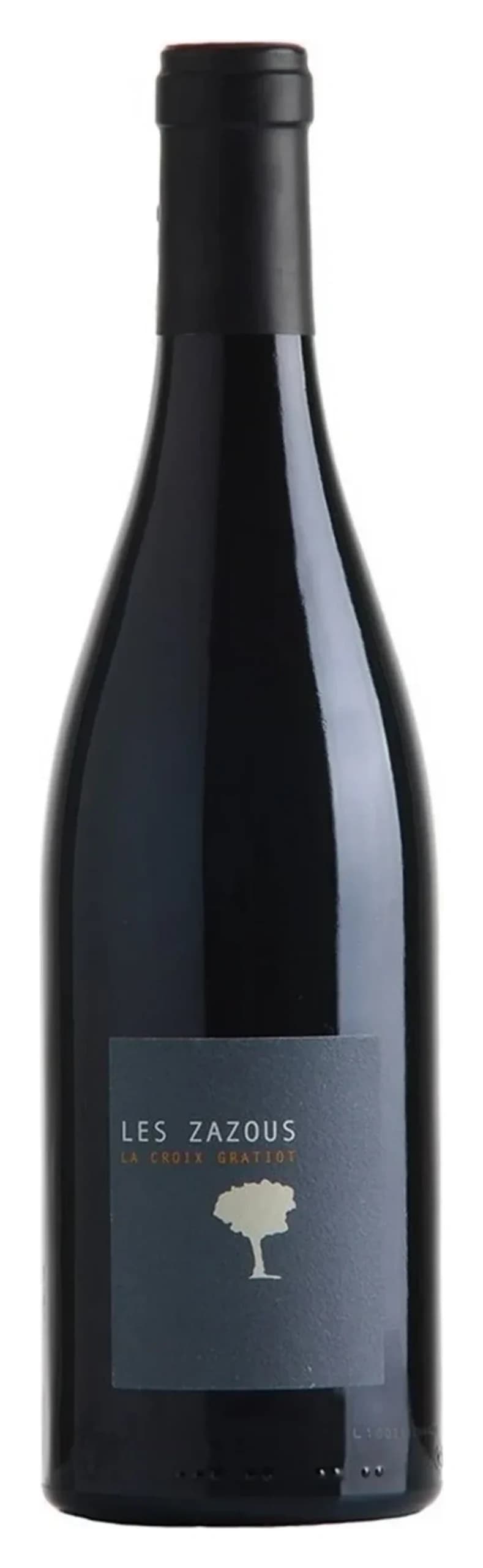
Domaine La Croix Gratiot
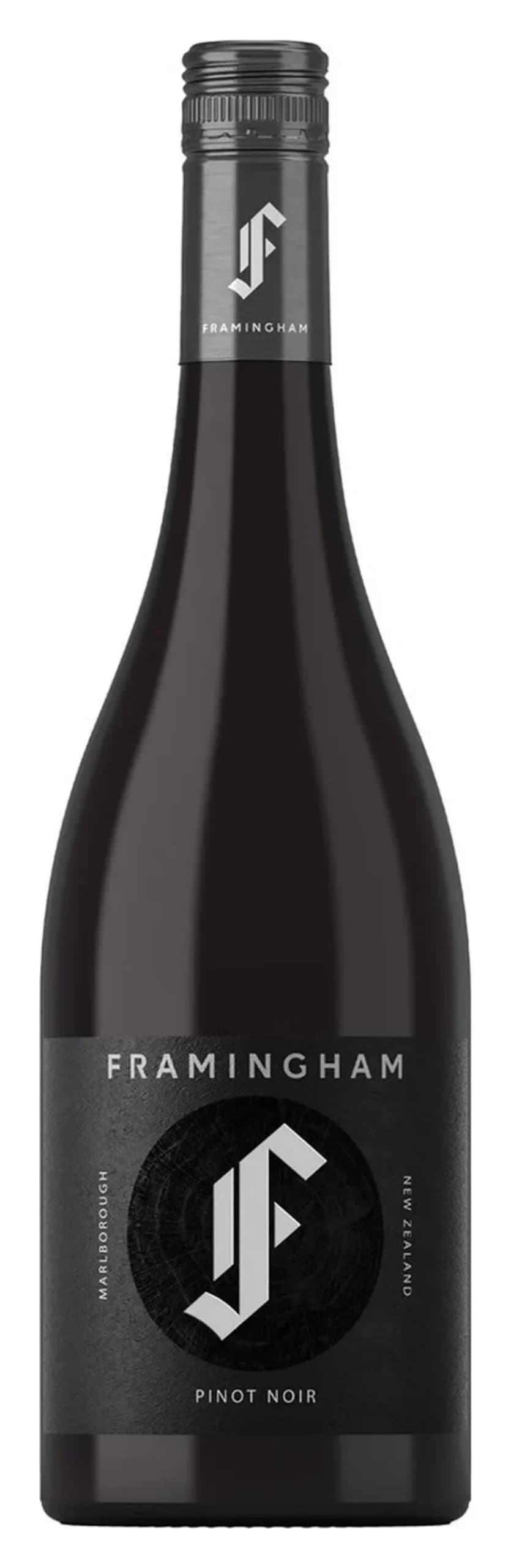
Framingham Wines
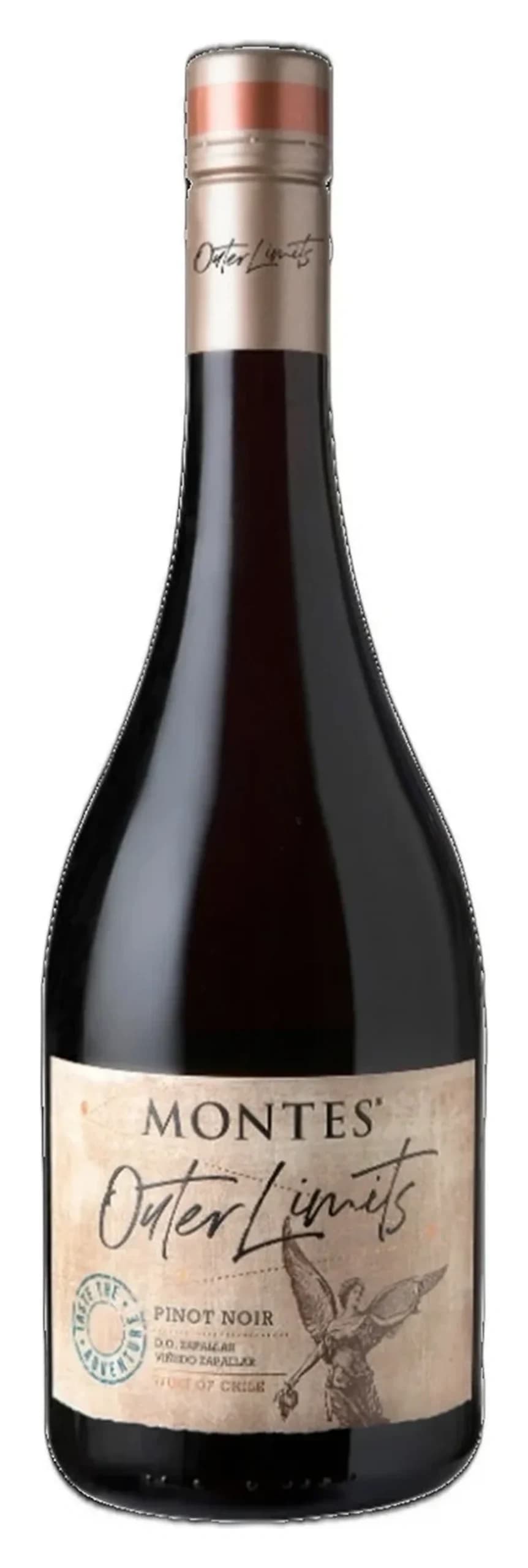
Outer Limits
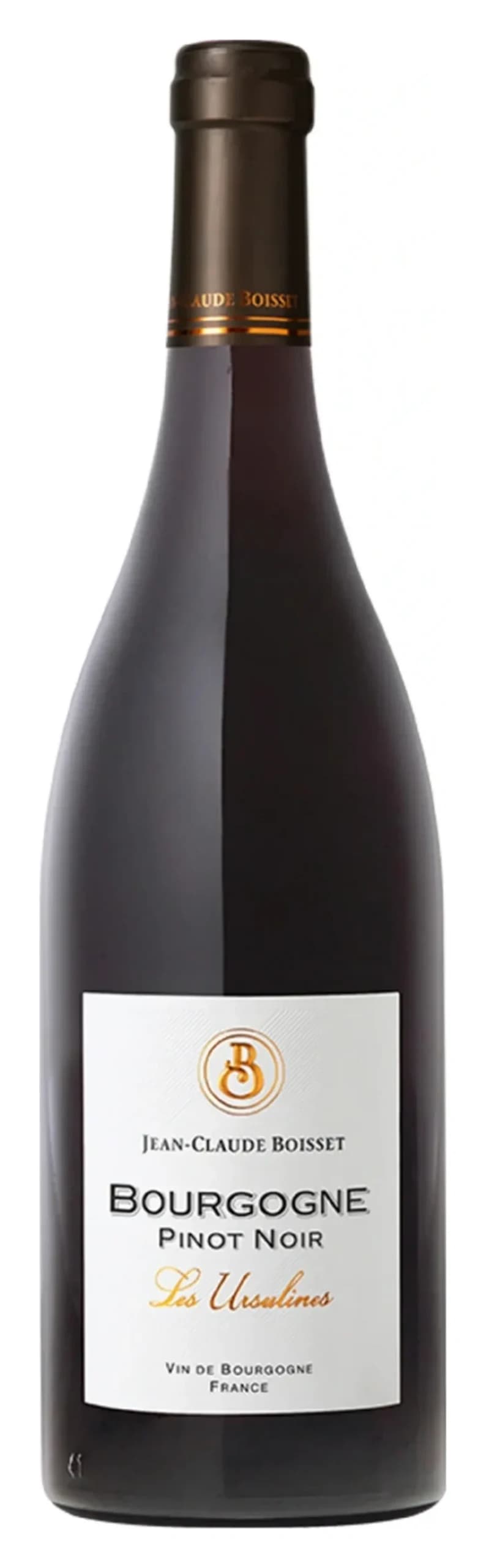
Jean-Claude Boisset
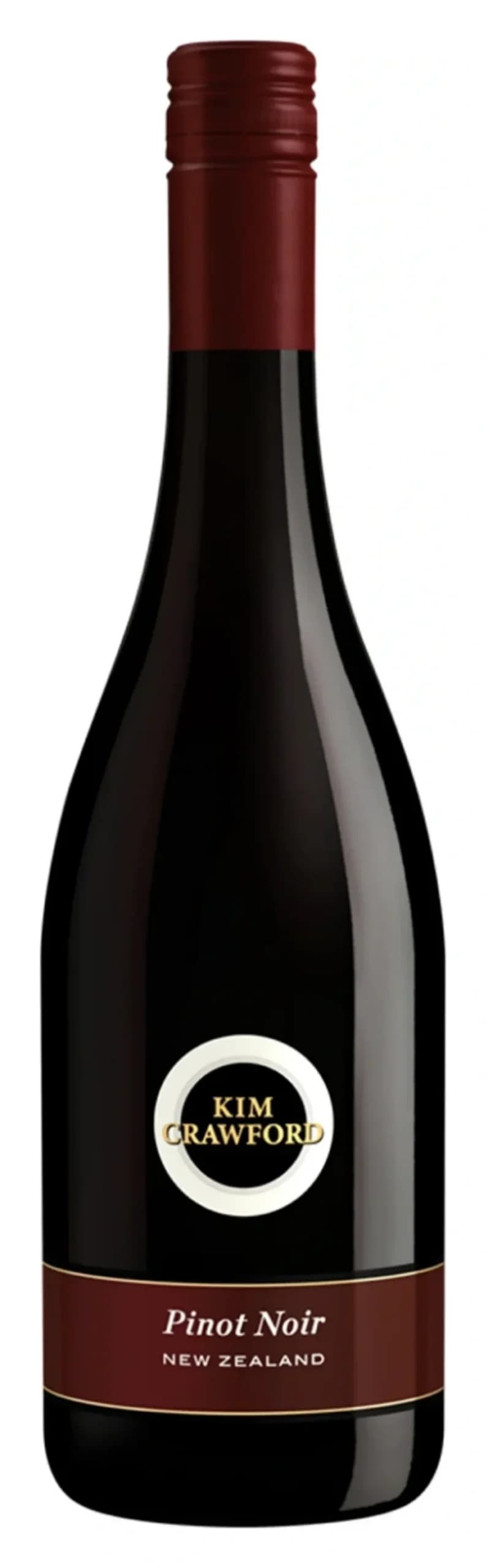
Kim Crawford
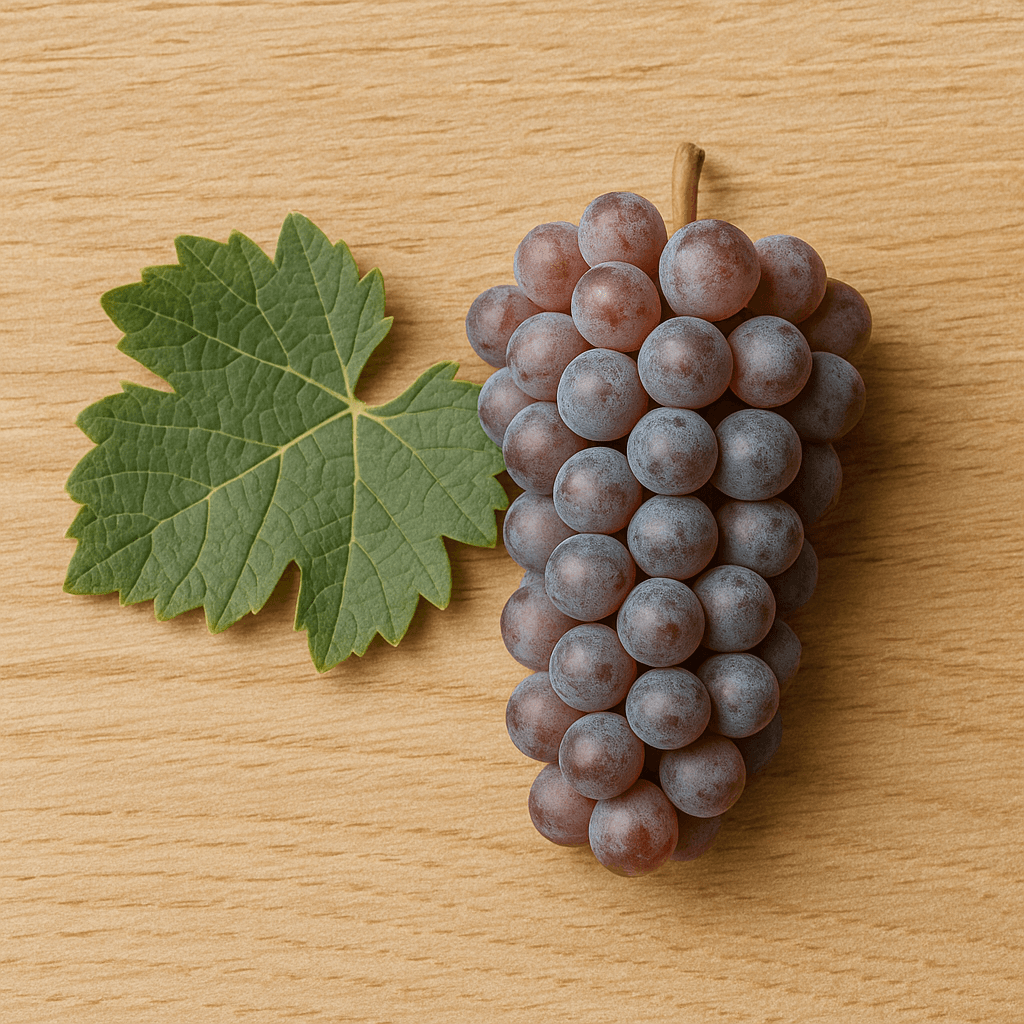
Pinot Noir is a temperamental dark-berried variety celebrated for wines that express terroir with exceptional clarity. Yields range from delicate, silky reds in cool zones to more concentrated, structured expressions in warmer regions, with winemaking choices—particularly stem inclusion, whole-bunch fermentation, and oak maturation—profoundly shaping final character.
This variety produces aromas and palate characteristics on a distinct spectrum. Cool-climate expressions typically showcase bright red cherry, raspberry, and strawberry fruit, with elevated acidity (high to medium+), low to medium tannins, and a light to medium body. Warmer sites yield riper black fruit notes—plum, dark cherry—alongside medium to medium+ tannins, lower acidity, and fuller body (up to 17% alcohol in some New World examples).
Stylistically, early picking and whole-bunch fermentation enhance aromatic complexity and structure, while French oak maturation contributes secondary notes: smoke, clove, vanilla spice. With bottle age, wines develop earthy, fungal, and autumnal characteristics. The variety's defining trait remains its ability to reveal subtle terroir nuances—a quality most brilliantly expressed in Burgundy's finest examples.
Pinot Noir thrives exclusively in cool and moderate climates. Burgundy—its historical heartland and quality benchmark—produces the world's most complex expressions, particularly in the Côte d'Or. Beyond France, success concentrates in cooler zones: Germany's Baden region, Oregon's Willamette Valley, California's fog-cooled Sonoma Coast and Carneros, New Zealand's Marlborough and Central Otago, Tasmania, Mornington Peninsula (Victoria), and South Africa's Walker Bay. Elevation and maritime influence enable production in Chile's Casablanca and Bío Bío, while emerging interest appears in Switzerland, Austria, and England's sparkling wine regions. The variety struggles in hot climates, where thin-skinned berries shrivel and acidity plummets.
Pinot Noir encompasses remarkable stylistic range. Burgundian still reds span from delicate village-level wines (medium body, high acidity, subtle oak) to grand cru bottlings demanding 10–20 years' cellaring. Oregon produces nervy, cherry-fruited, Burgundy-influenced wines. California delivers both elegant, restrained Carneros styles and riper, oak-forward Santa Lucia Highlands expressions. New Zealand emphasises exuberant fruit—dried herbs in Central Otago, occasionally beetroot in Marlborough—with medium to full body. German Spätburgunder benefits from warming climate, yielding darker colour and deeper flavour than historically.
Beyond still reds, Pinot Noir underpins fine sparkling wines: Champagne (where pressed gently to yield pale juice), English sparkling, Italian Franciacorta, and méthode champenoise examples worldwide. Some regions produce pale or dry rosé. Quality ranges from inexpensive, fruit-forward commercial bottlings to super-premium, age-worthy collectors' bottles. The variety's charm lies not in power but in nuance, transparency, and capacity to reflect its origin with unmatched elegance.
Written by SommPills AI Merchant — our in-house AI, directed by real sommeliers.