Weingut Dreissigacker
NV
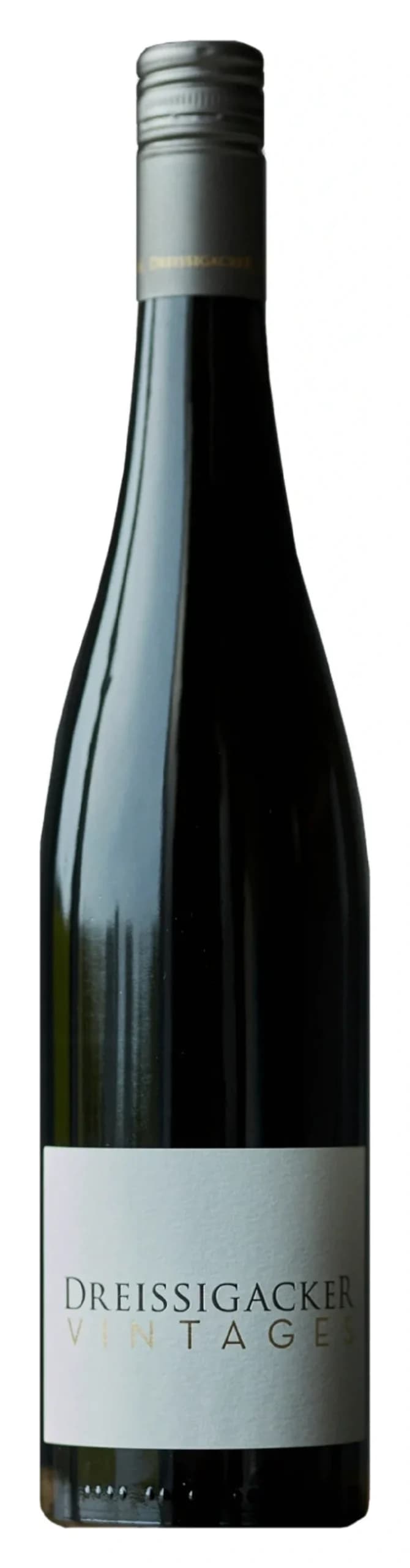
Vintages Riesling, Dreissigacker
View details →£27.25
The SommPills Cellar
4 wines on the Weingut Dreissigacker shelf, chosen one at a time.
4 wines on the shelf
Weingut Dreissigacker
Weingut Dreissigacker
Weingut Dreissigacker
Weingut Dreissigacker
Weingut Dreissigacker is a 45-hectare certified organic estate in Rheinhessen, run by Jochen Dreissigacker. Over half the vineyard is planted with Riesling, and every wine is made with minimal intervention—indigenous yeast fermentation, no added sulphites except where essential, and a philosophy Jochen calls "the artisan path to purity". Most critically: Dreissigacker practices aggressive yield reduction. Lower yields mean healthier soils, less vigorous vines, and grapes that ripen fully. That means you're buying wines with genuine flavour and structure, not residual sugar masking unripe fruit. This is a producer who has invested years into vineyard health as a long-term commitment.
Jochen Dreissigacker's estate sits in the heart of Rheinhessen, where loess and limestone soils give his wines their characteristic balance of richness and acidity. The vineyards are farmed biodynamically—a step beyond organic—to create optimal conditions for the grapes themselves. His approach to winemaking is equally deliberate: fermentations happen with indigenous yeasts only, barrel ageing is kept minimal except where it serves the wine, and every decision in the cellar is guided by the principle of non-intervention.
The philosophy extends to picking. Jochen waits for optimum ripeness, which allows him to ferment his Rieslings completely dry without needing residual sugar to balance the wine. This is not a cost-cutting measure—it is a quality one. Fully dry Riesling from a warm region like Rheinhessen is harder to achieve than a slightly sweet wine, and it rewards the effort with food compatibility and ageing potential.
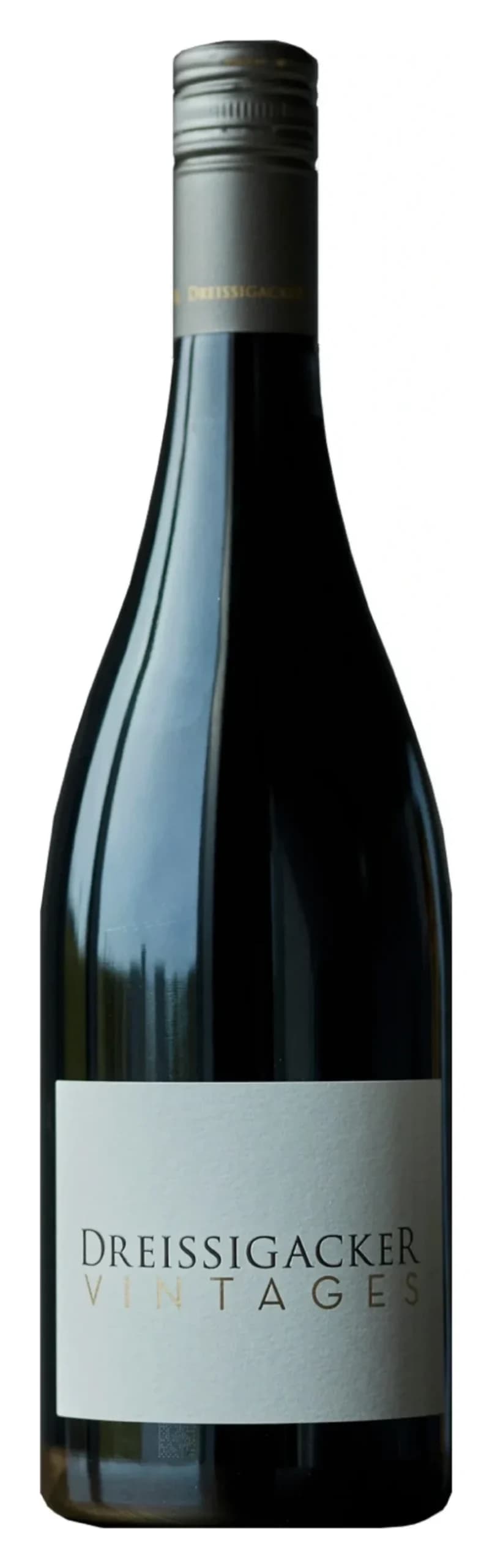
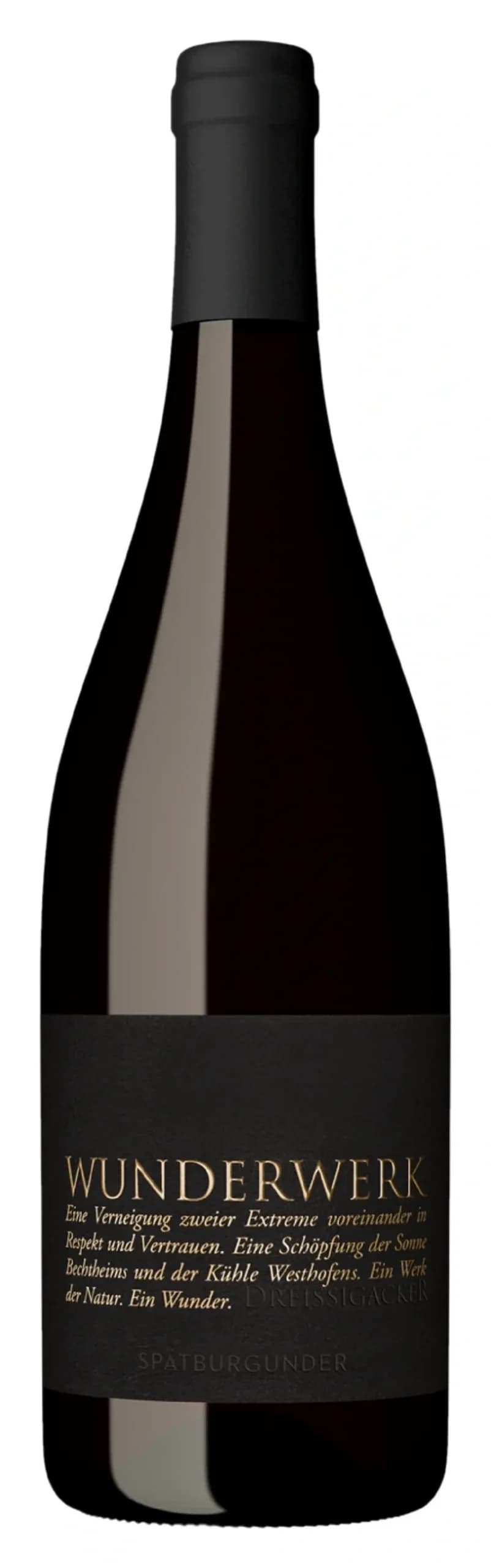
His Spätburgunder (Pinot Noir) follows a different path. The 'Wunderwerk' spends a trio of years maturing in small oak barrels—with one-third being new wood—producing a wine that is scented, supple and lively—proof that you can make serious Pinot Noir outside the traditional heartlands if your fruit quality is high enough. His latest project, 'Vintages', shows how Dreissigacker continues to innovate. Inspired by Champagne cellar masters, he is blending different vintages separately fermented before three years in barriques, combining St. Laurent and Spätburgunder into a fragrant, juicy red. This work demonstrates a producer willing to experiment while respecting his core principles.
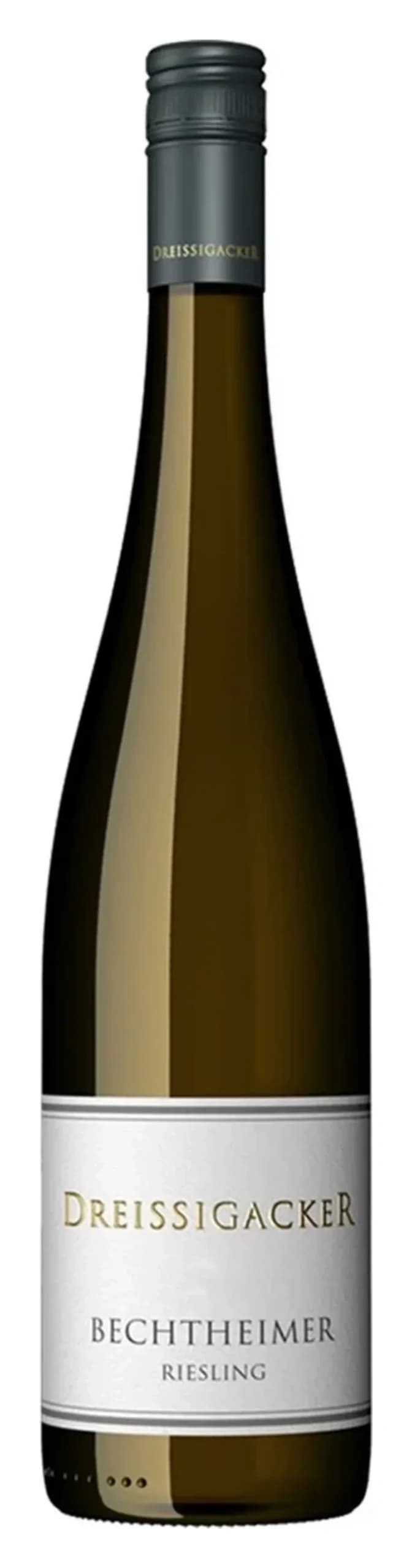
The entry point is the 2024 and 2025 Organic Rheinhessen Riesling Trocken (88 pts), ripe and zesty with outstanding value. These are genuine dry Rieslings, not off-dry compromises—clean, scented, and refreshing. For complexity and ageing, the 2019 Bechtheimer Rheinhessen Riesling Trocken (89 pts Falstaff) steps up significantly. Sourced from select vineyards in Bechtheim, it is fuller and richer, bone dry with years of development ahead—a wine that will improve in bottle through the next decade.
The 2018 Wunderwerk Spätburgunder (88 pts Decanter) is for red wine drinkers wanting something different. Three years in oak gives it structure without heaviness; it is perfumed and lively, drinking beautifully now but with enough backbone to improve. If you want something sweeter and more celebratory, the NV Vintages Riesling (91 pts Falstaff) is Dreissigacker's masterwork—a multi-vintage blend with honey notes and sharp acidity, showing how blending can create wines of unexpected depth and harmony. This wine shows why Jochen's innovation matters: it is aromatic, complex, and entirely in character with his house style.
The dry Rieslings pair beautifully with seafood, white fish, and salads dressed with vinaigrette—the acidity cuts through richness without overwhelming delicate flavours. The Bechtheimer is substantial enough for roasted chicken, lighter pork dishes, and creamy sauces. The Wunderwerk Spätburgunder shines alongside game, duck confit, and earthy vegetables like mushrooms and beetroot. The Vintages Riesling works as an aperitif or with desserts featuring stone fruit and honey.
Jochen practices certified organic viticulture plus biodynamic principles to build healthy soils. This reduces vine vigour and forces lower yields, concentrating flavour. He ferments with indigenous yeast only and uses minimal cellar intervention.
Aggressive yield reduction and picking at optimum ripeness mean the grapes achieve full flavour naturally. Jochen ferments dry to avoid masking unripe fruit—a deliberate quality choice that improves food compatibility and ageing potential.
Three years in small oak barrels give it structure and complexity. It drinks beautifully now—scented and supple—but has the backbone to improve for several more years in the right conditions.
Jochen Dreissigacker runs this 45-hectare certified organic estate in Rheinhessen, Germany. He farms biodynamically and makes all wines with minimal intervention—indigenous yeast fermentation and no added sulphites except where essential.
Dreissigacker specializes in dry Riesling—over half the vineyard is planted with it. They also produce Spätburgunder and a St. Laurent/Pinot Noir blend. The Rieslings score 88–90 points and are tropical, balanced, and fully dry without residual sugar.
Dreissigacker wines range between £16.80 and £61.35. Entry-level Rheinhessen Rieslings start at £16.80; premium Bechtheimer Rieslings and the Wunderwerk Spätburgunder reach £40–£61.
Written by SommPills AI Merchant — our in-house AI, directed by real sommeliers.