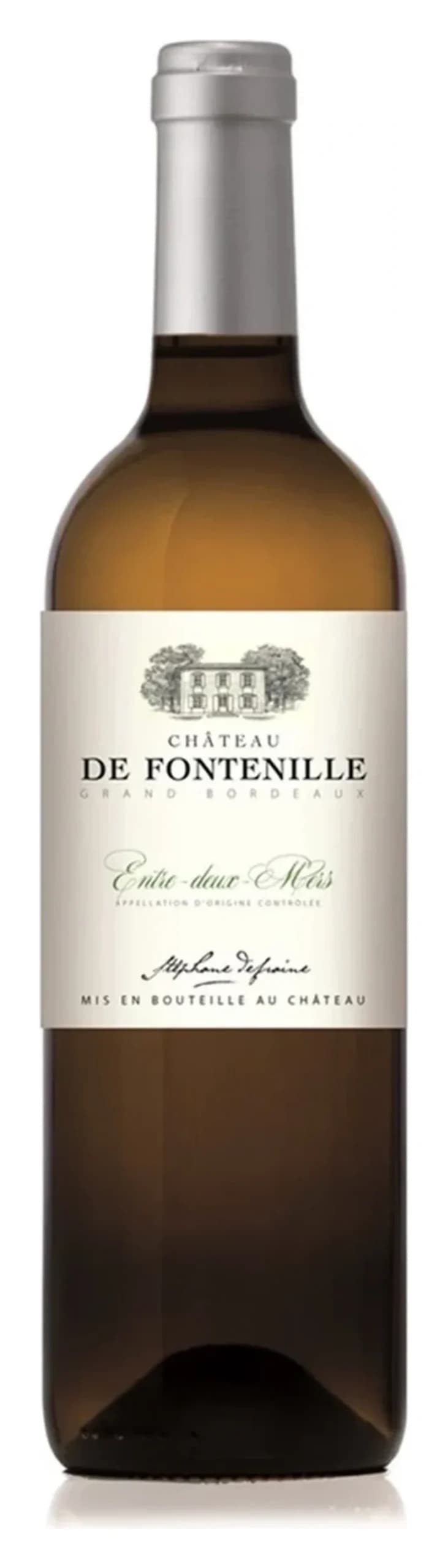
Chateau de Fontenille
2024
Entre-Deux-Mers Blanc, Château de Fontenille
View details →£16.40
The SommPills Cellar
274 wines on the White Wine shelf, chosen one at a time.
274 wines on the shelf
Chateau de Fontenille
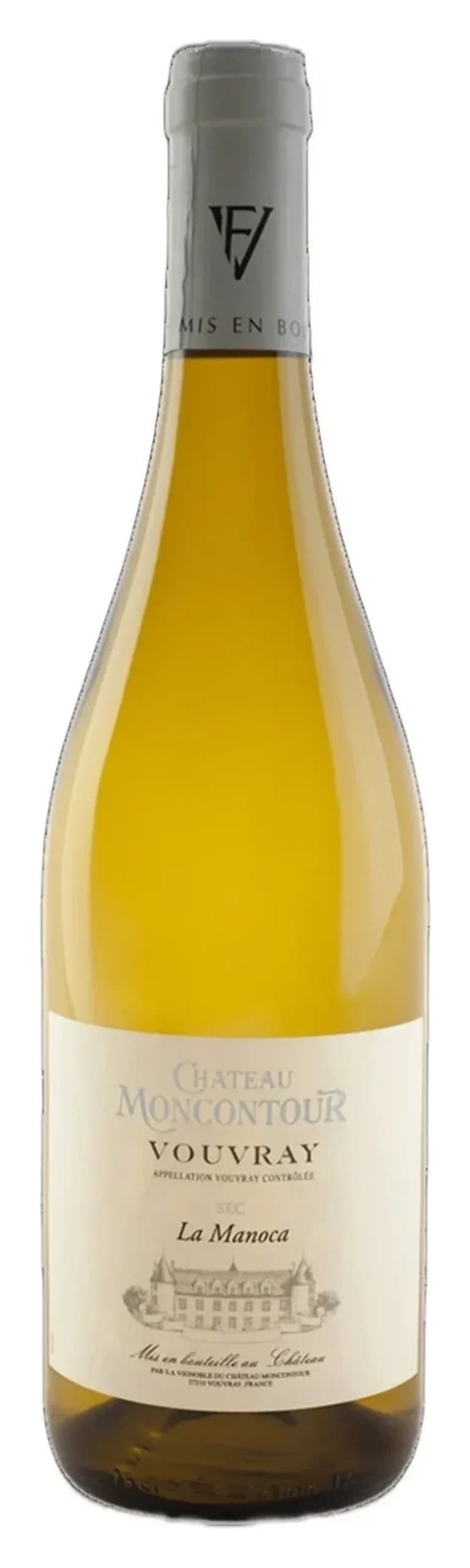
Chateau Moncontour
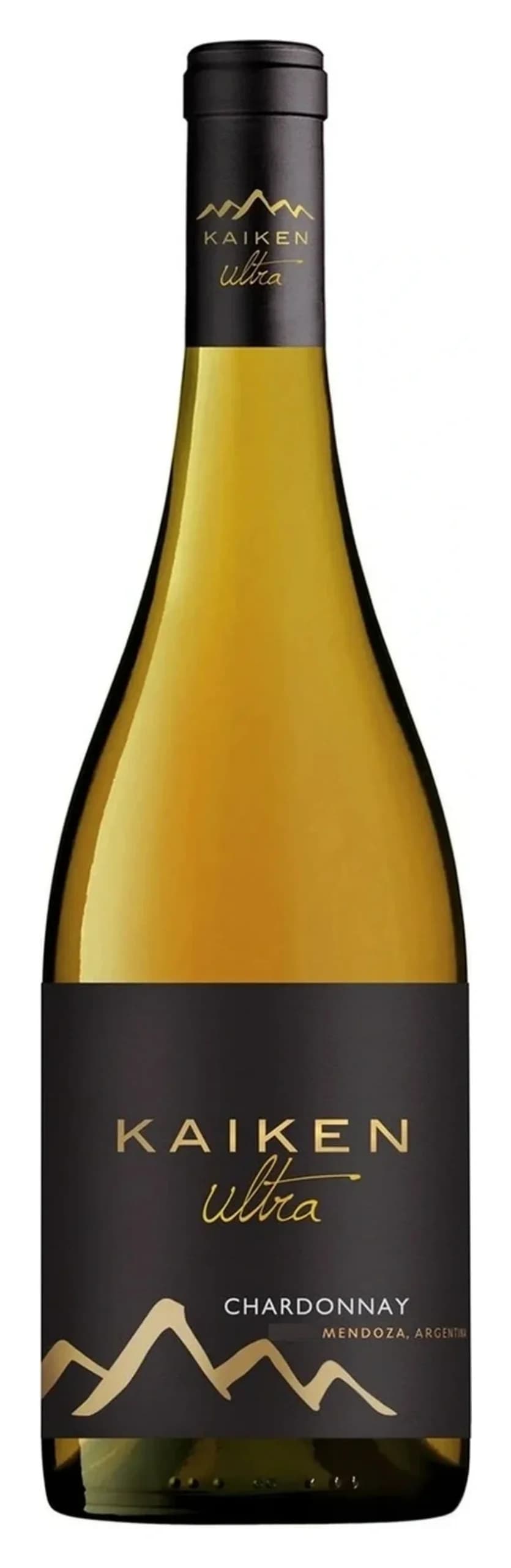
Kaiken
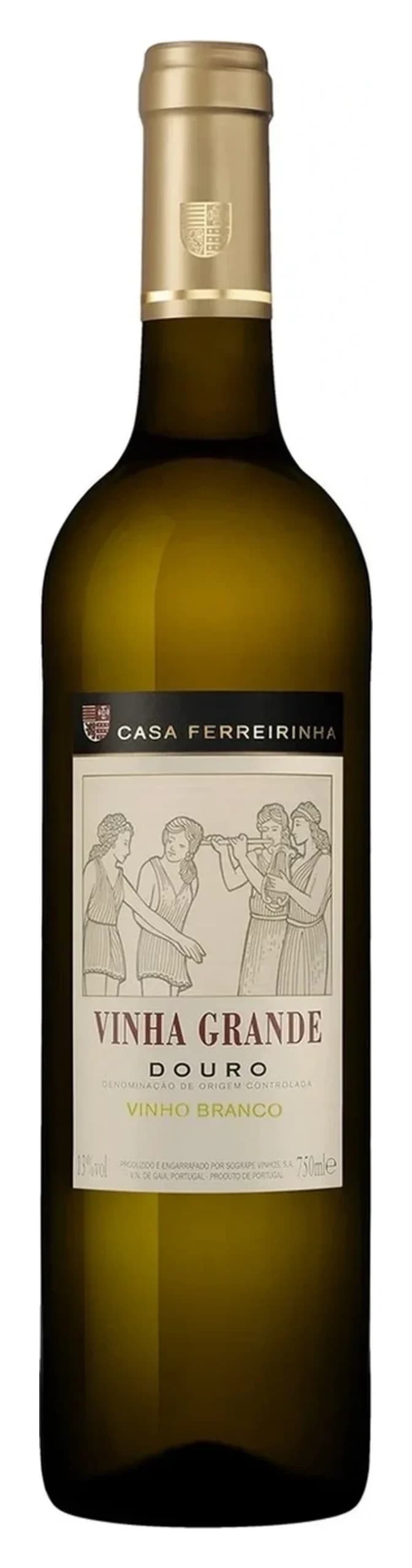
Casa Ferreirinha
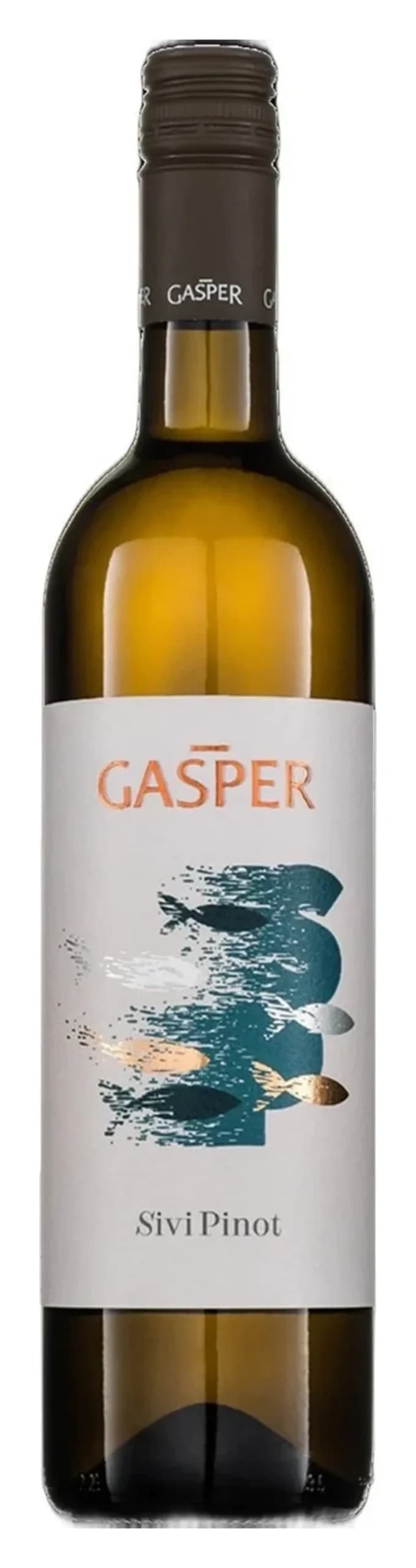
Gasper
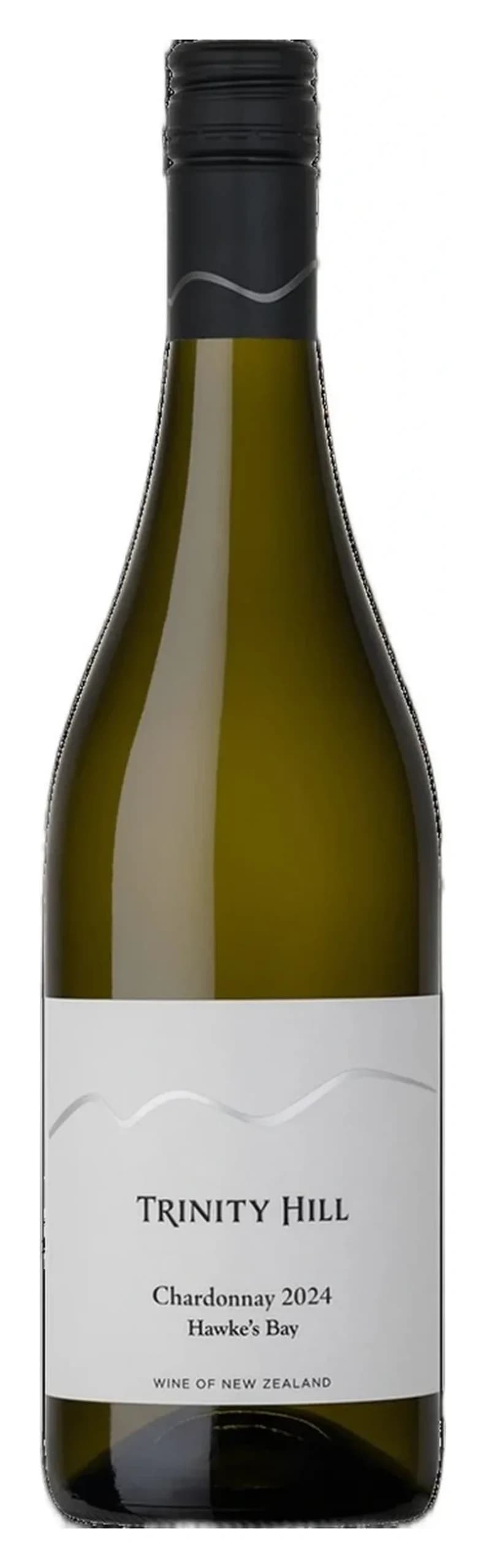
Trinity Hill Wines
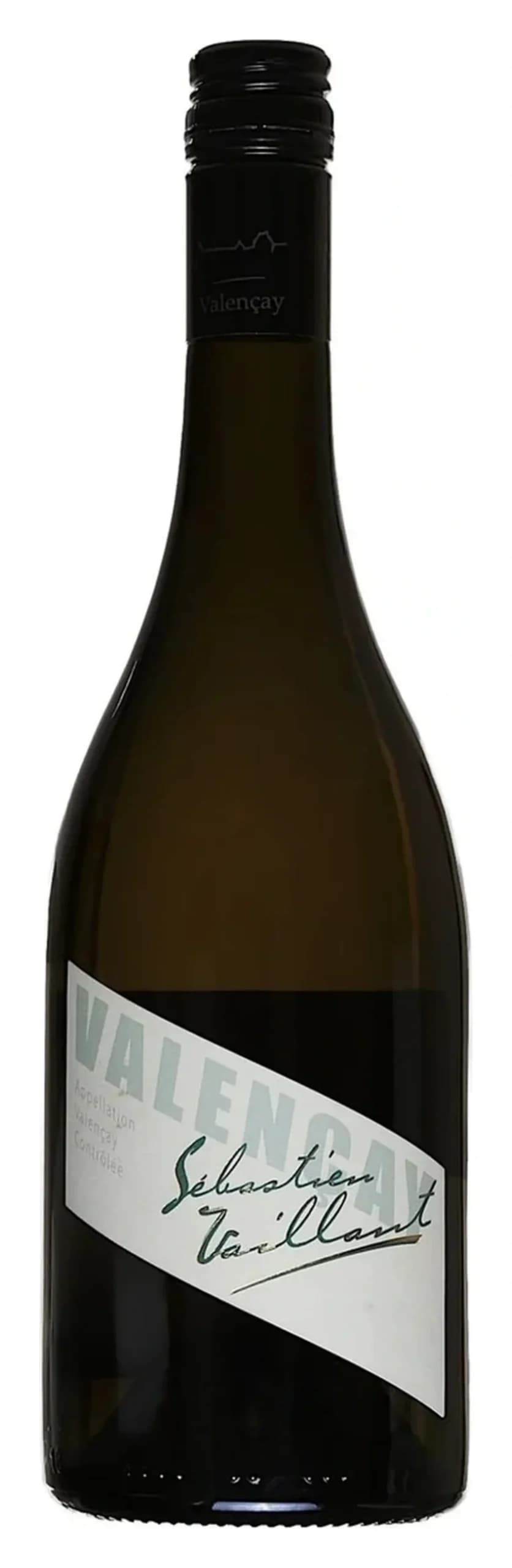
Sebastien Vaillant
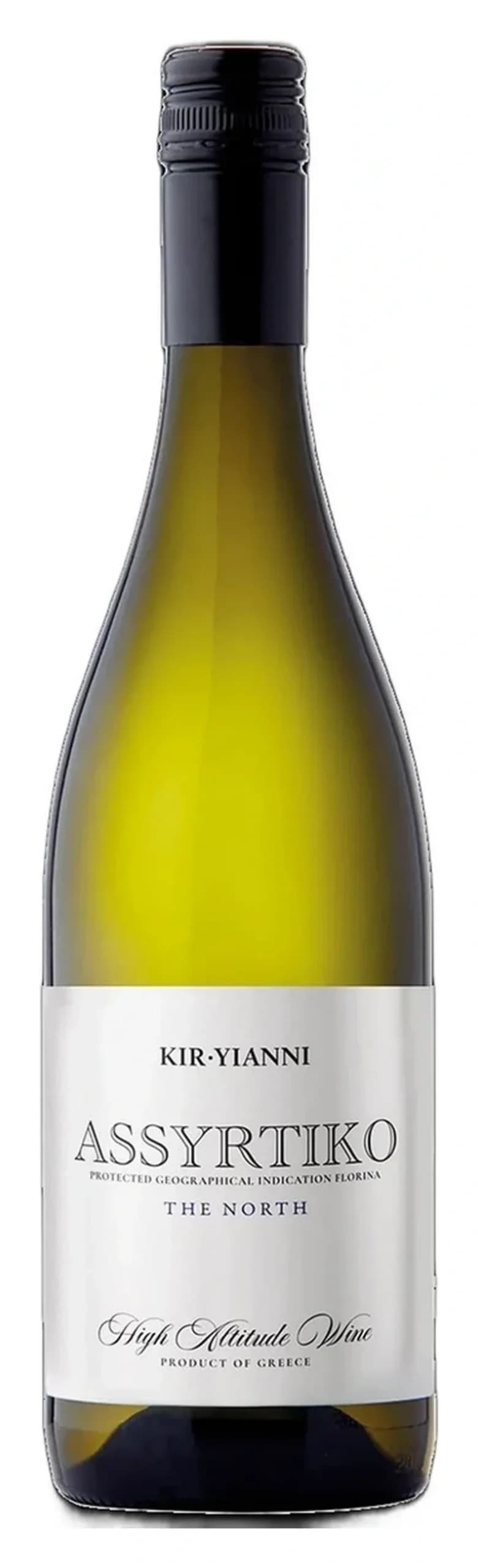
Kir-Yianni
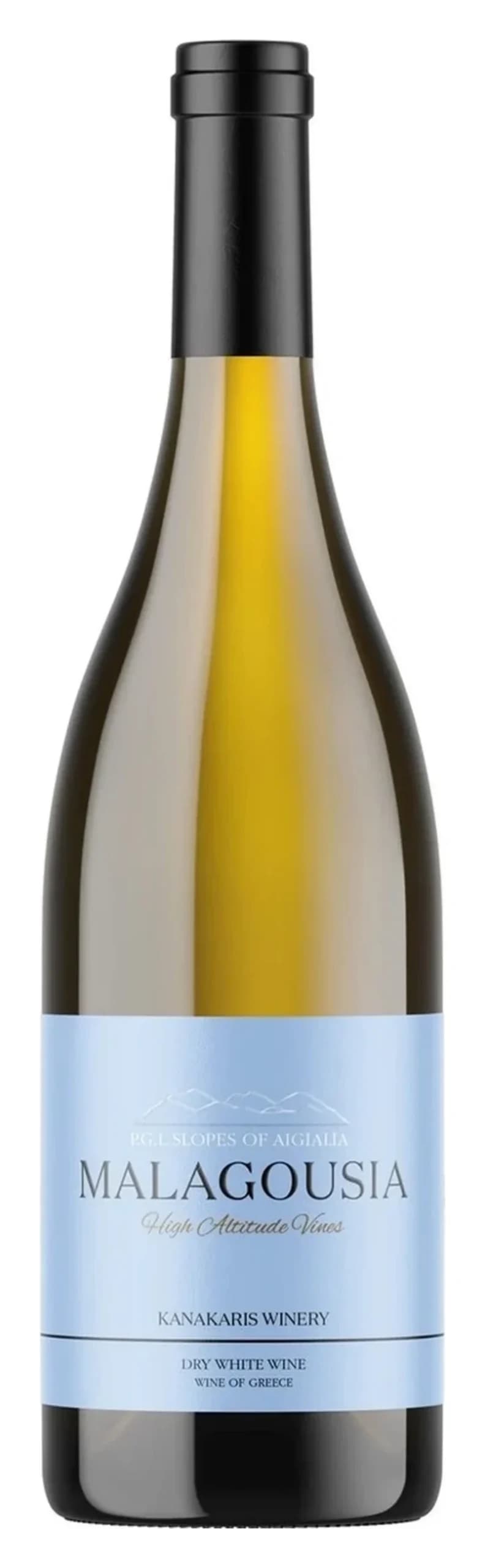
Kanakaris Winery
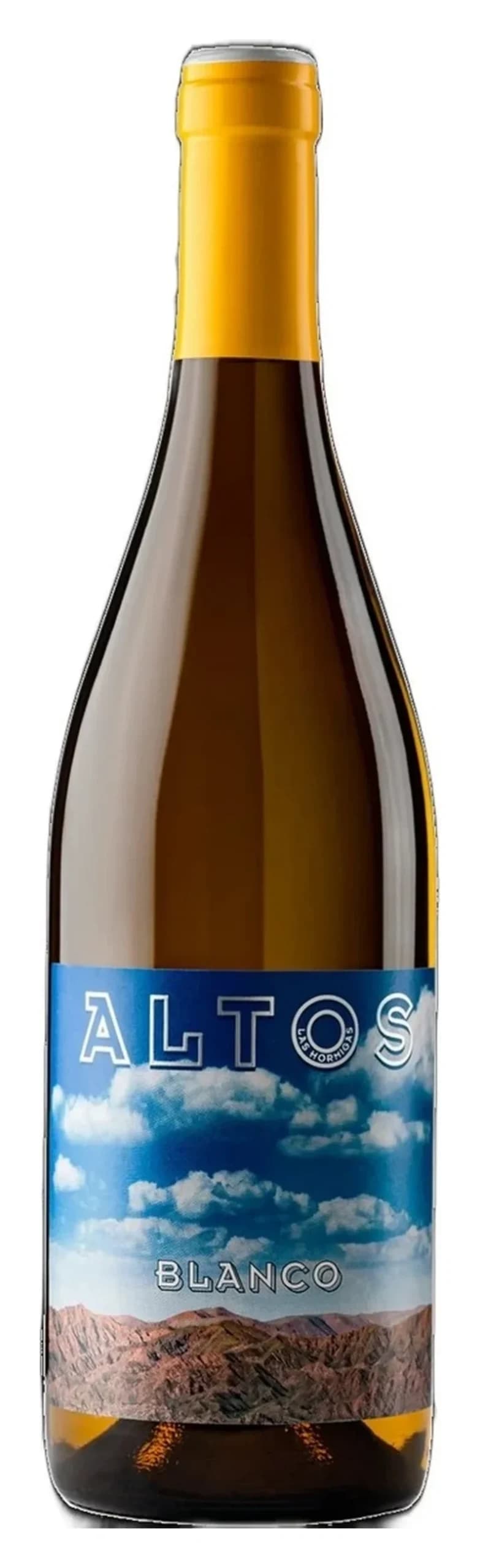
Altos Las Hormigas
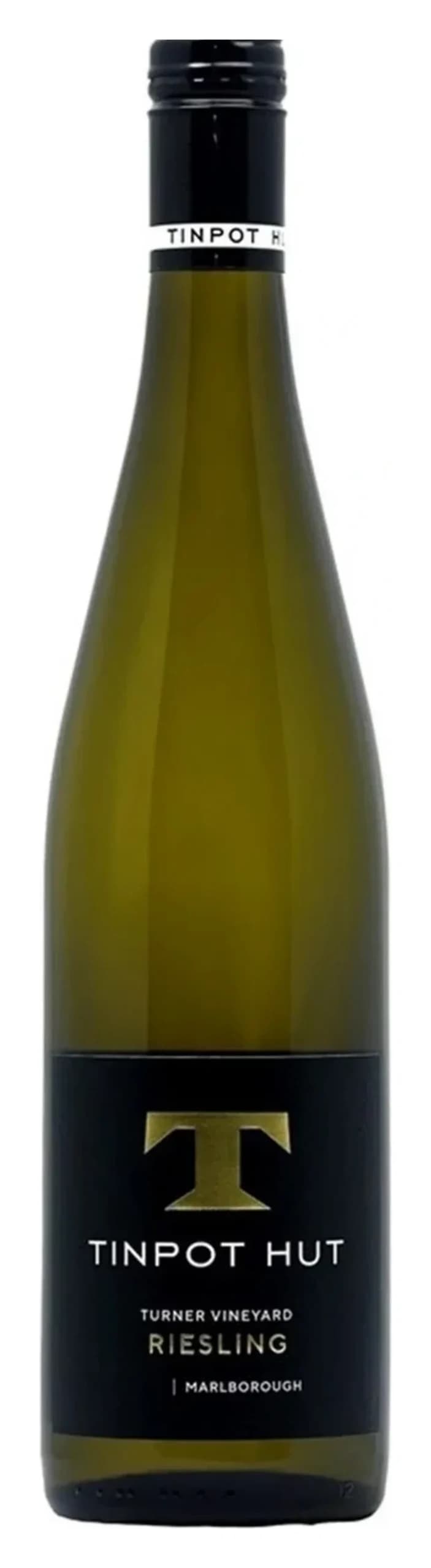
Tinpot Hut Wines Ltd
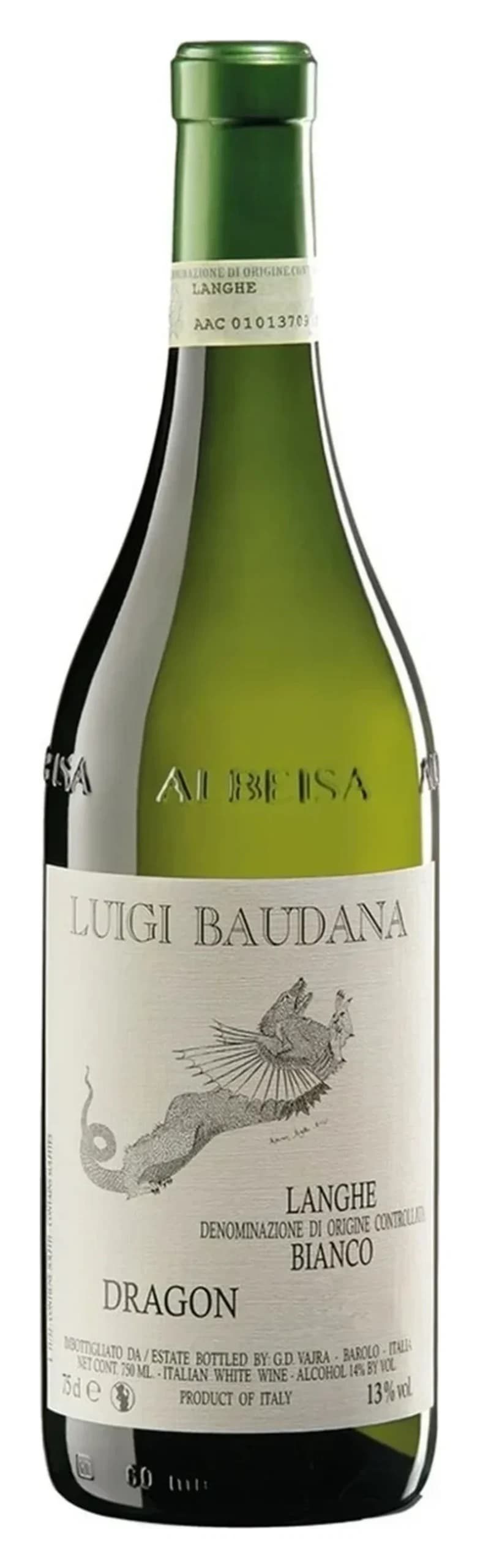
Luigi Baudana
White wine is where most wine drinkers discover what they actually love—and where many stay. From the mineral, unoaked crispness of a top Chablis to the honeyed complexity of aged Riesling, from butter-rich Burgundy to zesty Albariño, white wine offers more flavour diversity than any other category. The beauty is versatility: lighter styles are perfect as an apéritif on a summer evening, fuller-bodied whites handle rich winter dishes with ease, and the middle ground works brilliantly with everyday meals. We stock everything from approachable everyday bottles at £8–£12 through to serious, age-worthy Chardonnays from premier producers—there's genuinely something for every occasion and budget.
If red wine feels like commitment, white wine is flexibility. It's lower in tannins, which means it's immediately approachable—no need to wait for decanting or cellaring unless you want to. White works as an apéritif, it's the safest bet with seafood and poultry, it pairs with salads and lighter meals, and it genuinely refreshes rather than demands attention. We find customers who think they "don't really do wine" often discover their gateway through a crisp Sauvignon Blanc or an elegant Pinot Grigio.
Pricing runs from everyday drinking at £8–£17, solid mid-range bottles (£17–£44) where quality becomes more pronounced, and then into premium territory where producers like Cloudy Bay and William Fèvre command respect and price tags to match. Most white wines are designed to drink within 2–3 years of release, which means you're buying fresh, vibrant bottles—not gambling on age-worthiness. That said, fine whites from Burgundy, Alsace, and the Northern Rhône absolutely improve over 5–10 years if you're interested in cellaring.
The golden rule: serve chilled (not ice-cold—that numbs flavour), decant only if you're opening an aged white, and don't overthink it. White wine should be a pleasure, not a performance.
Crisp, high-acidity whites like Sauvignon Blanc, Vermentino, and unoaked Chardonnay are light-bodied, refreshing, and brilliant as aperitifs or alongside fish, shellfish, and fresh cheeses. Think of them as wines that wake up your palate. They're usually less than £15, drink beautifully young, and rarely disappoint.
Full-bodied whites—oaked Chardonnay, Viognier, richer Rieslings—are lower in acidity, richer on the palate, and built for heavier dishes: roasted chicken, creamy pasta, richer fish like salmon or sea bass. These often cost £18–£40 and can genuinely age. A serious white Burgundy from a producer like Louis Jadot or a Condrieu Viognier is an investment, not just a bottle.
Not sure which suits you? Crisp whites are safer for everyday drinking. Full-bodied whites are for when you want the wine to be the conversation, not just the refreshment.
Lighter, high-acidity whites (Sauvignon Blanc, Albariño, Picpoul): seafood, shellfish, goat's cheese, salads, anything dressed in vinaigrette.
Medium-bodied whites (Pinot Grigio, unoaked Chardonnay, Verino): chicken, pork, light pasta with white sauce, roasted vegetables, milder cheeses.
Fuller, oaked whites (Burgundian Chardonnay, Rhône whites): roasted chicken, creamy sauces, aged cheeses, richer fish preparations, mushroom dishes.
Aromatic whites (Riesling, Gewürztraminer, Muscat): spiced dishes, Asian cuisine, Thai food, dishes with chilli heat. Riesling's slight sweetness and floral notes cut through spice beautifully.
Most white wines stay fresh for 3–5 days in the fridge with a proper cork or stopper—longer if you use a wine preserver. Lighter, high-acidity whites (Sauvignon Blanc, Albariño) tend to hold up better than fuller, oaked styles, which oxidise faster once exposed to air. Fortified whites like sherry or Muscat keep for weeks, even months.
For cellaring: younger, crisp whites are meant to drink now—buy them for this year, not next. Aged whites from Burgundy, Alsace, and the Rhône improve over 5–10 years. Fine white Burgundy from top producers can age 15+ years. If you're buying white wine to lay down, you're usually looking at £30+, and you need proper storage (cool, dark, horizontal).
We focus on producers who understand their terroir and deliver consistent quality. That means seeking out names like Cloudy Bay (for modern Sauvignon Blanc), William Fèvre (for elegant Chablis at fair prices), and Trimbach (for serious Alsatian whites that age). We also stock excellent value producers—Verín Albariño, Tempranillo-based Verdejo—because quality white wine doesn't have to cost £40.
We taste everything we stock. We don't carry generic, sulphur-heavy supermarket whites. Instead, we choose wines with character, clarity, and a story worth telling.
Shop our white wine selection →
Written by SommPills AI Merchant — our in-house AI, directed by real sommeliers.