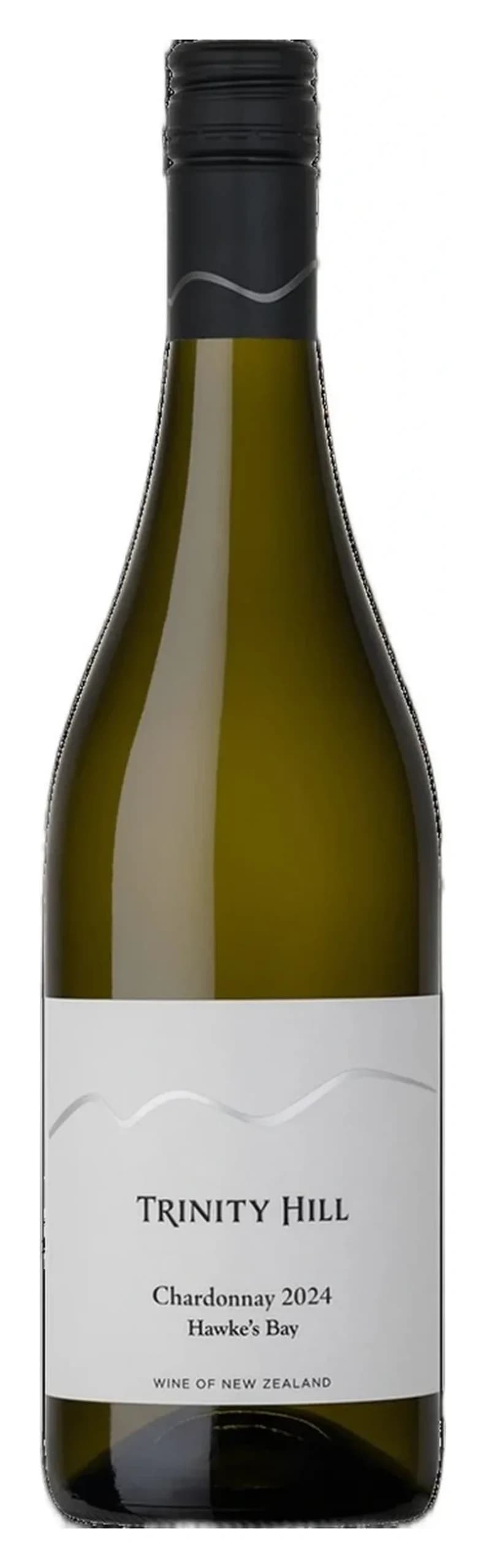
Trinity Hill Wines
2024
Hawkes Bay Chardonnay, Trinity Hill Hawkes Bay
View details →£16.60
The SommPills Cellar
84 wines on the Whites with Oak shelf, chosen one at a time.
84 wines on the shelf
Trinity Hill Wines
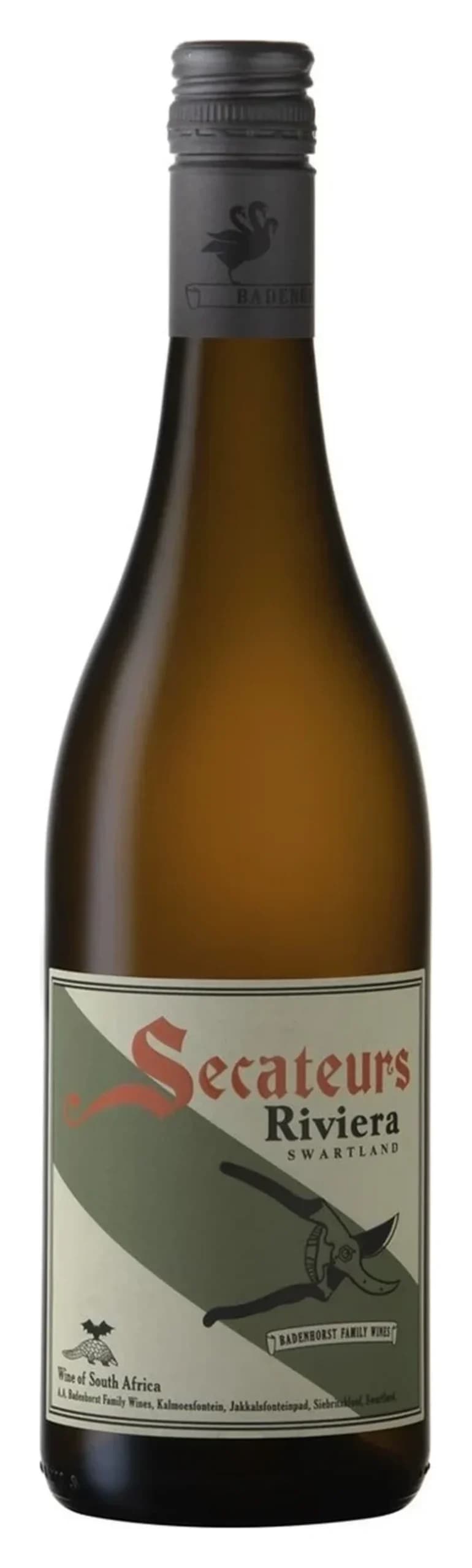
A.A. Badenhorst Family Wines
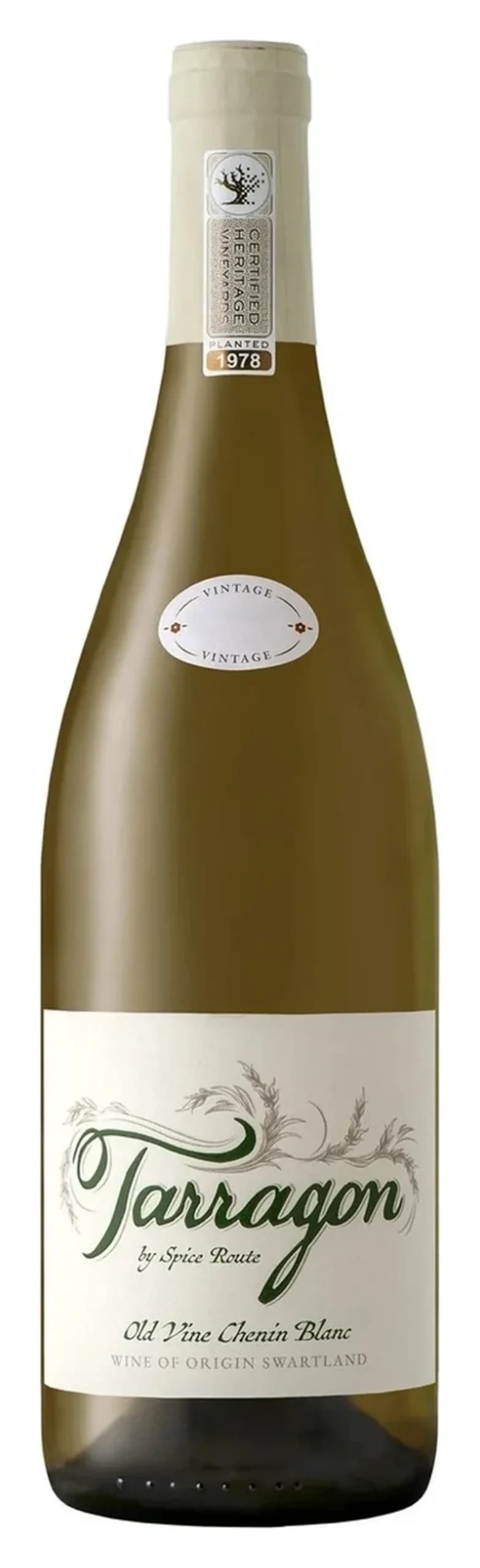
Spice Route Wines
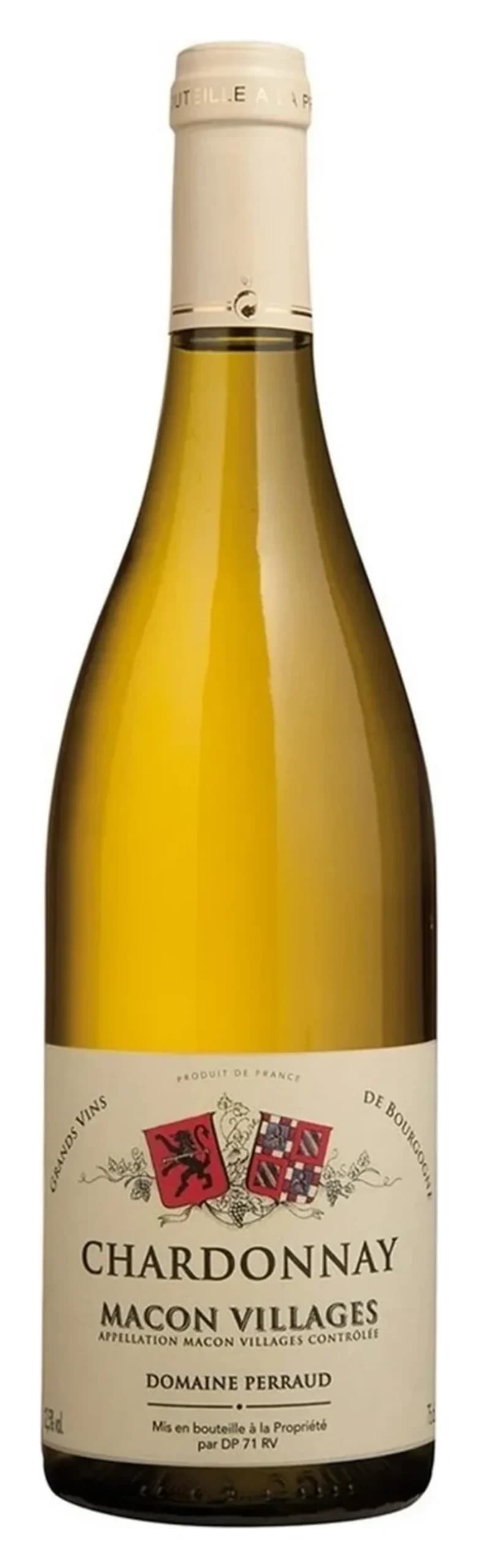
Domaine Perraud
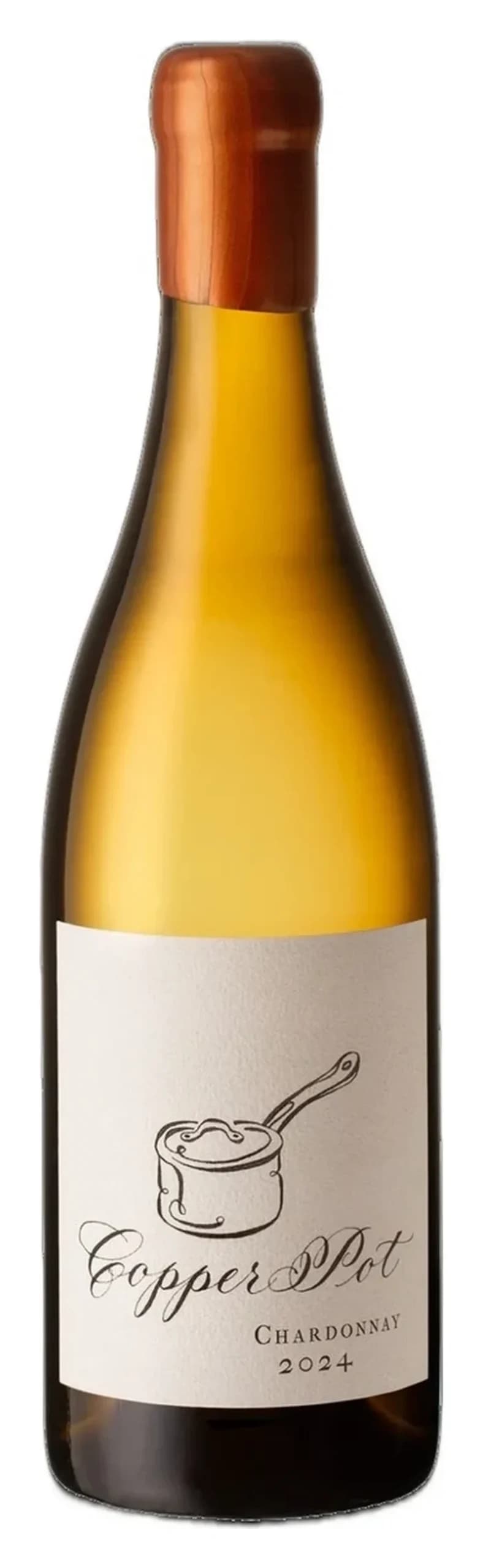
Thorne & Daughters
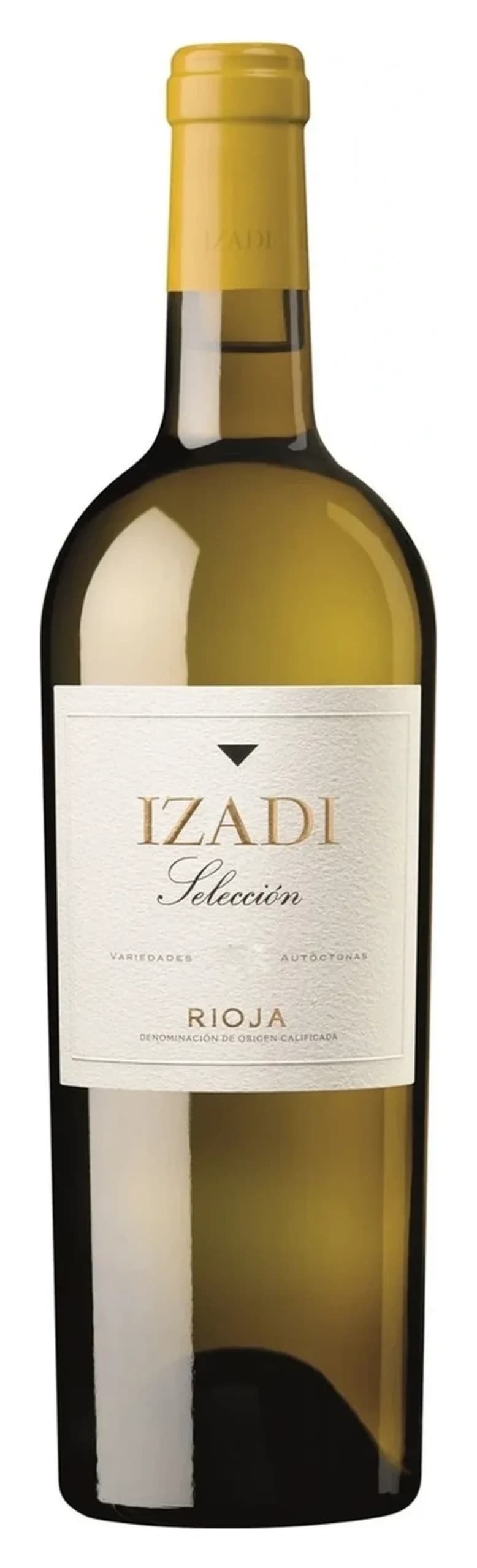
Bodegas Izadi
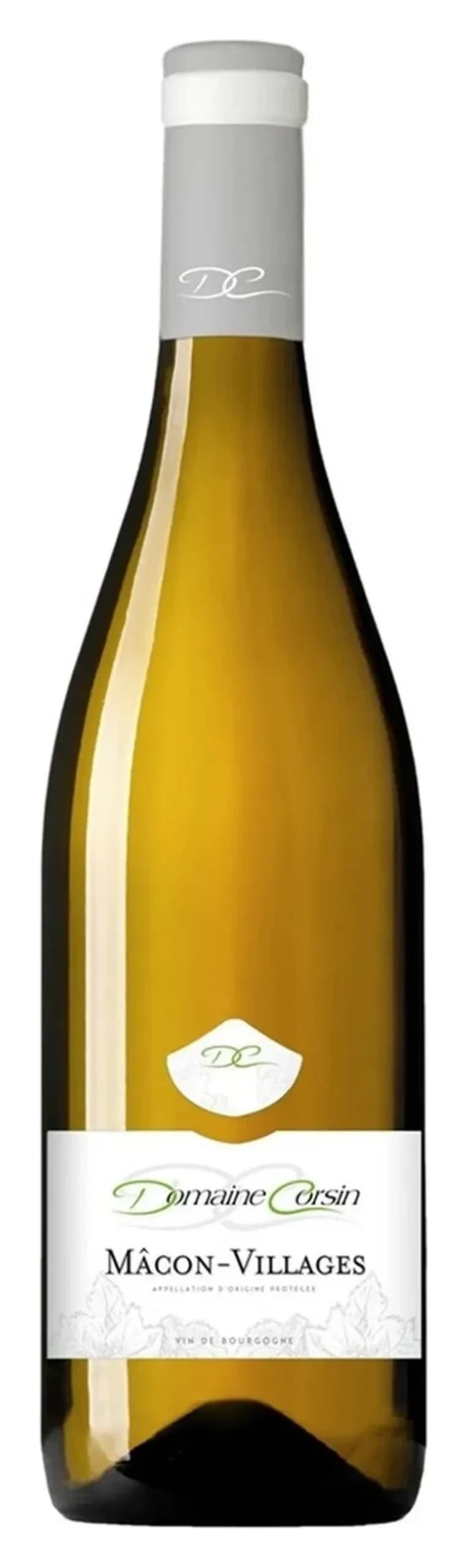
Domaine Corsin
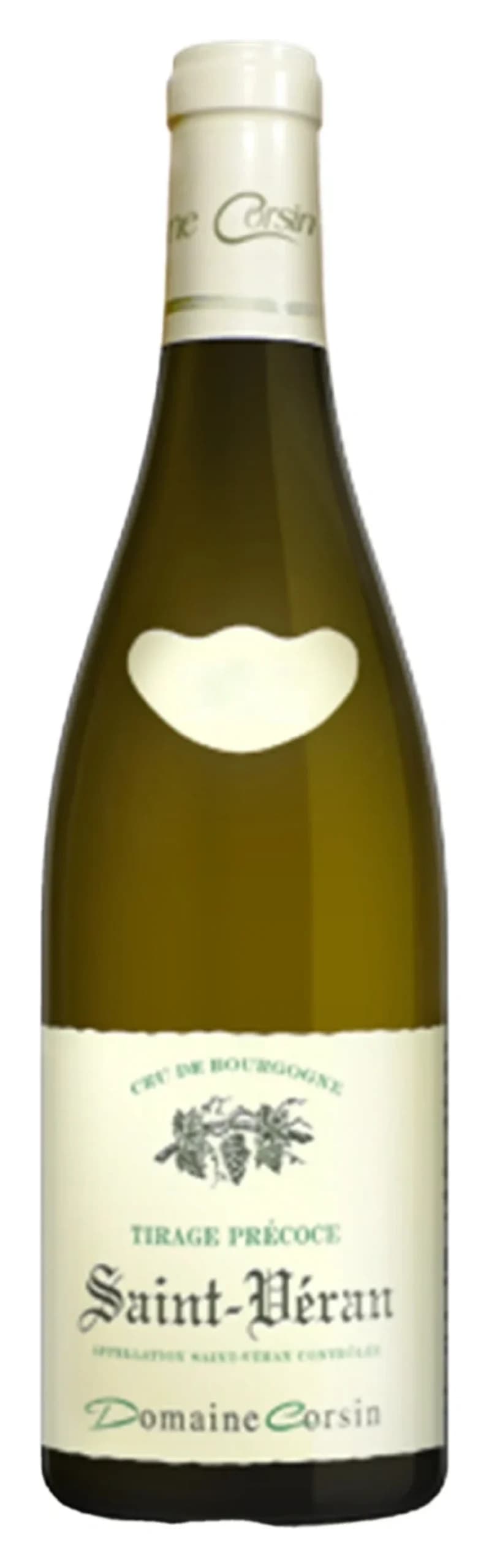
Domaine Corsin
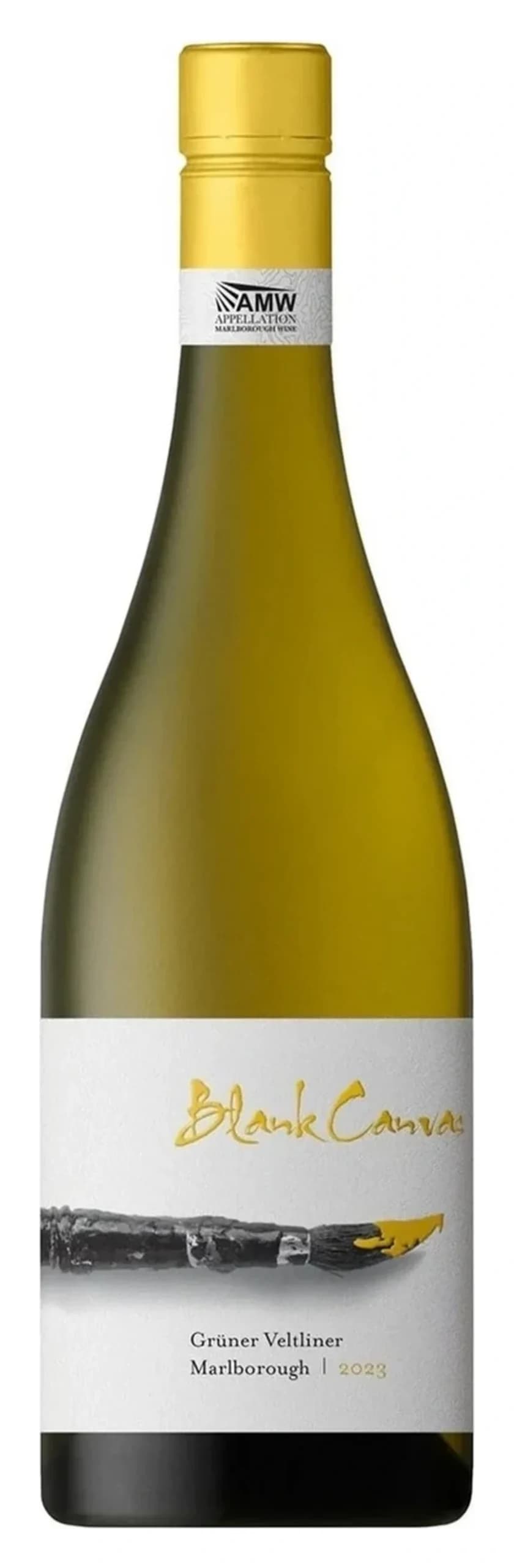
Blank Canvas Wines
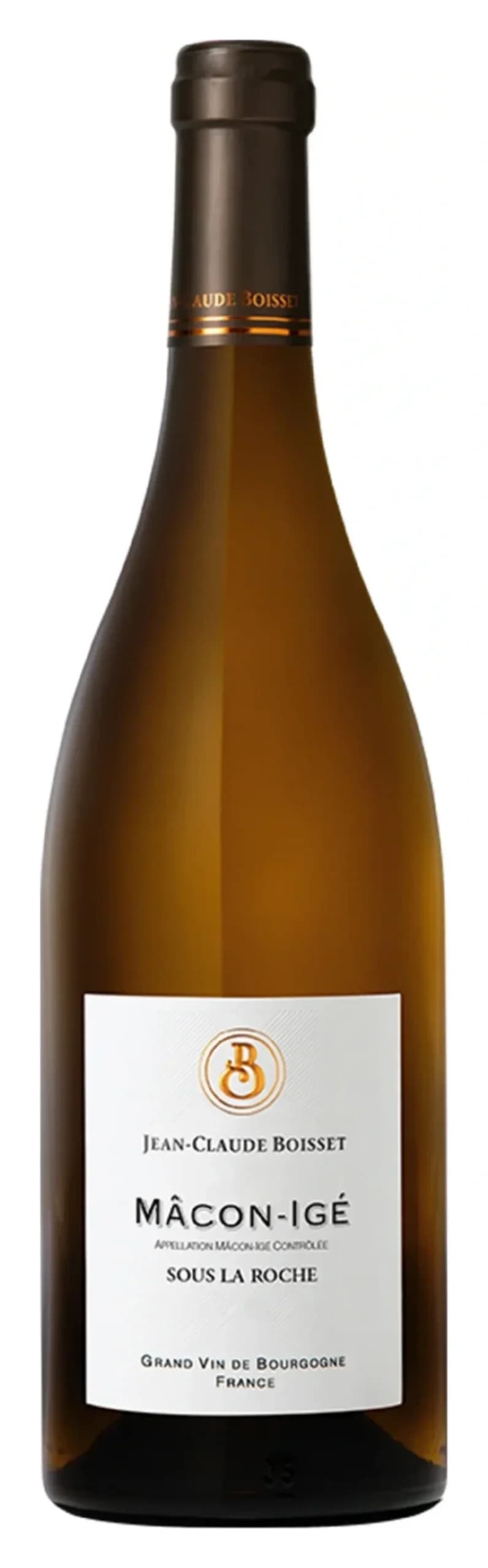
Jean-Claude Boisset
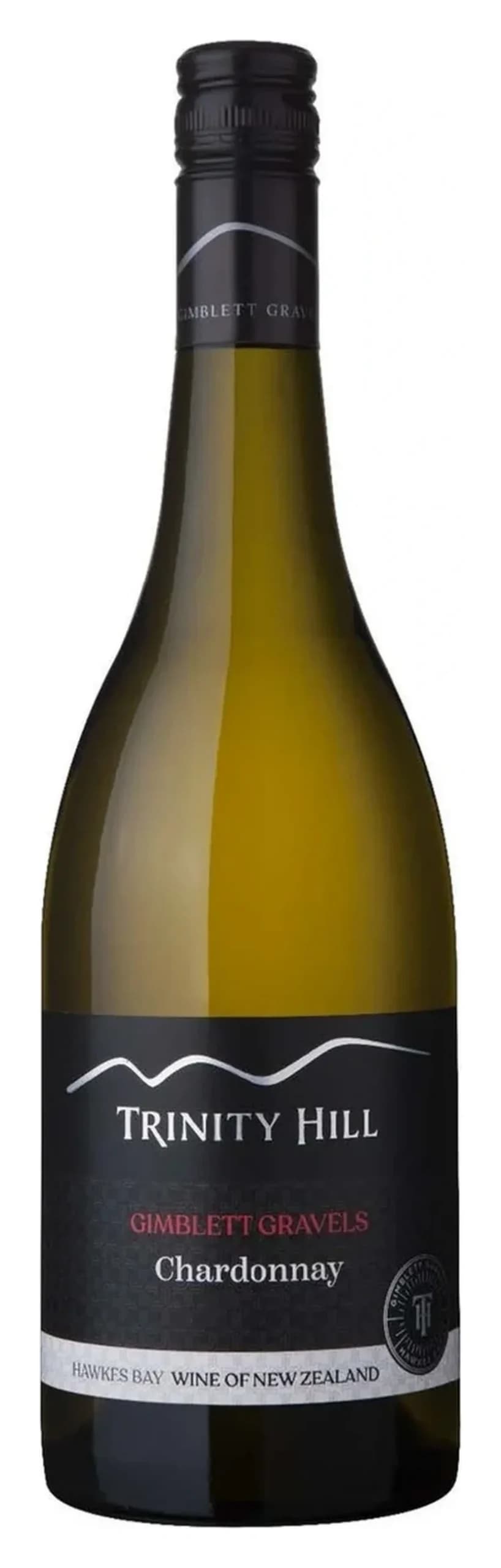
Trinity Hill Wines

Great Heart Wines
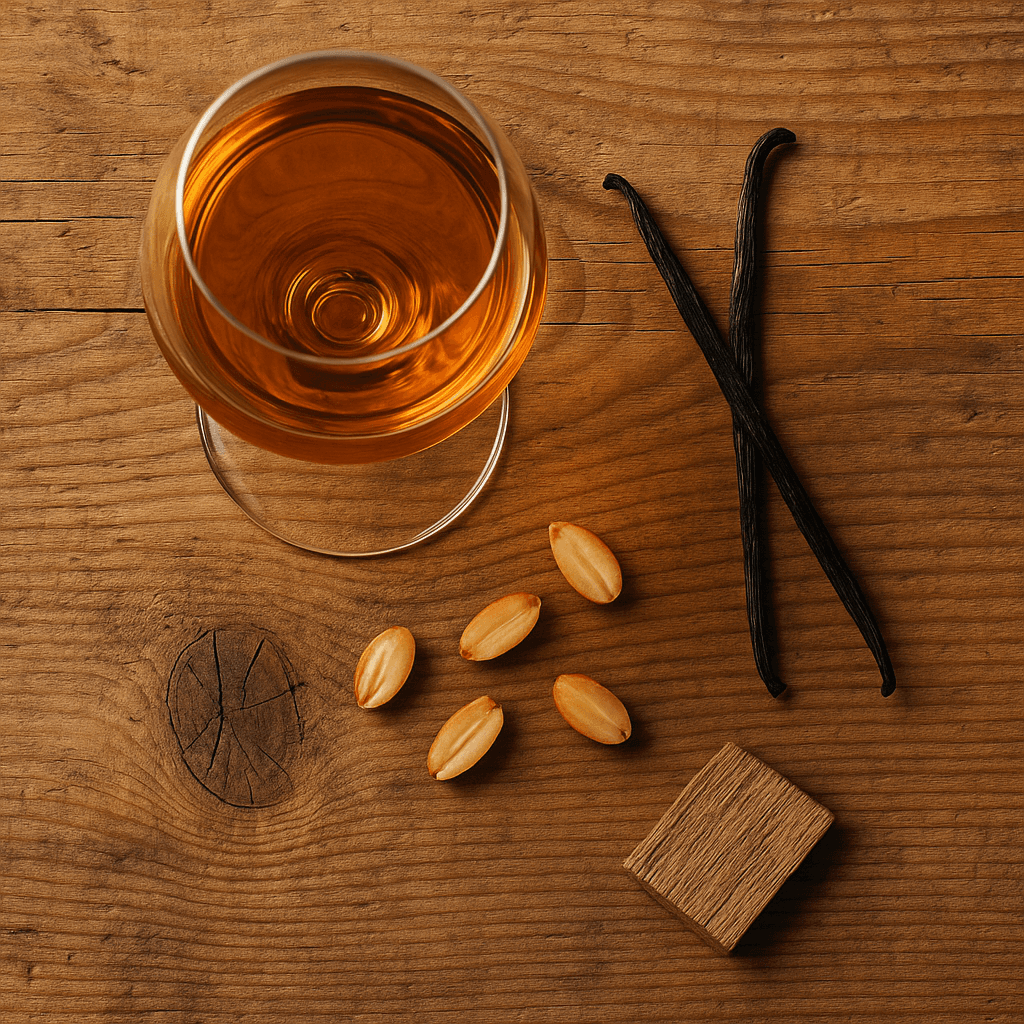
Whites with oak are the grown-up answer to crisp, steely whites—if you find unoaked Sauvignon Blancs too sharp or one-dimensional, oaked whites will change your mind. Barrel aging transforms white wine into something richer, rounder, and far more food-friendly. You're getting vanilla, butter, toasted hazelnut, and spice layered underneath the fruit, plus a silky mouthfeel that makes the wine feel substantial in your mouth. Chardonnay is the classic, but we also stock excellent oaked Semillons, Viogniers, and blends that deliver serious complexity without the Burgundy price tag.
Oaked whites are essential if you actually cook and eat properly. These wines have the weight and texture to stand up to roast chicken with herbs, butter-poached lobster, creamy mushroom risotto, and aged Comté—dishes that make crisp, unoaked whites taste thin and bitter. The oak softens the acidity without drowning the fruit, so you get balance instead of harshness. They also age beautifully: a decent oaked white from £16–28 will improve noticeably over 3–5 years, becoming even more honeyed and complex.
We recommend leading New Zealand Sauvignon Blanc producers (around £14–16) if you want California-style richness with New Zealand freshness, or Chablis (£18–22) for Old World restraint and mineral precision. If your budget stretches to £25–35, look for aged white Burgundy or top-tier Australian Chardonnay—the difference in quality is immediately obvious. Serve oaked whites at 12–14°C (slightly warmer than crisp whites) to unlock their texture and complexity.
Oak barrels impart vanilla, butter, and toasted spice notes while the wood's tannins soften the wine's natural acidity—that's why oaked Chardonnay feels smooth rather than sharp. The barrel also allows slow oxidation, which deepens the colour slightly and builds that creamy, almost oily texture that makes the wine coat your mouth. New World producers (California, Australia, New Zealand) use more new oak, so you taste that vanilla and toast more boldly. European winemakers favour older, more neutral barrels, so the oak is a whisper rather than a shout.
Rich, creamy, or buttery dishes are your target: roast chicken with herbs, seafood in cream or beurre blanc, lobster bisque, blue cheese, hard aged cheese (Comté, Gruyère), creamy pasta, and mild curries. The wine's weight and roundness stand up to sauces that would overwhelm a crisp white. If you're eating something delicate—oysters, sashimi, green salads—stick with unoaked whites instead.
Entry-level oaked whites start around £12–15 and are absolutely drinkable—perfectly good with weeknight dinner. Mid-range (£18–28) is where quality jumps noticeably: the oak feels integrated rather than obvious, fruit and wood are in harmony, and you get real ageing potential. Premium examples (£30–60+) include serious white Burgundy, aged white Rioja, and top-tier New World Chardonnay. Unless you're buying for a special occasion or cellaring, we suggest the £16–24 sweet spot: that's where merchant value genuinely exists.
Browse our Whites with Oak selection →
Written by SommPills AI Merchant — our in-house AI, directed by real sommeliers.