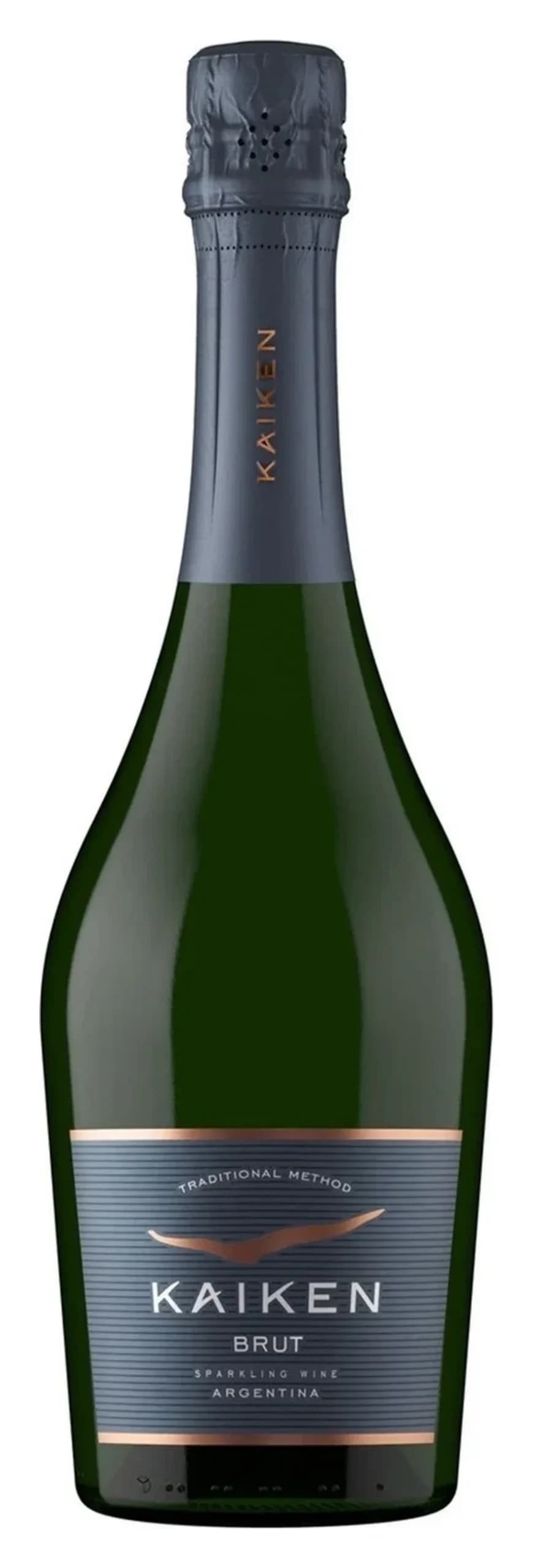
Kaiken
NV
Método Tradicional Brut, Kaiken
View details →£16.40
The SommPills Cellar
22 wines on the Argentina shelf, chosen one at a time.
22 wines on the shelf
Kaiken
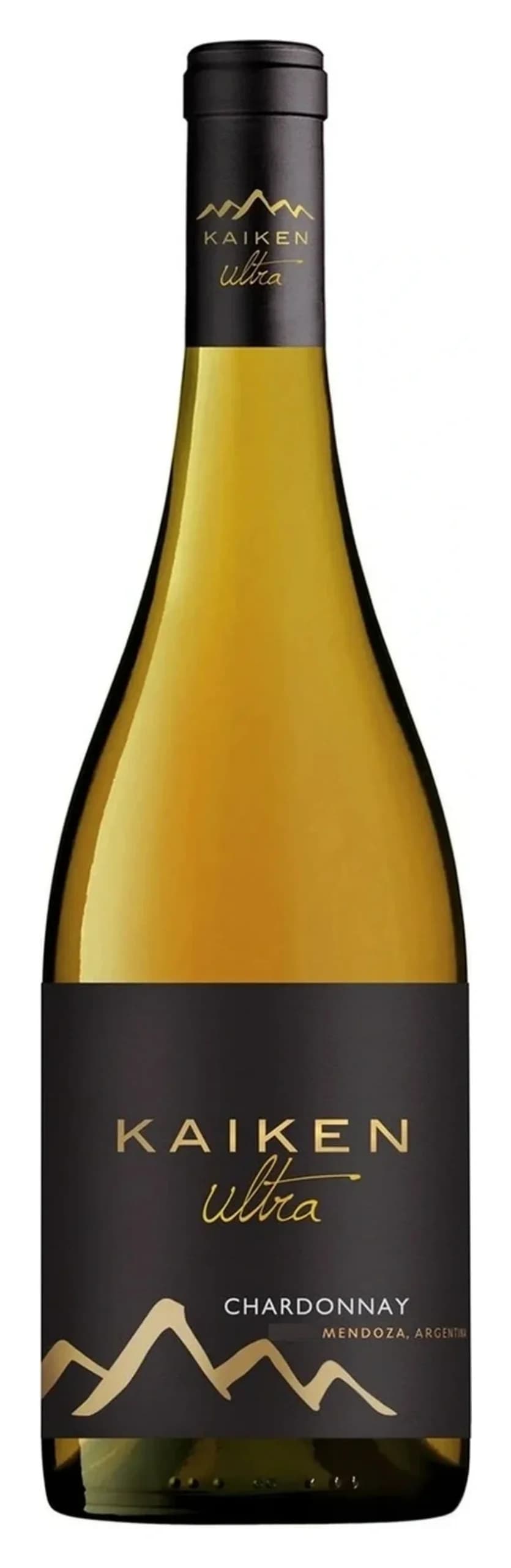
Kaiken
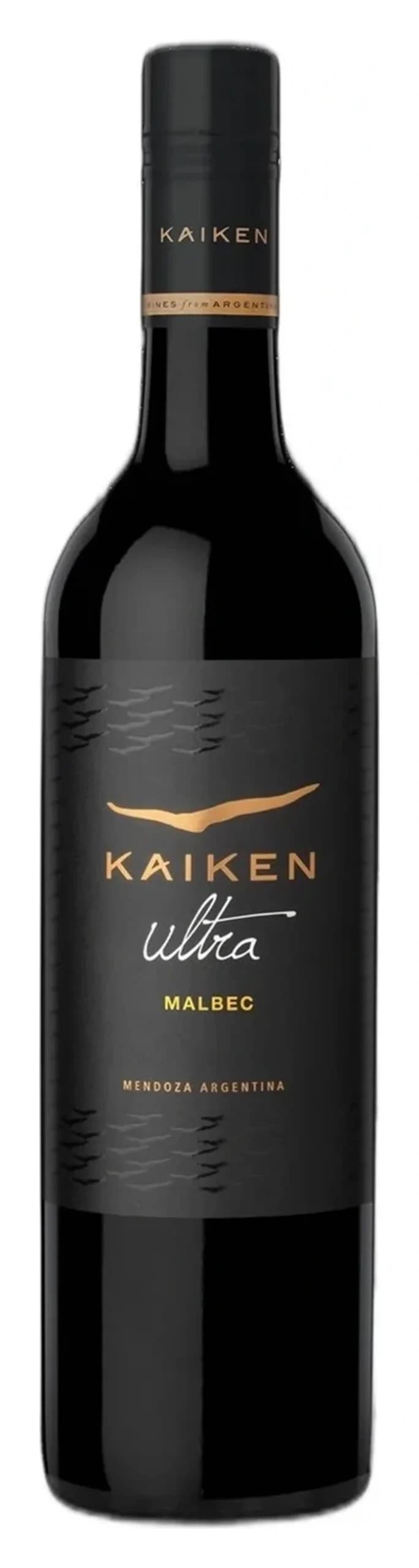
Kaiken
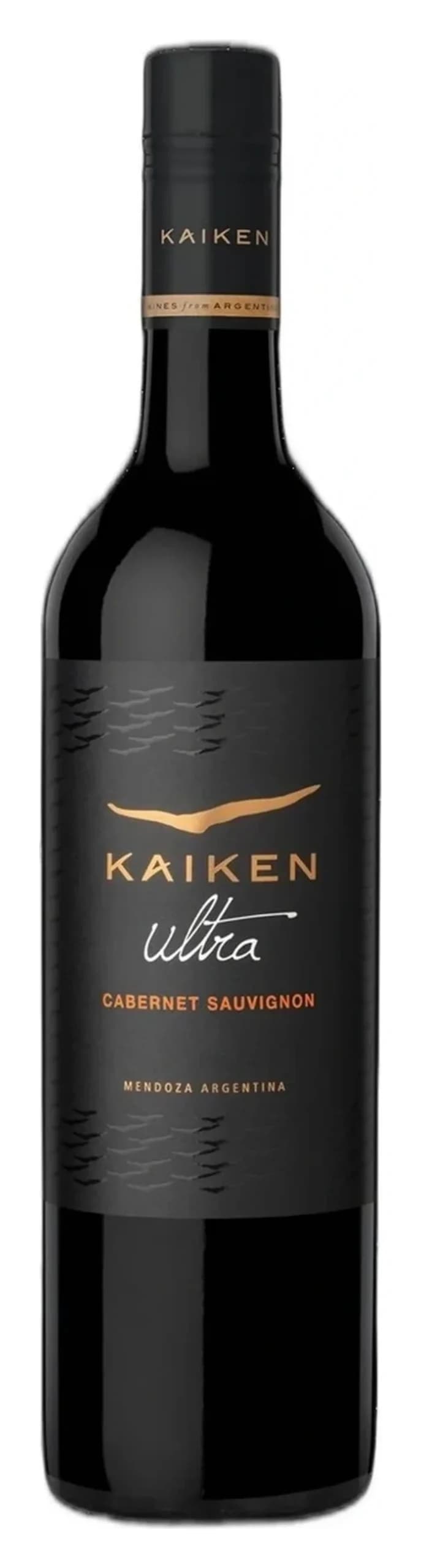
Kaiken
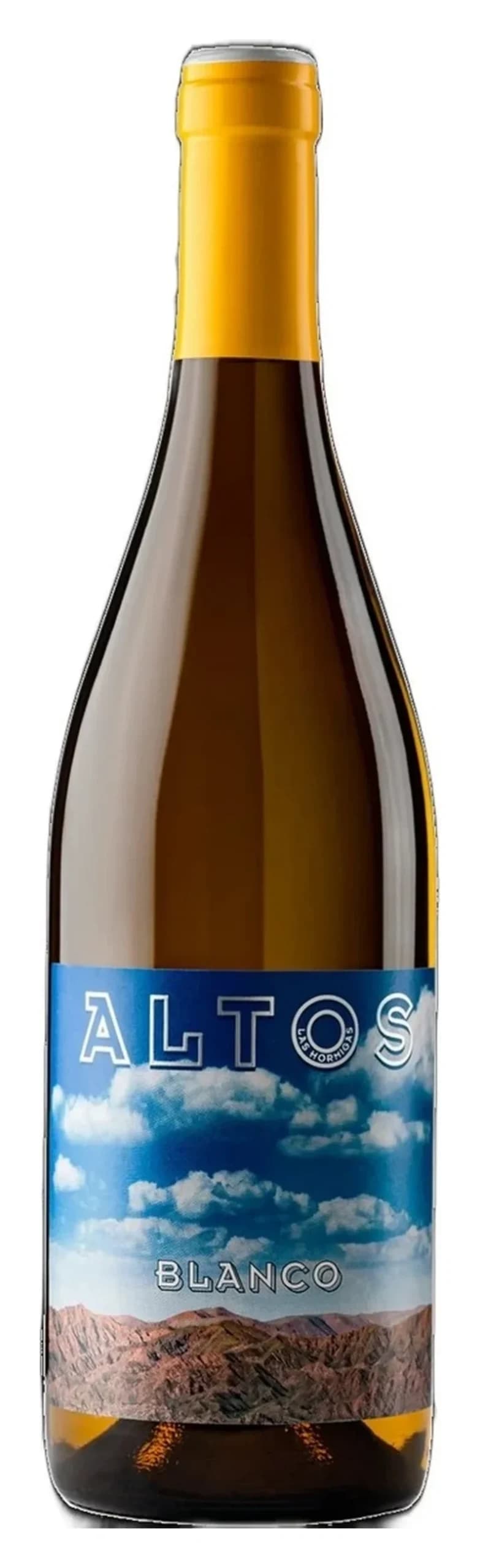
Altos Las Hormigas
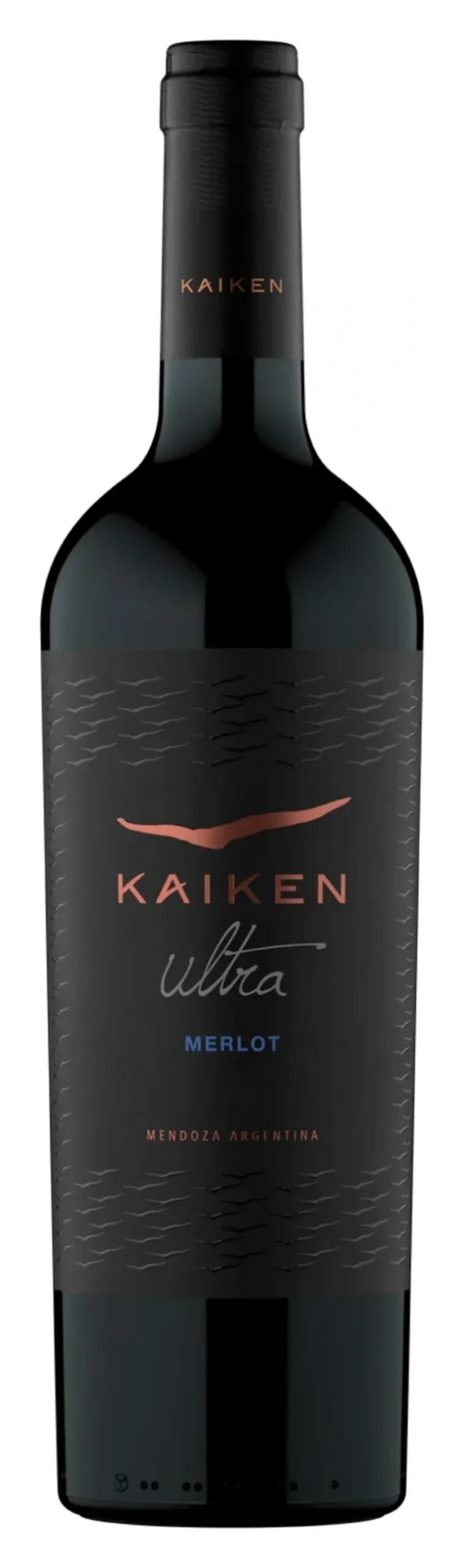
Kaiken
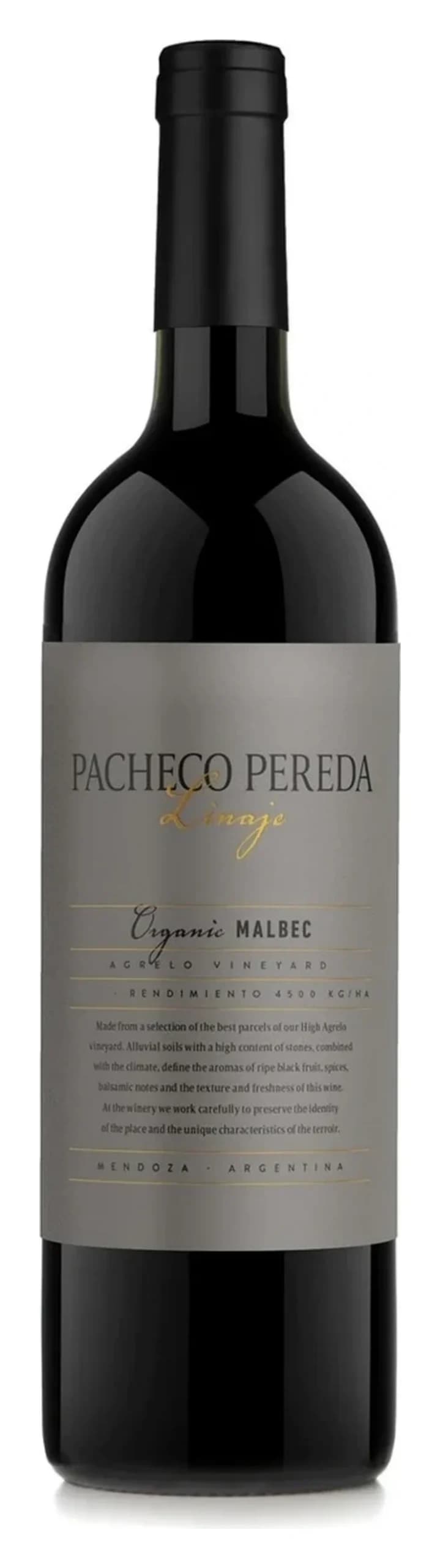
Bodega Pacheco Pereda
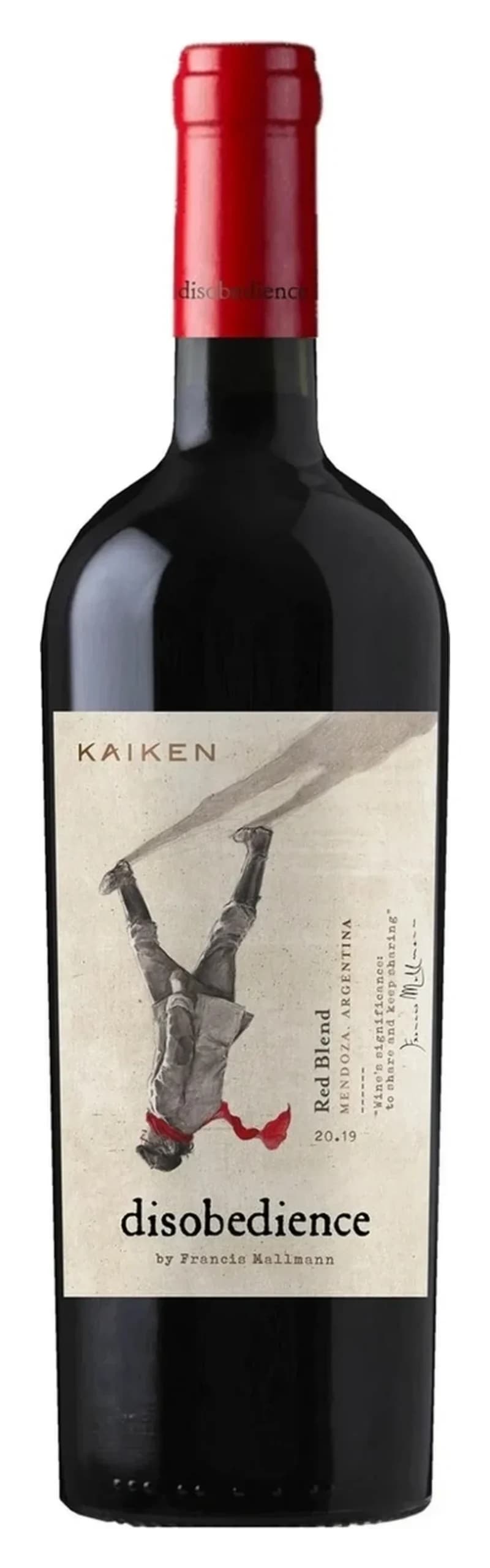
Kaiken
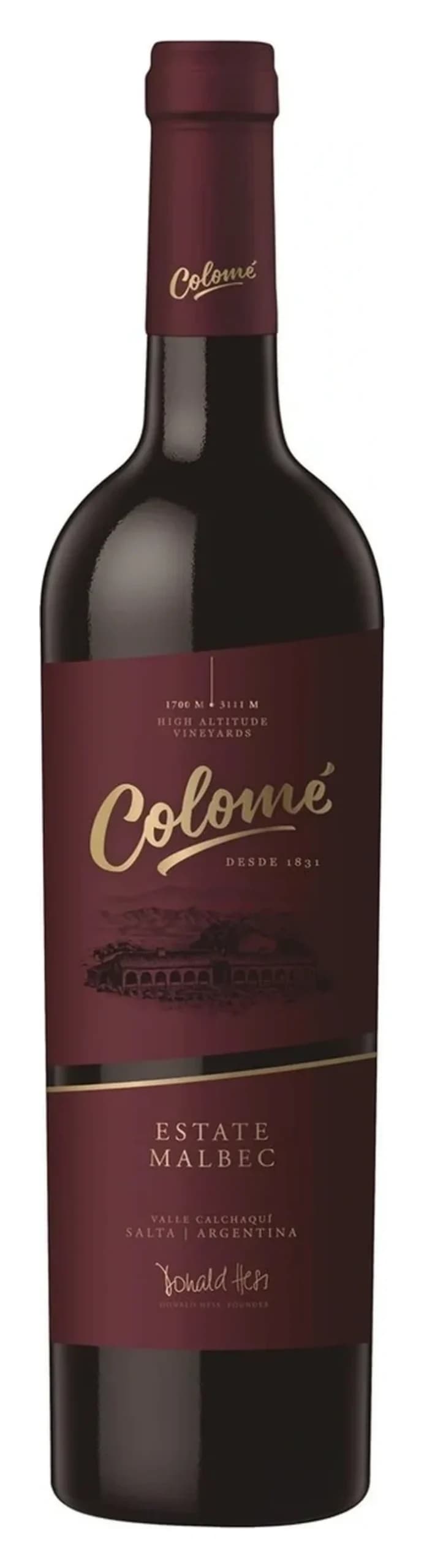
Bodega Colome
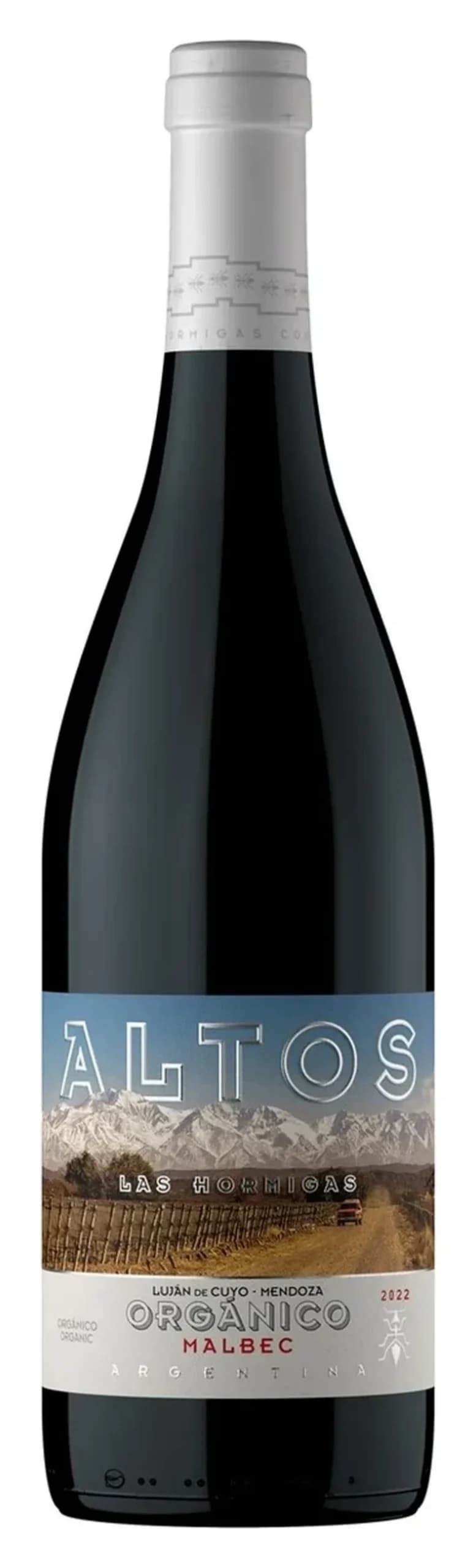
Altos Las Hormigas
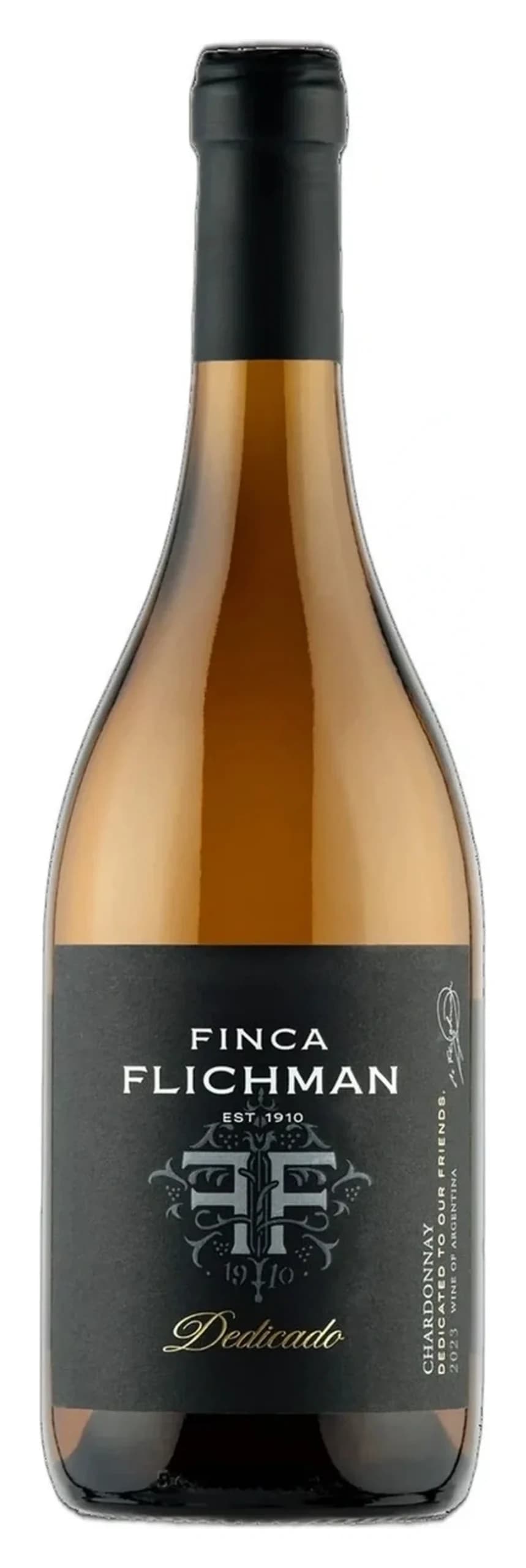
Finca Flichman
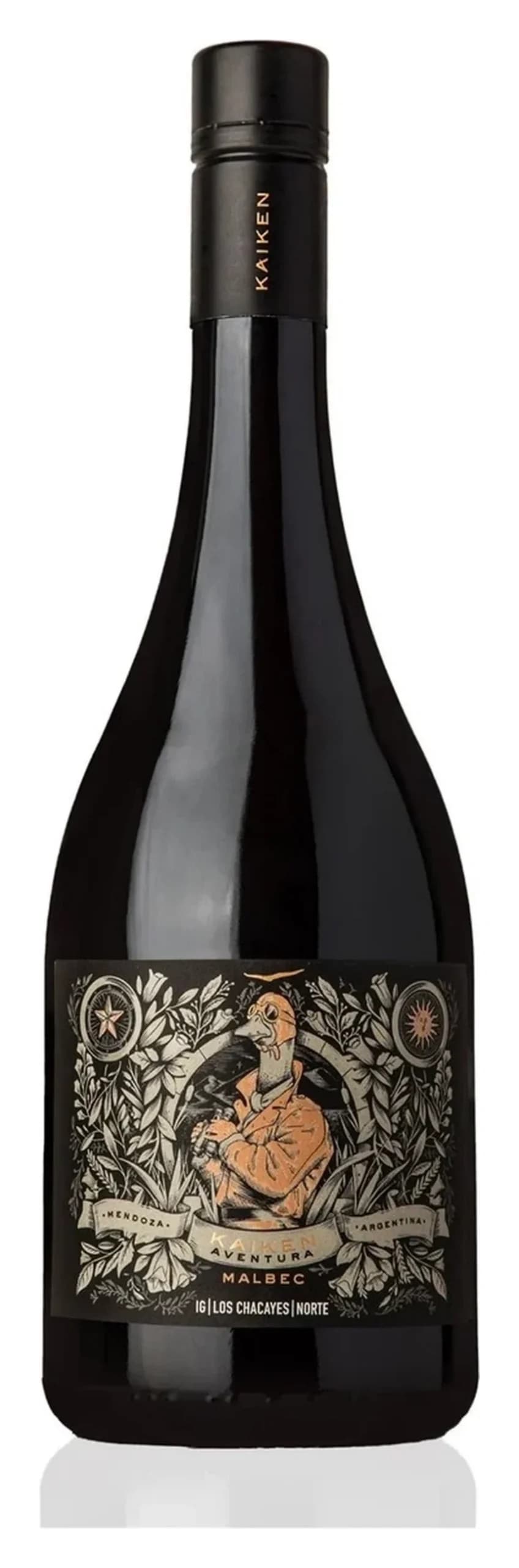
Kaiken
Argentina wine is shaped by one defining force: the Andes. Vineyards planted at altitude in the shadow of snow-capped peaks produce wines with a concentration and freshness that flatland viticulture simply cannot replicate. From the sun-baked oases of Mendoza to the cool southern latitudes of Patagonia, the range here is wider than most drinkers expect — and the value runs deep.
Argentina built its modern export reputation on Malbec, a variety that arrived from France before phylloxera devastated European vineyards and has thrived here ever since. The combination of high altitude, intense sunlight, and a reliable supply of Andean meltwater creates conditions that consistently deliver ripe, structured reds with the acidity to age.
Malbec is the undisputed signature, but Cabernet Sauvignon, Syrah, Tempranillo, and Pinot Noir all perform well across different regions. On the white side, Torrontés Riojano — a natural crossing of Criolla Chica and Muscat of Alexandria dating to the 18th century — is Argentina's most distinctive native white variety, while Chardonnay and Sauvignon Blanc are gaining serious ground in cooler, high-altitude sites.
Mendoza is the heartland, with Luján de Cuyo and the Uco Valley — crossing the departments of Tupungato, Tunuyán, and San Carlos — producing the country's most celebrated reds and an increasing number of premium whites. Further south, Río Negro and Neuquén in Patagonia offer a cooler, leaner style, while La Rioja to the north is the historic home of Torrontés Riojano.
Value seekers will find that Argentina's scale and diversity deliver serious quality at every price point, while prestige buyers can explore single-vineyard Malbec from old vines in Luján de Cuyo or experimental high-altitude plots in the Uco Valley. Adventurous drinkers should head straight to Patagonia's cool-climate Pinot Noir and the fragrant, aromatic whites of La Rioja — both still under the radar.
Yes, and it matters more than almost any other single factor. Vineyards across Mendoza sit between 600 and 1,100 metres above sea level, with some Uco Valley sites reaching 1,500 metres. That altitude brings intense UV radiation, wide day-to-night temperature swings, and a long, slow ripening season — all of which preserve natural acidity and build complexity in the fruit. It is the reason Argentine Malbec tastes the way it does.
Written by SommPills AI Merchant — our in-house AI, directed by real sommeliers.