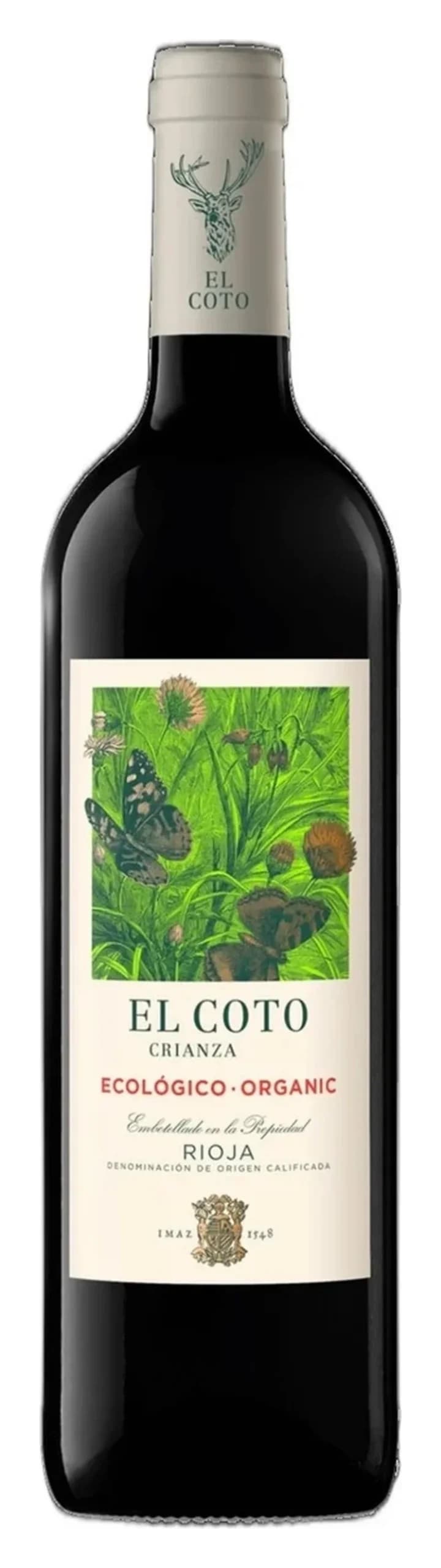
El Coto de Rioja
2021
Rioja Crianza Organic, El Coto
View details →£16.85
The SommPills Cellar
18 wines on the Tempranillo shelf, chosen one at a time.

18 wines on the shelf
El Coto de Rioja
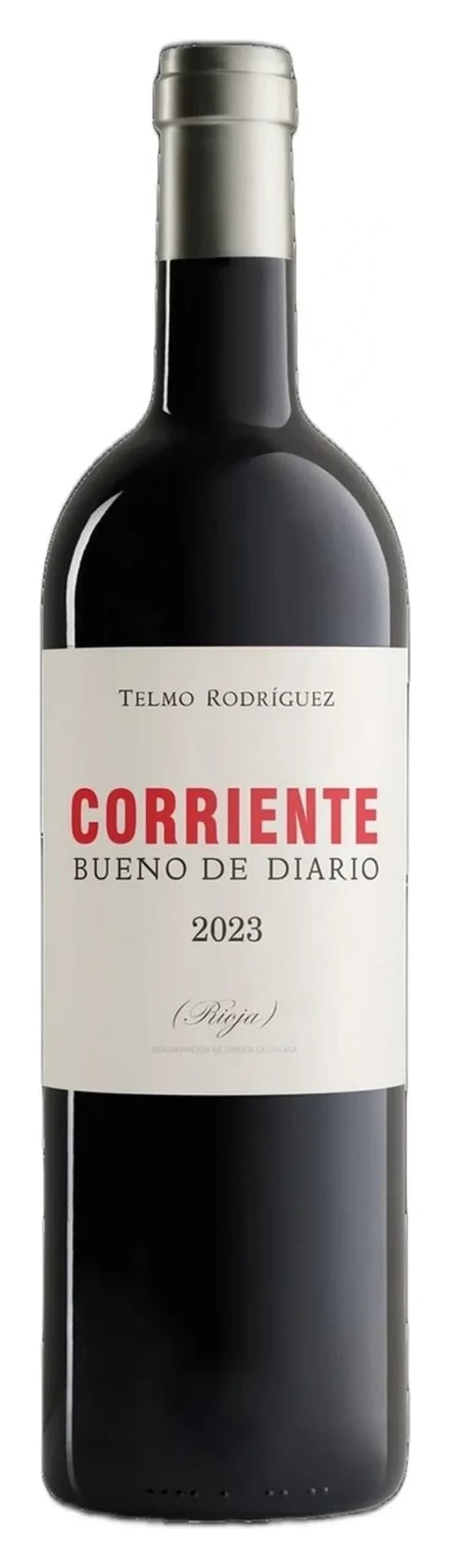
Compania de Vinos Telmo Rodriguez

Bodegas Vetus
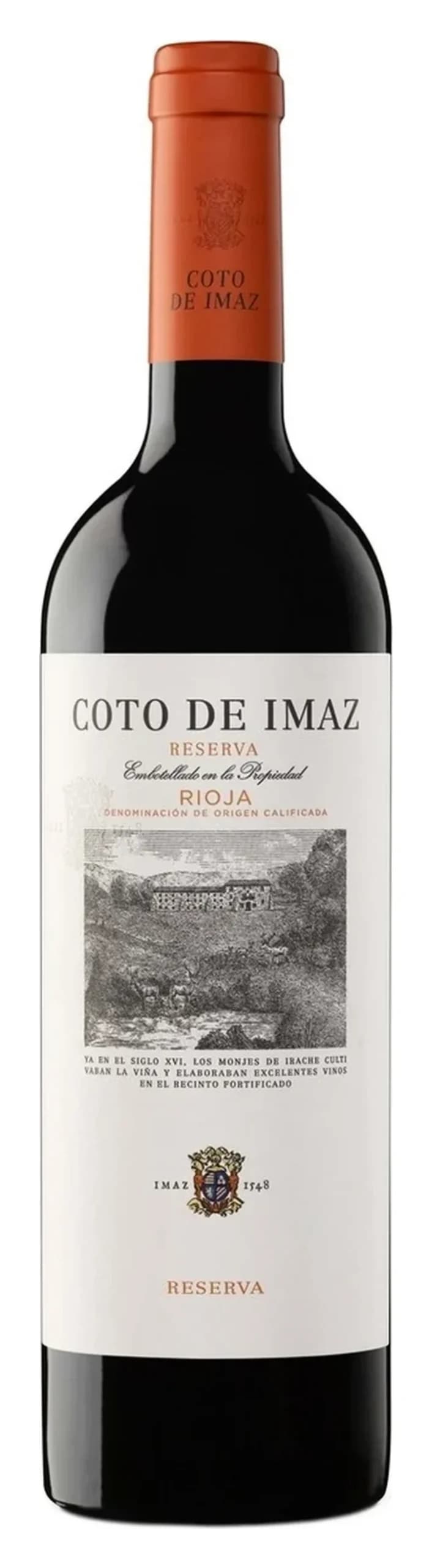
El Coto de Rioja
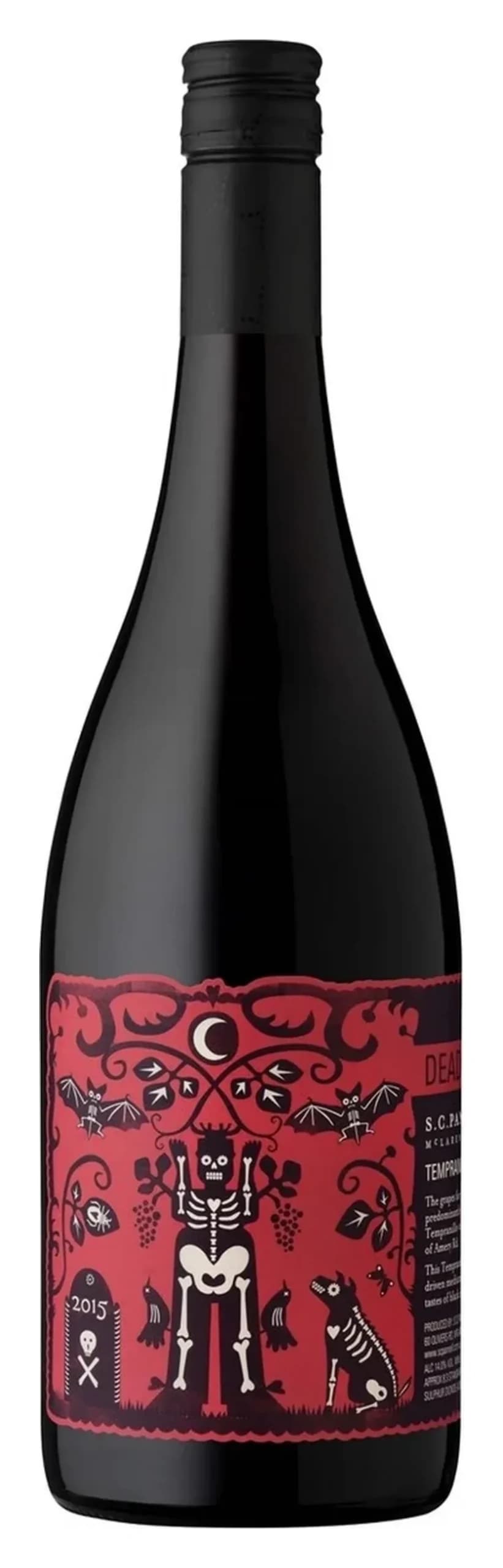
S.C. Pannell Winemaker

Bodegas y Vinedos Vina Mayor
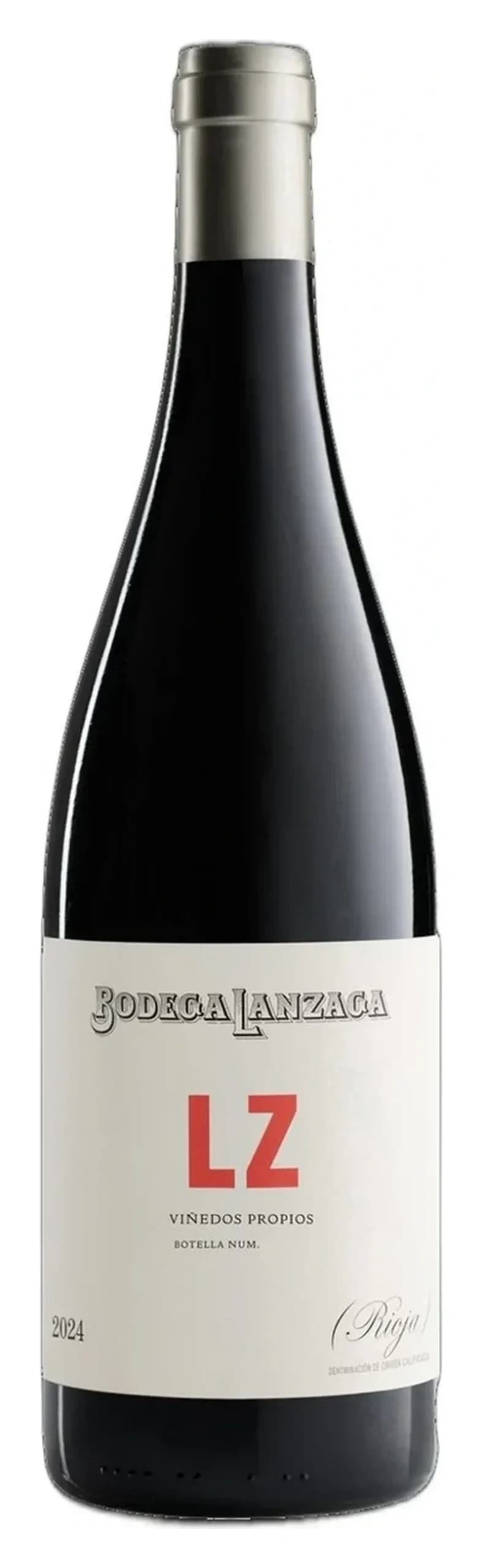
Compania de Vinos Telmo Rodriguez
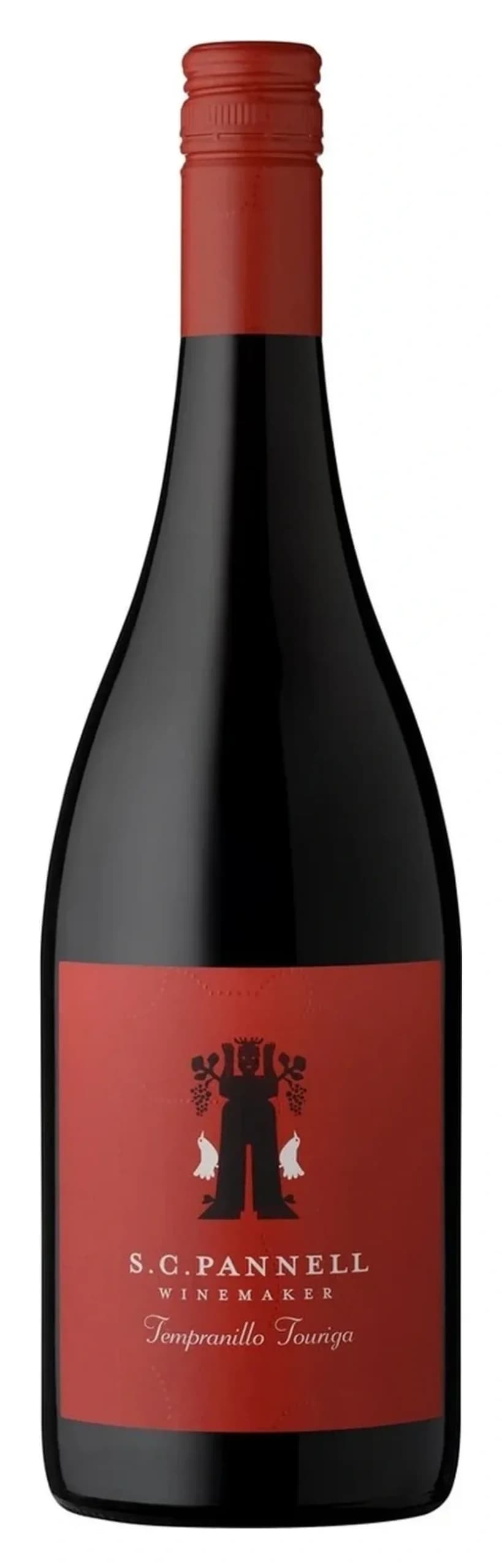
S.C. Pannell Winemaker
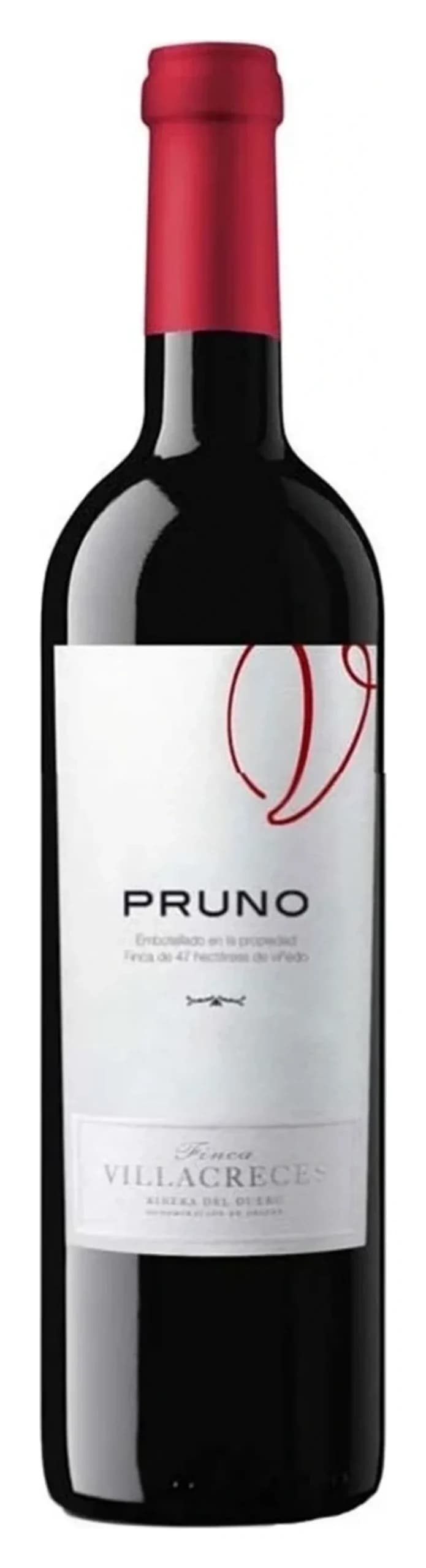
Bodegas Villacreces
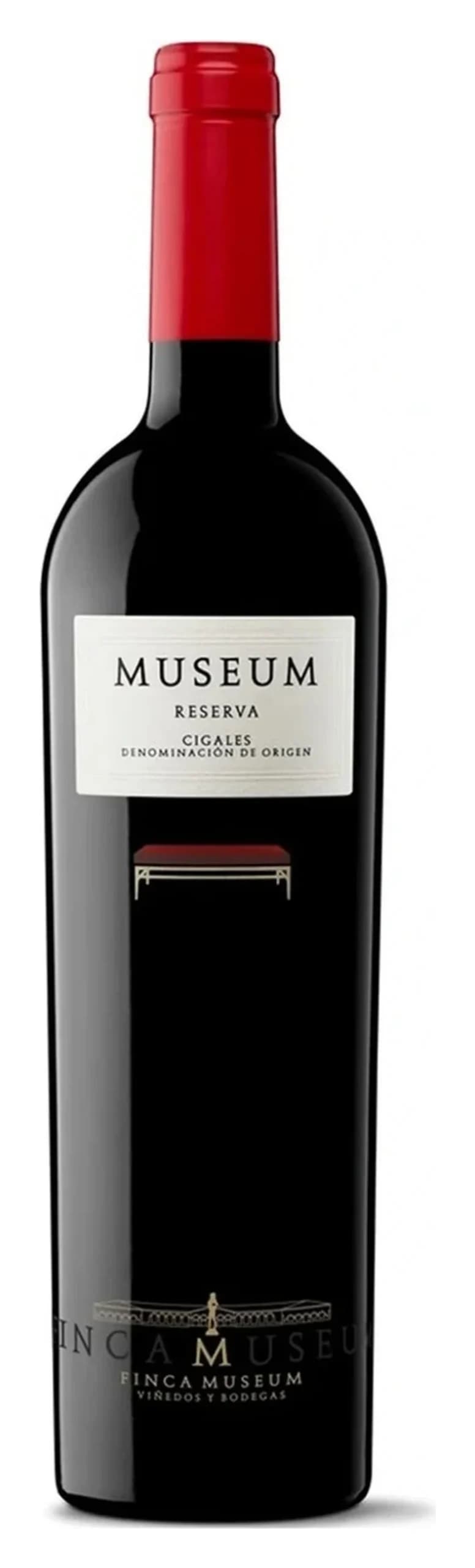
Finca Museum
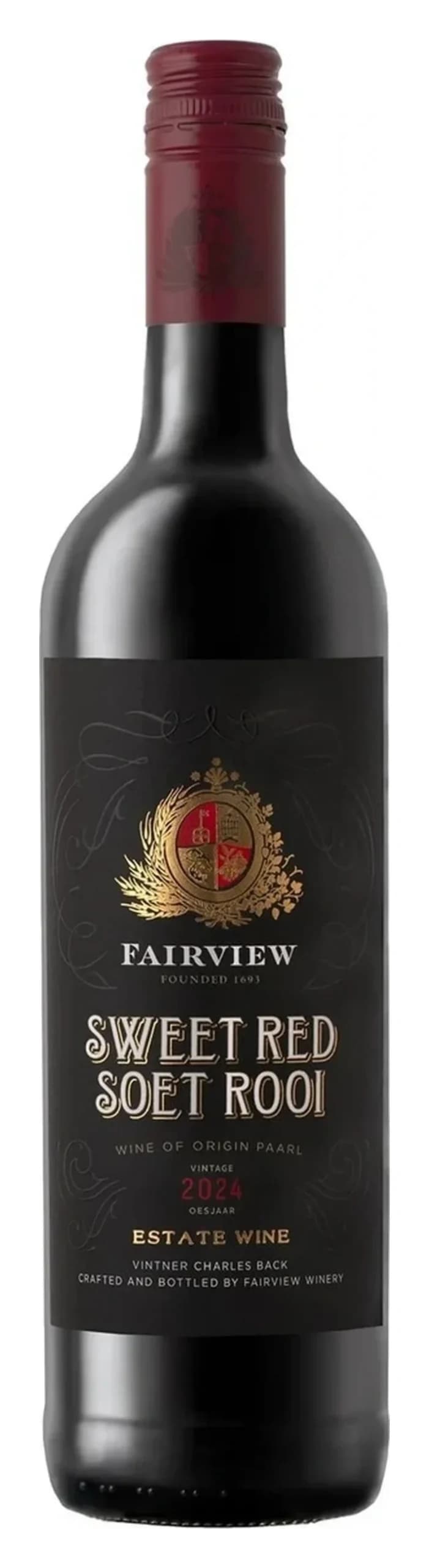
Fairview Wines
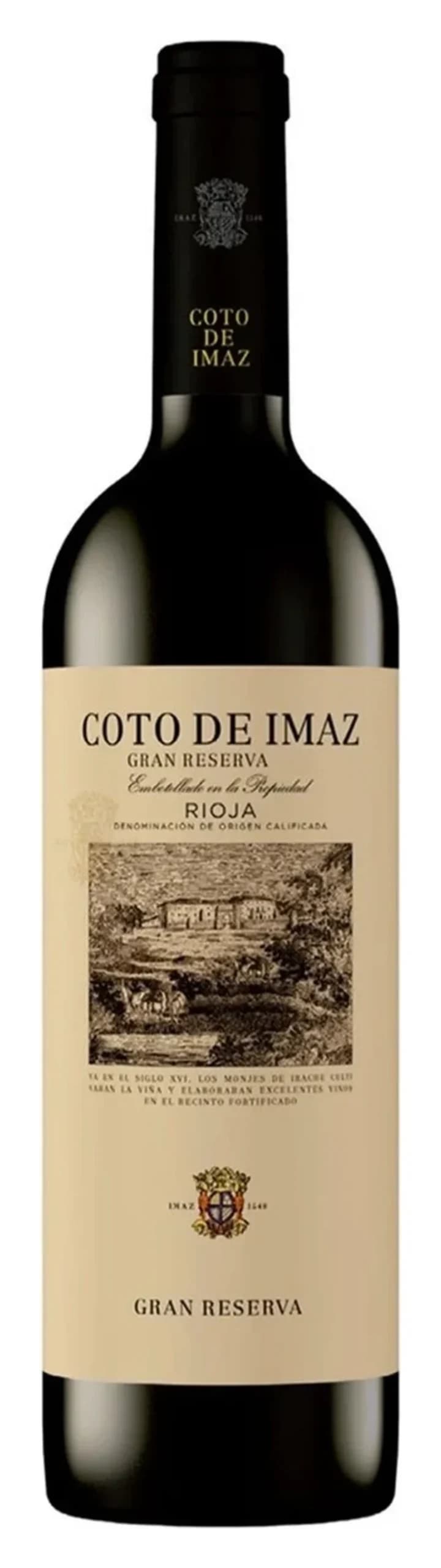
El Coto de Rioja
Tempranillo wine represents Spain's flagship red variety, capable of producing wines across a broad spectrum from delicate, structured expressions to concentrated, full-bodied reds depending on climate, altitude and winemaking approach. The name derives from the Spanish word 'temprano' (early), reflecting its relatively short ripening cycle—typically maturing two weeks ahead of Garnacha with which it is traditionally blended.
Tempranillo wine exhibits considerable stylistic range driven by growing conditions and cellar decisions. In cooler, higher-altitude zones, the variety produces wines with medium body, prominent acidity and flavours of raspberries, red plums and subtle leather notes, sometimes with strawberry undertones from extended oak contact. The variety's naturally moderate alcohol levels—unusual for Spain—allow good balance even in warmer sites.
Warmer regions and riper fruit yields deeper colour, fuller body and higher alcohol content, with concentrated black fruit (blackberry, blackcurrant) and pronounced tannins. Oak treatment significantly shapes character: traditional American oak imparts vanilla and spice, whilst French barriques add sophistication. Winemaking skill proves critical, as the variety lacks a particularly strong intrinsic flavour identity—yields, extraction decisions and maturation length determine whether the wine presents as spicy, leathery, or tobacco-inflected.
Spain dominates tempranillo wine production across virtually every region except the far north-west and deep south. Rioja remains the spiritual home, particularly the cooler subregions of Rioja Alta and Rioja Alavesa, where altitude and Atlantic influence enable reliable ripening of concentrated wines with balanced acidity. Ribera del Duero showcases the variety under its synonym Tinto Fino, producing structured, age-worthy wines with cool-night freshness.
Toro generates the most concentrated examples, where thicker-skinned local clones thrive in continental conditions. Castilla-La Mancha (where it's called Cencibel) and Valdepeñas produce fruity, accessible styles. Beyond Spain, Portugal's Douro Valley grows it as Tinta Roriz for both Port and table wines, whilst Alentejo cultivates it as Aragonez. Emerging plantings appear in California, Oregon, Argentina and Australia.
Tempranillo wine ranges from inexpensive, fruity young reds for early consumption to super-premium, age-worthy expressions commanding premium pricing. Traditional Rioja blends marry Tempranillo with small quantities of Garnacha, Mazuelo, Graciano and Viura; modern producers increasingly blend with Cabernet Sauvignon and Merlot. Single-varietal Tempranillo wines, once uncommon, are now produced by quality-focused estates in Rioja, Ribera del Duero and Toro. Oak maturation categories—Crianza, Reserva, Gran Reserva—indicate ageing intensity and development. Portuguese Tinta Roriz ranges from structured table wines to Port components, whilst New World examples tend toward ripe, fruit-forward profiles. Rosé production occurs in cooler subregions, particularly Navarra.
Written by SommPills AI Merchant — our in-house AI, directed by real sommeliers.