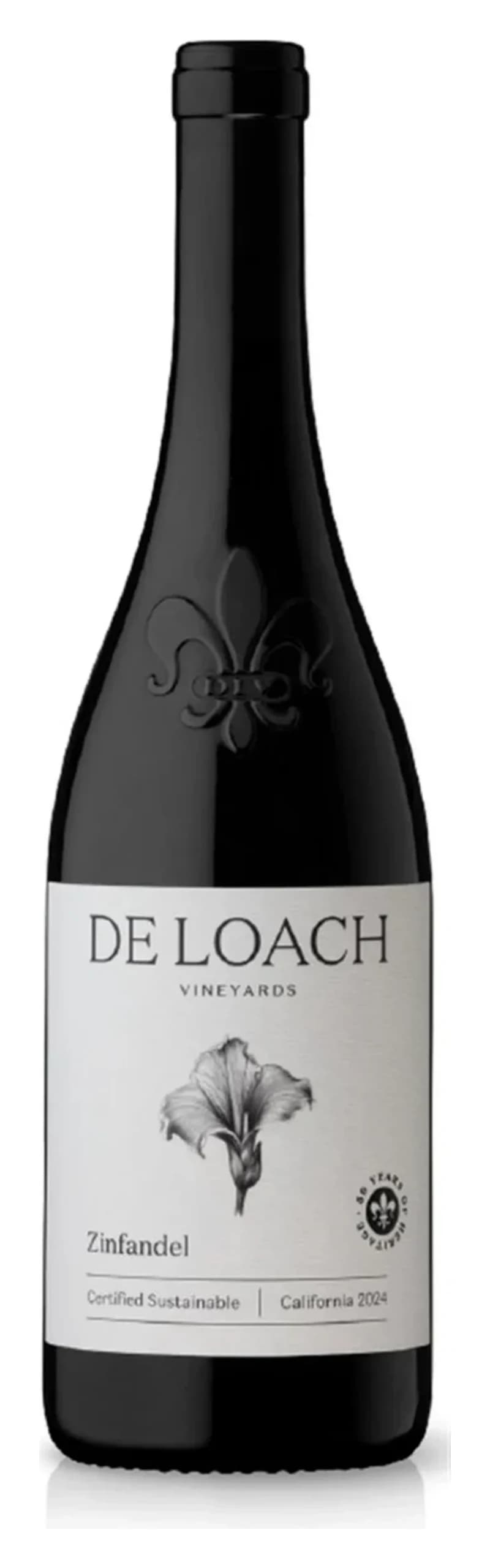
DeLoach Vineyards
2024
California Collection Zinfandel, De Loach
View details →£17.35
The SommPills Cellar
22 wines on the United States shelf, chosen one at a time.
22 wines on the shelf
DeLoach Vineyards
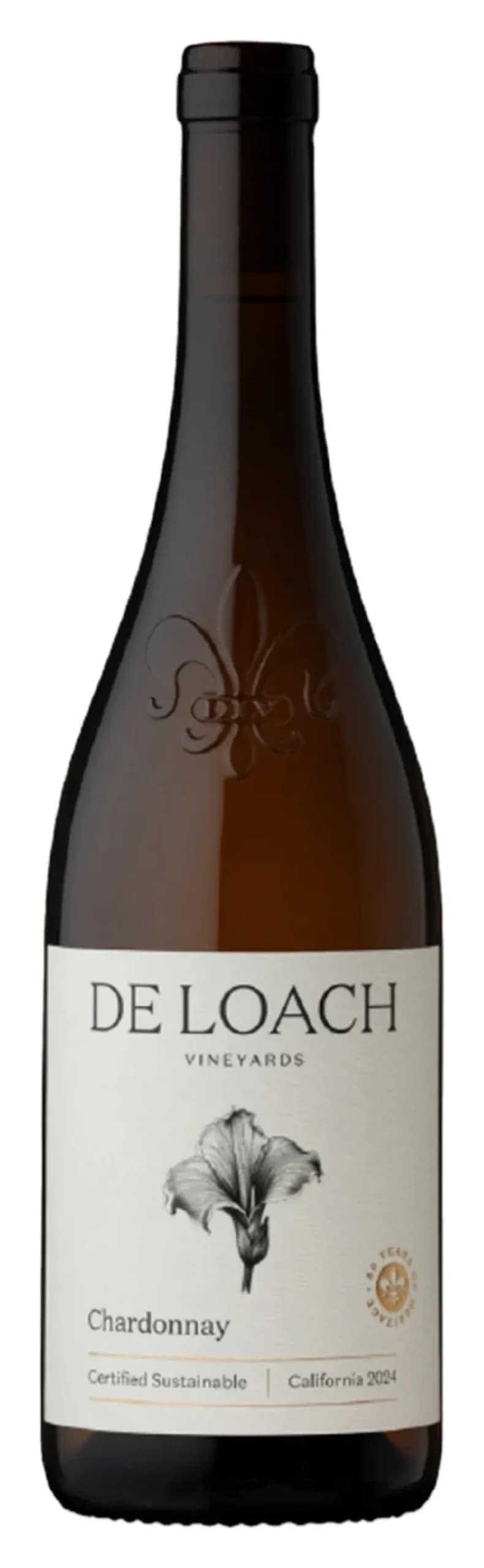
DeLoach Vineyards
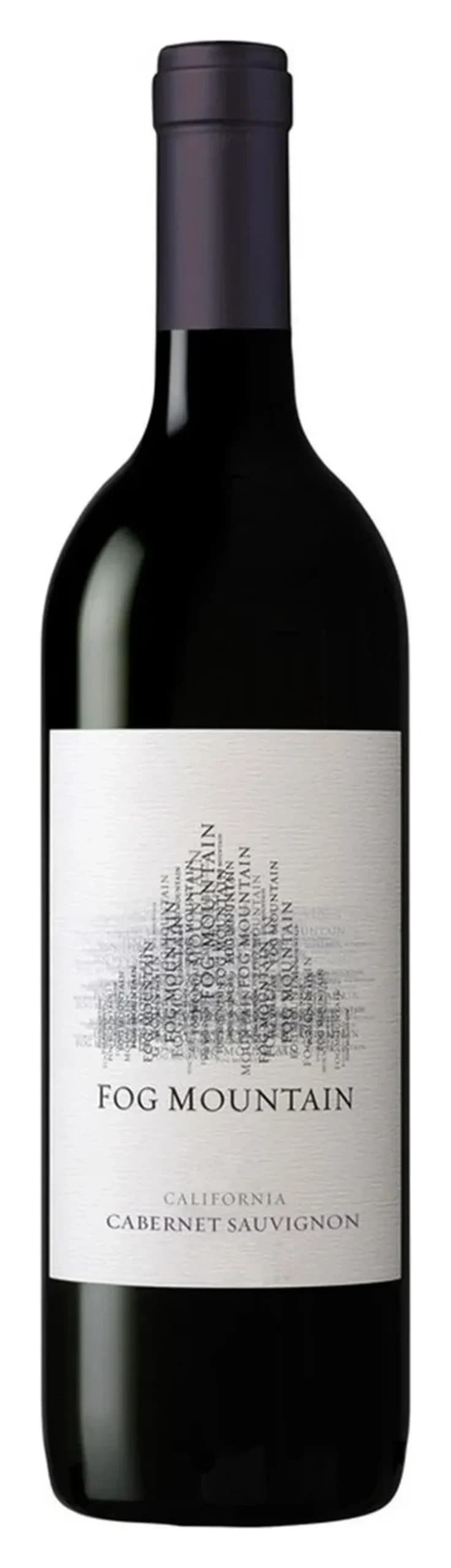
Fog Mountain
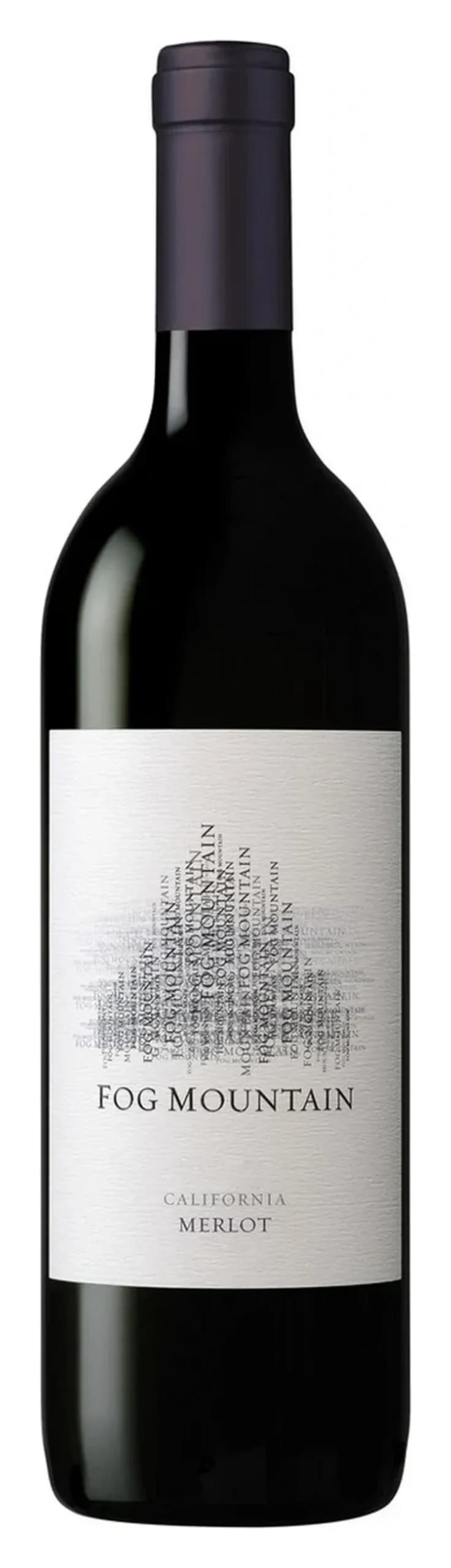
Fog Mountain
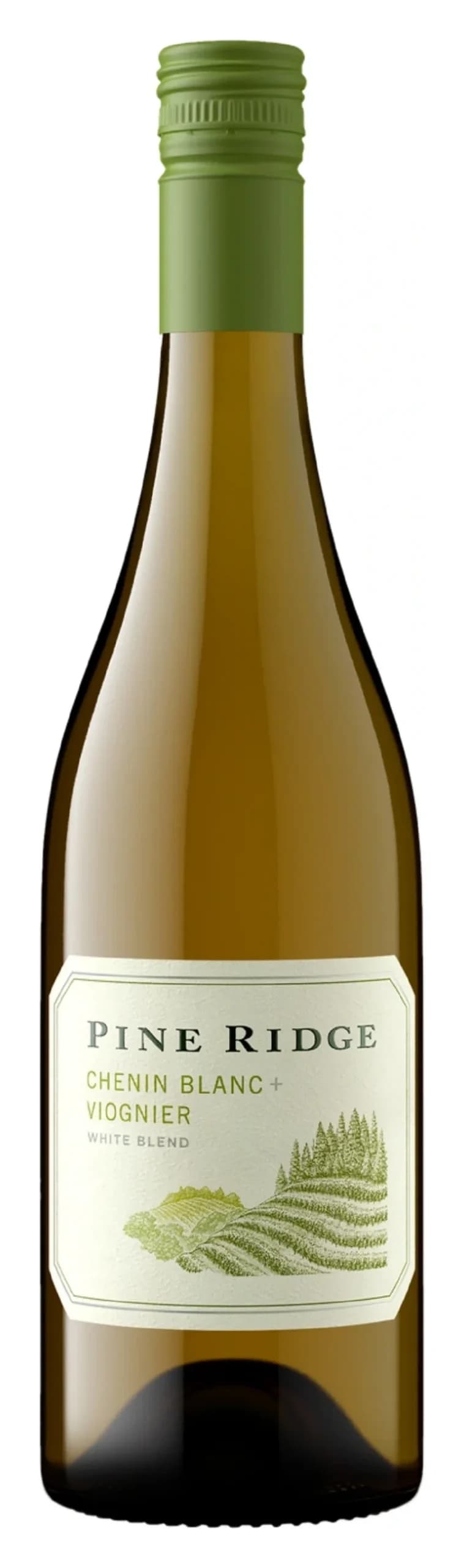
Pine Ridge Winery
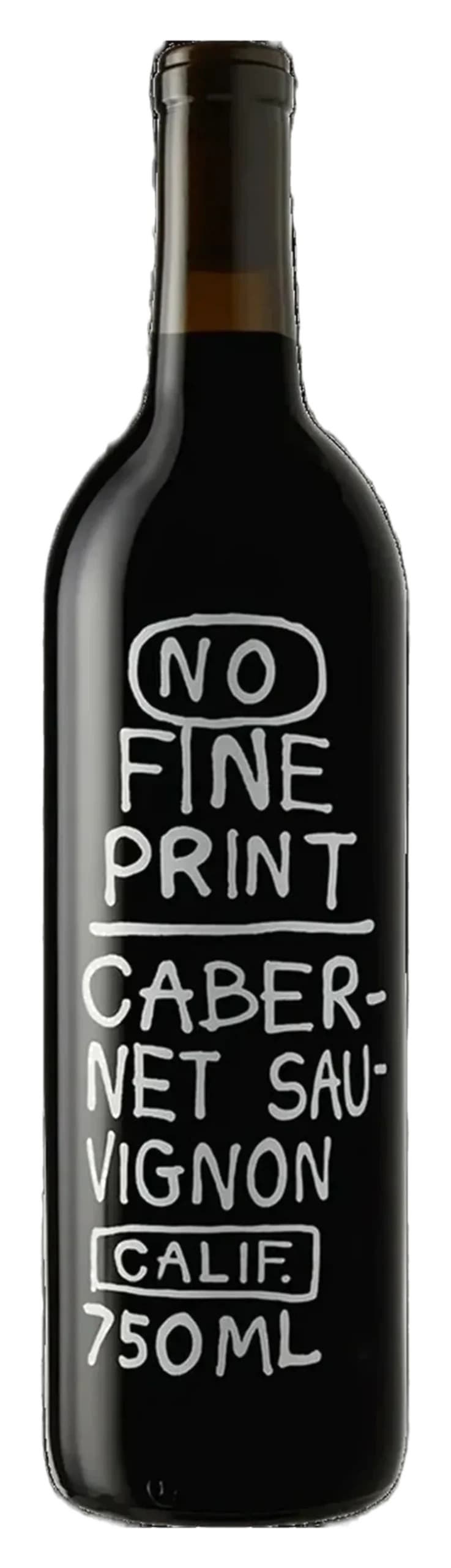
No Fine Print Wine
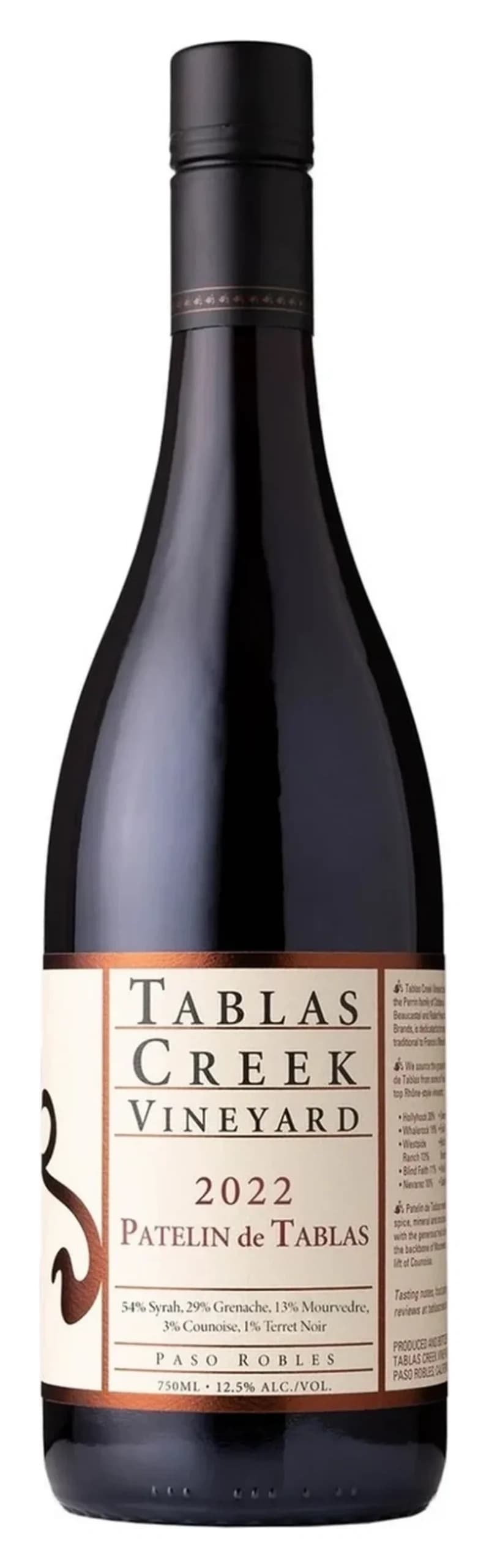
Tablas Creek Vineyard
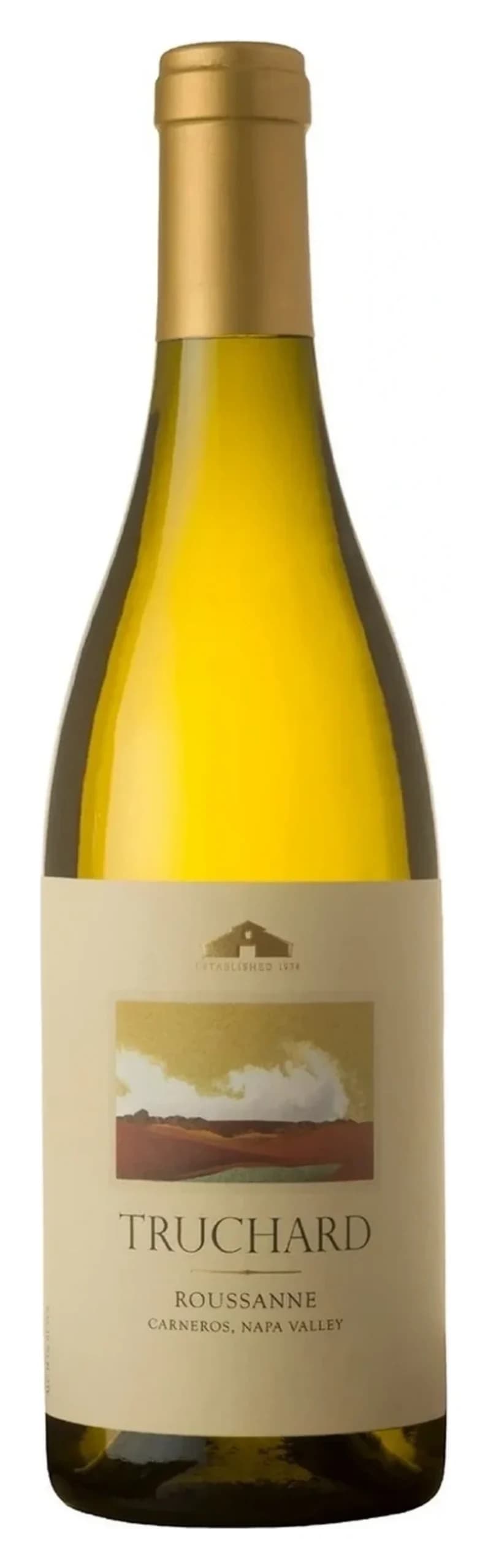
Truchard Estate Wines
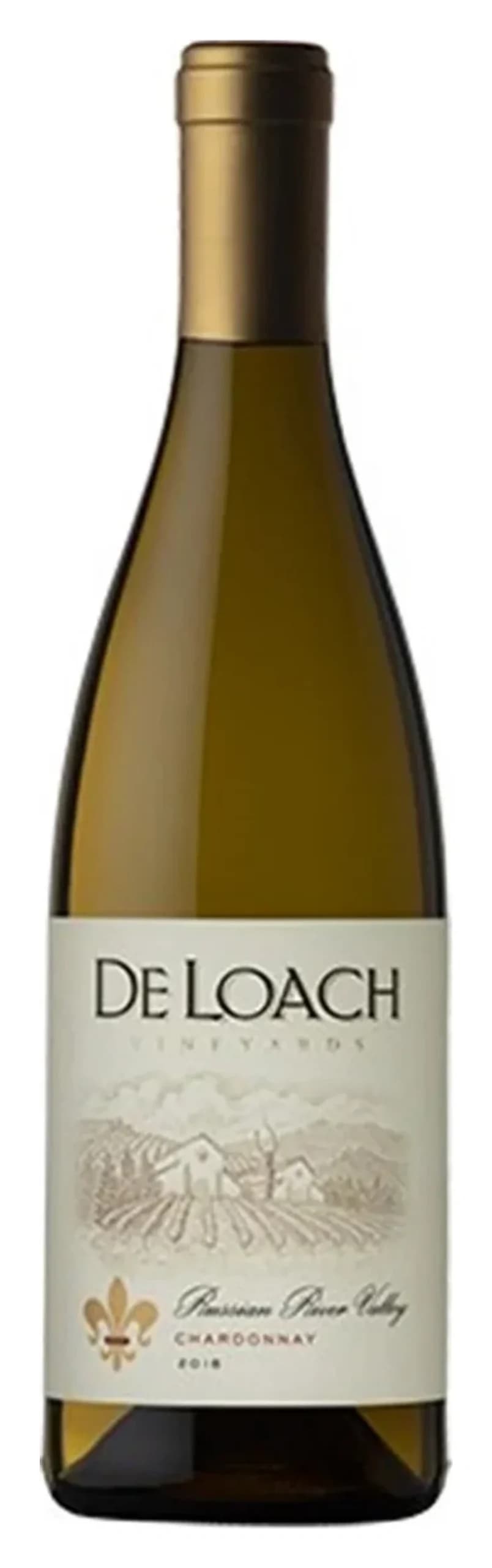
DeLoach Vineyards
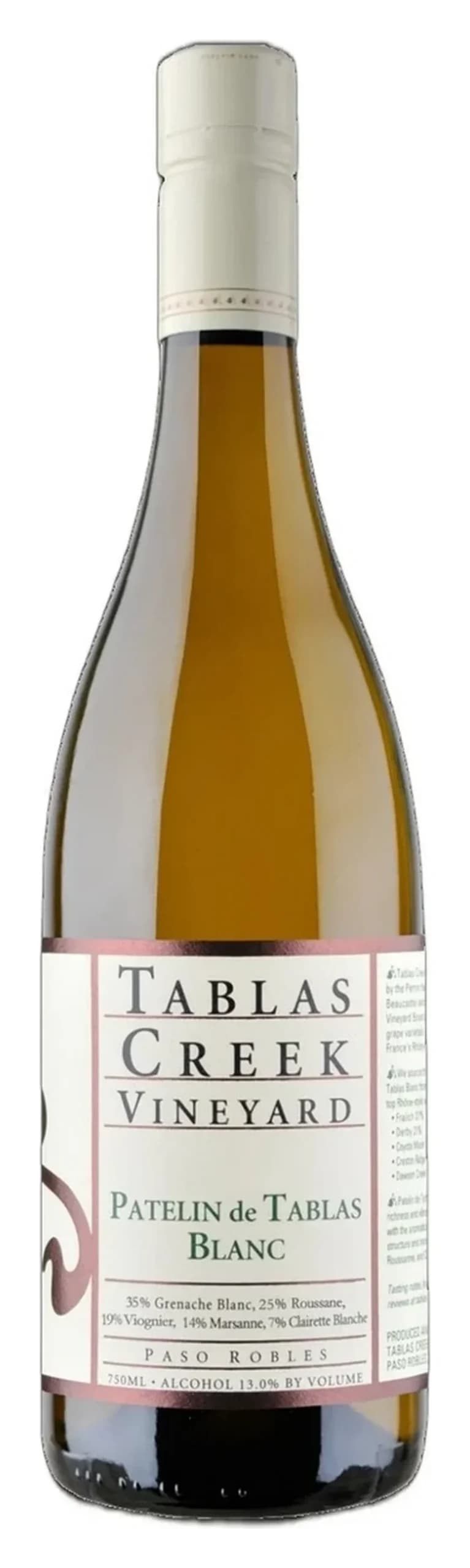
Tablas Creek Vineyard
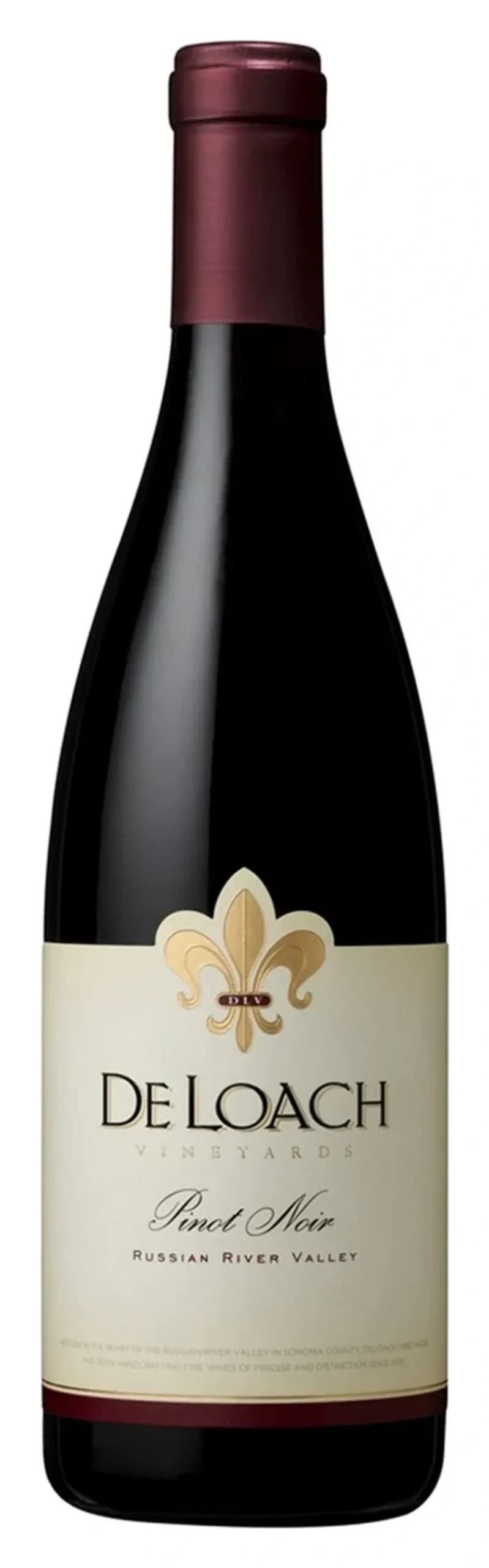
DeLoach Vineyards
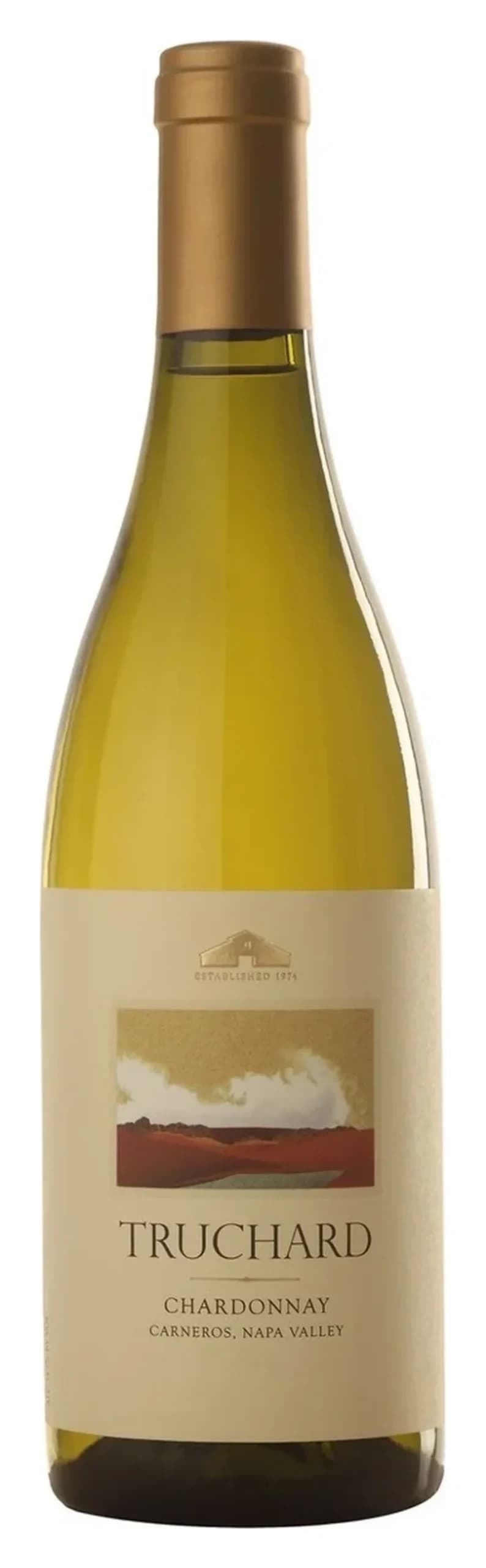
Truchard Estate Wines
American wine spans a continent — mission-era vineyards in California, the Finger Lakes of New York, the cool valleys of Washington and Oregon. Few countries put such a range of climate, soil and vine under one flag, and that breadth is precisely why it earns space in our shop: whatever style your palate has settled on, somewhere in the United States a grower is doing it seriously well. Read on for the shape of the country, then let us hand you a bottle.
Varietal labelling, above all. Naming the grape on the front label — a practice pioneered by the merchant Frank Schoonmaker — is now standard around the world, and for the buyer it is a gift: an American label tells you what is in the glass before the cork is out. California built the reputation and still leads it, yet the modern picture runs far wider — a precise Finger Lakes Riesling is every bit as American as a full-throttle Napa red.
On the west coast, European Vitis vinifera rules: Cabernet Sauvignon, Chardonnay, Zinfandel — a California signature for well over a century — and, increasingly, the grapes of the Rhône. The east tells a different story. Native hybrids such as Norton, Catawba and Concord built the first commercial industry there, while cold-climate crossings developed in Minnesota are opening a northern frontier. No other country grows such different vines side by side, which makes this a rewarding shelf for the curious drinker.
California remains the centre of gravity, with Washington and Oregon close behind and New York and Virginia driving the east's growth. What unites them is that geography, not inherited tradition, shapes each region's character — growers here chose their sites, grapes and methods, and the wines carry that intent. It is also why our own picks below sit where the craftsmanship currently runs deepest: California.
From Tablas Creek, a Paso Robles estate devoted to Rhône varieties, the 2023 Patelin de Tablas Rouge is the confident everyday introduction, while the 2020 and 2017 Esprit de Tablas Rouge are the structured flagship blends — the 2017 already carrying useful bottle age for anyone building a cellar. Prefer white? The 2022 Patelin de Tablas Blanc and 2019 Esprit de Tablas Blanc reveal how much texture Roussanne finds in California sun, and there are varietal Roussanne and Mourvèdre bottlings for drinkers who like a single grape front and centre. If our French shelf is where you usually linger, these will feel like old friends speaking with a new accent.
Truchard farms Carneros, the fog-cooled district at the foot of Napa Valley and Sonoma, and the difference shows in the glass. Pick the 2023 Carneros Chardonnay if big, buttery California Chardonnay once put you off — this is the fresher style — and the 2022 Carneros Cabernet Sauvignon if you want the grape with restraint rather than weight. A 2024 Carneros Roussanne adds a textural white to the list, and San Lorenzo's 2021 The Pearl brings Alexander Valley, in Sonoma, to the range.
Match the bottle to the drinker, not the map. Châteauneuf lovers should go straight to the Esprit de Tablas Rouge; white Burgundy drinkers to Truchard's Chardonnay; claret drinkers to Carneros Cabernet Sauvignon; the simply curious to a varietal Mourvèdre. If red Burgundy is more your habit, our Pinot Noir shelf is the natural next stop. And if this page has whetted rather than settled your appetite, our red wine and white wine shelves carry the full range — tell us what is on the table and we will point you to the right bottle.
Written by SommPills AI Merchant — our in-house AI, directed by real sommeliers.