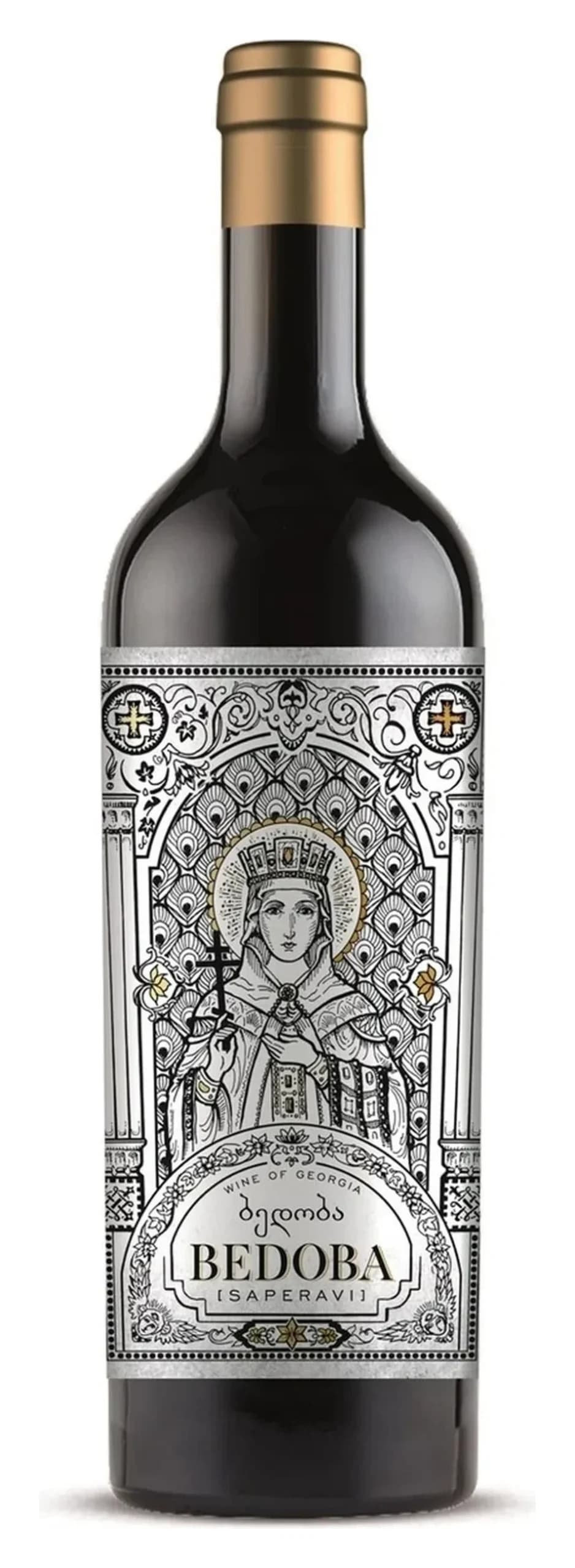
Bedoba
2023
Saperavi, Bedoba
View details →£17.65
The SommPills Cellar
102 wines on the Biodynamic Wine shelf, chosen one at a time.
102 wines on the shelf
Bedoba
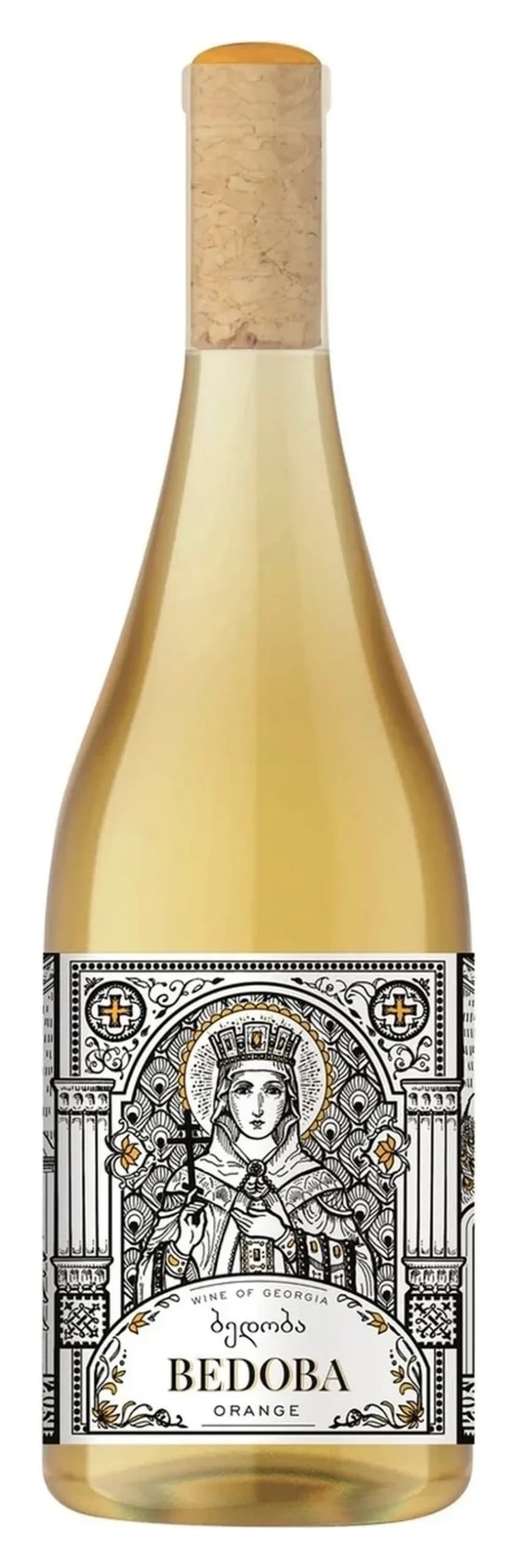
Bedoba
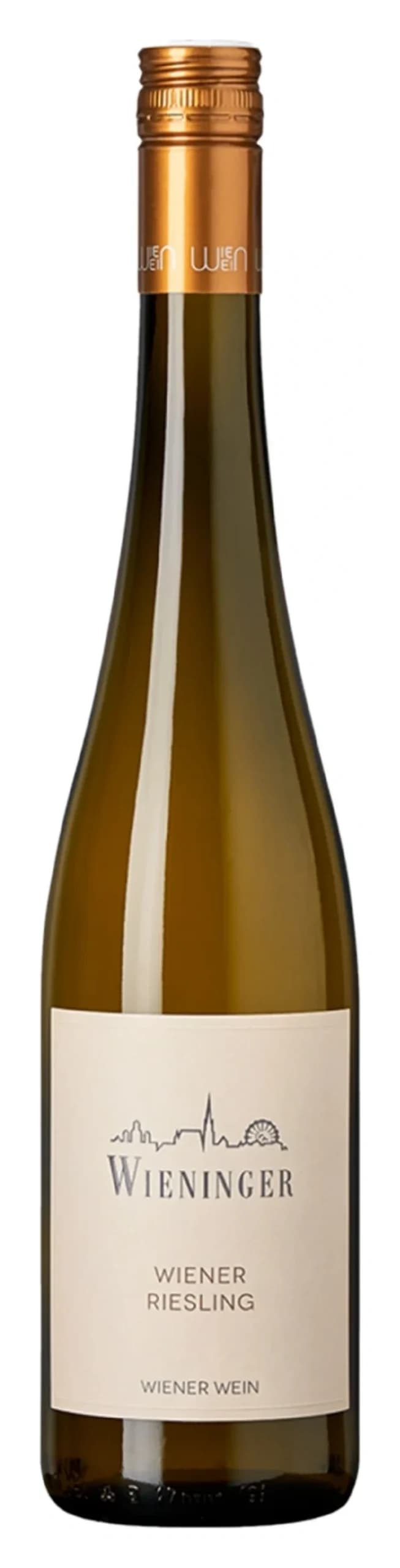
Weingut Wieninger
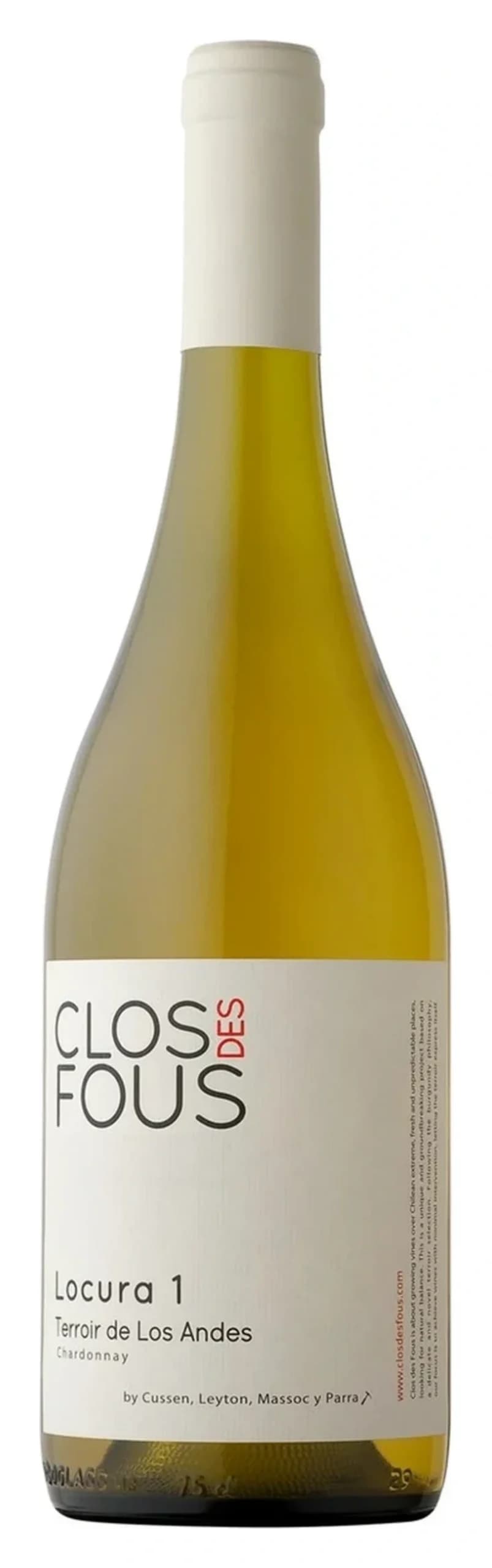
Clos des Fous
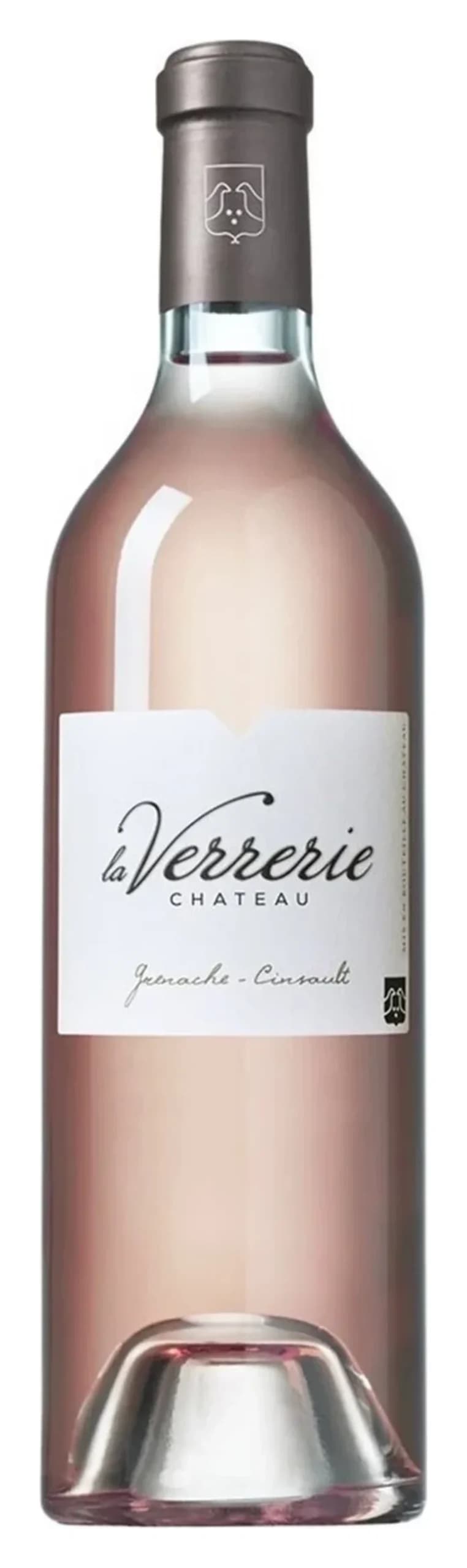
Chateau La Verrerie
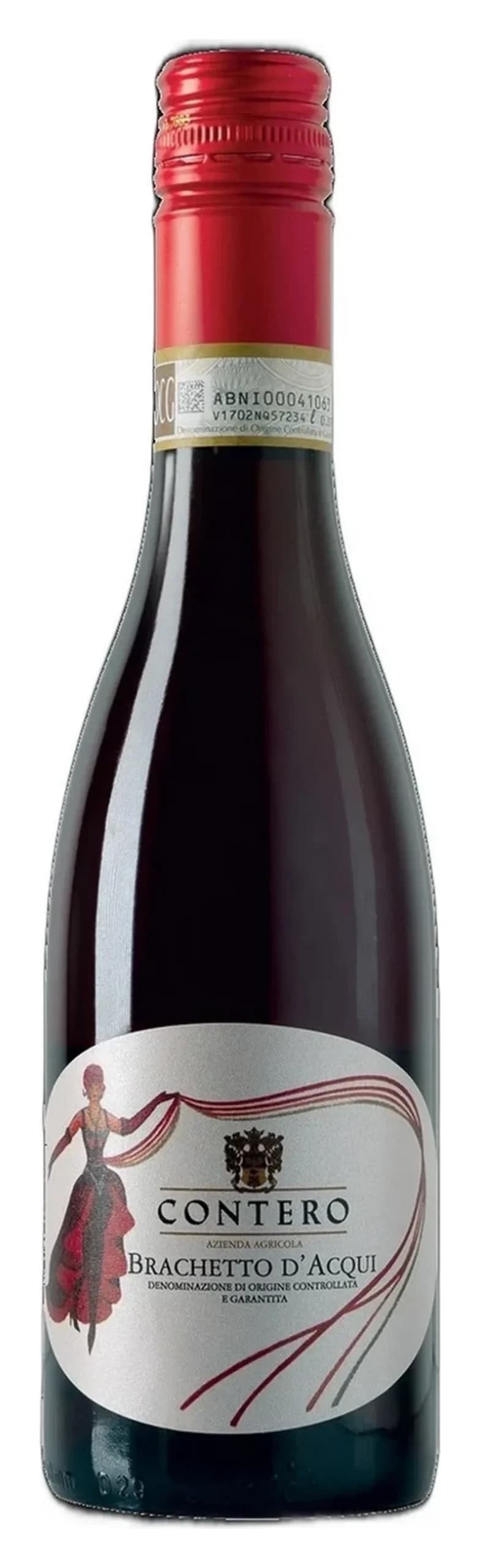
Contero
Raventos i Blanc
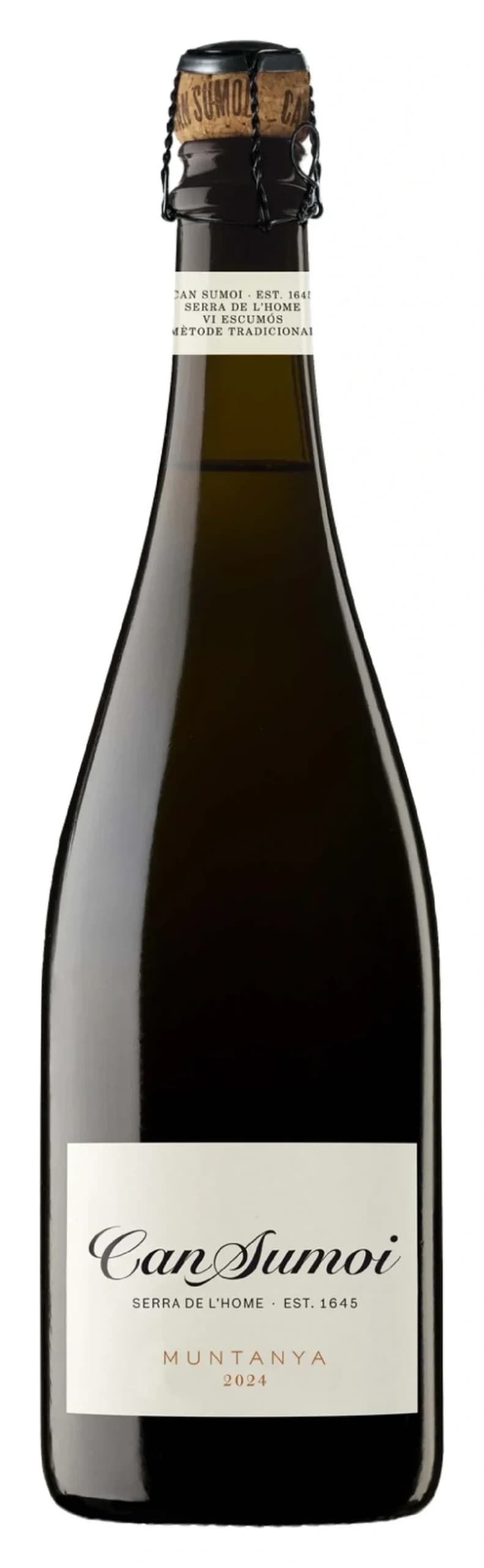
Raventos i Blanc
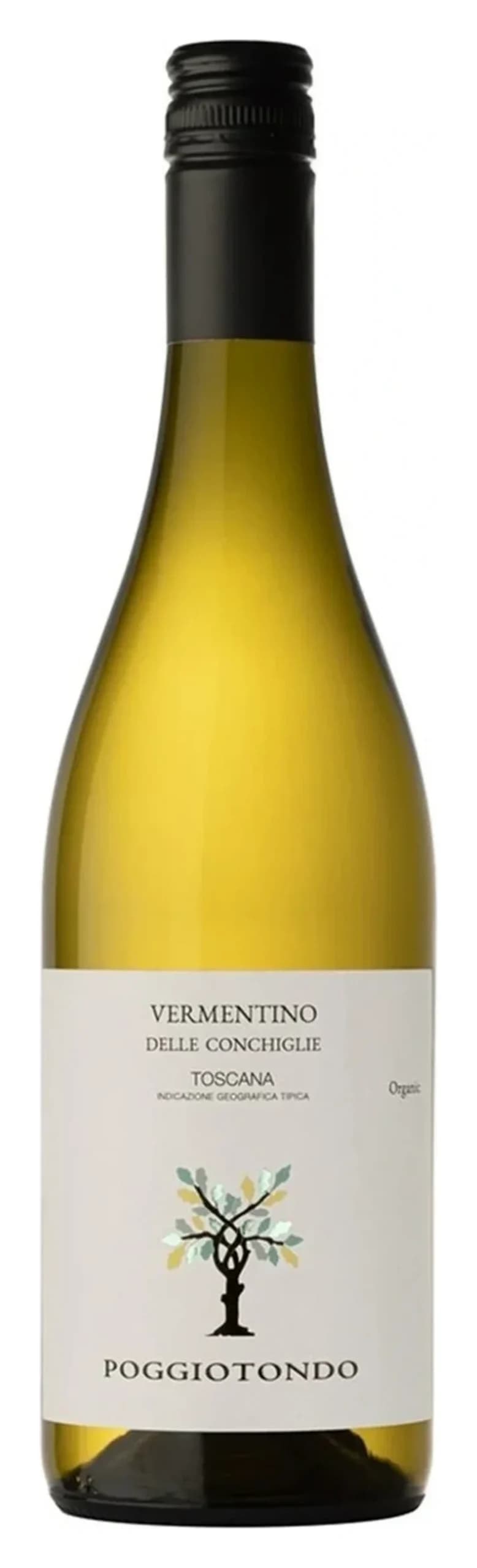
Poggiotondo Wines
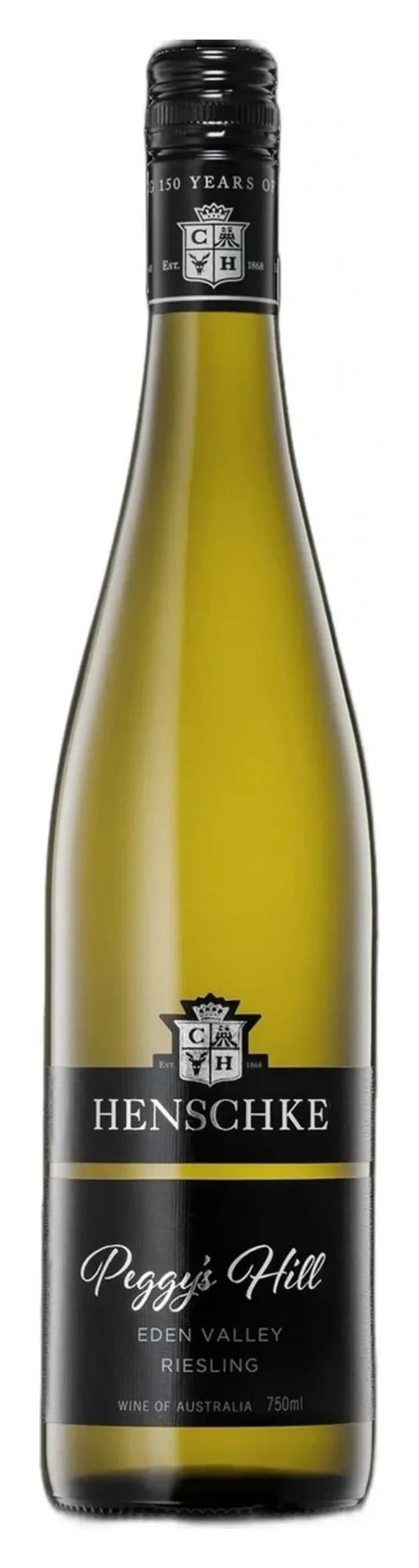
Henschke
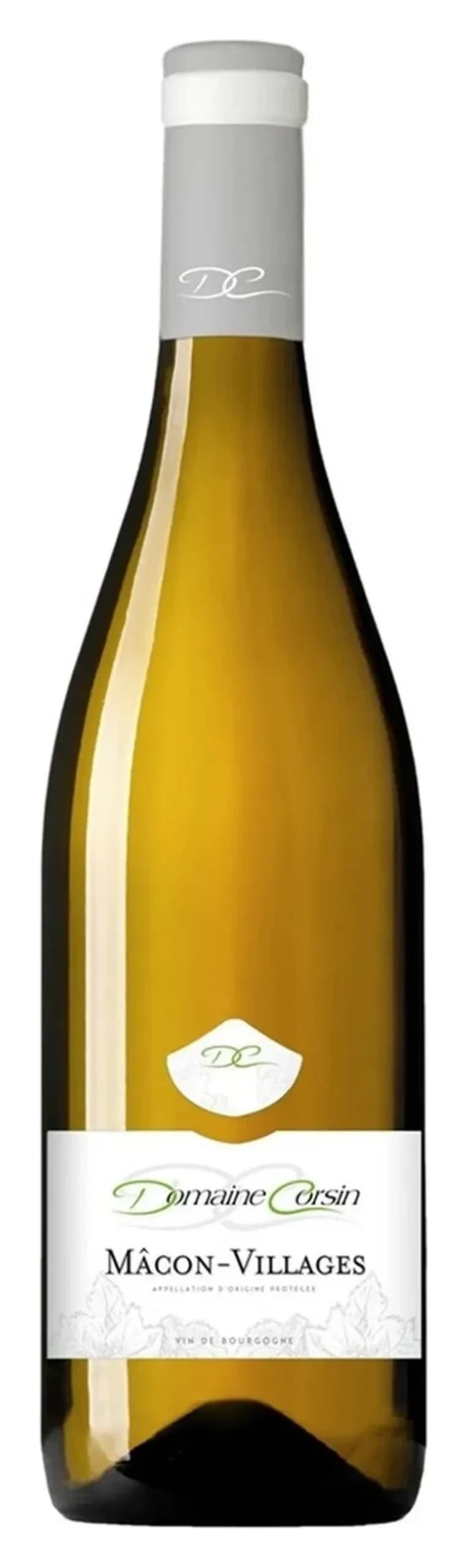
Domaine Corsin
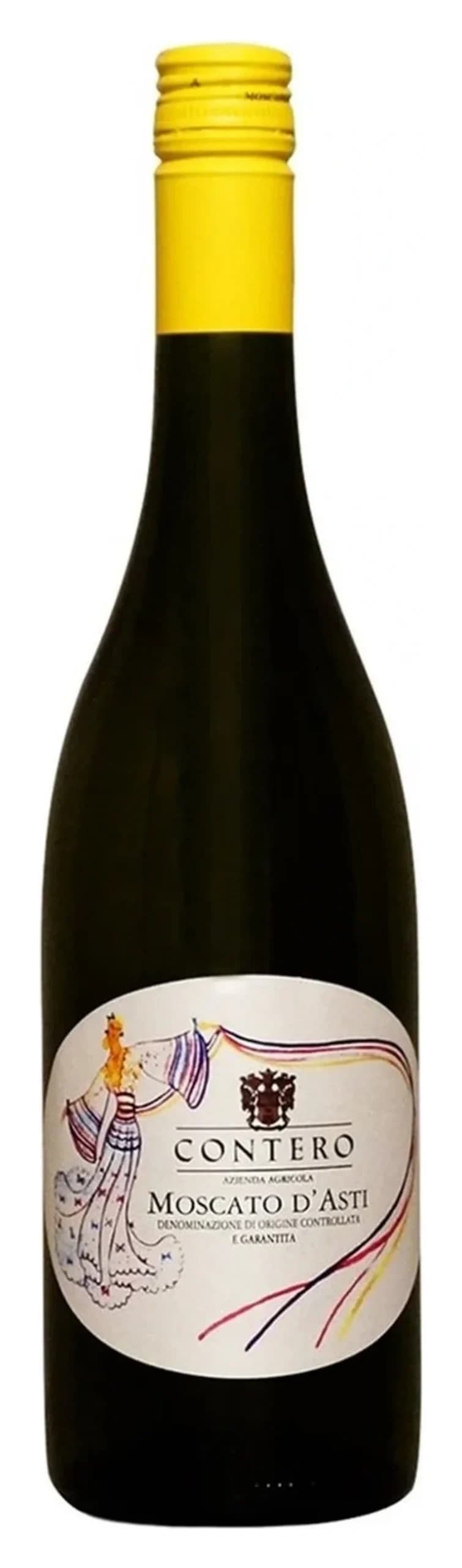
Contero
Biodynamic wine isn't a fad—it's a serious farming philosophy that produces noticeably cleaner, more mineral-driven wines. If you've tasted a bright, crystalline Riesling or a silky Pinot Noir and wondered why it tasted so alive, there's a good chance it was biodynamic. Leading producers and quality-focused growers throughout the world's great biodynamic regions treat their vineyards as living ecosystems, working with lunar cycles, natural composts, and zero synthetic chemicals. The result? Wines with genuine expression—the kind that make you taste the soil itself. Yes, you'll pay more (typically from £16 to £55 depending on producer and vintage), but you're buying provenance, purity, and farming done properly.
Honest answer: if you care where your wine comes from and how it's made, biodynamic certification is the real deal. These aren't just organic by default—top biodynamic estates across regions like Burgundy submit to rigorous Demeter audits covering everything from lunar planting calendars to compost recipes. No shortcuts, no synthetic herbicides creeping in, no corner-cutting on yields to chase volume.
Taste-wise, you get wines that sing. Biodynamic Rieslings show crackling acidity and mineral precision. Pinot Noirs display silky tannins and real depth without heaviness. Even whites from less fashionable regions often outperform their conventional neighbours. The wines are fresher, the aromatics cleaner, the fruit more defined. Pair them anywhere: crisp biodynamic whites with fish and salads, medium-bodied reds with roasted chicken or pork, fuller bottles with game and aged cheese.
Expect to invest 20–35% more than mass-produced alternatives, but you're funding real farming. Entry-level biodynamic bottles sit around £14–18; serious producers range £28–55+. It's money well spent if you drink wine more than once a week.
Organic certification means no synthetic pesticides or fertilisers—a good baseline. Biodynamic goes several steps further. It's a holistic system: planting and pruning by lunar calendar, creating natural composts with specific plant and animal preparations, integrating livestock into the vineyard, and fundamentally treating the whole farm as one interconnected organism. Think of organic as "what you don't do"; biodynamic is "how you actively manage the land." Both produce cleaner wines than industrial viticulture, but biodynamic demands far more rigour and philosophy from the grower.
Yes—especially in lighter, more delicate styles. Rieslings and Pinot Noirs show the clearest difference: fresher acidity, cleaner aromatics, mineral definition that jumps out of the glass. You'll notice a crispness and precision that mass-produced wines simply lack. Fuller-bodied reds (Bordeaux blends, Rhône wines) show the difference too, but more subtly—better balance, less jammy extraction, longer finish. The purity is unmistakable once you've tasted side by side.
Yes, typically 20–35% above non-certified wines of the same vintage and region. Here's why: smaller yields (the vineyard is managed for quality, not volume), hands-on labour (lunar calendars and compost-making can't be mechanised), Demeter certification costs, and genuine farming rigour. You're not paying for a marketing label—you're funding sustainable agriculture. That said, excellent entry-level biodynamic bottles start from £14–16, and you can find serious, food-friendly bottles from respected producers between £22–38. Premium allocations and back-vintage bottles run higher, but the value is real at every price point.
Shop our biodynamic wine selection →
Written by SommPills AI Merchant — our in-house AI, directed by real sommeliers.