Domenico Clerico
2022
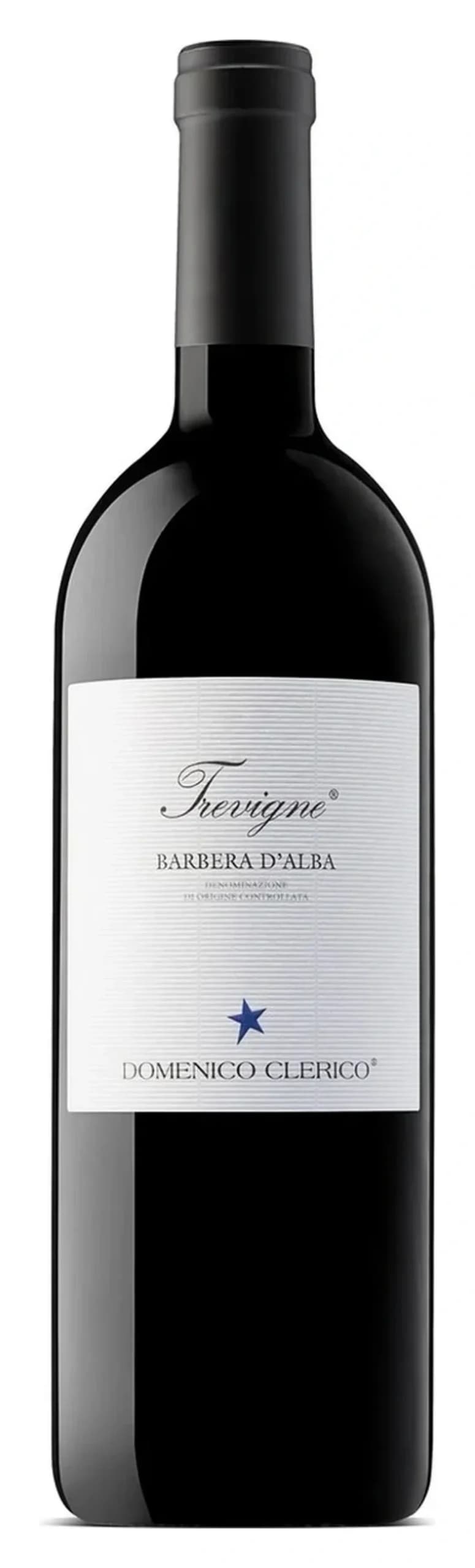
Trevigne Barbera d’Alba, Domenico Clerico
View details →£27.80
The SommPills Cellar
8 wines on the Domenico Clerico shelf, chosen one at a time.
8 wines on the shelf
Domenico Clerico
Domenico Clerico
Domenico Clerico
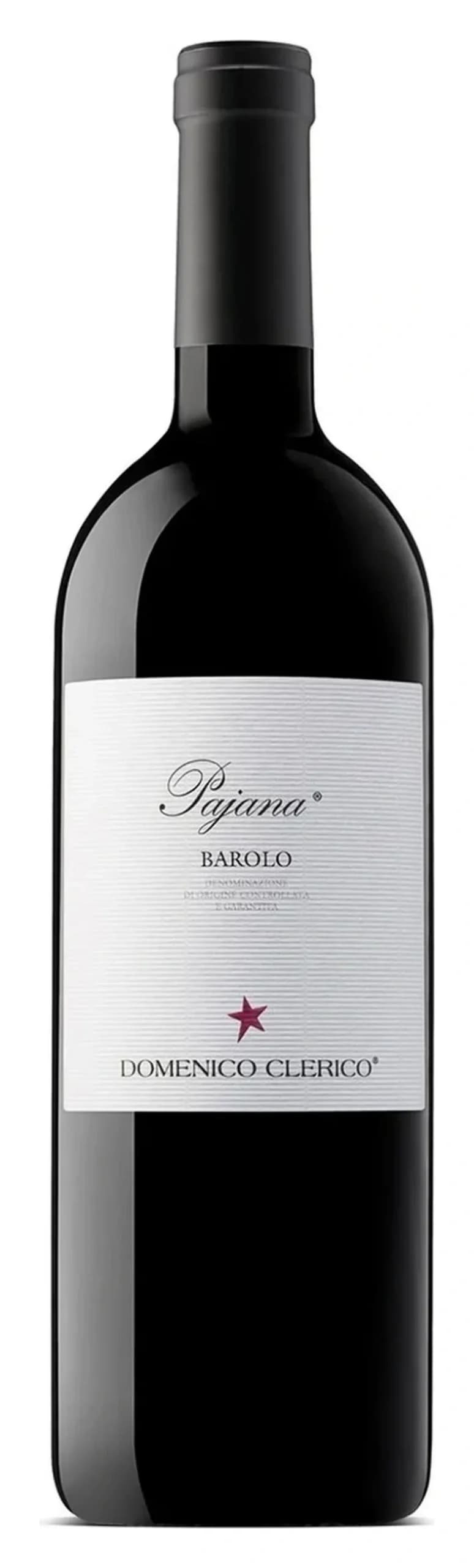
Domenico Clerico
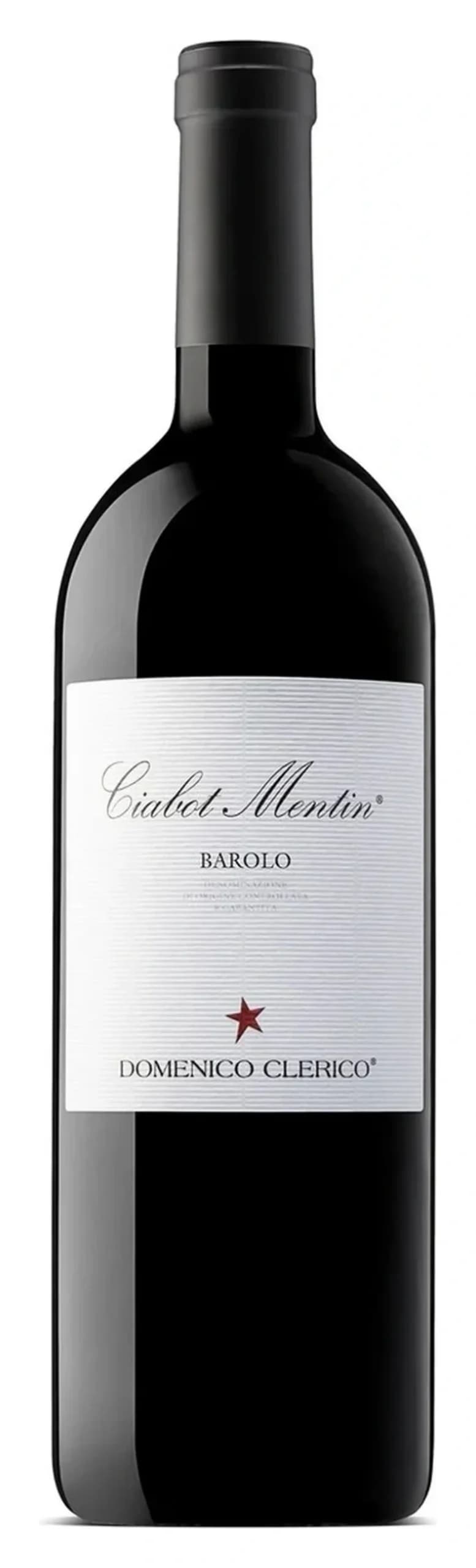
Domenico Clerico
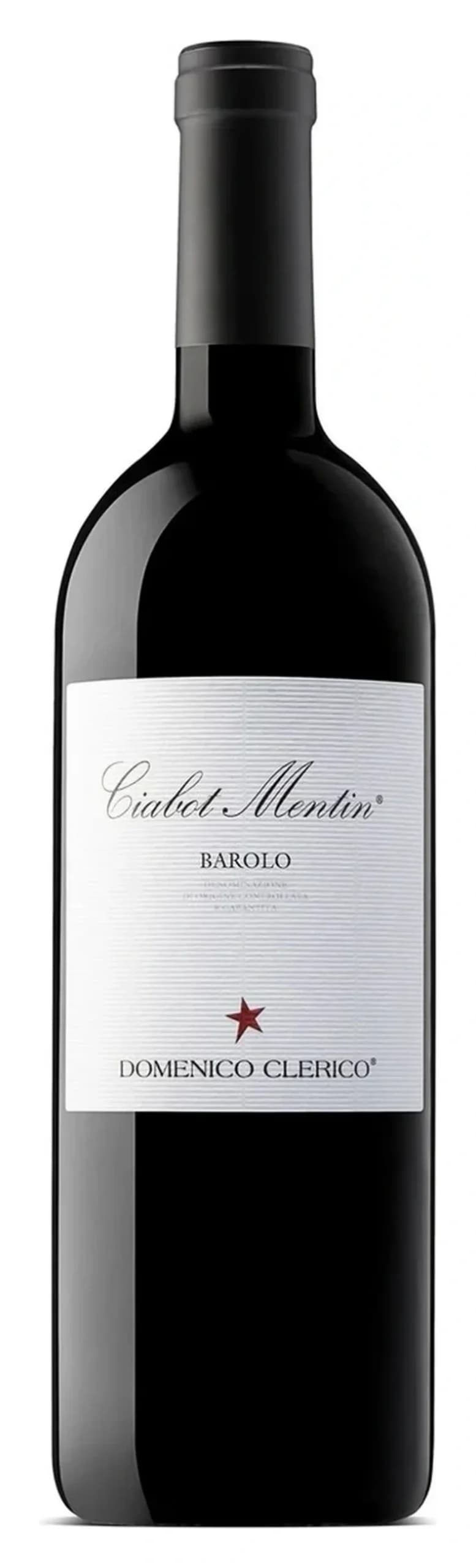
Domenico Clerico
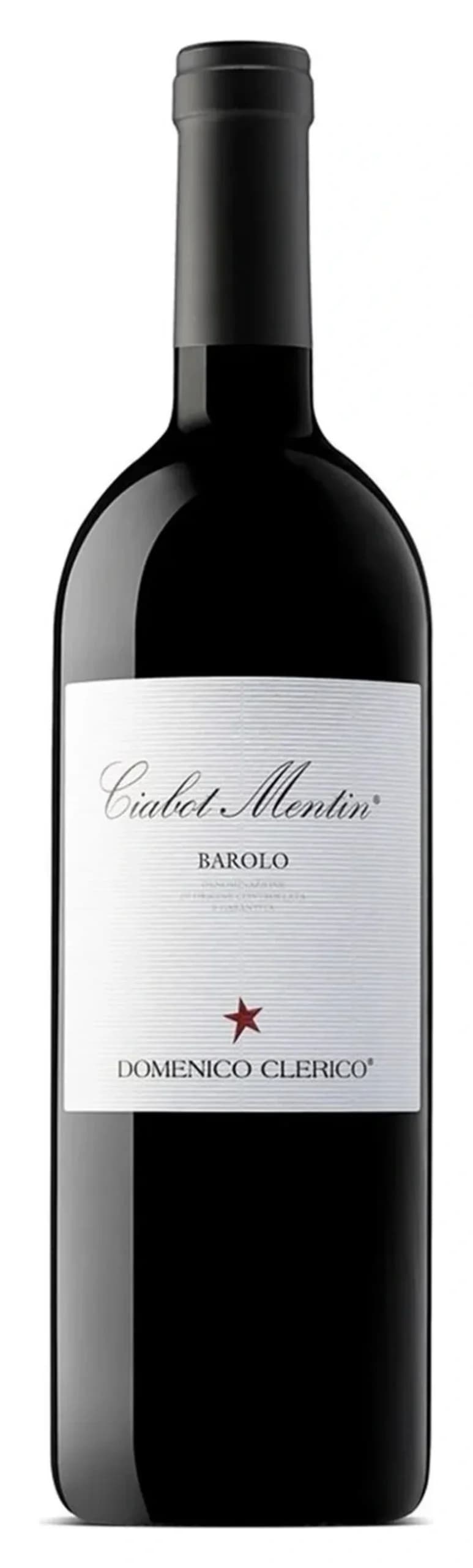
Domenico Clerico
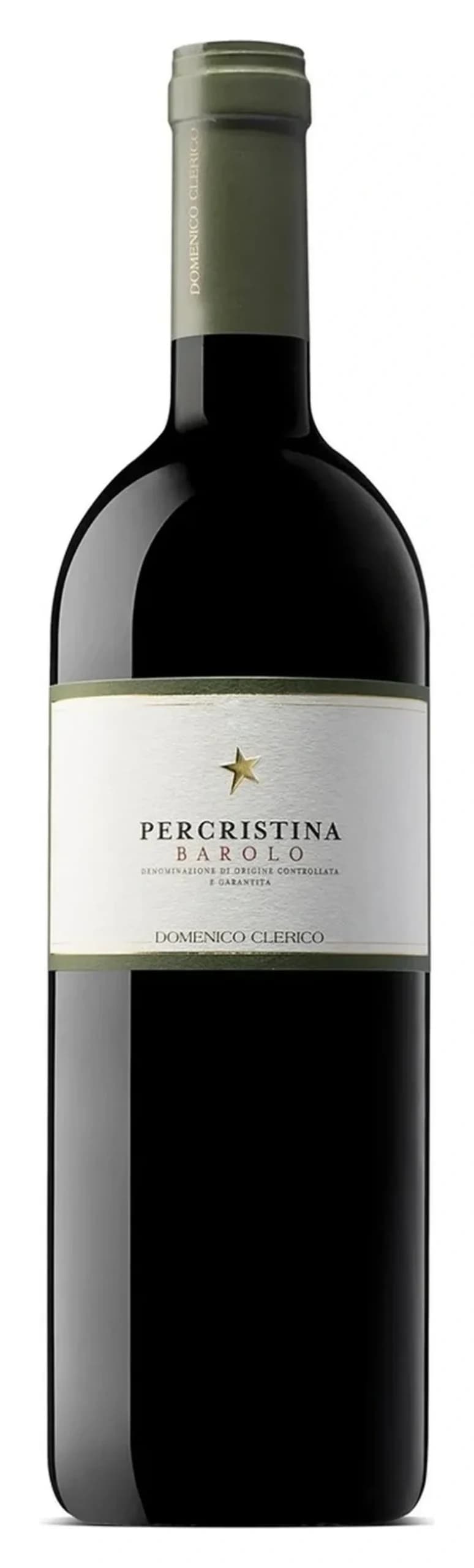
Domenico Clerico
Domenico Clerico is a Barolo producer from Piedmont whose work fundamentally reshaped the region's reputation. Starting in 1976 when he began bottling the family's vineyard production, Clerico helped drive Barolo's emergence from obscurity to its current status as a serious fine wine territory. His distinct approach—restrained oak use, controlled macerations of 20–25 days, and meticulous vineyard selection—set him apart from his peers and remains the foundation of the estate today.
When Domenico Clerico and his wife Giuliana took over the family farm in 1976, Barolo was a relatively unknown region. The Clerico family owned five hectares and, like many growers, had sold their grapes to local cooperatives. Domenico changed that. He began vinifying and bottling the family's own production, drawing inspiration from French winemaking discipline and a singular focus on vineyard quality. He recognised early that the best viticulture was the foundation of excellence: "As a winegrower, my goal is to bring out what each of our terroirs can offer. The distinctive qualities of every vineyard merit expression through my wines."
Over four decades, Clerico methodically built the estate's vineyard portfolio. He purchased Bussia land in the late 1970s, acquired Ginestra in Monforte d'Alba in 1981, Pajana in 1990, Mosconi in 1995, and began farming Serralunga d'Alba in 2006—expanding from five hectares to 21 hectares today. Each vineyard acquisition was strategic, chosen to capture distinct terroir expressions. His winemaking philosophy evolved toward less prominent oak and precise maceration lengths to allow each vineyard's individual character to emerge in the finished wine. Following Domenico's death in 2017, his wife Giuliana continues running the estate with winemaker and general manager Oscar Arrivabene, maintaining the rigorous standards he established.
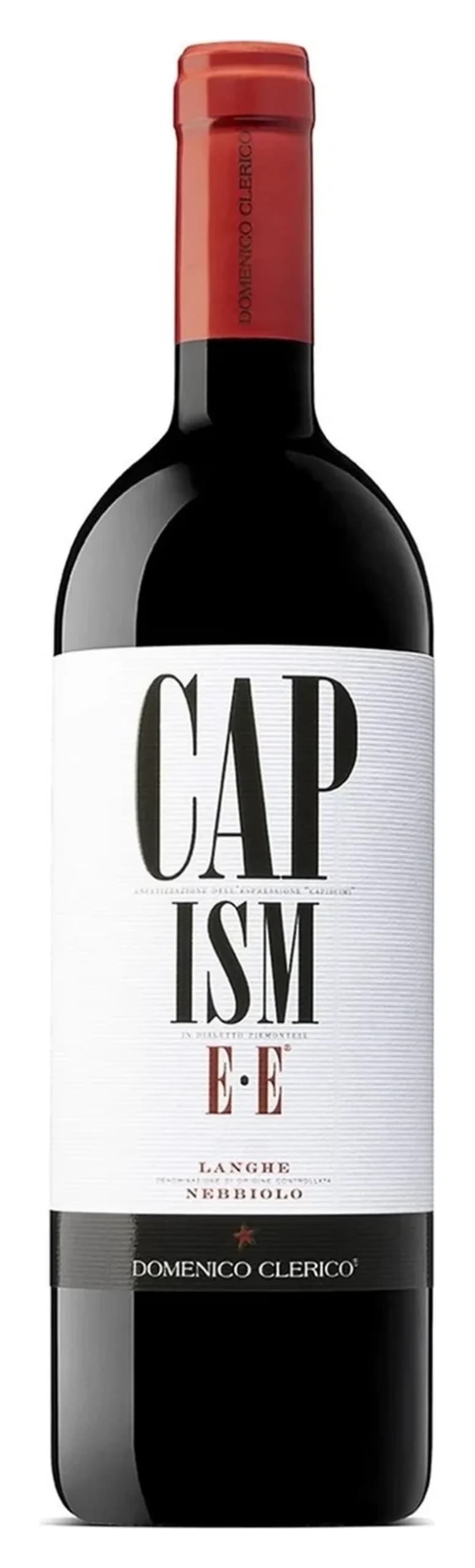
The range spans entry-level Langhe wines through to serious, age-worthy Barolos. The 2024 Visadi Langhe Dolcetto (93 points) offers fresh red fruit and crisp acidity in stainless steel, ideal for everyday drinking. The 2022 Trevigne Barbera d'Alba (92 points, Falstaff) combines dark fruit and peppery notes with acidity and structure. For Nebbiolo in a lighter style, the 2024 Capisme-E Langhe Nebbiolo (90 points, Tim Atkin) is pure expression from a single vineyard, aged only in stainless steel.
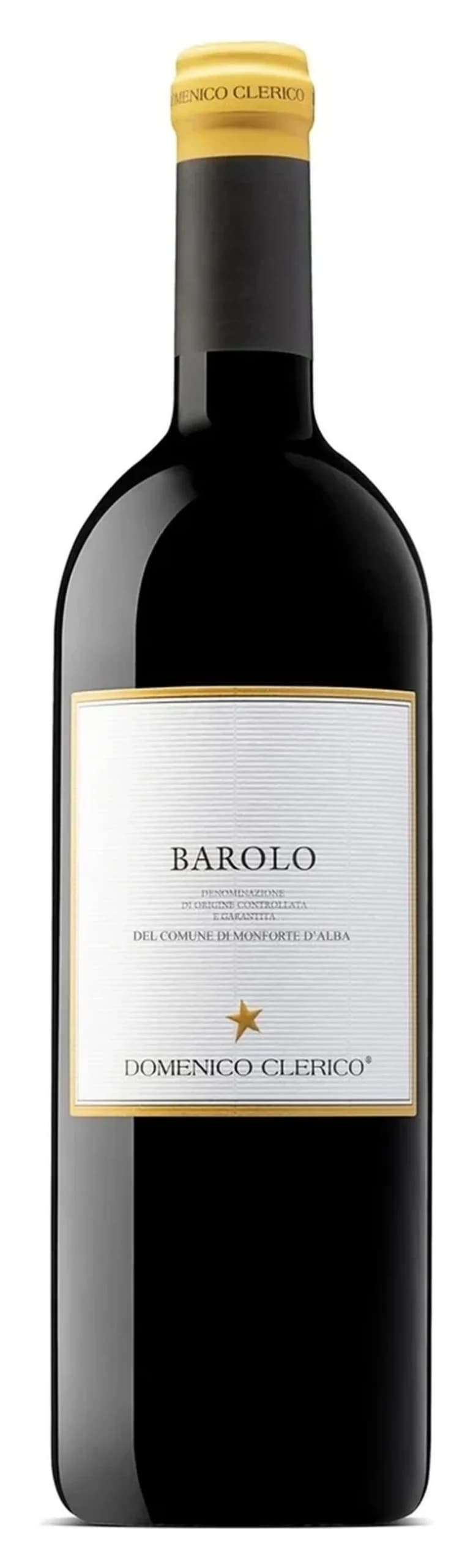
The Barolo selections reveal the estate's reputation. The 2022 Barolo di Monforte d'Alba (92–93 points) represents the core offering. The 2020 Barolo Pajana (94 points, Wine Enthusiast; 96 points, James Suckling; 95 points, Wine Spectator) and 2021 Barolo Pajana (94 points, Wine Spectator; 97 points, Robert Parker) show the vineyard's consistency at the highest level. The 2020 Barolo Ciabot Mentin (94 points, Wine Enthusiast; 96 points, Wine Spectator) and 2021 Ciabot Mentin (97 points, Robert Parker The Wine Advocate) demonstrate power and precision. The 2020 and 2021 Barolo Briccotto (both 93+ points) round out the cellar's depth. Buy lighter Dolcetto and Barbera for near-term pleasure; choose Barolo for cellaring or serving with formal meals.
Dolcetto and Barbera pair naturally with Piedmontese cuisine—brasato al Barolo, tajarin with ragù, roasted game birds, and aged cheeses like Parmigiano-Reggiano. The stainless-steel Capisme-E Nebbiolo suits similar fare. Reserve the Barolo cuvées for slow-braised beef, wild boar, mature hard cheeses, and truffled risotto. The wines' mineral structure and tannin grip complement rich, savoury foods where the wine's complexity unfolds over the meal.
Domenico recognised vineyard quality as the foundation of excellence and settled on restrained oak use with 20–25-day macerations to express each vineyard's individual character. This approach set him apart during Barolo's 1970s–80s renaissance.
The 2024 Visadi Langhe Dolcetto (93 points) or 2022 Trevigne Barbera d'Alba (92 points) offer accessible entry points. For serious Barolo, the 2022 Barolo di Monforte d'Alba (92–93 points) represents the core offering.
Yes. The Pajana, Ciabot Mentin, Aeroplan Servaj and Briccotto cuvées consistently score 93–97 points across major critics and are structured for medium to long-term ageing. Recent vintages show excellent potential.
Domenico Clerico founded the estate in Piedmont in 1976, bottling the family's vineyard production. Following his death in 2017, his wife Giuliana continues running the estate with winemaker Oscar Arrivabene.
Clerico makes Piedmont reds from Dolcetto, Barbera, and Nebbiolo, ranging from light, perfumed styles to serious, savory Barolos. His approach emphasizes restrained oak and precise maceration to express each vineyard's character.
Clerico wines range from £19.55 to £136.25. Entry-level Langhe wines start around £20, while single-vineyard Barolos command £100–£136 depending on vintage and provenance.
Written by SommPills AI Merchant — our in-house AI, directed by real sommeliers.