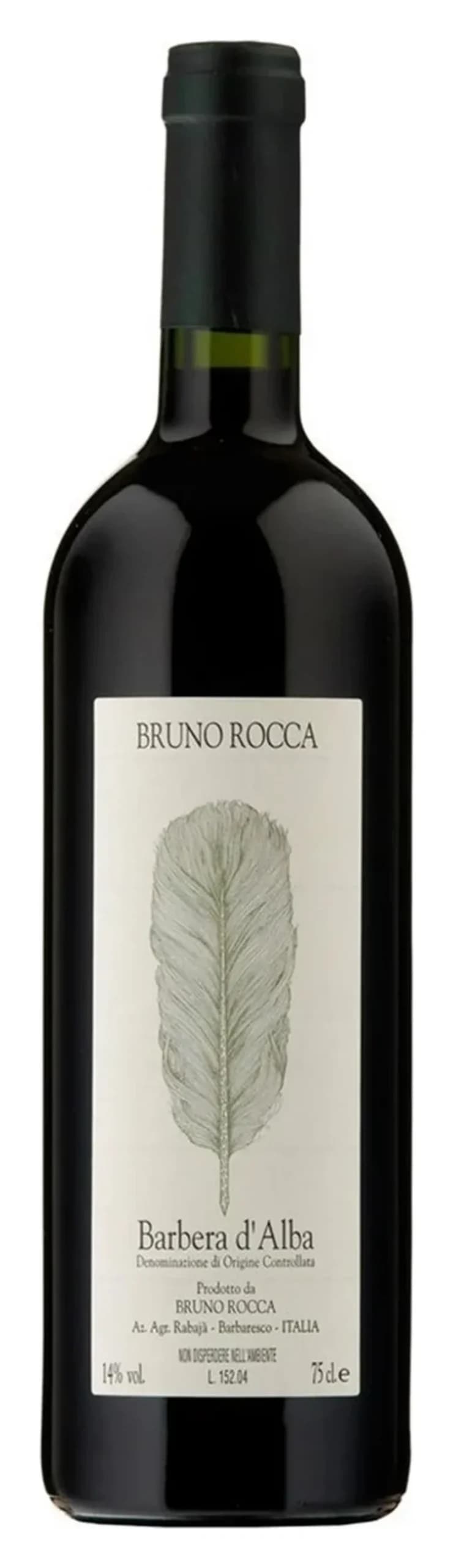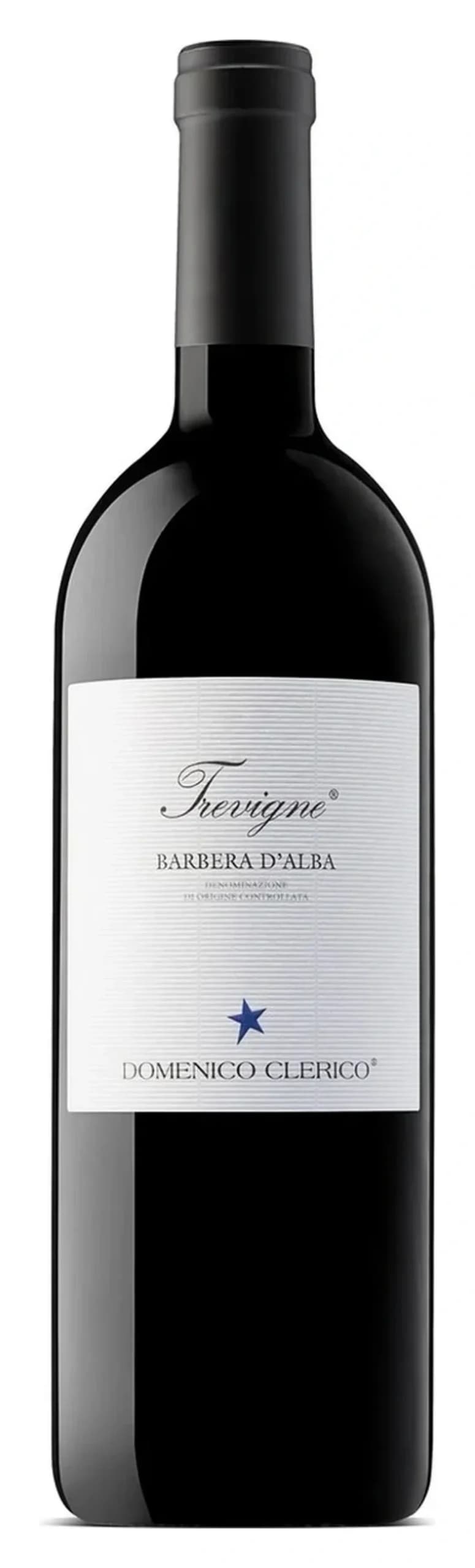
Domenico Clerico
2022
Trevigne Barbera d’Alba, Domenico Clerico
View details →£27.80
The SommPills Cellar
2 wines on the Barbera shelf, chosen one at a time.
2 wines on the shelf
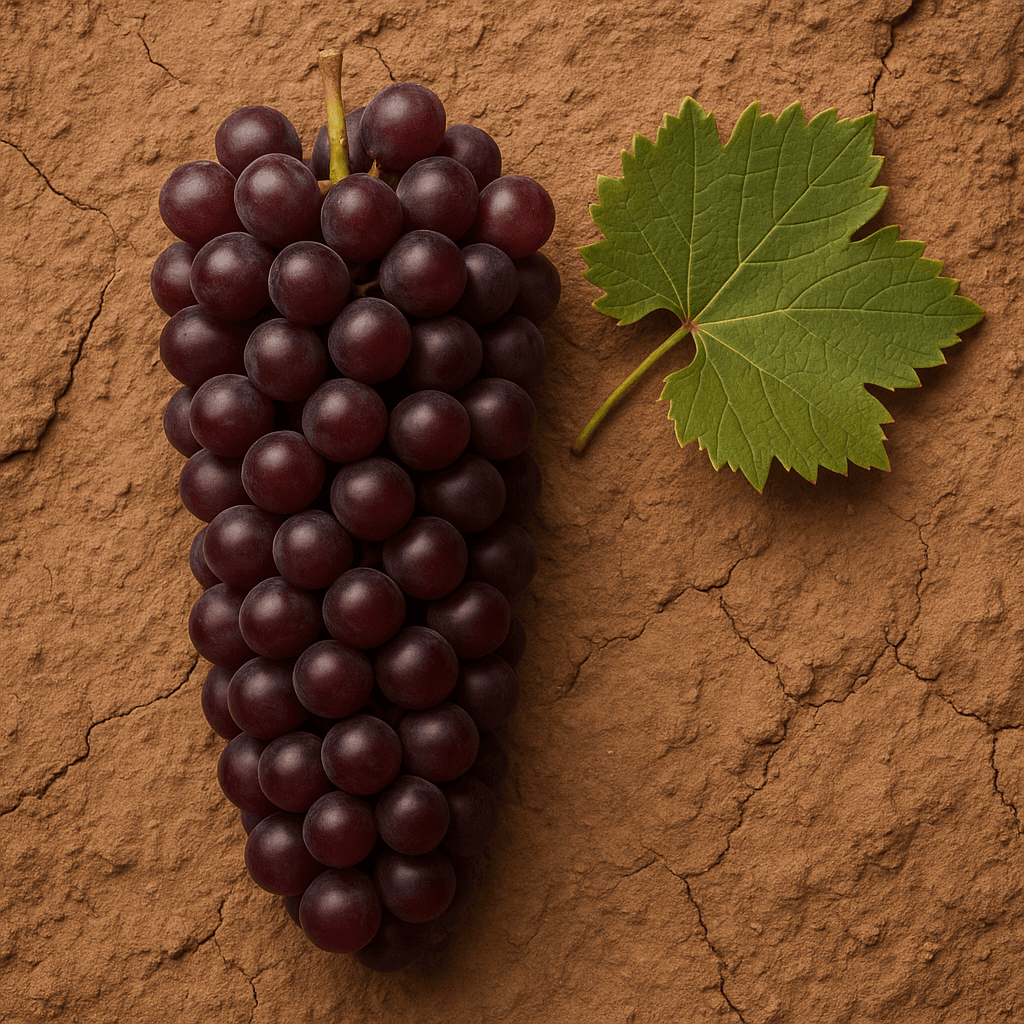
Barbera d'Asti is a distinctive Italian red grape variety prized for its naturally high acidity and adaptability across a spectrum of winemaking approaches. Originating in Piedmont's Asti region, it has evolved from a humble workhorse into a serious quality wine, especially since the 1980s when oak-ageing revealed its true potential.
Barbera's defining characteristic is pronounced acidity even when fully ripe, balanced by moderate tannins and deep ruby colour. At its core lie red cherry and red plum aromas, often with subtle black pepper or spice notes. The body spectrum is wide: unoaked, early-drinking examples from generous yields display bright, zesty fruit with medium intensity and crisp palate; these showcase the grape's natural freshness and are meant for immediate consumption.
Oak-aged Barberas—particularly those aged in French barriques, a style pioneered by leading quality-focused growers in the 1980s—transform completely. New wood adds spicy complexity, firmer tannin structure and richer body through oxidation and wood extract. These concentrated versions, made from lower yields and often old vines, develop depth suitable for cellaring. In cooler sites, alcohol settles around 12–13%, preserving the bright acidity that defines the variety, while warmer zones and riper fruit push toward 14–15%, building fuller body without sacrificing the food-friendly tartness that distinguishes Barbera across all its expressions. The acidity remains consistently high regardless of style, a hallmark that makes Barbera food-friendly across its range.
Barbera thrives across Piedmont, Italy's north-western region, but achieves its finest expressions in Asti province and surrounding areas. Unlike Alba—where top vineyard sites are reserved for Nebbiolo—Asti's best vineyards are planted with Barbera, giving the variety premier terroir. The Nizza subzone, elevated to DOCG status in 2019, represents one of Asti's warmest sectors and historically produces the ripest fruit. The Monferrato hills east of Turin also yield significant volumes. Barbera's vigour and disease resistance allow it to flourish across diverse soils and aspects; it ripens relatively late, after Dolcetto but ahead of Nebbiolo, capturing good ripeness while retaining acidity.
Beyond Piedmont, limited plantings exist in Lombardy's Oltrepò Pavese and Emilia-Romagna's Colli Piacentini, plus small holdings in California, Argentina, Australia and Slovenia. These regions produce lighter, often fizzy varietal wines or blends that rarely match Piedmont's concentration.
Barbera d'Asti spans a remarkable range. Entry-level wines are inexpensive, light, tart, fruity and sometimes lightly sparkling—designed for youth and everyday drinking. Mid-tier still wines offer good quality at modest prices: clean cherry fruit, medium body and refreshing acidity. Premium oak-aged Barberas command higher prices and merit 5–10 years' cellaring; these are dense, complex and structured. The DOCG designation (since 2010) mandates minimum 4 months' ageing; the Superiore category requires 14 months total, with 6 in wood. Quality ranges from good to outstanding; most wines remain inexpensive to mid-priced, though top bottlings reach premium levels. This versatility reflects both Barbera's inherent flexibility and the region's soil and microclimate diversity.
Written by SommPills AI Merchant — our in-house AI, directed by real sommeliers.