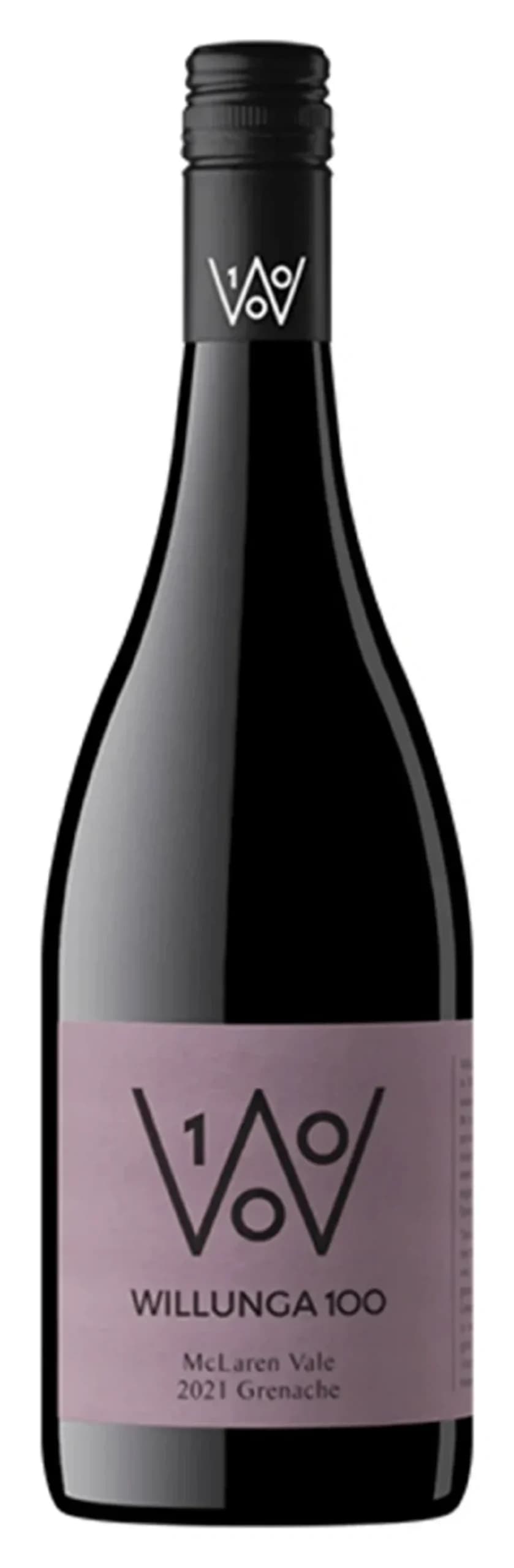
Willunga 100
2024
McLaren Vale Grenache, Willunga 100
View details →£16.50
The SommPills Cellar
47 wines on the Grenache & Garnacha shelf, chosen one at a time.
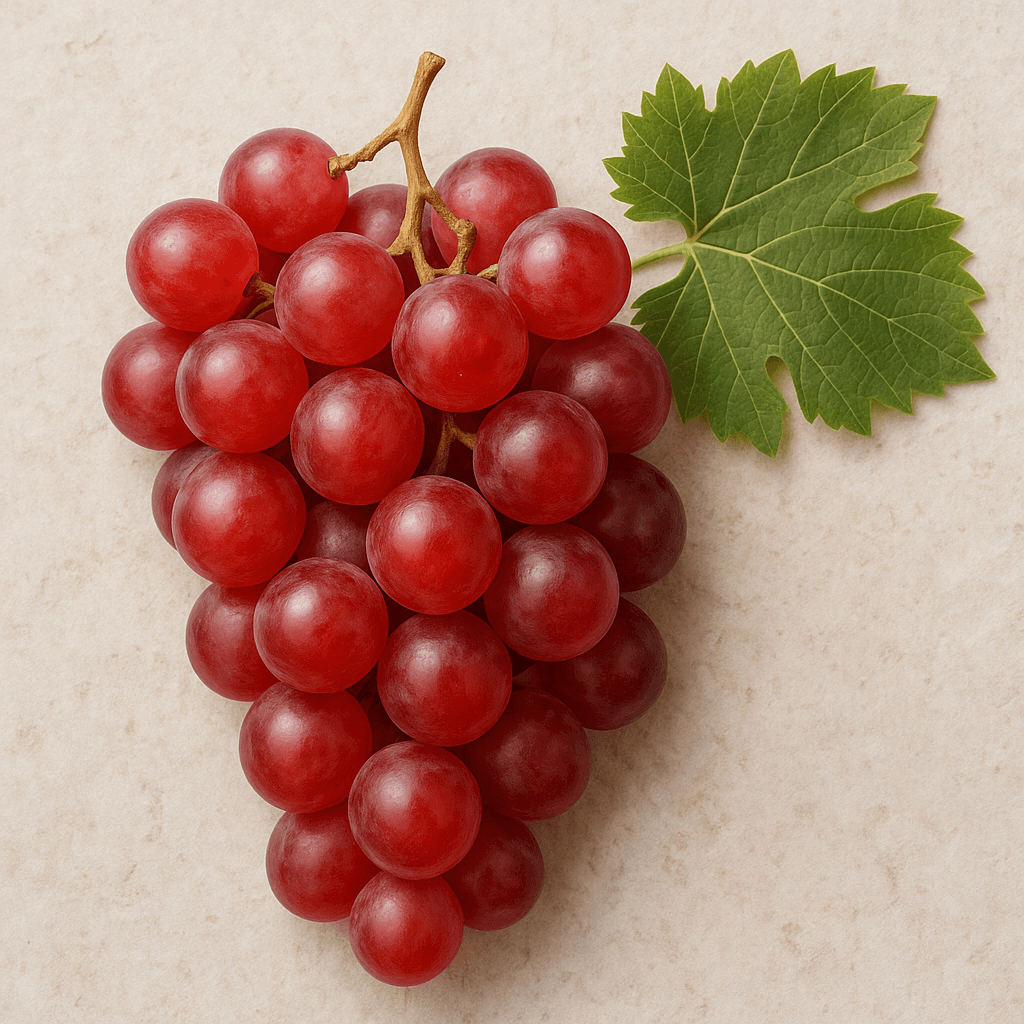
47 wines on the shelf
Willunga 100
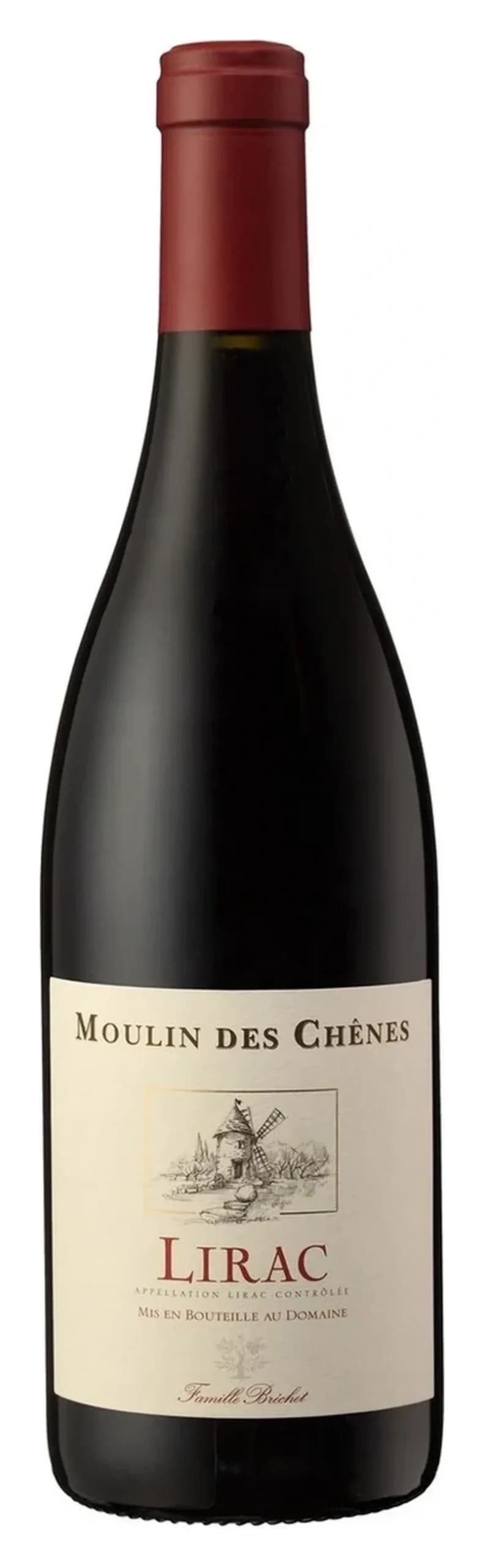
Famille Brechet
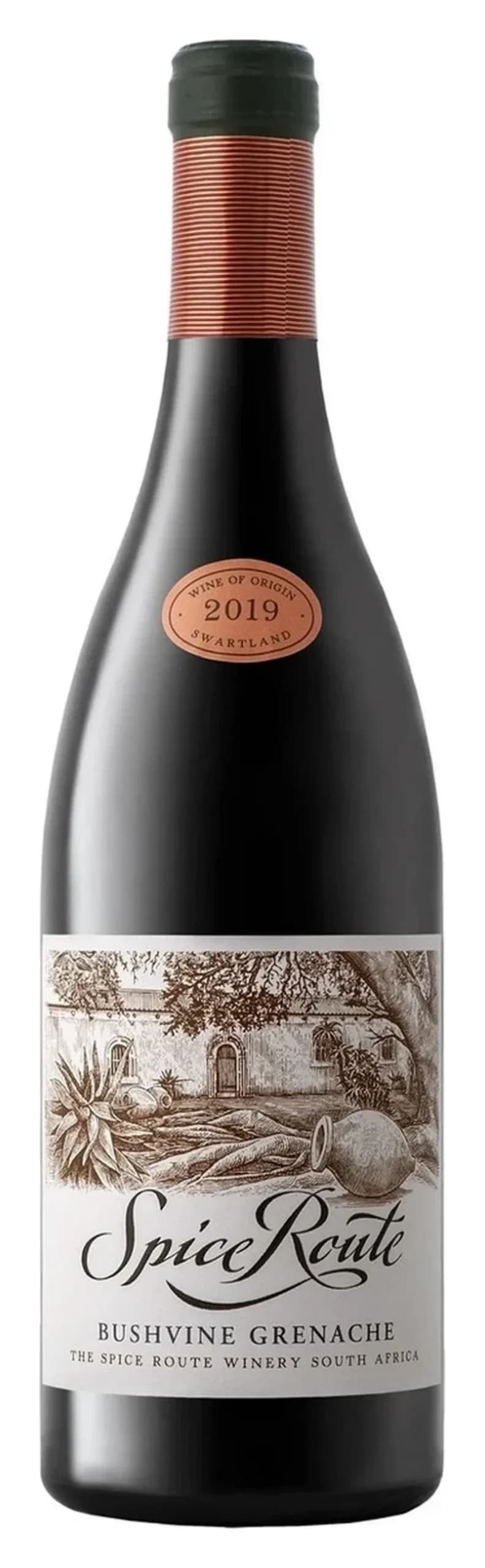
Spice Route Wines
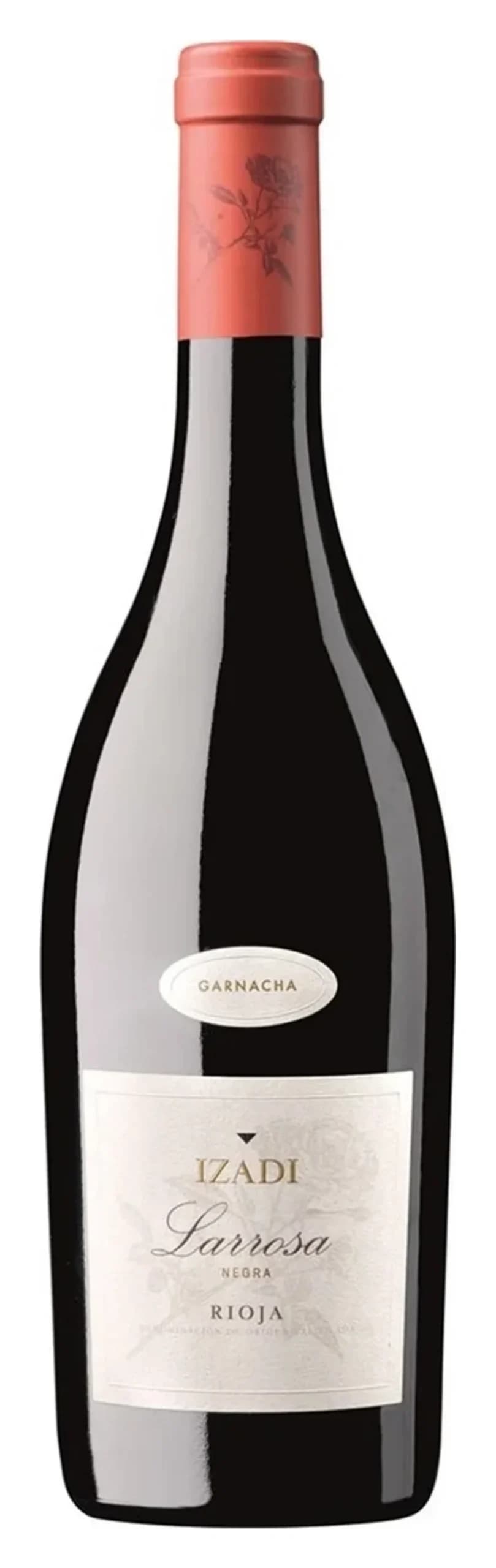
Bodegas Izadi
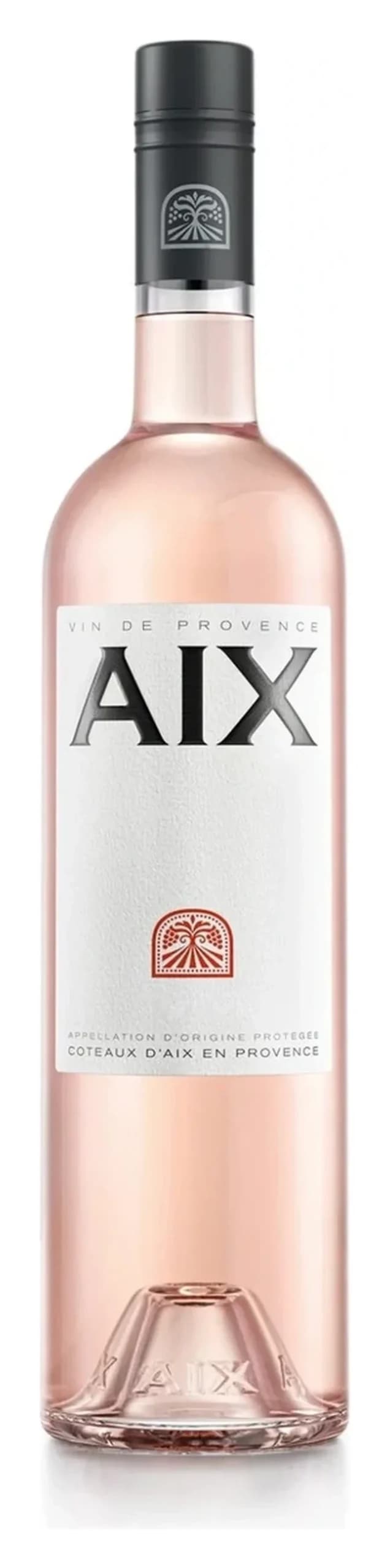
Maison Saint Aix
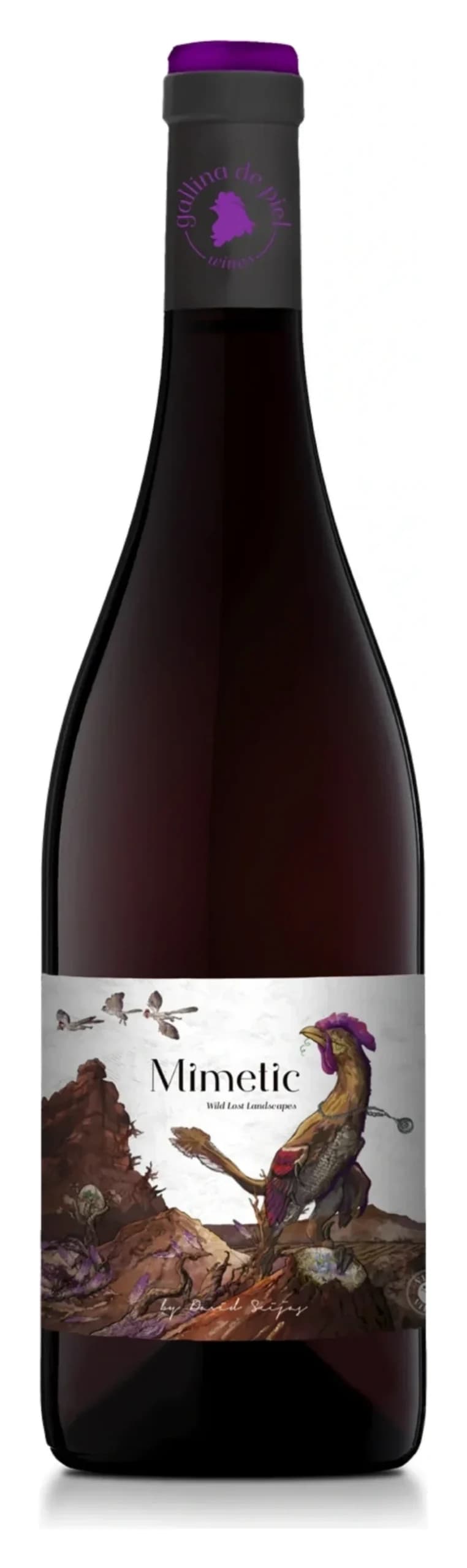
Gallina De Piel Wines

Le Chateau du Rouet
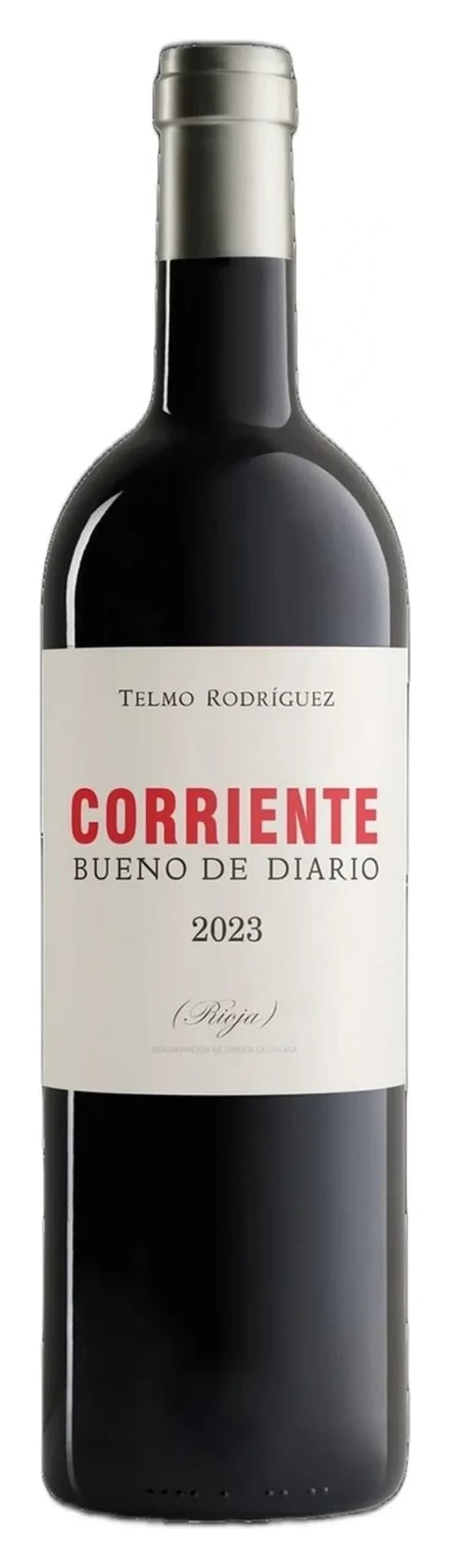
Compania de Vinos Telmo Rodriguez
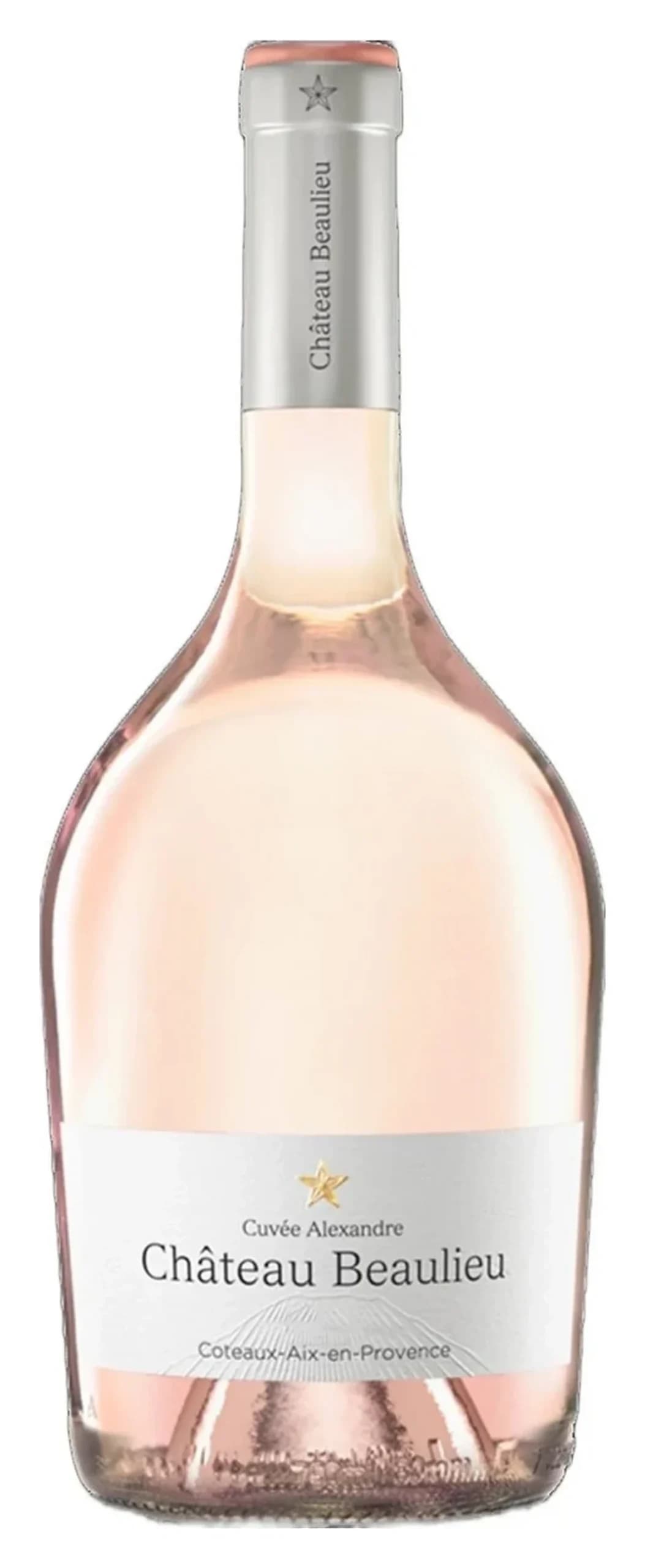
Chateau Beaulieu
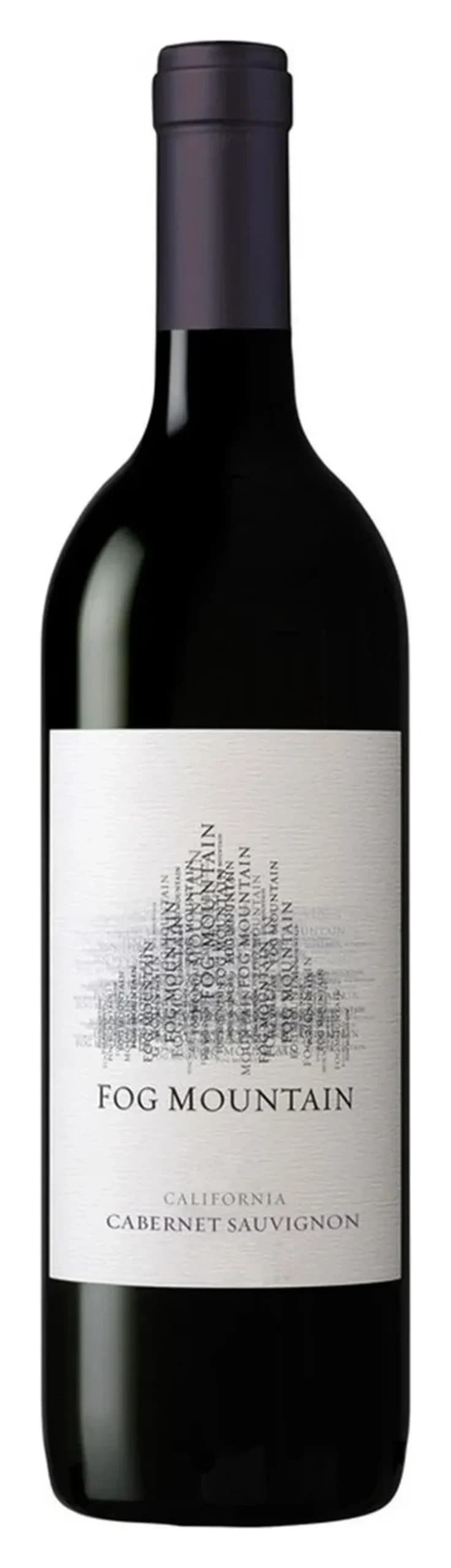
Fog Mountain
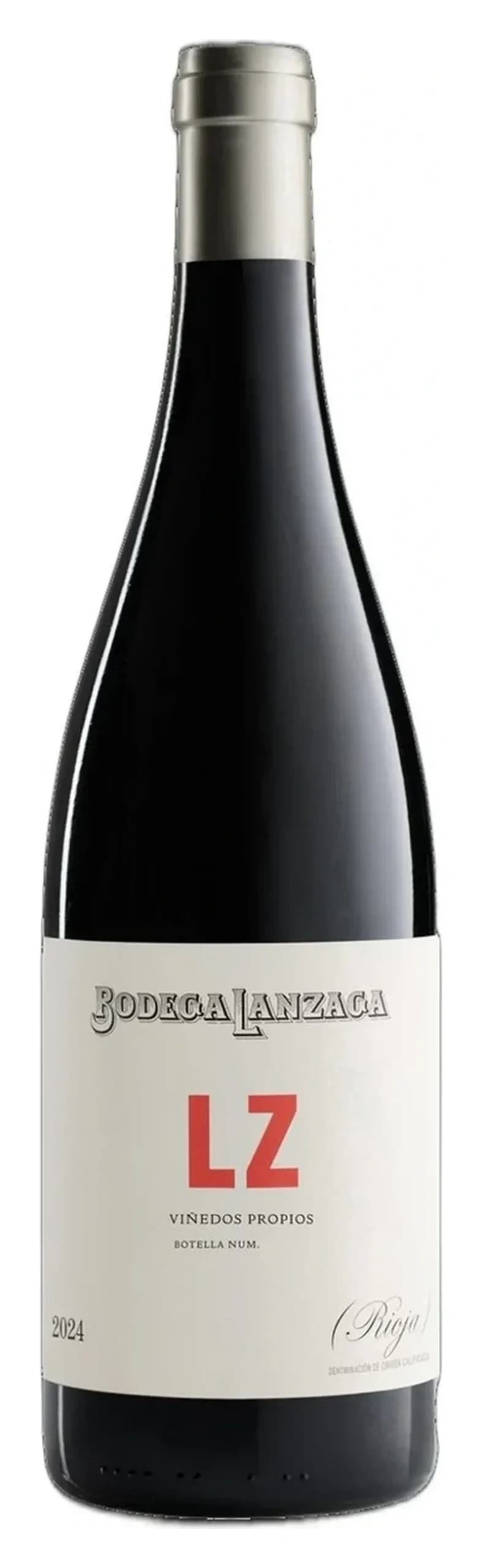
Compania de Vinos Telmo Rodriguez
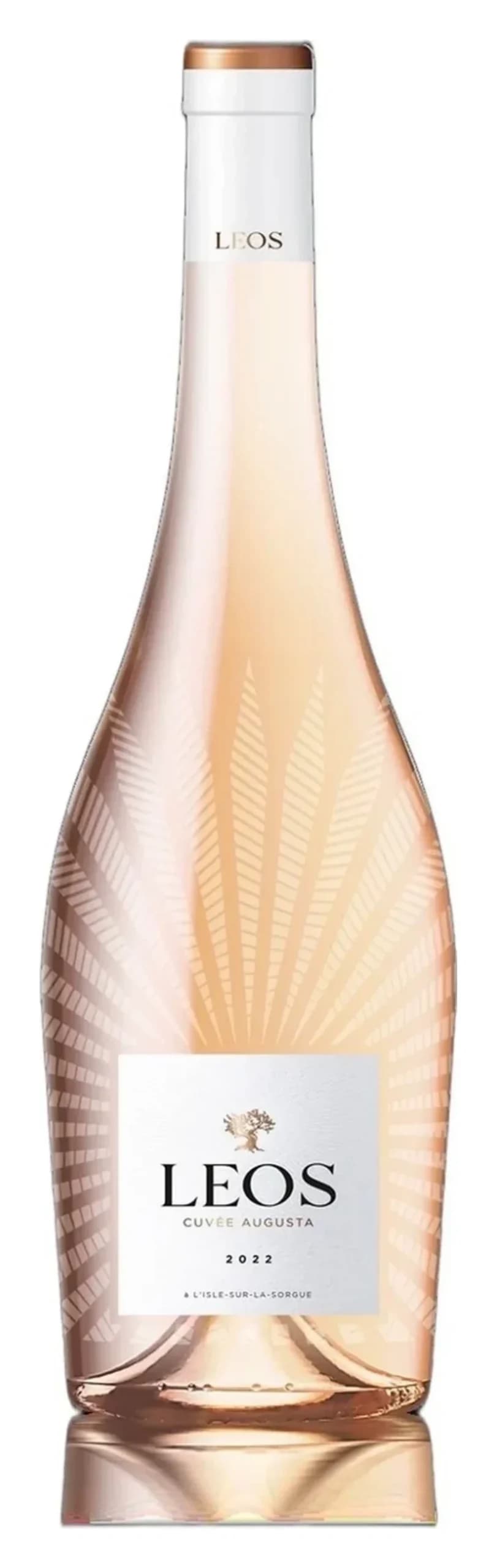
Domaine de Leos
Grenache & garnacha—the same grape known by different names across Spain, France and beyond—thrives in hot, dry climates and delivers a broad spectrum of wine styles. Its ability to adapt to terroir and winemaking choices makes it one of the world's most planted varieties, from pale Mediterranean rosés to concentrated old-vine reds.
Grenache produces naturally fruity wines with pale to medium ruby colour and characteristically high alcohol. Aromas centre on ripe red berries—strawberry, red plum, red cherry—often accompanied by spice, herbs and subtle garrigue. Acidity levels tend toward moderate at best, while tannins range from soft to medium depending on yield and vineyard conditions.
The grape's body and style form a spectrum driven by climate, site and winemaking. In cool regions or when picked earlier, grenache yields lighter wines with fresher red fruit and brighter acidity. Warm climates and riper harvests produce fuller, higher-alcohol expressions with jammy fruit characters. Old, stressed bush vines in arid sites—yielding as little as 15–20 hectolitres per hectare—concentrate flavours and tannins dramatically through natural stress. Oak maturation—whether in small barrels or larger foudres—adds richness and complexity; many modern producers favour old oak or large vessels to avoid overwhelming the variety's delicate structure.
France holds the world's largest plantings of Grenache Noir, with dominant presence across the southern Rhône—particularly in Vaucluse, where iconic Châteauneuf-du-Pape derives its character largely from this grape. Provence, Languedoc-Roussillon and the Gard département (famous for rosé) also support extensive cultivation. In these regions, the grape expresses herby, spicy and sweet-ripe character that reflects both terroir and Mediterranean sun.
Spain—where it is called Garnacha—grows substantial quantities across Aragón (Campo de Borja, Cariñena, Calatayud), Castilla-La Mancha, Rioja (especially the warm Rioja Oriental), Navarra, Priorat, Empordà and Cataluña. Spanish old-vine examples, particularly from Priorat and the Gredos Mountains, have transformed its reputation from bulk wine to premium expression. In Sardinia, it is known as Cannonau and produces full-throttle, high-alcohol reds that can reach 15–16% ABV. Limited plantings exist in California, Washington, Australia (Barossa Valley, McLaren Vale, Eden Valley), South Africa and other warm regions.
Grenache expresses itself across multiple styles. Dry rosés—particularly from southern France (Tavel, Lirac) and Navarra—showcase herby, dry character with medium body and fresh acidity. Dry red wines range from light, fruity expressions in cooler sites to concentrated, tannic examples from old bush vines in hot climates. Many producers blend it with Syrah and Mourvèdre in the classic 'GSM' blend, where grenache supplies ripe fruit and alcohol while its co-varieties add structure and colour. Fortified vins doux naturels from Roussillon (Banyuls, Maury, Rivesaltes) exploit its high sugar potential. Quality spans inexpensive, early-drinking reds to premium, age-worthy examples from old vineyards; the best demonstrate remarkable concentration and complexity.
Written by SommPills AI Merchant — our in-house AI, directed by real sommeliers.