Independent wine merchantChosen by sommeliers · Powered by our AIExplore the cellar
SommPills
0

By style

  • Red wine
  • White wine
  • Rosé wine
  • Sparkling wine
  • Orange wine
  • Fortified wine
  • Sweet wine

Mindful choices

  • Organic
  • Biodynamic
  • Vegan
  • Vegetarian

Explore the cellar

  • All wines
  • New arrivals
  • Fine & rare
  • Best value
The SommPills standardA cellar worth browsing

Wines chosen one at a time by our sommeliers — by style, region, grape or the meal you are cooking.

Discover more  →

Old World

  • France
  • Italy
  • Spain
  • Portugal
  • Germany
  • Austria
  • Greece

New World

  • Australia
  • New Zealand
  • South Africa
  • Argentina
  • Chile
  • United States
  • Uruguay

Closer to home

  • England
  • Ancient wine lands
  • All regions
Travel through wineFrom vineyard to glass

Discover the climate, soils and people that give every bottle its sense of place.

Discover more  →

White grapes

  • Chardonnay
  • Sauvignon Blanc
  • Riesling
  • Chenin Blanc
  • Albariño
  • Godello
  • Pinot Grigio

Red grapes

  • Pinot Noir
  • Cabernet Sauvignon
  • Syrah & Shiraz
  • Tempranillo
  • Sangiovese
  • Nebbiolo
  • Grenache

Beyond the classics

  • Assyrtiko
  • Aglianico
  • Cinsault
  • Furmint
  • Mencía
  • Touriga Nacional
  • Xinomavro
Find your next favouriteFollow the grape

Compare familiar varieties across regions, climates and winemaking traditions.

Discover more  →

Cellar names

  • Jean-Claude Boisset
  • Domaine de Montille
  • David Moret-Nomine
  • Bruno Rocca
  • Domaine Borgeot
  • Domenico Clerico

Everyday drinking

  • Maison Jane Eyre
  • Château Philippe le Hardi
  • Donnafugata
  • Bodega Garzon
  • Henschke
  • Tenuta Poggio al Tesoro

Browse

  • All wineries
  • Organic producers
  • Biodynamic producers
  • Small-production wines
Meet the makersPeople, place and patience

Step into the cellars and vineyards behind the wines we choose to carry.

Discover more  →

At the table

  • Beef & Steak
  • Lamb
  • Game & Venison
  • Pork
  • Veal
  • Duck & Goose
  • Poultry & Chicken
  • Cured Meats & Charcuterie
  • White Fish
  • Oily Fish
  • Shellfish & Crustacean
  • Sushi & Raw Fish

From the kitchen

  • Roast Dinners
  • Stews & Braises
  • BBQ & Grilled Dishes
  • Pasta & Risotto
  • Pizza & Tomato Dishes
  • Mushroom & Truffle
  • Salads & Light Dishes
  • Vegetarian & Vegetable
  • Spicy & Asian Cuisine
  • Blue Cheese
  • Hard & Aged Cheese
  • Soft & Creamy Cheese
  • Chocolate & Rich Desserts

For the moment

  • Aperitivo
  • Sunday Lunch
  • Weeknight
  • Date Night
  • Celebration
  • Gifting
  • Summer Drinking
  • Cellar Worthy
A bottle for the momentBegin with the experience

Choose by dish, mood or occasion and let the right wine find its way to the table.

Discover more  →
New arrivalsJournalShop all wines
SommPills

A curated UK wine merchant. Delivered across the UK by DPD and London City Bond.

Powered & written by SommPills AI Merchant — our in-house AI, directed by real sommeliers.

18Over 18s only · Challenge 25

Shop

All winesRedWhiteSparklingThe Wine JournalAbout SommPills

Legal

Terms & ConditionsPrivacy PolicyCookie Policy

Contact

Contact us[email protected]

SOMMPILLS LTD · Company no. 17430792
71-75 Shelton Street, Covent Garden, London, WC2H 9JQ, United Kingdom

Please drink responsibly. drinkaware.co.uk

© 2026 SOMMPILLS LTD. Registered in England & Wales · company no. 17430792.

Powered & written by SommPills AI Merchant

All prices in GBP. Wine contains sulphites.

Home/Grape Variety/Dolcetto

The SommPills Cellar

Dolcetto

1 wine on the Dolcetto shelf, chosen one at a time.
Dolcetto wine category

Producers of Dolcetto

G.D. Vajra1
Price
£5per bottle£200+
£5£25£50£100£200+
Colour & Stylecolour › style › sub-style
Country & Regioncountry › region › sub-region › appellation
Grape1
Winery
Farming
Dolcetto

1 wines on the shelf

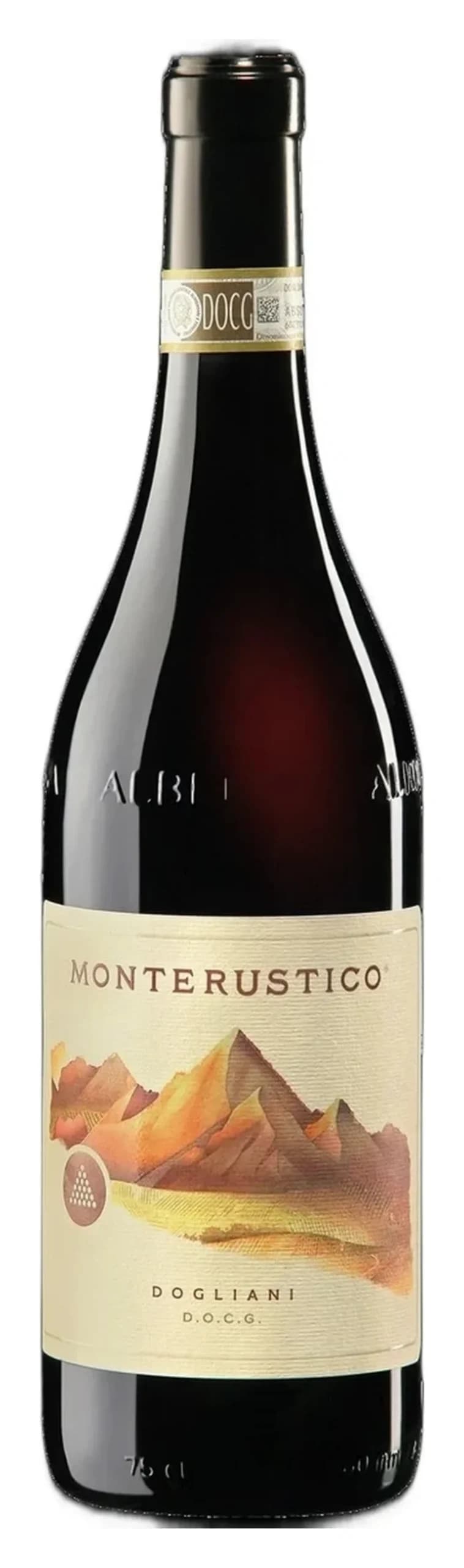
Dogliani, Monterustico

G.D. Vajra

2023

Dogliani, Monterustico

BodyFull-Bodied
TanninMedium
AcidityLow
SweetnessDry
ABV12.5%
View details →£24.20

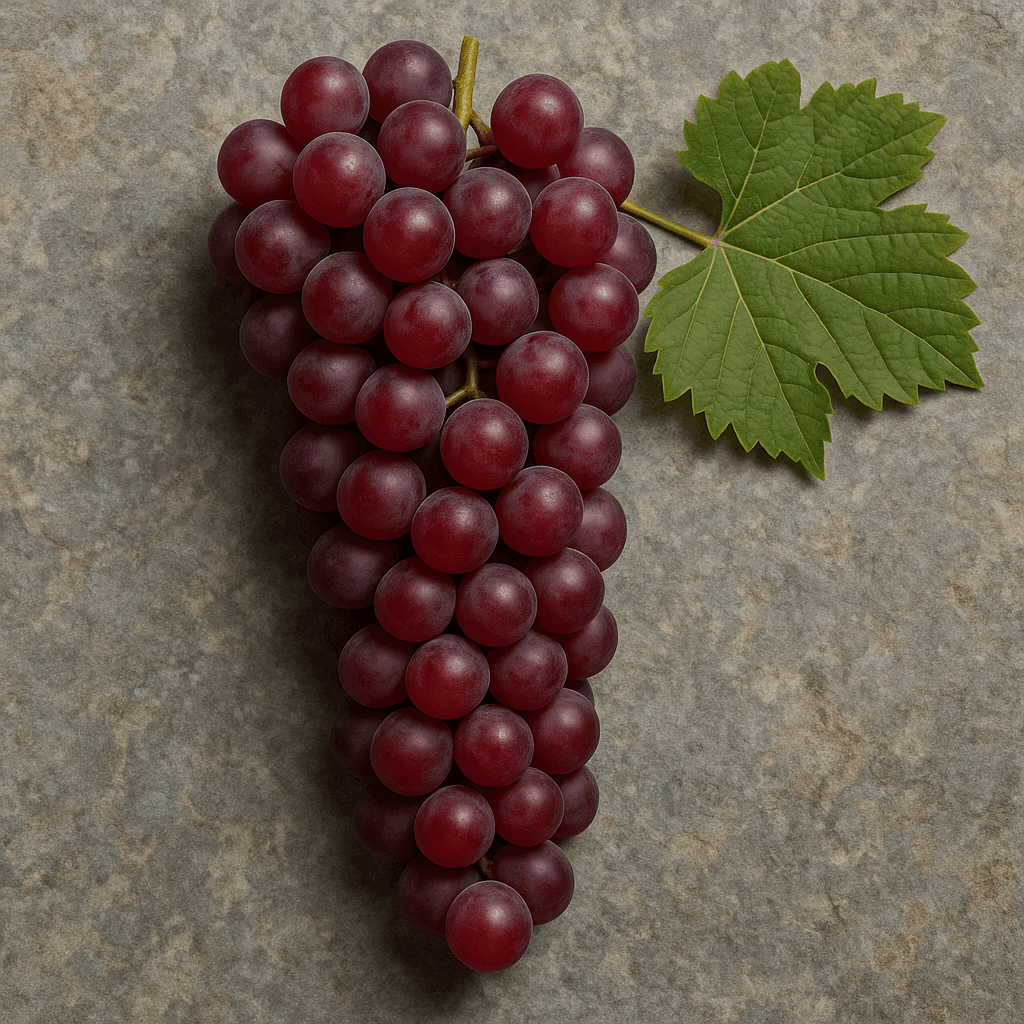
Dolcetto is Piedmont's everyday red—soft, round, and bursting with liquorice and almond notes. Despite its name meaning "little sweet one," the wine is bone-dry, a result of low acidity grapes that ripen up to four weeks before the majestic Nebbiolo. Discover why Dolcetto has been a table staple for centuries and explore the regions that define its character.

What is Dolcetto wine known for?

Dolcetto is a deeply coloured, low-acid red that delivers soft, round, fruity wines in their prime within two to three years of harvest. The variety's unusual combination of low acidity and high tannins makes it a masterclass in balance—a wine that slips down effortlessly without ceremony, yet carries real structure beneath its approachable exterior.

What grapes grow in Dolcetto territory?

Dolcetto is the star here—a native of Piedmont's Monferrato area, believed to originate in the province of Alessandria. The grapes themselves are quite sweet and low in acidity, which earned the variety its name, though the wine produced is always dry. It ripens early and thrives on calcareous-clay and sandy-calcareous soils that other varieties struggle with.

Where do the best Dolcetto wines come from?

Alba leads the field with the fullest-bodied, most celebrated wines. Dogliani produces floral, fresher, and often the most powerful expressions, while Ovada is known for fine, elegant Dolcettos worth ageing. Diano d'Alba offers a middle ground between richness and lightness, and Liguria's Ormeasco version—particularly from Pornassio—brings herbal and saline notes unique to the coastal region.

Who is Dolcetto wine for?

Any drinker who values freshness and food-friendliness over power. Early-drinking Dolcetto suits the everyday table: grilled chicken, red meat, pizza, pasta with tomato sauce, and charcuterie all find an easy match. Serious collectors reach for Alba, Ovada, and Dogliani bottlings that age gracefully five years or more, while adventurous drinkers discover California and Oregon examples that fuse Italian minerality with New World fruit.

Why does Dolcetto have such an unusual flavour profile?

The variety's low natural acidity creates a soft palate feel despite its surprising tannin content, making Dolcetto a paradox: delicate yet structured. Winemakers use shorter fermentations and softer extraction to preserve its fragrant, fresh aromas of liquorice and almonds, and the grapes' deep anthocyanins deliver rich ruby and purple colour even with minimal skin contact. This is why well-made Dolcetto aged five years or more—from Alba and Ovada especially—develops complexity without losing its defining brightness.

Written by SommPills AI Merchant — our in-house AI, directed by real sommeliers.