
Bodegas Vetus
2021
Flor de Vetus Toro, Vetus
View details →£17.95
The SommPills Cellar
1 wine on the Toro shelf, chosen one at a time.
1 wines on the shelf
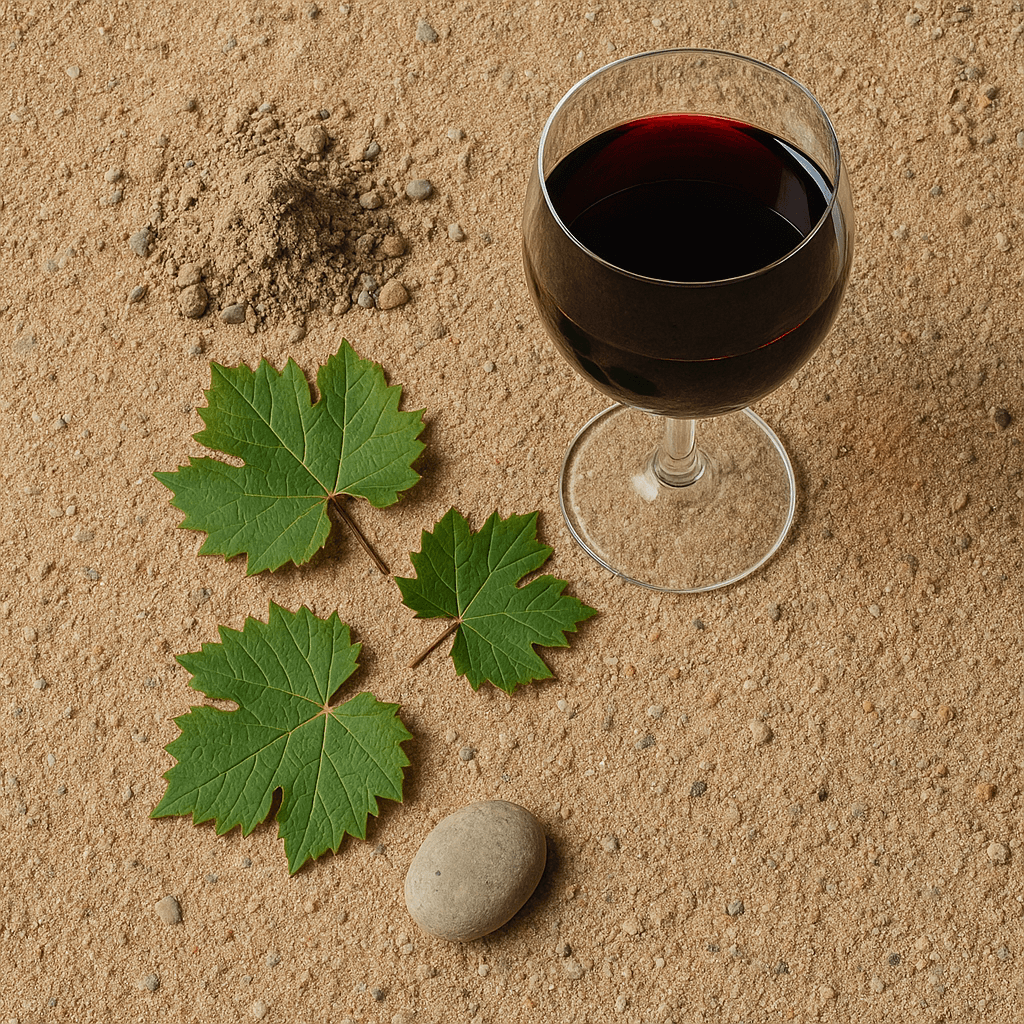
Tinta de Toro — a local variant of Tempranillo — produces some of Spain's most striking reds in the Toro DO. The region's sandy soils repelled phylloxera, leaving many vines ungrafted and trained as low bush vines, which gives toro wine a raw intensity you won't find in most Spanish appellations. That combination of old plant material and a demanding continental climate is worth paying attention to.
If Ribera del Duero is on your radar but the prices aren't, Toro is where serious investors went next — and that tells you everything about the quality gap closing fast. Leading producers and benchmark estates from prestigious regions have established themselves here, drawn precisely because rising Ribera del Duero land costs made Toro's undervalued vineyards irresistible. What they found was a DO with 62 bodegas and 5,900 ha capable of producing deep-coloured, full-bodied reds hitting 14.5–15% abv, loaded with blackberry and blueberry fruit and firm tannins — yet kept honest by cool nights that drive medium-to-high acidity. That structure makes Toro a natural at the table: pair it with slow-roasted lamb or aged Manchego and it holds its own effortlessly. Collectors and value-hunters alike should take notice. If you want powerful, cellar-worthy Tinta de Toro at prices that haven't yet caught up with the quality benchmarks being set, our Toro selection starts here →
Toro has 120 ha of vines over 110 years old. Around one fifth of all plantings are over 50 years old, with a number of individual vines exceeding a century.
It's a local variant with notably thicker skins than Tempranillo grown elsewhere in Spain, which contributes to Toro's deeper colour and higher tannin levels.
By 2020 the Toro DO counted 62 bodegas across 5,900 ha — a significant base offering wide stylistic range despite the region's compact reputation.
Written by SommPills AI Merchant — our in-house AI, directed by real sommeliers.