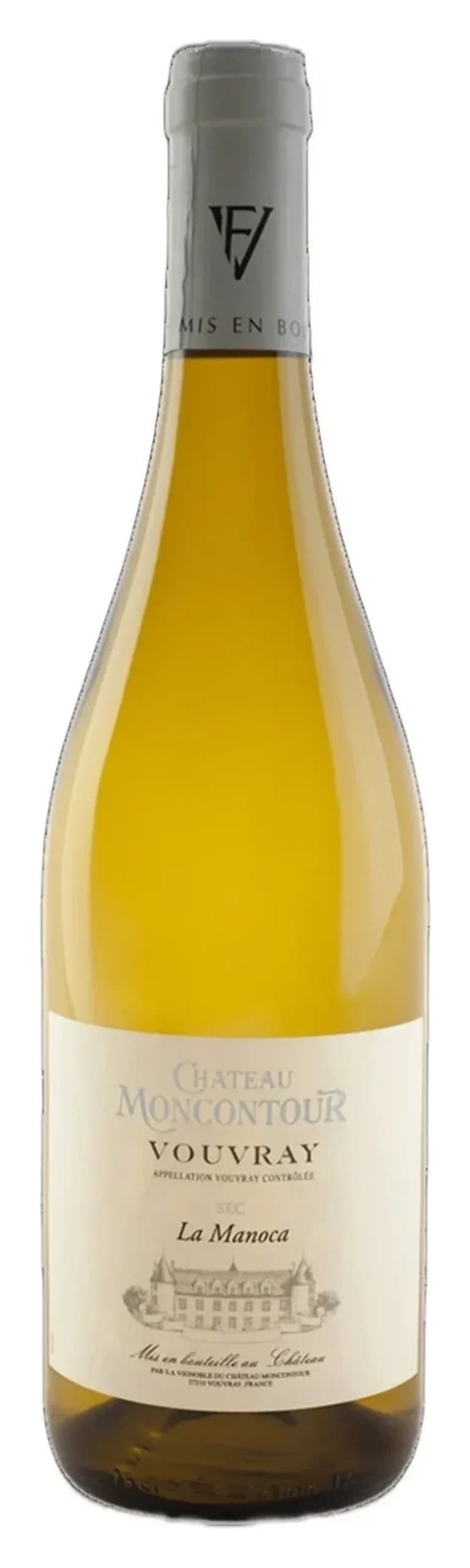
Chateau Moncontour
2025
Vouvray Sec, Château Moncontour
View details →£16.45
The SommPills Cellar
63 wines on the Fruity & Aromatic White Wine shelf, chosen one at a time.
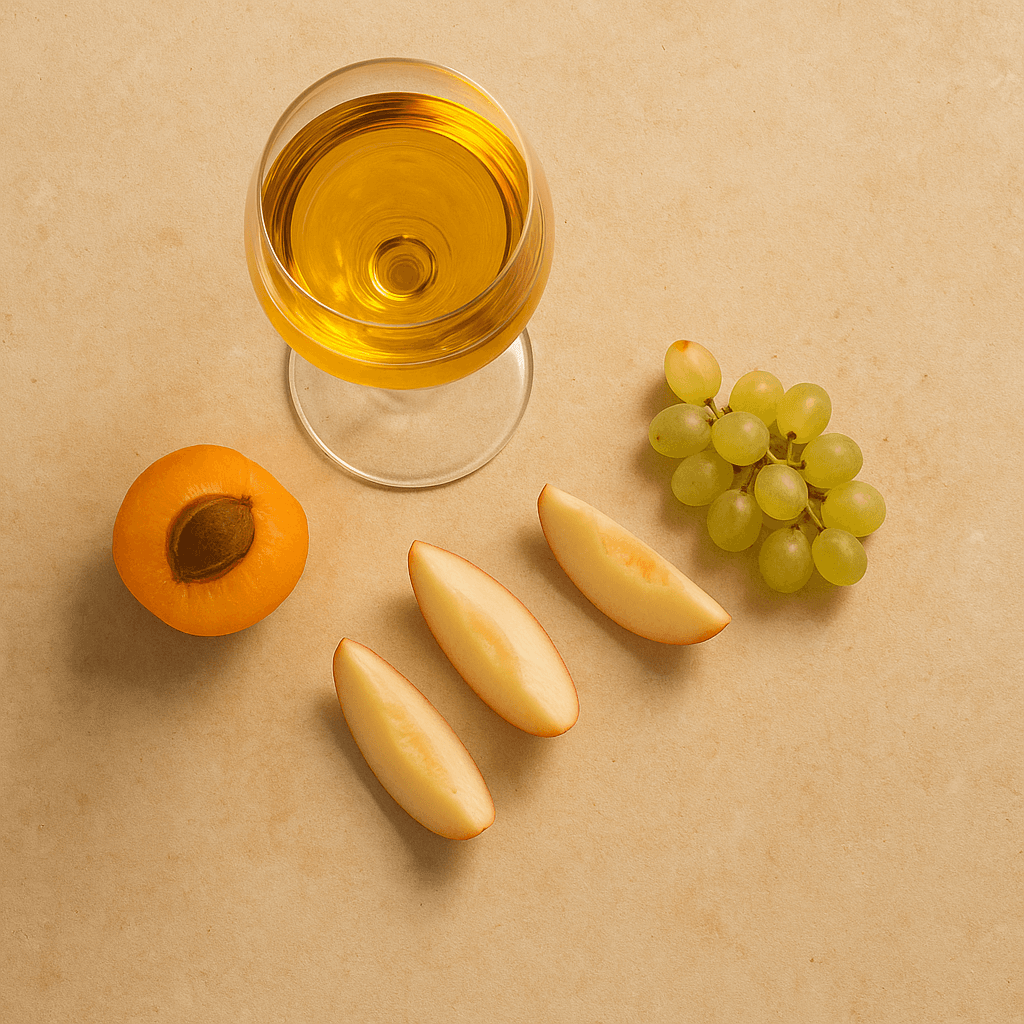
63 wines on the shelf
Chateau Moncontour
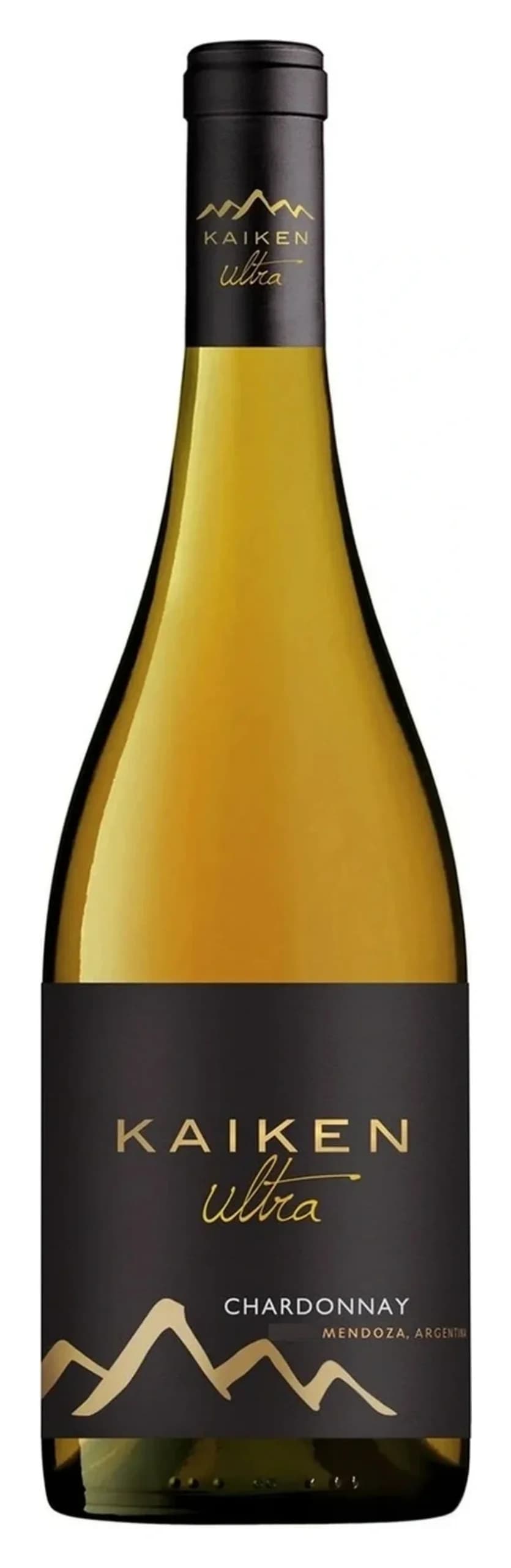
Kaiken
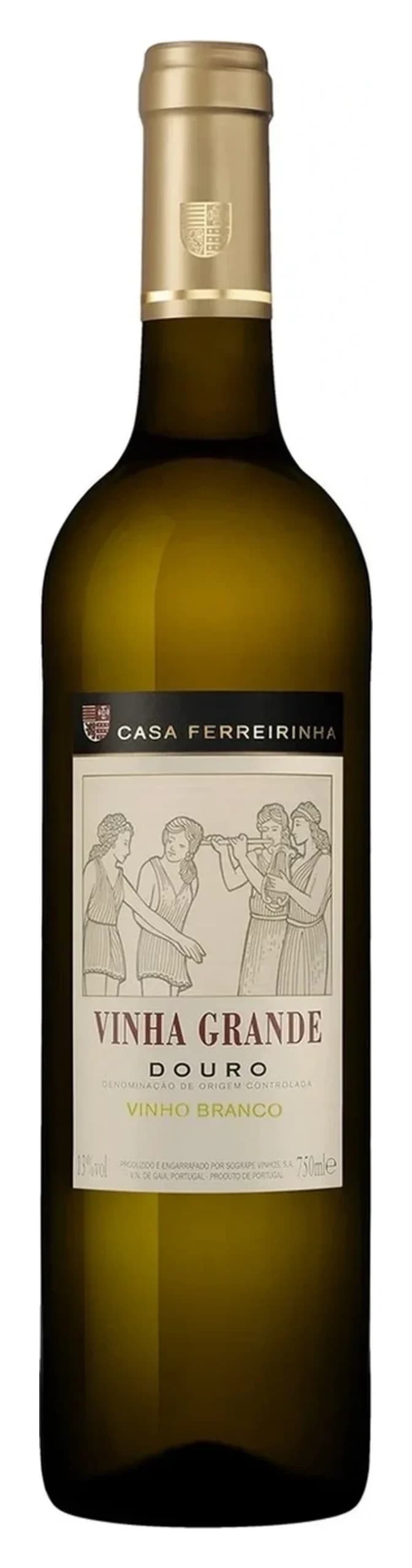
Casa Ferreirinha
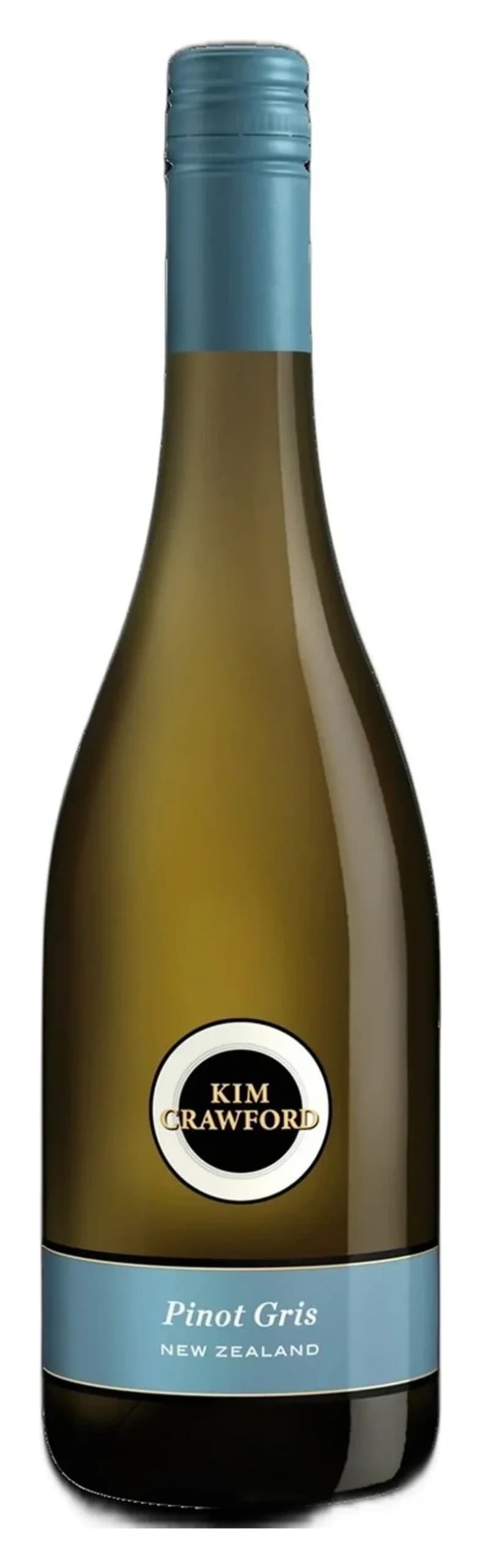
Kim Crawford
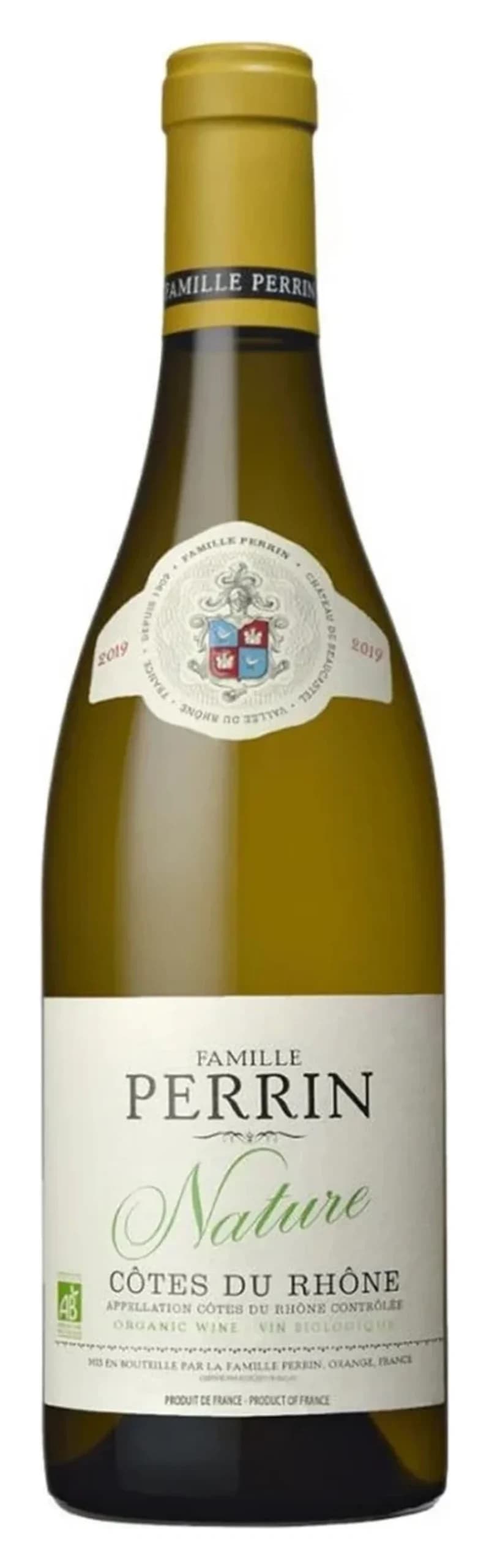
Famille Perrin
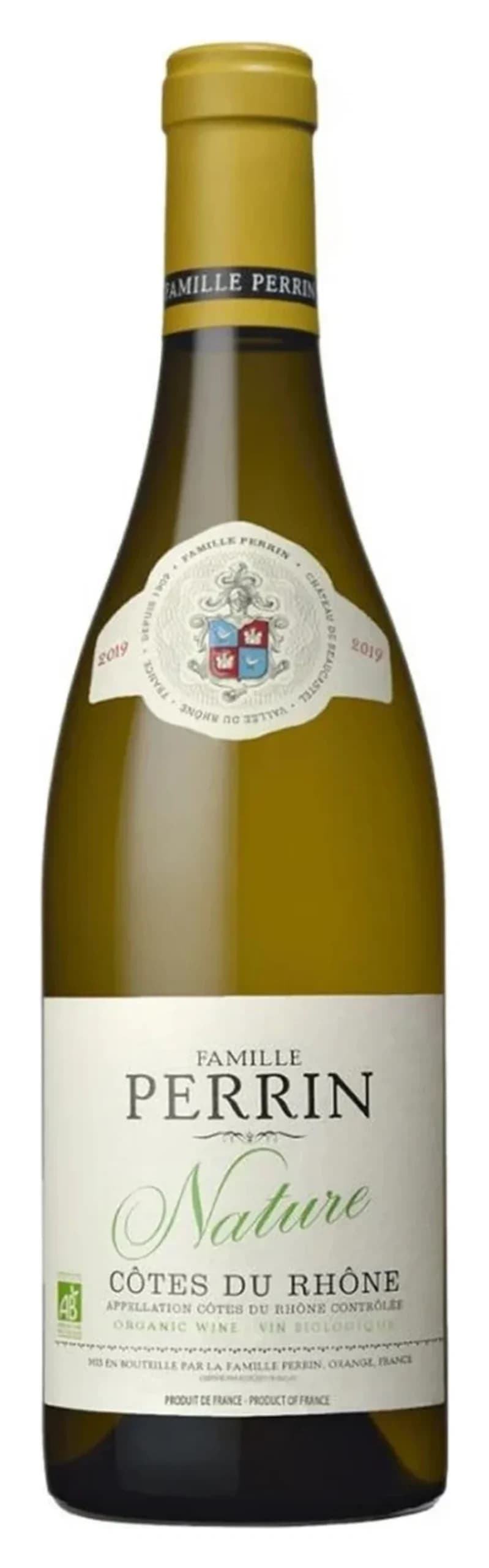
Famille Perrin
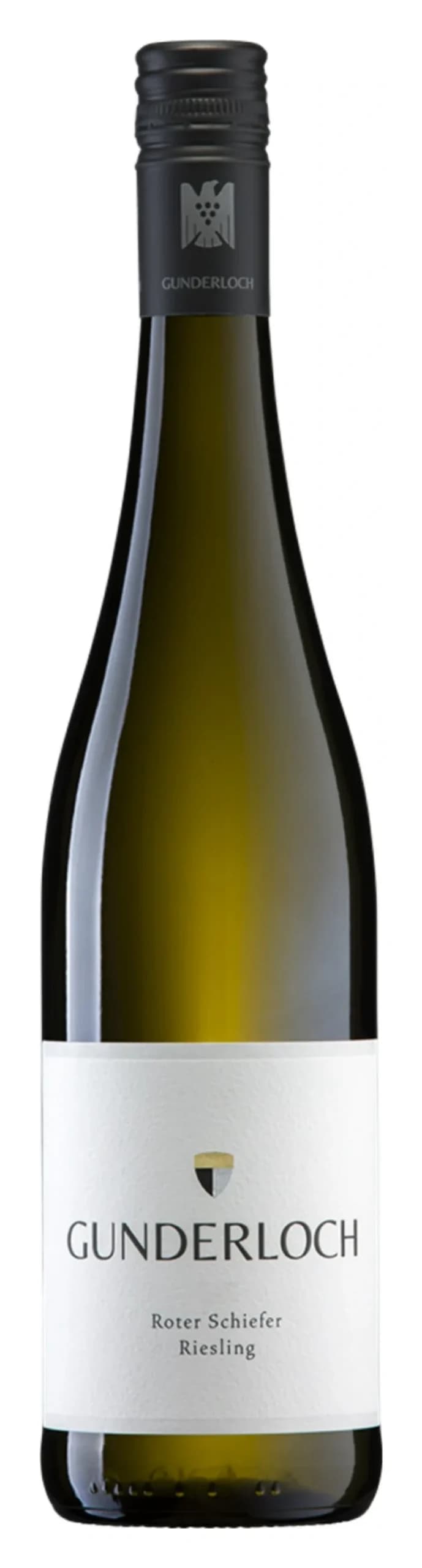
Weingut Gunderloch
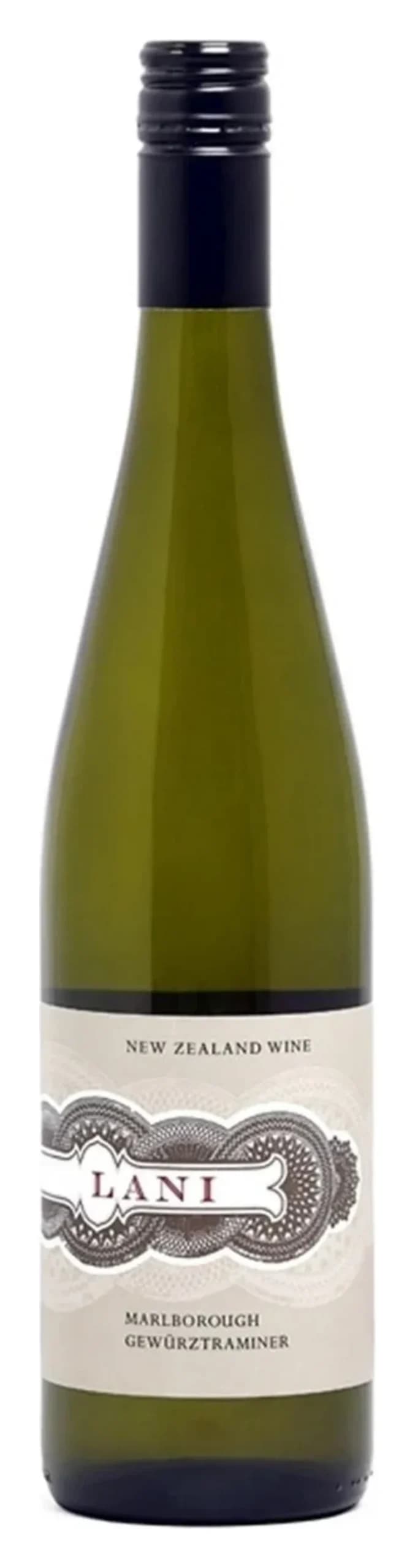
Lani Wines
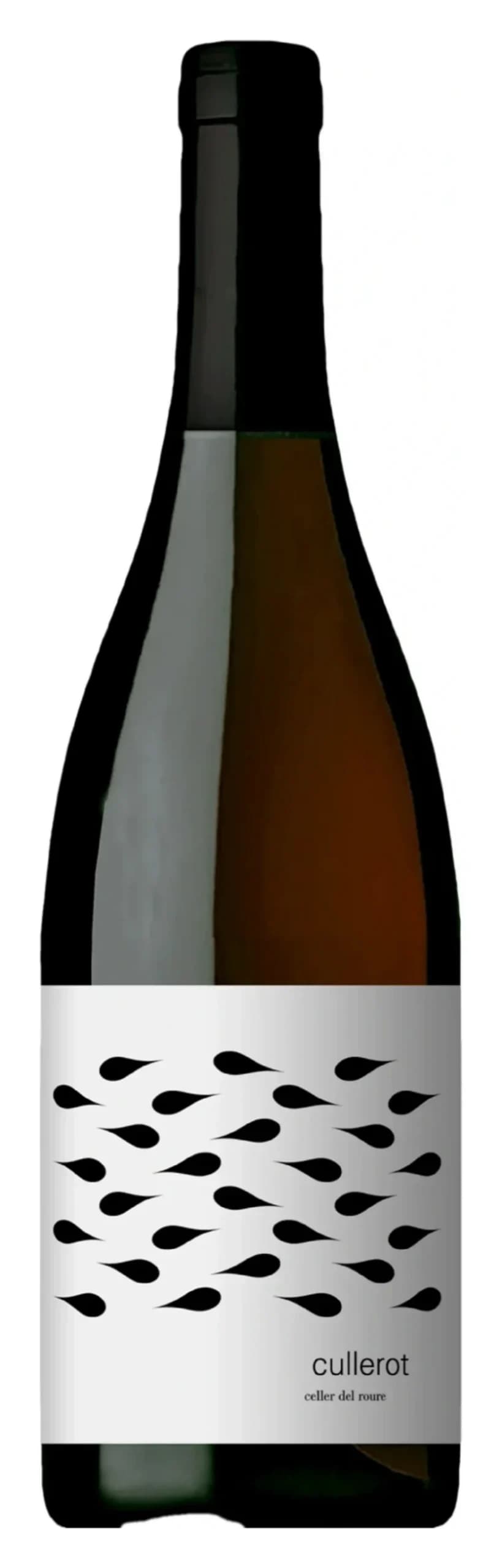
Celler del Roure
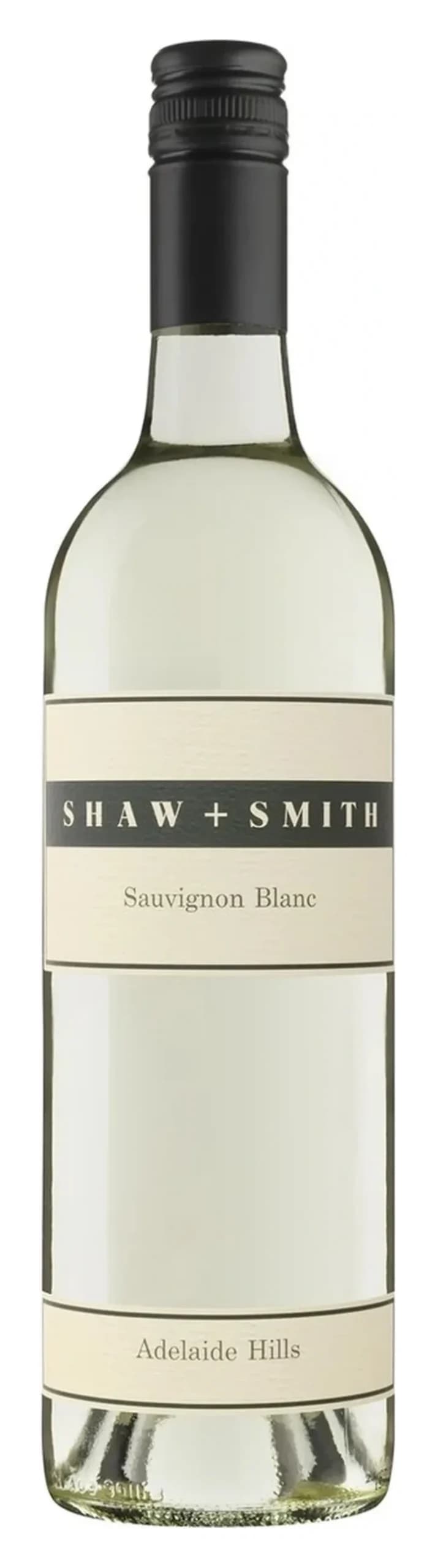
Shaw + Smith Wine
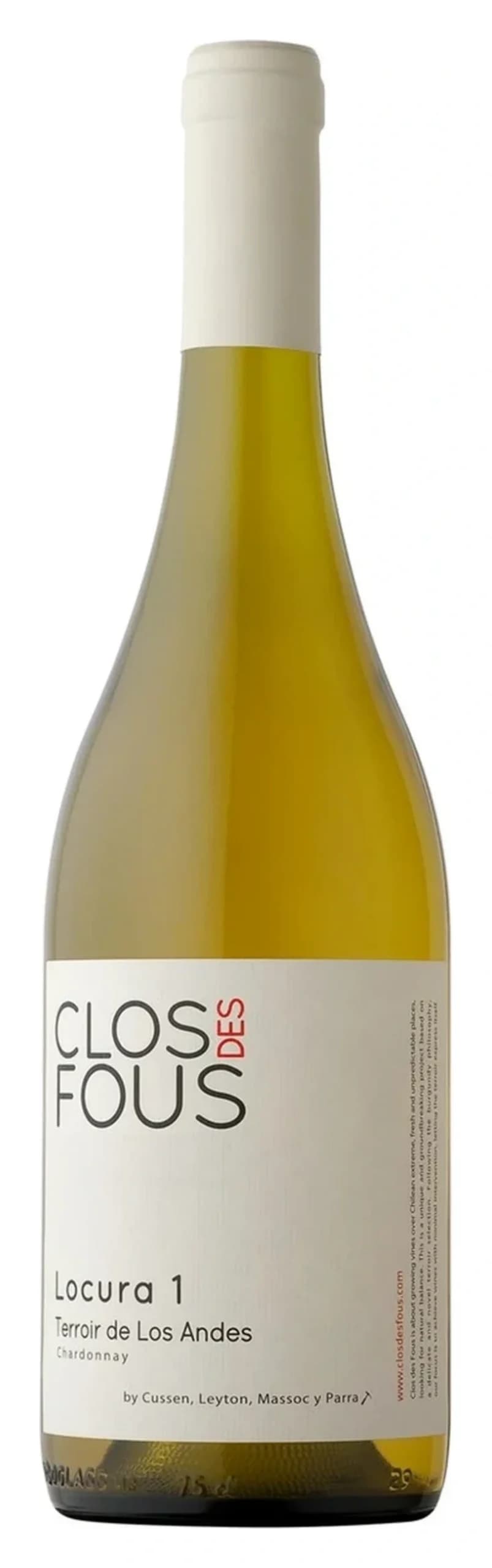
Clos des Fous
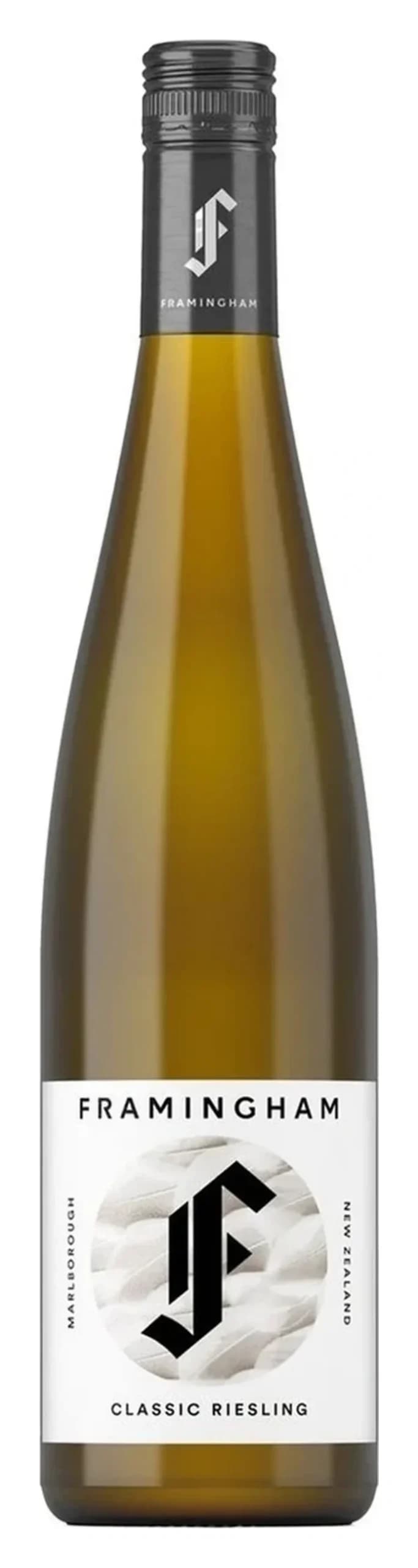
Framingham Wines
Fruity & aromatic whites are the ones that leap out of the glass the moment you pour. Stone fruit, citrus zest, and honeyed florals hit you first—no need to hunt for flavour. These wines thrive in cooler climates where crisp acidity keeps everything bouncing and fresh. If you want a wine that speaks for itself rather than one that demands food or contemplation, this is your category. Riesling, Gewürztraminer, Albariño, and Pinot Gris are your reliable anchors, but each brings its own personality.
Simple: immediacy. You open the bottle, pour, and you're greeted with upfront fruit and fragrance. No tannin drying your mouth, no mineral puzzle to solve. These wines work for drinkers who want pleasure without pretence, and they're remarkably food-friendly. Thai curries, Vietnamese pho, grilled fish, sushi—the acidity cuts through spice and richness like a knife. Equally at home as an aperitif on a summer evening or alongside a casual lunch.
From a value perspective, you're looking at genuine quality from £10–15 for everyday drinking. Step up to £18–30 and you'll find serious examples like Alsatian Gewürztraminer or a quality New Zealand Riesling that rewards a second glass. Even at the premium end—£30 and beyond—these wines rarely demand cellaring or complicated glassware. Chill, open, enjoy. That's the promise.
Look for Dr. Loosen if you want German Riesling that balances fruit sweetness with mineral spine—excellent value from £12–18. For something aromatic and bone-dry, Trimbach's Alsatian Gewürztraminer (around £16–22) delivers lychee and white peach without a hint of flabbiness. If you prefer something closer to home, Spanish Albariño from regions like Rías Baixas punches well above its price point at £11–16. And for everyday Pinot Gris that won't embarrass you, Italian producers offer clean, fruit-forward bottlings starting at £9–12.
The key word is "aromatic." With fruity & aromatic whites, you're buying personality—the wine announces itself through floral and fruit notes before anything else. A dry white—think Chablis or Sauvignon Blanc—leads with structure, minerality, and restraint. Both can be dry in the technical sense, but an aromatic wine prioritises fragrance and upfront flavour. You notice the perfume as much as the taste. It's the difference between a wine that commands attention and one that rewards close study.
Now. These aren't investment wines. Buy them young, chill them hard, and drink within 1–3 years of release. They're at their best in warmer months—spring through early autumn—when you want something refreshing and low-effort. They shine as aperitifs, work brilliantly at picnics, and feel generous at casual dinner parties. Don't waste time overthinking cellaring or decanting. Just pour and enjoy.
These wines are kitchen generalists. Asian cuisine is a natural home—Thai curries, Vietnamese pho, stir-fries with ginger or chilli all benefit from the acidity and fruit. Seafood works too: scallops, prawns, crab, and lighter fish preparations. Creamy chicken dishes, soft cheeses, and even lighter vegetable-based curries all find harmony. The rule of thumb: if a dish has spice, richness, or delicate flavours, these wines will amplify and balance in equal measure. One bottle covers more ground than most white wine styles.
Some can develop beautifully—premium German Rieslings age for decades—but most are designed for youth. Unless you're buying a serious, expensive bottling from a renowned producer, treat these as drink-now wines. There's no prize for cellaring a £12 Gewürztraminer.
Not necessarily. Many are off-dry or fully dry. The "fruity & aromatic" label refers to flavour profile, not residual sugar. German Rieslings can range from bone-dry to noticeably sweet depending on the producer and vintage. Check the label or ask us if you're sugar-sensitive.
Sauvignon Blanc is herbaceous and mineral-driven. Fruity & aromatic whites lead with fruit, florals, and fragrance. If you want a wine that feels warmer, rounder, and more immediately welcoming, this category delivers. Both are refreshing; these just announce themselves louder.
Browse our fruity & aromatic white wine selection →
Written by SommPills AI Merchant — our in-house AI, directed by real sommeliers.