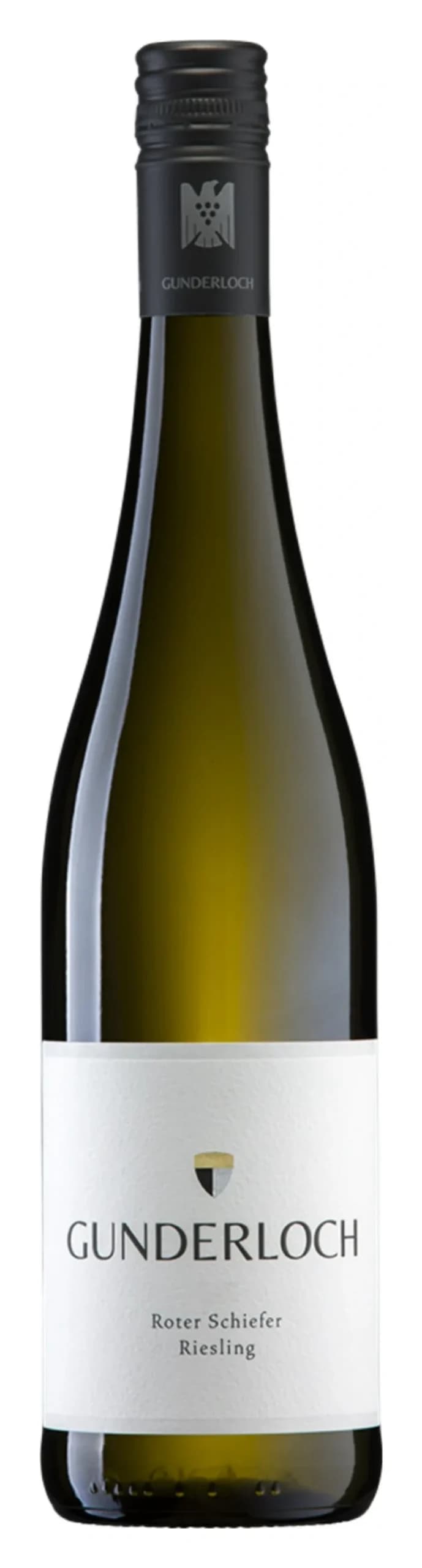
Weingut Gunderloch
2024
Roter Schiefer Riesling, Gunderloch
View details →£18
The SommPills Cellar
4 wines on the Weingut Gunderloch shelf, chosen one at a time.
4 wines on the shelf
Weingut Gunderloch
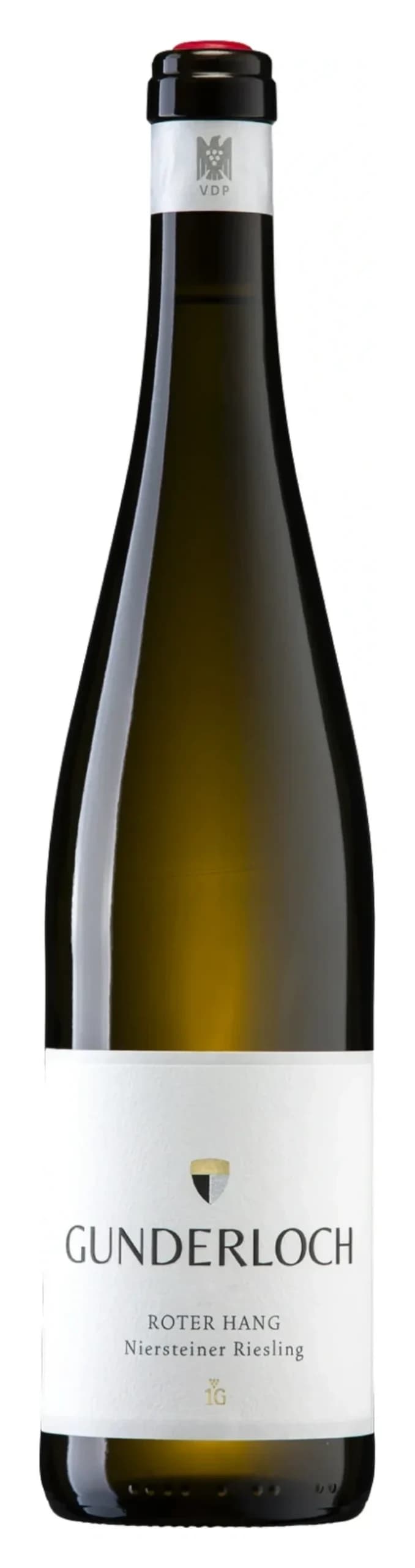
Weingut Gunderloch
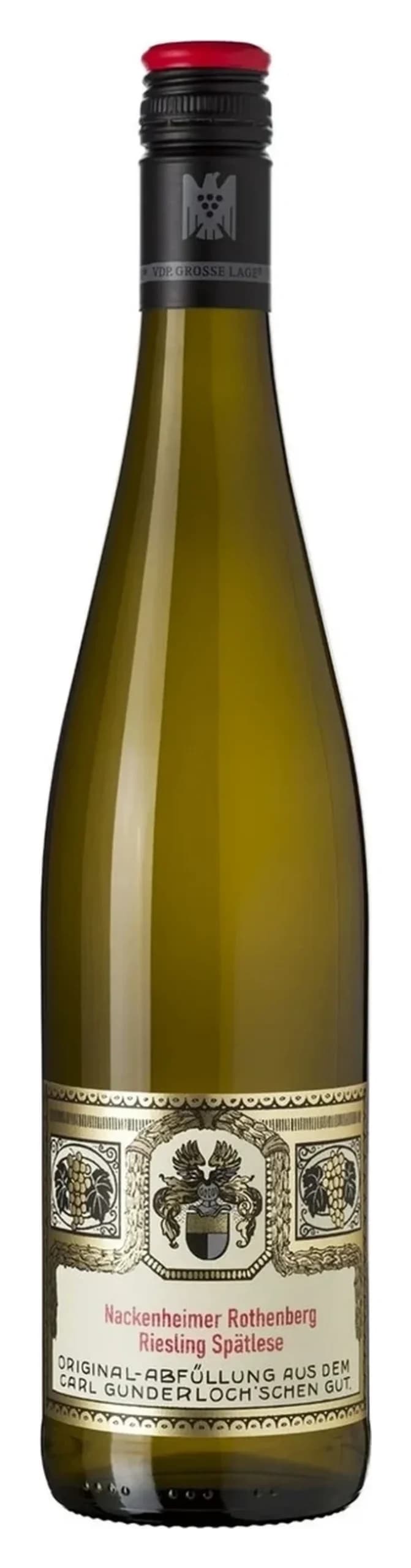
Weingut Gunderloch
Weingut Gunderloch
Weingut Gunderloch is one of Rheinhessen's most respected Riesling producers, based on the iron-rich red soils of Roter Hang between Nackenheim and Nierstein. What sets them apart is their commitment to evolving winemaking practices while respecting 130 years of estate history—the producer helped found the VDP (Germany's association of top estates) and today, under sixth-generation winemaker Johannes Hasselbach, has achieved organic certification and adopted biodynamic vineyard management. You're buying from an estate that takes soil health and natural winemaking seriously, without the marketing hype.
Gunderloch owns 24 hectares concentrated across the Roter Hang, where the distinctive red slate, clay and limestone soils—a geological formation dating back nearly three centuries—contribute complex minerality and steely character to every wine. This ancient terroir composition defines their Rieslings. Johannes Hasselbach took over in 2016 and immediately began transforming the vineyard. He achieved organic certification in 2022 and now uses low-till cultivation with native cover crops between rows, while solar-powered drones apply biodynamic preparations without soil compaction. In the solar-powered winery, Johannes follows a low-intervention philosophy: he cultivates wild yeast cultures ('pied de cuve') both in vineyard and cellar, uses skin maceration on key wines, and ages in old oak and cement eggs to enhance natural phenolics. This approach—respecting the fruit rather than dominating it—shapes every bottle. His vineyards include prestigious Grosses Gewächs sites shared with top regional producers: Rothenberg, Hipping, and Pettenthal. The 'Jean Baptiste' Kabinett, a blend of Hipping and Pettenthal fermented in stainless steel, tells the estate story through apricots, orange peel, lime flowers and steely minerality. The 'Roter Hang' wine is brought into contact with its skins for a 24–48 hour period prior to fermentation, with aging occurring in used oak and cement eggs to build intensity and mineral depth.
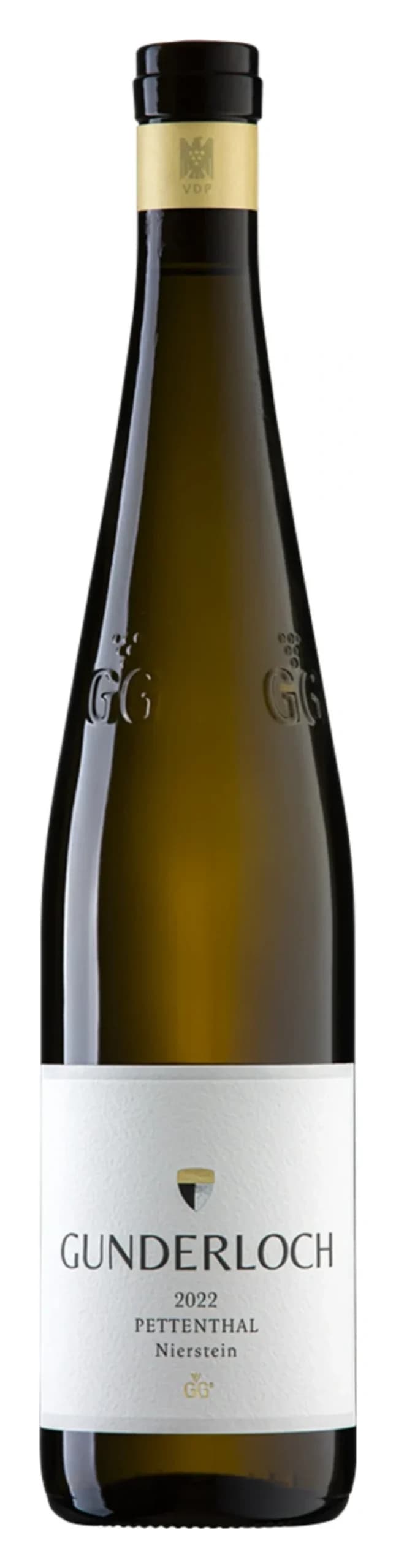
For mineral complexity and food versatility, the 2023 and 2024 Roter Schiefer Riesling (both 96 points) deliver broad, intensely flavoured palates with the iron-soiled character that defines Roter Hang. If you want to explore the Grosses Gewächs tier, the 2023 Pettenthal Grosses Gewächs (93 points, James Suckling 96) shows what serious site expression looks like—this is the single-vineyard wine made with skin contact and cement-egg aging. Each wine tells you something different about the vineyard or the winemaking method.
The mineral, off-dry Jean Baptiste works beautifully with Asian cuisine—Thai curries, Vietnamese pho, or sushi. The Roter Schiefer's intensity pairs well with richer fish dishes, smoked salmon, or creamy risottos. Pettenthal Grosses Gewächs, with its phenolic depth from skin contact, matches roasted chicken, wild mushroom tarts, or aged Comté cheese. The Spätlese's lush character suits stone fruits, apple desserts, or blue cheese. Across the range, Gunderloch's acidity and minerality cut through richness rather than hiding behind it.
Iron-rich red soils formed 280 million years ago, combined with red slate, clay and limestone, deliver distinctive minerality and complex character. Proximity to the Rhine extends ripening and warms autumn temperatures.
Yes, the estate achieved organic certification in 2022. Johannes Hasselbach also uses biodynamic practices: low-till cultivation, native cover crops, and solar-powered drones for biodynamic tea applications.
Jean Baptiste is a Kabinett blend (Hipping + Pettenthal) fermented in stainless steel—aromatic, off-dry, approachable. Roter Schiefer undergoes 24–48 hours skin contact, fermented in oak and cement eggs, delivering broader, more intense flavour.
Sixth-generation winemaker Johannes Hasselbach has led the estate since 2016. Based in Rheinhessen on the red-soiled Roter Hang between Nackenheim and Nierstein, Gunderloch was founded 130 years ago and helped establish the VDP, Germany's top estates association.
Gunderloch specialises in Riesling across dry, off-dry and dessert styles. The 2025 Redstone scored 96 points with tropical and balanced character. Hasselbach uses organic and biodynamic practices, wild yeast fermentation, and skin contact on key wines for mineral complexity and natural phenolics.
Prices range between £14.55 and £58.90. Entry-level Redstone Rieslings start at £14.55; mid-range Roter Schiefer and Jean Baptiste sit around £16–£17.60; premium Grosses Gewächs and Spätlese reach £40–£59.
Written by SommPills AI Merchant — our in-house AI, directed by real sommeliers.