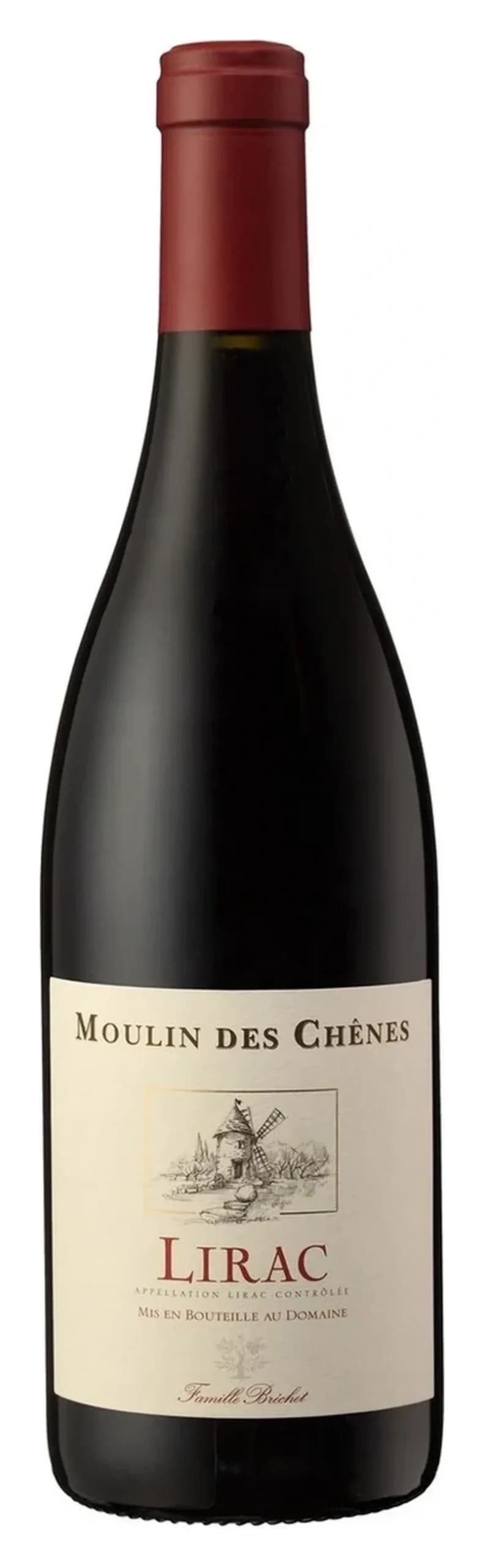
Famille Brechet
2023
Lirac, Moulin des Chênes
View details →£16.65
The SommPills Cellar
22 wines on the Mourvèdre shelf, chosen one at a time.
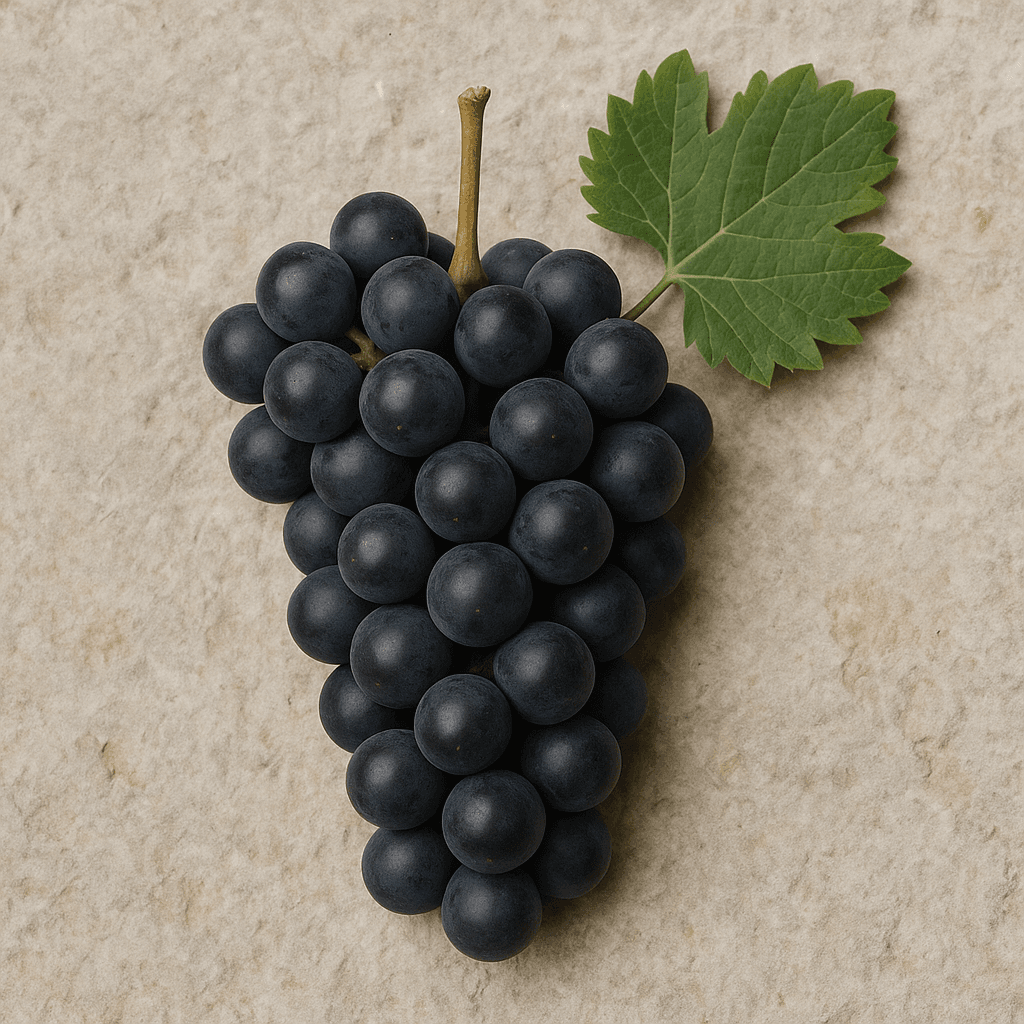
22 wines on the shelf
Famille Brechet
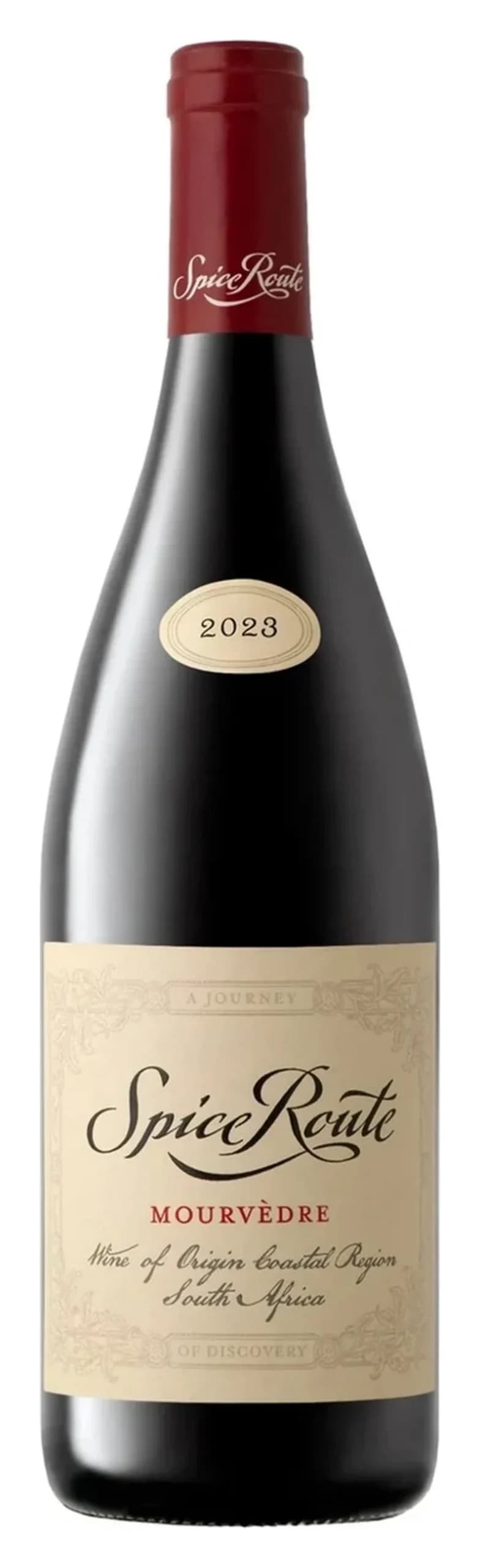
Spice Route Wines
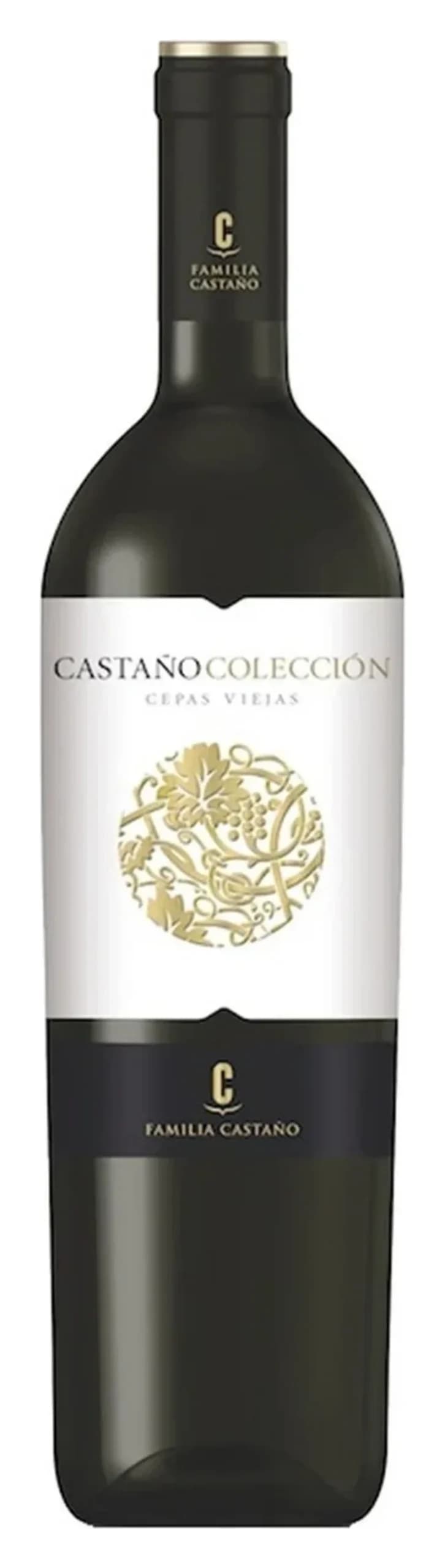
Bodegas Castano
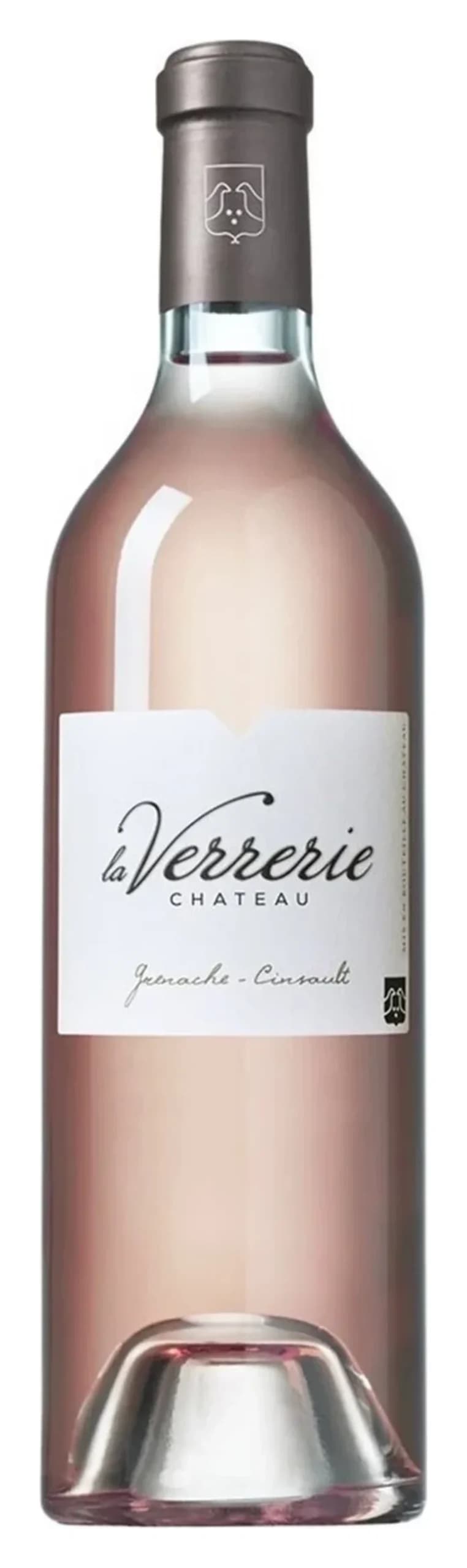
Chateau La Verrerie
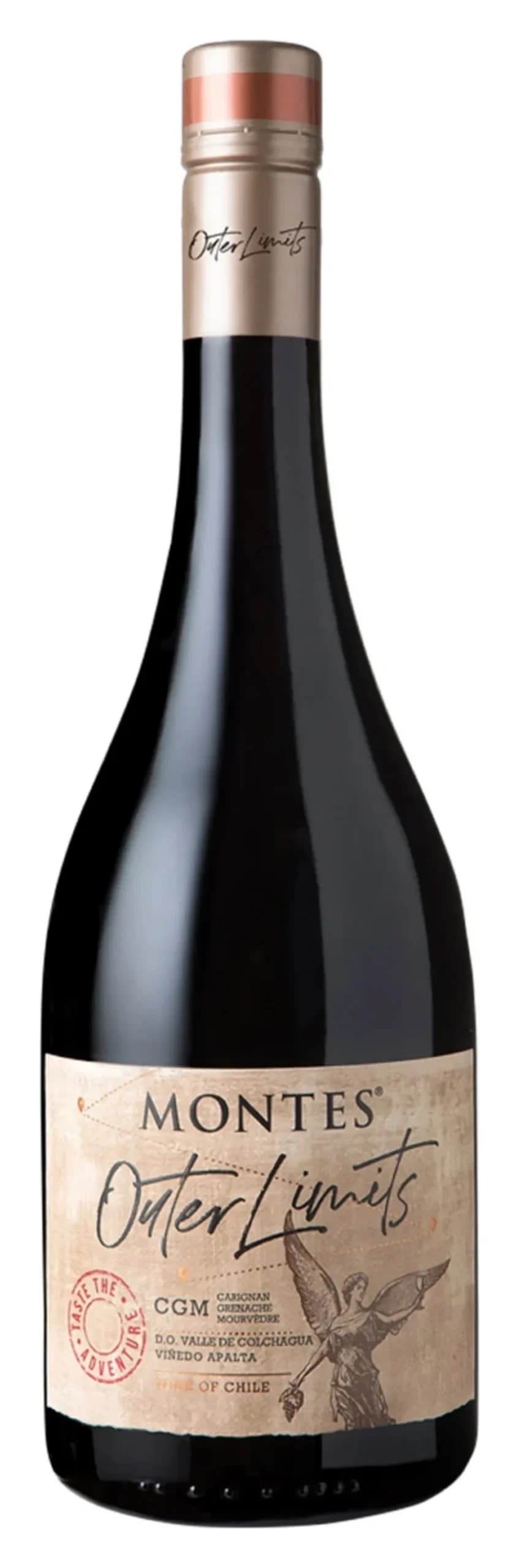
Outer Limits
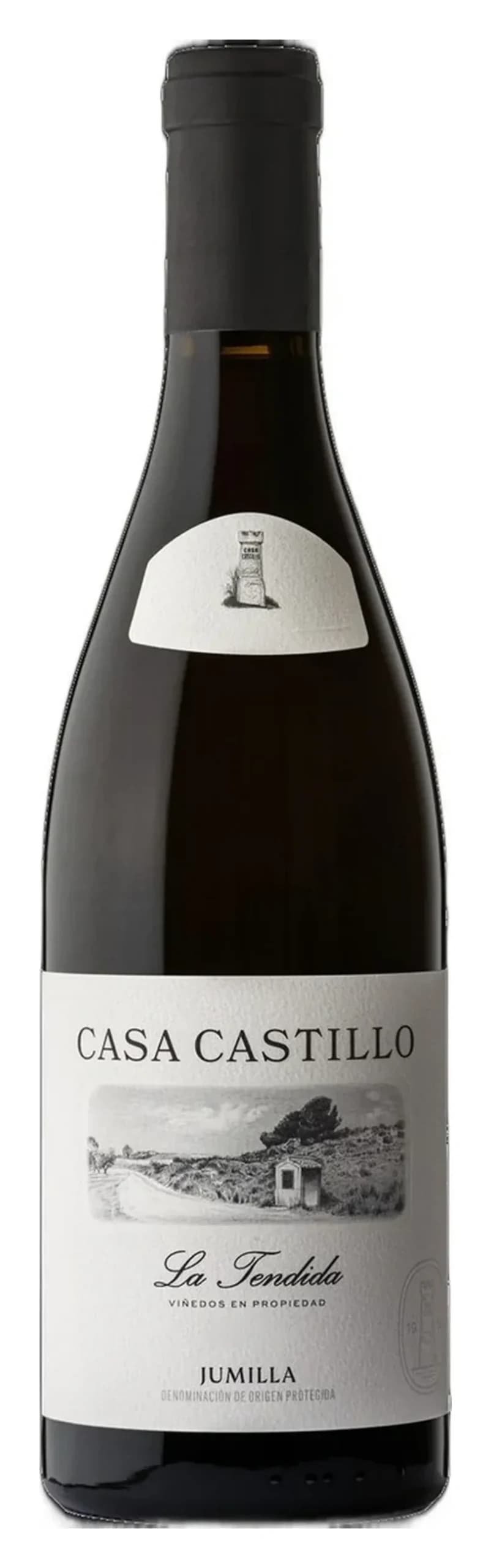
Propiedad Viticola Casa Castillo
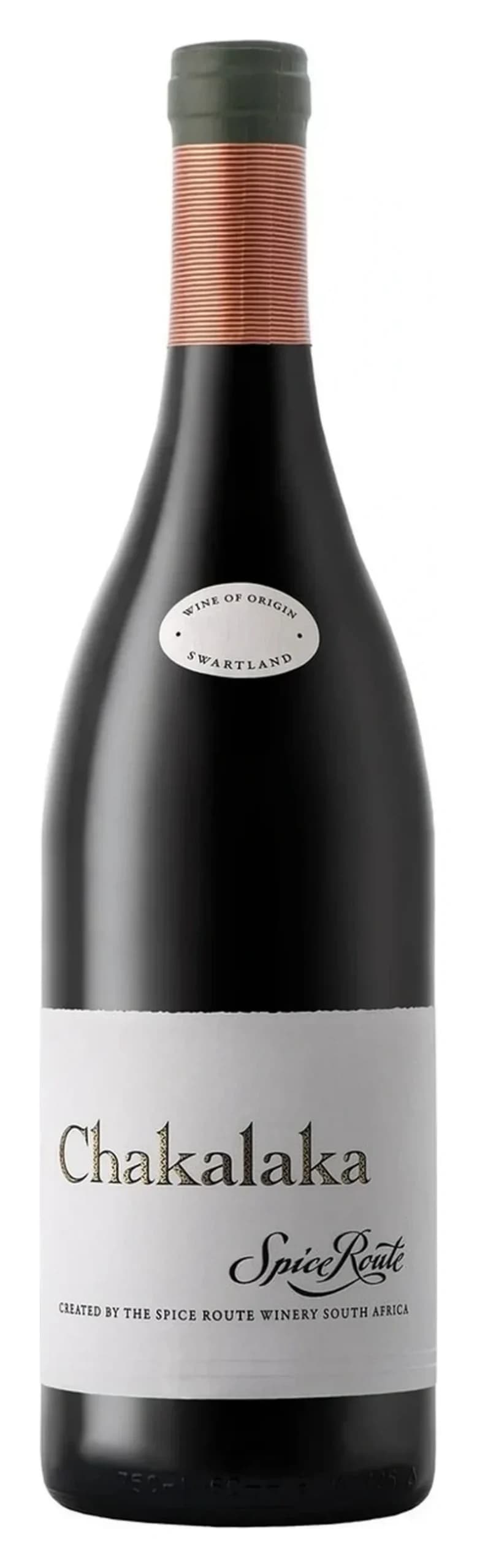
Spice Route Wines
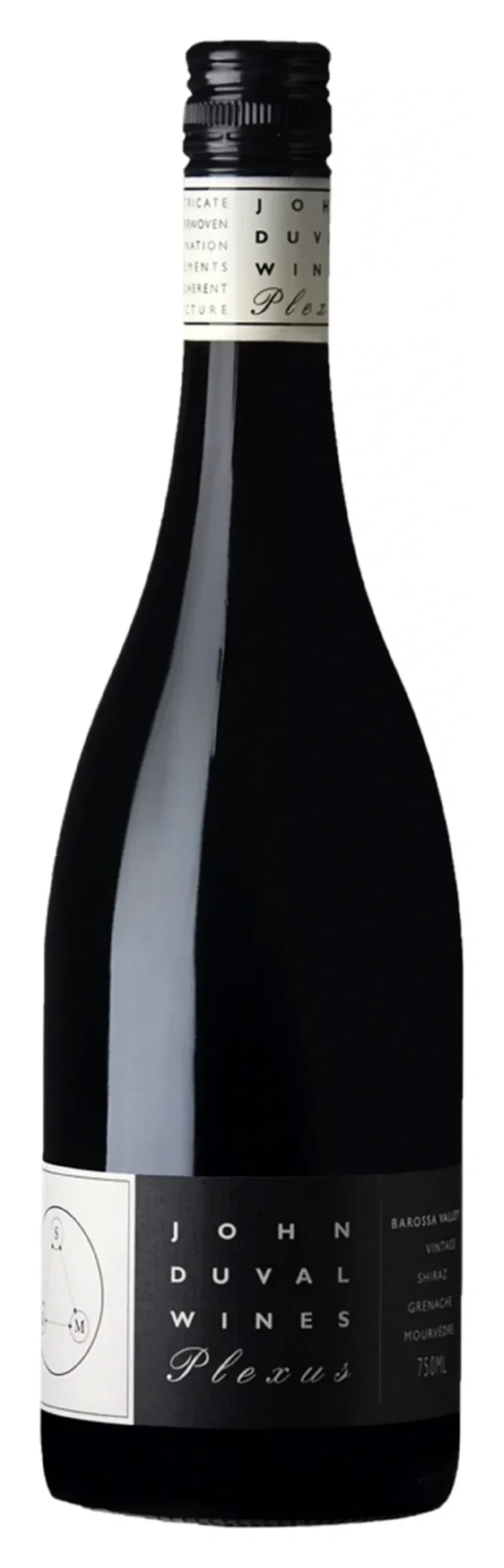
John Duval Wines
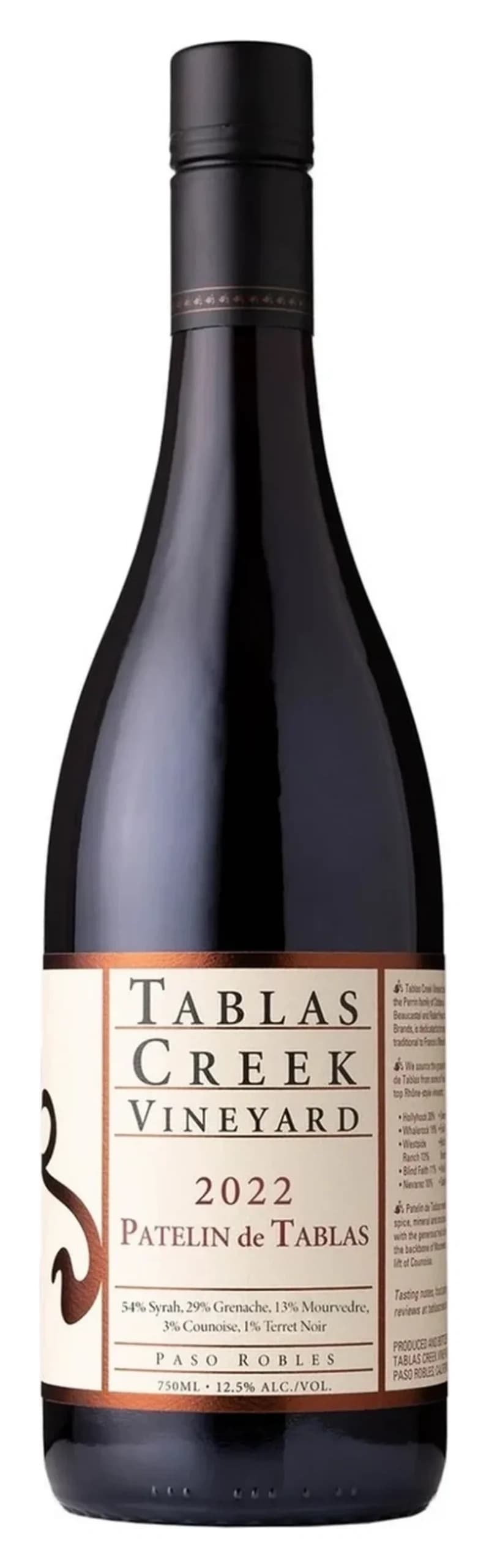
Tablas Creek Vineyard
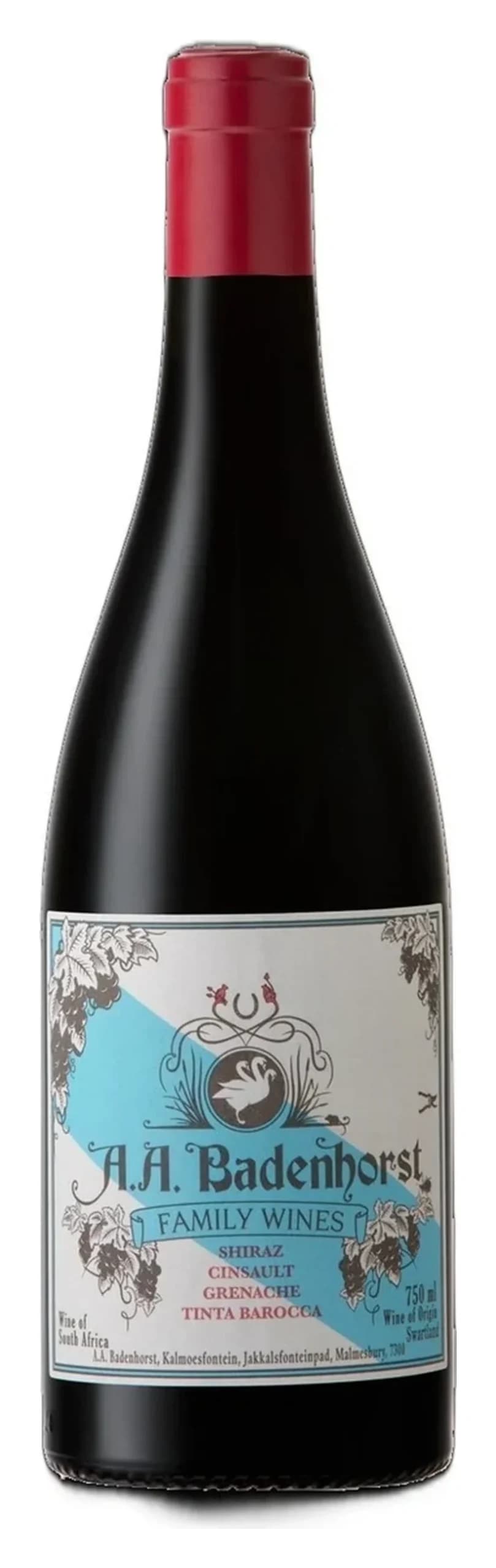
A.A. Badenhorst Family Wines
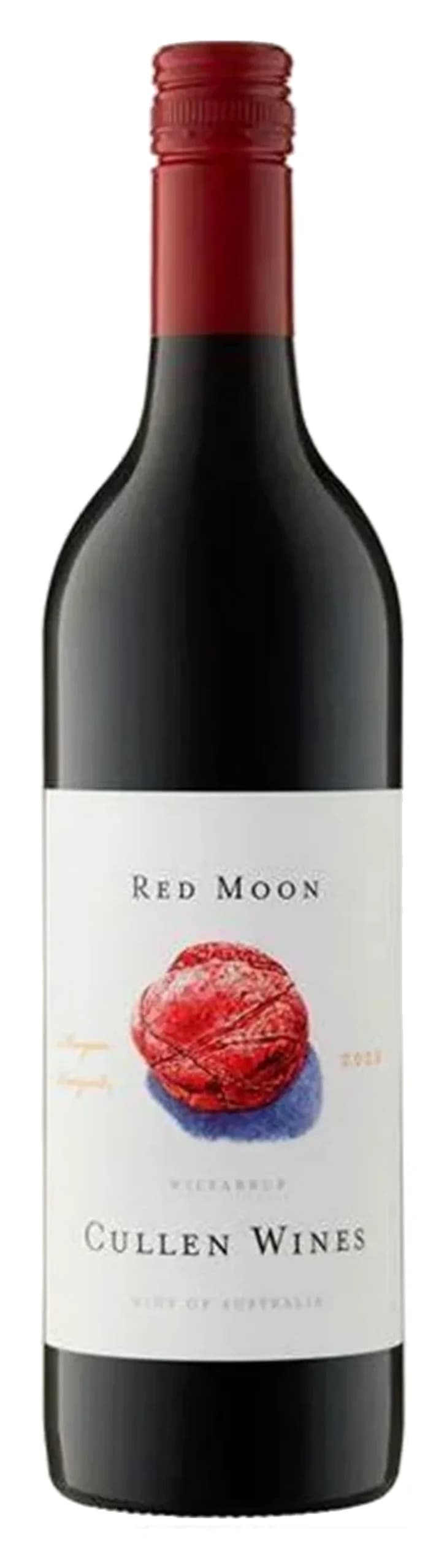
Cullen Wines
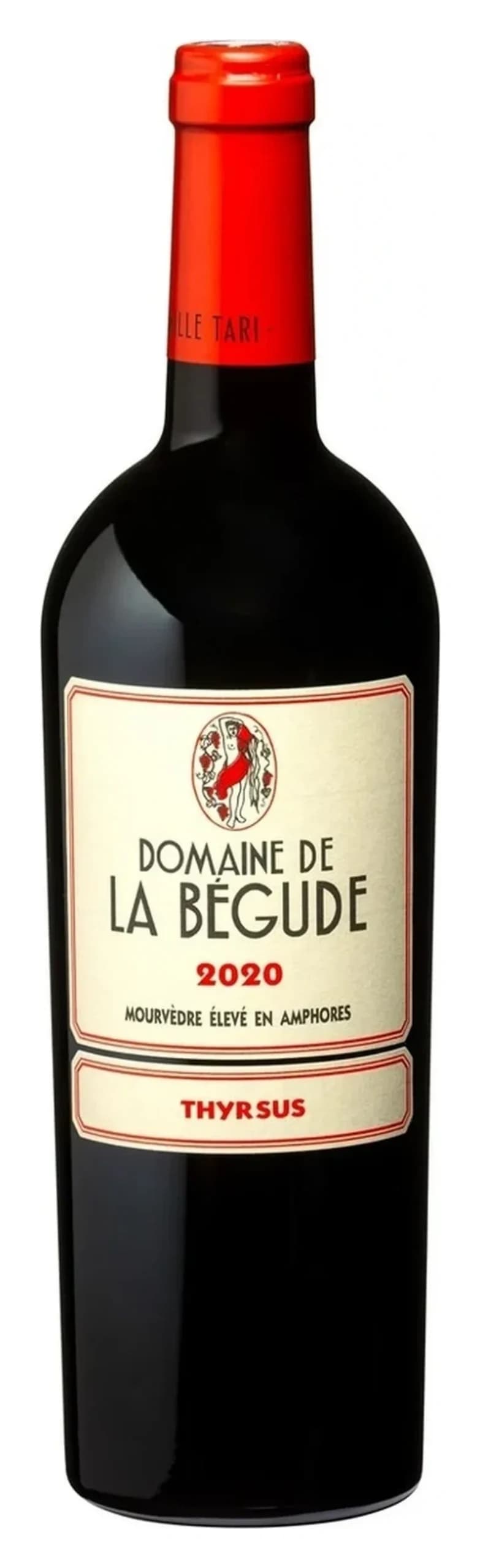
Domaine de la Bégude
Mourvèdre is a warm-climate red grape that demands heat to ripen fully, thriving only in Mediterranean regions. Known as Monastrell in Spain and historically as Mataro in California and Australia, this variety crafts wines spanning medium to full body depending on site and harvest timing. It has resurged in popularity across southern France and beyond after decades of relative obscurity.
Mourvèdre produces wines with dark berry aromatics—blackberry and blueberry predominate—alongside floral notes of violets and herbal, peppery undertones. The variety is prized for its structural qualities: firm, high tannins and significant alcohol are hallmarks. Acidity ranges from medium to medium-high.
Body varies considerably by climate and vinification. Cool-site, early-picked examples from sites like parts of Provence yield medium-bodied wines with fresher character and brighter acidity. Warm-region renditions—typical of Spain's Jumilla, Yecla and Australian Barossa plantings—deliver fuller body, riper tannins and alcohol often reaching 14–15% or higher. Extended oak ageing, common in premium bottlings, deepens colour and adds richness; older-wood maturation (traditional in Bandol) preserves the fruit's intensity without overwhelming oak influence.
France dominates European plantings, with 9,385 hectares concentrated in southern regions: the Var département (home to Bandol), Languedoc-Roussillon and the southern Rhône Valley. Bandol in Provence remains its finest expression, where the variety must constitute 50–95% of the blend. Spain cultivates far larger acreage under the Monastrell name, particularly in Murcia, Castilla-La Mancha and Valencia, where it is the principal variety in appellations including Jumilla, Yecla and Alicante.
Beyond Europe, California's Contra Costa County hosts historic plantings; Australian producers blend it with Grenache and Shiraz in fashionable GSM wines, especially from Barossa and Riverland. South Africa and Cyprus also grow notable quantities, though often in supporting roles within blends.
Mourvèdre expresses itself across a spectrum. Varietal bottlings—uncommon but increasingly seen in Languedoc and California—showcase concentrated blackberry, spice and mineral depth, often at premium price points. More typically, it functions as a structural anchor in blends: 30% of Châteauneuf-du-Pape at estates like Beaucastel, where it adds colour and tannin backbone; a supporting component across Languedoc appellations like Minervois and Terrasses du Larzac; and a third of many Rhône-style GSM blends in Australia.
Rosé production, particularly in Bandol and Provence, employs Mourvèdre for its fruit and body. Late-harvest examples from warm vintages achieve higher ripeness and alcohol; cooler years may result in underripe tannins if yields are not strictly controlled. Quality ranges from good to outstanding; entry-level Spanish and Australian blends offer value, while premium Bandol reds and single varietal Californian versions command mid to super-premium prices. Most benefit from 3–10 years' cellaring, though some structured examples age 15+ years.
Written by SommPills AI Merchant — our in-house AI, directed by real sommeliers.