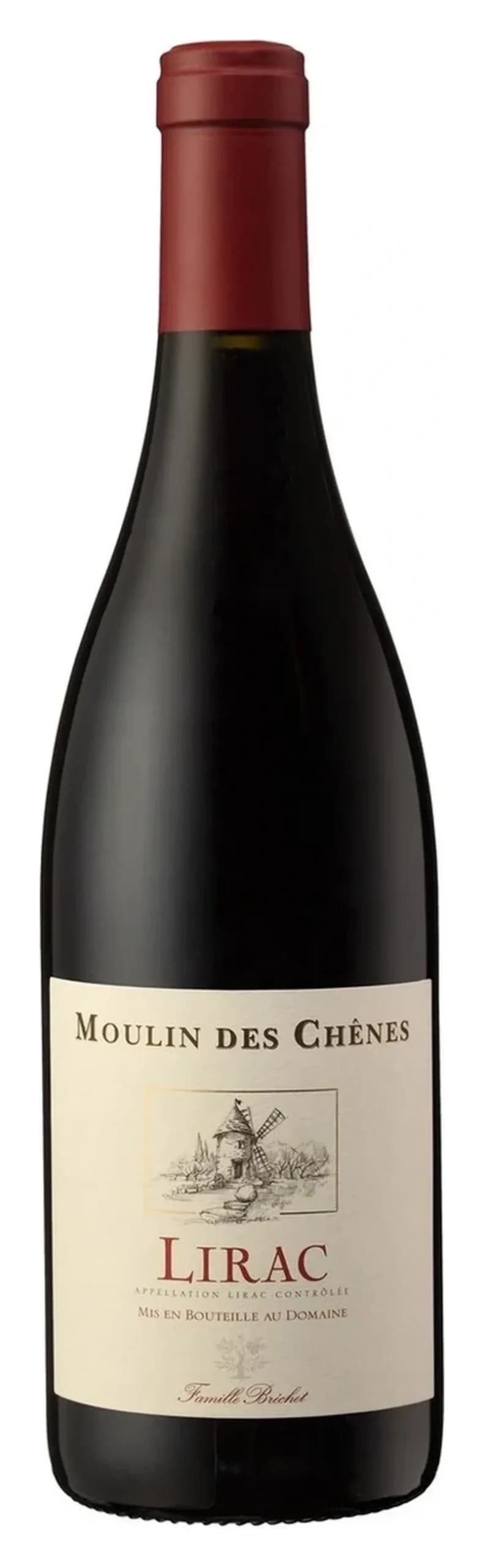
Famille Brechet
2023
Lirac, Moulin des Chênes
View details →£16.65
The SommPills Cellar
12 wines on the Cinsault shelf, chosen one at a time.
12 wines on the shelf
Famille Brechet
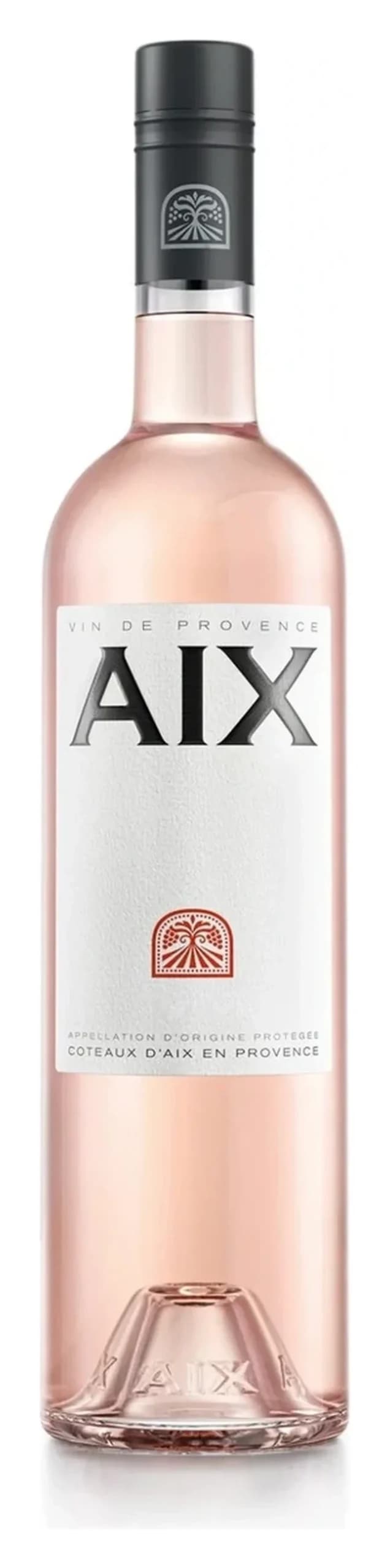
Maison Saint Aix

Le Chateau du Rouet
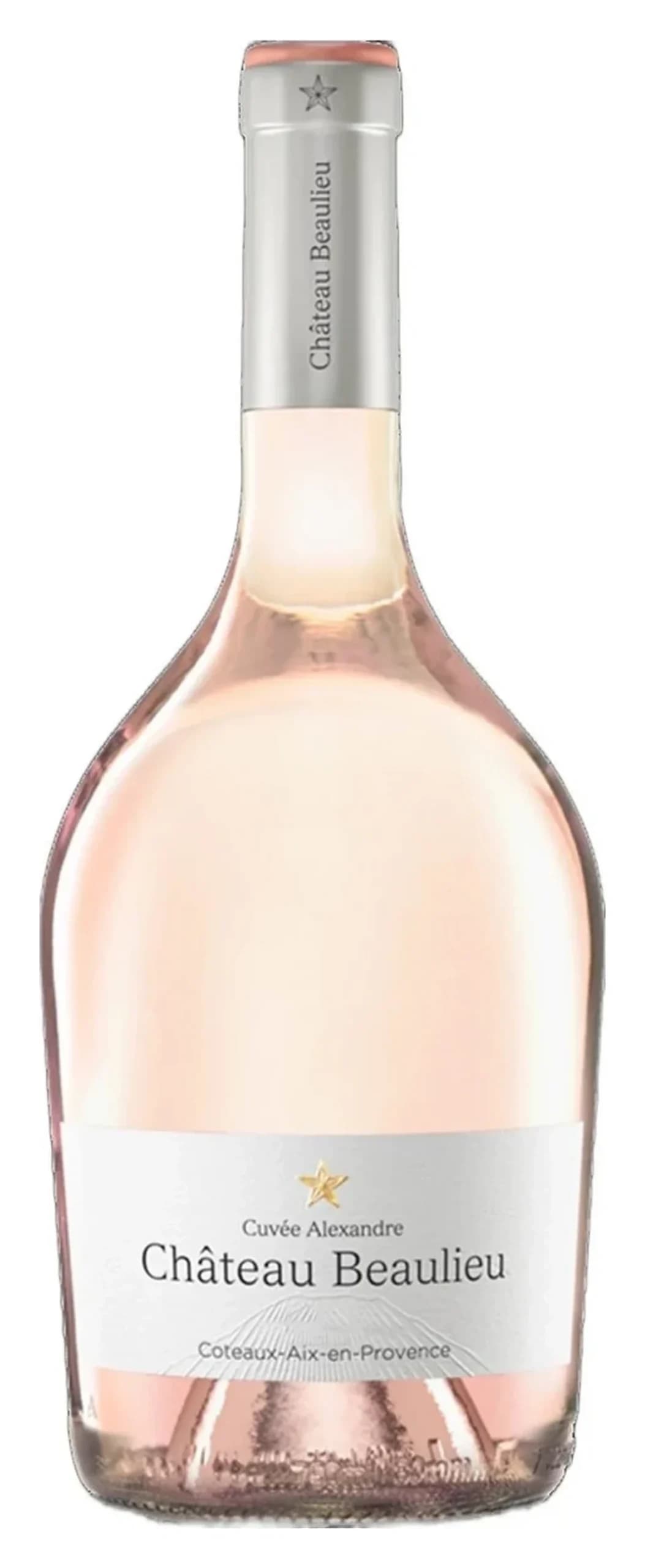
Chateau Beaulieu
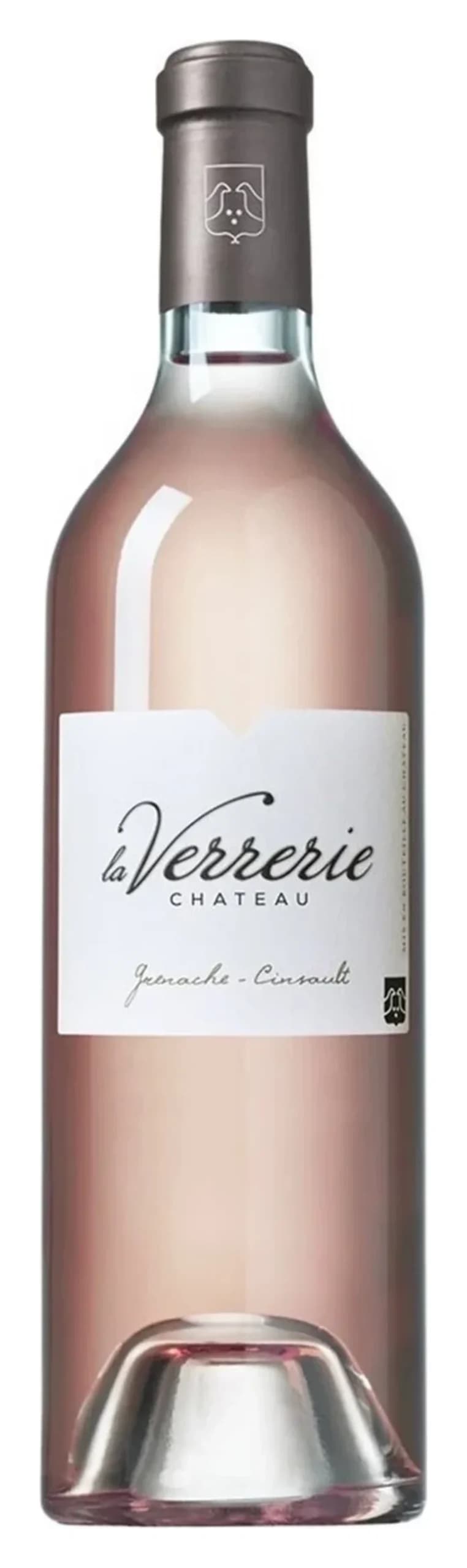
Chateau La Verrerie
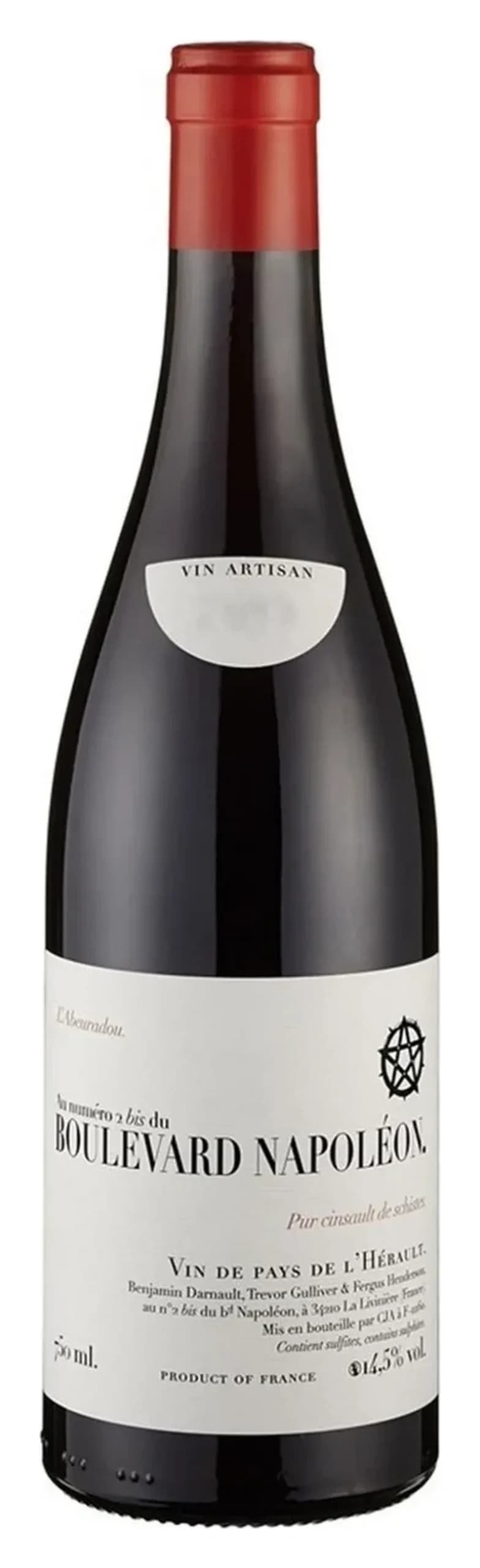
Boulevard Napoléon
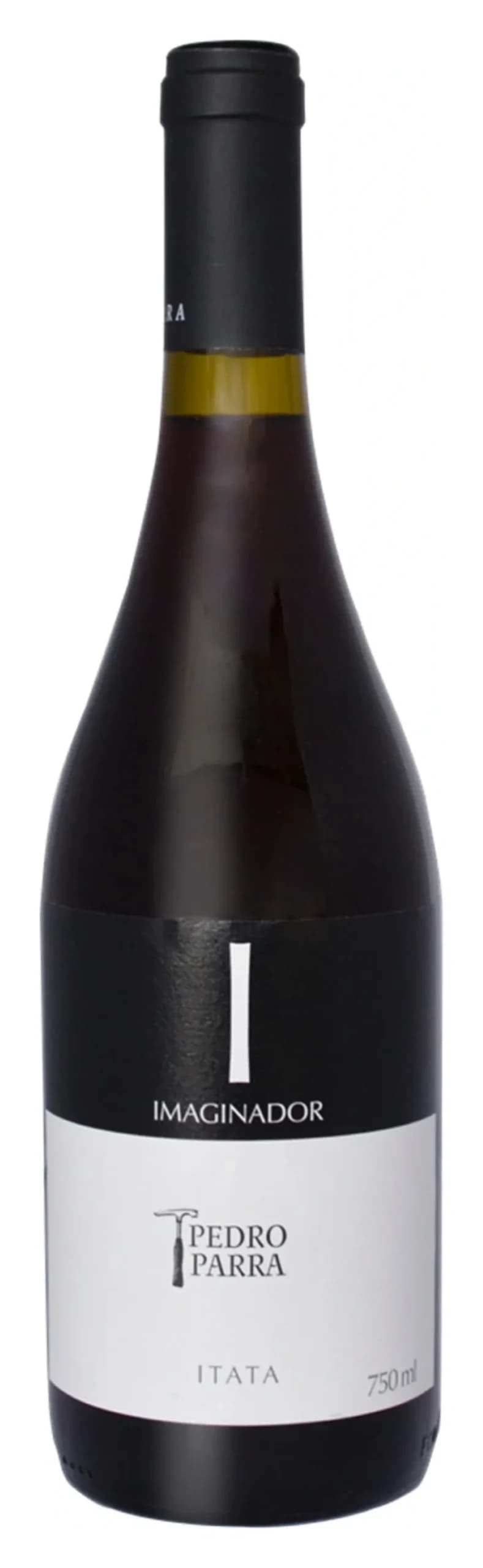
Pedro Parra Family Wines
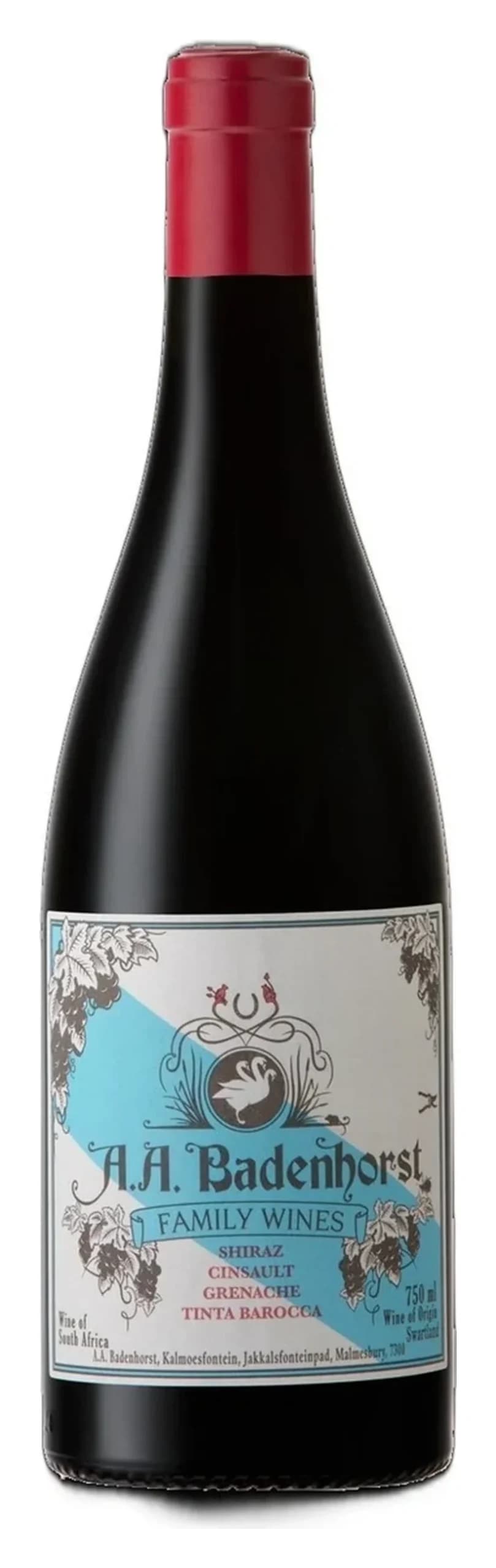
A.A. Badenhorst Family Wines
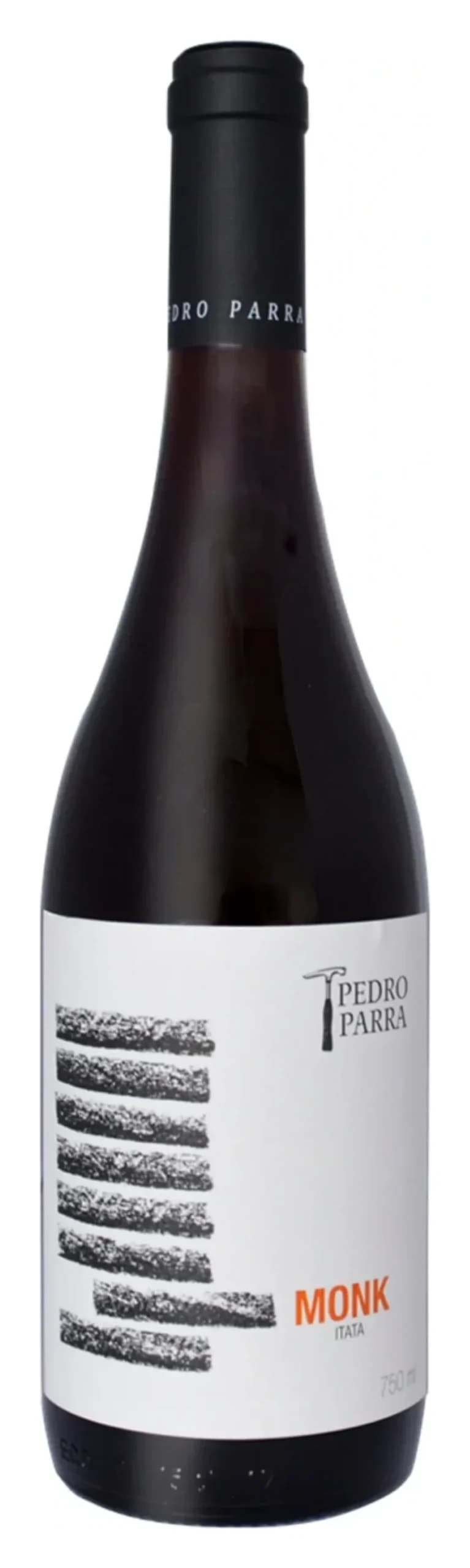
Pedro Parra Family Wines
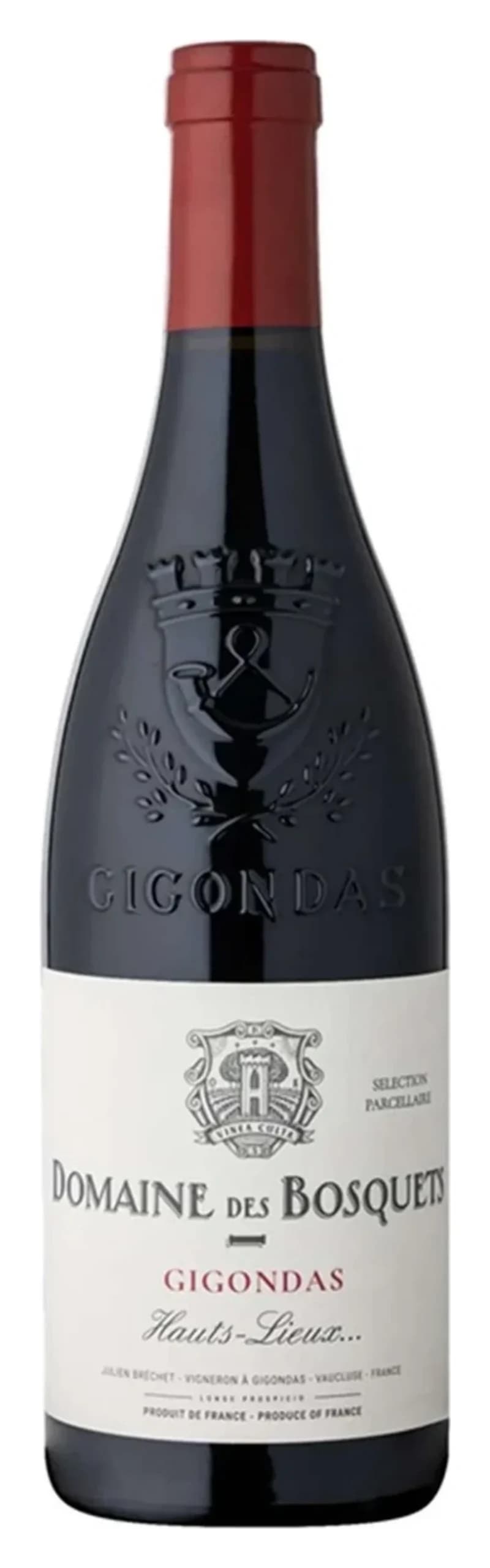
Domaine des Bosquets
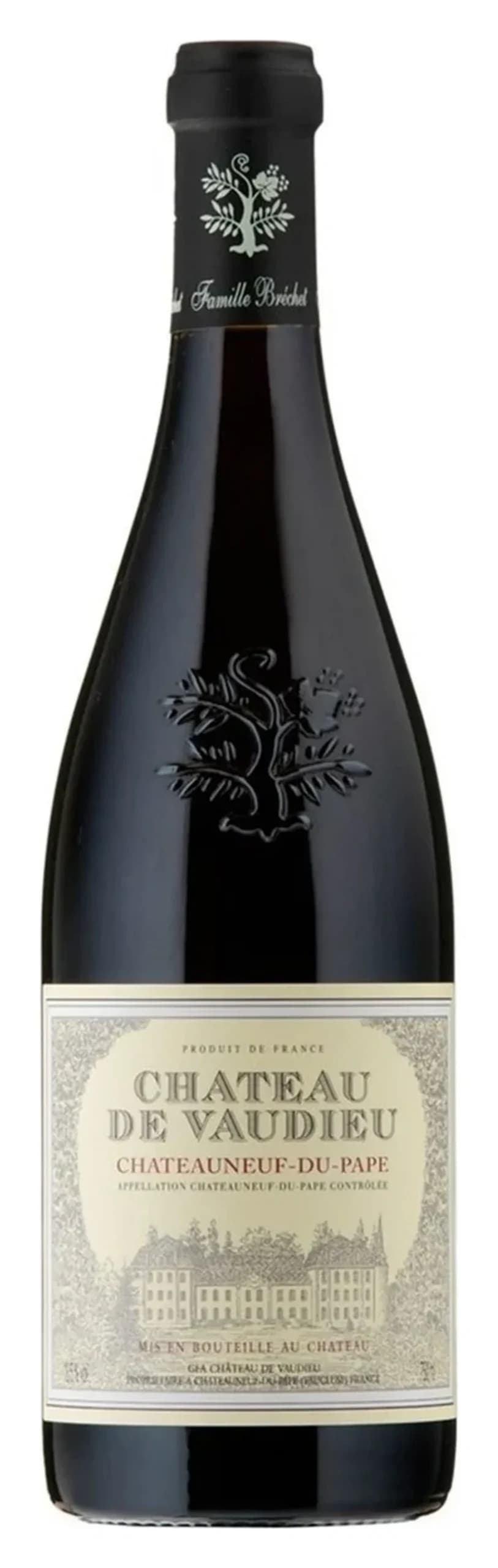
Famille Brechet
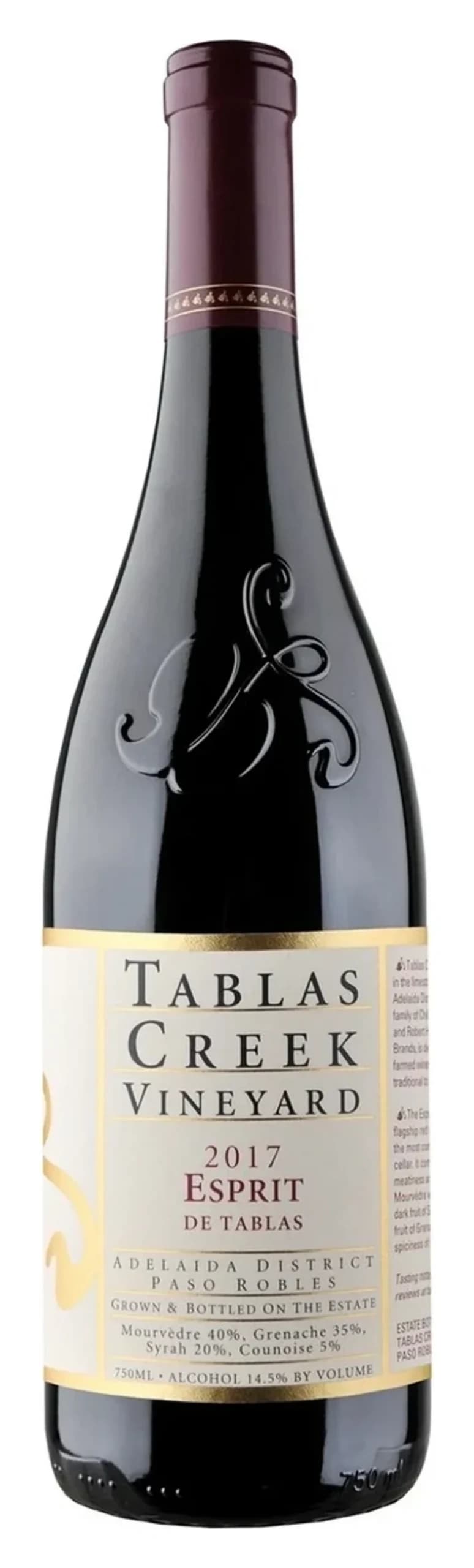
Tablas Creek Vineyard
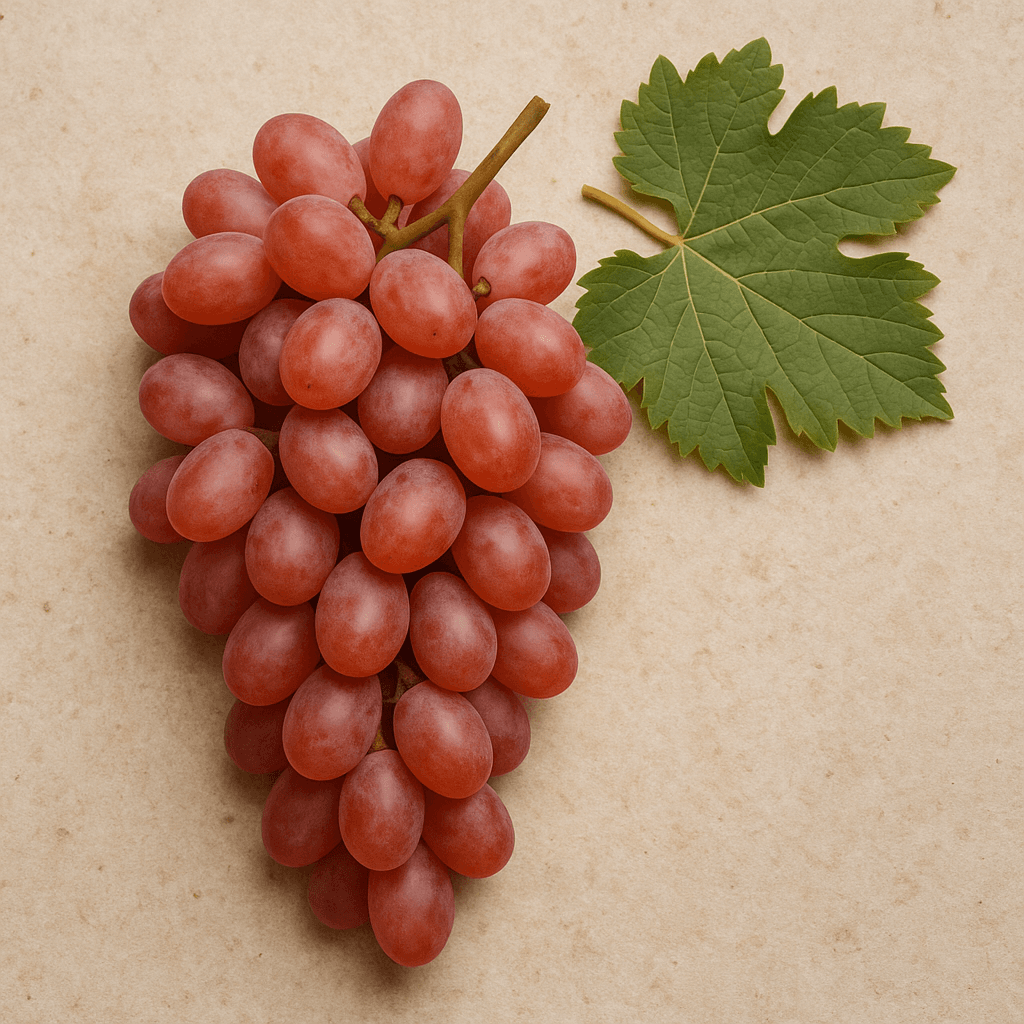
Cinsault is an underrated Mediterranean grape producing distinctive, fruit-forward red and rosé wines. Originally from southern France's Languedoc region, this heat-loving variety thrives in warm, dry conditions and delivers its strongest character in wines consumed young, when aromatic intensity peaks.
Cinsault wine ranges across a clear spectrum shaped by climate and winemaking. In cooler regions or with early picking, expect delicate, pale ruby hues with lifted aromas of raspberry and red cherry, brisk acidity and minimal tannin—wines built for immediate pleasure. Warmer sites and riper harvests yield richer colour, deeper fruit concentration and higher alcohol levels, though tannins remain characteristically soft and supple compared to sturdier Mediterranean varieties.
When handled to preserve fruit character—via moderate fermentation temperatures and brief stainless-steel ageing—Cinsault sings with medium to medium-high aromatic intensity. Primary flavours dominate, making these wines supremely approachable in their first year. Oak is rarely employed, as it would mask the delicate floral and stone-fruit nuances that define the variety. Alcohol typically runs high, yet the low tannin structure keeps the wine feeling elegant rather than heavy.
Cinsault thrives in southern France, particularly Languedoc and Provence, where it remains a pillar of regional identity. The variety also flourishes in southern Rhône blends—notably around Tavel, famous for rosé—and appears in appellations like Châteauneuf-du-Pape (though rarely exceeding 5%). Beyond France, it is extensively planted in South Africa (where it once dominated before Cabernet Sauvignon's rise), Morocco, Lebanon and parts of Italy (as Ottavianello in Puglia). Small but committed plantings exist in California, Australia and Washington State. Late budding and drought resistance make it ideally suited to hot, water-stressed terroirs.
Cinsault is most celebrated for dry rosé—pale, perfumed and refreshing, often with strawberry and citrus notes. Pure Cinsault rosés are increasingly common; blended examples, especially with Grenache, define Provence's iconic style. As red wine, Cinsault rarely stands alone; it is typically blended to add suppleness, perfume and early-drinking appeal to tougher varieties like Carignan. However, producers in Languedoc and elsewhere do bottle compelling 100% varietal reds. These light to medium-bodied wines show modest tannins and fresh acidity, best consumed within 2–3 years, though older-vine examples can develop surprising complexity. Quality spans acceptable to very good; prices remain modest, making Cinsault excellent value for those seeking vibrant, unpretentious Mediterranean drinking.
Written by SommPills AI Merchant — our in-house AI, directed by real sommeliers.