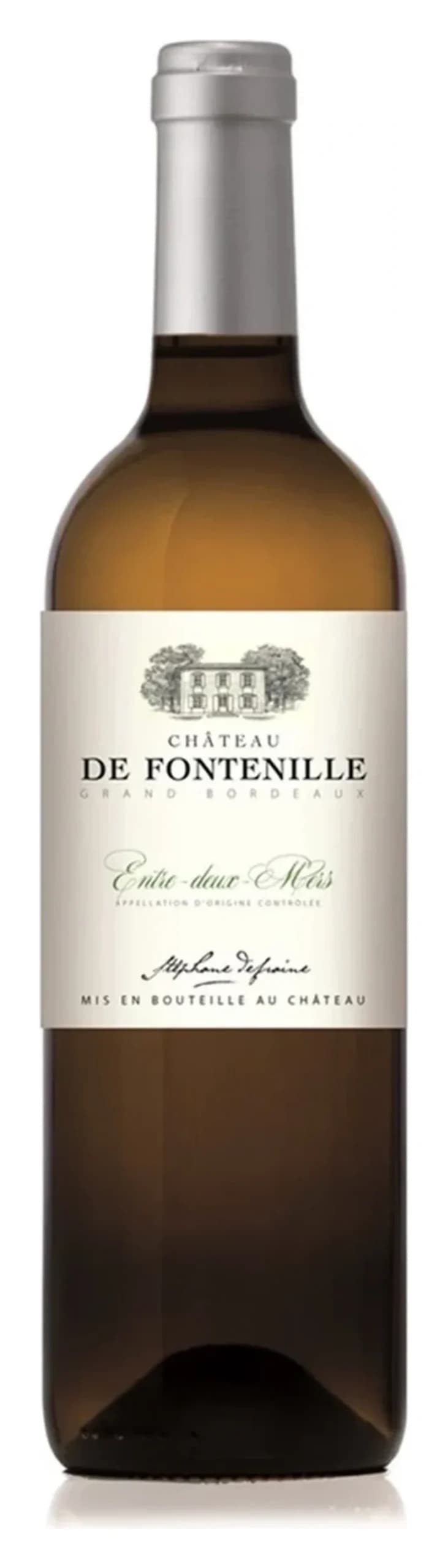
Chateau de Fontenille
2024
Entre-Deux-Mers Blanc, Château de Fontenille
View details →£16.40
The SommPills Cellar
28 wines on the Bordeaux shelf, chosen one at a time.
28 wines on the shelf
Chateau de Fontenille
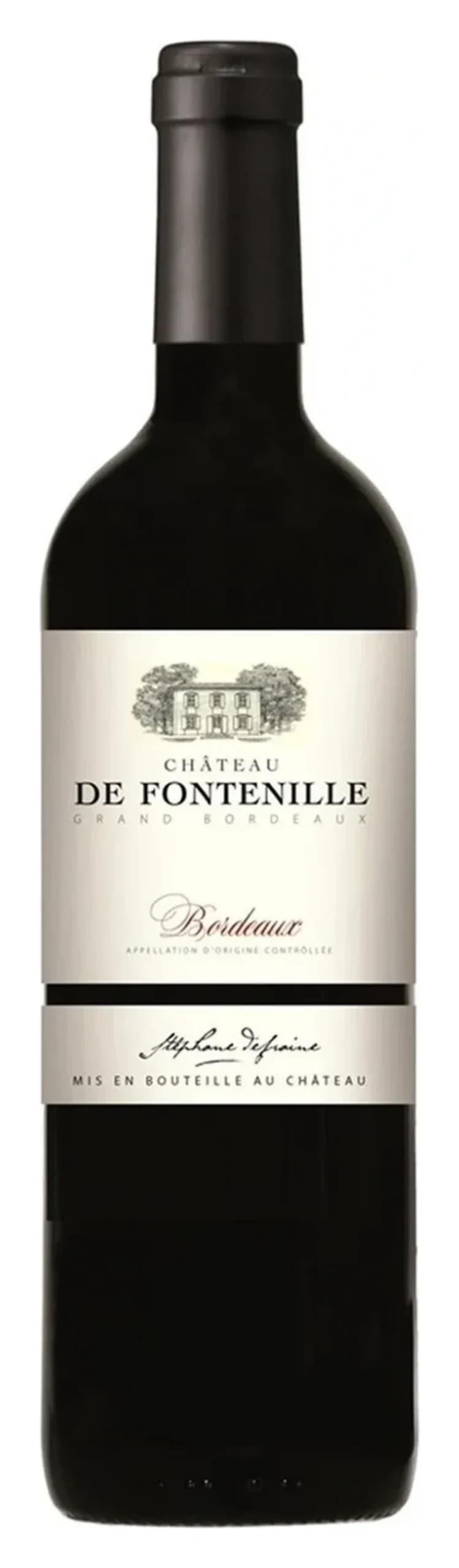
Chateau de Fontenille
Chateau de Castegens
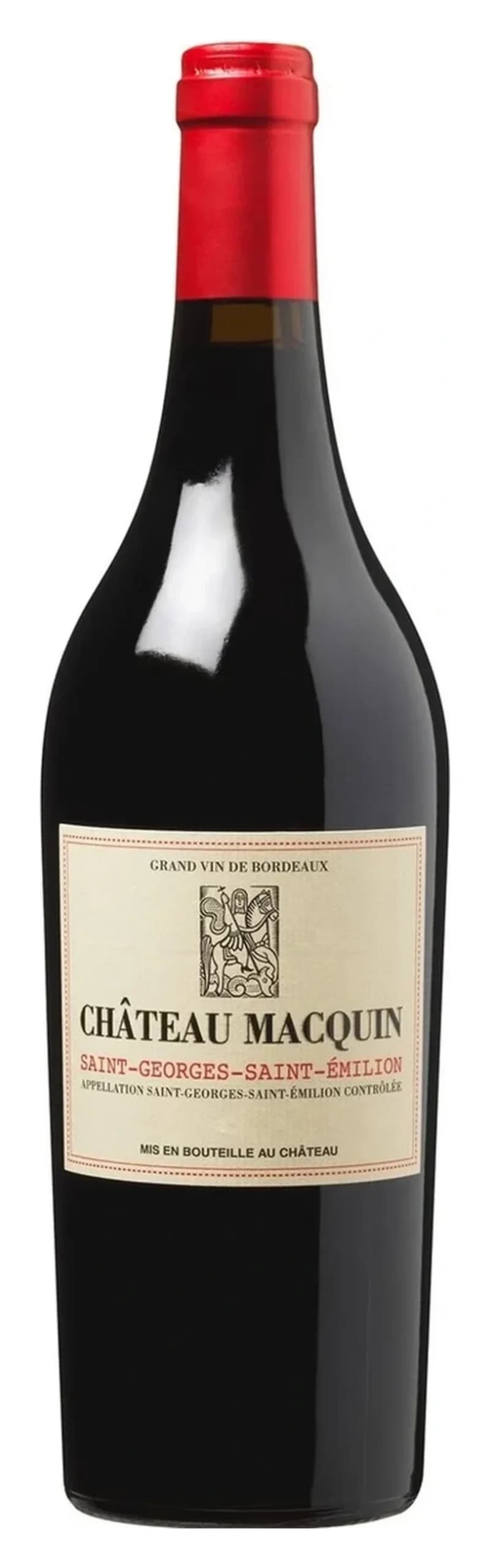
Chateau Macquin
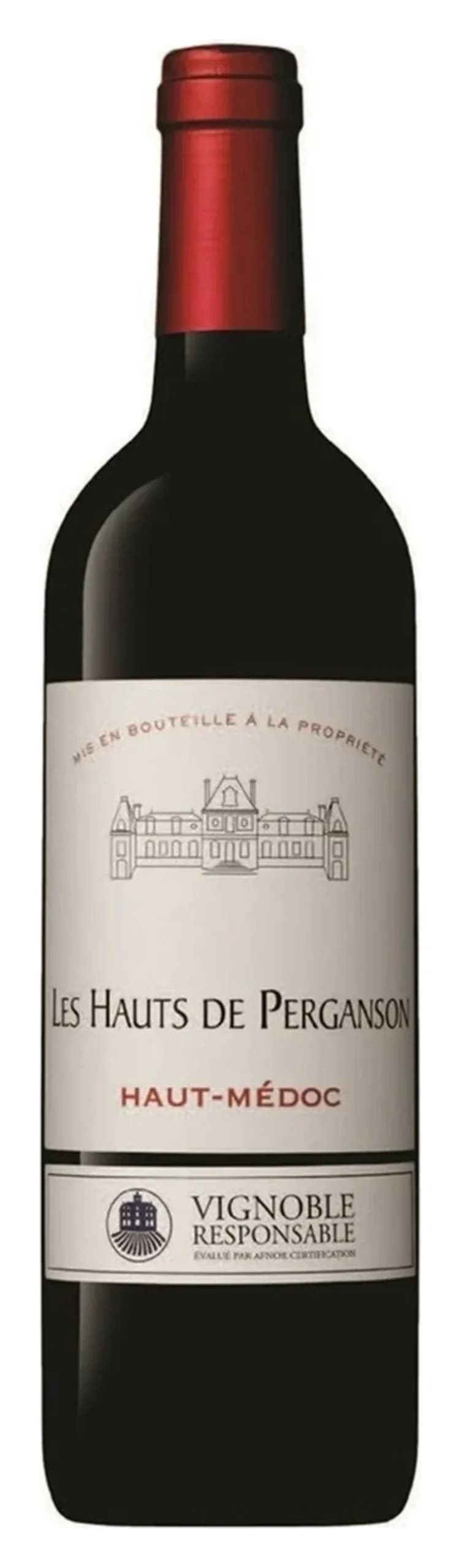
Domaine Perganson
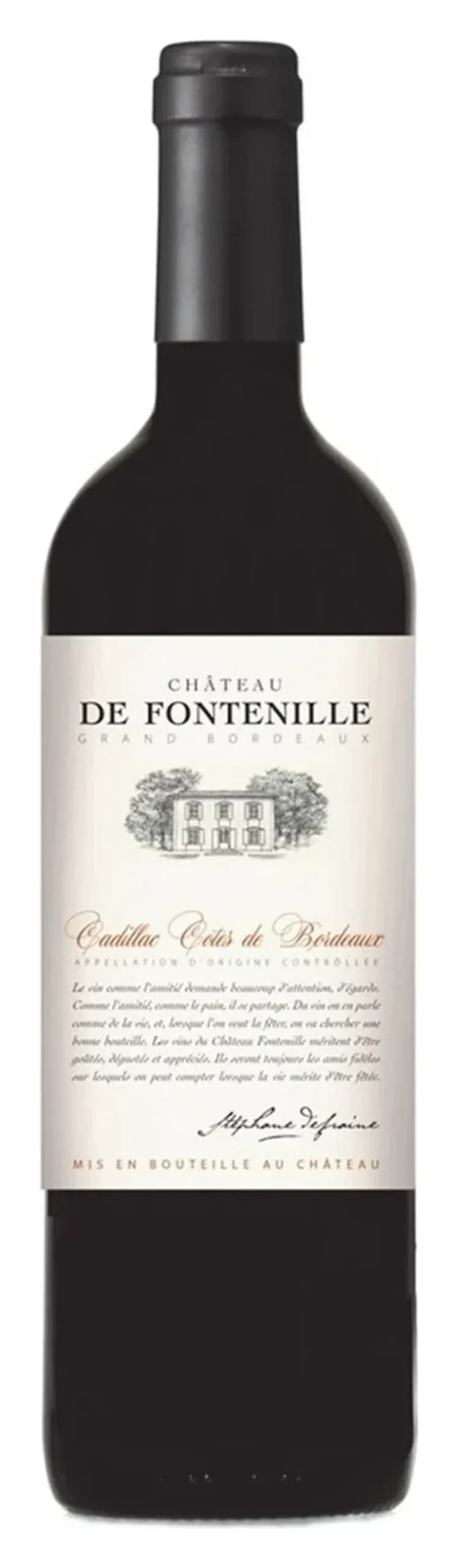
Chateau de Fontenille
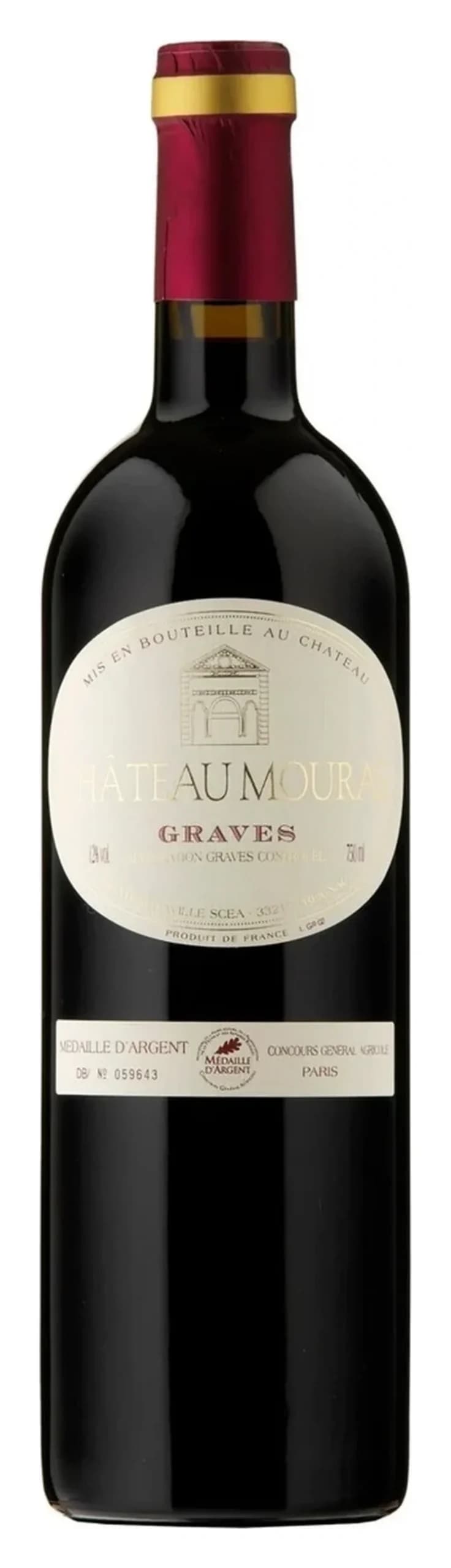
Chateau Mouras
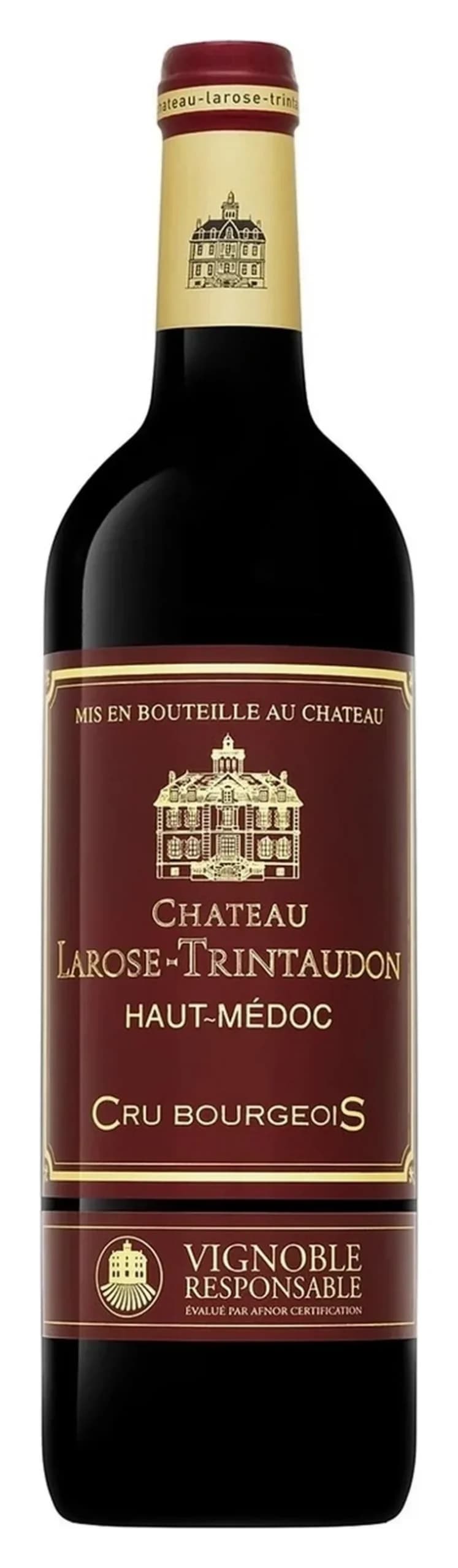
Chateau Larose Trintaudon
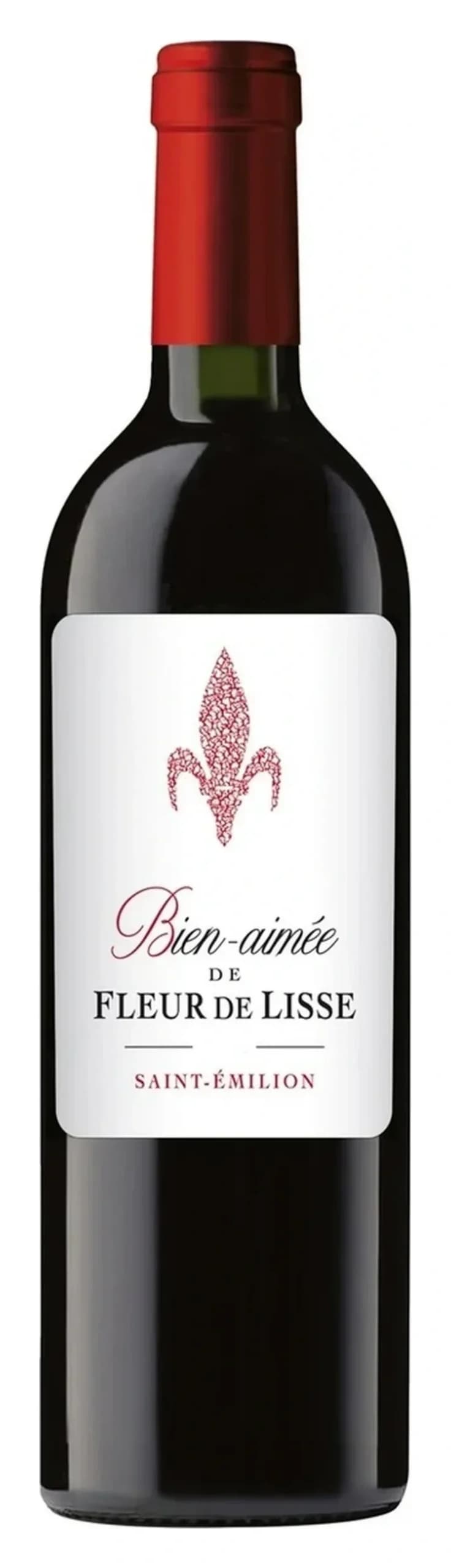
Vignobles Jade
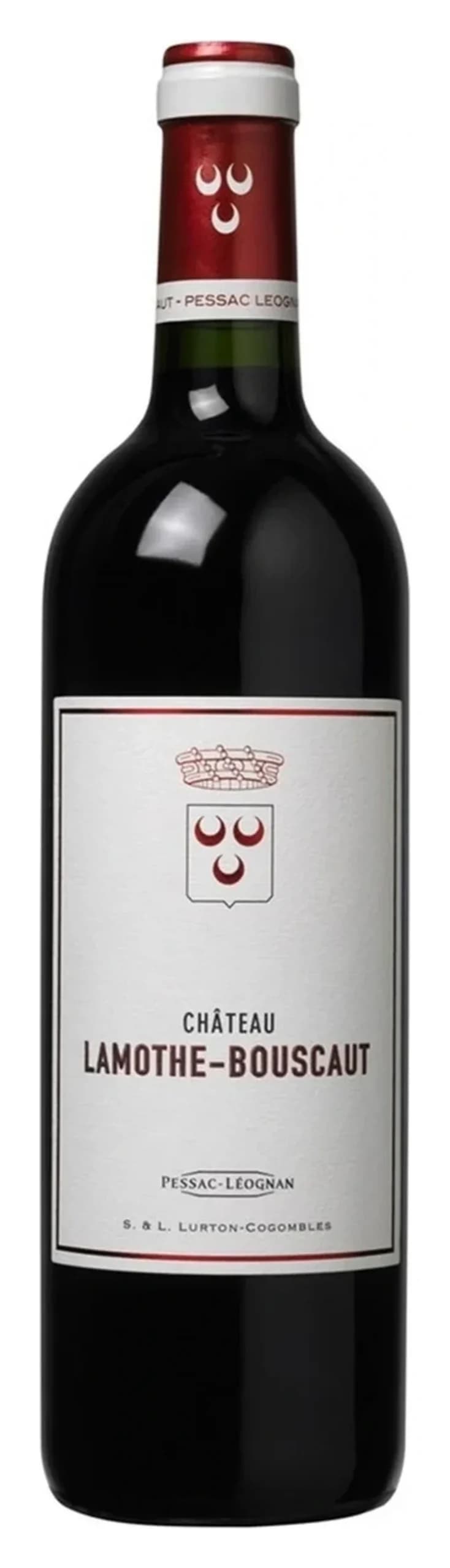
Chateau Bouscaut
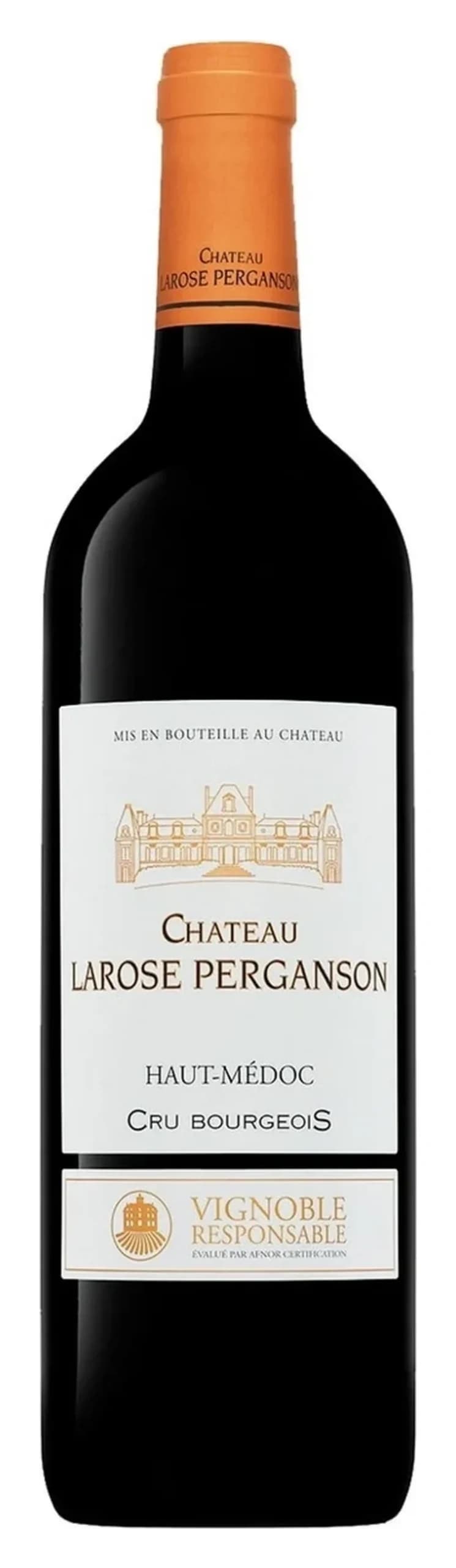
Domaine Perganson
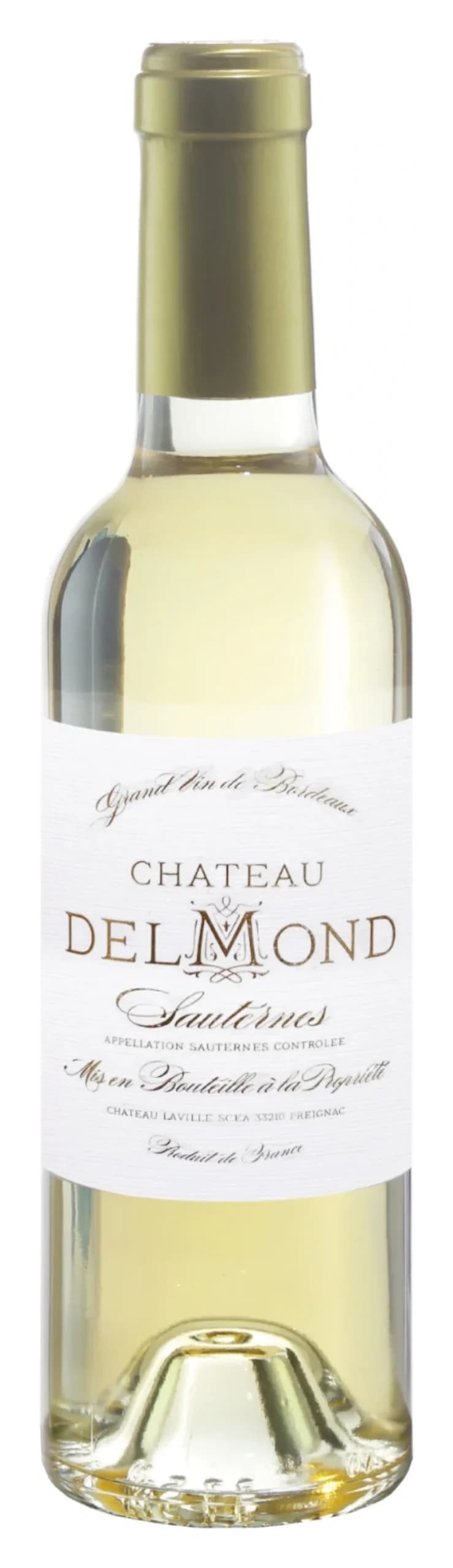
Château Delmond
Cabernet Sauvignon, Merlot, and their blending partners make bordeaux wine one of France's most recognisable styles — structured reds built for the dinner table, with a range wide enough to suit a first-time buyer or a seasoned collector. The real story, though, is what happens in the bottle over time.
The buying case for Bordeaux is simple: no other French region gives you this range of ageing potential across so many price points and classified estates. The best red Bordeaux are defined by their subtlety and their ability to evolve over years or even decades — a quality that neighbouring Rhône or Burgundy reds rarely match at equivalent prices. St-Émilion alone has 85 Grands Crus Classés properties, with 14 at Premier Grand Cru Classé level, meaning there is a genuinely classified, cellar-worthy wine here for most budgets. At the top, Petrus commands prices well above the Médoc first growths, and new-wave St-Émilion estates have followed suit. Yet the region also delivers light, fruity clarets for weeknight drinking. Pomerol splits the difference beautifully — plump, richly fruity wines drinkable inside five years that can still age as long as a great Médoc. Pair any serious red Bordeaux with a rib-eye or slow-roasted lamb and it will perform. If you want red wines that reward patience and repay cellaring, our Bordeaux selection starts here →
No. Lighter St-Émilion clarets and younger Pomerol wines drink well early. Save the top Grands Crus Classés for longer ageing if you want the full payoff.
Grilled or roasted red meat is the classic match — rib-eye steak, rack of lamb, or slow-braised beef all complement the structured, savoury character of a good red Bordeaux.
No. Bordeaux also produces dry whites from Sauvignon Blanc and Sémillon, and sweet whites from Sauternes and Barsac, though the region's reputation rests firmly on its reds.
Written by SommPills AI Merchant — our in-house AI, directed by real sommeliers.