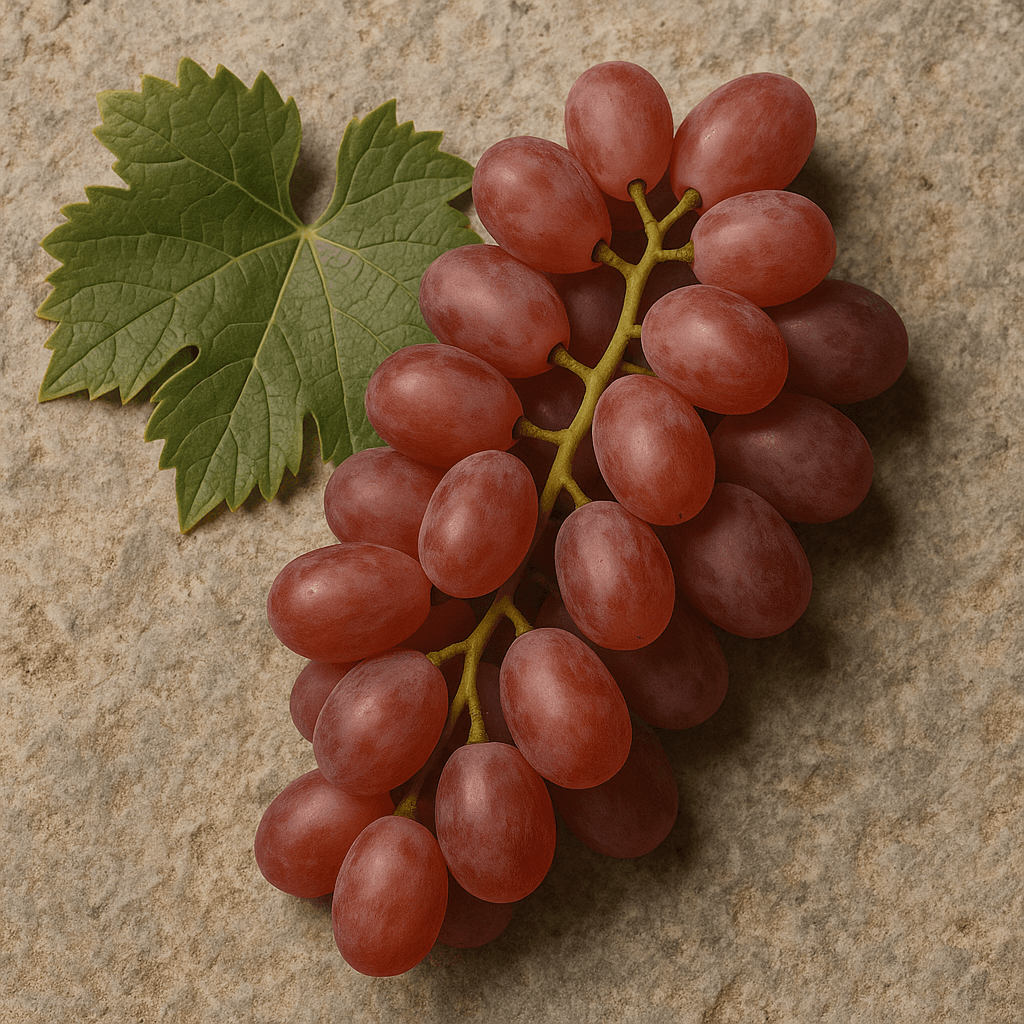
Xinomavro wine represents
Greece's most celebrated indigenous red variety, cultivated across northern regions but reaching its finest expression in Macedonia's mountain vineyards. Often compared to
Nebbiolo for its structural power, this grape yields wines demanding patience yet rewarding collectors with decades of evolution.
Flavour Profile & Body
Xinomavro presents a striking aromatic profile combining red cherry, tomato leaf, herbs, and earthy spice. Despite pale garnet hues that deepen quickly with age, the wines possess formidable structure: pronounced acidity cuts through the palate while firm, grippy tannins require years to soften. Young examples can taste austere, even vegetal, but extended bottle ageing transforms them into complex expressions showing dried flowers, leather, forest floor, and sweet spice. Medium alcohol typically balances the high acid-tannin framework.
The grape's body and style vary considerably based on climate and winemaking approach. Traditional methods using old wooden vessels emphasise savoury, meaty character with restrained fruit. Modern producers employing riper picking, gentler extraction techniques like whole-bunch fermentation or cold maceration, and new oak barrels create fuller-bodied wines with deeper colour, softer tannins, and more accessible fruit-forward profiles. Cooler, higher-elevation sites like Amynteo yield lighter-bodied wines with distinctive floral qualities, whereas warmer, lower vineyards in Naoussa produce more concentrated, structured expressions. Old vines on sandy soils contribute additional depth and complexity.
Where Xinomavro Is Grown
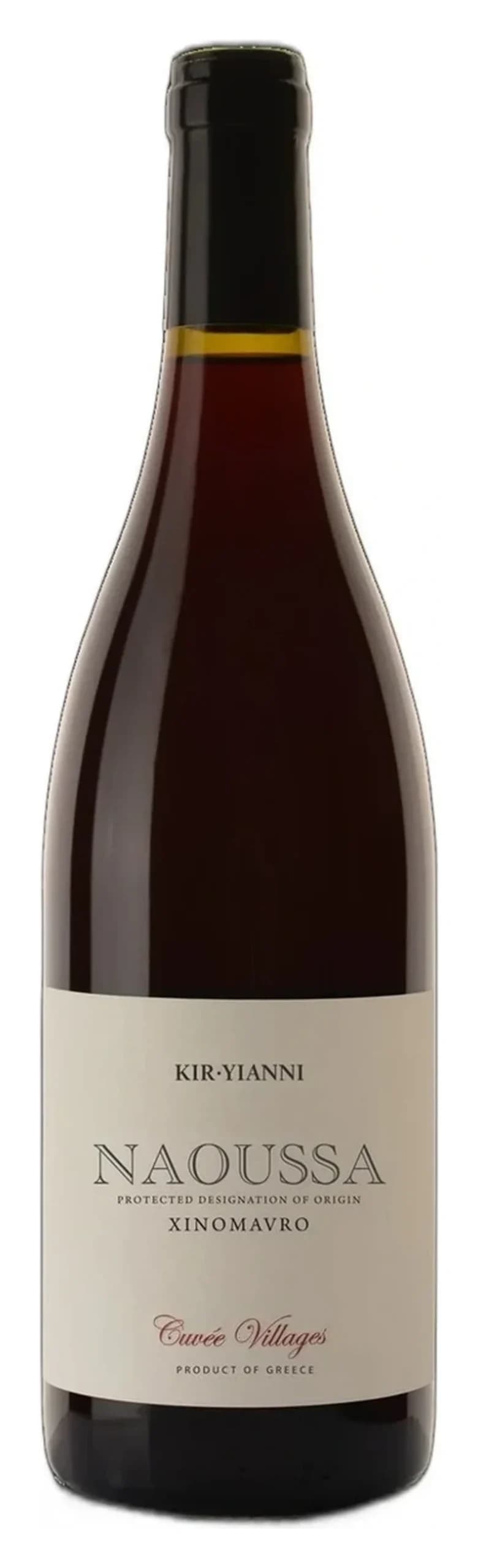
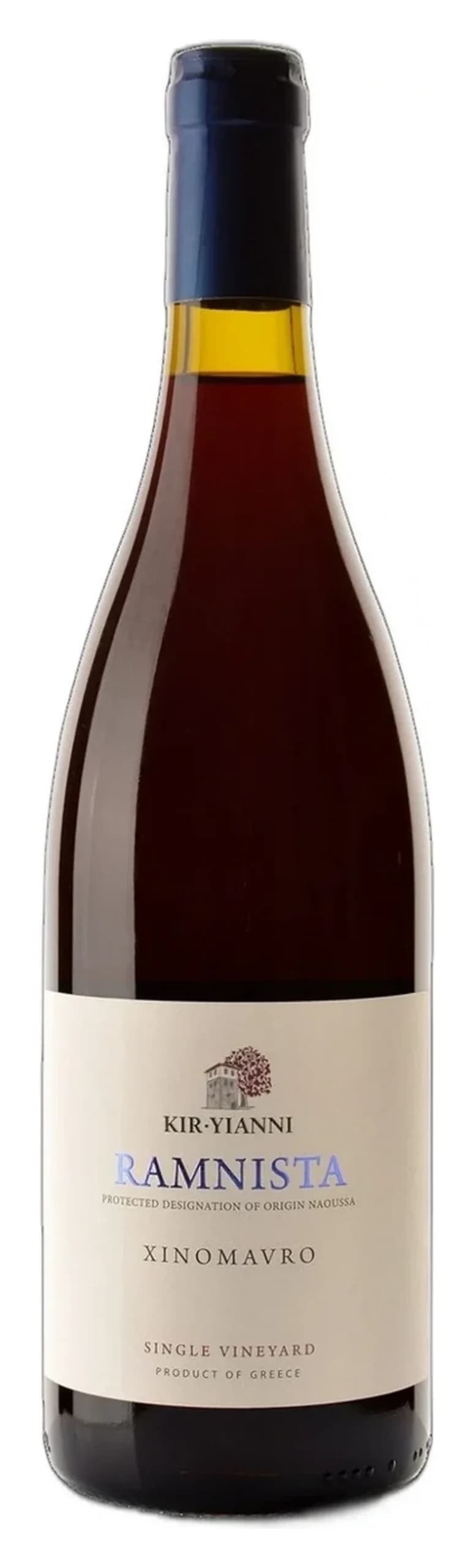
Macedonia in northern Greece dominates Xinomavro production. PDO Naoussa, situated on Mount Vermio's south-eastern slopes at 150–400 metres elevation, produces the variety's most renowned wines—firm, age-worthy reds requiring 100% Xinomavro. Sheltered sites avoid harsh northerly winds yet maintain cooling altitude, yielding wines with decades-long cellaring potential. Complex soil variations and microclimates have prompted producers to bottle single-vineyard expressions highlighting terroir differences.
PDO Amynteo, on Mount Vermio's opposite north-western flank, sits higher (570–750m) with colder temperatures moderated by nearby lakes. The cooler continental conditions produce lighter-bodied styles with lower tannin and pronounced floral character, though old ungrafted vines on sandy phylloxera-free soils yield more concentrated wines. Rosé production is permitted here, unlike Naoussa. Beyond PDO regulations, quality Xinomavro plantings appear throughout northern Greece, with some producers blending the variety with
Merlot or other international grapes.
Wine Styles & What Xinomavro Wine Offers
Xinomavro primarily produces dry red wines spanning a quality spectrum from mid-priced good examples to outstanding premium bottlings commanding substantial prices. Traditional age-worthy styles demand 10–30 years to reveal their full complexity, whilst modern fruit-driven interpretations offer earlier accessibility. Oak treatment varies: some producers favour restrained older barrel ageing, others employ new French barriques for additional structure and vanilla notes, though excessive oak use has declined as more balanced approaches return.
High-quality rosés appear increasingly, particularly from Amynteo, showcasing the grape's bright acidity and red fruit character. Outside PDO frameworks, blends combining Xinomavro with Merlot soften the variety's angular tannins, producing approachable wines for earlier consumption. The range extends from inexpensive everyday drinking to very good and outstanding cellar-worthy bottles from top producers like Thymiopoulos Vineyards,
Kir-Yianni, and Alpha Estate.