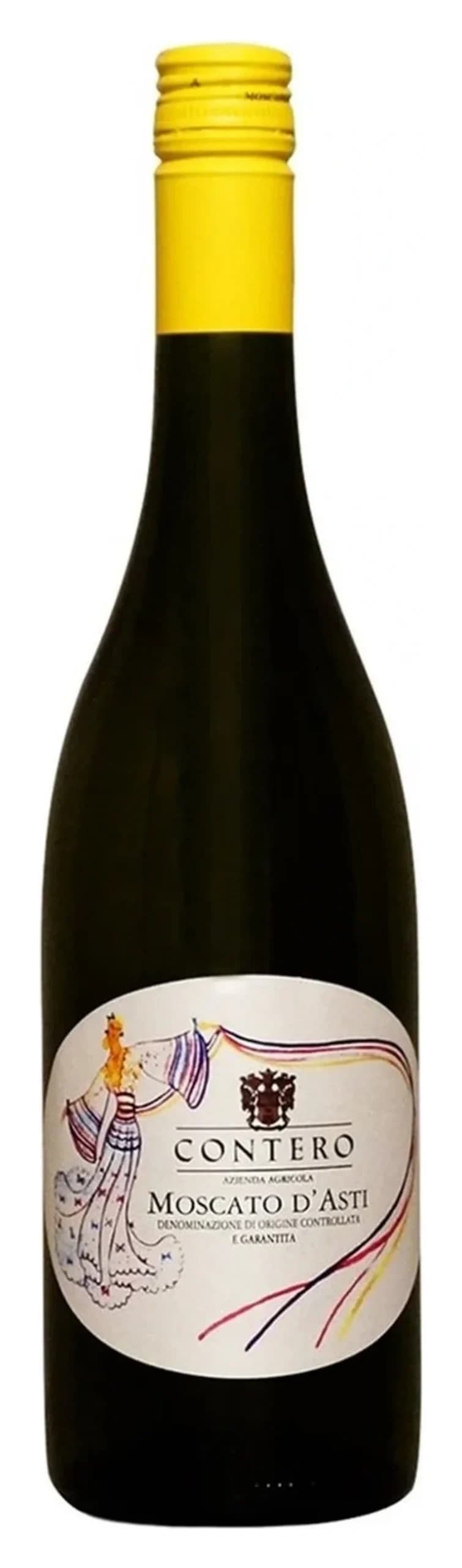
Contero
2025
Moscato d'Asti di Strevi, Contero
View details →£21.05
The SommPills Cellar
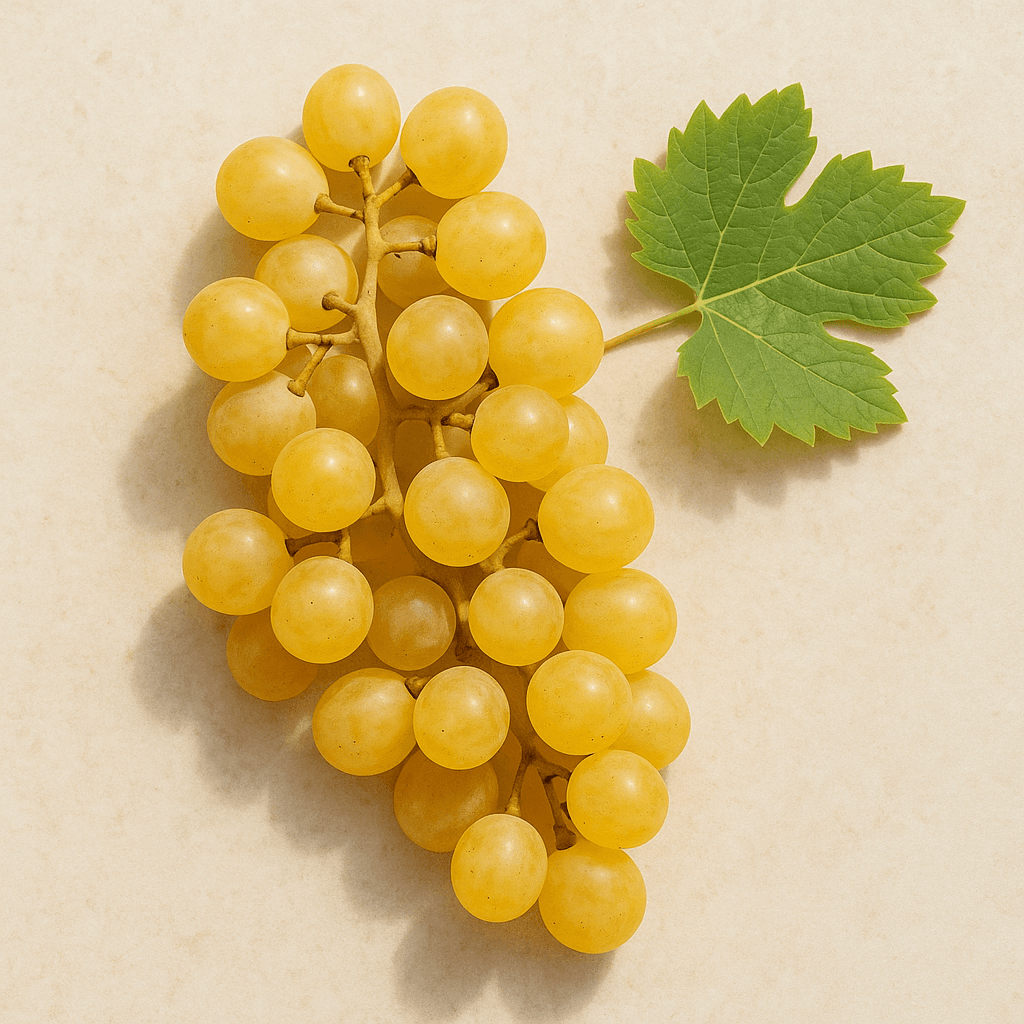
1 wine on the Muscat Blanc à Petits Grains shelf, chosen one at a time.
1 wines on the shelf
Muscat Blanc à Petits Grains stands as the oldest and most esteemed member of the Muscat family, prized for its pronounced aromatic intensity and versatility. This small-berried variety thrives in Mediterranean climates and produces distinctive wines across a broad spectrum from bone-dry to luxuriously sweet.
This grape delivers unmistakable grapey aromas alongside delicate floral notes reminiscent of orange blossom and subtle spice. The wines reveal a distinctive musky perfume—a character so pronounced that French winemakers use the term "musqué" to describe it. Acidity levels and body vary significantly according to climate and winemaking approach, creating a genuine spectrum of styles.
In cool-climate regions and when harvested earlier, these wines exhibit crisp acidity, lighter body, and bright citrus complexity. Conversely, warm Mediterranean vineyards and riper fruit produce fuller-bodied expressions with higher alcohol levels (often 15–20% in fortified versions) and richer, honeyed character. Protective winemaking—minimal oxidation and early bottling—preserves primary floral and peachy aromas, while extended ageing in warm conditions develops nutty, molasses-forward tertiary flavours as seen in fortified examples.
France dominates global plantings, particularly in Roussillon and Languedoc, where it produces the celebrated vins doux naturels of Frontignan, Beaumes-de-Venise, Lunel, Mireval, and Saint-Jean-de-Minervois. Each region's elevation and microclimate subtly shape the final wine: lower-altitude Frontignan yields fuller, tropical-inflected styles, whilst higher-altitude Saint-Jean-de-Minervois produces leaner, more floral expressions.
Italy claims the largest total area planted, with Piemonte dominating production of sparkling Asti and Moscato d'Asti. Greece considers this variety its heritage grape, cultivating it on island slopes at altitude; Samos, Patras, and Kefalonia produce strict, traditionally sweet and alcoholic expressions. Australia's Rutherglen region crafts exceptional dark-hued Liqueur Muscat from a dark-skinned mutation, whilst California, South Africa, and Austria also maintain significant holdings.
This grape expresses remarkable stylistic range. Dry, unoaked versions emerge from Alsace and parts of Roussillon as fresh, food-friendly aperitifs with minimal residual sugar. Lightly sweet, unfortified sparkling wines dominate Italian production—Asti Spumante and Moscato d'Asti offer low alcohol (5–6%) and effervescence. Fortified vins doux naturels (15% abv) balance residual sugar (90–150 g/L) with primary aromas when released young. Extended wood-ageing in Australia transforms grapes into syrup-textured Liqueur Muscat (18%+ abv, up to 400 g/L residual sugar), displaying raisin, spice, and molasses complexity. Late-harvest and passito versions—concentrated through sun-drying—deliver intense sweetness and dried-fruit intensity. Quality ranges from simple, fruit-forward commercial bottlings to profound, age-worthy expressions from top producers.
Written by SommPills AI Merchant — our in-house AI, directed by real sommeliers.