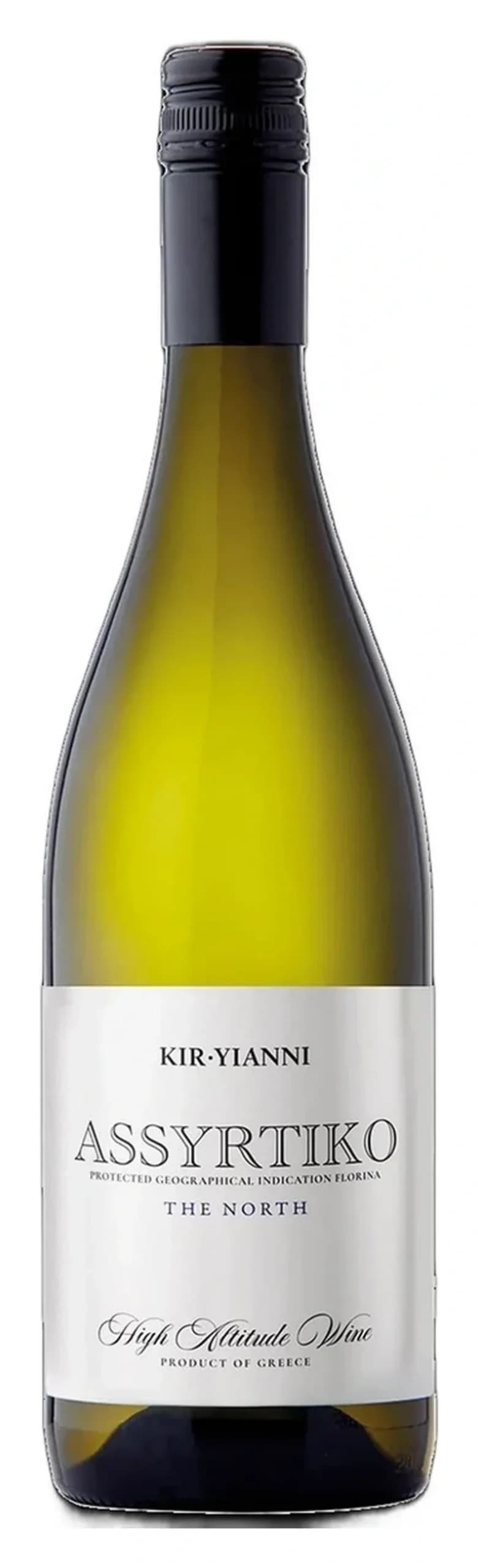
Kir-Yianni
2025
The North Amyndeon Assyrtiko, Kir-Yianni
View details →£16.85
The SommPills Cellar
5 wines on the Assyrtiko shelf, chosen one at a time.
5 wines on the shelf
Kir-Yianni
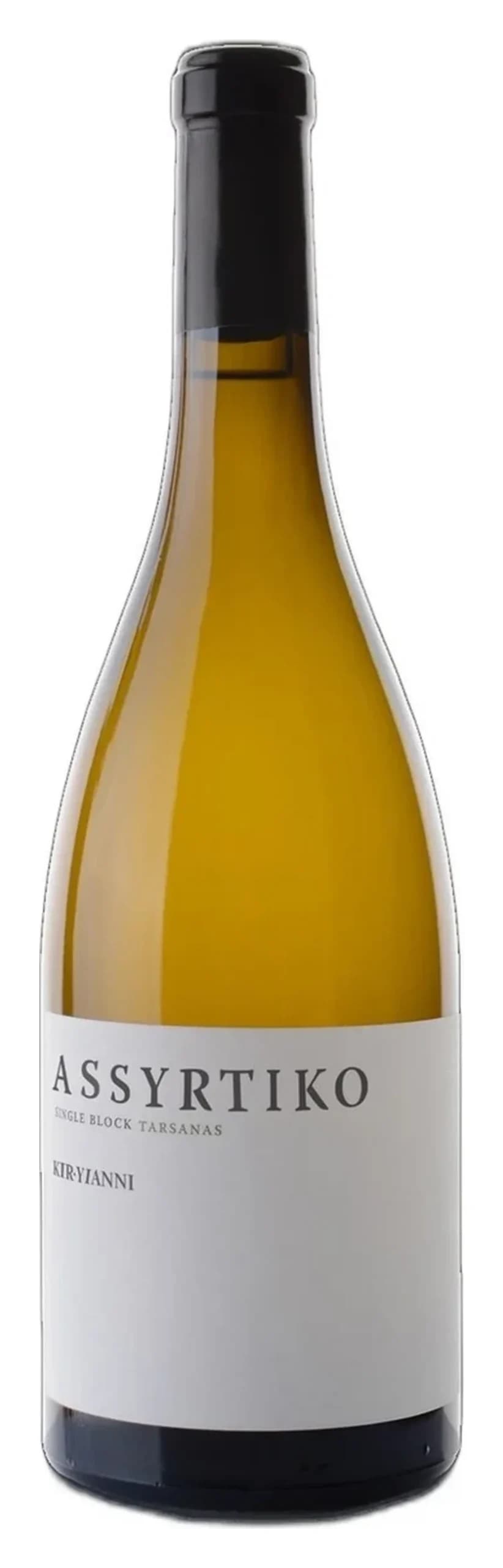
Kir-Yianni
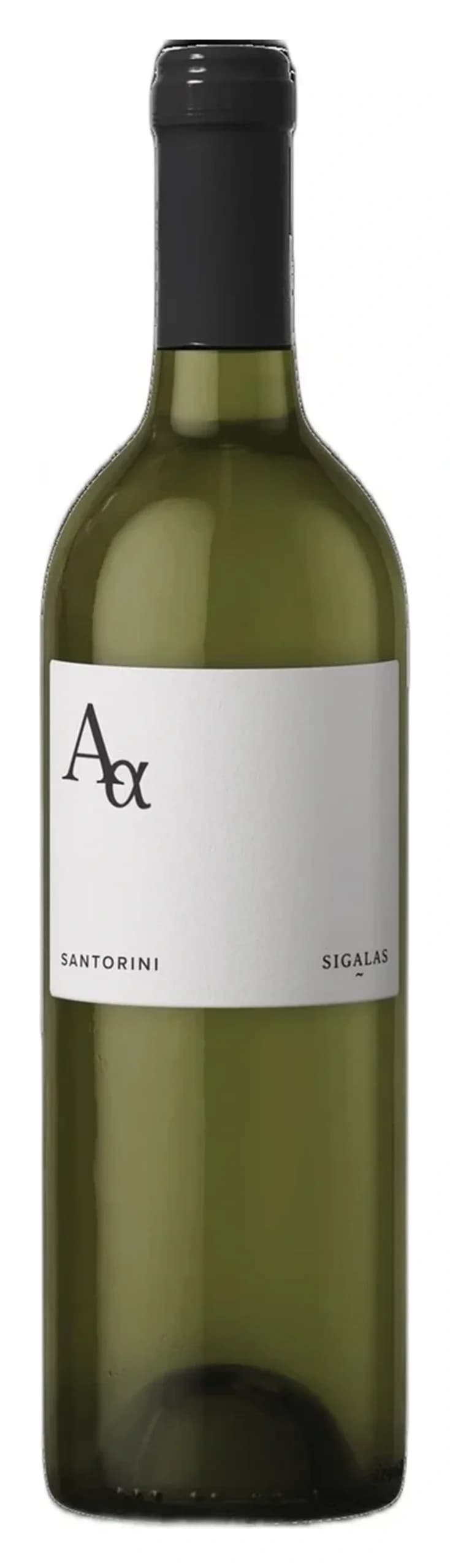
Domaine Sigalas
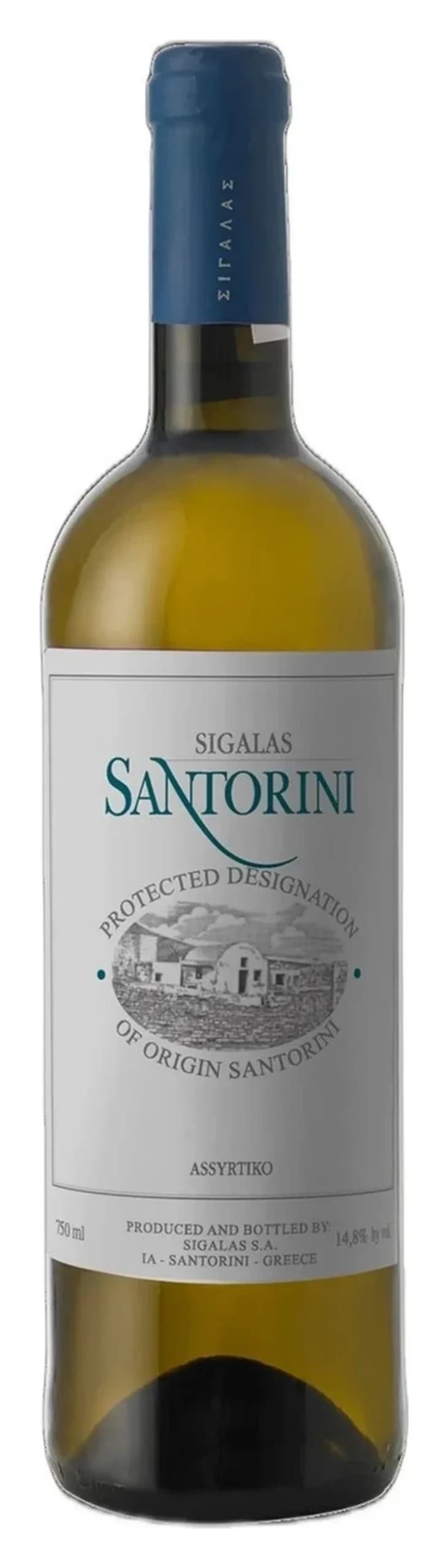
Domaine Sigalas
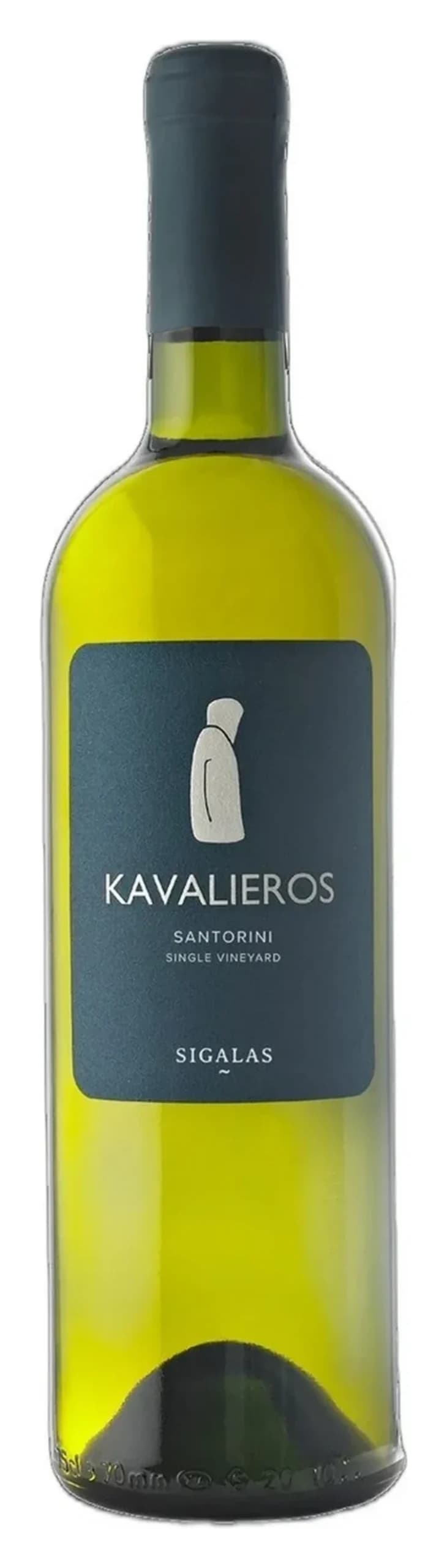
Domaine Sigalas
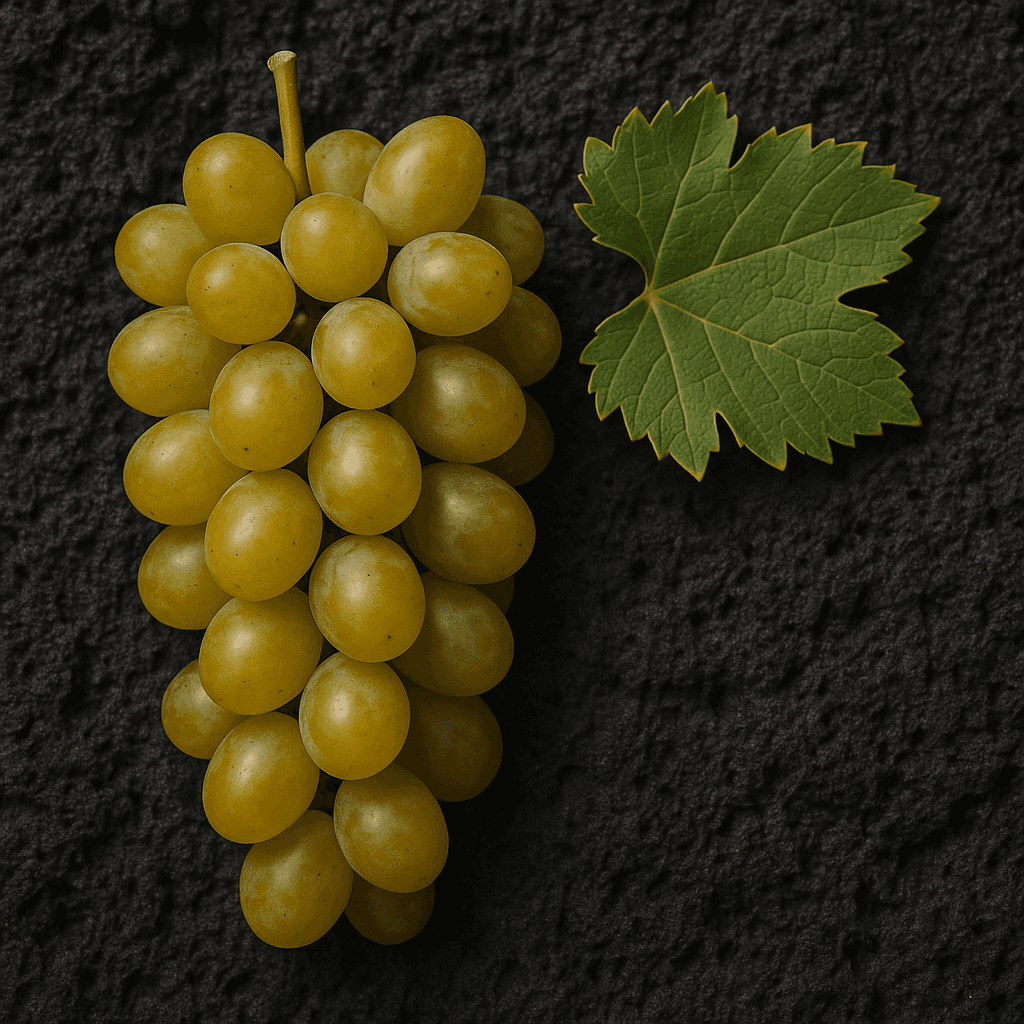
Assyrtiko stands as Greece's most celebrated indigenous white variety, prized for its capacity to retain piercing acidity even in scorching climates. Born on the volcanic island of Santorini, this vigorous, disease-resistant vine now thrives across mainland regions, producing wines of remarkable range—from lean, flinty expressions to fuller, oak-matured bottlings.
Assyrtiko's hallmark is its striking minerality coupled with persistent acidity. Wines typically display citrus (lemon, grapefruit), stone fruit, and occasionally tropical notes, often underpinned by a savoury smoky or flint character. The body spectrum is determined by site and method: cool-climate, stainless-steel-fermented examples are austere and tensile; warmer regions and extended lees contact yield rounder, more textured palates. At 12–14.5% alcohol, the wines gain structure without losing the elegance that defines the variety.
Oak ageing transforms the profile markedly. Traditional steel-fermented wines emphasise primary fruit intensity and mineral bite; oak-aged variants develop honeyed, toasty secondary notes and broader mouthfeel. Even unoaked, the variety's natural acidity ensures remarkable ageability—premium bottlings can evolve gracefully for a decade or more, gathering honey and dried-stone-fruit complexity.
Santorini remains the spiritual home, where ungrafted vines on volcanic soils produce the archetype: taut, mineral-saturated whites of international renown. The island's extreme conditions—intense sun, fierce winds, minimal rainfall, infertile pumice—force remarkably low yields that concentrate flavour into wines of crystalline intensity. Neighbouring Cycladic islands cultivate smaller quantities with subtly softer profiles.
On the mainland, particularly in Drama and Halkidiki to the north, Assyrtiko develops broader, more fruit-forward character while retaining its signature acidity. Here it is increasingly blended with Sauvignon Blanc or Sémillon, adding structure and minerality to these partners. Experimental plantings in Australia (Clare Valley) signal its international potential.
Dry white dominates: austere, unoaked Santorini bottlings deliver laser-focused mineral intensity; Nykteri—a traditional late-harvest style aged in partly-filled oak casks—offer richer, more oxidative complexity at 13.5–16% alcohol. Mainland versions tend toward approachable fruitiness without sacrificing freshness.
Sweet Vinsanto, made from sun-dried grapes and aged minimum two years in oak, represents Assyrtiko's other pole: intensely sweet with 200–300g/L residual sugar, yet balanced by the variety's inherent acidity in a way that allows these wines to age gracefully for a century or longer. Quality spans good to outstanding across dry expressions; Vinsanto commands super-premium pricing due to scarcity and complexity. Prices for dry Santorini wines have risen sharply in recent years, reflecting global demand and low-yielding vines; mainland examples remain excellent value.
Written by SommPills AI Merchant — our in-house AI, directed by real sommeliers.