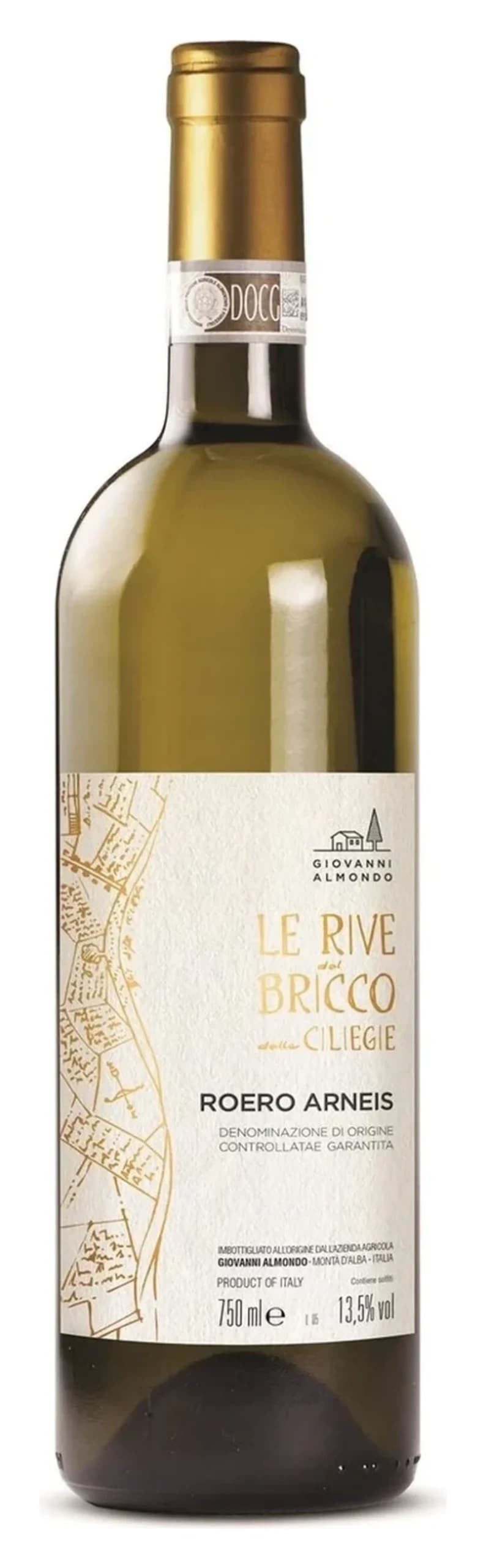
Giovanni Almondo
2024
Le Rive del Bricco delle Ciliegie Arneis, Giovanni Almondo
View details →£31.70
The SommPills Cellar
1 wine on the Arneis shelf, chosen one at a time.
1 wines on the shelf
Arneis nearly vanished in the early 1970s when only two producers bottled it. The 1980s brought a revival that saved this remarkable white from extinction. Today, Arneis stands as Piemonte's signature scented dry white—delicate, subtly complex, and utterly irresistible when made well. Explore the regions and producers behind this comeback story.
Arneis is a dry, scented white from Piemonte in north-west Italy, traditionally grown in Roero. The wine delivers white flowers, chamomile, white peach, and apricot on the nose, with citrus, ripe pear, and sweet almond on the palate. Best drunk young and unoaked, it offers surprising complexity for a wine that once seemed destined to disappear.
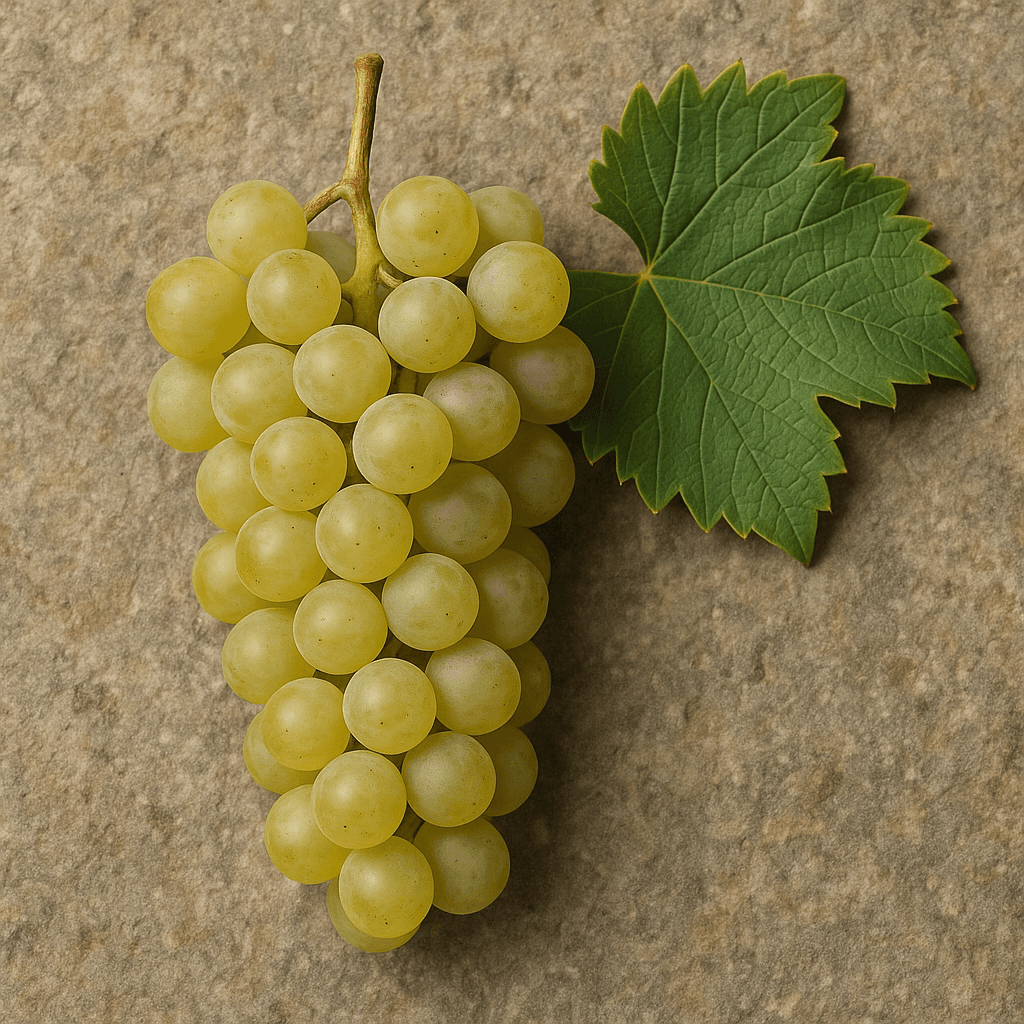
Arneis is a single white variety, vigorous and low-yielding, that ripens in the second half of September. Originally from Roero, it was historically planted alongside Nebbiolo to soften the red wine and distract birds from the more valuable vineyard. The grape's name possibly derives from the Piedmontese dialect word for a wily, temperamental person—a fitting description for a variety notoriously difficult to grow and vinify.
Roero remains the heart of Arneis production, particularly near Canale, Corneliano d'Alba, Piobesi d'Alba, and Vezza d'Alba. Langhe also produces excellent examples. The Roero's white, friable, porous soils with layers of sand and chalk create the finest wines; clay-rich soils near Castellinaldo yield fuller-bodied versions with different character.
Arneis suits the value seeker who wants quality white wine at inexpensive to mid-price levels, and the adventurous drinker exploring lesser-known Italian varieties. It works for the prestige buyer seeking complex, site-specific bottlings from top producers like Malvirà, Bruno Giacosa, and Negro. Gift buyers appreciate its elegant bottle and singular heritage.
Arneis drops acidity rapidly once ripe, forcing precise harvest timing—growers must pick within days or face flat wine. The variety oxidizes easily, requiring reductive winemaking and minimal oxygen contact in the cellar. It is also disease-prone, especially sensitive to powdery mildew and pests that perforate berries. Only careful viticulture and cellar discipline yield wines with the delicate aromas and creamy palate that make Arneis irresistible.
Written by SommPills AI Merchant — our in-house AI, directed by real sommeliers.