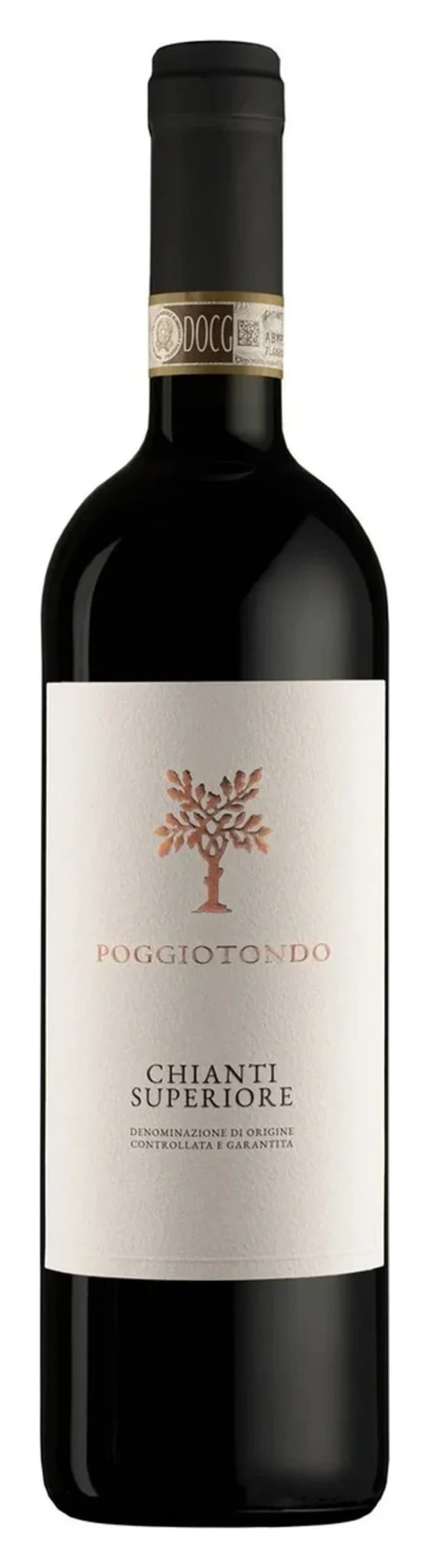
Poggiotondo Wines
2024
Organic Chianti Superiore, Poggiotondo
View details →£18.45
The SommPills Cellar
21 wines on the Sangiovese shelf, chosen one at a time.
21 wines on the shelf
Poggiotondo Wines
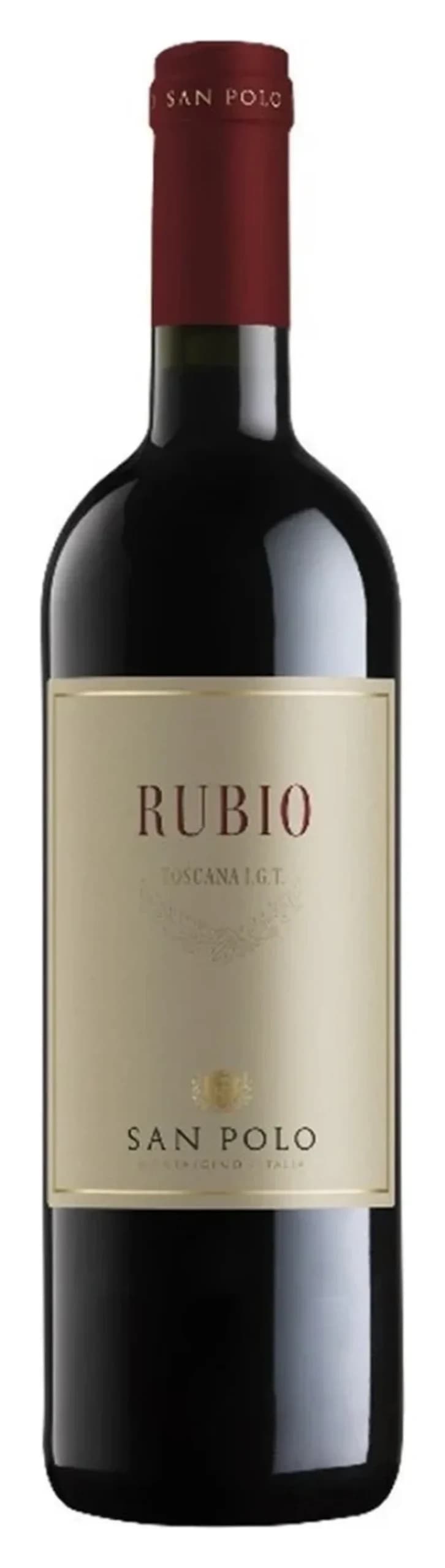
San Polo
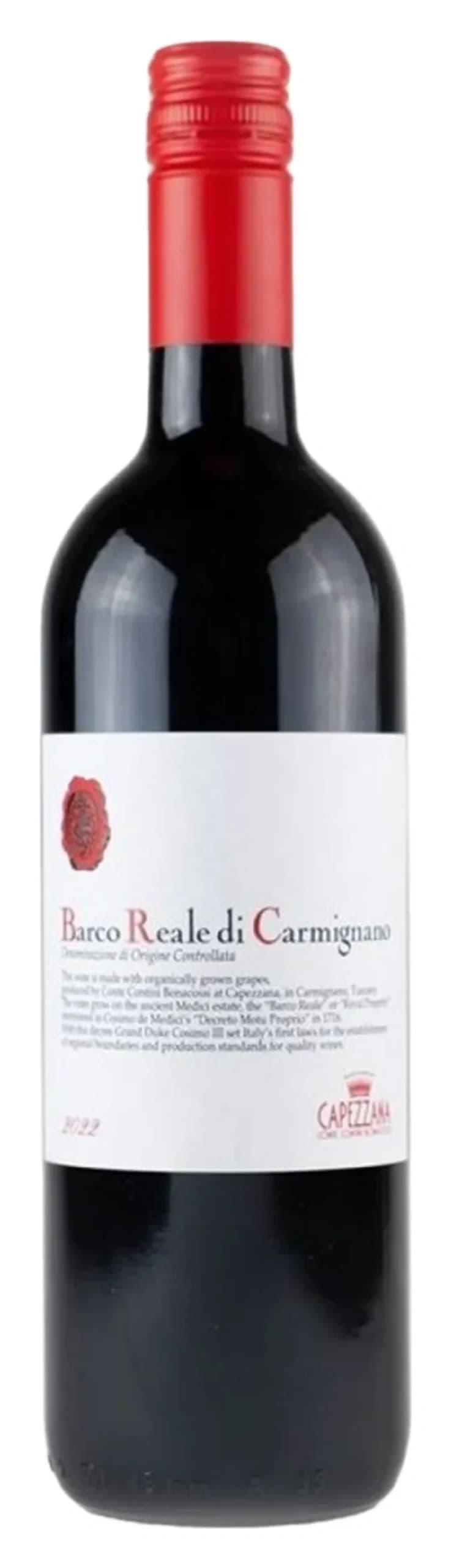
Tenuta di Capezzana
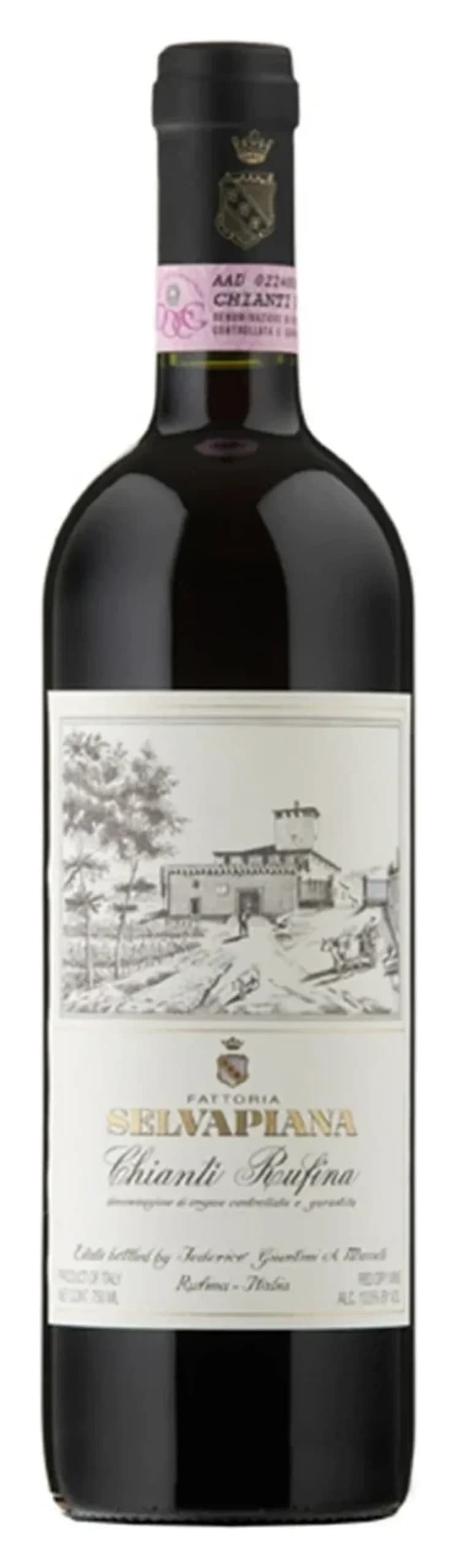
Fattoria Selvapiana
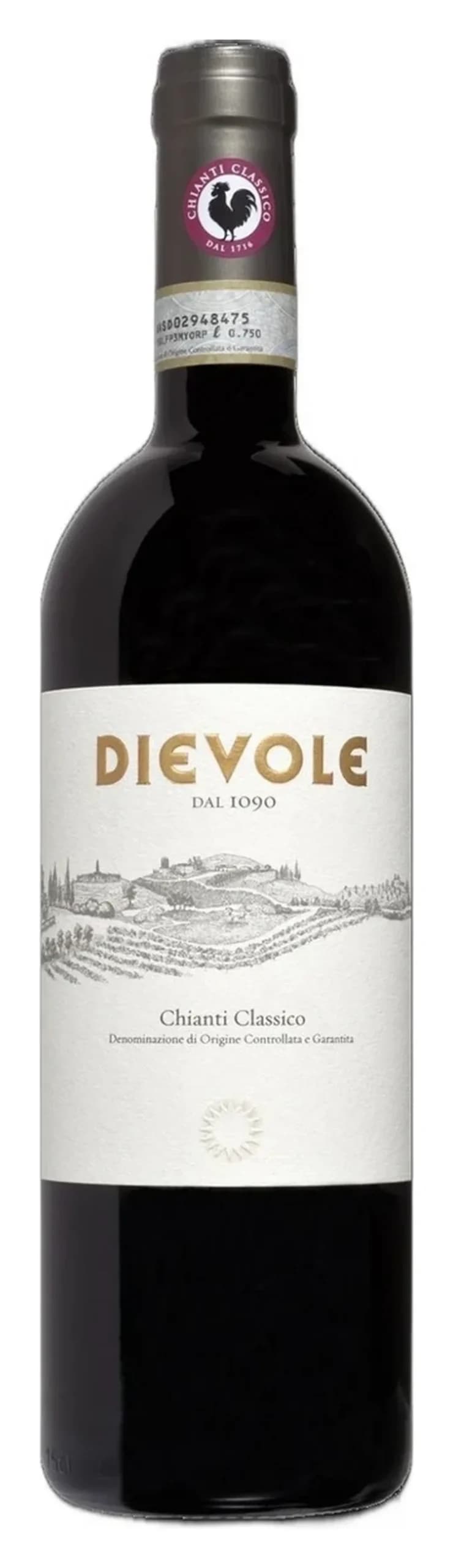
Dievole
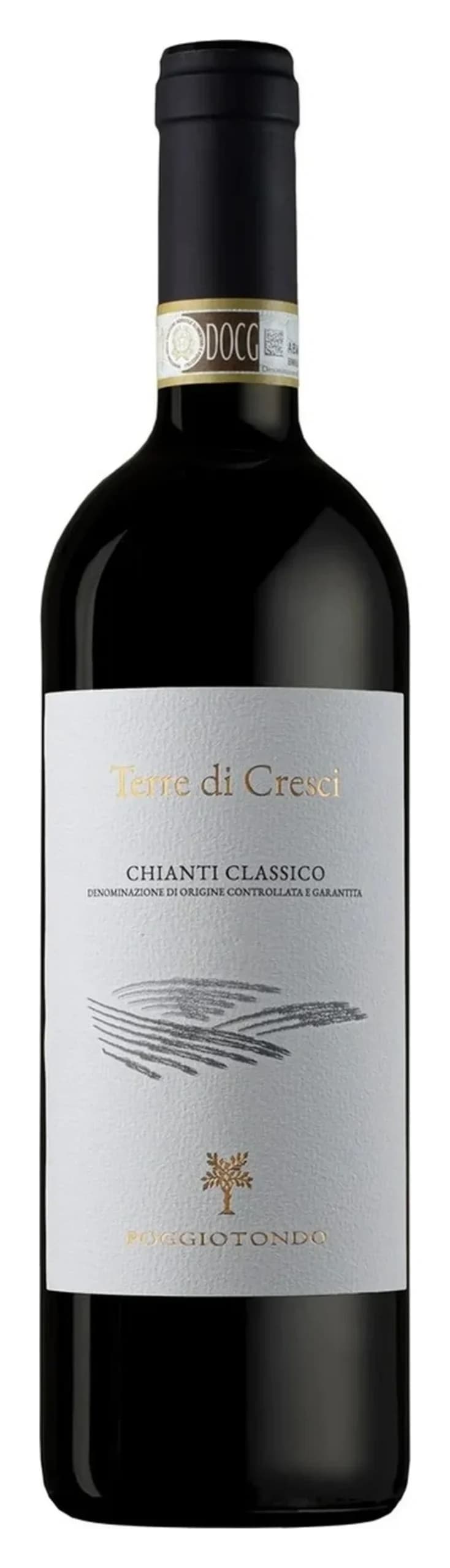
Poggiotondo Wines
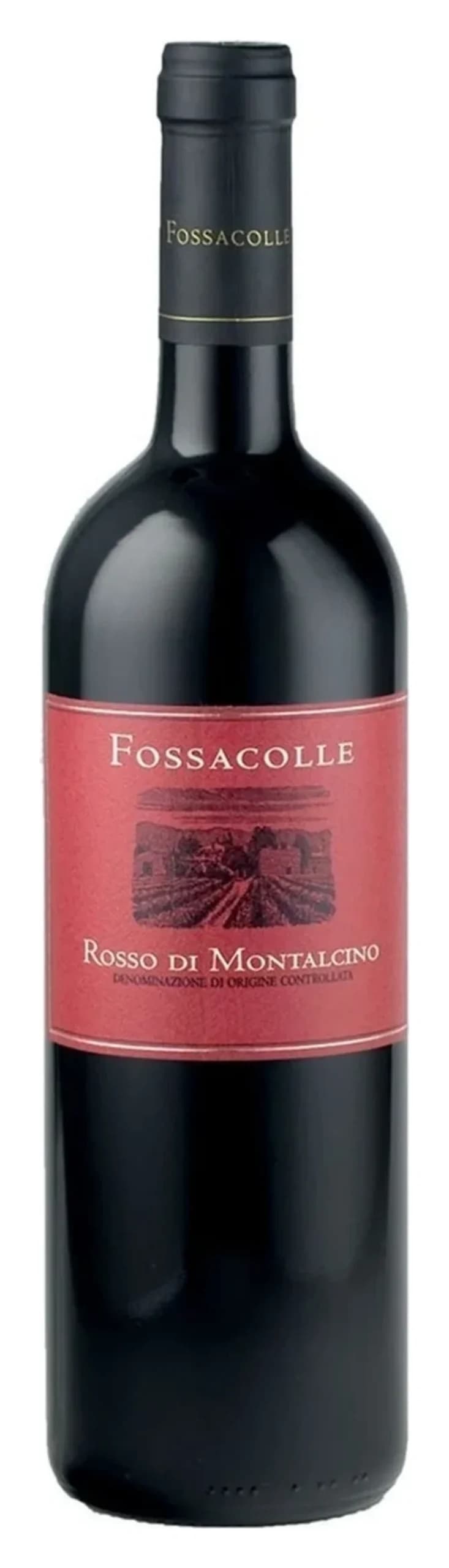
Fossacolle
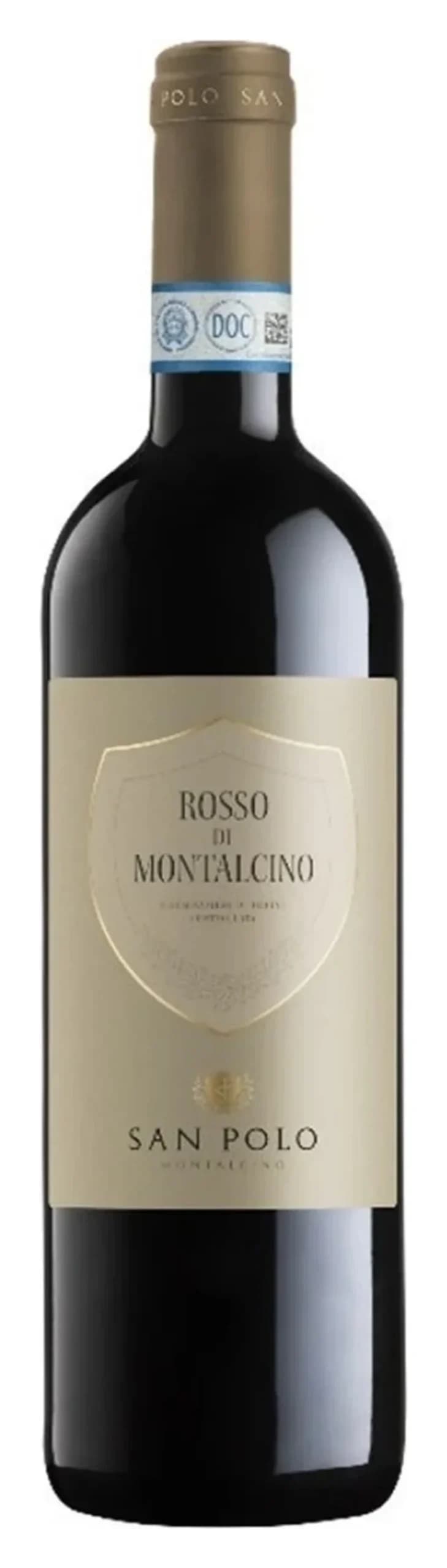
San Polo
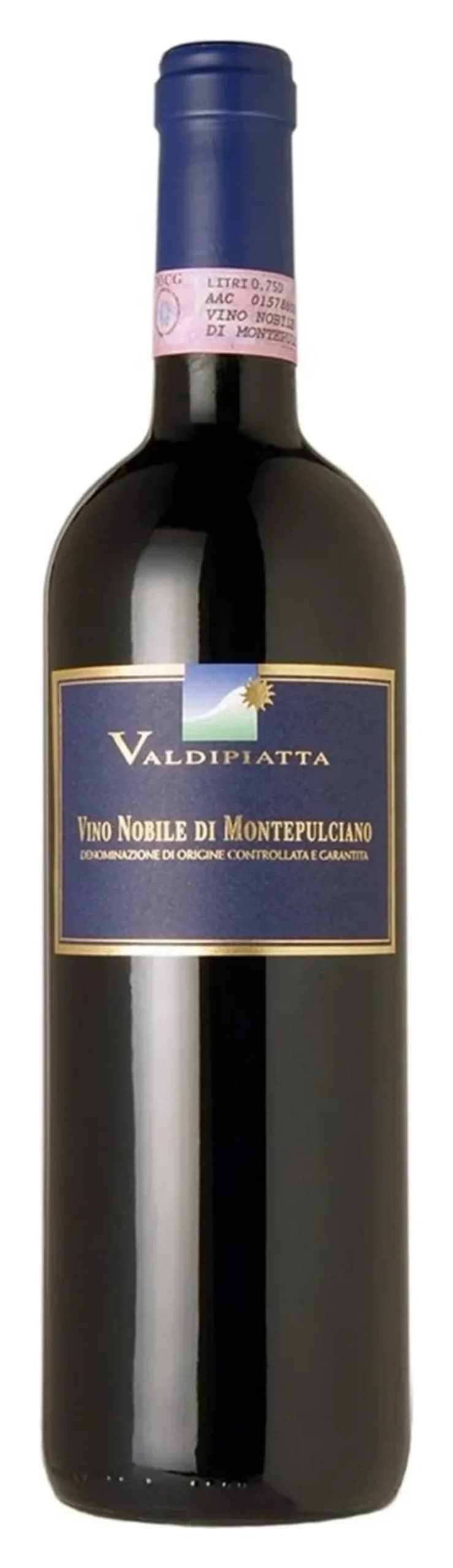
Tenuta Valdipiatta
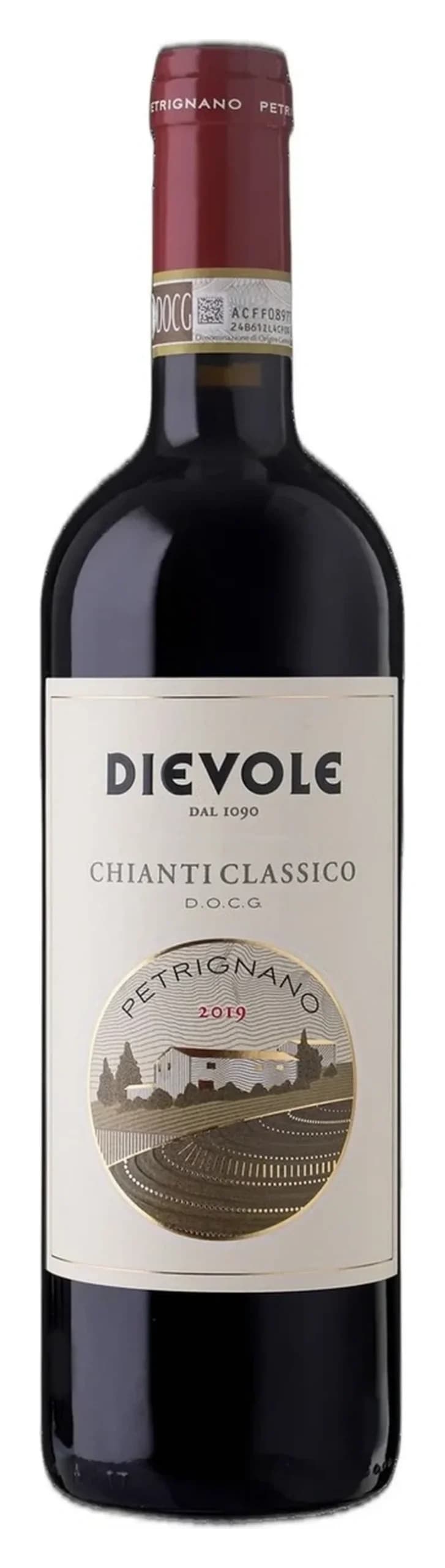
Dievole
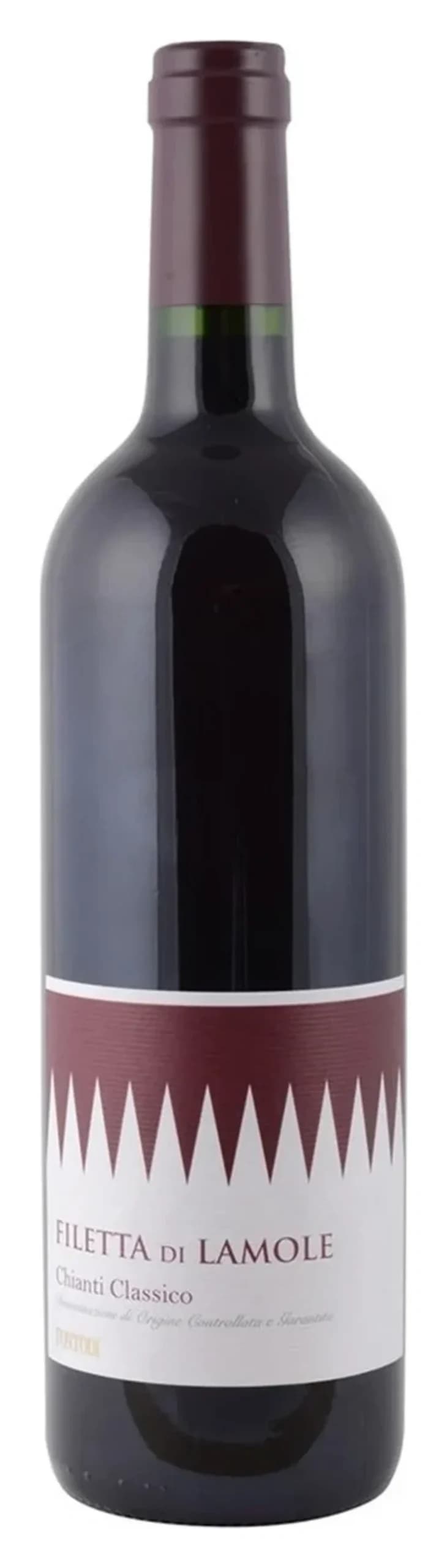
Fontodi
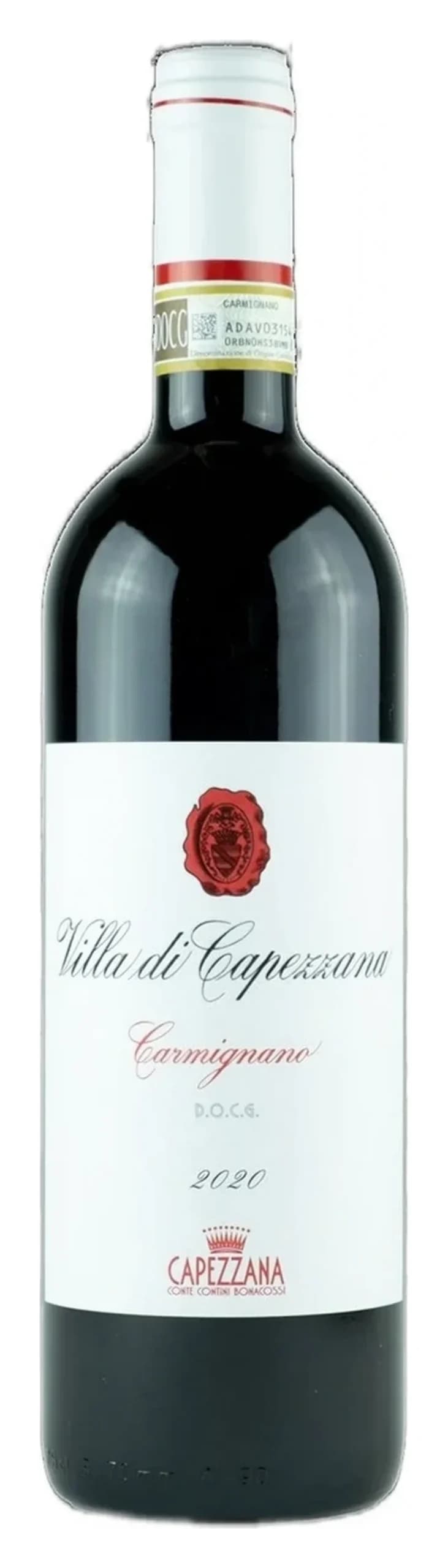
Tenuta di Capezzana
Sangiovese stands as Italy's most widely planted red variety, commanding over 36,000 hectares across the country. This versatile grape yields wines spanning a dramatic spectrum—from elegant, pale reds in cool-climate regions to richer, darker bottlings in warmer zones. Climate, elevation, and winemaking technique fundamentally shape its character, making no two expressions identical.
Sangiovese's signature notes centre on red cherry, plum, and herbal nuances, often complemented by violet and licorice undertones under optimal ripening conditions. The variety's defining trait is its prominent acidity and firm tannin structure—hallmarks that demand careful site selection and vineyard management.
Body ranges considerably across its growing regions. In cool, elevated Tuscan zones like Chianti Classico (200–500 m), the grape produces medium-bodied wines with pronounced acidity and restrained alcohol. Conversely, warmer southern Tuscany sites and Umbrian vineyards yield fuller-bodied expressions with riper fruit intensity and higher alcohol content. Winemaking decisions amplify this range: shorter skin contact (7–10 days) yields lighter, fruit-driven styles; extended maceration (15–25 days) builds extraction and tannin grip. Oak ageing—whether in large neutral Slavonian casks or small French barrels—adds richness and softens astringency, though contemporary producers increasingly favour larger vessels or concrete tanks to preserve primary aromatics. In poor vintages, unripe Sangiovese exhibits thin colour, high acidity, and hard tannins; this is a grape that truly reveals its site and season.
Tuscany remains Sangiovese's heartland, producing world-class expressions in Chianti Classico, Brunello di Montalcino, and Vino Nobile di Montepulciano. High-altitude vineyard sites (often 250–550 m) combine long ripening seasons with cool nights, concentrating aromatic complexity. Limestone-rich soils particularly enhance the grape's elegant, forceful aromatics.
Beyond Tuscany, Umbria cultivates significant plantings, notably around Torgiano and Montefalco, where the variety thrives on sun-exposed slopes. Romagna in Emilia-Romagna has emerged as a quality region, producing increasingly refined bottlings from old bush vines and superior clones. The Marche grows Sangiovese primarily as a blending partner with Montepulciano. Smaller plantings exist across Lazio, Campania, and southern Italy, where it often blends with indigenous varieties. Outside Italy, experimental vineyards exist in California, Argentina, and Australia, though few have established strong identity separate from Tuscan prototypes.
Sangiovese expresses itself across quality and price tiers. Entry-level Chianti offers accessible, everyday drinking—medium body, bright cherry fruit, moderate tannin. Mid-tier expressions from Chianti Classico and Rosso di Montalcino show greater complexity, with sour cherry, herbal notes, and ageing potential. Premium bottlings—Brunello di Montalcino, Vino Nobile di Montepulciano, and top Chianti Classico Riserva—demand cellaring, revealing tertiary (dried fruit, nutty, spice) characteristics after years in bottle. Modern styles emphasise primary fruit and shorter oak exposure; traditional approaches extend ageing in large casks, producing austere, long-lived wines. Supertuscans blending Sangiovese with Cabernet Sauvignon or Merlot represent a parallel category, trading regional typicity for international appeal. Prices span inexpensive to super-premium; quality ranges from acceptable to outstanding.
Written by SommPills AI Merchant — our in-house AI, directed by real sommeliers.