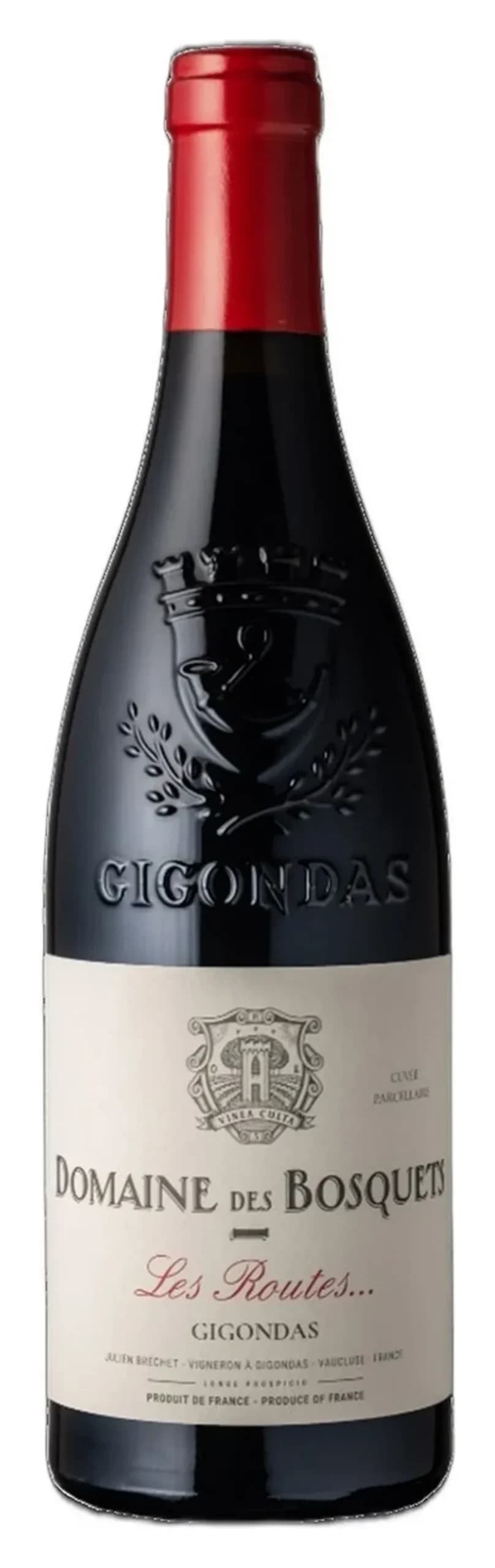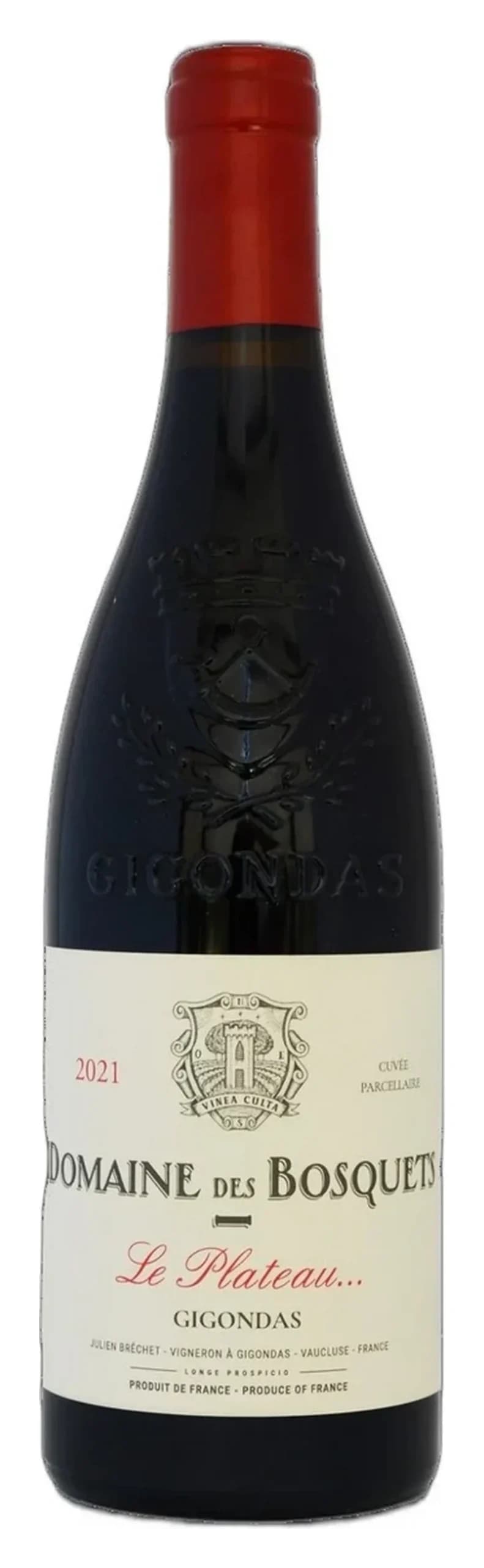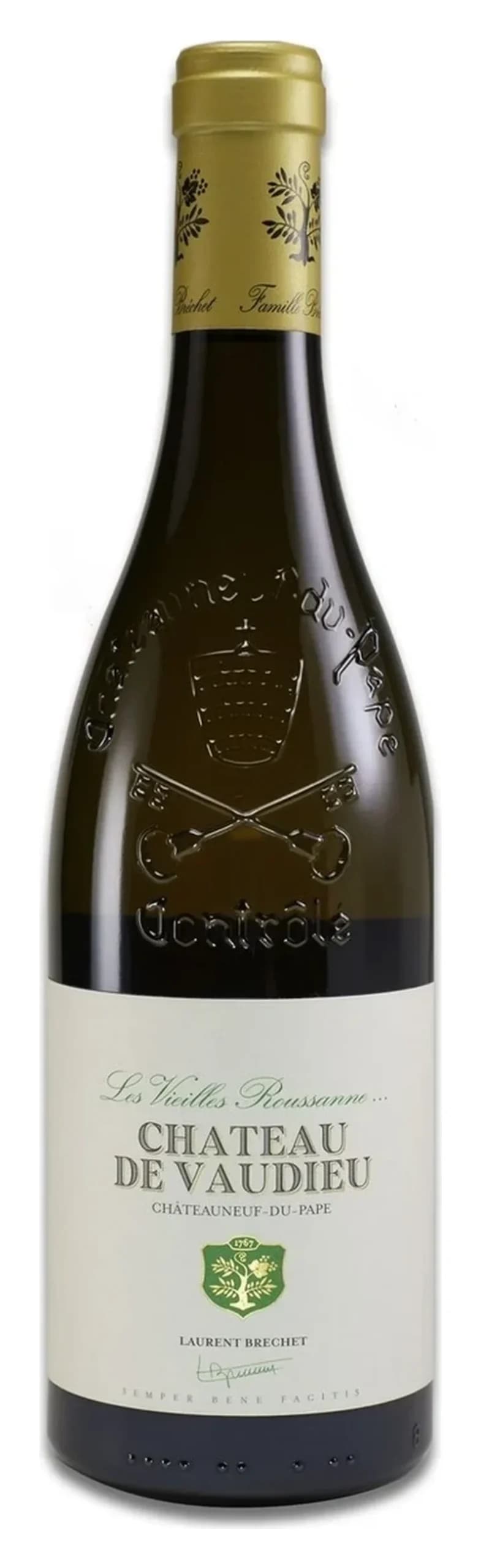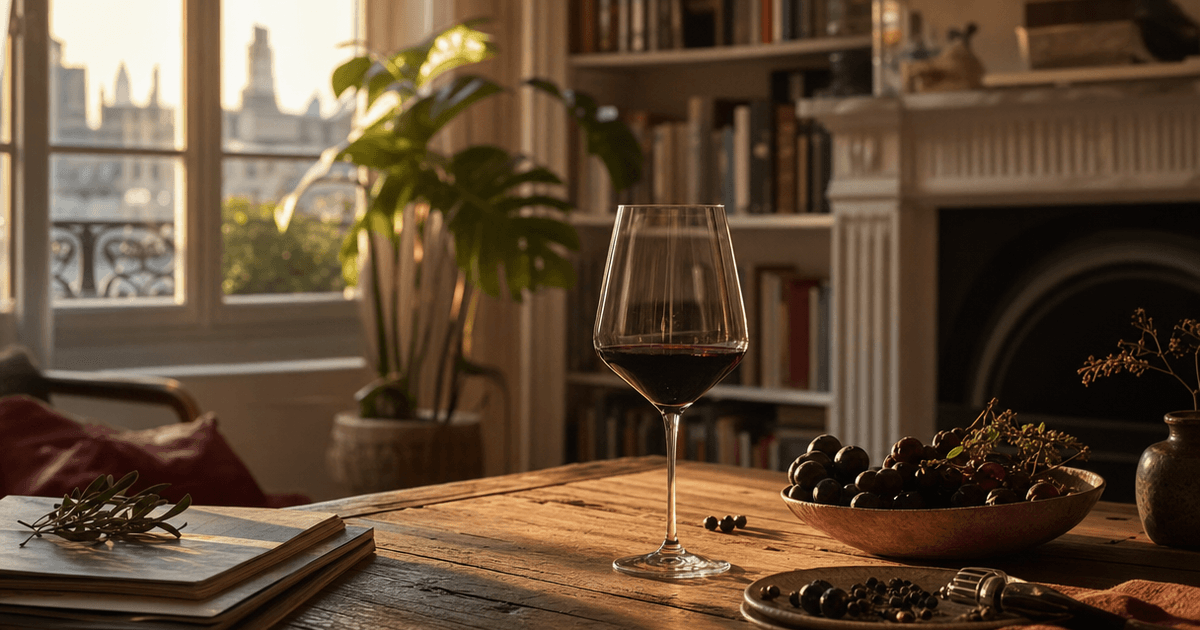
Here’s the thing nobody tells you about Shiraz vs Syrah: the choice of word is usually made in the winery, not the vineyard. Syrah is a black grape variety, full stop — one vine, one genetic identity, no argument to be had. But which of its two names goes on the label is a decision producers take deliberately, after they’ve settled on the style they mean to make — which quietly turns the first word on the bottle into one of the most honest style clues in the trade. Think of it as an accent: same voice, different upbringing, and — unusually for accents — this one is put on by choice. By the end of this you’ll know how to read that clue: when a bottle called Syrah and one called Shiraz will genuinely taste different, and which one to reach for with a Tuesday curry versus the bottle you’re saving.
Are Shiraz and Syrah the same thing?
Yes. Same vine, same DNA, no genetic difference whatsoever. Syrah is the grape’s home name in France’s northern Rhône; Shiraz is what Australia has called it since cuttings arrived there in 1832, likely via Montpellier, brought over by James Busby. The vine took to New South Wales so well it’s still Australia’s most-planted red grape, with around 43,000 hectares in the ground as of 2022.
Here’s the bit that trips people up: the name describes intent, not passport — it tells you what the winemaker was aiming at, more than where the vines stand. That naming split shows up well beyond Australia, and the places where producers can choose either word are where you see the accent being picked most deliberately. In South Africa both Shiraz and Syrah are legally permitted on the same wine, and producers there have leaned toward Shiraz since at least the 1920s — a preference some trace back to South Africa’s own vine imports coming from Australia rather than France directly. The trade still points to a 1994 bottling as the moment “Syrah” on a South African label properly signalled that the French name meant a leaner, Rhône-inspired wine, while Shiraz kept meaning the fuller, riper style most drinkers already knew.
New Zealand tells a similar story from the other direction. Winemakers there mostly stick with Syrah, partly out of honesty about style and partly out of stubbornness — though the trade tells of at least one entry-level UK range that switched labels to Shiraz simply because it sold better. Trade opinion suggests Kiwi Syrah gets a fraction of the shelf space South Australian Shiraz commands, and price is a large part of why. Which is the accent test in miniature: same juice, different word, different buyer.
For the full sweep of the region this grape calls home, our The Rhône and the French South: a merchant’s guide from Côte-Rôtie to the Med is worth a proper read.
Syrah vs Shiraz vs Petite Sirah — the grape that isn’t
Quick warning before you go shopping: Petite Sirah is not a small version of Syrah, and it isn’t the same grape at all. This is the one case where the name on the label isn’t a style clue but a trap. Most vines sold as Petite Sirah, especially in California, are genetically Durif — confirmed by DNA testing back in 1999. In parts of South America the same grape sometimes goes by “Sirah”, which sits one careless glance away from a mislabelled purchase.
The confusion runs deeper than it should, mostly because “sirah” as a spelling attaches itself to a few different vines worldwide. Syrah’s own family tree includes look-alikes such as Mondeuse Noire and Persan, varieties that get mistaken for it even by people who’ve been doing this a good while. If a label says Petite Sirah, expect something denser and more rustic than proper Syrah — a distant cousin at best, not a sibling.
Is Syrah or Shiraz sweeter?
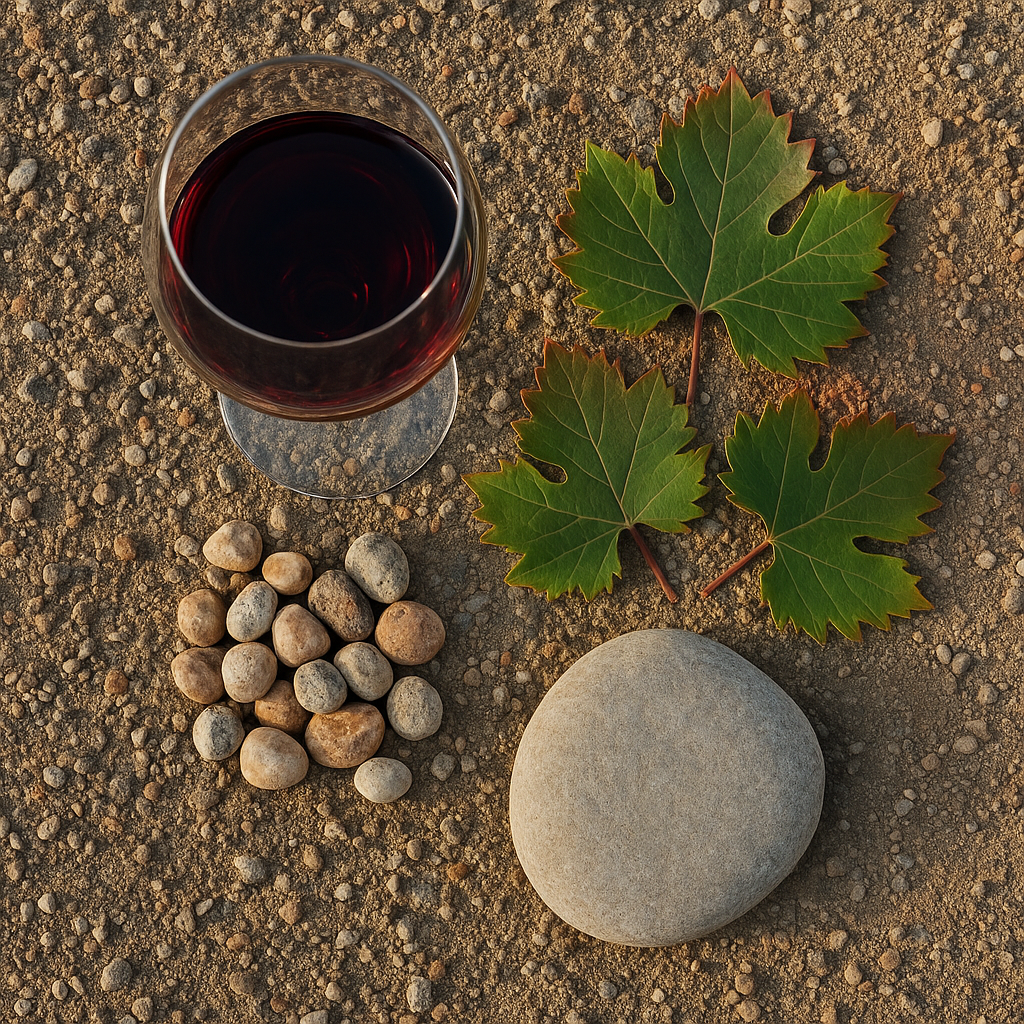
Neither, really — both are typically dry wines, with no residual sugar doing the talking. What reads as “sweeter” is ripeness: Shiraz, grown warmer, gives riper, jammier fruit and is often aged in new American oak, which adds a vanilla-and-coconut sweetness of its own. Syrah, from cooler sites, stays leaner and peppery, more often aged in older or French oak. It’s a style question dressed up as a sugar question — and the word on the label is usually the producer telling you, in one syllable or two, which style they chose.
| Warm-climate Shiraz | Cool-climate Syrah | |
|---|---|---|
| Body | Full | Medium to medium-plus |
| Fruit | Ripe, jammy, dark | Fresh plum, blackberry |
| Aromatics | Spice, dark chocolate | Black pepper, violet |
| Oak | New oak, often American | Less oak, or older French |
| Technique | Maximum extraction, blending for richness | Whole-bunch ferment, gentler extraction |
| Typical use | Varietal Shiraz, GSM blends, Shiraz-Cabernet | Varietal Syrah, Syrah-Viognier co-ferment |
Blending tells its own story here. Shiraz turns up widely in Rhône-style “GSM” blends with Grenache and Mourvèdre (called Mataro in Australia), and it’s blended with Cabernet Sauvignon too, doing much the same softening job Merlot does in Bordeaux. Some premium Shiraz-Viognier wines are co-fermented, echoing the tradition of Côte-Rôtie, while cheaper versions simply blend the two after the fact.
If a barbecue is on the cards this weekend, our guide on What do Australian and New Zealand wines pair with British food? is the natural next stop — that’s the occasion the Shiraz accent was practically built for.
Why is Syrah so good?
Because at its best, it’s one of the most age-worthy red wines made anywhere, and it’s no niche curiosity — Syrah is the world’s sixth most-planted wine grape, red or white, with a global total above 185,000 hectares by the last count. Its finest expression, Hermitage in the northern Rhône, was once considered so good that 18th- and 19th-century Bordeaux merchants quietly blended it into their own wines to boost quality — a practice with its own name, “hermitagé”.
The best sites read like a roll call: Côte-Rôtie’s steep terraces, Cornas’s granite, Crozes-Hermitage’s gentler slopes, St-Joseph running along the river below. Each coaxes something slightly different from the same grape — exactly the kind of variation we get into properly in Northern vs Southern Rhône: one river, two different wines. If you want to hear the French accent without paying Hermitage money, Crozes-Hermitage and St-Joseph are the two names to start with — peppery, honest, usually the best value on the Rhône shelf — and save Côte-Rôtie or Hermitage itself for a year worth marking.
As for where the grape actually came from — nobody quite agrees. Theories point to Roman legions bringing cuttings from Syracuse in Sicily, to ancient Persia (the city of Shiraz lends its name to that one, fittingly), even to an old Roman-era vine called Allobrogica once grown near Vienne. None of it’s settled, and I rather like that a grape old enough to have three plausible myths about its own birth is a grape worth taking seriously.
Age is where Syrah properly earns its reputation, though — top northern Rhône bottles need years, sometimes decades, to unwind fully, not unlike a good Barolo. If you’re new to giving a big red the time and glass it deserves, How do you serve an aged Barolo? Decanting, glasses and timing covers the practical side, and most of it applies here too.
How to serve it — glass, food, and the rest
This is a grape that wants a plate in front of it. Lamb — grilled, roasted, or stewed, doesn’t much matter which — is close to a classic pairing, and so is anything off a barbecue: spare ribs, a spice-rubbed chicken, a good burger with ketchup rather than mustard. Game, duck (especially with a hoisin glaze), mushrooms, aged hard cheeses like Pecorino or a well-kept Gouda — all of it works, because the pepper and dark fruit in the wine finally have something savoury to push against. Pick the accent to suit the table: a ripe Shiraz for the barbecue and the burger, a peppery Syrah for the lamb and the game — and with a Sunday roast, honestly, either accent earns its place.
Where it doesn’t work: delicate fish, shellfish, anything light and clean-tasting elsewhere on the table. Save the Shiraz for the Sunday roast, not the seafood starter.
Glass-wise, nothing fancy needed — a standard large-bowl red wine glass does the job, giving the pepper and spice room to show themselves rather than getting trapped at the rim.
Questions customers ask us
What do the French call Shiraz?
Syrah — its name at home in the northern Rhône villages where it’s been grown longest. Curiously, early Australian growers sometimes called the same grape “Hermitage”, borrowing the name of the famous French hill and appellation, which still causes the odd raised eyebrow generations later.
Does Shiraz mean lower quality than Syrah?
Not on the evidence, but trade opinion says the reputation lingers — a legacy of the cheap, mass-market bottles with cartoon-animal labels sold hard in the early 2000s. Plenty of serious, structured Shiraz is made in the Barossa and beyond; the name carries baggage the wine itself doesn’t always deserve.
Is Petite Sirah the same grape as Syrah?
No — despite the near-identical name, most Petite Sirah is genetically Durif, a different variety entirely, confirmed by DNA testing. Treat the two as unrelated, even sitting two letters apart on a shelf label.
Is South African Shiraz different from South African Syrah?
Often, yes. Both names are legally allowed on South African labels for the same grape, but producers increasingly reserve “Syrah” for a lighter, Rhône-leaning style and keep “Shiraz” for the richer, riper, more traditional expression — a winemaking choice as much as a regional one.
The merchant’s last word
I’ve sold this grape under both names for years, and I still reach for whichever one honestly describes what’s in the glass — a ripe, generous Barossa red gets called Shiraz because that’s what it is; a peppery, elegant northern Rhône red gets called Syrah for the same reason. Let that first word on the label do its job — it’s the producer telling you which wine they meant to make. Come and browse the Rhône Valley cellar and I’ll point you toward whichever accent suits your Tuesday.