What’s the best Côtes du Rhône wine? That’s the question everyone actually asks across my counter, and before I can answer it honestly I need to let you in on the trade’s worst-kept secret: “Côtes du Rhône” is the most misread name in French wine. Customers use those three words to mean the whole valley, top to bottom, when they actually name one specific appellation — which is how a bottle labelled “Côtes du Rhône” can cost £9 or £90, and how the same words end up promising a Tuesday bottle to one person and a Christmas boast to another. So treat this as a Rhône wine guide with one job: decoding what the name on the label genuinely promises, and what it doesn’t. By the end you’ll be able to read it like someone in the trade, and pick the right bottle without guessing.
What is a Rhône style wine?
A Rhône style wine means one of two quite different things depending which end of the valley you’re standing in. In the north it’s Syrah on its own, grown on steep terraces with a whisper of Viognier sometimes co-fermented in for lift and perfume. In the south it’s a blend built around Grenache, usually joined by Syrah and Mourvèdre, grown on flatter land scattered with big round stones. And neither of those, strictly speaking, is what the words “Côtes du Rhône” on a label actually mean — hold that thought.
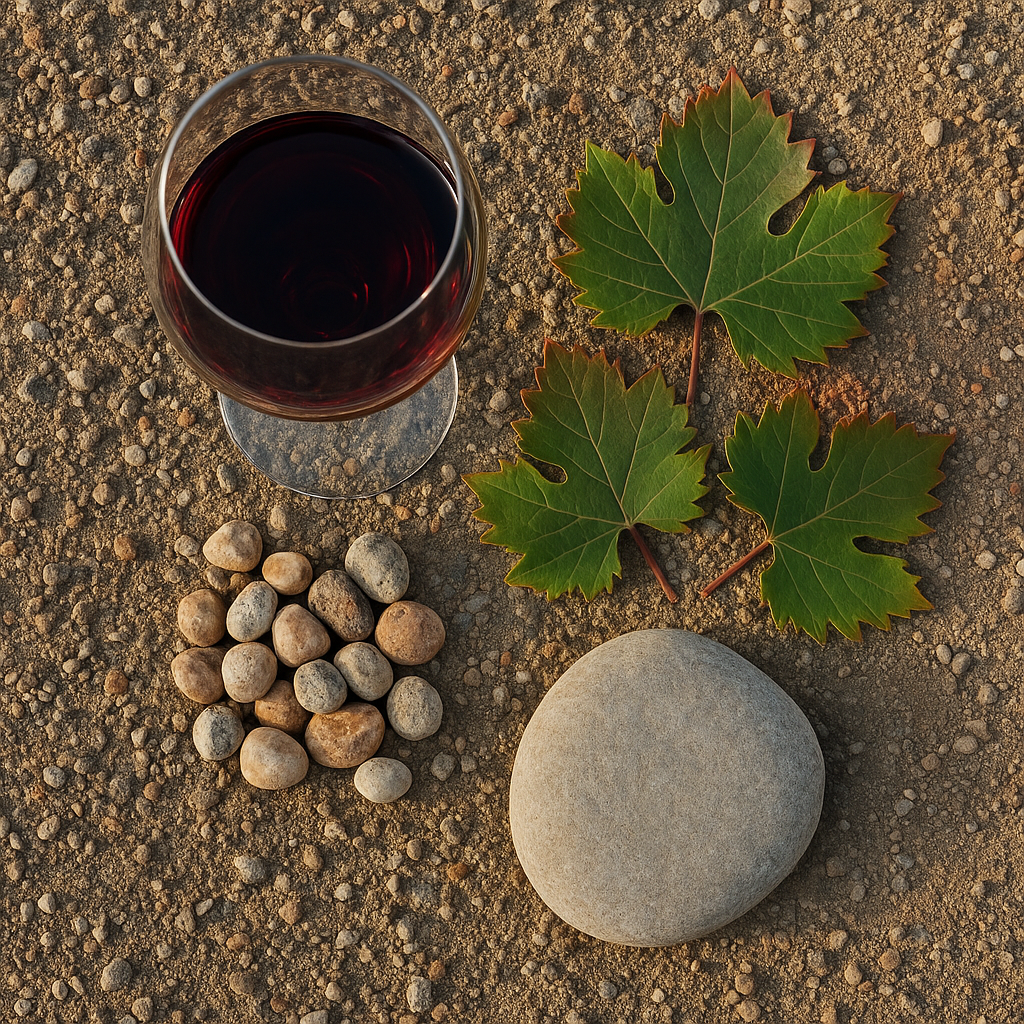
The two zones are separated by a stretch of about 50 km, roughly between Valence and Montélimar, where hardly anything is planted at all — it’s a genuine gap, not a gradual blend from one style into the other. North of it, the climate is continental: hard winters, a fierce local wind called la bise that at least keeps disease down, and vines clinging to granite so steep some of them are worked on pulleys. South of it, it’s properly Mediterranean — mistral wind, bush-trained vines, soils that swing from sand to limestone to clay, and those pebbles (galets, locally) that hold the day’s heat long into the evening.
Here’s the misreading I opened with, in full: people (myself included, for longer than I’d like to admit) use “Côtes du Rhône” loosely to mean the whole valley, when it actually refers to a specific, mostly southern appellation covering some 171 communes and roughly 50,000 hectares. The wine trade has been drinking here since around 600 BCE — by the usual historical account, vines first came from Greece to Marseille — and by Roman times production had pushed north as far as Vienne. That history is why the region still produces, on the trade’s usual tallies, more AOC wine by volume than anywhere in France bar Bordeaux.
For the label-reader, the lesson from all this is blunt: which side of that 50 km gap a name comes from changes the grape in your glass completely — so place the name on the map before you spend a penny on it.
Is Châteauneuf-du-Pape north or south Rhône?
Châteauneuf-du-Pape sits firmly in the southern Rhône, just north of Avignon on the river’s east bank. It’s the region’s most famous cru, and in 1936 it became the template for the whole French AOC system — by the standard telling, the first appellation to formally write down its own rules, which everyone else later copied. Its reds are Grenache-led blends, capped at a maximum yield of 35 hL/ha (tighter than almost anywhere else in the south), which goes some way to explaining the concentration you find in the glass.
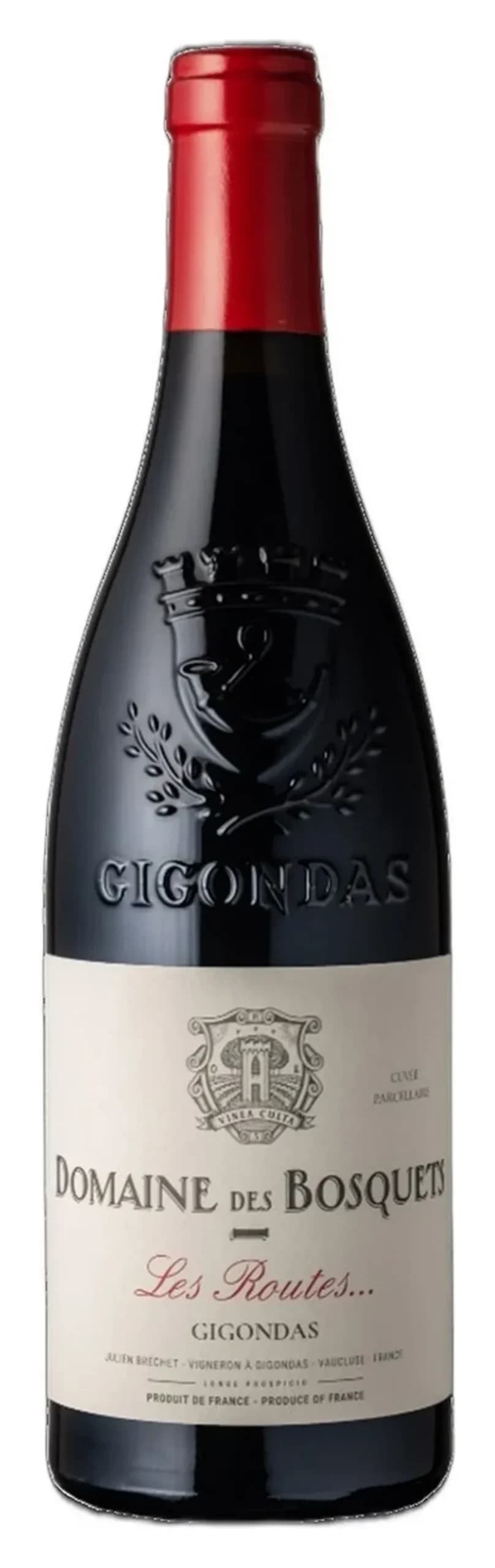
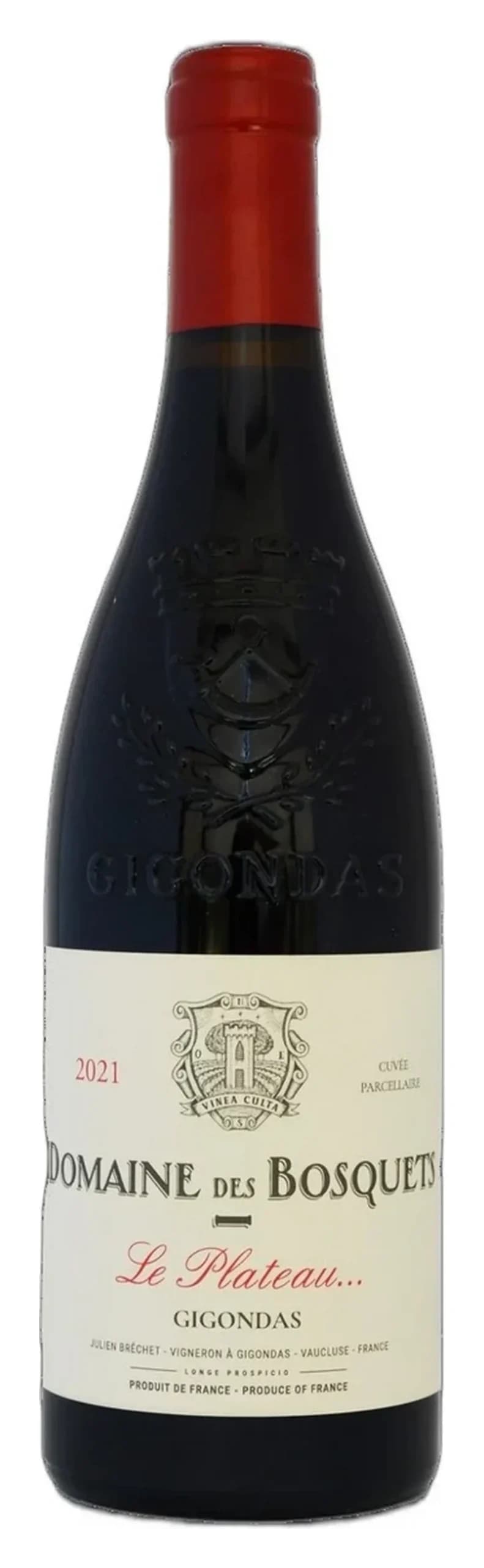
It’s not alone down there. The southern Rhône is dotted with crus that trade in the same currency of Grenache, sun, and low yields, at rather friendlier prices. Gigondas and Vacqueyras sit close by; Rasteau and Cairanne share a single hill of marl and pebbles between them (Rasteau on the eastern half, Cairanne the western); Lirac sits directly across the river from Châteauneuf itself, doing a very credible impression at a fraction of the cost. Recent trade reporting has land in Châteauneuf-du-Pape valued at around £430,000 a hectare (roughly €500,000 in 2022 figures), against about £185,000 for Gigondas — which tells you plenty about reputation versus terroir. If Châteauneuf’s name is the draw but not its price, Lirac and Cairanne are the two I hand across the counter first.
Further out you’ll find appellations still finding their voice: Grignan-les-Adhémar at the northern edge of the south, making lighter, honest reds from Grenache and Syrah at genuinely inexpensive prices; Côtes du Vivarais over on the right bank, small and cooler than its neighbours; and Costières de Nîmes down towards the coast, which was actually classified as Languedoc until 1989 and still shows that dual identity in its blends of all three colours. If that crossover intrigues you, I’ve written more on it in Languedoc: is France’s biggest vineyard its best value? — the two regions share more DNA than their border suggests.
What are the 13 Rhône varietals?
The Rhône’s grape cupboard runs to thirteen varieties once you count both ends of the valley, though the north and south barely touch the same ones. The north is close to a one-grape story (Syrah for red, Viognier/Marsanne/Roussanne for white); the south uses the full set below, blended in varying proportions appellation by appellation.
| Colour | Grape | Where it earns its keep |
|---|---|---|
| Red | Grenache Noir | The backbone of every southern blend, from Côtes du Rhône to Châteauneuf |
| Red | Syrah | Pure in the north; adds structure and colour in southern blends |
| Red | Mourvèdre | Southern blends, often paired with Grenache and Syrah |
| Red | Cinsaut | Softening element in southern reds and rosé |
| Red | Carignan | Minor but present in southern blends |
| Red | Counoise | Minor southern variety, adds spice |
| White | Grenache Blanc | Core of most southern white blends |
| White | Clairette | Southern whites, also used in sparkling Clairette de Die |
| White | Bourboulenc | Southern white blending grape |
| White | Marsanne | Northern white, Hermitage and St-Joseph |
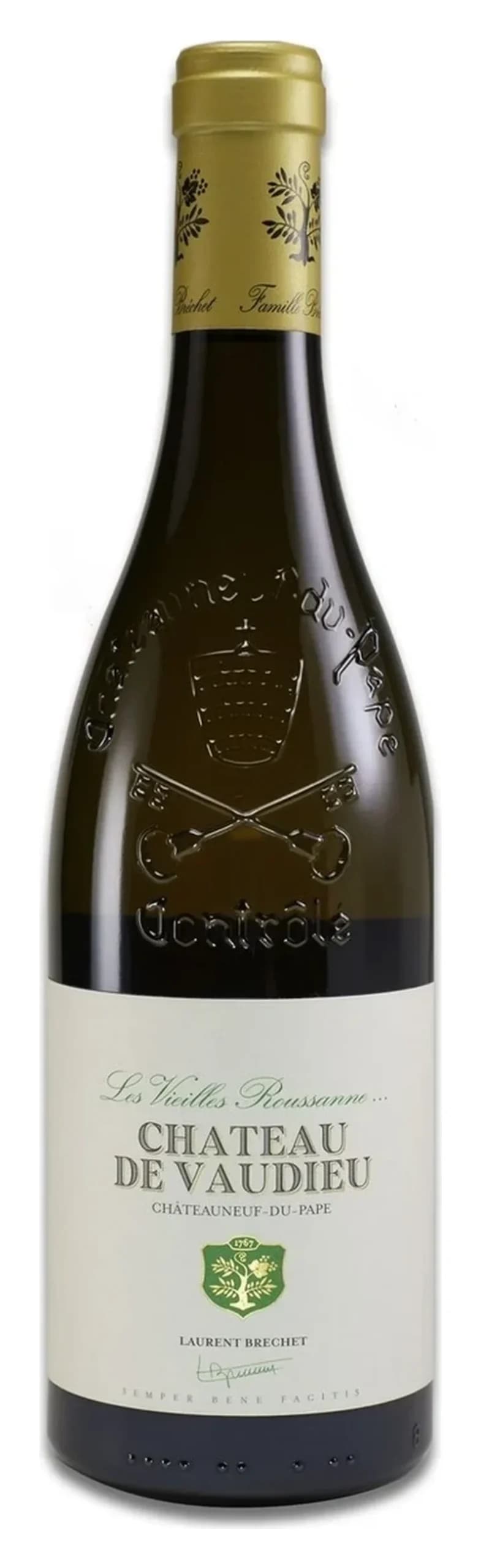
| White | Roussanne | Northern white, often paired with Marsanne |
| White | Viognier | Condrieu and Château-Grillet on its own; a splash in Côte-Rôtie reds |
| White | Picpoul Blanc | Minor southern white blending grape |
Worth knowing: Grenache itself comes in three colours — Noir, Gris, and Blanc — and Rasteau uses all three in its sweet vin doux naturel. So the “thirteen” is really a minimum, not a ceiling.
You don’t need to memorise the lot, either. Just remember which three run the south — Grenache for warmth, Syrah for spine, Mourvèdre for shadow — and the rest is seasoning.
What is the best Côtes du Rhône wine?
There’s no single bottle that wins this — it depends on what you’re drinking it for. A generic Côtes du Rhône AOC red gives you medium ruby colour, red plum and blackberry fruit, no oak, medium tannin: an honest, food-friendly Tuesday wine. Step up to Côtes du Rhône Villages, or a Villages wine with a named village attached, and yields drop, concentration rises, and the fruit gets a bit more serious. Go further still into a cru — Gigondas, Vacqueyras, Rasteau — and you’re drinking something with real ambition. That’s the whole span hiding inside three innocent words on a label.
I sold generic Côtes du Rhône for years without explaining that ladder properly, and customers kept coming back asking why one £11 bottle tasted thin next to another. The answer’s rarely the grape — it’s the yield, the appellation tier, and whether Grenache had Syrah or Mourvèdre alongside it (south of Montélimar, red and rosé Côtes du Rhône legally must include Grenache with at least one of the other two). You’ll find bottles at this level on the shelves of the big supermarket wine aisles or specialist online merchants too — nothing wrong with that, but knowing the tier tells you what you’re actually paying for.
In pounds and pence, the ladder reads roughly like this: £8–11 buys the honest generic tier for midweek cooking and company; the low-to-mid teens gets you Villages or a named village, which is quietly the best-value rung of the lot; and from the high teens up you’re into cru country, where the wine starts keeping secrets worth waiting for.
Organic farming is worth a mention here: recent industry figures put around 13% of Rhône vineyard as certified organic with a good deal more in conversion, helped by a dry, windy climate that keeps disease pressure low. It’s becoming a genuine differentiator on shelf, not just a marketing sticker. And with that, the name is decoded — from here on it’s just matching the rung to the occasion.
Serving Rhône: the glass, the temperature, what’s on the hob
Southern Rhône reds are built for winter cooking — a lamb daube, a proper cassoulet, anything that’s spent three hours on the hob with garlic and thyme going soft in it. Pour them a touch below room temperature, not warm; that Grenache alcohol shows up fast if the glass is too warm. A big-bowled glass helps too — these are perfumed wines, and they need room to open.
Northern Syrah wants different company: peppered steak, duck, anything with a bit of char on it. Young Cornas or Côte-Rôtie can be genuinely tannic in its first few years, so give it an hour in a decanter if you’re opening one early — it rewards the patience. Condrieu and other Viognier whites are lovely with roast chicken or a creamy mushroom risotto, served properly cold, closer to fridge temperature than a red ever should be. And don’t overlook Côtes du Rhône blanc or rosé for lighter lunches — they’re often the best value in the whole shop and nobody asks for them.
The order matters more than the rules: pick the pot on the hob first, then the bottle. The Rhône was built for that way round.
What Rhône wine costs — and why
Land tells the real story here. Côte-Rôtie now commands the highest vineyard prices in the whole valley — trade figures put it around £1.08m a hectare in 2022, well above Châteauneuf-du-Pape’s roughly £430,000 and Gigondas’ £185,000. That’s a remarkable turnaround: as recently as 1960, only around 60 hectares were planted in Côte-Rôtie at all. The appellation’s had to be rebuilt from something close to nothing.
Part of the reason prices hold up is structure. A number of the Rhône’s best-known houses work as grower-merchants — owning premium vineyard for their top single-site wines while also buying in fruit for more affordable Villages and generic bottlings, which lets one producer sell across the whole price range. But there’s a real shift happening underneath that too: more growers in Côte-Rôtie are now bottling under their own name rather than selling grapes on, and the appellation now has a notably higher ratio of independent domaines to négociants than many of its neighbours.
There’s also a genuine, if modest, en primeur and investment market for the very top wines — mostly Côte-Rôtie, Hermitage, and Châteauneuf-du-Pape — the kind of thing collectors watch the way they watch Bordeaux. If you’re weighing up whether a bottle’s worth laying down at all, the thinking isn’t so different from fortified wine — I cover the same logic of tannin, time, and patience in Should you cellar Port? Which styles age in bottle and which don’t. And if blending across vintages rather than within one interests you, What is the solera system? How Sherry blends time itself is a nice companion read — a completely different region doing something similarly patient with time.
Questions customers ask us
Is Côtes du Rhône red or white? Mostly red — recent figures for the AOC put it at around 87% red, 8% rosé, and 5% white. White Côtes du Rhône exists and is worth seeking out, but it’s the minority pour by a long way.
Does Rhône wine age well? The top northern reds — Côte-Rôtie, Hermitage, Cornas — and top southern crus like Châteauneuf-du-Pape can age for years and reward it. Generic Côtes du Rhône is built to drink young, within a couple of years of release.
Is Rhône wine sweet? Almost all of it is dry. The exception is vin doux naturel from places like Rasteau and Beaumes-de-Venise, sweet fortified styles made mostly from Grenache, produced in much smaller volumes than the dry wines.
What food goes best with a big southern Rhône red? Anything slow-cooked and a bit rustic — lamb, game, mushroom-heavy dishes. The tannin and alcohol need fat and time on the stove to meet them halfway.
The merchant’s last word
I still think Rhône is the best-value shelf in the whole shop, north or south. Now that the name’s decoded, you can spend £9 on an honest Tuesday red or £90 on a Côte-Rôtie that’ll make you go quiet for a minute — and know that both are doing exactly what they’re meant to. Come and browse the Rhône Valley cellar and I’ll point you to the right bottle for your particular Tuesday, or your particular Christmas.