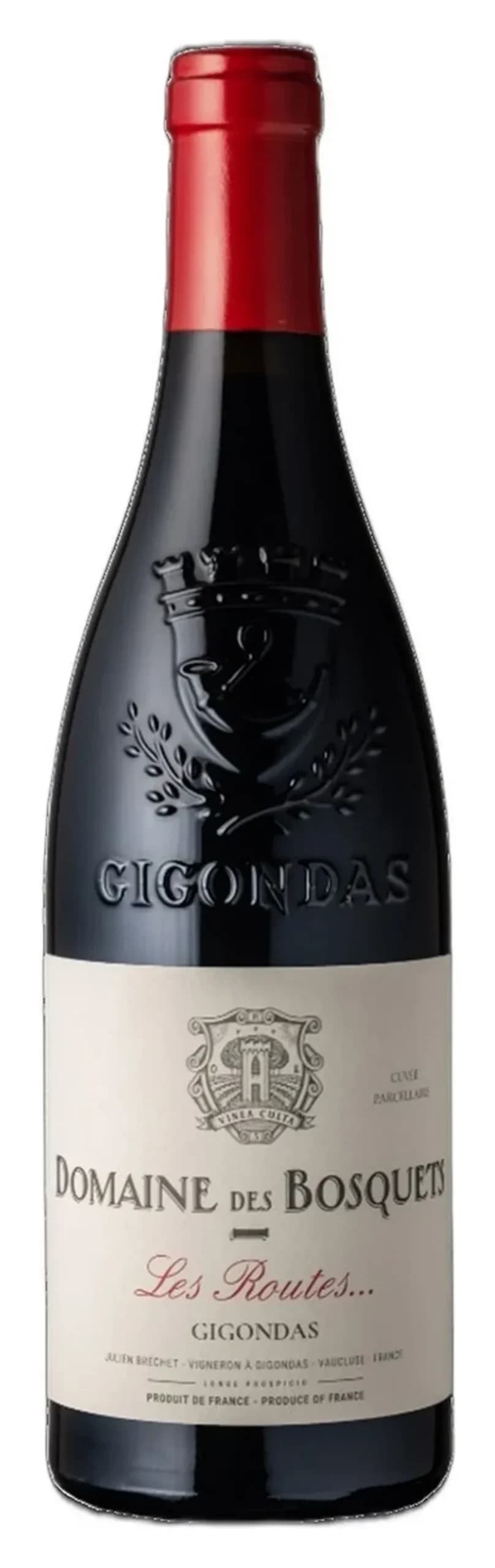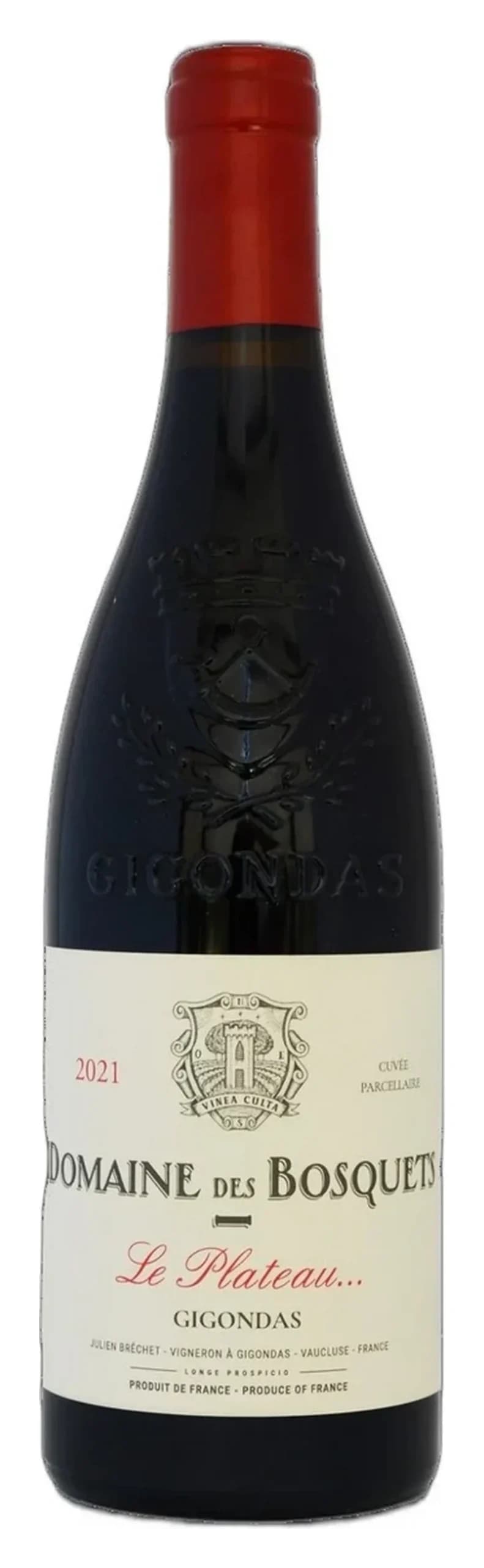
Gigondas wine is the bottle I reach for when someone loves Châteauneuf-du-Pape but winces at the price tag. But here’s the thing I always ask before pulling a bottle down, and it’s the question that makes this appellation different from every other name on the southern Rhône shelf: which sector did it grow in? Gigondas is a red appellation grown on the slopes of the Dentelles de Montmirail and built mainly on Grenache, backed by Syrah and Mourvèdre — and no other village cru swings so much on where, exactly, up or down the hill, the vines sit. It became its own cru in 1971 — the first Côtes du Rhône village promoted that way — with neighbouring Vacqueyras following in 1990.
By the end of this you’ll know when to reach for Gigondas, when its neighbour Vacqueyras is the smarter pour, and roughly what a fair price looks like once you’re standing at the shelf.
What kind of wine is Gigondas?
Gigondas is built around Grenache — capped at 80% of the blend, with a minimum 15% required from Syrah and Mourvèdre together to add grip and lift. (If you want the fuller grammar of that pairing, our GSM blend guide breaks down what Syrah and Mourvèdre each bring to a Grenache base.)
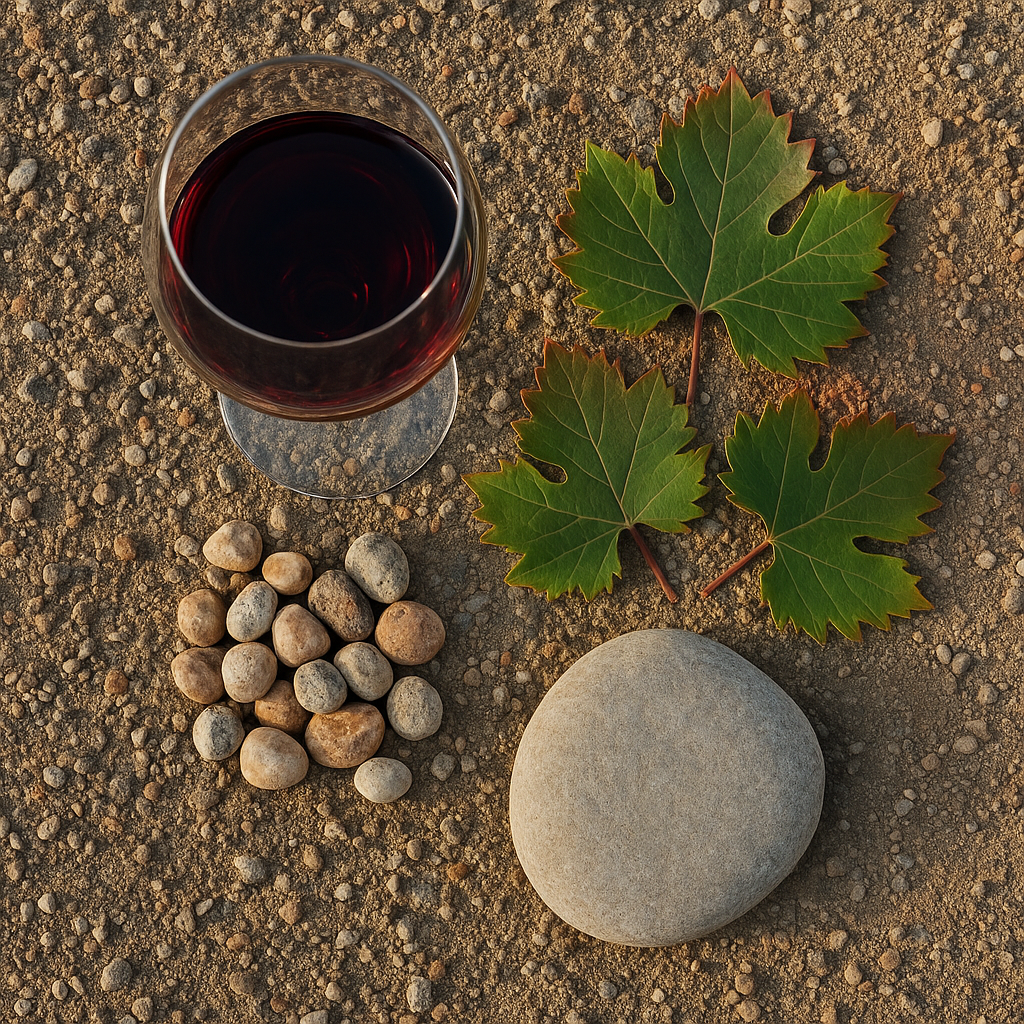
What makes it properly interesting is the terroir spread, which growers here reckon is wider than almost anywhere else in the southern Rhône. Vineyards run from the flat garrigue plain up through slopes near the village and on into the Dentelles proper, at elevations reported up to 500–600m. Soils shift with the altitude too — rockier down near the village, calcareous higher up, with the Nîmes Fault throwing limestone, marl and pockets of Miocene sand into the mix.
That height matters practically. Growers say harvest on the highest Dentelles plots can run two weeks later than on the plain, and the cooler nights keep acidity and freshness in wines that would otherwise run hot and heavy — a real concern in recent warmer vintages.
It wasn’t always this polished. For much of the twentieth century Gigondas was nearly pure Grenache and known, not always kindly, as the poor man’s Châteauneuf-du-Pape — a wine you were told never to decant, in case it oxidised in the jug before you’d finished the bottle. That’s changed. Today’s wines have more structure, and more patience in the cellar too. Which is exactly why the sector question earns its keep at the counter: it tells you whether the bottle in your hand is the polished, mineral sort or the sturdy, sun-baked one — and both are worth buying, for different nights.
What is the difference between Gigondas and Châteauneuf-du-Pape?
Both use a similar cast of grapes, but Châteauneuf carries an extra layer of polish that Gigondas, even at its best, doesn’t quite match — that’s the trade-off for the lower price. Here’s the rule of thumb I give anyone comparing the two shelves: plain for power, slopes for finesse. Gigondas from the high Dentelles slopes gets genuinely fine and mineral; from the flat plain, it turns more rustic, and starts to resemble its neighbour Vacqueyras. (I’ve written the fuller case for Châteauneuf itself in what makes Châteauneuf-du-Pape famous — and is it worth it?, if you want to weigh the two side by side properly.)
Vacqueyras sits right next door, sharing the Dentelles’ shadow, but its terroir tells a different story — mostly old alluvium from the Ouvèze river over clay and limestone, flat, sun-baked, and open to the mistral. Where Gigondas holds tight to Grenache and Mourvèdre, Vacqueyras has been leaning harder into Syrah, valued locally for softening the alcohol and adding structure without needing quite so much sun-baked ripeness.
Here’s the shape of it side by side:
| Gigondas | Vacqueyras | |
|---|---|---|
| Cru since | 1971 | 1990 |
| Elevation | up to 500–600m, three distinct sectors | mostly flat, up to c.440m |
| Grape focus | Grenache-led, Mourvèdre valued | Grenache Noir (min 50%) plus rising Syrah |
| Typical character | can be fine and mineral (high slopes) or robust (plain) | juicy, concentrated, more rustic on the whole |
Neither appellation is “the answer” — it depends which sector of Gigondas you’ve actually got in the glass, and that’s worth asking your merchant before you buy, not after. Ask me and I’ll tell you straight; that one question is worth more than any score on a shelf ticket.
Is Gigondas a good wine?
Yes, genuinely — at its best it has real backbone, spice and a savoury edge that punches well above what you’d expect from a mid-priced Rhône red. But quality swings more from vintage to vintage here than it does in Châteauneuf, so the year on the label carries a bit more weight than you might be used to.
Recent trade coverage has been telling: 2020 was judged a touch inconsistent in Gigondas itself, with growers who waited for full ripeness and gave the wine a longer élevage coming out best. Vacqueyras fared better that year, helped by a good stock of old vines that rode out the drought. By 2023, reports describe a genuinely strong, fresh vintage across both appellations, with Gigondas making its first white wines under the rules — a small but telling sign of an appellation still evolving.
Most Gigondas is built for drinking within about five years rather than decades in the cellar — that’s still the honest trade advice, even with modern winemaking adding more backbone than the old nearly-pure-Grenache wines had. The special cuvées, often from vines fifty years old or more near the original village plantings, are the exception, and can reward a bit more patience. So the buying shorthand: drink the standard bottling inside five years; let the old-vine cuvée wait. If you’re choosing a bottle for this weekend rather than the rack, the standard bottling is the right money.
Buying it well: price and how to serve it
A fair price sits in the mid-to-premium bracket — trade guidance puts both Gigondas and Vacqueyras there, generally above everyday Côtes du Rhône Villages but below the senior Châteauneuf-du-Pape bottlings. Vacqueyras tends to sit a shade below Gigondas on the shelf, which is exactly why I keep both in stock rather than one. I had a regular last winter who bought Châteauneuf for every Sunday roast out of habit; I talked him into a slopes Gigondas for one week and a Vacqueyras the next, and he’s since split his roast budget three ways and reckons the table can’t reliably tell which is which. That’s the honest pitch for this corner of the Rhône.
Decanting is worth doing on most modern Gigondas, gently, an hour or so ahead — the old warning about oxidising in the jug belonged to a thinner, more fragile style of wine that’s largely gone now. Pour it with something that can stand up to the spice and grip: a slow-cooked daube, lamb with rosemary, or a hard sheep’s cheese at the end of the meal all do the job well.
If you’re building out a wider southern French cellar rather than just one bottle, our pillar guide to the Rhône and the French South covers where Gigondas sits against Côte-Rôtie, Cairanne and the rest — and if it’s value you’re chasing, value Bordeaux is worth a look too, for a completely different route to the same goal.
Questions customers ask us
Is Vacqueyras cheaper than Gigondas? Generally, yes — trade pricing puts it a notch below Gigondas, though both sit in the mid-to-premium range rather than budget territory. The gap narrows for top cuvées from either side.
Should I always decant a Gigondas red? Not always necessary, but rarely a mistake with anything from a serious vintage. An hour before pouring is usually enough to soften the initial grip.
Does Gigondas age well? Most bottles are happiest drunk within about five years. Old-vine special cuvées from established sites near the village are the ones built to go further.
What is Johnny Depp’s favourite wine? Not something that’s come up in any trade source we work from, so we won’t guess at it. What we can tell you with confidence is what’s actually in the bottle — which, on a Tuesday, is the more useful question anyway.
The merchant’s last word
I sold Gigondas for years as “cheap Châteauneuf” and undersold it — the good ones don’t need that comparison, they earn their own shelf space. Get the sector right, plain or slopes, and you’ll taste why growers up in the Dentelles are so protective of it. If you want to work that out for yourself, browse the Rhône cellar and let’s find your bottle — tell me what’s on the table Sunday and I’ll tell you which side of the hill to buy from.