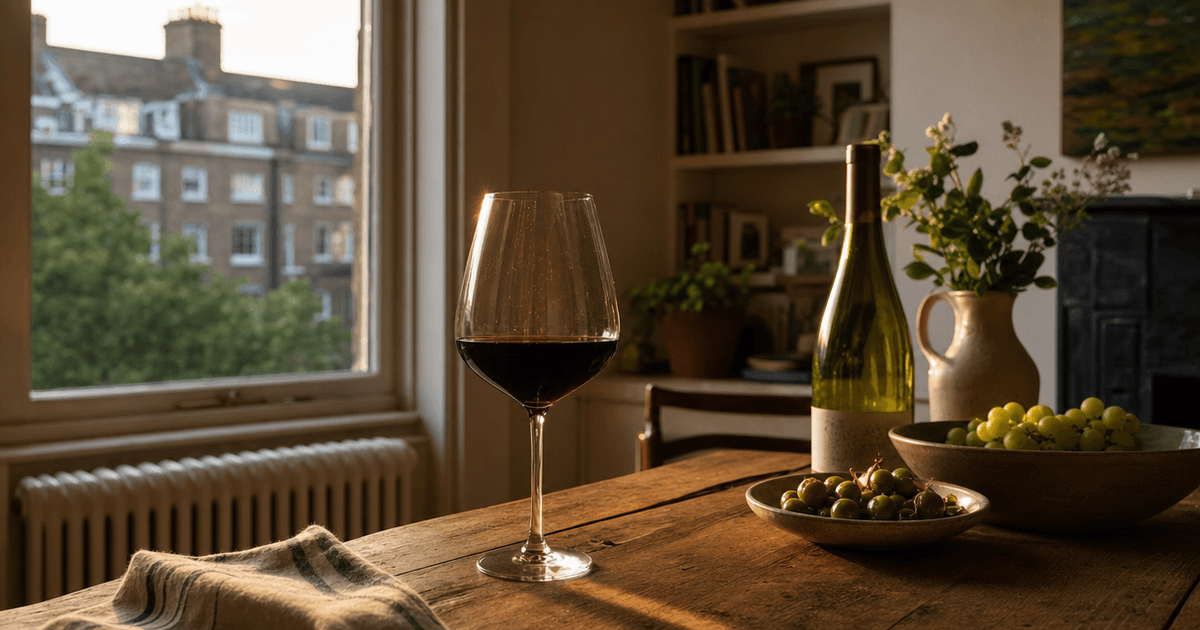
Picpoul de Pinet is the only white on our shelves grown within sight of the oyster beds it was built to wash down — the vines and the shellfish share the same lagoon air, which is about as honest as a food match gets. Reach for it the next time you’ve got a bag of mussels steaming on the hob and no real plan for what goes in the glass. It’s a bone-dry white made entirely from the Piquepoul Blanc grape, grown on low, sea-facing land in the Languedoc between Pézenas and the Bassin de Thau lagoon. By the end of this you’ll know what’s actually in the bottle, how it stacks up against the Sauvignon Blanc or Pinot Grigio you might reach for out of habit, and when it earns its place at your table.
What kind of wine is Picpoul de Pinet?
Here’s the one-line version worth remembering: Picpoul de Pinet is the Languedoc’s only appellation given over entirely to dry white wine — 100% Piquepoul Blanc, bone dry, high in acid, grown beside the Thau lagoon’s oyster beds. Everything else round it is red, or a red-dominated blend. The vineyard land runs low between Pézenas and the coastal lagoon, and the wine only won its own AOC status in 2013 — recent, for a grape that’s reckoned to have been grown in the region since at least the 14th century.
The vines run through villages like Florensac, Pomerols, Pinet and Mèze, tumbling down from rockier back-country near Montagnac towards the sea. A range of hills gives some shelter from northern winds, while breezes off the Mediterranean help temper the summer heat — which matters, because this is a genuinely warm, dry corner of France with a low annual rainfall.
For a long stretch of the 20th century this grape mostly went into the local vermouth industry, prized there for its high acid and its neutral character rather than for standing alone in a glass. It took newer winemaking approaches through the later part of the century — gentler pressing, tighter temperature control, keeping oxygen away from the juice — to turn that neutral base wine into the fruity, saline dry white sold as Picpoul de Pinet across the UK today. Most of it comes from co-operative cellars; a smaller group of independent growers now work with lees contact, some skin contact, and occasionally barrel ageing to push the texture further. If you want the wider lie of this stretch of France, from the Rhône down to the Mediterranean coast, The Rhône and the French South: a merchant’s guide from Côte-Rôtie to the Med is worth a browse — but if it’s Friday and the fishmonger’s bag is already in the fridge, the short answer is simply: this one, cold.
Co-op crisp or something with more texture: how to choose your bottle
I used to treat every bottle on the shelf as “the” Picpoul style — pale, zippy, done. It took me a few years of actually tasting through a case to realise the appellation has more range than that, and picking the right style for the job matters more than picking a particular label.
| Style | What’s in the glass | Who tends to make it |
|---|---|---|
| Classic co-operative | Pale green, saline, lemon-zest, bone dry | The majority of the appellation |
| Textural, lees-aged | Broader palate, faint creaminess, still citrus-led | Independent growers working with lees contact |
| Skin contact or barrel | Deeper colour, weightier, savoury notes | A handful of growers pushing complexity |
If you’re pairing with oysters or raw shellfish, stick with the classic style — it’s built for exactly that job, and it’s the one we stock the deepest run of, at an everyday price. If you want something to sip on its own, on a Tuesday, with nothing more than bread and butter, ask us to point you to one of the textural bottlings from an independent grower — worth the extra couple of pounds for the extra weight. And if you’re curious rather than committed, buy one of each and taste them side by side; it’s the cheapest wine lesson the Languedoc offers.
Is Picpoul de Pinet sweet or dry?
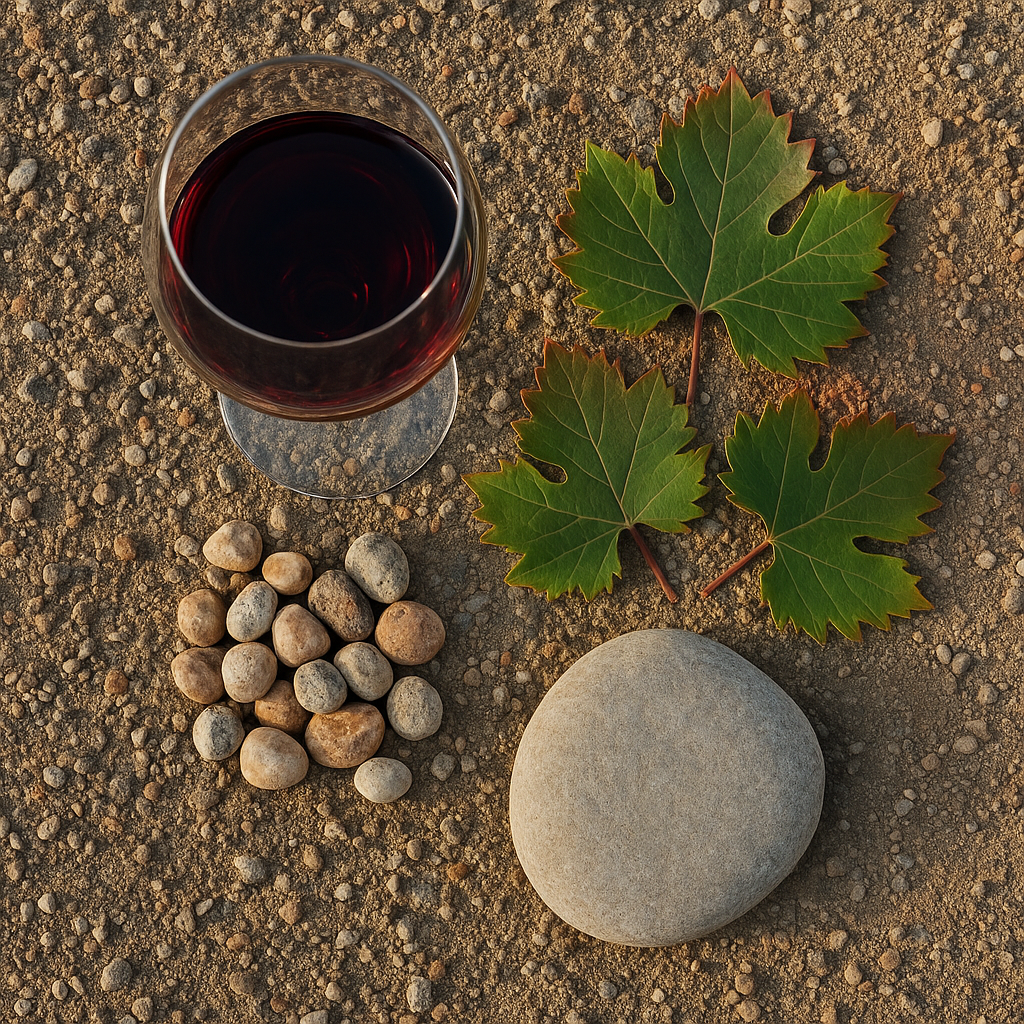
Bone dry, full stop — no meaningful residual sugar. It’s medium-bodied, with medium-plus to high acidity and medium-intensity lemon fruit backed by light floral notes. Piquepoul ripens late even in this warm climate, and holds on to its acid as it does, which is exactly what gives the wine its lip-stinging edge rather than any softness.
That dryness isn’t an accident of fashion — it’s tied to the grape’s history. A base wine for vermouth needs to be neutral, high in acid and without sweetness, because sugar and flavour get added later in that process. Piquepoul Blanc was valued for that job precisely because it stays dry so reliably, even when ripened hard through a Mediterranean summer. Modern winemaking simply let that natural dryness stand on its own rather than disappearing into a fortified blend. If bone dry is what your table needs — oysters, aioli, anything briny — that reliability is precisely what you’re paying for, and it isn’t much.
Is Picpoul like Sauvignon Blanc?
Not really, though people reach for the comparison because both are high-acid, food-friendly whites. Picpoul is quieter and saltier — think lemon pith and a faint brininess pulled straight off the nearby lagoon — where Sauvignon Blanc, whether from Sancerre or Marlborough, tends to shout with gooseberry, blackcurrant leaf and grassy punch.
If you’re used to a crisp Loire Sauvignon Blanc and want something in a similar acid bracket but a lower register, Picpoul is a good move sideways rather than a straight swap. The more honest comparison is Muscadet — same job at the table, same restraint, a different grape entirely (Melon de Bourgogne rather than Piquepoul). Both do the quiet, mineral, let-the-food-shine thing that Sauvignon Blanc, for all its charms, doesn’t really attempt. If that description sounds like your kind of white, this is an easy and inexpensive place to test the theory.
Is Picpoul de Pinet similar to Pinot Grigio?
Closer in weight than Sauvignon Blanc, but with more backbone. Pinot Grigio is so often made soft and almost neutral — easy-drinking by design — while Picpoul keeps that lemon-driven, high-acid spine even in a warm vintage. If your Pinot Grigio of choice already sits at the palest, driest end of the spectrum, this is a natural next step up in intensity rather than a leap into the unknown.
What Picpoul has that most Pinot Grigio doesn’t is that saline thread — a genuine sense of the sea, given how close these vines sit to the Thau lagoon. If that kind of mineral drive is what you’re chasing, it’s worth reading up on where else you find it: Chablis: the purest Chardonnay? covers a different grape entirely but scratches a similar itch, at a different price point. Between the two, Picpoul is the one to try first — it asks far less of your wallet while you work out whether salinity is your thing.
What to serve it with, and when
This is squarely an oyster wine, and a mussel, clam and prawn wine besides — the classic shellfish-from-the-lagoon pairing that gave the region its reputation. It works just as well with aioli, with capers, with anything that leans garlicky or briny and needs a dry, high-acid partner rather than a soft one. Simple grilled or pan-fried white fish — flat fish especially — sits happily alongside it too.
My working rule behind the counter: if the plate comes from the sea and wants a squeeze of lemon, Picpoul does the lemon’s job. Serve it properly cold, in a plain glass, and don’t overthink the food beyond “does it come from the sea.” For the fuller picture on matching whites to fish and shellfish generally, Wine with fish and seafood: beyond ‘just pour a white’ goes further than I can here. If you’re stocking up for a shellfish night, our Languedoc whites shelf is where I’d start you.
What it costs in shape
Picpoul de Pinet built its reputation as an honest, inexpensive bottle — the sort of French wine you’d find tucked on a bottom shelf for not much money, which is part of why formal AOC recognition didn’t arrive until 2013. That accessible pricing hasn’t disappeared; you’ll still spot it easily on UK supermarket shelves, sitting at a friendly everyday price. The textural, lees-aged and barrel-influenced styles from smaller growers sit a notch higher, simply because they take more hands-on work in the cellar.
It’s also not a wine built for the cellar itself — it’s designed to be drunk young, cold, and without ceremony, so buy it with the current vintage in mind rather than squirrelling a bottle away for a special occasion three years off. Two or three of the current vintage for the fridge door is the right way to own it.
Questions customers ask us
Where does Picpoul de Pinet actually come from? The Languedoc, on France’s southern coast, in a band of vineyard between the town of Pézenas and the Bassin de Thau lagoon. It’s a small, specific patch of land rather than a broad regional style.
Does Picpoul de Pinet age well? Not really its purpose. It’s made to be drunk young and fresh, within a year or two of the vintage, while that citrus and saline character is at its brightest.
Is Picpoul de Pinet the same as Picpoul Noir? No — almost everything sold under this name is Piquepoul Blanc. Noir and Gris versions of the grape exist historically but are rare and not what you’ll find in the bottle.
Can I find Picpoul de Pinet in UK supermarkets easily? Yes, it’s one of the more widely stocked Languedoc whites, appearing regularly on supermarket shelves alongside the more familiar Sauvignon Blancs and Pinot Grigios.
The merchant’s last word
I’ve sold a fair few bottles of this over the years to people who came in looking for “something like Pinot Grigio, but with a bit more to say for itself” — and Picpoul de Pinet has yet to let one of them down at the fish counter. It’s not trying to be clever. It grew up next to the oyster beds, and it’s still doing the job it was raised for — which is its own quiet skill. Come and browse our Picpoul de Pinet and Languedoc whites if you want to see where it sits alongside its neighbours — or just ask, and I’ll pull a bottle down for you.