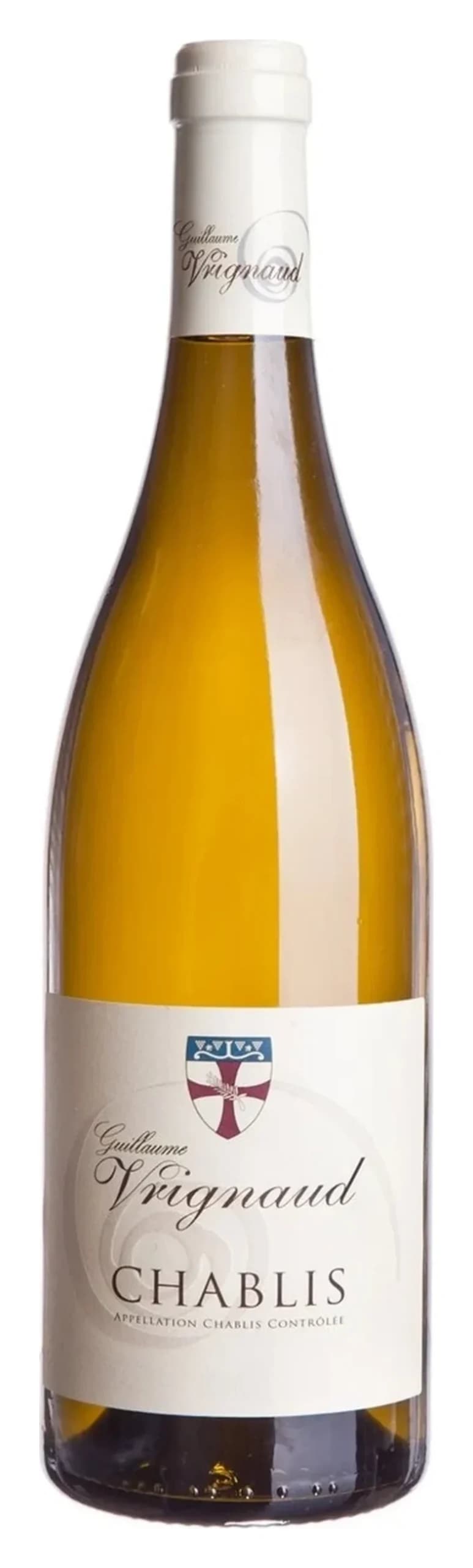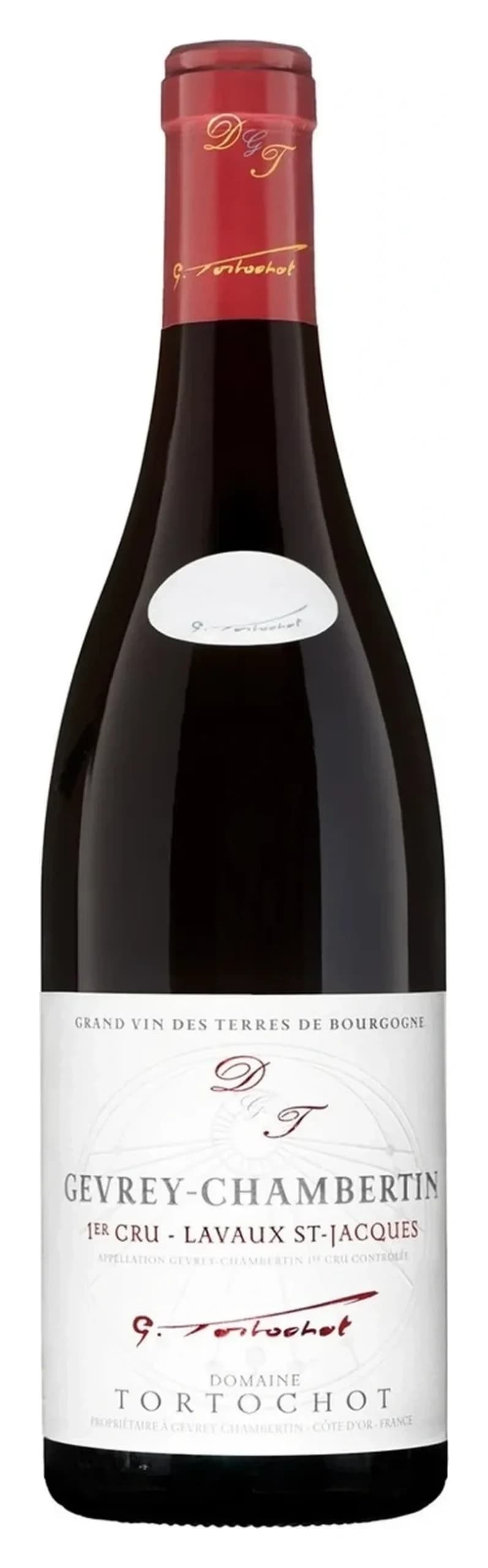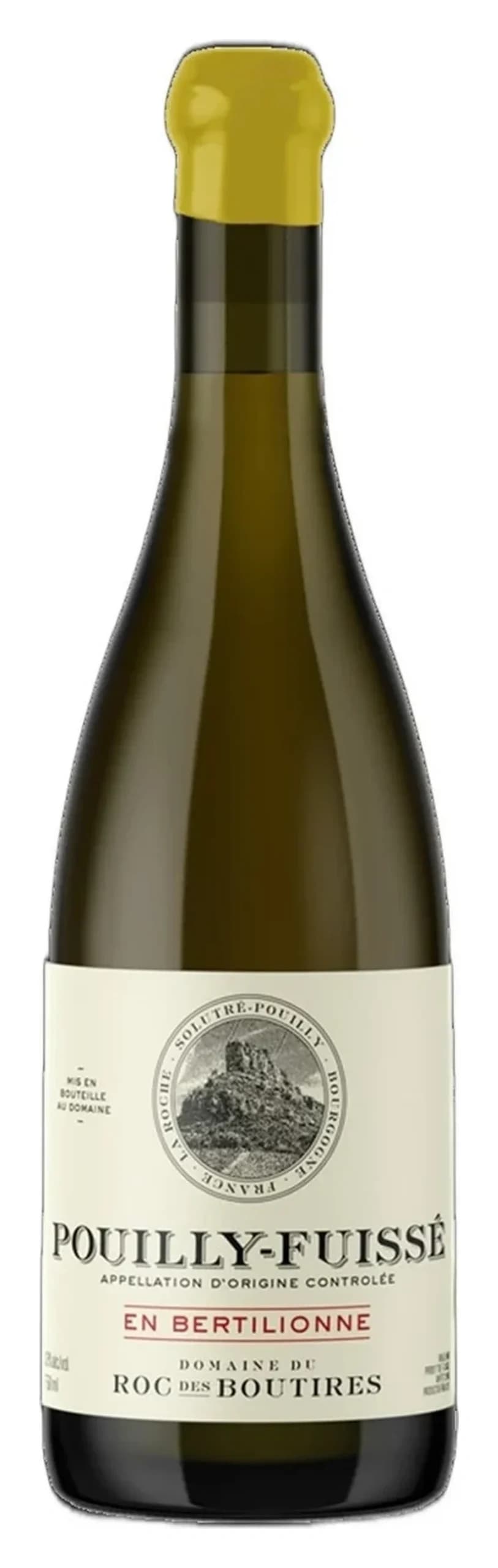
The Chablis wine region sits at the northern edge of Burgundy, and it makes one grape do something almost nowhere else manages. Chablis is 100% Chardonnay, always dry, and very often made without a scrap of oak — no blending partner, no Sauvignon Blanc hiding in the mix. Cool air and ancient, fossil-flecked soil turn that single grape lean, high in acid, faintly briny. By the end of this you’ll know why the region’s four tiers taste so different from one another, when oak earns its place and when it doesn’t, and roughly what shape your money buys at each level.
What region is Chablis wine from?
Chablis wine comes from the town of Chablis and nineteen surrounding villages in the Yonne département, tucked near Auxerre in the far north of Burgundy — about 110 kilometres north-west of Dijon, further from the Côte d’Or than most people assume. The appellation was drawn up in 1938 and now covers just under 5,800 hectares, every vine on it Chardonnay.
It wasn’t always this tidy. Back in the late 19th century the whole Yonne was thick with vineyards — tens of thousands of hectares lining the river as far as Sens — shipping “Chablis” downstream to a thirsty Paris. Most of that has gone. What survived clusters tightly around the River Serein, on slopes the Cistercian monks of nearby Pontigny Abbey are thought to have shaped centuries before anyone wrote the rules down.
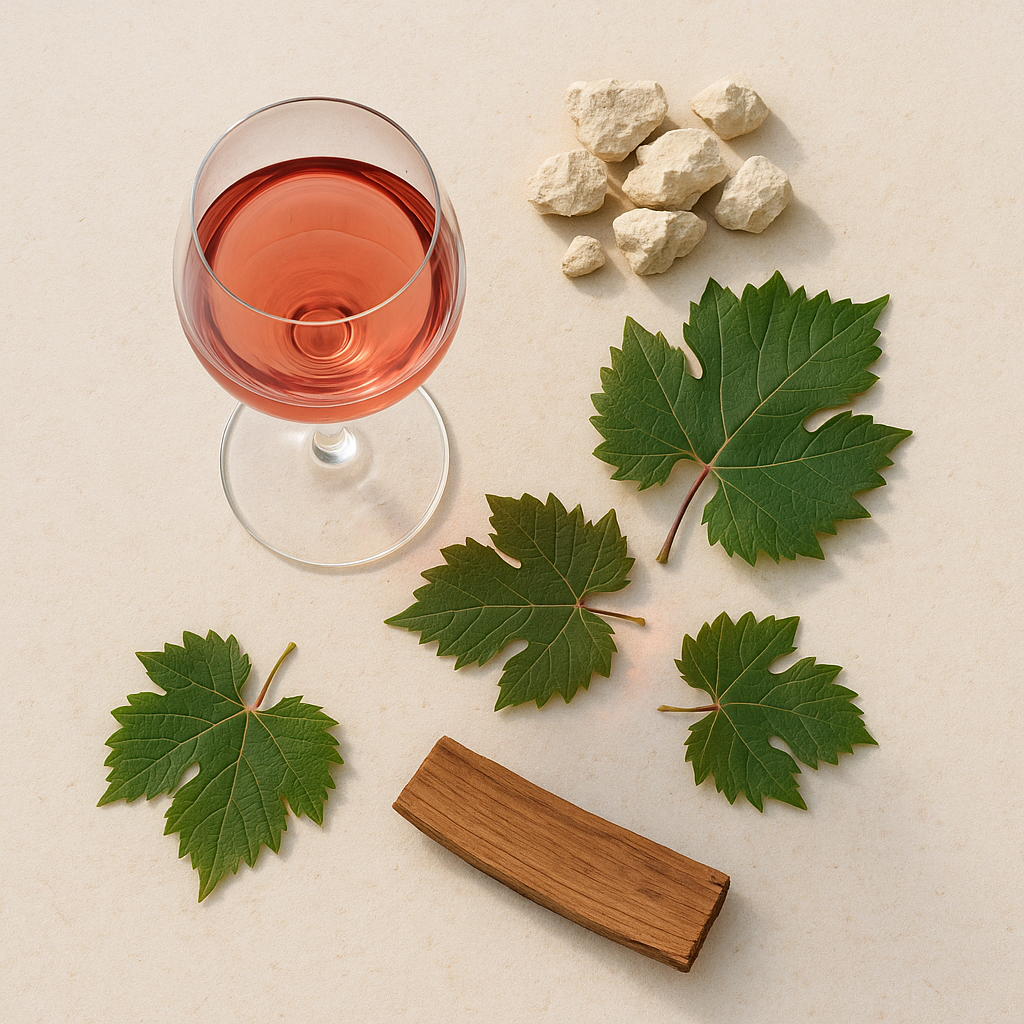
The soil is the part worth remembering: Kimmeridgian limestone and clay, seamed through with fossilised oyster shells from a seabed some 150 million years old. That’s not a poetic flourish — it’s genuinely why the wine tastes the way it does, and it’s the thread that runs through our Burgundy, decoded: villages, crus and why it costs what it costs, if you want the fuller map of the region Chablis belongs to.
Is Chablis 100% Chardonnay?
Yes — full stop, no exceptions. Only Chardonnay is permitted across all four Chablis tiers, by law. If you’ve ever wondered whether Chablis is a Chardonnay or a Sauvignon Blanc in disguise, it’s neither a disguise nor a mystery: it’s Chardonnay grown cool, so the citrus and green apple can read as sharper, less generous, than the Chardonnay you might know from warmer places.
Here’s the nuance worth having, though (the Yonne département as a whole is roughly 80% Chardonnay — the rest is mostly Gamay, with a little Sauvignon Blanc dotted about in villages outside the Chablis boundary). Inside the actual Chablis appellation, that other 20% simply doesn’t exist. One grape, no compromises.
It’s also worth knowing that Chablis has a fair claim to being the purest expression of unoaked Chardonnay going — a view a room full of UK wine buyers landed on at a London tasting a few years back, when Chablis was singled out as the clearest example of the style anywhere. Not every bottle skips the barrel, mind — more on that below, and there’s a fuller look at what oak does and doesn’t do in Oak in Chardonnay: what ‘oaked’ really tastes like.
What are the 4 types of Chablis?
Rank in Chablis has nothing to do with a winemaker’s choices and everything to do with where the vines are planted. The seven Grand Cru climats claim the prized ground: a single south-west-facing hillside just outside town, angled to catch maximum sun. Premier Cru wraps around the better-exposed slopes beyond that core. Ordinary Chablis fills out the wide Kimmeridgian heartland, while Petit Chablis gets pushed to the cooler, higher edges of the appellation. One ladder, four rungs, all decided by geography rather than cellar craft.
| Tier | Soil | Character | Max yield |
|---|---|---|---|
| Petit Chablis | Portlandian (harder limestone, thinner clay) | Light body, high acid, green apple and lemon | 60 hL/ha |
| Chablis | Kimmeridgian, mixed aspects | Light-medium body, still citrus-led | 60 hL/ha |
| Premier Cru | Kimmeridgian, favoured slopes | More weight, more concentration | 58 hL/ha |
| Grand Cru | Kimmeridgian, single south-west-facing block (Les Clos, Vaudésir among the seven climats) | Greatest weight and depth, ages longest | 54 hL/ha |
Lower yields at the top aren’t a marketing device — they’re written into the appellation rules, and they’re a fair chunk of why Grand Cru costs what it does.
Oaked or unoaked: how to pick your style
This is the genuine fork in the road with white wine Chablis, more than which tier you buy. Chablis is the one serious Chardonnay region where oak isn’t assumed — plenty of producers ferment and age entirely in stainless steel, chasing that flinty, gunshot-smoke minerality the French call goût de pierre à fusil.
Others use oak, sometimes generously, and the debate about whether that’s a betrayal of what Chablis “should” taste like has rumbled on in the trade for years. Neither camp is wrong, exactly — it’s a genuine style fork, not a hierarchy. If you want the purest, most linear expression of the Chablis wine region — all lemon zest and wet stone, nothing sweet or toasted layered over it — go looking for the words “unoaked” or “cuve inox” on the back label. If you’d rather a touch of roundness and texture, seek out something described as barrel-fermented, usually at Premier Cru level or above, where the wine has the weight to carry it.
Getting it in the glass: food and temperature
Serve it cold but not numbing — a proper fridge chill, then five minutes out before you pour, so the citrus doesn’t just taste of ice. The acidity here is the whole point; too cold and you lose the texture underneath it.
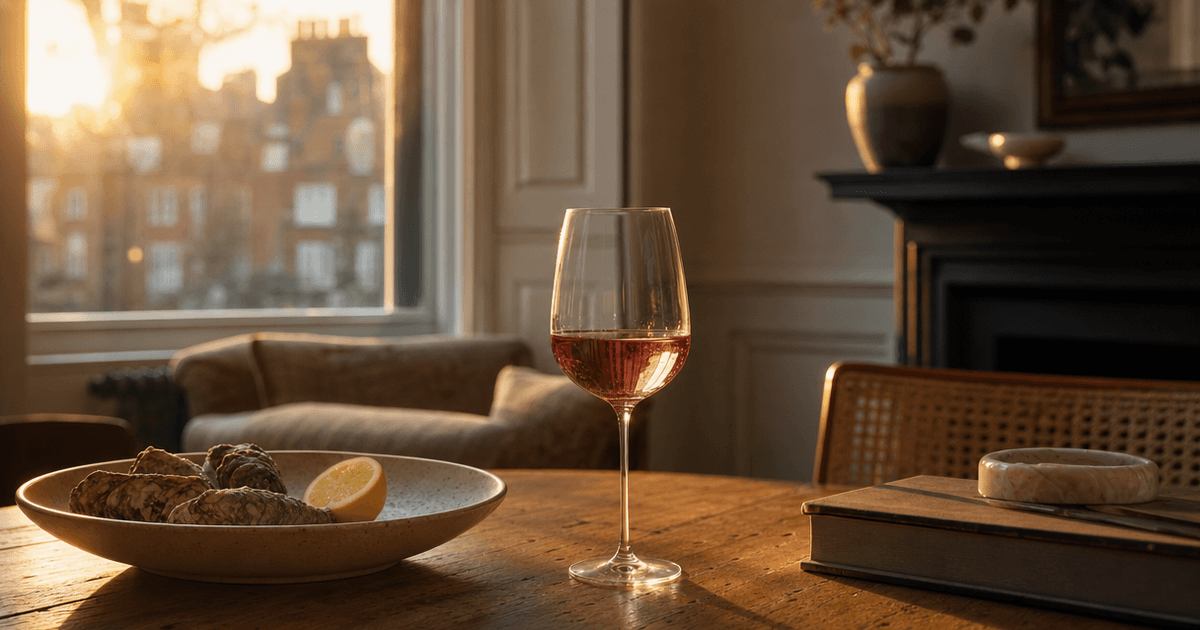
Chablis was built for a plate of oysters, and it’s not a coincidence — those Kimmeridgian soils are quite literally made of ancient oyster shell, so the pairing is less a sommelier’s trick and more geological logic. It handles most white fish and shellfish without a fuss, and a simple roast chicken with lemon does the job just as well on a Tuesday when oysters aren’t on the cards. Grand Cru and older Premier Cru reward a slightly less chilled pour and a bit more patience in the glass — give them ten minutes to open before you decide what you think.
What Chablis costs, in shape
Petit Chablis is your entry point — genuinely useful, rarely thrilling, a good house white rather than an occasion. Village-level Chablis is where most people’s everyday bottle sits, and it’s honest value.
Premier Cru is where trade opinion tends to land as the sweet spot — enough concentration to be genuinely interesting, without Grand Cru’s price tag. Grand Cru itself is scarce by design: seven climats, capped yields, one small slope. Around a quarter to a third of all Chablis, across every tier, passes through the region’s large co-operative rather than being estate-bottled — worth knowing if you’re wondering why quality at the everyday end is so consistently reliable.
Questions customers ask us
Is Chablis a Chardonnay or Sauvignon Blanc? Chardonnay, no exceptions — the appellation permits nothing else, at any of the four tiers. If you’re tasting something sharper and more citrus-driven than you expected, that’s cool-climate Chardonnay doing its job, not a different grape.
Can Chablis be sweet? No — every tier is made fully dry. The cool climate and naturally high acidity of the Chablis wine region simply aren’t suited to residual sugar, and nobody in the appellation is trying to make one.
Is Chablis the same as white Burgundy? It’s a member of the same family, made the same way from the same grape, but Chablis sits apart from the Côte d’Or stylistically — cooler, leaner, usually less oak. Our Burgundy, decoded piece maps out how the two relate.
Why does Chablis taste different from other Chardonnay I’ve had? Mostly the climate and the near-total absence of oak in the classic style. If you want the fuller picture on what oak actually contributes, Oak in Chardonnay: what ‘oaked’ really tastes like walks through it properly.
The merchant’s last word
I’ve poured Chablis for customers who swore they didn’t like Chardonnay, watched their eyebrows go up, and had the same conversation a hundred times since. It’s not a trick — it’s just Chardonnay grown somewhere cold, on soil full of old oyster shells, mostly left alone in the cellar. Start at village level, work up to a Premier Cru when the occasion calls for it, and go and browse the burgundy cellar when you’re ready to try one.