Here’s the number the auction headlines never print: nearly nine-tenths of everything Burgundy makes never rises above regional or village level. Affordable Burgundy wines aren’t the exception, in other words — they’re most of Burgundy. The region — Bourgogne, in French — is the name for red, white and, rarely, rosé wine from this Chardonnay-and-Pinot-Noir patch east of Paris, and at its most basic that name simply means Bourgogne AOC: a wine that can be grown almost anywhere across the region, not just in the famous villages that make the news.
By the end of this, you’ll know where in that overlooked nine-tenths the real value hides, roughly what a good bottle under £25 should look like on the label, and when to pay more and when not to bother. Let’s get into it properly.
What is a good inexpensive Burgundy wine?
A good inexpensive Burgundy wine is, in practice, one from the generic or village tier — Bourgogne AOC, Côte Chalonnaise, Mâconnais, or a lesser-known Côte d’Or village — bought for under about £25. Trade round-ups of good-value red Burgundy have used that £25 mark as their working ceiling for years, and it holds up well as a rule of thumb.
That nine-tenths figure deserves its exact numbers: only around 1% of everything Burgundy produces is sold as grand cru, with a further 10.5% as premier cru. Everything else — the bit nobody photographs for auction catalogues — sits at regional and village level, and it’s the bit you should actually be drinking on a Tuesday.
The Mâconnais is a good place to start looking. It leaned on co-operatives during the hard economic years of the 1920s and 1930s, when growers needed a way to survive falling prices — and that co-operative structure still helps keep a lot of Mâconnais wine sensibly priced today. The Côte Chalonnaise does something similar: its regional Bourgogne Côte Chalonnaise AOC wines are often simply labelled Bourgogne AOC, and its village and premier cru sites — sitting on warm, south and south-east facing limestone slopes — have genuinely improved in quality in recent years while staying cheaper than their Côte d’Or neighbours.
For the full map of where the good and the grand sit, our Burgundy, decoded: villages, crus and why it costs what it costs guide goes deeper than I’ve got room for here.
What is a common Burgundy wine?
A common Burgundy wine — the one actually on a supermarket shelf or a bistro list — is almost always one of the generic appellations: Bourgogne Rouge (usually pure Pinot Noir), Bourgogne Blanc (Chardonnay), Bourgogne Aligoté, Coteaux Bourguignons, or Bourgogne Passetoutgrains. These aren’t lesser wines so much as everyday ones, built to be opened without ceremony.
Passetoutgrains is the one worth knowing by name. It’s a blend of at least 30% Pinot Noir with Gamay, and it can be a bit savage and animal in its youth before softening into something more refined as the Pinot Noir character comes forward with age. The best examples still come from Côte d’Or vineyards lying on the plain beyond the D974 — the road that, more or less, marks the line between the finer sites and the generic ones. Only a little over 200 hectares remain planted to it now, which tells you it’s become something of a specialist’s bargain rather than a mainstream one.
Coteaux Bourguignons is the flexible cousin — red, white or rosé, drawing on grapes from across the region including a bit of Gamay. Worth remembering: most Burgundy, historically, was sold through big négociant houses rather than by the growers themselves, right up until the hardship after the First World War. Domaine bottling — growers putting their own name on the label — only really took hold from the 1930s, and it wasn’t until around 1990 that it accounted for close to half of Côte d’Or production. Neither route is automatically the cheaper or the better one; it’s the name and the appellation that do the real talking, which is exactly what our piece on why wine costs what it costs unpacks.
What are the best Burgundy red wines?
The best Burgundy red wines, in the traditional sense, come from the Côte d’Or — but “best” doesn’t have to mean priciest, and the region’s own villages disagree with each other on style. Volnay makes elegant, intensely perfumed Pinot Noir; Pommard, just down the road, makes something more robust and tannic. Neither is objectively better. It’s a matter of what you fancy with dinner.
If you want that Côte d’Or character without the Côte d’Or price, look sideways rather than up. Auxey-Duresses sits just behind Volnay and Meursault and makes red and white wines in a similar, if more austere, style at a medium price — some of its premier cru sites, like Les Duresses, were historically sold under its grander neighbours’ names simply because nobody had heard of the village itself. St-Romain, higher up the slope at 300-400 metres, has no premier cru at all — which keeps expectations, and prices, realistic — and in warmer vintages the wines can be excellent value indeed.
Then there’s Beaujolais, technically part of greater Burgundy and easy to forget when talking reds. Gamay was famously banished from the Côte d’Or by Philip the Bold in 1395, which is why it ended up thriving here instead. The crus — Saint-Amour, Juliénas, Régnié, Côte-de-Brouilly, Chénas and others — are trending towards organic, low-intervention winemaking and away from heavy carbonic maceration, and quality has climbed noticeably. Land here is cheaper than in the Côte d’Or, which has drawn investment from Burgundy growers looking to diversify — good news for the wines, if not always for the crus’ own prices, which have edged into premium territory. Beaujolais-Villages, one rung down, is where the real bargains still sit.
How to buy smart — what actually drives the price
Two things move the price needle in Burgundy more than anything else: the name of the domaine, and the level of the appellation. A well-regarded domaine’s plain village wine can comfortably out-price a premier cru from a less well-known producer in the same village — which is why chasing the appellation alone, without checking who made it, only gets you halfway to value.
Land prices across Burgundy have been climbing steadily since the mid-2000s, driven by scarcity of the best sites and, increasingly, by foreign buyers entering the market. Total Burgundy production runs at roughly a quarter of Bordeaux’s, and the most sought-after names produce vanishingly small volumes — which has also fed the rise of micro-négociants, buyers who work closely with growers to bottle small-batch, single-vineyard wines that can fetch super-premium prices themselves. None of that touches the regional and village end of the market nearly as hard. The Liv-ex Burgundy 150 index — tracking the very top wines — rose around 200% between 2003 and 2016; the everyday bottles simply weren’t along for that ride.
Practically, that means: read for the village name without a “premier cru” suffix, look for Côte Chalonnaise, Mâconnais or Hautes-Côtes on the label, and don’t assume a big name automatically means a big bill. If you like this game of hunting value against reputation, Value Bordeaux: drinking well without the grand cru price plays it out in a different region with a similar logic.
Serving it well
None of this matters if the wine’s poured wrong. Lighter, cooler-climate Pinot Noir — the kind from the northern reaches near Chablis, or from Passetoutgrains — takes well to a slight chill, more fridge-door than room temperature. A tulip-shaped glass, nothing fancy, does more for these wines than any decanter will.
Food-wise, keep it simple: roast chicken, mushrooms on toast, a hard cheese. This is drinking wine, not occasion wine — treat it that way and it repays you every time. The glass is the point, not the label.
What affordable Burgundy costs, in shape
| Tier | What it is | What to expect |
|---|---|---|
| Generic Bourgogne AOC, Passetoutgrains, Coteaux Bourguignons | The everyday blend or Pinot Noir | Most affordable; well under £25 |
| Mâconnais / Côte Chalonnaise village & premier cru | Rising quality, still overlooked | Good value; under £25 |
| Petit Chablis / Chablis AOC | Affordable white Burgundy; two-thirds exported, UK a top market | Mid-price, widely available |
| Lesser-known Côte d’Or villages (Auxey-Duresses, St-Romain) | Same neighbourhood as the famous names | Medium priced |
| Named village-level Côte d’Or | Puligny-Montrachet and similar | From roughly £35 |
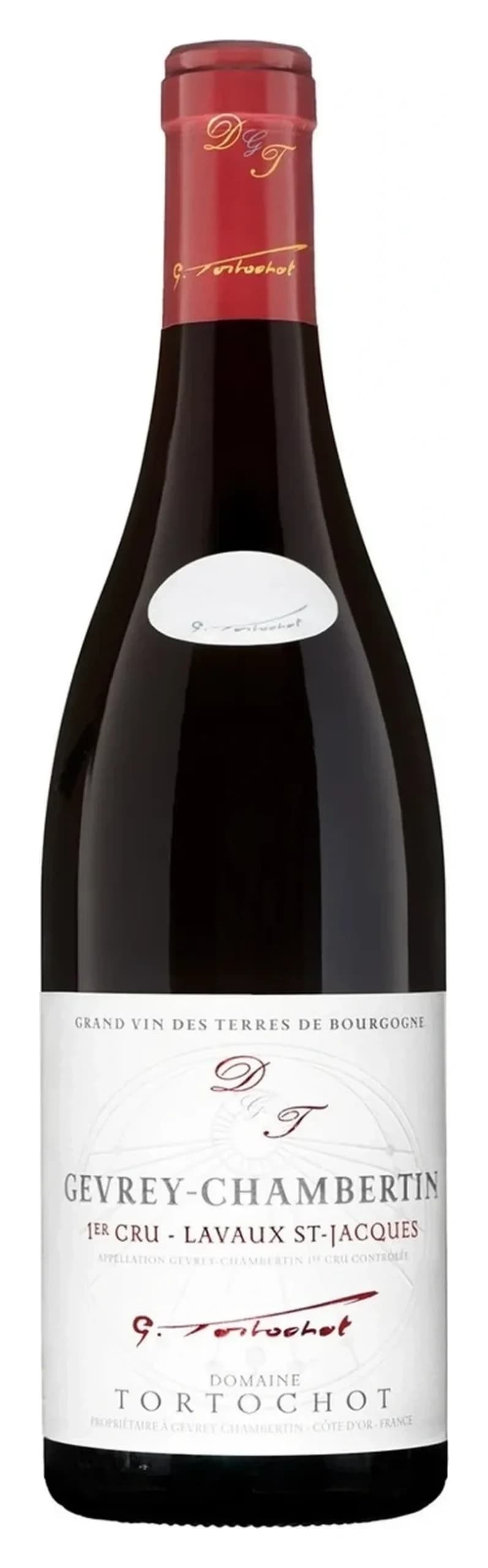
| Premier cru, famous villages | Recognised single-vineyard sites | Roughly £50-£80 |
| Grand cru / super-premium single-vineyard bottlings | Around 1% of all production | No real ceiling |
Questions customers ask us
What is a really good inexpensive red wine? Bourgogne Rouge, Bourgogne Passetoutgrains and Beaujolais-Villages all fit the brief — Pinot Noir or Gamay, made to be opened young, and comfortably under £25 without any hunting required.
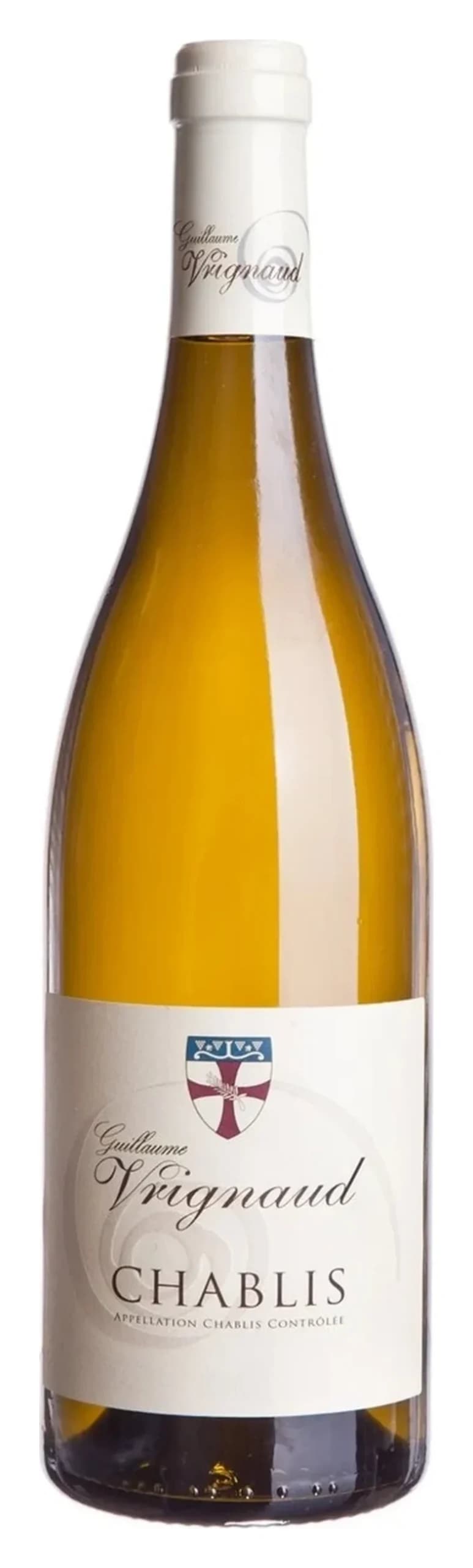
Is white Burgundy ever affordable? Yes. Petit Chablis and standard Chablis AOC are the honest entry point — Chablis sends two-thirds of its production abroad, with the UK among its biggest markets, so it’s already a familiar face on the shelf.
Does an inexpensive Burgundy taste of oak? Generally not much. The trend across the region at generic and village level is minimal or no oak; heavier oak tends to appear further up, at premier and grand cru level.
Should I buy négociant or domaine-bottled? Both can be good. Domaine bottling only became widespread from the 1930s, and even by 1990 it accounted for around half of Côte d’Or production, not all of it. It’s the name and the appellation on the label that matter more than who physically bottled it.
The merchant’s last word
I’ve poured plenty of expensive Burgundy that wasn’t worth it, and plenty of £18 Bourgogne that made a whole Sunday. Once you stop chasing the headline 1% and start reading the label for what it’s actually telling you, the other nine-tenths of this region opens right up. Come and have a look — browse the burgundy cellar and I’ll point you to where the value’s sitting this week.