Unoaked chardonnay vs oaked is the argument that comes up more than any other at my counter — more than red versus white, even. Oaked Chardonnay has spent time fermenting and/or maturing in oak barrels, picking up vanilla, toast and a rounder feel from the wood. Unoaked Chardonnay skips that stage — usually raised in stainless steel instead — so what lands in your glass is grape and site, nothing added by a barrel. By the end of this you’ll be able to look at a label, or ask one decent question in a shop, and know roughly what’s waiting for you — and pick the one that suits your Tuesday, not just your Saturday.
What oak actually does to Chardonnay
Oak isn’t a flavour so much as a set of compounds doing a job. The main ones are lactones — sometimes called whisky lactones — which read as coconut and spice at moderate strength, and as sweet vanilla at lower levels. Push them too far and you get green coconut, or worse, something resinous. American oak carries noticeably more of these than French, which is why a heavily American-oaked Chardonnay tends to smell louder than a French-oaked one from the same vineyard.
Toast level matters just as much as the wood itself. A lightly toasted barrel leans woody, even vegetal; a heavily toasted one turns toasty and spicy instead. Then there’s the age of the barrel — new oak gives plenty, old oak gives almost nothing (winemakers used to joke about “200% new oak,” meaning wine moved from one new barrel straight into another, which is about as much oak as a wine can survive). New Zealand producers learned this the hard way in the 1980s: their first French barrels were used for maturing already-made wine rather than fermenting it, and the results often turned oaky and oxidised before anyone worked out that fermenting in the barrel gives a far more integrated result.
Why do people like unoaked Chardonnay?
People like unoaked Chardonnay because nothing stands between you and the fruit. Crisp acidity, clean citrus or orchard fruit, no vanilla or toast laid over the top — it tastes of the grape and, often, of the ground it grew in. For food-first drinking, that clarity is the whole appeal.
Some of that appeal is also a reaction. The late 1990s and early 2000s saw a lot of Chardonnay built around heavy new oak and super-ripe fruit, particularly out of California — big, buttery, almost sweet-smelling wines that trained a generation of drinkers to distrust the grape entirely (the “Anything But Chardonnay” crowd didn’t appear from nowhere). The correction has been real: more producers now reach for neutral old oak, big old foudres, concrete, even amphora, precisely so the barrel stops shouting over the vineyard. I sold unoaked wine as automatically “purer” for years before I worked out that’s the wrong word — it’s not more honest, it’s just a different decision about what you want the finished wine to say.
Is Chablis just unoaked Chardonnay?
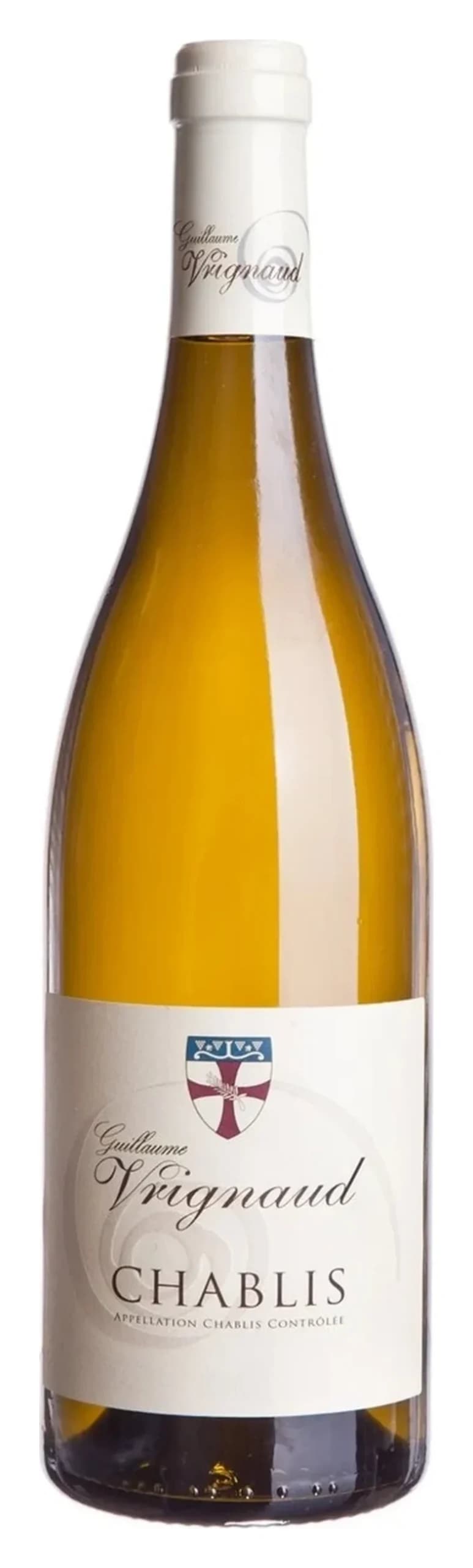
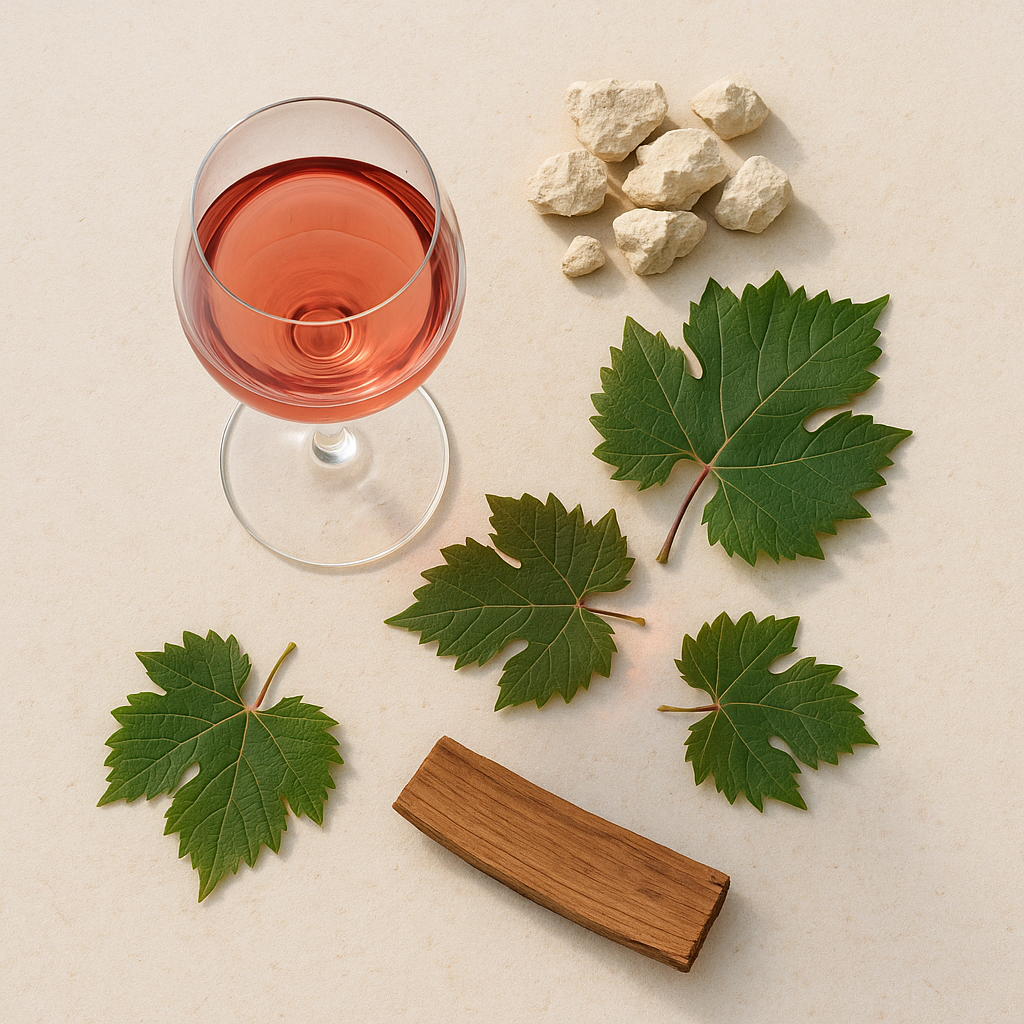
No — Chablis is a place before it’s a style. It sits in the north of Burgundy on Kimmeridgian limestone, the same fossil-rich seam that gives the wine its flinty, gunflint character (goût de pierre à fusil, if you want the French for it), and that character shows best without oak getting in the way.
Plenty of Chablis is raised in stainless steel or very old, neutral barrels that contribute texture but no real oak flavour — but that’s a house choice, not a legal requirement. Some producers do use oak, including a portion of new barrels for their premier cru and grand cru sites, and it’s a genuinely contested question in Burgundy whether Chablis should ever taste of oak at all. If you want the fuller picture of where those crus sit and why the arguments run so hot, Chablis: the purest Chardonnay? goes deeper than I can here. For the oakier side of white Burgundy — Meursault and beyond — White Burgundy beyond Chablis: Meursault and the Montrachets is worth a look too.
Is unoaked Chardonnay more buttery?
Usually it’s the other way round. Butter comes mainly from malolactic fermentation — a winemaking step, not an oak effect — and a lot of unoaked Chardonnay is made specifically to skip or limit that step, to protect the fresh acidity that’s the whole point of going unoaked.
This is the pairing people mix up most: oak gives vanilla, toast, sometimes a coconut-spice edge; malolactic conversion gives that soft, creamy, buttery texture, and winemakers sometimes stir the lees (a technique called bâtonnage) to push it further for a richer style. The two decisions are independent of each other, which means you can find:
- Oaked and malolactic — the classic rich, buttery, spicy style many people picture when they hear “Chardonnay.”
- Unoaked but still malolactic — creamy in texture, but no vanilla or toast; softer than a steely Chablis without tasting of wood.
- Unoaked, no malolactic — the leanest, most citrus-driven, high-acid style, closest to what people mean by “crisp.”
Knowing which combination you’re holding tells you far more than “oaked vs unoaked” on its own.
Is unoaked Chardonnay sweet or dry?
Dry, in almost every case. Chardonnay is fermented fully to dryness as standard practice, whether it sees oak or not — sweetness isn’t a natural feature of the grape or the style.
Where it gets muddled is at the cheap end. Some inexpensive unoaked Chardonnay carries a touch of residual sugar, added to soften a thin, high-acid base wine into something more immediately drinkable — a value-tier decision, not a rule about unoaked wine generally. There’s also a perception trick worth knowing: oak’s vanilla lactones can read as “sweet” on the nose even in a completely dry wine, which is part of why oaked Chardonnay gets mistaken for sweet Chardonnay so often. The wine hasn’t got sugar in it — your nose has just been told a small, convincing lie.
Choosing between the two: a quick shelf guide
| Unoaked style | Oaked style | |
|---|---|---|
| Colour | Pale straw, sometimes with a green tinge | Deeper gold, moving toward straw or amber |
| Aroma | Citrus, green apple, sometimes flinty or reductive (struck-match) | Vanilla, toast, baking spice, sometimes coconut |
| Texture | Lean, precise, high acid | Rounder, fuller, often creamier if malolactic was used |
| Where to look | Chablis, cooler-climate Burgundy villages, lean New Zealand and Oregon styles | Riper California and Australian regions, richer New Zealand barrel-fermented styles |
| Good with | Grilled fish, goat’s cheese, a simple weeknight pan of something green | Roast chicken, creamy pasta, richer fish in butter sauce |
Serve unoaked a touch cooler than you think — it keeps that acidity sharp. Give oaked Chardonnay a few extra minutes and a slightly warmer glass; too cold and all you taste is wood. If you want the full regional picture behind styles like these, Burgundy, decoded: villages, crus and why it costs what it costs lays out why the same grape costs so differently depending on the address on the label.
Questions customers ask us
Does new oak cost more than old oak? Yes — new barrels are expensive to buy and only give their fullest flavour for a vintage or two, which is part of why heavily new-oaked wines usually sit at a higher price point.
Can you tell if a wine is oaked just from the label? Often, yes — terms like “barrel fermented,” “sur lie,” or a named oak régime are good signs; plain “Chardonnay” with no such wording is frequently (not always) the unoaked, stainless-steel style.
Is oaked Chardonnay old-fashioned now? Not old-fashioned, just less fashionable among trend-led buyers than it was twenty years ago — but a well-judged, food-friendly oaked style, done with restraint, is still very much in demand.
What’s the practical difference between French and American oak? French oak tends to give finer, more integrated spice; American oak carries more of the coconut-leaning lactones and can announce itself more loudly in the glass.
The merchant’s last word
I still think the oaked-vs-unoaked question is really a “what’s for dinner” question in disguise. Neither style is the more serious wine — they’re just built for different tables, different Tuesdays. Come in and tell me what you’re cooking and I’ll point you at the right bottle rather than the trendier one. If you fancy exploring the region that does both extremes brilliantly, browse the burgundy cellar.