A guide to Burgundy wine has to start with one plain fact: the label here is a land registry, not a brand list. Burgundy is the only French region where the words on the bottle tell you almost nothing about the grape and everything about the ground. It makes red and white wine from two grapes, in the main — Pinot Noir and Chardonnay — grown across a patchwork of villages, named vineyards and single plots, ranked by the quality of the site rather than the reputation of a house. Learn to read that registry, tier by tier, and every bottle in the region opens up. By the end of this you’ll know what the four tiers on a label actually mean, which village names to trust for style, and roughly what you should expect to pay for the real thing versus something wearing Burgundy’s name a bit loosely.
What are the 4 levels of Burgundy wine?
Burgundy classifies vineyards on four tiers, broadest to narrowest: regional appellations (Bourgogne AOC and its variants), village appellations (named after the commune — Meursault, Gevrey-Chambertin), premier cru (a named vineyard within a village) and grand cru (the very best sites, each one its own appellation). The system was largely formalised in the 1930s and is, at heart, a ranking of terroir — soil, aspect, microclimate — not of winemaking style or reputation. That’s the land-registry idea in action: the label records where, and leaves who and how to you.
The scale of it is worth sitting with for a second. Across Burgundy excluding Beaujolais, trade figures put it at 84 appellations in total — the exact split between regional, village and grand cru is in the table below. Premier cru sits oddly in the middle: those several hundred named sites aren’t separate appellations at all, just additional geographical denominations tacked onto a village name. If a wine is blended from more than one premier cru vineyard in the same village, the label simply says Village + Premier Cru, with no vineyard name given at all.
By volume, the pyramid is steep. Grand cru is a rounding error — around 1% of production by trade estimates — while half of everything poured under Burgundy’s name is plain regional wine, with village and premier cru making up the rest between them. Most of what’s actually drunk under the Burgundy name is the broad base, not the famous tip — worth remembering next time someone tells you Burgundy is only for special occasions.
One quirk catches people out every time: on a grand cru label from the Côte d’Or, the village name disappears entirely. You won’t see “Vosne-Romanée” written anywhere on a bottle of Richebourg — just Richebourg Grand Cru, standing alone as though the village never existed. Chablis does it differently again; all its grand cru climats sit inside one single appellation, Chablis Grand Cru, rather than each being its own separate one. It took me a good while behind the counter to stop assuming every region followed the Côte d’Or’s logic.
| Tier | What’s on the label | Roughly how many | Share of production |
|---|---|---|---|
| Regional | Bourgogne AOC, Bourgogne Hautes Côtes de Beaune | 7 appellations | ~52% |
| Village | Commune name (Meursault, Volnay) | 44 appellations | combined ~47% |
| Premier cru | Village + vineyard name | ~640 sites | with village, above |
| Grand cru | Vineyard name alone (Côte d’Or) | 33 appellations | ~1% |
Two villages — Aloxe-Corton and its neighbours Pernand-Vergelesses and Ladoix-Serrigny — share the hill of Corton, home to Corton-Charlemagne, an all-white grand cru, and Corton itself, mostly Pinot Noir but permitted some Chardonnay too. It’s the only red grand cru of any real size in the Côte de Beaune, which is otherwise thought of as white territory. Once the ladder makes sense, the shelf does too — the next question is simply which rung your evening needs.
What are the different types of Burgundy wines?
Colour-wise it’s simpler than the classification makes it look: red from Pinot Noir, white from Chardonnay, and a small amount of pink sold as Bourgogne Rosé or Bourgogne Clairet (often the result of bleeding off juice from a red ferment to concentrate what’s left behind). There’s also Bourgogne Aligoté, made from the aligoté grape rather than Chardonnay, and Bourgogne Passetoutgrains, a blend of Pinot Noir and Gamay that most drinkers never think to ask about, tucked away at the bottom of a list of Burgundies as an afterthought.
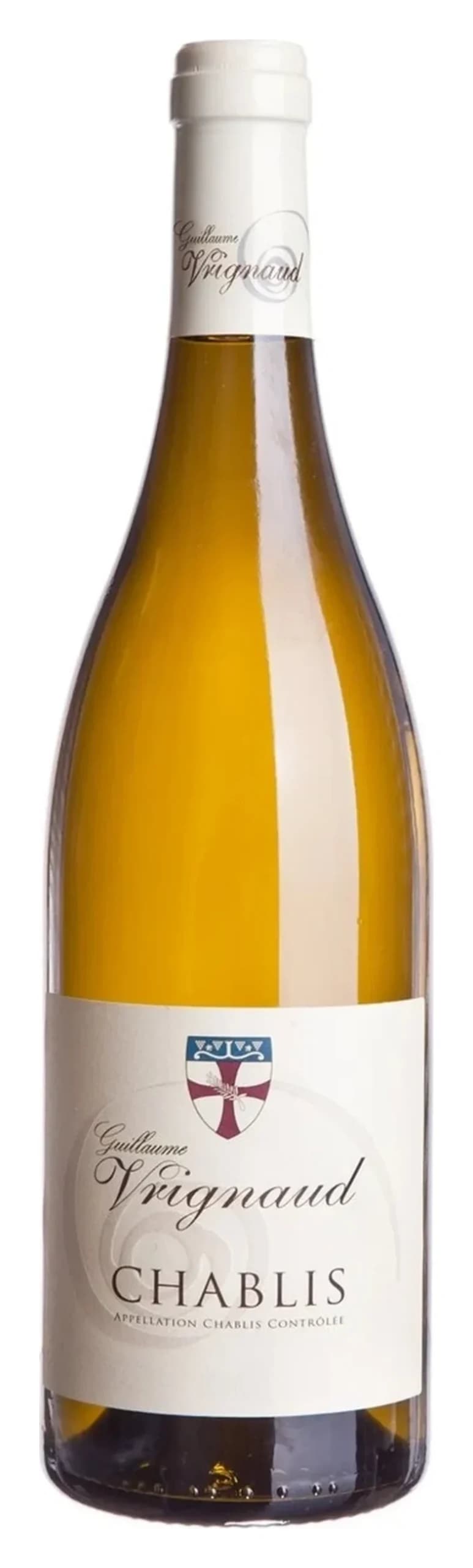
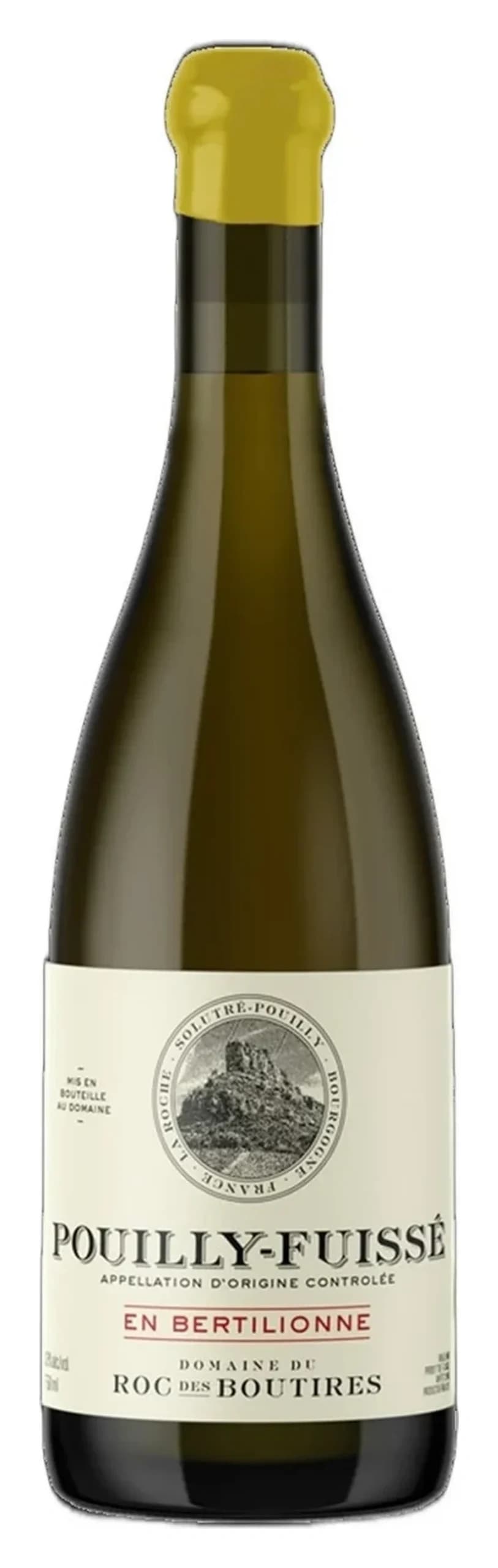
Geographically the region splits into bands running roughly north to south. Chablis sits alone up near the Yonne, white-only, on its own limestone, closer in some ways to Champagne than to the rest of Burgundy. Then the Côte d’Or — the Côte de Nuits, which specialises in Pinot Noir and holds most of the grandest red names, and the Côte de Beaune, better known for white wine though it makes plenty of red too. South of that comes the Côte Chalonnaise and the Mâconnais, both of which stop their classification at premier cru; neither has a grand cru to its name, which keeps prices there noticeably more forgiving — and makes them the honest answer when someone asks me for white Burgundy on a weeknight budget.
Beaujolais, made from Gamay, is usually treated as its own region entirely, with crus such as Saint-Amour, Juliénas, Régnié, Côte-de-Brouilly and Chénas making genuinely age-worthy wine at a fraction of Côte d’Or prices. Cheaper land there has actually pulled in investment from growers further north looking to diversify, a sign the smart money sees more in Beaujolais than the bistro reputation suggests.
If it’s bubbles you’re after rather than still wine, that’s a different conversation altogether — our Champagne guide covers that ground properly. And if you want to see how a completely different classification logic works, château-led rather than vineyard-led, the Bordeaux guide is the useful contrast.
Villages worth knowing by name
Names do real work in Burgundy — more than in most wine regions, because the appellation system won’t tell you about style, only site quality. The registry records the ground; the village name is your best clue to what the wine will actually taste like. Volnay makes red wine known trade-wide for its perfume and elegance; Pommard, its neighbour, is built more robust and tannic, the sort of wine that wants a stew rather than a light Tuesday supper. Neither has a grand cru, but both carry serious premier crus — Les Rugiens and Clos des Épeneaux among Pommard’s best regarded, both worth remembering if you see them on a list.
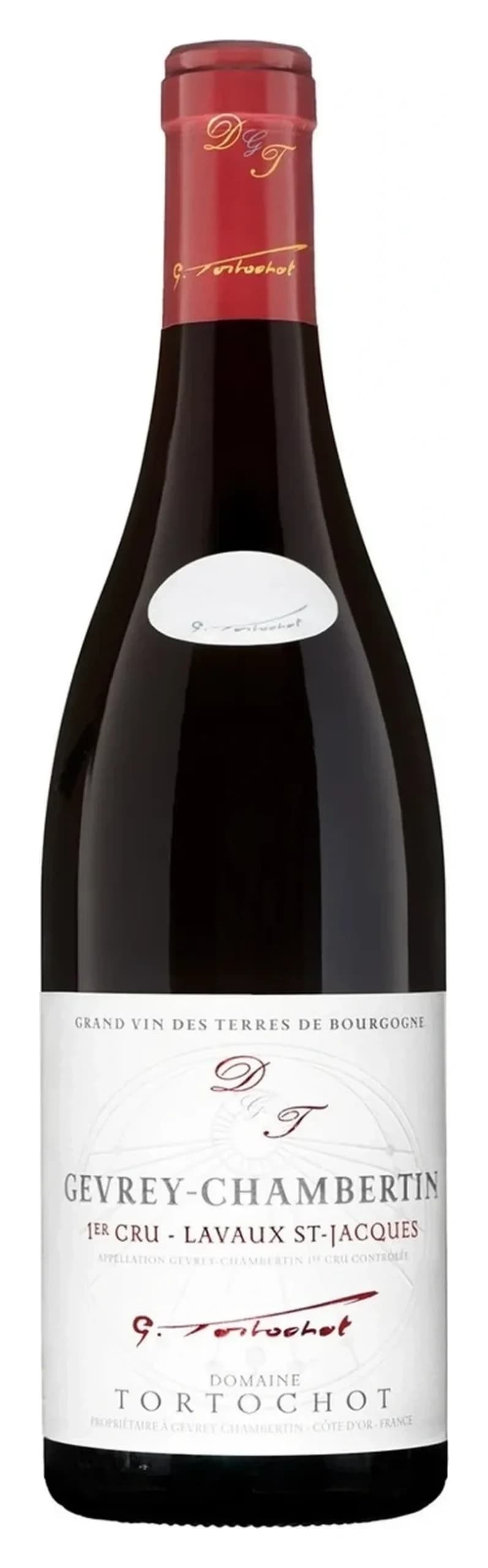
Many Côte de Nuits villages carry hyphenated names that quietly advertise their grandest vineyard: Gevrey-Chambertin nods to Chambertin, Vosne-Romanée to Romanée. Gevrey-Chambertin is the largest village in the Côte de Nuits and its grand crus alone read like a roll call — Chambertin, Chambertin Clos de Bèze, Charmes-Chambertin, Mazis-Chambertin, Ruchottes-Chambertin among them. Vougeot, by contrast, is barely a village at all in vineyard terms, yet its grand cru, Clos de Vougeot, at 50 hectares dwarfs the village-level land many times over and carries centuries of monastic history behind its walls.
Morey-St-Denis sits between Gevrey and Chambolle-Musigny and has, fairly or not, spent years being described as “lighter Gevrey” or “firmer Chambolle” — its wines were historically sold under those grander neighbours’ names rather than its own. Geologically it has no reason to feel second-best; the same limestone runs straight through all three villages without a break. For value hunters, Auxey-Duresses deserves a place in your memory too — reds and whites in a similar style to Volnay and Meursault, a touch more austere, at a noticeably gentler price than either. Learn three or four of these names and you can walk into any wine shop in the country with the upper hand.
What is a really good Burgundy wine?
A really good Burgundy is one where site, vintage and producer all line up — and the producer matters as much as the tier, sometimes more. A well-regarded domaine’s straightforward village wine can genuinely out-price and outclass a premier cru from a lesser-known grower in the same commune. So don’t buy the label tier alone; buy the name behind it too, once you’ve got a feel for which names you trust.
This is the bit I got wrong for years in the trade — treating the four-tier ladder as if it were the whole story, when really it only tells you about the ground the grapes grew on, not who picked them or when. As demand and prices climbed for the famous names, attention has genuinely shifted toward villages making more accessible wine with real skill: Marsannay (more red and rosé than white) and Fixin (mainly red) both get mentioned by the trade as places where quality has caught up without the price following it. If you want an honest bottle without grand cru money changing hands, that’s where I’d point you first — start there before you spend big.
Vintage matters too, in a way it doesn’t always in warmer regions — Burgundy’s climate is marginal enough that a good year and a difficult one can taste like different wines entirely from the very same vineyard. A cool, damp August can thin out a vintage across the whole Côte d’Or in a way that a grower in somewhere like the southern Rhône rarely has to think about. It’s one reason people who buy Burgundy seriously tend to talk about years almost as much as they talk about villages — and one reason a merchant who’s tasted the year is worth having on your side.
What Burgundy actually costs, and why
Grand cru accounts for only around 2% of the land under vine in Burgundy, by recent trade estimates — which is most of the answer to “why so expensive” right there. Scarcity does the rest.
The ladder of price follows the ladder of land: entry-level regional Bourgogne stays modest, grand cru starts in three figures at minimum, and the most sought-after bottlings from the smallest, most fashionable sites run into five figures. That’s before you even get to secondary-market trading — a well-known index tracking fine Burgundy prices rose by roughly 200% between 2003 and 2016 alone, a climb that’s reshaped who can actually afford to drink the top tier casually.
Some of the gaps within the region puzzle growers as much as customers. It’s a point raised often enough in the trade that it’s become almost conventional wisdom: the price difference between top Côte de Beaune reds and Côte de Nuits reds can be wider than quality alone explains, with some village-level wine from the Côte de Nuits costing more than a Volnay premier cru, purely on reputation and fashion rather than what’s actually in the glass. Volnay is a small appellation even by Burgundian standards — barely over a hundred hectares — and awareness hasn’t always kept pace with the wine’s quality. For the canny buyer, that gap is an opportunity, not a warning.
Domaine name and vineyard name work as two separate levers on price, and either can move it independently of the other — a famous vineyard in unfamiliar hands, or a famous name on an unfashionable slope, can both surprise you. It’s a pattern that shows up across French wine generally, not just here — our piece on why wine costs what it costs goes into the mechanics if you want the fuller picture.
Questions customers ask us
Which wine is best for diabetics? That’s a medical question, properly one for your GP or diabetes team rather than a wine merchant. What I can help with is style — if you’d like something drier, lower in residual sweetness, point me toward red or white and I’ll show you where that sits on the shelf.
Is Chablis part of Burgundy? Geographically and administratively, yes, but it’s usually discussed on its own — its climate, soil and single grape variety (Chardonnay only) set it apart from the Côte d’Or in most trade writing. Beaujolais gets the same separate treatment, for similar reasons.
The merchant’s last word
I’ve watched customers walk in convinced Burgundy is a puzzle only experts get to solve, and honestly, the four tiers are the easy part — the harder, more useful skill is learning which village names to trust and which producers earn that trust within them. Start modest, taste around a village or two you like, and let the bottle teach you the rest. When you’re ready, browse the burgundy cellar and we’ll take it from there.