Ask about grand cru meaning and you’ll get a different answer depending which French region you’re standing in — and that’s really the whole trick of it. Grand cru translates simply as “great growth” (cru comes from croître, to grow), and premier cru means “first growth.” Beyond that literal bit, the term shifts shape from place to place: sometimes it flags a single vineyard, sometimes a whole village, sometimes a château. By the end of this you’ll know what each region means when it puts “grand cru” on a label, which tier actually outranks which, and when paying up for it is worth doing.
What does Grand Cru stand for?
Grand cru means “great growth” — the top rung of a quality ladder that ranks vineyards, villages or estates, depending where you are. In Burgundy and Chablis it names a single vineyard. In Alsace it’s also vineyard-specific, just a longer list. In Champagne it names an entire village. In Bordeaux, confusingly, it usually names a château rather than a patch of ground.
I used to explain this the same way every time, whatever region a customer had bought their bottle from. Bad habit. The word carries completely different weight depending on the postcode.
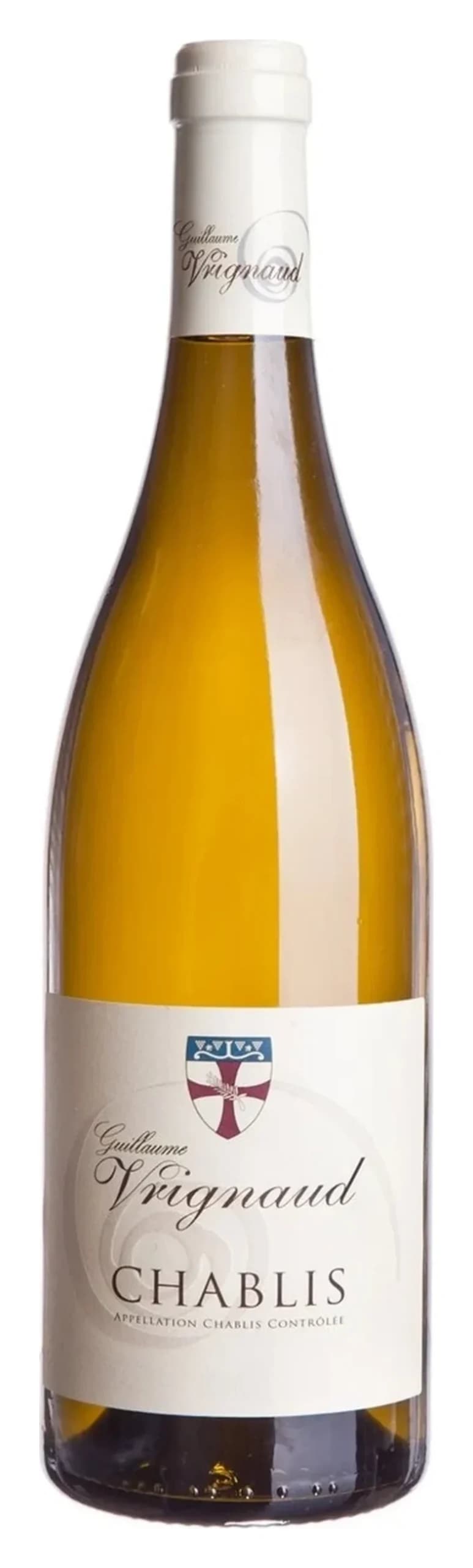
In Burgundy’s Côte d’Or, there are 33 grand cru vineyards — a small, fixed list, sitting a clear notch above premier cru. Scores of other vineyards across the region are premiers crus: distinctly better than plain village wine, but not quite at grand cru’s level. If you want the full shape of how Burgundy stacks its regional, village, premier cru and grand cru tiers, Burgundy, decoded: villages, crus and why it costs what it costs goes into that properly.
Alsace runs its own version: 51 individually named grand cru vineyards, expanded in stages since the 1980s, each now allowed to set some of its own rules (Pinot Noir only became eligible in two of them, Kirchberg and Hengst, as recently as 2022). Grand cru sites there make up a small sliver of the region’s total wine — worth remembering when you spot the term on an Alsace label.
Cru on its own, by the way, doesn’t need “grand” attached to mean something — Beaujolais has ten villages simply called crus, no grand required. The word keeps travelling, too: the Loire’s Quarts de Chaume was recently in line for grand cru-style promotion, following the same logic Burgundy set decades earlier.
Is Grand Cru or Premier Cru better?
Grand cru outranks premier cru wherever both terms exist — Burgundy, Chablis, Alsace and Champagne all agree on that ladder. What trips people up is that the words don’t carry the same weight in every place, and Bordeaux uses a different ladder entirely.
Here’s the gotcha worth knowing before you buy anything with “premier” on the label: in Bordeaux, a Premier Grand Cru is roughly equivalent to a Burgundy Grand Cru — not a Burgundy Premier Cru. Trade shorthand treats the two systems as parallel, but they don’t map onto each other the way the shared word suggests.
| Region | What “grand cru” means | Rough scale |
|---|---|---|
| Burgundy (Côte d’Or) | A single named vineyard | 33 vineyards |
| Alsace | A single named vineyard, its own AOC | 51 vineyards |
| Champagne | An entire village | 17 villages (historically) |
| Bordeaux | Usually a château, meaning varies by area | Varies — Médoc, Graves, Sauternes, St-Émilion each differ |
Champagne’s version began life as the échelle des crus, a ladder built to set grape prices rather than flatter egos: grand cru villages were rated 100%, premier cru villages 90–99%, everything else 80–89%. The pricing mechanism is gone, but the village labels — Cramant, Avize, Le Mesnil-sur-Oger, Oger among the better-known grand cru names on the Côte des Blancs — are still very much used.
Germany borrowed the same idea in its own accent: the VDP’s Grosses Gewächs plays the grand cru role, Erste Lage sits where premier cru would. Different language, same instinct to separate the best patch of ground from the rest.
What are the 5 grand crus in Bordeaux?
There isn’t a tidy set of five — Bordeaux’s classifications are older and messier than a neat number implies. Let me give you the actual shape of it rather than force one that doesn’t exist. “Grand cru” here usually attaches to a château, and its meaning changes from area to area — Médoc, Graves, Sauternes and St-Émilion each define it their own way.
The 1855 classification ranked Médoc and Sauternes estates into league tables running from First Growth down to Fifth Growth — that ladder is probably what the question is half-remembering. It’s barely been touched since, which is why some Second Growth estates now rival their First Growth neighbours on quality, if not on price.
Saint-Émilion grand cru meaning is different again: it’s revised periodically (the only Bordeaux cru classé system that is), and above ordinary Grand Cru Classé sits Premier Grand Cru Classé — a rung higher, the same idea Sauternes uses with its own “Premier Cru Supérieur” tier above standard Premier Cru.
Below all of that sit cru bourgeois (around 250 smaller estates, roughly 30% of Médoc production) and cru artisan (smaller and more modest still, recognised by the EU in 1994, found in the Médoc, Haut-Médoc, Margaux, Moulis, Listrac, St-Julien, Pauillac and St-Estèphe). For the full walk through 1855, Cru Bourgeois and how St-Émilion’s system differs, Bordeaux classifications explained: 1855, Cru Bourgeois and friends is the one to read next.
How to actually read one of these labels
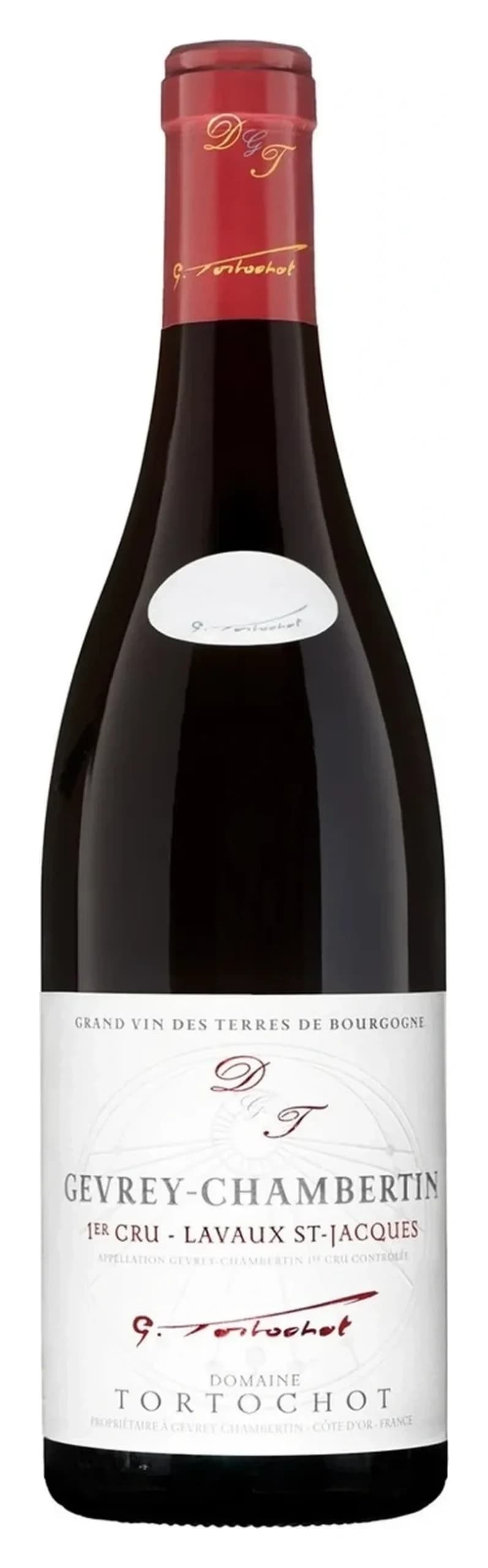
Burgundy and Chablis labels pair the village name with the vineyard: Gevrey-Chambertin the village, Clos Saint-Jacques the premier cru vineyard sitting inside it. Grand cru bottles tend to lead with the vineyard name itself.
Champagne is more flexible. If every grape came from one grand cru village, the label can say so directly — “Grand Cru Cramant,” for instance. If the wine blends fruit from several grand cru villages, it simply says “Grand Cru” with no village named. Alsace, since 2011, lists each of its 51 grand crus individually, so the vineyard name does the talking.
Bordeaux labels lead with the château, then the classification rank underneath — First Growth, Grand Cru Classé, Premier Grand Cru Classé, whatever applies.
None of these are everyday bottles in my shop, and I don’t sell them as if they were. They’re the ones I point people towards when there’s something to mark, not a Tuesday — give them air, a decent glass, and let the wine do the rest of the talking.
Is Grand Cru expensive?
Generally, yes — mostly because there’s so little of it, not because the label is fancier. Burgundy’s 33 grand cru vineyards sit inside a far larger region of village and regional wine. Alsace’s grand cru sites make up only a small share of the region’s total output. Scarcity is doing most of the work on the price tag, not marketing.
Champagne’s history makes the mechanism plain: the old échelle des crus literally priced grand cru grapes at 100% of the top rate. That system is gone, but the market — led in practice by the region’s largest buyers — still prices grand cru fruit at a premium, echelle or no echelle.
Worth saying plainly: grand cru is a classification of place, not a guarantee of pleasure. Some Alsace grand cru sites are debated as too generously drawn, covering soils and aspects of genuinely mixed quality. Burgundy has its own oddities — Corton, one of its grand crus, gets argued over more than most. A middling producer on great ground still makes middling wine. For how scores and ratings fit alongside all this classification talk, What wine ratings really mean: 90 points from whom? is worth a read before you spend big on a name alone.
Questions customers ask us
Does “Grand Cru” always taste better? Not automatically. The classification ranks the ground, not the winemaking on top of it — a careless producer on a grand cru site can still turn out an unremarkable bottle, which is exactly why trade opinion treats some grand crus (Corton included) as more debated than others.
Can wines from outside France use the term Grand Cru? There’s no legal equivalent outside French wine law, though the question gets raised at industry gatherings — some argue the term should travel the way “terroir” has. For now, it stays a French classification, tied to specific regions and villages.
What does grand cru coffee meaning have to do with wine? Nothing official — other trades have simply borrowed “grand cru” to signal top-tier quality, the way “great growth” first meant in French wine. It has no legal definition outside wine, so treat it as marketing shorthand elsewhere.
Search “grand cru meaning wine” and you’ll mostly get the literal translation repeated back at you. The translation’s the easy bit — the useful part is knowing it means something different in Burgundy, Champagne, Alsace and Bordeaux, which is really the whole point of this piece.
The merchant’s last word
I’ve sold grand cru Burgundy to people expecting it to taste like a “better” version of the village wine they usually drink, and had to explain gently that it’s a different animal altogether — smaller yields, more concentration, a different sort of evening entirely. Get the region right and the word starts making sense fast. If you fancy seeing what a genuine grand cru vineyard actually delivers, browse the burgundy cellar and I’ll talk you through any bottle on the shelf.