Ask anyone browsing our claret shelf what “classed growth” actually means, and you’ll get roughly the same answer every time: the Bordeaux classification 1855. It’s the ranking that started all the others, and it still leans on the price you pay today, decades on. Here’s the line worth quoting at dinner: the 1855 classification is a price list, not a tasting note — it ranks what the wines cost in 1855, not what they’re worth today. It sorted 60 leading châteaux from the Médoc, plus one from Graves, into five tiers — first growth down to fifth — based purely on what their wines were selling for at the time. By the end of this you’ll know what that ranking does and doesn’t tell you, how Cru Bourgeois and the other systems differ from it, and how to use any of them when you’re actually choosing a bottle.
What is the 1855 classification?
The 1855 classification ranks 60 Médoc châteaux plus one Graves estate — Château Haut-Brion, pulled in on the strength of its reputation — into five tiers: premiers crus (first growths) down to cinquièmes crus (fifth growths). Bordeaux’s brokers drew it up for Napoleon III’s Paris exhibition that year, ranking properties purely on the prices their wines had been commanding, not on tasting or vineyard visits. Sauternes and Barsac were classified at the same time, in their own two-tier version.
It’s a strange thing to sit with, once you think about it properly: a price list from a Paris trade fair, now 170 years old, still shaping what a bottle costs on a Tuesday in a shop today. The brokers weren’t blind-tasting anything. They looked at decades of trading prices and drew lines under first, second, third, fourth and fifth.
Only one estate has ever moved tier since — Château Mouton Rothschild, promoted from second growth to first in 1973, after years of lobbying that apparently took the better part of a working life. Everyone else sits exactly where the brokers left them, which is precisely why trade talk is full of “super seconds” — second growths that taste like they should cost first-growth money and, in fairness, sometimes do.
Sauternes and Barsac’s version runs three bands rather than five: first growths, second growths, and a single higher category invented for one estate the brokers judged to be in a class of its own — Château d’Yquem. That’s the full shape of it: two lists, run side by side, both frozen at 1855 prices. And frozen is the word that matters when you’re holding your wallet — a rank from 1855 tells you about pedigree, not about what’s best in the glass this year.
If you want the wider map of how Bordeaux’s regions and appellations sit together before you get lost in growth numbers, our Bordeaux without the intimidation: a merchant’s map is the better starting point.
How many chateaus were in the 1855 classification?
Sixty châteaux made the Médoc list, plus Haut-Brion as the lone outsider from Graves, whose standing was strong enough to be ranked alongside its Médoc neighbours. Together they’re split across five tiers, first growth being the smallest and most expensive band, fifth growth the largest.
Sixty sounds like a lot until you see it against the size of the Médoc itself. Classed growths of this list represent roughly a quarter of everything the Médoc produces — meaning three-quarters of the wine grown there sits entirely outside the 1855 club, some of it very good indeed. That’s worth holding onto, because it’s the gap the Cru Bourgeois classification exists to fill, with a possible field of more than 250 estates competing for its tiers rather than the fixed 60 of 1855 — and, from where I stand behind the counter, it’s the gap where most of the genuinely smart claret buying happens.
How the other Bordeaux classifications compare
The 1855 ranking only ever covered the Médoc, Graves’ one exception, and Sauternes-Barsac. Everywhere else in Bordeaux built its own system, on its own terms, at its own pace — and they don’t all work the same way.
| System | Established | Judged on | Structure |
|---|---|---|---|
| 1855 Classification | 1855 | Prices of the day | 5 tiers (Médoc); 3 tiers (Sauternes/Barsac) |
| Graves | 1959 | Price, reputation, tasting | Single list, 16 châteaux, red and/or white |
| St-Émilion Grand Cru Classé | 1955, revised roughly every 10 years | Terroir, methods, reputation, blind tasting | Premier Grand Cru Classé A, Premier Grand Cru Classé, Grand Cru Classé |
| Cru Bourgeois du Médoc | 1932, relaunched 2020 | Production methods and the finished wine, reassessed every 5 years | Cru Bourgeois, Supérieur, Exceptionnel |
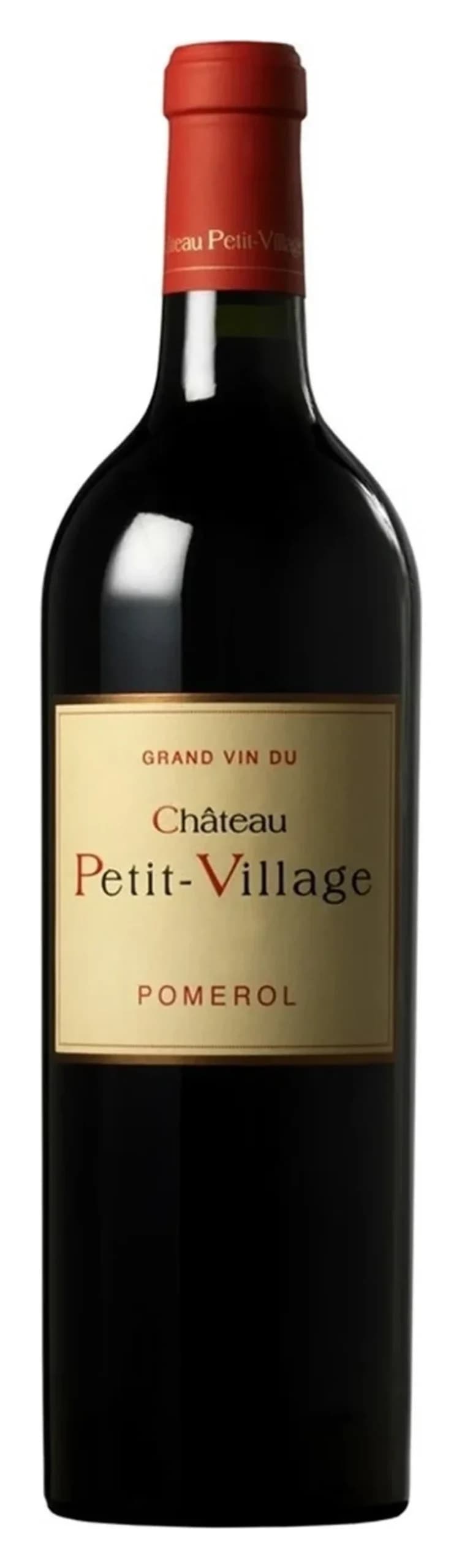
| Pomerol | Never established | — | No official ranking |
Compared with the classification 1855, these newer systems judge the wine as it is now rather than a price ledger from a Napoleon-era trade fair — which sounds like an improvement, and mostly is, but it’s also brought its own headaches. St-Émilion’s list has been revised, challenged, and dragged through the courts more than once; three of its most celebrated châteaux withdrew entirely before the 2022 revision rather than risk another dispute. Graves is overdue a rethink too, by most trade accounts, but nobody wants to reopen that particular can of worms after watching St-Émilion’s experience.
Terms like “grand cru” and “premier cru” also shift meaning as you cross regions, which trips up plenty of people who assume Bordeaux and Burgundy use them the same way. They don’t. If that’s the bit confusing you, our piece on what Premier Cru and Grand Cru actually mean untangles it properly. For buying purposes, the table boils down to one habit: check when a wine was last judged, not just whether it holds a rank.
How to use these classifications when choosing a bottle
I used to tell customers a fifth growth was automatically the better buy over an unclassified neighbour. That was lazy of me, and wrong often enough that I stopped saying it. A fifth growth ranked once, in 1855, on old price data can easily be outperformed today by a Cru Bourgeois Exceptionnel estate — a property that wasn’t even eligible for the 1855 list because it sat outside the handful of châteaux being watched at the time, and which gets re-judged on its actual wine every five years.
So here’s the practical version. The 1855 list tells you about pedigree and prestige pricing — useful for a special-occasion bottle, less useful for a Tuesday. Cru Bourgeois tells you a property has been assessed recently, on methods and the finished wine, which makes it a decent hunting ground for good claret at a fairer price — if you take one buying habit from this page, make it reaching for the Cru Bourgeois shelf first and saving the classed growths for the milestones. Below Cru Bourgeois sits cru artisan — smaller still, more humble, recognised by the EU since 1994 across the main Médoc communes — worth knowing exists, even if you rarely see it on a list.
None of these rankings tell you much about a specific vintage, though. That’s a different question, and one worth asking separately — our guide to what wine ratings really mean is the better read for that.
What a classification tier means for price and style
Classification and price track each other loosely at the top and loosely everywhere else. First growths carry a premium wildly out of proportion to the step between other tiers — a first growth typically costs several times a fifth growth, not a neat multiple. Second growths are where the “super second” reputation lives: quality that regularly rivals first growth without matching its price tag, simply because 1855’s brokers priced them differently 170 years ago and nobody’s revisited the sums since.
Classed growths must be bottled at the estate itself, a rule that’s since become standard practice everywhere but was notable when it was written in. Cru Bourgeois wines sit a rung down in price and in prestige, but the gap in the glass is often much smaller than the gap on the label suggests — which is exactly the kind of thing I like pointing customers towards on a normal Tuesday, rather than saving for birthdays.
Questions customers ask us
How do I find out which classification a specific château holds? Check the back label — classed growths are required to state their rank — or ask your merchant. The 1855 lists, the Graves classification and the current Cru Bourgeois tiers are all public documents, searchable by property.
Why doesn’t Pomerol have a classification? No official system was ever set up there. Some Pomerol estates carry huge reputations regardless, built on scarcity and word of mouth rather than a ranked list.
Has the 1855 Bordeaux classification ever been revised? Only very slightly. One estate — Mouton Rothschild — moved from second to first growth in 1973; otherwise the list stands as the brokers left it, which is unusual by Bordeaux’s own standards — most other systems here get reworked every five to ten years.
What’s a cru artisan? A tier below Cru Bourgeois, generally smaller estates, recognised by the EU since 1994 across the main Médoc appellations. You won’t see it often, but it’s a real category worth recognising on a label.
The merchant’s last word
The 1855 classification gets all the fame, but it’s a snapshot of 19th-century price lists, nothing more mystical than that. I still love pouring from it on the right occasion — but most weeks, I’m reaching for a Cru Bourgeois or an unclassified Médoc that never made anyone’s list and doesn’t need to. Come and browse the bordeaux cellar and I’ll point you towards whichever shelf suits the Tuesday you’re actually having.