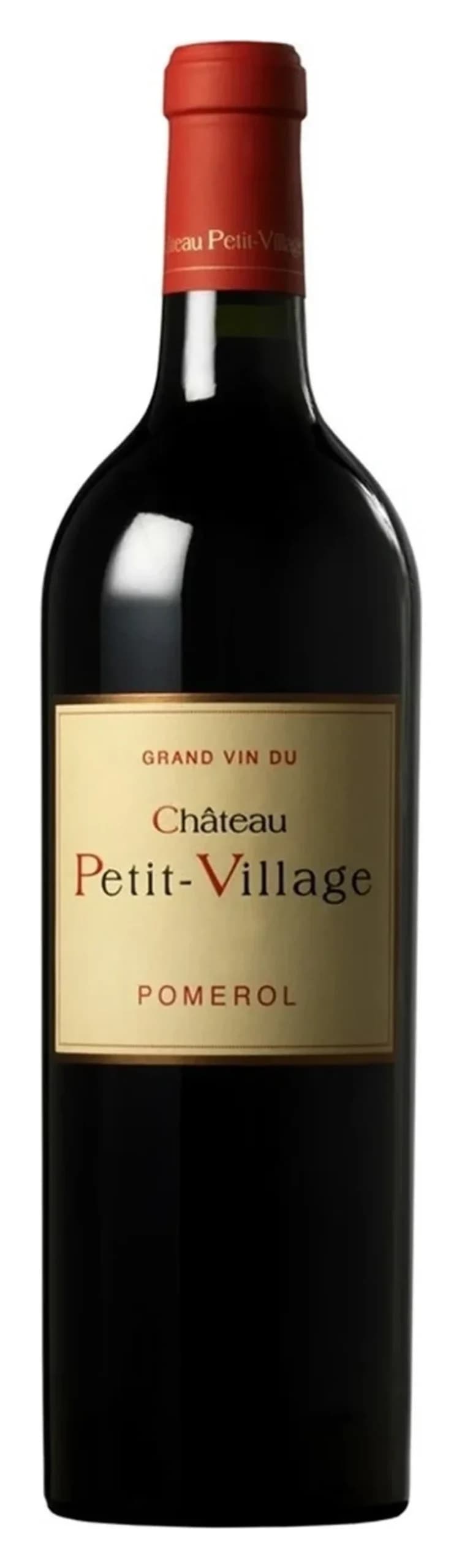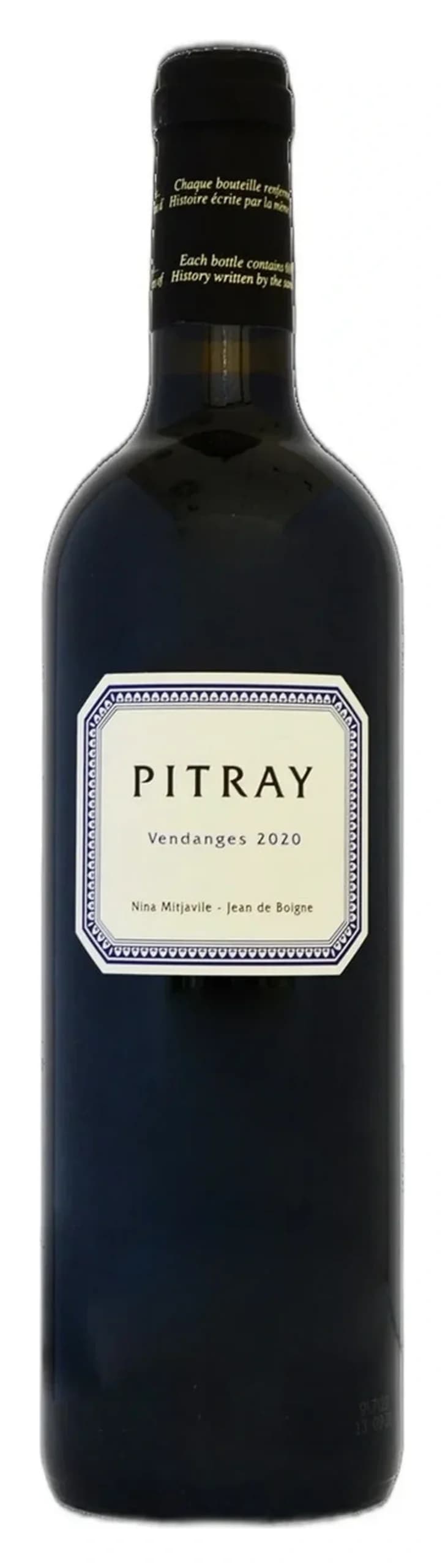
En primeur is the term you’ll trip over every spring if you follow Bordeaux news, and it sounds grander than it is. In plain terms: it’s wine sold before it’s bottled, while it’s still resting in barrel in the producer’s cellar. You pay now, you wait — sometimes a couple of years — and the bottle turns up later. By the end of this you’ll know what you’re actually buying when you buy en primeur, how the campaign runs month to month, and whether it’s worth your money or better left to the trade tasting rooms.
What does en primeur mean?
En primeur means wine bought as a future — before bottling, while it’s still ageing in barrel at the producer. You’re not buying a finished bottle. You’re buying a promise: that the wine in that barrel will, a year or two on, become the bottle you were shown a sample of. Ownership sits with you; the wine physically sits with them until it’s ready.
Primeur itself just means young produce in French — same word used for early spring vegetables. Wine borrowed it. Vin en primeur and en primeur mean the same thing in trade conversation; one’s just got “vin” bolted on the front. Don’t let anyone tell you there’s a technical distinction, because there isn’t one.
The modern system properly dates to just after the Second World War, when Bordeaux’s châteaux were financially on their knees and had years of stock tied up in barrels not yet fit to sell. Selling early got cash through the door before bottling costs were even paid. It’s a producer’s overdraft, dressed up in French — and it worked, which is why it stuck around for seventy-odd years.
How a vente en primeur actually runs
A vente en primeur runs on a calendar, not a whim. Barrel samples go out each April, thousands of trade buyers and journalists descend on Bordeaux to taste unfinished wine, the châteaux set an opening price through their négociants, and a slice of the harvest — a tranche — goes on sale. Sell well, and the next tranche often costs more.
The négociant is the middleman worth understanding, because he’s the reason the system still works at all. He buys a portion of a château’s stock and distributes it onward to merchants like me, who sell it on to you. In Burgundy the négociant is often more hands-on, involved in the actual winemaking rather than just the selling — a different relationship to the Bordeaux model, worth knowing if you’re comparing the two regions.
Once you’ve bought, you’ve got three routes: take delivery once it’s bottled and shipped, leave it in bond and store it until it’s ready to drink (which for serious Bordeaux can mean the best part of a decade), or sell it on before you ever see the cork. One practical note that catches people out — if the wine’s sitting in a bonded warehouse, you’ll owe duty and tax the moment you want it released to drink or move it home.
How do you say primeur in English?
There isn’t a neat English word for primeur on its own — the trade term you want is “wine futures.” It describes the same thing: buying a wine before it exists as a finished, bottled product, rather like buying a futures contract on a commodity. English merchants still say en primeur even when speaking English, because that’s simply what everyone in the trade calls it — French term, English sentence, nobody blinks.
Which wines actually get sold this way
Bordeaux dominates the conversation, but it’s not the only region doing it. The common thread is wine that needs real time in barrel and has enough of a following that buyers want in early.
| Region | Barrel time before bottling | Why it’s sold en primeur |
|---|---|---|
| Bordeaux (Pauillac, Margaux, Saint-Julien, Pomerol) | 18 months or more | Long-established campaign, largest secondary market |
| Burgundy (Côte de Nuits, Côte de Beaune) | Similar barrel ageing | Small volumes, strong collector demand |
| Rhône (Châteauneuf-du-Pape and similar) | Extended barrel/foudre ageing | Growing investor interest |
| “Super Tuscans” | Extended barrel ageing | Prestige, limited production |
| Vintage Port (Douro) | Two years in cask before bottling/declaration | Long tradition of early trade sales |
Notice what they’ve got in common: none of them are wines you’d grab on a Tuesday for that night’s dinner. This is stock for the cellar, not the kitchen table.
What it costs you, either way
Here’s the pitch you’ll hear from a merchant selling en primeur: you lock in a lower price, and you secure an allocation of something that’ll be hard to find once it’s bottled and released properly. Both true, sometimes. Neither guaranteed.
I’ll own a mistake here — for a couple of vintages I pushed en primeur to customers on the “it’ll only go up” line, because that’s what I’d been told and it felt true in a good year. Prices don’t only go up. Trade coverage of the 2011 Bordeaux campaign is a fair example — a middling vintage priced as though it were a great one, and buyers who paid early didn’t all come out ahead. Since around 2010 there’s been an honest debate in the trade about whether the whole system still delivers what it once did, particularly after the price surges of the 2000s.
There’s a second risk that’s easy to forget: you’re buying from a barrel sample, not the finished wine. What you taste in April is a snapshot, sometimes a groomed one, of something still being blended and matured. It usually turns out fine. Usually.
Some producers have stepped back from it entirely — a well-known Bordeaux estate announced in 2012 it would stop selling en primeur altogether, preferring to hold wine and sell it only once bottled. If the biggest names can afford to wait, that tells you something about who the system actually still serves.
Whether it’s worth your money
Honestly? For most people building a nice cellar to drink from over the next few years, no — buy bottled wine from a merchant you trust, at a price you can see and taste. En primeur suits a narrower customer: someone chasing a specific vintage or producer they know they’ll want in ten years, who’s happy to wait, store correctly, and accept the price might not move in their favour.
If cellaring is new territory for you, it’s worth reading starting a cellar for £200 before you commit real money to wine you can’t taste yet — start small, learn what ageing actually does to a wine, then decide if futures make sense for you. And if the whole Bordeaux pricing structure feels opaque, Bordeaux without the intimidation: a merchant’s map untangles a lot of it without the jargon.
Questions customers ask us
Can I buy en primeur wine as a one-off, or do I need to be a regular trade client? No, plenty of UK merchants offer en primeur to ordinary customers each spring — you don’t need trade credentials, just patience and somewhere sensible to store it once it arrives.
Does en primeur ever apply to wines outside France? The system’s most developed in Bordeaux and has spread to Burgundy, the Rhône, Tuscany and Vintage Port; it’s not really a feature of everyday New World wine buying.
Why does the price sometimes drop after I’ve bought en primeur? Because you bought on an opinion of an unfinished wine, and markets move — reputation, weather elsewhere, and overall demand for Bordeaux all shift the price of the finished bottle later.
Is en primeur the same as pre-order from a shop? Not quite — a normal pre-order is for a finished, bottled wine arriving soon; en primeur is for wine that doesn’t exist in bottle yet and might not for a year or two.
The merchant’s last word
I’ve sold en primeur wines I was proud of and a couple I wasn’t, and the honest lesson is that it rewards patience more than optimism. If you fancy dipping a toe without the wait — or want to understand why a bottle costs what it does before you commit to futures — have a read of why does wine cost what it costs, then come and browse the bordeaux cellar.